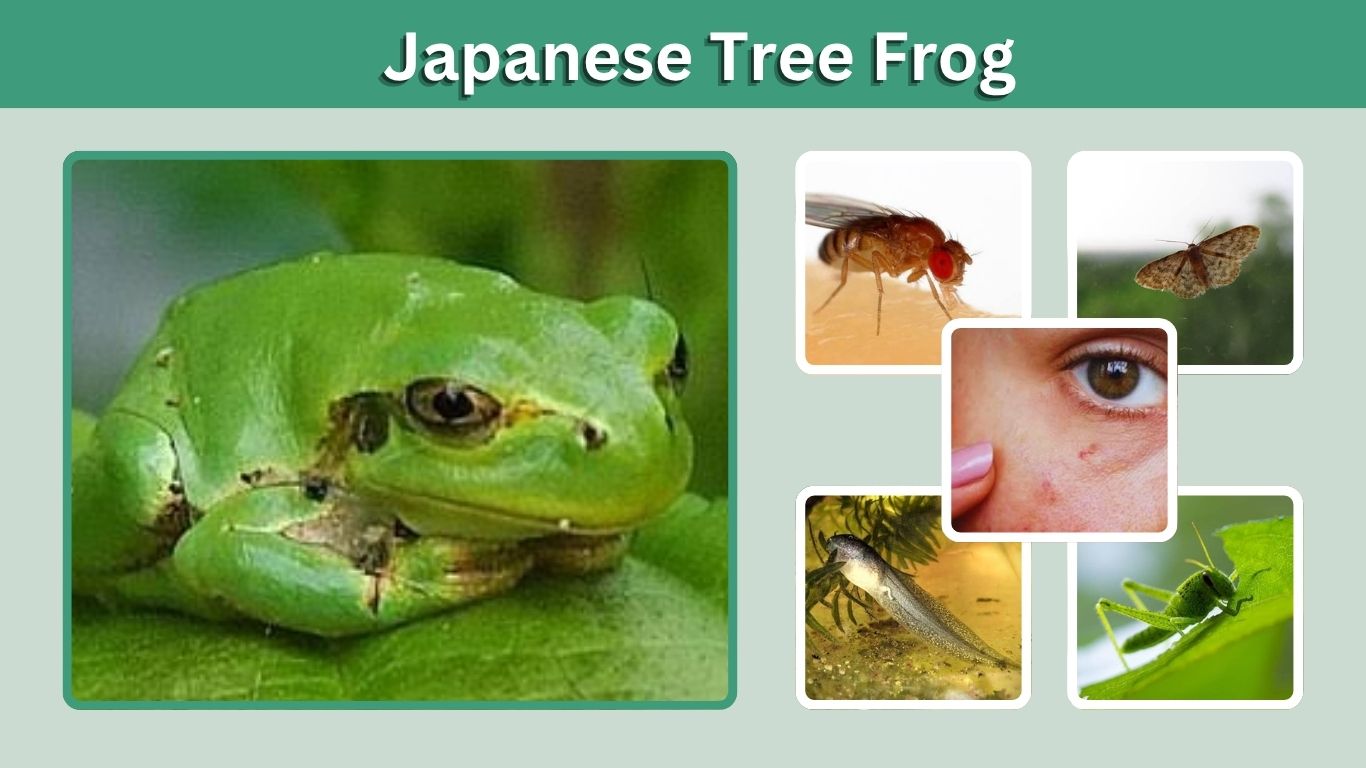
The Japanese tree frog is a small, colorful amphibian known for its bright green skin, distinctive calls, and impressive climbing abilities. Commonly found around rice fields, gardens, and wetlands, this frog plays an important role in controlling insect populations. Recently, Japanese tree frogs have also attracted scientific attention because researchers discovered potentially useful anticancer bacteria in their digestive systems. Understanding their appearance, habitat, diet, reproduction, and care requirements provides valuable insight into this fascinating species and its growing importance in biological and medical research.
What Is a Japanese Tree Frog?
The Japanese tree frog (Dryophytes japonicus), formerly known as Hyla japonica, belongs to the family Hylidae. It is a small amphibian native to parts of East Asia, particularly southwestern Japan and the Korean Peninsula. Its bright coloration, distinctive dark facial stripe, and specialized toe pads make it recognizable.
Scientific Name and Classification
The Japanese tree frog belongs to the genus Dryophytes. Its earlier scientific name, Hyla japonica, remains common in older books and research publications.
A 2025 taxonomic study separated eastern Japanese populations into another species, Dryophytes leopardus, called the East Japan tree frog. Previously, these closely related frogs were generally classified together.
Japanese Green Tree Frog
The Japanese green tree frog is typically bright green but may turn grayish or brownish depending on its surroundings. This ability helps it blend into leaves, bark, and other natural surfaces.
Unlike some larger tropical tree frogs, it has a small body and slender limbs that allow it to move easily through vegetation.
Japanese Tree Frog Size and Identification
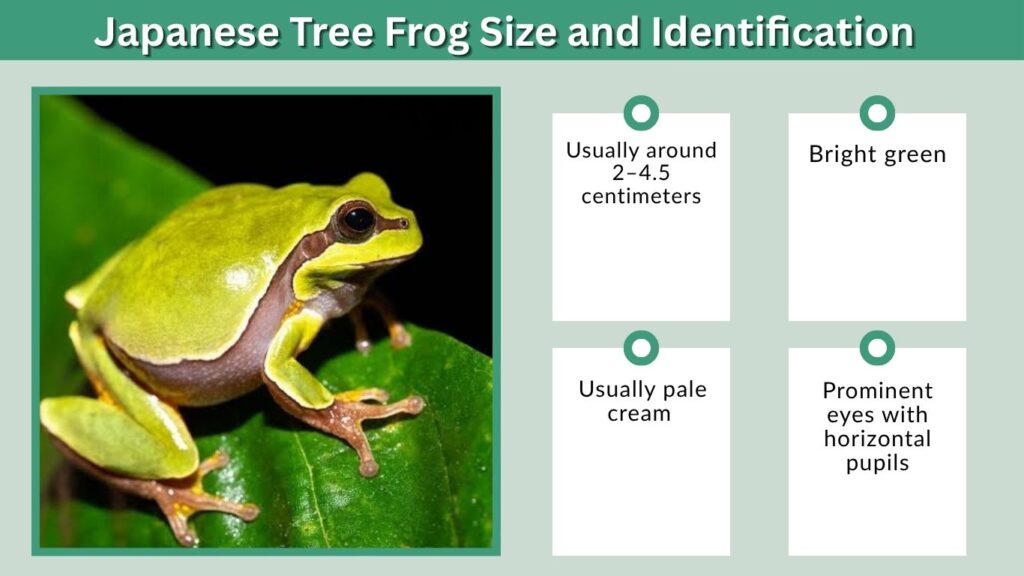
Japanese tree frogs are relatively small compared with many other amphibian species. Adults generally measure approximately 2–4.5 centimeters in body length, although females may grow larger than males. Their smooth skin, large eyes, and dark facial markings distinguish them from several other green frogs found in Japan.
Key Physical Characteristics
- Body size: Usually around 2–4.5 centimeters long.
- Skin color: Bright green, gray-green, or brownish.
- Facial stripe: Dark markings extending from the snout through the eyes.
- Belly: Usually pale cream or whitish.
- Eyes: Prominent eyes with horizontal pupils.
- Toe pads: Rounded adhesive pads that help with climbing.
- Body shape: Compact body with relatively slender legs.
Can Japanese Tree Frogs Change Color?
Japanese tree frogs can change their skin coloration in response to environmental conditions. A frog resting on green vegetation may appear bright green, while one sitting against darker surfaces may become brownish.
Temperature, light, and physiological conditions also influence their appearance. These changes help provide camouflage, although they cannot instantly match every background.
Japanese Tree Frog Habitat and Distribution
Japanese tree frogs inhabit environments that provide vegetation, moisture, and suitable breeding water. They are frequently associated with agricultural landscapes, especially rice paddies, where they find abundant insects and seasonal shallow water. Their adaptability also allows them to occupy gardens, wooded areas, and other habitats near human settlements.
Where Do Japanese Tree Frogs Live?
Under the updated classification, Dryophytes japonicus occurs in southwestern Japan and other parts of East Asia, including Korea. Related eastern Japanese populations are now classified as Dryophytes leopardus.
These frogs spend much of their time among grasses, shrubs, and low branches. They often rest on leaves during daylight hours and search for food when conditions become cooler and more humid.
Why Are Rice Fields Important?
Rice paddies provide breeding sites, shelter, and numerous small insects. Shallow water supports egg development and tadpole growth, while surrounding vegetation offers protection from predators.
However, pesticide exposure, habitat modification, and changes in farming practices can threaten local populations. Maintaining healthy wetland environments helps protect these amphibians.
Japanese Tree Frog Call and Sound
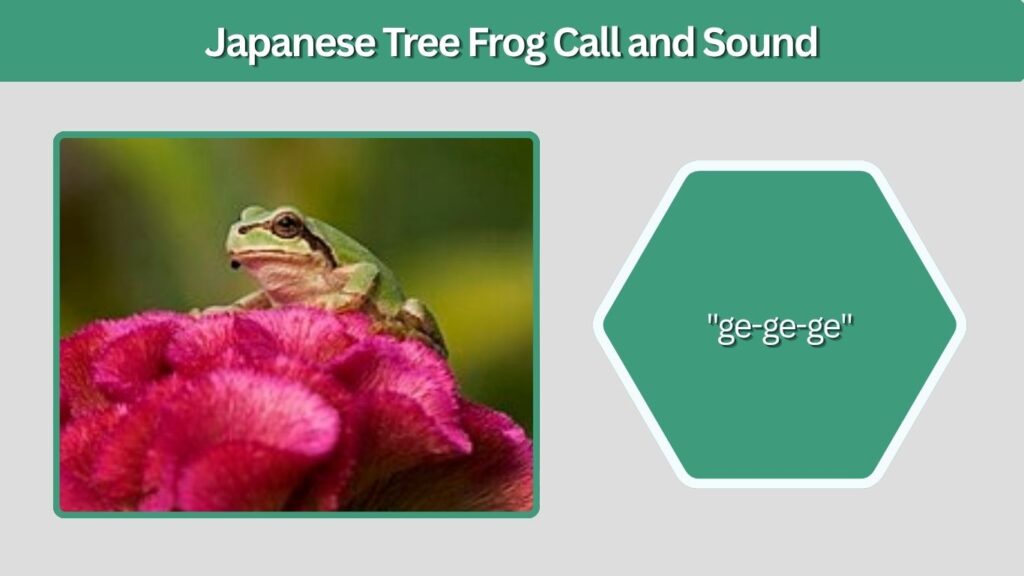
The Japanese tree frog is recognized for its repetitive calling behavior, especially during the breeding season. Male frogs produce distinct vocalizations to attract females and communicate with nearby males. Their chorus is commonly associated with warm, humid evenings around rice fields, ponds, and other shallow-water habitats.
What Does a Japanese Tree Frog Sound Like?
The Japanese tree frog call consists of short, repeated notes often described as a rapid “ge-ge-ge” sound.
During breeding periods, numerous males may call simultaneously, producing a noticeable chorus. Calling activity often increases following rainfall or when environmental conditions favor reproduction.
Why Do Japanese Tree Frogs Croak?
Male Japanese tree frogs primarily call to attract potential mates. Their sounds also help establish spacing between calling individuals.
Researchers study these vocalizations to understand communication, mating behavior, and environmental influences on frog activity.
The Japanese tree frog chorus is especially noticeable during spring and early summer, although exact breeding periods vary geographically.
Japanese Tree Frog Life Cycle and Reproduction
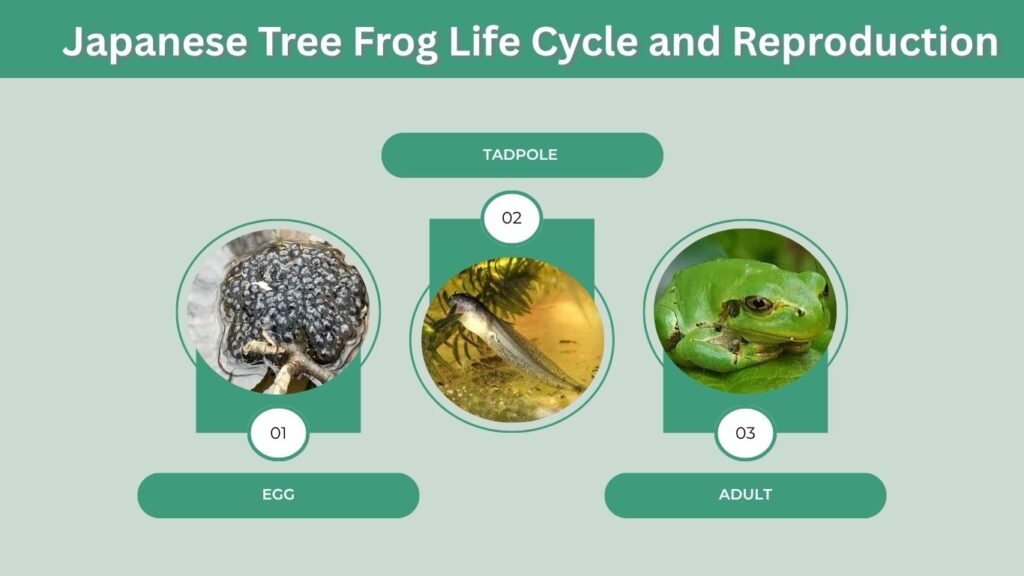
The Japanese tree frog undergoes a typical amphibian life cycle involving eggs, aquatic tadpoles, and terrestrial adults. Reproduction usually takes place during warmer months when shallow freshwater habitats become available. Successful development depends on water conditions, temperature, and access to suitable food.
Eggs and Tadpole Development
Female Japanese tree frogs deposit eggs in freshwater habitats, including rice paddies and shallow ponds.
After hatching, tadpoles live underwater and feed on algae, organic matter, and other available materials.
As they develop, their hind legs appear, followed by their front legs. Their tails gradually shrink as they transition from aquatic tadpoles into young frogs.
Do Japanese Tree Frogs Make Foam Nests?
The common Japanese tree frog does not typically produce foam nests. Its eggs develop in water.
Foam nesting is associated with other Japanese amphibians, including the Japanese forest green tree frog (Zhangixalus arboreus).
These species should not be confused because their reproductive behaviors and biological classifications differ.
Japanese Tree Frog Care and Tank Setup
Japanese tree frogs can be maintained in captivity by experienced keepers who understand their environmental needs. Although small, they require adequate climbing space, controlled temperatures, moisture, and regular feeding. Proper enclosure maintenance is essential because amphibians have delicate skin that can absorb harmful substances from their surroundings.
Essential Enclosure Requirements
- Terrarium: Use a secure, vertically oriented enclosure with sufficient climbing space.
- Temperature: Maintain approximately 20–26°C (68–79°F) during normal activity.
- Humidity: Provide moderate to high humidity, commonly around 60–80%, with good ventilation.
- Substrate: Choose amphibian-safe soil, coconut fiber, or suitable moist materials.
- Climbing areas: Include sturdy branches, plants, and resting platforms.
- Water dish: Provide shallow, clean, dechlorinated water.
- Lighting: Maintain a regular day-night cycle without exposing frogs to excessive heat.
Cleaning and Daily Maintenance
Remove waste and uneaten food regularly. Replace drinking and soaking water daily, and check that enclosure surfaces are not constantly saturated.
Avoid household cleaning chemicals, scented sprays, and excessive handling. An amphibian-experienced veterinarian can help establish suitable husbandry practices.
Japanese Tree Frog Diet and Feeding Habits

Japanese tree frogs are insectivorous amphibians that feed primarily on small insects and other invertebrates. Their natural feeding behavior helps regulate insect populations around gardens and agricultural habitats. Captive frogs require appropriately sized prey, nutritional variety, and suitable calcium supplementation to support normal growth.
What Do Japanese Tree Frogs Eat?
- Small crickets: Common feeder insects for captive adults.
- Fruit flies: Suitable for young frogs and small individuals.
- Small roaches: Useful prey when appropriately sized.
- Small moths: Naturally consumed by wild frogs.
- Flies and mosquitoes: Common natural prey.
- Small spiders: Occasionally consumed in natural habitats.
How Often Should They Eat?
Juvenile Japanese tree frogs generally require more frequent feeding than adults. Healthy adults may be fed every two or three days, depending on their size and condition.
Captive feeder insects should be gut-loaded and supplemented appropriately. Avoid wild-caught insects that might contain pesticide residues.
Japanese Tree Frog Gut Bacteria and Cancer Research
Japanese tree frogs have recently attracted scientific attention because of bacteria found inside their digestive systems. Researchers are investigating whether microorganisms associated with amphibians could provide new approaches to cancer treatment. Although experimental findings have been promising, this research remains preliminary and does not establish a cancer cure for humans.
Can Japanese Tree Frog Bacteria Cure Cancer?
A study published in Gut Microbes in December 2025 investigated bacteria isolated from Japanese tree frogs and other amphibians and reptiles.
Researchers identified a bacterial strain called Ewingella americana that demonstrated strong antitumor effects in laboratory mice with colorectal cancer.
In the tested mouse model, a single treatment eliminated detectable tumors in all treated animals. The findings were promising but did not demonstrate effectiveness or safety in human patients.
How Does Bacteria Fight Cancer?
Researchers observed that the bacterial treatment attacked tumors through two mechanisms.
First, the bacteria directly damages cancer cells. Second, they stimulated immune responses involving several types of immune cells.
However, additional research is necessary to assess long-term safety, determine effective treatment methods, and establish whether similar outcomes are possible in humans.
Japanese tree frog gut bacteria are therefore an interesting research subject, not an approved cancer treatment.
Are Japanese Tree Frogs Poisonous?
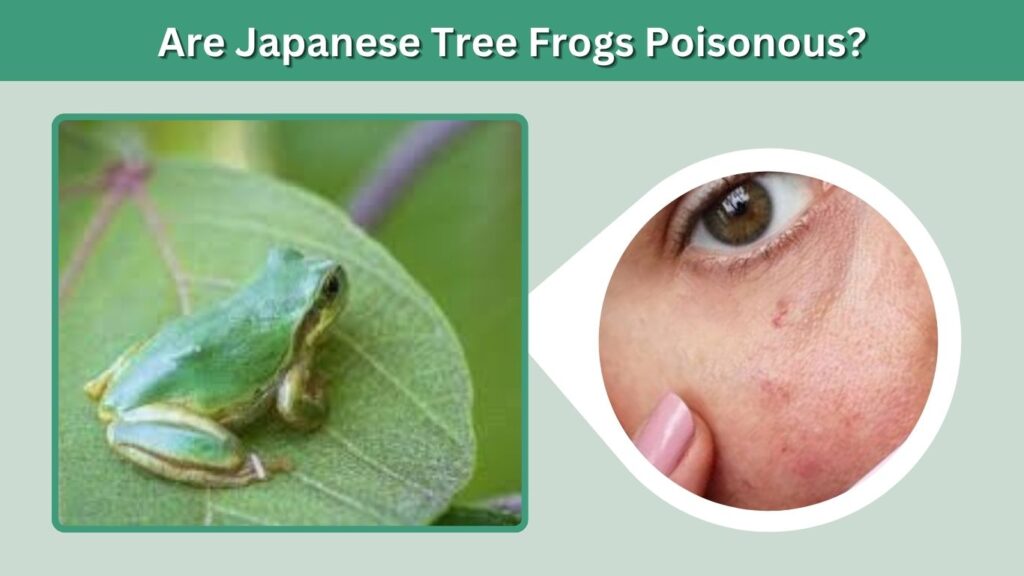
Japanese tree frogs produce defensive skin secretions that can irritate sensitive tissues. Although they are not generally considered highly dangerous to humans through ordinary skin contact, their secretions should not enter the eyes, mouth, or open wounds.
Handling should be minimized because chemicals and oils on human skin can also harm frogs.
Wash your hands thoroughly after contact with a frog or its enclosure. Never allow children or pets to put amphibians in their mouths.
Japanese Tree Frog for Sale and Pet Ownership
Japanese tree frogs are sometimes available through specialty amphibian sellers, although their availability varies by country and local wildlife regulations. Responsible ownership requires understanding the animal’s environmental needs and confirming that it was obtained legally. Captive-bred individuals are preferable to frogs removed from wild populations.
What to Check Before Buying
- Legal status: Confirm ownership and transport regulations.
- Breeding origin: Prefer responsibly captive-bred frogs.
- Health: Look for clear eyes, normal movement, and healthy skin.
- Feeding history: Ask whether the frog accepts suitable insects.
- Enclosure readiness: Prepare the habitat before purchasing.
- Veterinary access: Identify an amphibian-experienced veterinarian.
Japanese tree frogs are primarily observation pets rather than animals intended for frequent handling.
FAQs
1. How Long Do Japanese Tree Frogs Live?
Japanese tree frogs commonly live several years, with captive individuals sometimes reaching around five years or longer under favorable conditions. Their lifespan depends on environmental stability, nutrition, disease prevention, and appropriate care. Wild individuals face additional threats from predators and habitat conditions.
2. Are Japanese Tree Frogs Dangerous to Humans?
Japanese tree frogs are not aggressive toward humans, but their skin produces defensive substances that may irritate sensitive tissues. Avoid touching your eyes or mouth after handling them. Washing your hands thoroughly reduces exposure risks and helps maintain proper hygiene.
3. Can Japanese Tree Frogs Be Kept as Pets?
Japanese tree frogs can be kept in captivity where ownership is legal. However, they require suitable climbing structures, controlled temperatures, clean water, and appropriately sized insects. Responsible keepers should prioritize captive-bred animals and avoid excessive handling because of their sensitive skin.
4. Do Japanese Tree Frogs Really Help Cure Cancer?
Researchers discovered bacteria from Japanese tree frogs that eliminated colorectal tumors in an experimental mouse model. However, these findings do not prove that the bacteria cure cancer in humans. Clinical research is necessary before any treatment could be considered safe and effective.
5. What Is the Difference Between Japanese and Forest Green Tree Frogs?
The Japanese tree frog belongs to the genus Dryophytes, while the Japanese forest green tree frog belongs to Zhangixalus. Both are green amphibians, but they differ in body structure, reproductive behavior, and classification. Forest green tree frogs produce distinctive foam nests.
