
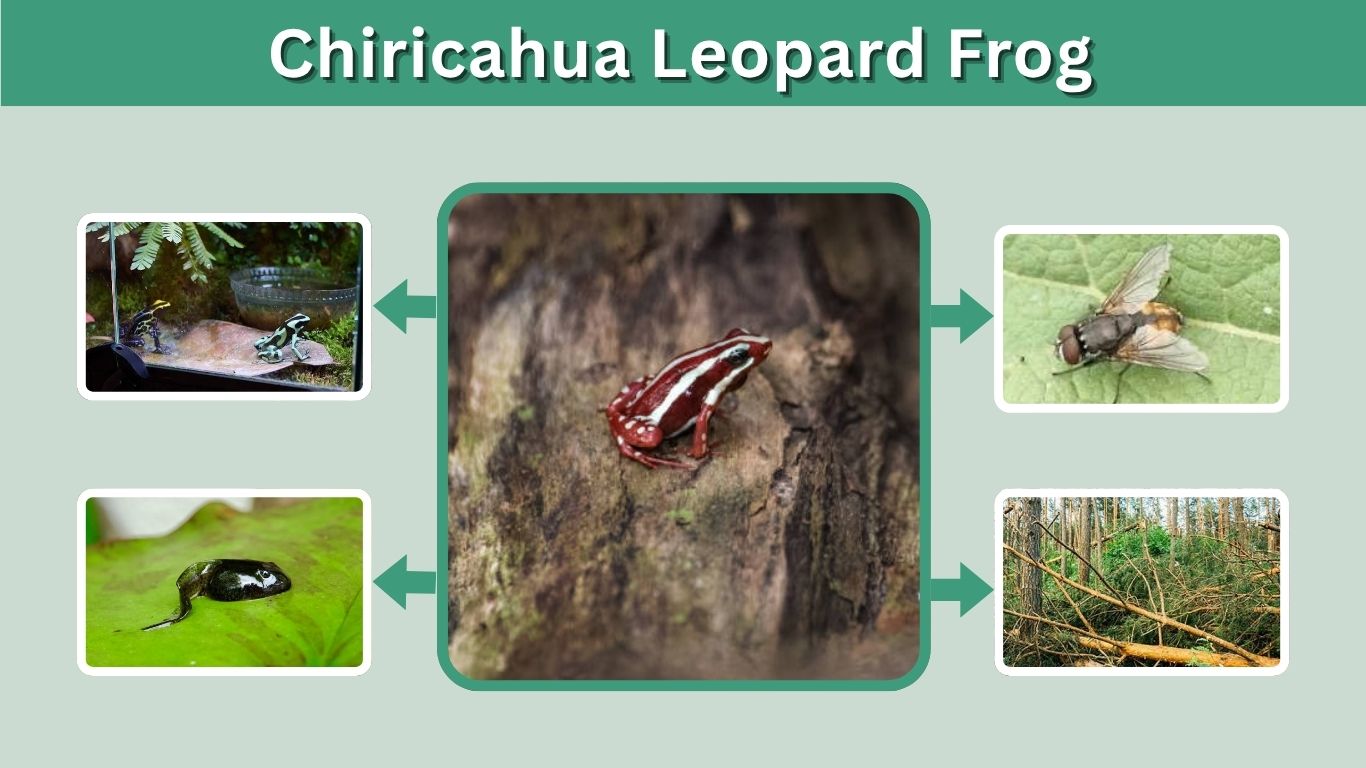
The phantasmal poison frog is a tiny Ecuadorian amphibian known for its reddish body, pale stripes, and chemically defended skin. It lives mainly near streams in humid forests on the western side of the Andes. The species is also scientifically important because research on its skin alkaloids contributed to the discovery of epibatidine, a powerful compound that affects the nervous system. However, its taxonomy has caused considerable confusion with the closely related Epipedobates anthonyi.
What Is a Phantasmal Poison Frog?
The phantasmal poison frog, also called the tricolor poison frog or phantasmal poison-arrow frog, belongs to the poison frog family Dendrobatidae.
Its accepted scientific name is Epipedobates tricolor. It was first formally described in 1899 and is endemic to Ecuador, meaning it occurs naturally nowhere else.
| Feature | Description |
| Scientific name | Epipedobates tricolor |
| Family | Dendrobatidae |
| Animal group | Amphibian |
| Native country | Ecuador |
| Typical size | Approximately 2–2.5 cm |
| Activity | Mainly daytime |
| Diet | Small insects and other arthropods |
| Conservation status | Vulnerable |
Taxonomic Confusion
Many older books, care guides, toxin studies, and photographs labeled Epipedobates anthonyi as Epipedobates tricolor. The American Museum of Natural History notes that much of the published information using the name E. tricolor actually concerns E. anthonyi. The two are now treated as separate species with different geographic ranges.
Phantasmal Poison Frog Identification
This frog has a compact body, smooth skin, slender limbs, and slightly expanded toe tips. Adults are generally no longer than about one inch.
Main Identification Features
- Dark red, brick-red, brown, or burgundy body
- Pale yellow, cream, greenish, or white stripes
- One central stripe may run along the back
- Additional stripes usually appear along the sides
- Dark, rounded eyes
- Smooth and moist skin
- Slender front and rear legs
- Individual stripe patterns can vary
Its bright coloration is a warning signal known as aposematism. The colors advertise that the frog may contain unpleasant or dangerous defensive chemicals.
Habitat and Distribution
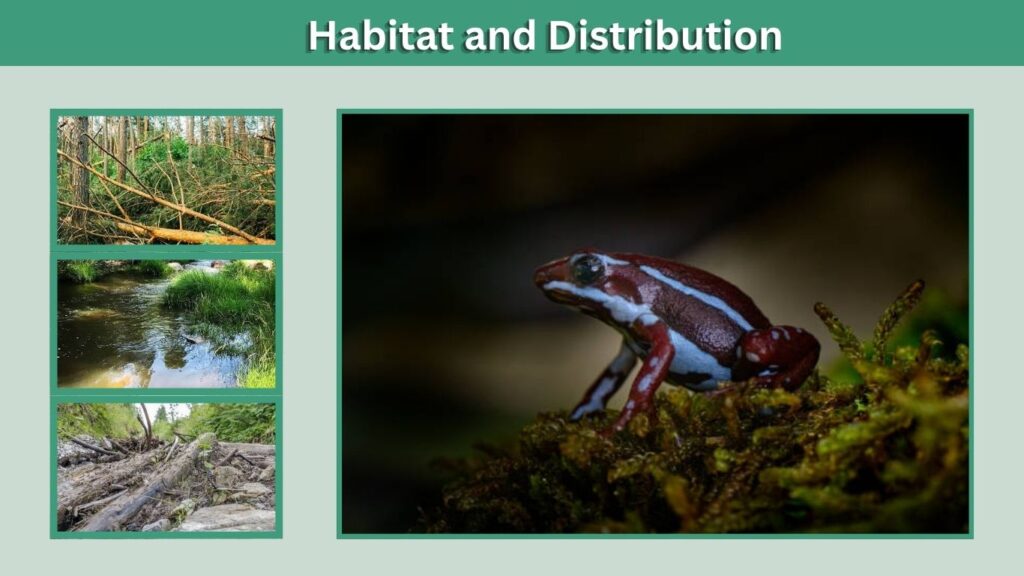
The true Epipedobates tricolor occurs in central Ecuador. Current taxonomic records place it in the Pacific lowlands and neighboring western Andean slopes of Bolívar and Cotopaxi provinces, from approximately 156 to 2,644 meters above sea level.
It inhabits moist tropical and subtropical environments, especially areas containing:
- Forest-floor leaf litter
- Small streams and drainage channels
- Damp rocks and fallen vegetation
- Wetlands and streamside vegetation
- Partially disturbed forest
- Pastures or plantations near water
The frogs usually remain close to the ground, although they may climb onto low leaves and branches. Moisture is essential because amphibian skin can dry rapidly, and their eggs and tadpoles require humid or aquatic environments.
What Does a Phantasmal Poison Frog Eat?
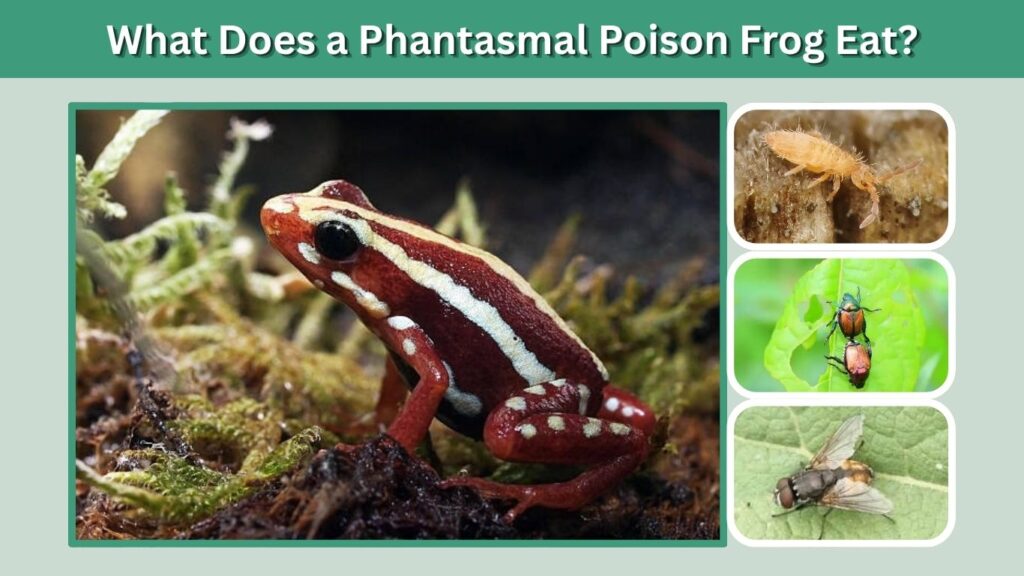
Phantasmal poison frogs are insectivores. They hunt extremely small animals moving through leaf litter and low vegetation.
Their natural diet may include ants, mites, termites, springtails, tiny beetles, flies, and other small arthropods. The frogs use their vision to detect movement before capturing prey with a quick movement of the tongue.
A wild diet is also connected to their chemical defenses. Poison frogs obtain many skin alkaloids from the arthropods they consume rather than manufacturing every toxin entirely within their bodies. Frogs raised on ordinary captive insects generally lose these defensive alkaloids.
Is the Phantasmal Poison Frog Toxic?
Wild phantasmal poison frogs may carry alkaloid chemicals in glands within their skin. These substances help discourage predators that attempt to touch or swallow them.
The frog is poisonous rather than venomous. A venomous animal injects a toxin through a bite or sting, while a poisonous animal causes exposure when it is touched, eaten, or otherwise contacted.
Is It Dangerous to Touch?
Wild poison frogs should not be handled. Skin secretions may cause numbness or other effects, particularly if they contact the eyes, mouth, broken skin, or another sensitive area. Handling can also injure the frog because amphibians readily absorb salt, soap, oils, and chemicals from human hands.
Captive-bred poison frogs fed nontoxic fruit flies, springtails, and similar prey generally do not retain the dangerous chemical defenses of wild frogs. Nevertheless, they should still be treated as display animals rather than handled pets.
The Phantasmal Poison Frog Toxin
The compound most famously associated with this frog is epibatidine. It acts strongly on nicotinic acetylcholine receptors in the nervous system.
Early experiments showed that epibatidine had powerful non-opioid pain-relieving activity. One published study found it approximately 120 times more potent than nicotine in an animal analgesia test. However, the compound is highly toxic and has a very narrow margin between an effective and dangerous dose, preventing its use as an ordinary pain medicine.
Did the Frog Produce a New Medicine?
Epibatidine itself did not become a standard medication. Instead, it became a valuable research compound and inspired scientists to investigate related molecules that might provide pain relief with fewer toxic effects.
There is an important scientific qualification: historical frogs identified as E. tricolor were sometimes actually E. anthonyi. A later chemical study confirmed epibatidine and a related alkaloid called phantasmidine in E. anthonyi. Therefore, statements connecting the toxin exclusively to the true E. tricolor should be treated cautiously.
Call and Daily Behavior
Phantasmal poison frogs are mainly active during the day. Males produce repeated trills or croaking calls to attract females and warn competing males away from small territories.
Males may call from leaf litter, rocks, or low vegetation near breeding areas. Research comparing E. tricolor and E. anthonyi found that their calls are generally similar but can differ in pulse frequency and intervals.
Both males and females may defend small spaces. Territorial encounters can involve calling, chasing, jumping, or brief wrestling rather than serious biting.
Breeding and Life Cycle
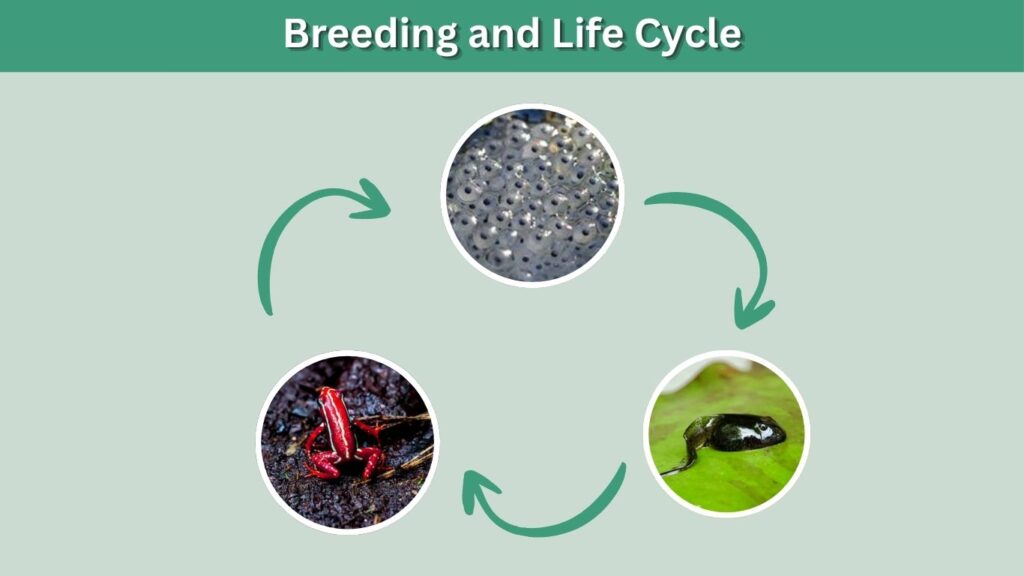
Reproduction usually occurs in humid conditions. After courtship, the female deposits eggs on moist leaves, leaf litter, or another protected surface above the ground.
The male provides most of the parental care. He guards the developing eggs and helps keep them moist. After the eggs hatch, the tadpoles climb onto his back, and he transports them to a stream, pool, or another suitable body of water.
The tadpoles continue developing in water before growing legs, absorbing their tails, and emerging as miniature froglets. Published clutch-size descriptions vary, partly because this species was historically confused with E. anthonyi.
Predators and Natural Defenses
Specific predators of the true phantasmal poison frog are not well documented. Potential attackers may include snakes, birds, spiders, and small mammals searching through the forest floor.
Its main defenses include:
- Warning coloration
- Toxic or unpleasant skin secretions
- Small size and quick movement
- Hiding beneath leaves and vegetation
- Remaining close to protected, damp habitats
A coati or another curious mammal might investigate or attempt to eat one, but brightly colored poison frogs are designed to teach predators that attacking them can have unpleasant consequences.
Conservation Status and Threats
The phantasmal poison frog is currently listed as Vulnerable on the IUCN Red List. It has a restricted distribution, and its remaining habitat continues to be affected by human activities.
Major threats may include agricultural expansion, forest clearing, water pollution, pesticides, habitat fragmentation, disease, and illegal collection. Protecting streamside forest is especially important because adults, eggs, and tadpoles depend on clean and humid environments.
Can Phantasmal Poison Frogs Be Kept as Pets?
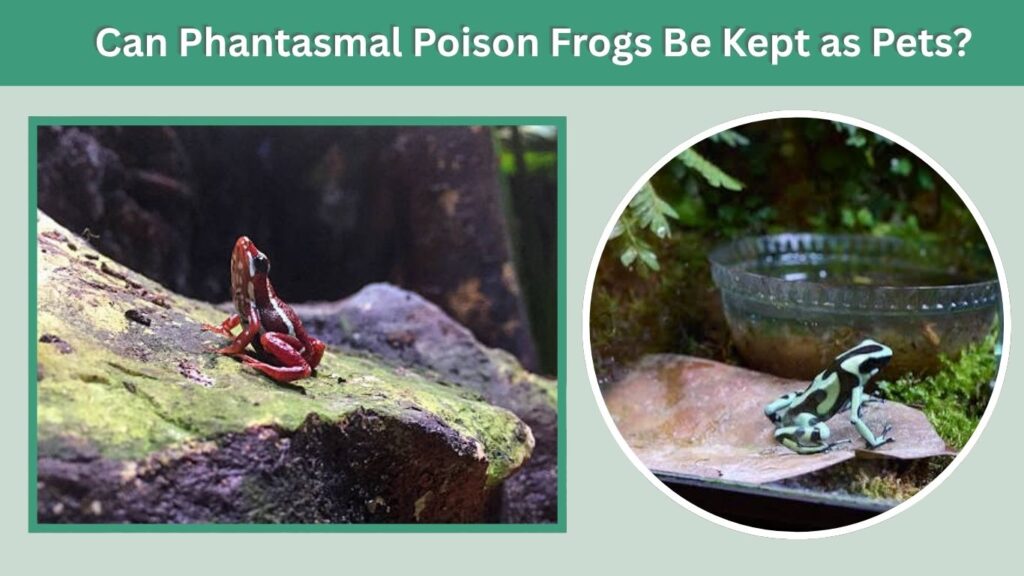
Captive-bred individuals are maintained by experienced amphibian keepers and conservation institutions. They require a secure tropical vivarium with high humidity, clean water, abundant plants, leaf litter, ventilation, and a continuous supply of tiny live prey.
They are sensitive to contaminated water, overheating, nutritional deficiencies, and unsuitable humidity. Prospective keepers should obtain only legally bred frogs from a traceable source and should never collect wild animals. Ownership and trade rules may vary by location.
FAQs
What is the scientific name of the phantasmal poison frog?
Its accepted scientific name is Epipedobates tricolor. However, it has frequently been confused with the related species Epipedobates anthonyi.
Where does the phantasmal poison frog live?
The true species is endemic to central Ecuador. It occupies Pacific lowlands and western Andean slopes, usually in damp forest habitats near streams.
What do phantasmal poison frogs eat?
They eat small arthropods such as ants, mites, termites, springtails, flies, and tiny beetles. Chemicals obtained from wild prey contribute to their skin toxicity.
Can touching a phantasmal poison frog kill you?
Ordinary brief contact is not automatically fatal, but wild frogs should never be handled. Their secretions may be dangerous, and substances on human skin can seriously harm the frog.
Why is the phantasmal poison frog medically important?
Research on skin alkaloids led to the discovery of epibatidine, a powerful compound that acts on nicotinic receptors. Although too toxic for normal medical use, it has helped scientists study pain pathways and related drug designs.
