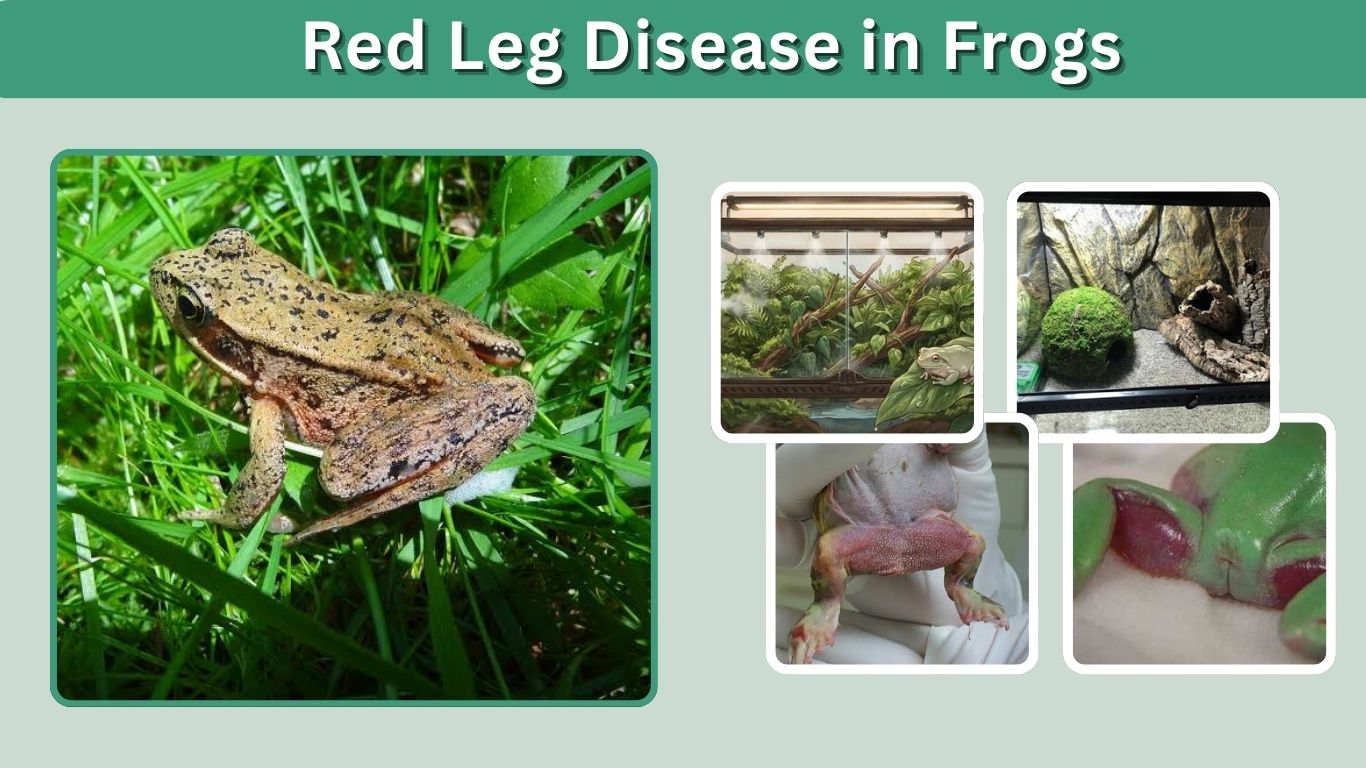
Red leg disease in frogs is a serious health concern that can cause unusual redness on the legs, belly, and other parts of the body. Often called red-leg syndrome, it is commonly linked to bacterial infections, although several other conditions can produce similar symptoms. Pet frogs may also become weak, stop eating, or develop skin sores. Because infections can progress quickly, early veterinary care is important. This guide explains frog red leg disease symptoms, causes, treatment, prevention, and the warning signs to watch for in tree frogs, Pacman frogs, and aquatic species.
What Is Red Leg Disease in Frogs?
Red-leg syndrome describes abnormal redness, especially beneath the legs and abdomen. The classic condition often involves widespread bacterial infection, called bacterial dermatosepticemia. However, red skin alone does not establish that diagnosis.
Red Leg Syndrome vs. Normal Frog Coloration
Some healthy frogs naturally have pink or reddish legs. California and northern red-legged frogs are named for normal coloration, not disease. Blood vessels may also show through thin skin.
New redness accompanied by swelling, appetite loss, or sores is more concerning. A veterinarian must identify the cause.
Frog Red Leg Disease Symptoms
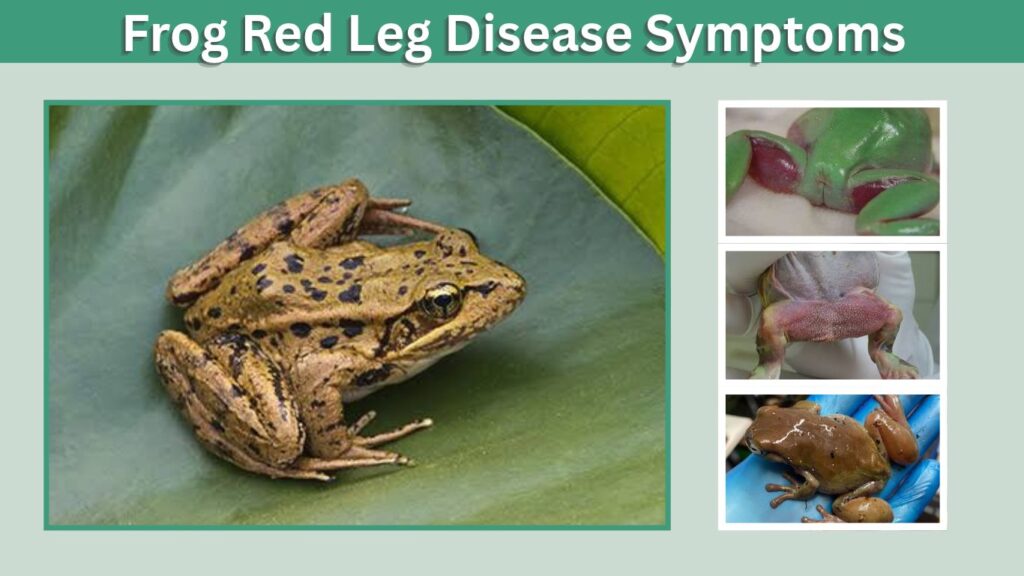
Symptoms range from discoloration to severe illness. Avoid excessive handling because amphibian skin is delicate. Compare photographs over time to identify abnormal changes.
Common Symptoms of Red Leg Disease
Watch for one or more of these signs:
- Unusual redness beneath the legs or abdomen.
- Tiny red or purplish spots suggesting bleeding under the skin.
- Swelling of the limbs or body.
- Reduced appetite or refusal to eat.
- Lethargy, weakness, or unusual inactivity.
- Skin ulcers, open sores, or lesions that do not heal.
- Difficulty moving, swimming, or maintaining normal posture.
When Is It an Emergency?
Seek urgent veterinary care for severe weakness, loss of balance, swelling, bleeding, or rapidly worsening sores. Systemic infection can progress before all classic signs appear. Do not wait for intense redness.
What Causes Red Leg Disease in Frogs?
Red-leg syndrome can develop when microorganisms invade tissues. Because frogs have permeable skin, environmental conditions strongly affect their health. Poor husbandry raises risk but does not prove a specific infection.
Bacterial Infection and Aeromonas Hydrophila
Aeromonas species, including Aeromonas hydrophila, are associated with red-leg syndrome. Pseudomonas, Proteus, and Citrobacter may also be involved. These bacteria can exist in the environment and cause disease when a frog is vulnerable.
Infection may spread to internal organs, making the condition more than a surface rash.
Environmental and Husbandry Risk Factors
Conditions that may increase the risk include:
- Poor water quality or accumulated waste.
- Improper temperature or humidity for the species.
- Overcrowded or poorly maintained enclosures.
- Stress after transport or introduction to a new tank.
- Malnutrition, injuries, or other underlying illness.
Other Causes of Redness
Ranavirus, fungal disease, trauma, and chemical irritation can cause similar redness. Ammonia or cleaning chemicals may also irritate skin. Veterinary tests help distinguish these problems before treatment.
Red Leg Disease Frog Treatment
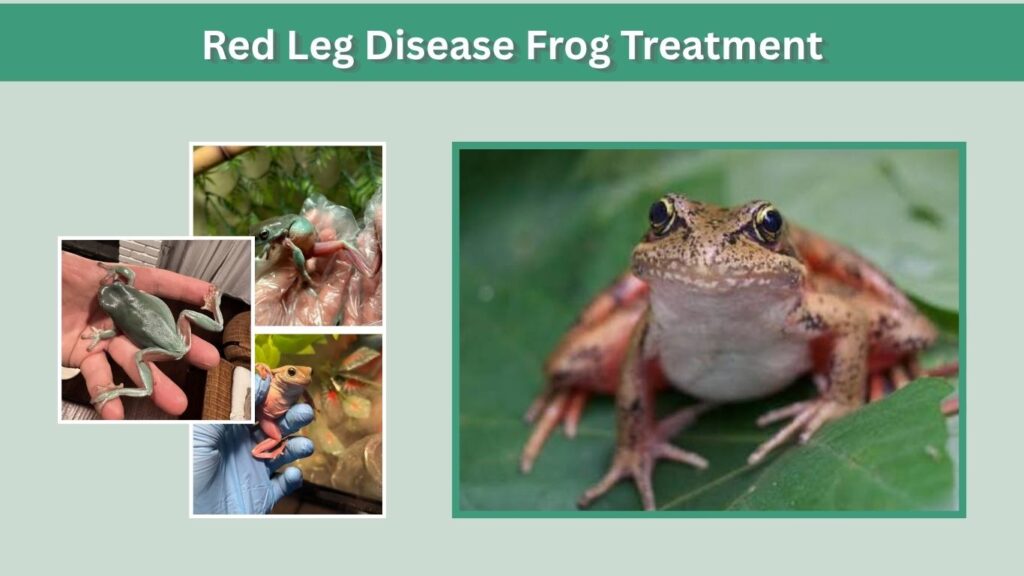
Suspected red leg disease requires prompt amphibian veterinary care. Treatment depends on the cause, which may be bacterial, fungal, viral, toxic, or environmental. There is no reliable universal home cure.
What to Do Before the Veterinary Visit
- Contact an amphibian-experienced veterinarian as soon as possible.
- Separate the sick frog from tankmates if it can be done safely.
- Provide clean, appropriately conditioned water and species-correct humidity.
- Check temperature, filtration, and water-quality readings without making abrupt changes.
- Photograph the symptoms and record recent changes in behavior and appetite.
- Avoid human antibiotics, salt baths, antiseptics, or other unprescribed remedies.
How Veterinarians Diagnose and Treat It
A veterinarian examines the skin, reviews habitat conditions, checks water quality, and may collect cultures. Suspected bacterial infections may require prescription antibiotics adjusted according to test results. Fluids and environmental corrections may also be needed.
Fungal or viral causes require different care. Follow instructions even after redness improves; drug safety varies between frog species.
Red Leg Disease in Different Frog Species
White’s tree frogs, Pacman frogs, and African dwarf frogs require different environments. Their normal coloration and behavior also differ, so red skin must be evaluated in species-specific context.
White’s Tree Frog and Other Tree Frogs
White’s, green, and red-eyed tree frogs may develop redness from illness or irritation. Pink inner thighs can also be normal. Inactivity, swelling, or skin damage warrants prompt assessment, with species-appropriate humidity and temperature.
Pacman Frog Red Leg Disease
Pacman frogs sit in moist substrate, so unsuitable or dirty bedding may cause problems. Inflamed skin and appetite loss should not be dismissed as shedding. Check the enclosure and seek veterinary care.
African Dwarf and African Clawed Frogs
African dwarf and clawed frogs are aquatic, making water quality crucial. Red patches may indicate infection or irritation. Check ammonia, nitrite, and temperature, and consult a veterinarian familiar with aquatic amphibians.
How to Prevent Red Leg Disease in Frogs
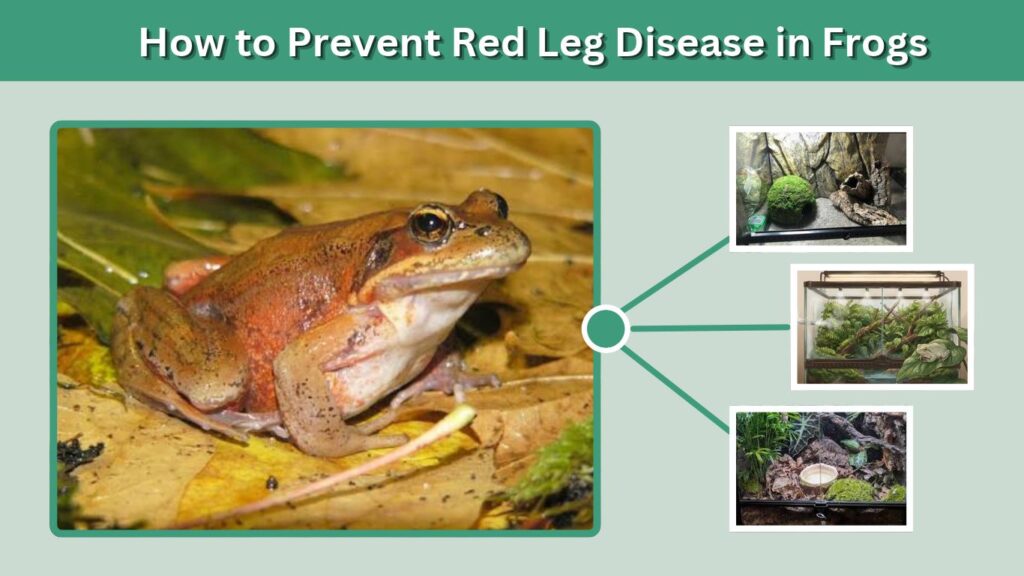
Prevention focuses on healthy water, skin, and enclosure conditions. Good husbandry reduces infection risks but cannot guarantee health. Always follow species-specific care guidance.
Preventive Care Checklist
- Use appropriately conditioned, amphibian-safe water.
- Monitor temperature, humidity, and water chemistry regularly.
- Remove waste and clean equipment with amphibian-safe methods.
- Avoid overcrowding and unnecessary handling.
- Quarantine newly acquired amphibians following veterinary guidance.
- Feed a suitable, varied diet and monitor body condition.
- Do not share wet equipment between enclosures without proper disinfection.
Can Wild Frogs Develop Red Leg Disease?
Yes. Wild amphibians can develop similar symptoms, but redness cannot confirm a cause. Avoid relocating sick animals, disinfect field equipment, and report unusual die-offs to wildlife authorities.
FAQs
Is red leg disease fatal to frogs?
It can be fatal, especially when associated with widespread infection or severe underlying disease. Outcomes depend on the cause, severity, and how quickly appropriate treatment begins. A frog that becomes lethargic, swollen, or unusually red should be evaluated urgently rather than monitored for several days.
Can you treat red leg disease in frogs at home?
Home care may support recovery by maintaining clean water and appropriate enclosure conditions, but it cannot replace diagnosis or prescription treatment. Avoid home antibiotic mixtures, disinfectant baths, or human medications. Contact an amphibian-experienced veterinarian promptly, particularly if redness appears with appetite loss or weakness.
What does red leg disease look like in White’s tree frogs?
Possible signs include abnormal redness around the hind legs or lower belly, swelling, sores, and changes in normal behavior. However, some pink skin is natural in White’s tree frogs. Compare with the frog’s usual appearance and seek veterinary help when the color change is new or accompanied by illness.
What causes red leg disease in African dwarf frogs?
Possible causes include bacterial infection, poor water conditions, chemical irritation, and other illnesses. African dwarf frogs live entirely underwater, so tank chemistry is especially relevant. Redness alone cannot identify the cause. Check water parameters and seek a qualified veterinarian instead of treating with aquarium medications at random.
Is red leg disease contagious between frogs?
The underlying infection may spread through shared water, contact, or contaminated equipment, depending on the organism involved. Not every case of redness is infectious. Separate a suspected sick frog when safe, avoid sharing equipment, and seek veterinary advice about quarantine and enclosure cleaning.
