
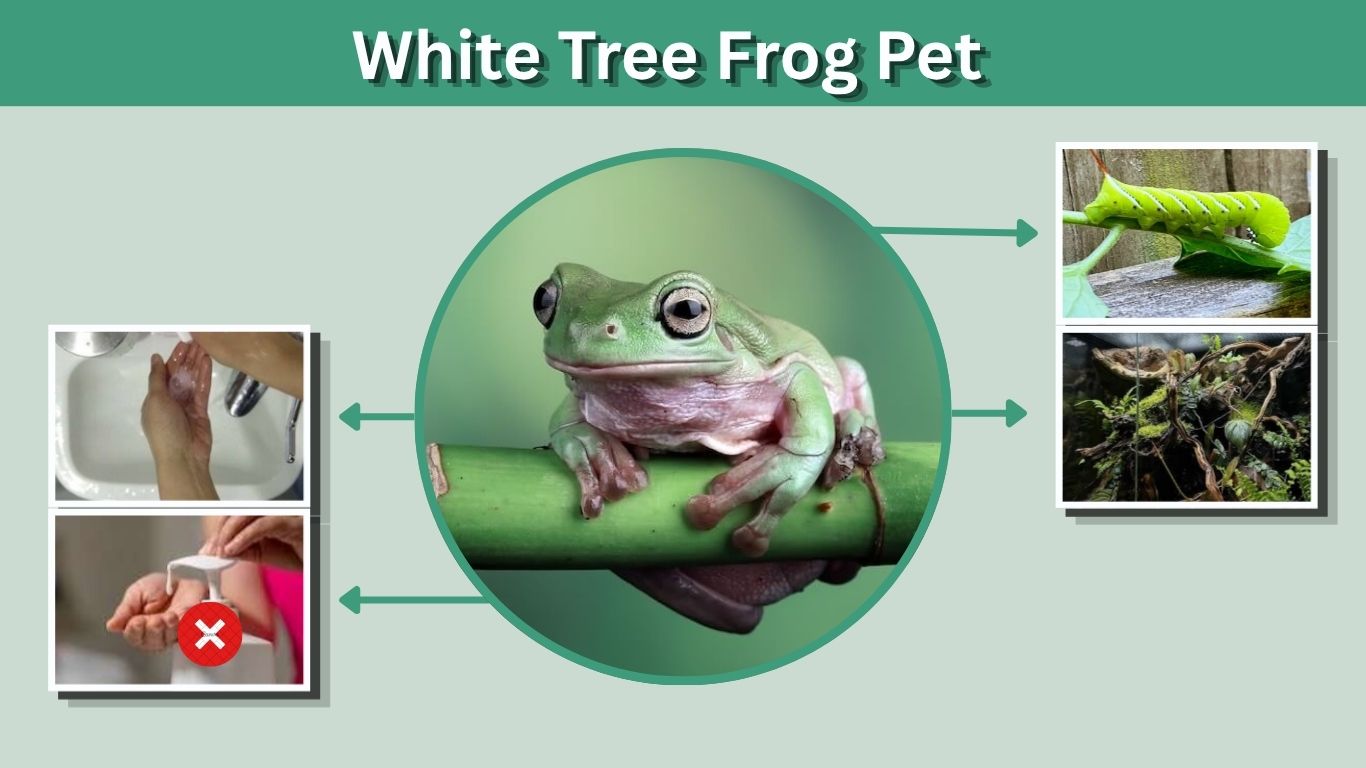
A White’s tree frog pet is a popular choice for beginners because these frogs are hardy, calm, and relatively easy to care for. Also called the Australian White’s tree frog or dumpy tree frog, this species is known for its chunky body, gentle temperament, and expressive appearance. With the right enclosure, temperature, humidity, diet, and hygiene, a pet White’s tree frog can live for many years. Understanding its basic needs before bringing one home helps ensure a healthy and comfortable life.
Are White Tree Frogs Good Pets?
Yes, White’s tree frogs make good pets, particularly for people looking for a low-maintenance amphibian that is interesting to observe. They tend to tolerate captive conditions better than many delicate frog species and usually adapt well to properly designed enclosures.
They are primarily display pets rather than animals that should be frequently handled.
Why They Make Good Pets
White’s tree frogs are popular because they are:
- Generally hardy in captivity
- Relatively easy to feed
- Calm compared with many frogs
- Suitable for beginners
- Interesting to watch at night
- Capable of living for many years
- Available in captive-bred populations
Their care is manageable, but they still require controlled temperature, humidity, clean water, and appropriate food.
Are White’s Tree Frogs Good First Pets?
They can be a good first amphibian pet for someone willing to learn proper frog care.
Their enclosure requirements are less complicated than those of some tropical amphibians. However, they are not maintenance-free. Owners must monitor environmental conditions, remove waste, provide nutritious live insects, and avoid unnecessary handling.
White’s Tree Frog Temperament
White’s tree frogs are generally calm and non-aggressive toward humans.
During the day, they often remain motionless or sleep in sheltered areas. At night, they become more active and may climb, explore, or wait for insects.
They are not affectionate pets in the way dogs or cats are, but many owners enjoy observing their behavior.
White Tree Frog Pet Care
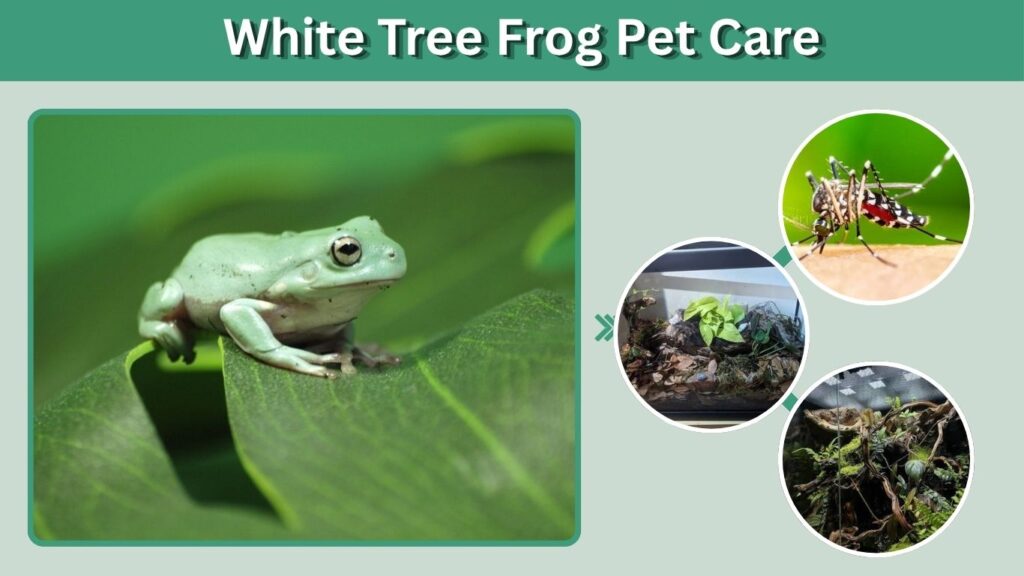
Proper White tree frog pet care begins with recreating the conditions these amphibians need to regulate their body temperature, stay hydrated, climb, rest, and hunt.
The enclosure should be secure, well ventilated, and large enough to provide both vertical climbing space and comfortable resting locations.
Basic Care Requirements
A White’s tree frog needs:
- A vertically oriented enclosure
- Safe climbing branches
- Plants or artificial foliage
- Controlled temperature
- Moderate humidity
- Fresh dechlorinated water
- Live insect food
- Regular cleaning
- Hiding and resting areas
Environmental stability is more important than constantly changing the enclosure.
White Tree Frog Enclosure
An adult White’s tree frog benefits from a tall enclosure because it naturally climbs.
The habitat can include cork bark, sturdy branches, broad leaves, and elevated resting areas. Make sure everything is firmly positioned because these frogs are relatively heavy compared with many other tree frogs.
A secure lid is essential, as they are excellent climbers.
Substrate
Suitable substrate options should help maintain cleanliness without creating an unnecessary ingestion risk.
Common choices include moisture-retaining amphibian-safe substrates or simple setups designed for easy cleaning. Avoid loose materials that can be swallowed easily during feeding.
Whatever substrate you choose should be replaced or cleaned regularly to prevent waste and bacterial buildup.
Temperature and Humidity
Maintaining appropriate temperature and humidity is essential for a healthy Australian White tree frog pet. These frogs tolerate moderate variation, but prolonged exposure to excessive heat, cold, dryness, or constantly saturated conditions can cause health problems.
Using digital thermometers and humidity gauges makes enclosure conditions easier to monitor.
Temperature
A gentle temperature gradient works well so the frog can move between warmer and cooler areas.
Daytime temperatures are generally kept in the mid-70s to low-80s °F range, with slightly cooler conditions acceptable at night.
Avoid overheating the enclosure. Heat sources should always be regulated so the frog cannot come into direct contact with a dangerously hot surface.
Humidity
White’s tree frogs require moderate humidity rather than constantly wet tropical conditions.
Humidity can be supported through:
- Light misting when necessary
- A water bowl
- Suitable substrate
- Live plants
- Proper ventilation
Allowing some drying between misting periods helps prevent a constantly soggy environment.
Water Requirements
Provide fresh, shallow water that the frog can easily enter and leave.
Because amphibians absorb substances through their skin, water quality matters. Tap water containing chlorine or chloramine should be properly treated before use.
Change the water regularly, especially if the frog soils the bowl.
What Do Pet White Tree Frogs Eat?
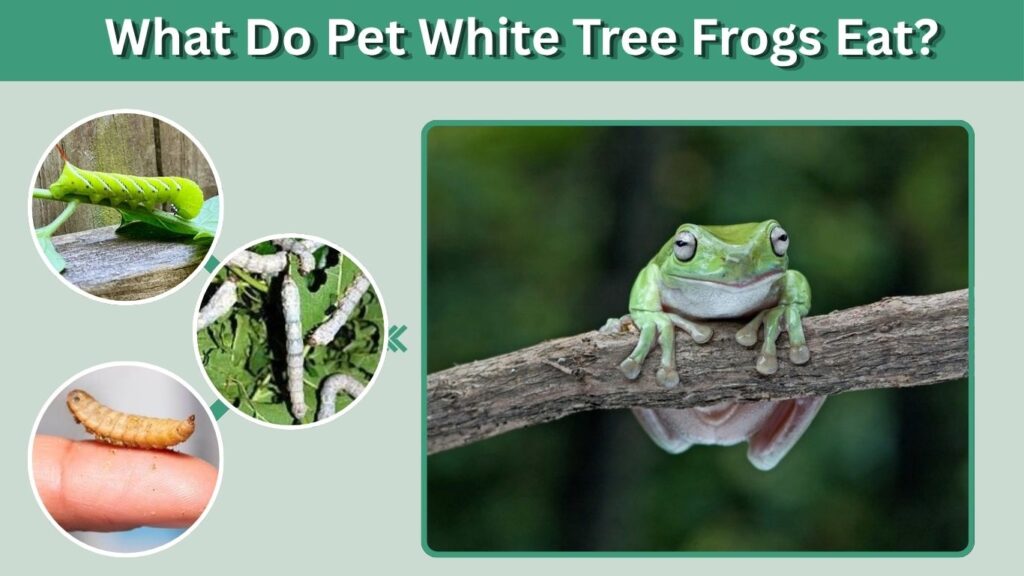
White’s tree frogs are insectivores and naturally eat a variety of small animals. Captive frogs should receive appropriately sized, nutritious live prey rather than relying on one food source indefinitely.
Feeding amounts vary according to age, body condition, temperature, and activity.
Best Foods for White Tree Frogs
Suitable foods may include:
- Crickets
- Dubia roaches
- Black soldier fly larvae
- Silkworms
- Hornworms
- Occasional mealworms
- Other appropriately sized feeder insects
Prey should generally be no wider than the space between the frog’s eyes.
Feeding Baby White Tree Frogs
A pet baby White tree frog needs smaller prey and generally eats more frequently than an adult.
Young frogs are actively growing and require adequate protein, calcium, and other nutrients.
Feeder insects should be appropriately supplemented according to a sensible amphibian feeding routine.
Avoid Overfeeding
White’s tree frogs have a reputation for enthusiastic appetites and can become overweight in captivity.
A very round frog may look cute, but chronic obesity can reduce mobility and contribute to long-term health problems.
Adults usually need less frequent feeding than juveniles, and body condition should be monitored.
How Long Do White Tree Frogs Live as Pets?
One reason White’s tree frogs are appealing is their relatively long potential lifespan. With good husbandry, they can remain part of a household for many years.
Anyone considering one should therefore view frog ownership as a long-term commitment rather than a temporary hobby.
White Tree Frog Pet Lifespan
A well-cared-for White’s tree frog may commonly live around 10 to 15 years in captivity, and some individuals can live longer.
Lifespan can be affected by:
- Genetics
- Diet quality
- Weight management
- Temperature
- Humidity
- Water quality
- Disease
- Stress
- Veterinary care
Captive-bred frogs from responsible sources often adapt better to captivity than wild-caught animals.
Signs of a Healthy Frog
A healthy White’s tree frog typically has:
- Clear eyes
- Smooth, intact skin
- A good appetite
- Normal climbing ability
- Regular activity at night
- Strong grip
- Appropriate body weight
Sudden behavioral or physical changes should be taken seriously.
Can You Handle a White Tree Frog?
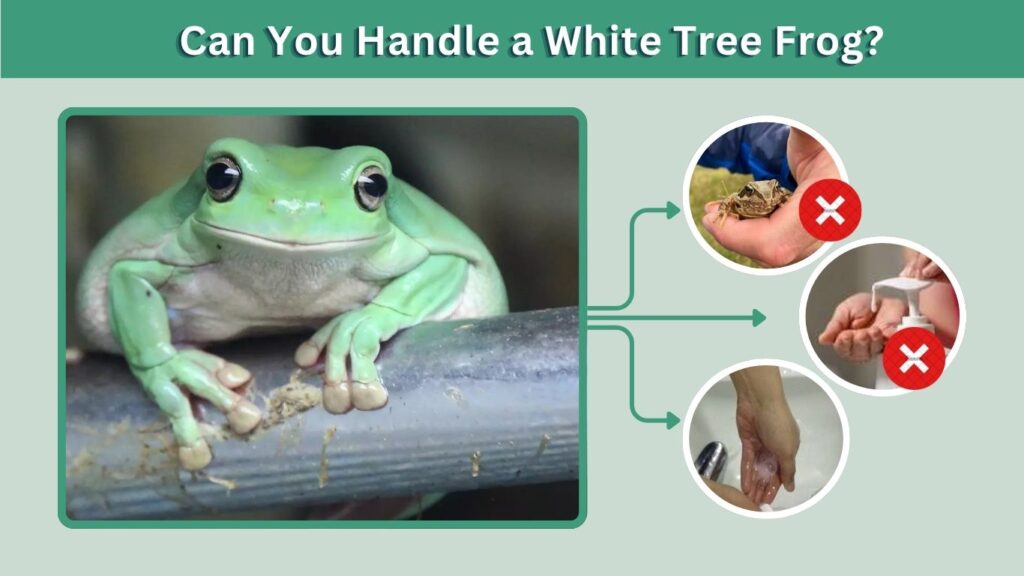
White’s tree frogs may tolerate occasional handling better than some amphibians, but handling should still be limited.
Their skin is highly permeable and can absorb oils, lotions, soap residue, chemicals, and other substances from human hands.
Safe Handling Tips
When handling is necessary:
- Wash and thoroughly rinse your hands first
- Keep hands damp with clean dechlorinated water
- Avoid lotions, sanitizer, perfume, and chemicals
- Support the frog gently
- Keep handling sessions short
- Never squeeze or restrain the frog tightly
Powder-free disposable gloves can also be useful when appropriate.
Do White Tree Frogs Like Being Held?
They do not need handling for social or emotional enrichment.
A frog that remains still during handling is not necessarily enjoying the experience. For that reason, White’s tree frogs are best appreciated primarily through observation.
Keeping More Than One White Tree Frog
Multiple White’s tree frogs can sometimes be kept together when they are similar in size and provided with adequate space and resources.
However, group housing requires careful monitoring.
Group Housing Considerations
Provide:
- Enough enclosure space
- Multiple resting locations
- Several climbing areas
- Adequate feeding opportunities
- Regular health monitoring
Avoid housing a very small frog with a much larger one because large frogs may attempt to eat animals that can fit into their mouths.
New frogs should also be monitored carefully before being introduced to an established enclosure.
Common White Tree Frog Pet Health Problems
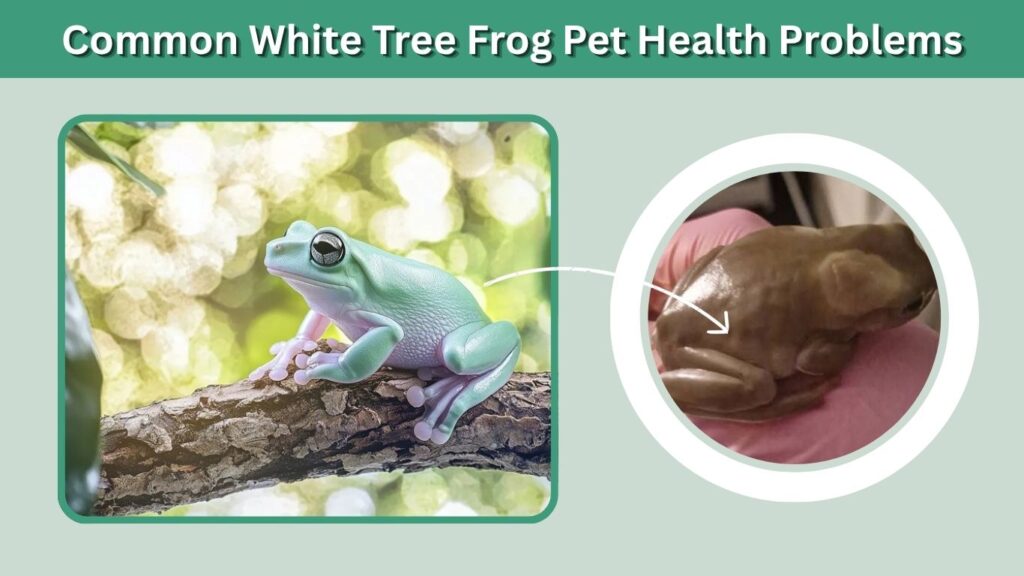
Good husbandry prevents many common problems. Poor sanitation, improper temperature, excessive moisture, contaminated water, nutritional deficiencies, and obesity can all negatively affect a frog’s health.
Warning Signs
Watch for:
- Refusing food for an unusual period
- Significant weight loss
- Severe bloating
- Red or irritated skin
- Open sores
- Difficulty climbing
- Weakness
- Abnormal posture
- Unusual shedding problems
Persistent or serious symptoms should be evaluated by a veterinarian experienced with amphibians or exotic animals.
Keeping the Enclosure Clean
Remove feces and uneaten insects promptly.
Clean the water bowl frequently and perform routine enclosure maintenance without using harsh chemical residues around the frog.
Good hygiene reduces exposure to harmful microorganisms and helps maintain stable environmental conditions.
White’s Tree Frog Pet Supplies
Preparing the enclosure before bringing the frog home makes the transition easier and safer.
You do not need an overly complicated setup, but several basic items are essential.
Essential Supplies
A basic setup includes:
- Tall secure enclosure
- Thermometer
- Hygrometer
- Regulated heat source if required
- Water conditioner
- Shallow water dish
- Branches or climbing structures
- Plants or foliage
- Appropriate substrate
- Live feeder insects
- Calcium and vitamin supplements
Set up and test temperatures before adding the frog.
White’s Tree Frog vs. White-Lipped Tree Frog
White’s tree frogs are sometimes confused with white-lipped tree frogs, but they are different animals.
The White’s tree frog (Ranoidea caerulea) is the familiar Australian dumpy tree frog. White-lipped tree frogs belong to different species and can grow larger, with somewhat different environmental and enclosure requirements.
Which Is Better for Beginners?
White’s tree frogs are generally considered one of the more beginner-friendly tree frogs because of their hardy nature and manageable care.
White-lipped tree frogs can also be kept successfully, but prospective owners should research their specific needs rather than assuming both frogs require identical care.
FAQs About White Tree Frogs as Pets
Can you have a White tree frog as a pet?
Yes. White’s tree frogs are commonly kept as pets and generally adapt well to captivity when provided with proper housing, food, water, temperature, and humidity.
Do White tree frogs make good pets?
Yes, particularly for beginner amphibian keepers. They are hardy, calm, attractive, and relatively straightforward to care for.
How long do White tree frogs live as pets?
Many live around 10 to 15 years with good care, while some individuals may survive even longer.
Are White tree frogs hard to care for?
They are considered relatively easy compared with many amphibians, but they still require consistent temperature, humidity, live food, clean water, and enclosure maintenance.
Can I hold my White’s tree frog?
Occasional gentle handling is possible, but it should be minimized because amphibian skin is sensitive and readily absorbs substances from human hands.
