
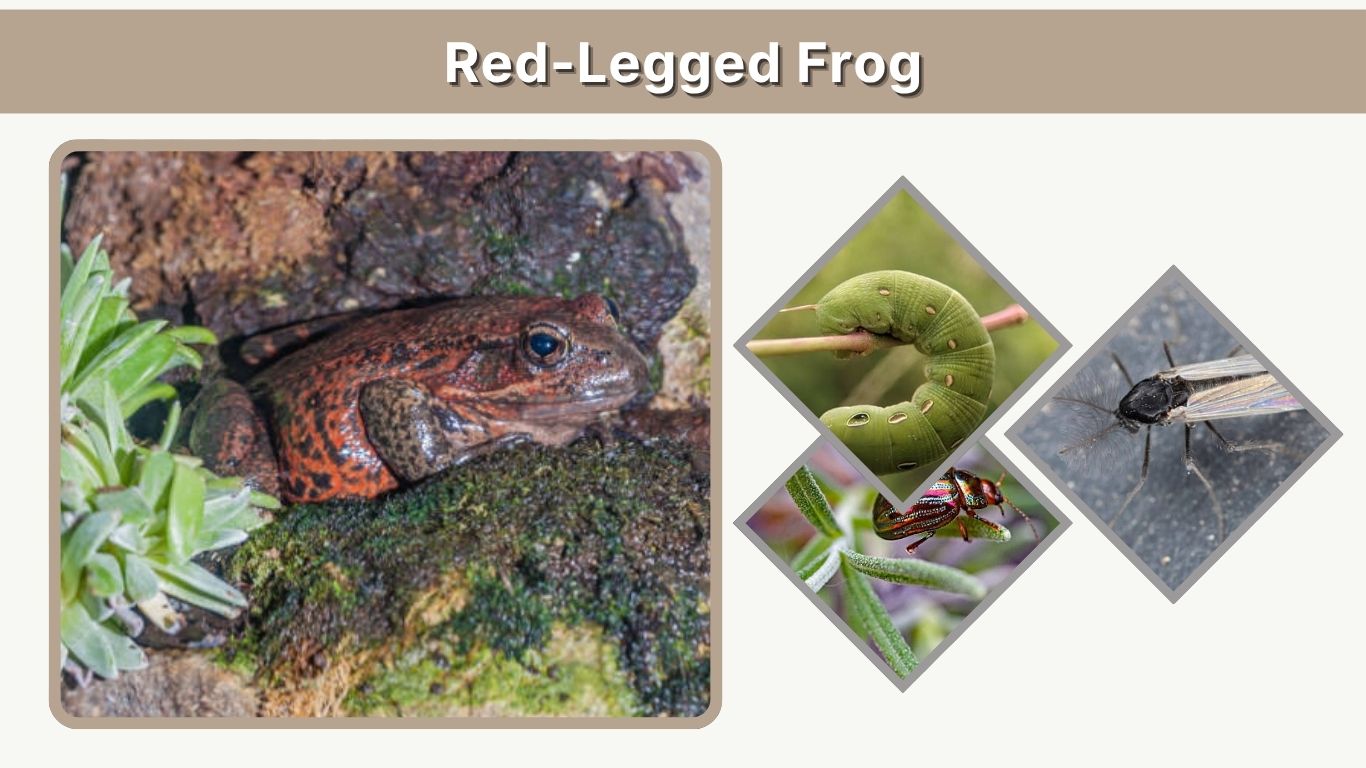
Red-legged frogs are among the most important amphibians in western North America, known for the reddish coloring on the underside of their legs. These frogs play a key role in maintaining ecological balance in wetlands, ponds, and forested areas. The two most recognized species are the California red-legged frog (Rana draytonii) and the Northern red-legged frog (Rana aurora). While they are often confused with disease-related conditions like red leg syndrome, these frogs are a natural and vital part of their ecosystems.
What Is a Red-Legged Frog?
Red-legged frogs are medium to large amphibians that belong to the true frog family (Ranidae). They are named for the distinct reddish or pinkish coloration found on their hind legs, which becomes more visible when they jump or move.
Scientific Names
- California red-legged frog (Rana draytonii)
- Northern red-legged frog (Rana aurora)
These species are closely related but differ slightly in size, range, and habitat preferences.
Types of Red-Legged Frogs
There are two main types of red-legged frogs found in North America, each adapted to different environments.
- California red-legged frog
- Northern red-legged frog
- Regional populations in Oregon, Washington, and British Columbia
Key Differences Between Species
- California species is generally larger
- Northern species has a wider range in cooler climates
- Slight variations in coloration and habitat
Red-Legged Frog Appearance and Identification
Red-legged frogs have smooth, moist skin and a streamlined body suited for both swimming and jumping. Their coloration typically includes shades of brown, olive, or gray, allowing them to blend into their natural surroundings.
The most distinctive feature is the reddish underside of their hind legs, which gives them their name. This coloration is not always visible when the frog is at rest, making them well-camouflaged in the wild. Their large eyes and long legs help them detect predators and escape quickly.
Tadpoles and Eggs
- Eggs are laid in clusters attached to vegetation
- Tadpoles are dark-colored and develop in water
- Metamorphosis takes several months depending on conditions
Red-Legged Frog Habitat and Distribution

Red-legged frogs are native to the western regions of North America, including California, Oregon, Washington, and parts of British Columbia. They prefer freshwater environments such as ponds, marshes, slow-moving streams, and wetlands.
These frogs rely on clean, stable water sources and nearby vegetation for shelter and breeding. They are often found in areas with dense plant life, which provides protection from predators and harsh weather.
Critical Habitat Requirements
- Freshwater ponds or wetlands
- Dense vegetation for cover
- Moderate temperatures and high moisture
Red-Legged Frog Diet and Feeding Habits

Red-legged frogs are opportunistic feeders, meaning they eat a wide variety of prey depending on availability. Their diet mainly consists of small animals found in or near water.
Common Food Sources
- Insects such as beetles and flies
- Worms and other invertebrates
- Small aquatic organisms
Their feeding habits help control insect populations and contribute to a balanced ecosystem.
Red-Legged Frog Behavior and Calls
Red-legged frogs are generally quiet and secretive animals. They are most active during cooler parts of the day or at night, especially in warmer climates.
Frog Calls
- California red-legged frog produces low, soft calls
- Northern red-legged frog has quieter vocalizations
- Calls are mainly used during breeding season
Their subtle vocalizations make them harder to detect compared to other frog species, which is one reason they are often overlooked in the wild.
Are Red-Legged Frogs Poisonous?
A common misconception is that red-legged frogs are poisonous because of their name or appearance. In reality, these frogs are not poisonous and pose no threat to humans.
They rely on camouflage and quick movement to escape predators rather than toxins. Their natural coloring helps them blend into muddy or vegetated environments, making them difficult to spot.
Conservation Status and Population
The California red-legged frog is listed as a threatened species due to habitat loss, pollution, and the introduction of invasive predators. Over time, urban development and agricultural expansion have reduced the availability of suitable wetlands.
Recovery Efforts
- Habitat restoration and protection programs
- Legal protection under environmental laws
- Breeding and reintroduction initiatives
Conservation efforts continue to focus on preserving natural habitats and maintaining stable populations in protected areas.
Red Leg Disease in Frogs

Red leg disease is a serious bacterial infection that affects many frog species, especially in captivity. It is often caused by poor environmental conditions such as dirty water, stress, or weakened immunity. The disease gets its name from the reddish discoloration that appears on the frog’s legs and underside. If left untreated, it can become fatal, so early detection and proper care are essential.
Common Symptoms
- Red or inflamed legs and belly
- Lethargy and weakness
- Loss of appetite
- Skin sores or discoloration
Main Causes
- Poor water quality or dirty enclosure
- Overcrowding and stress
- Weak immune system
- Bacterial infections
Basic Prevention Tips
- Keep enclosure clean and hygienic
- Maintain proper humidity and temperature
- Provide balanced nutrition
- Avoid overcrowding frogs
Treatment and Prevention
Red leg disease is a serious condition that can quickly worsen if not addressed early. Proper treatment and prevention focus on improving the frog’s environment and reducing stress. Since this disease is often linked to poor care conditions, maintaining a clean and stable habitat is the most effective way to protect your frog’s health.
Treatment Steps
- Isolate the infected frog immediately
- Clean and disinfect the enclosure
- Improve water quality and hygiene
- Seek veterinary care for antibiotics
Prevention Tips
- Maintain clean water and proper filtration
- Avoid overcrowding in the enclosure
- Provide a balanced and nutritious diet
- Monitor humidity and temperature regularly
Comparison: California vs Northern Red-Legged Frog

Although closely related, the California and Northern red-legged frogs have some key differences. The California species is generally larger and found mainly in California, while the Northern species ranges further into Oregon, Washington, and British Columbia. Their habitats overlap in some areas, but each species has adapted to slightly different environmental conditions.
Ecological Role and Predators
Importance in Ecosystem
- Help control insect populations
- Serve as prey for larger animals
- Indicators of environmental health
Common Predators
- Birds and snakes
- Fish and mammals
- Invasive species like
Fun Facts About Red-Legged Frogs
Red-legged frogs are the largest native frogs in the western United States. They are also considered indicator species, meaning their presence reflects the health of their environment. Despite their size, they are excellent jumpers and swimmers, helping them escape predators quickly.
FAQs
What do red-legged frogs eat?
Red-legged frogs eat a variety of small animals, including insects, worms, and aquatic invertebrates. They are opportunistic feeders, meaning they will consume whatever prey is available in their environment to maintain energy and growth.
Are red-legged frogs poisonous?
No, red-legged frogs are not poisonous. They do not produce toxins harmful to humans. Instead, they rely on camouflage and quick movements to avoid predators in their natural habitat.
What is red leg disease in frogs?
Red leg disease is a bacterial infection that causes redness on a frog’s legs and body. It is often linked to poor living conditions and can be fatal if not treated quickly.
How do you treat red leg in frogs?
Treatment involves isolating the affected frog, improving environmental conditions, and seeking veterinary care. Antibiotics are often required to successfully treat the infection and prevent it from spreading.
Where do red-legged frogs live?
Red-legged frogs are found in western North America, including California, Oregon, Washington, and British Columbia. They live in wetlands, ponds, and slow-moving streams with plenty of vegetation.
Conclusion
Red-legged frogs are important amphibians that contribute greatly to their ecosystems. While they are often confused with red leg disease, they are harmless and play a vital role in maintaining ecological balance. Protecting their habitats and understanding their needs is essential for their survival and conservation.
