
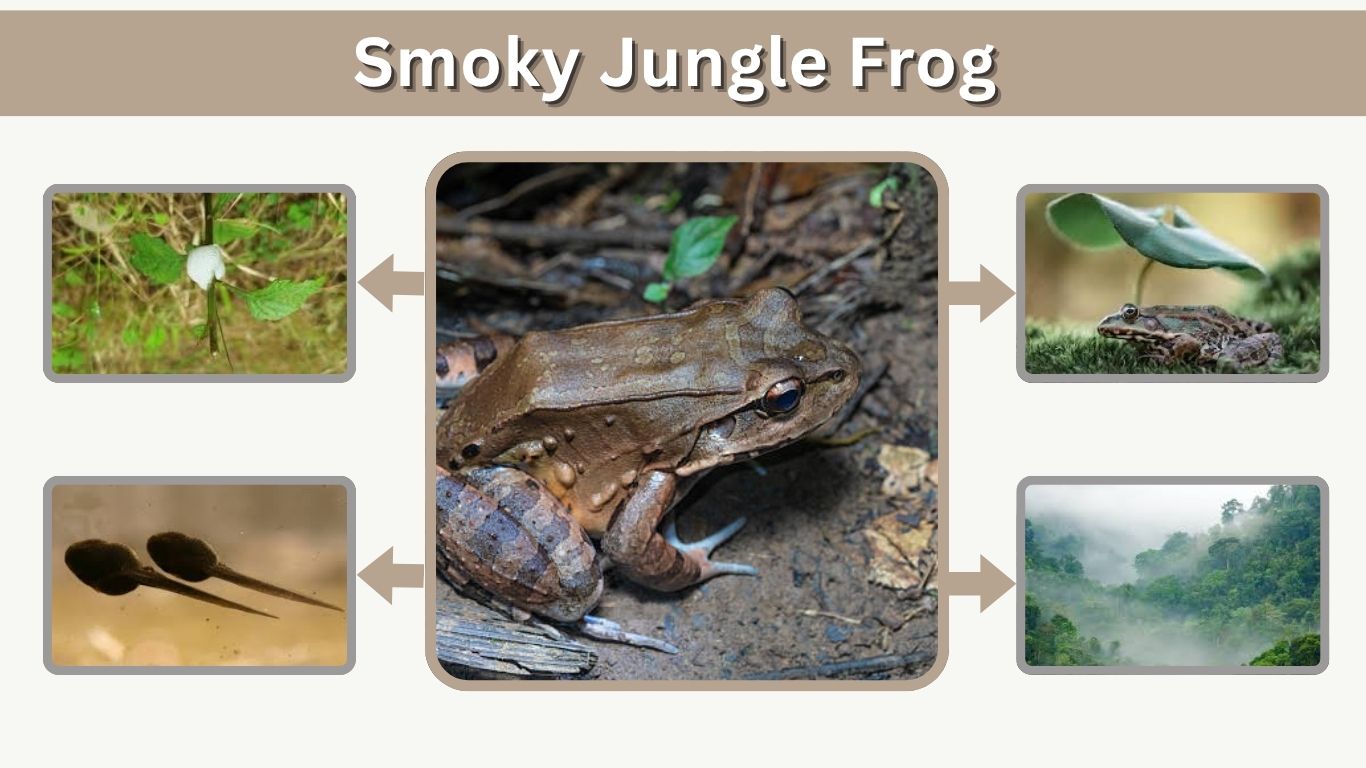
The smoky jungle frog is one of the most fascinating amphibians found in Central America. Known for its loud, scream-like call and bold defensive behavior, this species stands out among other frogs. Native to regions like Costa Rica and Panama, it thrives in warm, humid environments and plays an important role in its ecosystem. In this guide, you will learn about its size, habitat, behavior, and unique traits that make it both intriguing and sometimes intimidating.
What Is a Smoky Jungle Frog?
The smoky jungle frog, scientifically known as Leptodactylus savagei, is a large, ground-dwelling frog commonly found in tropical forests. It is known for its aggressive nature and unusual vocalizations, which can sound like a scream when threatened.
Scientific Classification
This frog belongs to the Leptodactylidae family, a group known for hardy and adaptable species. It is often called the “screaming frog” due to its distinctive defensive sound.
Native Range
The smoky jungle frog is primarily found in Central America, especially in countries such as Costa Rica and Panama. It prefers lowland forests and areas close to water sources.
Smoky Jungle Frog Size, Weight, and Appearance
Understanding the physical characteristics of the smoky jungle frog helps identify it and appreciate its uniqueness.
How Big Do Smoky Jungle Frogs Get?
These frogs can grow up to 15 cm (about 6 inches) in length. Their large size makes them one of the biggest frog species in their region. They also have a solid, muscular build that adds to their intimidating presence.
Physical Appearance
The smoky jungle frog usually has a brown or grayish body with darker patterns that help it blend into forest surroundings. Its skin is slightly rough, and it has a wide mouth with strong jaws, allowing it to catch a variety of prey.
Smoky Jungle Frog Habitat and Distribution

The smoky jungle frog thrives in tropical environments where warmth and moisture are abundant. Its habitat plays a crucial role in its survival and behavior.
Where Do They Live?
These frogs are commonly found in rainforests, wetlands, and forest edges. They stay close to water sources like ponds, streams, or temporary pools, especially during breeding seasons.
Environmental Conditions
They require warm temperatures and high humidity to survive. During the day, they often hide under leaves or in burrows to avoid heat, becoming active at night when conditions are cooler.
Smoky Jungle Frog Sound and Behavior
One of the most remarkable features of this frog is its behavior, especially its loud and unusual vocalizations.
Why Do They Scream?
When threatened, the smoky jungle frog produces a loud, scream-like sound. This noise is used to startle predators and potential threats, giving the frog a chance to escape. It is one of the most distinctive defensive calls among amphibians.
Territorial Behavior
- Males defend their territory aggressively
- Loud calls are used to warn other males
- Physical confrontation may occur if territory is challenged
General Behavior
- Nocturnal and active during nighttime
- Often seen sitting and waiting for prey
- Can appear bold and unafraid of threats
What Do Smoky Jungle Frogs Eat?

The smoky jungle frog is a powerful predator with a diverse diet.
Diet in the Wild
- Insects such as beetles and crickets
- Smaller frogs and amphibians
- Small animals when available
Feeding Behavior
- Opportunistic hunter that eats what it can catch
- Uses strong jaws to grab prey
- Known for cannibalistic tendencies in some cases
Adaptations and Defense Mechanisms
The smoky jungle frog has developed several adaptations that help it survive in the wild.
- Loud scream to scare predators
- Camouflage that blends with forest floor
- Strong bite for defense
- Ability to puff up its body to look larger
Are Smoky Jungle Frogs Poisonous?
Unlike some brightly colored frogs, the smoky jungle frog is not considered poisonous. It does not rely on toxins to defend itself. Instead, it uses physical strength, aggressive behavior, and its loud defensive call to deter predators. While it is generally safe, it is still best not to handle it frequently, as it can bite when threatened.
Smoky Jungle Frog Breeding and Life Cycle

The smoky jungle frog has a unique reproductive process that is well adapted to tropical environments. Its life cycle includes several stages, from eggs to fully grown adults.
Reproduction
Smoky jungle frogs reproduce sexually, with males calling loudly to attract females during the rainy season. These calls play an important role in mating success and territory establishment.
Eggs and Tadpoles
- Females lay eggs in foam nests near water
- Foam protects eggs from predators and drying out
- Tadpoles wash into water after hatching
- Development depends on temperature and moisture
Metamorphosis
- Tadpoles gradually grow limbs
- Gills are replaced by lungs
- Young froglets leave water and move to land
- Full maturity is reached within months to a year
Predators and Survival Strategies

In the wild, smoky jungle frogs face several natural threats but have developed ways to survive.
- Birds hunt them, especially at night
- Snakes are major predators in forest habitats
- Larger mammals may prey on them
- Their camouflage helps them blend into surroundings
- Loud screams can startle predators and create escape time
Key Facts About Smoky Jungle Frogs
These frogs are full of unique features that make them stand out in the amphibian world.
- One of the largest frogs in Central America
- Known for producing loud scream-like sounds
- Highly territorial and aggressive when threatened
- Nocturnal and most active at night
- Ground-dwelling but stays near water
Smoky Jungle Frog as a Pet
Keeping a smoky jungle frog as a pet is not very common and requires careful consideration.
Pros
- Unique and fascinating behavior
- Hardy in suitable environments
- Interesting vocalizations
Cons
- Aggressive and territorial nature
- Can bite when threatened
- Not ideal for beginners
- Requires specific environmental conditions
Price and Availability
Smoky jungle frogs are not widely available in the pet trade. In some regions, they may be difficult to find due to limited breeding in captivity and legal restrictions.
Cost and Buying Considerations
Prices can vary depending on availability and location. It is important to ensure the frog is obtained from a legal and ethical source.
Availability
These frogs are occasionally found through specialized breeders or exotic animal suppliers, but availability is generally limited compared to more common frog species.
Conclusion
The smoky jungle frog is a remarkable amphibian known for its size, bold behavior, and unique scream-like call. While it is not poisonous, it relies on strong defense mechanisms and territorial instincts to survive. Its fascinating traits make it an interesting species to study, but its aggressive nature means it is not the best choice for casual pet owners. Understanding its habitat, diet, and behavior is key to appreciating this unique frog.
FAQs
Is the smoky jungle frog poisonous?
No, the smoky jungle frog is not poisonous. It does not produce harmful toxins and instead relies on its loud defensive scream and physical strength to protect itself from predators.
Why does the smoky jungle frog scream?
It produces a loud scream-like sound as a defense mechanism. This noise is meant to startle predators or threats, giving the frog a chance to escape.
How big do smoky jungle frogs get?
They can grow up to about 15 cm (6 inches) in length, making them one of the largest frog species found in Central America.
What do smoky jungle frogs eat?
They eat insects, small animals, and even other frogs. Their diet is varied, and they are known to be opportunistic predators.
Where do smoky jungle frogs live?
They are native to Central America and are commonly found in tropical regions like Costa Rica and Panama, especially in humid forest environments near water sources.
