
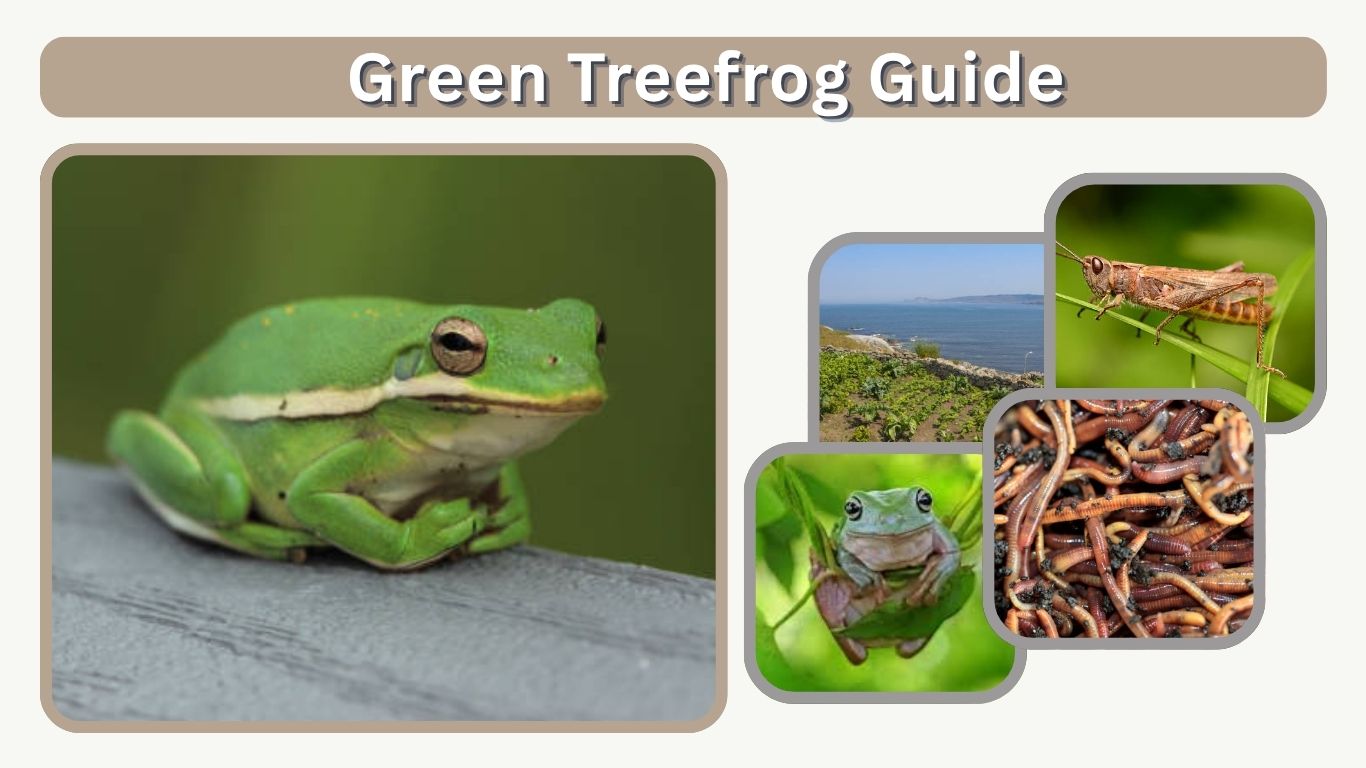
The green treefrog is one of the most recognizable amphibians, known for its bright color, gentle nature, and adaptability. Found in warm and humid regions, it plays an important role in controlling insect populations and maintaining ecological balance. Whether you are curious about its natural habitat or considering keeping one as a pet, understanding its behavior, diet, and life cycle is essential for appreciating this fascinating species.
What Is a Green Treefrog?
The green treefrog refers to a group of small, arboreal frogs commonly found in North America and other warm regions. The most well-known species, Hyla cinerea, is famous for its smooth green skin and distinctive white stripe along its side. These frogs are highly adaptable and can thrive in both wild and urban environments.
Scientific Classification
- Scientific name: Hyla cinerea
- Family: Hylidae (treefrogs)
- Genus: Hyla
Common Species Types
- American green treefrog
- Australian green treefrog
- Green-eyed treefrog
Green Treefrog Habitat and Distribution

Green treefrogs are widely distributed in regions with high humidity and access to water. They are especially common in the southeastern United States, including Florida, as well as parts of Australia and tropical rainforests. These frogs prefer environments that offer both moisture and vegetation, allowing them to climb, hide, and hunt effectively.
- Wetlands, swamps, and marshes
- Forest edges and rainforests
- Gardens and urban areas near water
- Warm climates with high humidity
Green Treefrog Physical Characteristics
Green treefrogs are small but visually striking amphibians with features that help them survive in both wild and human environments. Their bodies are built for climbing and blending into leafy surroundings, making them efficient hunters and excellent at avoiding predators.
Size and Body Structure
Adult green treefrogs typically measure between 1.5 to 2.5 inches in length. They have long limbs and sticky toe pads that allow them to climb smooth surfaces such as leaves, glass, and branches. Their lightweight bodies make them agile and quick movers.
Color and Skin Features
Their bright green coloration helps them blend into vegetation, though they can change shades slightly depending on temperature, light, and stress levels. Their skin is smooth and moist, which is essential for respiration and hydration.
Sexual Dimorphism
Male green treefrogs are usually smaller than females and possess a visible vocal sac used for calling during mating season. This sac inflates when producing sound, making males easier to identify.
Behavior and Sounds
Green treefrogs are primarily nocturnal, meaning they are most active at night. During the day, they rest on leaves or other surfaces, often remaining still to avoid predators. At night, they become active hunters and communicators.
What Sound Does a Green Treefrog Make?
Their call is often described as a repetitive, nasal “quonk” or “queenk” sound. Males use this call to attract females and establish territory, especially during the breeding season. These calls are commonly heard near ponds, wetlands, and other water sources.
Green Treefrog Diet and Feeding Habits

Green treefrogs are carnivorous and primarily feed on small insects. Their diet plays a crucial role in controlling pest populations, especially mosquitoes and flies. They rely on their quick reflexes and sticky tongues to capture prey efficiently.
- Crickets and flies
- Mosquitoes and moths
- Small beetles and spiders
In captivity, they are usually fed live insects to mimic natural hunting behavior. While they may occasionally accept non-moving food, they generally prefer live prey that triggers their hunting instincts.
Green Treefrog Life Cycle and Reproduction
The life cycle of a green treefrog follows the typical amphibian pattern, beginning in water and transitioning to land. This process highlights their dependence on aquatic environments during early development.
Breeding Behavior
Green treefrogs typically breed during warm and rainy seasons. Males gather near water bodies and call to attract females. Once a mate is chosen, eggs are laid in water, often attached to vegetation.
Tadpoles to Adults
After hatching, tadpoles live in water and feed on algae and organic matter. Over time, they undergo metamorphosis, developing legs and lungs while losing their tails. Eventually, they emerge as fully formed frogs capable of living both on land and near water.
Role in the Ecosystem
Green treefrogs play a vital role in maintaining ecological balance. They act as both predators and prey, contributing to the stability of food webs. By feeding on insects, they help control pest populations, while also serving as a food source for birds, snakes, and larger animals in their environment.
- Natural control of mosquitoes and insects
- Important link in the food chain
- Indicator of environmental health
Are Green Treefrogs Endangered?
Green treefrogs are generally not considered endangered, especially the American species, which remains widespread and stable. However, certain populations, particularly in Australia, face growing threats due to environmental changes and human activity.
Main Threats
- Habitat loss from urban development
- Pollution affecting water quality
- Climate change altering breeding conditions
Conservation Outlook
While many populations are stable, continued conservation efforts are important. Protecting wetlands, reducing pollution, and maintaining natural habitats are key steps in ensuring their long-term survival.
Toxicity and Safety

Green treefrogs produce mild skin secretions that serve as a defense against predators. These substances are not dangerous to humans but can cause slight irritation if handled excessively. It is always recommended to wash hands after contact.
For pets such as cats and dogs, ingestion can lead to mild symptoms like drooling or discomfort. Although not highly toxic, supervision is important when pets are around these frogs.
Green Treefrog Care Guide
Keeping a green treefrog as a pet is relatively easy, making it a popular choice for beginners. Proper care ensures their health and longevity.
Enclosure Setup
- Vertical tank with good ventilation
- Live or artificial plants for climbing
- Secure lid to prevent escape
Water and Humidity Needs
- Maintain humidity between 50–70%
- Provide clean, shallow water dish
- Regular misting to keep environment moist
Feeding Routine
- Feed live insects like crickets
- Offer food 3–4 times per week
- Avoid overfeeding to prevent obesity
Green Treefrog vs Other Treefrogs

Green treefrogs are often confused with other similar species, but there are clear differences in appearance and behavior. Understanding these distinctions helps with proper identification in both the wild and captivity.
Cuban Treefrog vs Green Treefrog
Cuban treefrogs are typically larger and more aggressive, often outcompeting native species. They have rougher skin and variable coloring, while green treefrogs are smaller with smoother, brighter green skin.
Squirrel Treefrog Differences
Squirrel treefrogs can change color more dramatically, ranging from green to brown. They are generally more variable in appearance compared to the consistently green coloration of green tree frogs.
White’s Treefrog Comparison
White’s treefrogs are larger and have a more robust body. They are also more tolerant of handling, while green treefrogs are more delicate and better suited for minimal interaction.
Interesting Facts About Green Treefrogs
Green treefrogs have several unique traits that make them fascinating to observe in both natural and controlled environments.
- They can slightly change color to match surroundings
- Their sticky toe pads allow them to climb smooth surfaces
- They are most active during warm, humid nights
FAQs
Are green treefrogs good pets?
Green treefrogs are considered good pets for beginners because they are relatively low-maintenance and adaptable. They require a humid environment, proper feeding, and minimal handling. With the right care, they can live several years and remain active and healthy.
Can green treefrogs change color?
Yes, green treefrogs can change their color slightly depending on environmental conditions such as temperature, humidity, and lighting. While they are usually bright green, they may appear darker or brownish to blend into their surroundings and regulate body conditions.
Are green treefrogs poisonous?
Green treefrogs are not dangerous to humans, but they do produce mild skin secretions as a defense mechanism. These secretions can irritate predators and may cause mild reactions in pets if ingested, so it is best to avoid unnecessary handling.
What do green treefrogs eat?
Green treefrogs primarily eat live insects such as crickets, flies, mosquitoes, and small beetles. In captivity, they should be provided with a varied diet of appropriately sized insects to ensure proper nutrition and maintain their overall health.
Where do green treefrogs live?
Green treefrogs are commonly found in warm, humid regions such as wetlands, forests, and areas near ponds or streams. In the United States, they are especially abundant in the southeastern states, where the climate supports their lifestyle and breeding needs.
