
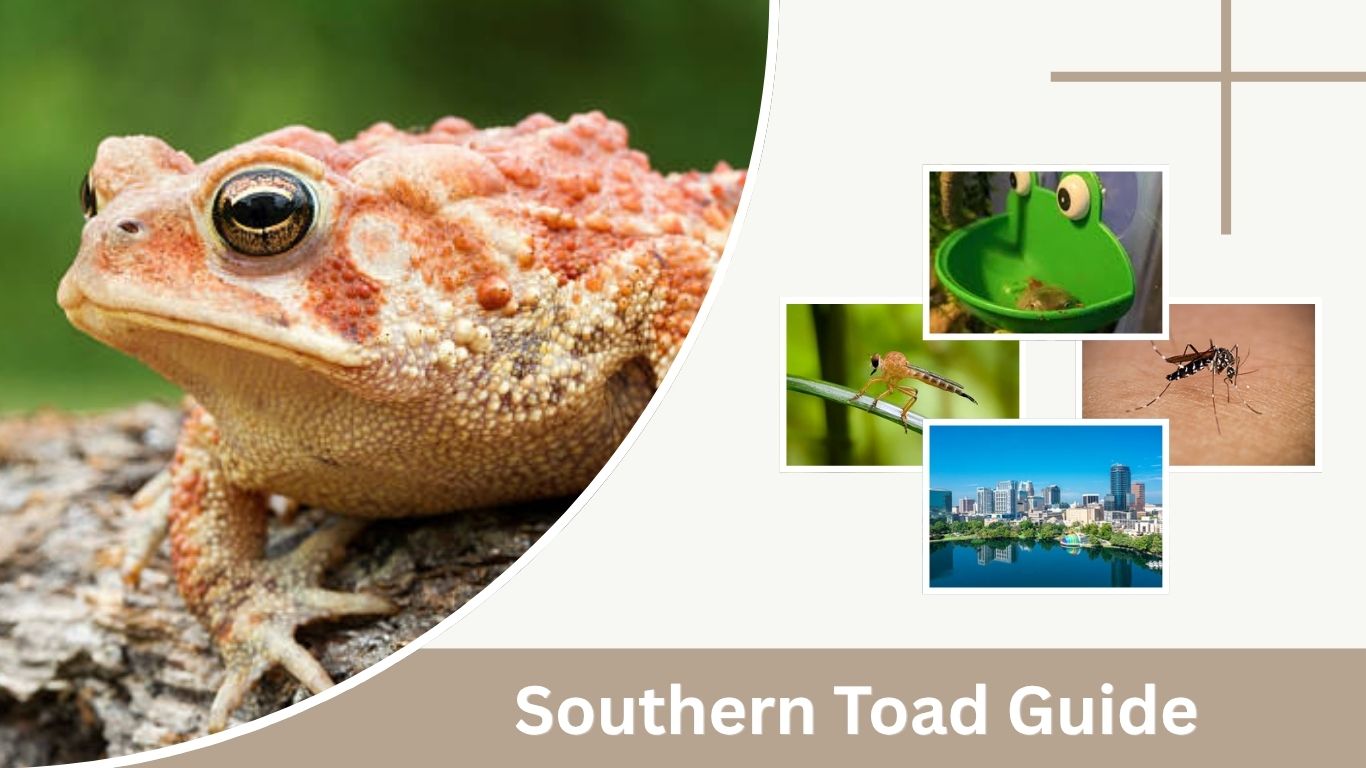
The southern toad (Anaxyrus terrestris) is a common amphibian found throughout the southeastern United States, especially in Florida. Known for its rough skin and distinctive call, it plays an important role in controlling insect populations. Many people confuse it with the toxic cane toad, making identification and understanding essential for safety and conservation.
What Is a Southern Toad?
The southern toad is a medium-sized, native amphibian that thrives in warm, humid environments. It is often seen in gardens, forests, and suburban areas, especially after rainfall. Unlike invasive species like the cane toad, it is beneficial and part of the natural ecosystem.
Scientific Classification
The southern toad is scientifically known as Anaxyrus terrestris. It belongs to the Bufonidae family, which includes true toads. This species is native to North America and should not be confused with non-native, invasive toads.
General Description
- Rough, warty skin with earthy tones
- Prominent cranial crests on the head
- Large glands behind the eyes for defense
Southern Toad Size and Physical Characteristics
The southern toad has a sturdy body and recognizable features that help distinguish it from similar species. Its size and texture make it easier to identify in the wild.
How Big Do Southern Toads Get?
- Typically grow between 2 and 4 inches long
- Females are often larger than males
- Juveniles appear smaller but share similar features
Key Identification Features
- Raised ridges between the eyes
- Large parotoid glands behind the head
- Thick, bumpy skin for protection
Southern Toad Habitat and Range

The southern toad is highly adaptable and can survive in a variety of environments, from natural forests to human-altered landscapes. It prefers areas with moisture and shelter.
Natural Habitat
Southern toads live in forests, wetlands, gardens, and even urban areas. They hide under logs, rocks, or debris during the day and become active when conditions are cooler and more humid.
Geographic Distribution
- Southeastern United States
- Common in Florida, Georgia, and the Carolinas
- Found in both rural and suburban settings
Southern Toad Behavior and Ecology
Southern toads display typical amphibian behavior but also show unique traits that help them survive in diverse environments. They are mostly nocturnal and become active during favorable conditions such as rain.
Daily Activity
These toads are usually active at night, avoiding daytime heat. After rain, they may be seen moving around in search of food or mates.
Ecological Role
They help control insect populations, making them beneficial for gardens and ecosystems. Their presence often indicates a healthy environment with sufficient moisture and food sources.
Sound and Call
The southern toad produces a distinctive sound that helps identify it, especially during breeding seasons.
What Does a Southern Toad Sound Like?
The call is a long, musical trill that can last several seconds. It is quite different from the shorter, harsher sounds of other toads.
When Do They Call?
- During breeding season
- On warm, humid nights
- After rainfall
Southern Toad Diet and Feeding Habits

The southern toad feeds on a variety of small creatures, helping maintain balance in its habitat.
What Do Southern Toads Eat?
- Insects such as beetles and ants
- Worms and small invertebrates
- Occasional soft-bodied prey
Feeding Behavior
Southern toads are ambush predators. They remain still and wait for prey to come close before quickly capturing it with their sticky tongue.
Southern Toad Life Cycle and Reproduction
The life cycle of the southern toad follows a typical amphibian pattern, beginning in water and transitioning to land.
Breeding Behavior
Breeding occurs during warm months, often after heavy rain. Males call to attract females, and mating takes place in shallow water.
Eggs and Tadpoles
- Eggs are laid in long strings in water
- Tadpoles hatch and develop rapidly
- Growth depends on environmental conditions
Southern Toad Lifespan
The lifespan of the southern toad depends on environmental conditions, food availability, and exposure to predators. In the wild, these toads typically live several years, although survival rates can vary based on habitat quality and climate.
How Long Do Southern Toads Live?
- Average lifespan ranges from 5 to 10 years in the wild
- Some individuals may live longer in protected environments
- Survival is influenced by predators, weather, and habitat conditions
Are Southern Toads Poisonous?
Southern toads produce mild toxins as a defense mechanism, which can raise concerns for humans and pet owners. Understanding their toxicity helps avoid confusion, especially with more dangerous species like cane toads.
Toxicity to Humans
Southern toads are not dangerous to humans. Their skin secretes a mild toxin that can cause slight irritation if touched and transferred to the eyes or mouth. Basic hygiene, like washing hands after handling, is sufficient to prevent issues.
Are Southern Toads Poisonous to Dogs?
- May cause drooling or mild irritation if licked
- Symptoms are usually temporary and not severe
- Rinse your dog’s mouth and contact a vet if needed
Southern Toad vs Cane Toad

Many people confuse the southern toad with the invasive cane toad, which is significantly more dangerous. Knowing the differences is important for safety and proper identification.
Key Differences
- Southern toads are smaller, while cane toads can grow much larger
- Cane toads have more pronounced toxin glands
- Southern toads have distinct ridges on the head
Why It Matters
Cane toads produce strong toxins that can be harmful or even fatal to pets, while southern toads are much less toxic. Correct identification helps prevent unnecessary panic and ensures proper action when encountering these amphibians.
Southern Toad vs American and Fowler’s Toad
The southern toad is also commonly confused with other native toads, such as the American toad and Fowler’s toad. While similar in appearance, there are key differences.
Comparison Overview
Southern toads tend to have more prominent head ridges compared to American toads. Fowler’s toads, on the other hand, often have different spot patterns and calls.
Identification Tips
- Look at the cranial crests and their shape
- Observe body size and skin texture
- Listen to the call, which varies between species
Southern Toad as a Pet
Although southern toads can survive in captivity, they are not commonly recommended as pets due to their natural behaviors and needs.
Can You Keep a Southern Toad?
In some regions, it may be legal to keep them, but regulations differ. It is always best to check local wildlife laws before considering keeping one.
Pros and Cons
- Pros: Easy to house, adaptable
- Cons: Nocturnal habits, limited interaction, specialized care
Southern Toad Care Guide

Proper care is essential if a southern toad is kept in captivity. Their environment should closely mimic natural conditions.
Enclosure Setup
- Use a terrarium with moist soil substrate
- Provide hiding spots such as logs or bark
- Maintain moderate humidity levels
Feeding Schedule
- Feed live insects like crickets and worms
- Offer food several times per week
- Ensure prey is appropriately sized
Care Tips
- Avoid frequent handling
- Keep the enclosure clean
- Monitor for signs of stress or illness
Predators and Threats
Southern toads face a range of natural predators and environmental challenges that impact their survival.
Natural Predators
- Snakes and birds
- Small mammals
- Larger amphibians
Environmental Threats
- Habitat destruction from development
- Pollution affecting breeding waters
- Changes in climate patterns
Interesting Facts
Southern toads are more fascinating than they might appear at first glance.
- Native to the southeastern United States
- Often mistaken for cane toads
- Play an important role in controlling insect populations
FAQs
Are southern toads dangerous to humans?
Southern toads are not dangerous to humans. Their mild toxins may cause slight irritation, but they are harmless when handled carefully and with proper hygiene.
What do southern toads eat?
They primarily eat insects such as beetles, ants, and worms. This diet helps control pest populations in gardens and natural habitats.
How can you tell a southern toad from a cane toad?
Southern toads are smaller and have distinct head ridges, while cane toads are larger with stronger toxins and different gland shapes.
Where are southern toads found?
They are commonly found in the southeastern United States, especially in Florida, where warm and humid environments suit them best.
