
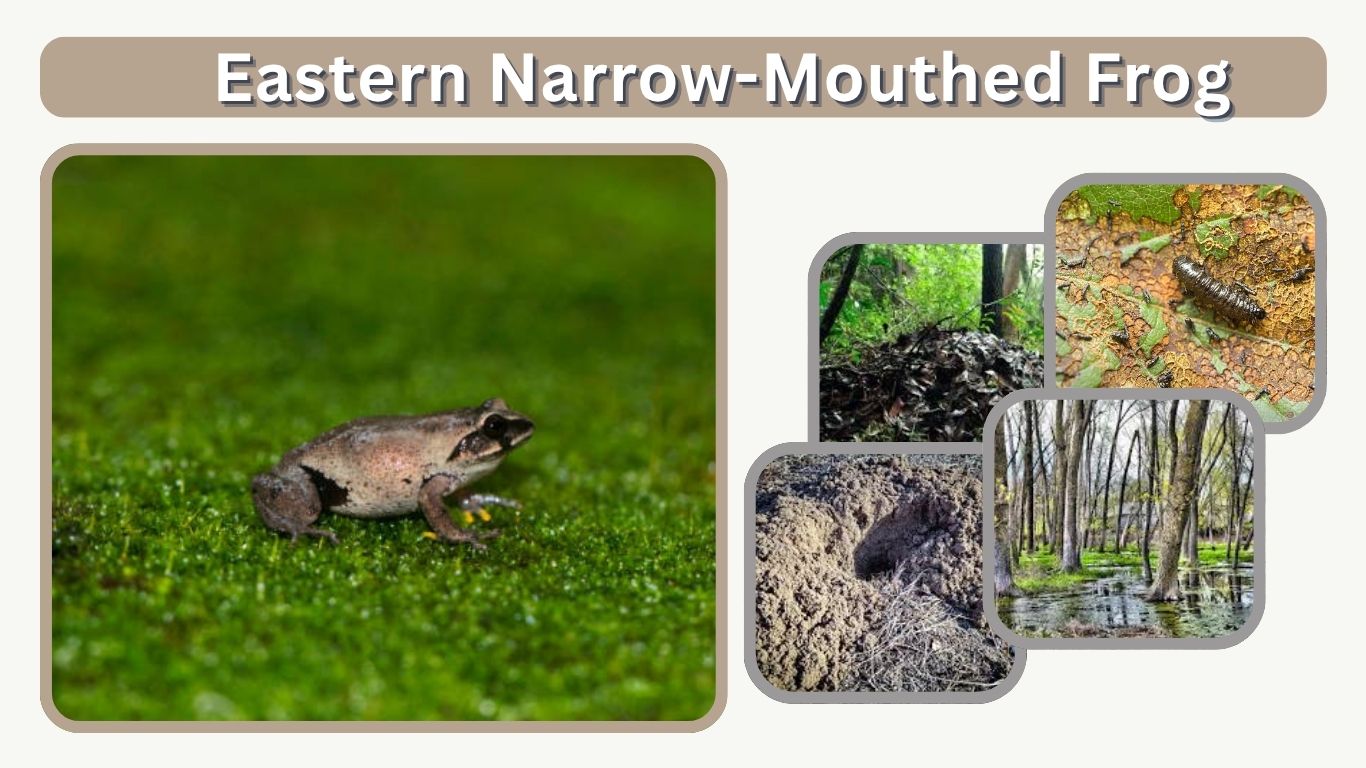
The eastern narrow-mouthed frog is a small, secretive amphibian often mistaken for a toad due to its round body and behavior. Despite its name, it belongs to a different frog family and has unique traits that set it apart. Known for its unusual call and preference for moist environments, this species is commonly found across the southeastern United States. Understanding its identification, habitat, and behavior helps you recognize this fascinating frog in the wild.
What Is the Eastern Narrow-Mouthed Frog?
The eastern narrow-mouthed frog is a small amphibian belonging to the Microhylidae family. It is often confused with toads because of its body shape and habits, but it is biologically a true frog. This species is known for its secretive nature, spending most of its time hidden under leaf litter or soil, especially during dry conditions.
Scientific Classification
The species is scientifically known as Gastrophryne carolinensis. It belongs to a group of narrow-mouthed frogs that are adapted for burrowing and feeding on small insects. This classification places it apart from common frogs and toads found in the same regions.
Frog vs Toad Confusion
Although commonly called a toad, this animal is not a true toad. True toads belong to a different family and typically have rough, warty skin. In contrast, the eastern narrow-mouthed frog has smoother skin and different skeletal features, making it a true frog despite its name.
General Characteristics
This frog is small and round-bodied, usually measuring less than two inches in length. It has a narrow head, short limbs, and a pointed snout. Its coloration helps it blend into natural surroundings, making it difficult to spot in the wild.
Eastern Narrow-Mouthed Frog Identification

Identifying this species can be challenging due to its small size and secretive habits. However, a few key features make it easier to recognize when encountered in its natural habitat.
Physical Appearance
- Small, rounded body with a short, narrow head
- Gray, brown, or olive coloration with subtle patterns
- Smooth skin compared to most toads
- Short legs not adapted for long jumps
- Pointed snout and small mouth
Skin Texture and Features
- Smooth and slightly moist skin surface
- Sticky secretion when handled
- Lack of prominent warts
- Compact body structure suited for burrowing
Male vs Female Differences
- Males are slightly smaller than females
- Males develop a darker throat during breeding season
- Females tend to have a fuller body shape
Eastern Narrow-Mouthed Frog Call
The call of this frog is one of its most distinctive features. It is often heard during warm, humid nights, especially after rainfall, and can help identify the species even when it is hidden.
What Does It Sound Like?
The call is nasal and resembles a short bleating sound, similar to a sheep or a soft buzzing noise. It is not loud but can be repeated frequently, creating a chorus in suitable habitats.
When Do They Call?
These frogs typically call at night, especially during the breeding season in spring and summer. Rainy conditions trigger increased calling activity, as moisture is essential for reproduction.
Purpose of the Call
The primary purpose of the call is to attract mates. Male frogs produce this sound to signal their presence to females and establish territory among other males in the area.
Eastern Narrow-Mouthed Frog Habitat and Behavior

This species thrives in moist environments and is rarely seen during the day. Its behavior is closely tied to humidity and temperature, making it more active under specific conditions.
Preferred Habitat
- Forest floors with leaf litter
- Wetlands and marsh edges
- Gardens and suburban areas with moisture
- Sandy or loose soil for burrowing
Daily Behavior
- Nocturnal activity pattern
- Hides under logs, rocks, or soil during the day
- Emerges at night to feed and move
Seasonal Activity
- More active in warm, humid months
- May burrow underground during dry periods
- Breeding linked to rainfall events
Eastern Narrow-Mouthed Frog Distribution Map
This frog has a wide but regionally focused distribution across the United States. Its range is influenced by climate, soil conditions, and availability of suitable habitat.
Geographic Range
The eastern narrow-mouthed frog is primarily found in the southeastern United States. Its range extends from Texas across the Gulf Coast and into the Carolinas, with some populations reaching farther north.
Presence in North Carolina
In North Carolina, this species is relatively common in coastal plains and moist inland areas. It thrives in environments with abundant leaf litter and consistent humidity, making it easier to find during rainy seasons.
Presence in Maryland
Maryland represents the northern edge of its range. Here, the frog is less common and typically found in warmer, more humid microhabitats. Its presence depends heavily on suitable environmental conditions.
Eastern Narrow-Mouthed Frog Tadpoles
The tadpoles of the eastern narrow-mouthed frog are quite different from those of typical frogs. They are small, dark, and adapted to a unique feeding style. These tadpoles develop quickly in temporary water sources, especially after heavy rains when breeding conditions are ideal.
Tadpole Appearance
The tadpoles are usually dark gray to black and have a rounded body shape. Unlike many frog tadpoles, they lack prominent external features and appear more compact. Their small size makes them difficult to notice in murky water.
Development Stages
They develop rapidly, often completing their transformation in a short time. This quick development helps them survive in temporary pools that may dry out quickly. As they grow, they gradually form limbs and transition to land.
Feeding Behavior
These tadpoles are filter feeders, consuming tiny organic particles in the water. This feeding style sets them apart from many other frog species that graze on algae or plant matter.
Eastern Narrow-Mouthed Frog Diet and Feeding Habits

The eastern narrow-mouthed frog has a highly specialized diet that focuses mainly on small insects. Its narrow mouth and sticky tongue make it well adapted for capturing tiny prey in confined spaces.
Primary Food Sources
- Ants and termites as the main diet
- Small insects found in soil and leaf litter
- Occasional consumption of other tiny invertebrates
Feeding Strategy
- Uses a quick, sticky tongue to capture prey
- Forages in tight spaces and underground areas
- Relies on smell and movement to locate food
Role in the Ecosystem
- Helps control insect populations
- Contributes to natural pest balance
- Plays a role in soil ecosystem health
Is the Eastern Narrow-Mouthed Frog Poisonous?
This frog is not truly poisonous, but it does produce a mild skin secretion as a defense mechanism. This secretion can deter predators and may cause slight irritation if handled.
Skin Secretions Explained
The frog releases a sticky substance when threatened. This secretion is not harmful in most cases but can feel unpleasant or irritating, especially to sensitive skin.
Effects on Humans and Pets
For humans, the secretion is generally harmless and may only cause minor irritation. For pets, especially dogs that attempt to bite or lick the frog, it can cause temporary discomfort but is not considered dangerous.
Safety Tips
It is best to avoid handling the frog unnecessarily. If contact occurs, washing hands afterward is recommended. Keeping pets away from wild frogs can also prevent unwanted reactions.
Can You Keep Them as Pets?
Although interesting, the eastern narrow-mouthed frog is not ideal as a pet. Its specific habitat needs and secretive behavior make it difficult to care for in captivity.
Legal Considerations
In some areas, collecting wild frogs may be restricted or regulated. It is important to check local wildlife laws before attempting to keep one.
Care Requirements
These frogs require high humidity, soft soil for burrowing, and a steady supply of small insects. Maintaining these conditions can be challenging for most people.
Suitability as a Pet
Due to their hidden lifestyle and limited interaction, they are not engaging pets. They are better appreciated in their natural environment rather than in captivity.
Eastern vs Western Narrow-Mouthed Toad

The eastern narrow-mouthed frog is often compared to its western relative. While similar in appearance, there are differences in range, behavior, and sound.
Key Differences
- Eastern species found in southeastern regions
- Western species occupies central and western areas
- Slight variations in size and coloration
Habitat Comparison
Both species prefer moist environments, but their ranges determine the specific habitats they occupy. The eastern species is more common in humid, forested areas.
Call Differences
The calls are similar but may vary slightly in tone and repetition. Experienced listeners can sometimes distinguish between the two based on sound patterns.
Interesting Facts
The eastern narrow-mouthed frog has several unique traits that make it stand out among amphibians. Its adaptations help it survive in specific environments and avoid predators.
- Produces a sticky secretion as a defense mechanism
- Inflates its body when threatened to appear larger
- Specializes in eating ants and termites
- Rarely seen due to its secretive lifestyle
- Active mainly during warm, humid nights
FAQs
Is the eastern narrow-mouthed frog a frog or a toad?
It is a true frog, despite often being called a toad. It belongs to a different family and has smoother skin and different physical traits than true toads.
What does the eastern narrow-mouthed frog call sound like?
Its call sounds like a nasal bleat or a soft buzzing noise, often compared to a sheep. It is usually heard at night during warm, rainy conditions.
Where is it found in the United States?
This species is mainly found in the southeastern United States, including states like Texas, Florida, and the Carolinas, with some presence in Maryland.
Are they dangerous to humans or pets?
They are not dangerous. Their skin secretion may cause mild irritation, but it is not toxic. Pets may experience slight discomfort if they interact with the frog.
What do their tadpoles eat?
Their tadpoles feed on tiny organic particles in the water. They are filter feeders, unlike many other tadpoles that graze on algae.
