
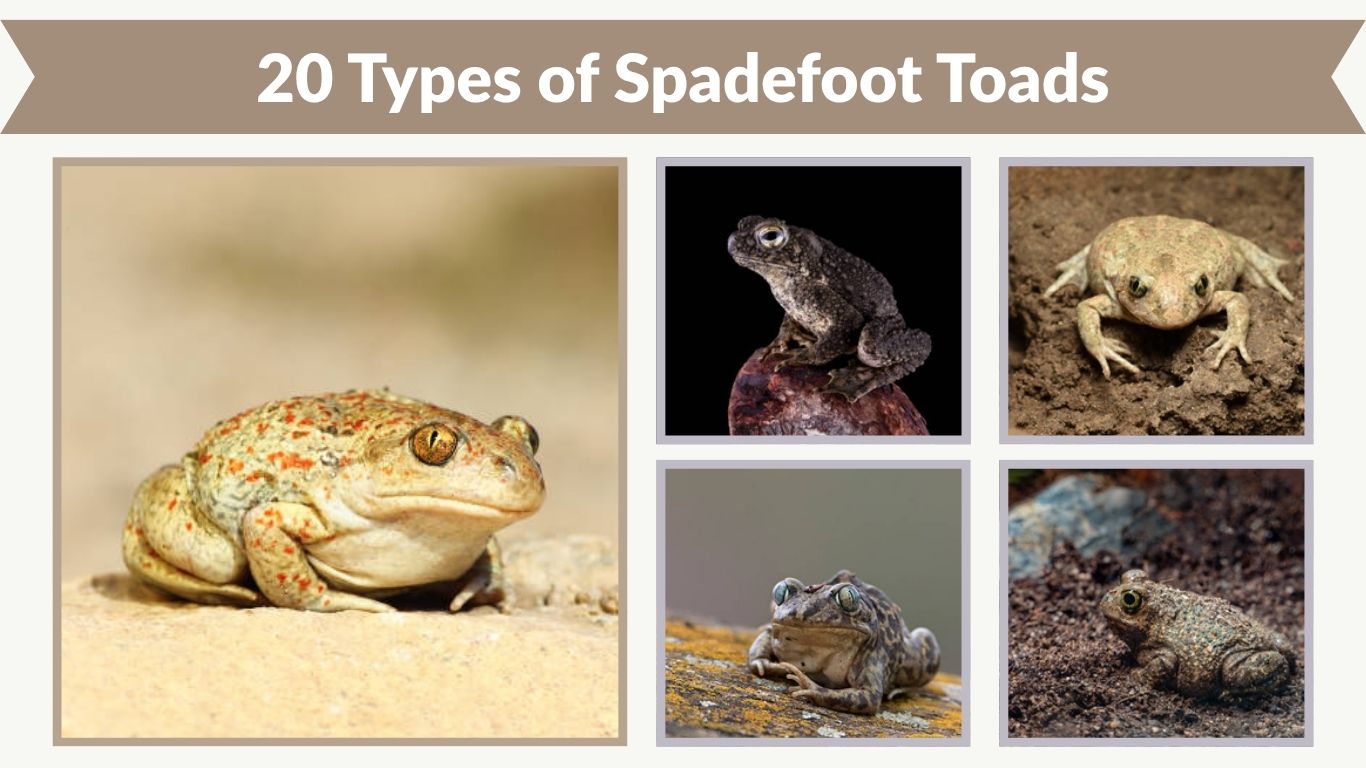
Spadefoot toads are fascinating burrowing amphibians known for the sharp, spade-like structures on their hind feet that help them dig underground quickly. These unique toads are found across North America, Europe, Asia, and parts of Africa, where they thrive in sandy, dry, and semi-arid habitats. Most species remain hidden underground for long periods and emerge mainly during rainy weather to feed and breed. Their nocturnal behavior, rapid tadpole development, and strong adaptation to harsh environments make spadefoot toads some of the most interesting amphibians in the world.
1. Eastern Spadefoot Toad

The Eastern Spadefoot Toad is a unique burrowing amphibian native to the eastern United States. It is well known for the hard, spade-like structure on its hind feet that helps it dig into sandy soil. This species spends most of its life underground and emerges mainly during rainy weather. Its excellent camouflage, nocturnal behavior, and rapid breeding habits make it one of the most fascinating spadefoot toad species found in North America.
Identification
- Scientific Name: Scaphiopus holbrookii
- Common Colors: Brown, gray, olive, and black
- Average Size: 1.5 to 3 inches
- Skin Texture: Smooth with scattered markings
- Distinct Feature: Spade-like projection on hind feet
- Eye Appearance: Large eyes with vertical pupils
- Average Lifespan: 5 to 10 years
Habitat and Distribution
The Eastern Spadefoot Toad is commonly found across the eastern and southeastern United States. It prefers sandy woodlands, grasslands, pine forests, and areas near temporary pools or shallow wetlands. This species spends much of its time buried underground in loose soil, especially during dry weather conditions.
Behavior and Diet
This toad is mainly nocturnal and becomes active during rainy nights when humidity levels are high. It is an excellent burrower and can quickly dig backward into the soil for protection. Its diet includes insects, spiders, worms, beetles, ants, and other small invertebrates commonly found in moist environments.
Lifecycle
Breeding usually occurs after heavy rainfall when temporary pools form in low-lying areas. Females lay eggs in shallow water, and tadpoles develop rapidly to survive before the water dries up. Young toads complete metamorphosis quickly and begin burrowing into soft soil as they mature.
2. Plains Spadefoot Toad

The Plains Spadefoot Toad is a burrowing amphibian native to the grasslands and dry regions of central North America. It is recognized for its smooth skin, vertical pupils, and spade-like hind feet used for digging underground. This species spends most of its time buried in loose soil and becomes active mainly after rainfall. Its ability to survive in dry environments and rapidly develop in temporary pools makes it highly adaptable.
Identification
- Scientific Name: Spea bombifrons
- Common Colors: Gray, brown, olive, and green
- Average Size: 1.5 to 2.5 inches
- Skin Texture: Smooth with scattered dark spots
- Distinct Feature: Hardened spade on hind feet
- Eye Appearance: Large eyes with vertical pupils
- Average Lifespan: 7 to 10 years
Habitat and Distribution
The Plains Spadefoot Toad is commonly found across the Great Plains region of North America, including parts of the United States and Canada. It inhabits prairies, grasslands, semi-arid regions, sandy plains, and open woodlands. This species prefers loose soil near temporary ponds and rain-filled pools used for breeding.
Behavior and Diet
This toad is mostly nocturnal and emerges during warm rainy nights to feed and breed. It burrows underground during dry conditions to avoid dehydration and extreme temperatures. Its diet mainly consists of insects, beetles, ants, spiders, worms, and other small invertebrates found in grassland habitats.
Lifecycle
Breeding usually begins after heavy rains create shallow temporary pools. Females lay eggs in freshwater, and tadpoles develop extremely quickly before the water disappears. Young toads complete metamorphosis within a short period and begin burrowing underground soon after leaving the water.
3. Western Spadefoot Toad

The Western Spadefoot Toad is a small burrowing amphibian native to the western regions of North America. It is known for its smooth skin, cat-like vertical pupils, and specialized spade-shaped hind feet used for digging underground. This species spends much of its life buried in loose soil and becomes active mainly during rainy periods. Its excellent camouflage and ability to survive in dry habitats make it well adapted to arid environments.
Identification
- Scientific Name: Spea hammondii
- Common Colors: Gray, brown, olive, and tan
- Average Size: 1.5 to 2.5 inches
- Skin Texture: Smooth with small dark markings
- Distinct Feature: Hardened black spade on hind feet
- Eye Appearance: Large eyes with vertical pupils
- Average Lifespan: 10 to 12 years
Habitat and Distribution
The Western Spadefoot Toad is mainly found in California and parts of the southwestern United States and northwestern Mexico. It inhabits grasslands, open woodlands, deserts, coastal plains, and sandy areas near temporary freshwater pools. This species prefers loose soil where it can easily burrow during dry weather.
Behavior and Diet
This species is mostly nocturnal and becomes highly active after rainfall. It spends long periods underground to conserve moisture and avoid extreme temperatures. Its diet includes insects, spiders, beetles, ants, worms, and other small invertebrates commonly found in dry and semi-arid environments.
Lifecycle
Breeding occurs after seasonal rains fill temporary ponds and shallow pools. Females lay eggs in freshwater, and tadpoles develop rapidly before the water evaporates. Young toads undergo metamorphosis quickly and begin burrowing into soft soil shortly after leaving the breeding pools.
4. Couch’s Spadefoot Toad

Couch’s Spadefoot Toad is a fast-developing burrowing amphibian native to the southwestern United States and northern Mexico. It is famous for emerging in large numbers after heavy rainfall and producing loud mating calls near temporary pools. This species survives harsh desert conditions by spending long periods underground. Its rapid breeding cycle, specialized digging feet, and ability to thrive in arid habitats make it one of the most remarkable spadefoot toads in North America.
Identification
- Scientific Name: Scaphiopus couchii
- Common Colors: Green, brown, gray, and olive
- Average Size: 2 to 3 inches
- Skin Texture: Smooth with scattered dark spots
- Distinct Feature: Sharp black spade on hind feet
- Eye Appearance: Large eyes with vertical pupils
- Average Lifespan: 8 to 12 years
Habitat and Distribution
Couch’s Spadefoot Toad is commonly found in deserts, grasslands, scrublands, and semi-arid regions of the southwestern United States and northern Mexico. It prefers sandy or loose soil where it can burrow underground. This species is usually associated with temporary rain pools and shallow freshwater habitats used during breeding seasons.
Behavior and Diet
This species is mainly nocturnal and becomes active during warm rainy nights. It spends most of its life underground to avoid heat and dehydration in desert environments. Its diet includes insects, ants, beetles, spiders, termites, worms, and other small invertebrates commonly found in dry habitats after rainfall.
Lifecycle
Breeding begins rapidly after heavy rainstorms create temporary pools in desert areas. Males gather near water and produce loud calls to attract females. Eggs hatch quickly, and tadpoles develop at an extremely fast rate before the water evaporates. Young toads complete metamorphosis within weeks and soon begin burrowing underground.
5. Mexican Spadefoot Toad

The Mexican Spadefoot Toad is a burrowing amphibian native to Mexico and nearby parts of Central America. It is known for its smooth skin, strong hind legs, and spade-like feet used for digging underground. This species is highly adapted to dry environments and remains buried during hot or dry conditions. Its nocturnal behavior, rapid breeding cycle, and ability to survive in semi-arid habitats make it an interesting member of the spadefoot toad family.
Identification
- Scientific Name: Spea multiplicata
- Common Colors: Brown, gray, olive, and tan
- Average Size: 1.5 to 3 inches
- Skin Texture: Smooth with dark markings
- Distinct Feature: Hardened spade on hind feet
- Eye Appearance: Large eyes with vertical pupils
- Average Lifespan: 8 to 10 years
Habitat and Distribution
The Mexican Spadefoot Toad is commonly found across Mexico and parts of the southwestern United States. It inhabits deserts, grasslands, scrublands, open forests, and sandy plains with loose soil suitable for burrowing. This species usually stays near temporary rain pools and shallow freshwater habitats used for breeding after seasonal rainfall.
Behavior and Diet
This toad is mainly active at night, especially during humid or rainy weather. It spends long periods underground to conserve moisture and avoid extreme heat. Its diet includes insects, spiders, beetles, ants, termites, worms, and other small invertebrates commonly found in dry and semi-arid environments.
Lifecycle
Breeding usually begins after heavy rains create temporary pools and shallow wetlands. Females lay eggs in freshwater, and tadpoles develop rapidly before the water dries up. Young toads complete metamorphosis quickly and begin burrowing into soft soil shortly after leaving the breeding habitats.
6. Spea multiplicata

Spea multiplicata, commonly known as the Mexican Spadefoot, is a small burrowing amphibian found in dry and semi-arid regions of North America. It is recognized for its smooth skin, vertical pupils, and specialized spade-like hind feet used for digging underground. This species spends much of its life buried beneath loose soil and emerges mainly during rainy conditions. Its rapid growth, nocturnal activity, and strong survival abilities make it well adapted to harsh environments.
Identification
- Scientific Name: Spea multiplicata
- Common Colors: Brown, gray, olive, and tan
- Average Size: 1.5 to 3 inches
- Skin Texture: Smooth with scattered dark spots
- Distinct Feature: Black spade-shaped structure on hind feet
- Eye Appearance: Large eyes with vertical pupils
- Average Lifespan: 8 to 10 years
Habitat and Distribution
This species is commonly found in Mexico, the southwestern United States, and parts of Central America. It inhabits deserts, grasslands, scrublands, sandy plains, and open woodlands with loose soil suitable for burrowing. Spea multiplicata usually stays close to temporary pools and shallow wetlands formed after seasonal rainfall.
Behavior and Diet
Spea multiplicata is mainly nocturnal and becomes highly active during rainy nights. It spends long periods underground to avoid dehydration and extreme heat. Its diet consists of insects, ants, beetles, spiders, termites, worms, and other small invertebrates commonly found in dry habitats and grassland ecosystems.
Lifecycle
Breeding usually occurs after heavy rain creates temporary freshwater pools. Females lay eggs in shallow water, and tadpoles develop rapidly before the habitat dries out. Young toads complete metamorphosis within a short time and soon begin burrowing underground as they mature into adults.
7. New Mexico Spadefoot Toad

The New Mexico Spadefoot Toad is a burrowing amphibian commonly found in the arid and semi-arid regions of the southwestern United States. It is recognized for its smooth skin, vertical pupils, and hardened spade-like hind feet that help it dig quickly into loose soil. This species spends most of its life underground and emerges mainly after rainfall. Its ability to survive dry conditions and rapidly reproduce in temporary pools makes it highly adapted to desert environments.
Identification
- Scientific Name: Spea multiplicata
- Common Colors: Gray, brown, olive, and tan
- Average Size: 1.5 to 3 inches
- Skin Texture: Smooth with scattered dark markings
- Distinct Feature: Black spade-shaped projection on hind feet
- Eye Appearance: Large eyes with vertical pupils
- Average Lifespan: 8 to 10 years
Habitat and Distribution
The New Mexico Spadefoot Toad is mainly found in New Mexico and nearby regions of the southwestern United States and northern Mexico. It inhabits deserts, grasslands, scrublands, sandy plains, and open woodlands with loose soil suitable for burrowing. This species often stays near temporary rain pools used during breeding seasons.
Behavior and Diet
This toad is mostly nocturnal and becomes active during warm and rainy nights. It spends long periods underground to conserve moisture and avoid extreme desert temperatures. Its diet includes insects, beetles, ants, spiders, termites, worms, and other small invertebrates commonly found in dry and semi-arid habitats.
Lifecycle
Breeding usually begins after seasonal rainfall creates shallow temporary pools. Females lay eggs in freshwater habitats, and tadpoles develop rapidly before the water evaporates. Young toads complete metamorphosis within a short period and begin burrowing underground soon after leaving the breeding pools.
8. Hurter’s Spadefoot Toad

Hurter’s Spadefoot Toad is a small burrowing amphibian native to the south-central United States. It is known for its smooth skin, vertical pupils, and spade-shaped hind feet that allow it to dig quickly into sandy soil. This species spends much of its life underground and becomes active mainly during rainy weather. Its ability to survive in dry habitats and rapidly breed in temporary pools makes it well adapted to semi-arid environments.
Identification
- Scientific Name: Scaphiopus hurterii
- Common Colors: Gray, brown, olive, and tan
- Average Size: 1.5 to 3 inches
- Skin Texture: Smooth with dark markings
- Distinct Feature: Hardened spade on hind feet
- Eye Appearance: Large eyes with vertical pupils
- Average Lifespan: 7 to 10 years
Habitat and Distribution
Hurter’s Spadefoot Toad is commonly found in Texas, Oklahoma, Arkansas, and Louisiana. It inhabits grasslands, prairies, sandy woodlands, and semi-arid regions with loose soil suitable for burrowing. This species is often associated with temporary rain pools, shallow ponds, and flooded lowlands used for breeding after storms.
Behavior and Diet
This species is mainly nocturnal and emerges during humid or rainy nights to feed and reproduce. It spends dry periods buried underground to conserve moisture and escape extreme temperatures. Its diet includes insects, ants, beetles, spiders, worms, termites, and other small invertebrates commonly found in grassland habitats.
Lifecycle
Breeding usually begins after heavy rainfall creates temporary freshwater pools. Females lay eggs in shallow water, and tadpoles develop rapidly before the pools dry out. Young toads complete metamorphosis within a short time and soon begin burrowing underground as they mature into adults.
9. Scaphiopus holbrookii

Scaphiopus holbrookii, commonly known as the Eastern Spadefoot Toad, is a burrowing amphibian native to the eastern United States. It is famous for its spade-shaped hind feet that help it dig underground quickly. This species spends most of its life hidden beneath loose soil and becomes active mainly during rainy nights. Its camouflage coloring, nocturnal behavior, and rapid breeding cycle allow it to survive successfully in a wide range of habitats.
Identification
- Scientific Name: Scaphiopus holbrookii
- Common Colors: Brown, gray, olive, and black
- Average Size: 1.5 to 3 inches
- Skin Texture: Smooth with scattered dark markings
- Distinct Feature: Hardened spade on hind feet
- Eye Appearance: Large eyes with vertical pupils
- Average Lifespan: 5 to 10 years
Habitat and Distribution
This species is commonly found across the eastern and southeastern United States. It inhabits sandy forests, grasslands, pine woodlands, and areas near temporary wetlands or shallow ponds. Scaphiopus holbrookii prefers loose soil that allows easy burrowing and moist environments that support breeding during rainy periods.
Behavior and Diet
Scaphiopus holbrookii is mainly nocturnal and emerges during warm, humid nights. It spends dry periods buried underground to conserve moisture and avoid predators. Its diet consists of insects, ants, beetles, spiders, worms, larvae, and other small invertebrates commonly found in damp habitats and forest floors.
Lifecycle
Breeding usually occurs after heavy rainfall when temporary pools form in low-lying areas. Females lay eggs in shallow freshwater habitats, and tadpoles develop rapidly before the water dries out. Young toads complete metamorphosis quickly and soon begin burrowing underground as they grow into adults.
10. Scaphiopus couchii

Scaphiopus couchii, commonly known as Couch’s Spadefoot Toad, is a desert-adapted amphibian native to the southwestern United States and northern Mexico. It is famous for emerging in large numbers after heavy rainstorms and breeding rapidly in temporary pools. This species spends most of its life underground to avoid harsh desert conditions. Its quick development, strong digging ability, and survival skills make it one of the most remarkable spadefoot toads in North America.
Identification
- Scientific Name: Scaphiopus couchii
- Common Colors: Gray, green, brown, and olive
- Average Size: 2 to 3 inches
- Skin Texture: Smooth with dark blotches
- Distinct Feature: Sharp black spade on hind feet
- Eye Appearance: Large eyes with vertical pupils
- Average Lifespan: 8 to 12 years
Habitat and Distribution
This species is commonly found in deserts, scrublands, grasslands, and semi-arid regions of Arizona, New Mexico, Texas, and northern Mexico. Scaphiopus couchii prefers loose sandy soil where it can burrow underground easily. It is usually associated with temporary rain pools formed during seasonal storms.
Behavior and Diet
Scaphiopus couchii is mainly nocturnal and becomes highly active after rainfall. It spends long periods underground to conserve moisture and survive extreme heat. Its diet includes insects, ants, beetles, spiders, termites, worms, and other small invertebrates commonly found in desert and grassland environments.
Lifecycle
Breeding begins rapidly after heavy rain creates shallow temporary pools. Males gather near water and produce loud calls to attract females. Eggs hatch quickly, and tadpoles develop at an extremely fast rate before the pools dry out. Young toads complete metamorphosis within weeks and soon begin burrowing underground.
11. Scaphiopus hurterii

Scaphiopus hurterii, commonly known as Hurter’s Spadefoot Toad, is a burrowing amphibian native to the south-central United States. It is recognized for its smooth skin, vertical pupils, and hardened spade-like hind feet that help it dig into loose soil. This species spends much of its life underground and becomes active mainly during rainy weather. Its ability to survive dry conditions and rapidly breed in temporary pools makes it highly adapted to semi-arid habitats.
Identification
- Scientific Name: Scaphiopus hurterii
- Common Colors: Gray, brown, olive, and tan
- Average Size: 1.5 to 3 inches
- Skin Texture: Smooth with scattered dark spots
- Distinct Feature: Hardened black spade on hind feet
- Eye Appearance: Large eyes with vertical pupils
- Average Lifespan: 7 to 10 years
Habitat and Distribution
This species is commonly found in Texas, Oklahoma, Arkansas, and Louisiana. Scaphiopus hurterii inhabits grasslands, sandy prairies, open woodlands, and semi-arid regions with loose soil suitable for burrowing. It is usually associated with temporary rain pools, shallow ponds, and flooded lowlands used for breeding during rainy seasons.
Behavior and Diet
Scaphiopus hurterii is mainly nocturnal and becomes active during warm and humid nights. It spends dry periods buried underground to conserve moisture and avoid extreme temperatures. Its diet includes insects, beetles, ants, spiders, worms, termites, and other small invertebrates commonly found in grassland and woodland habitats.
Lifecycle
Breeding usually begins after heavy rainfall creates shallow temporary pools. Females lay eggs in freshwater habitats, and tadpoles develop rapidly before the pools dry out. Young toads complete metamorphosis within a short period and soon begin burrowing underground as they mature into adults.
12. Pelobates fuscus

Pelobates fuscus, commonly known as the Common Spadefoot Toad, is a burrowing amphibian native to Europe and parts of western Asia. It is recognized for its smooth skin, large eyes, and hardened spade-like hind feet used for digging into sandy soil. This species spends much of its time underground and emerges mainly at night or during rainy weather. Its secretive lifestyle and strong adaptation to loose soil habitats make it a fascinating amphibian species.
Identification
- Scientific Name: Pelobates fuscus
- Common Colors: Brown, gray, olive, and tan
- Average Size: 2 to 3 inches
- Skin Texture: Smooth with dark patches
- Distinct Feature: Sharp spade-like structure on hind feet
- Eye Appearance: Large eyes with vertical pupils
- Average Lifespan: 10 to 12 years
Habitat and Distribution
This species is commonly found across central and eastern Europe and parts of western Asia. Pelobates fuscus inhabits sandy grasslands, forests, farmland, marshes, and areas near ponds or wetlands. It prefers loose soil suitable for burrowing and freshwater habitats used for breeding during wet seasons.
Behavior and Diet
Pelobates fuscus is mainly nocturnal and becomes active during humid or rainy nights. It spends long periods underground to avoid predators and dry conditions. Its diet includes insects, beetles, ants, spiders, worms, larvae, and other small invertebrates commonly found in moist soil and grassland habitats.
Lifecycle
Breeding usually occurs during spring when temporary ponds and wetlands fill with water. Females lay eggs in shallow freshwater habitats, and tadpoles develop in aquatic environments before undergoing metamorphosis. Young toads leave the water after transformation and gradually begin their burrowing lifestyle underground.
13. Pelobates cultripes

Pelobates cultripes, commonly known as the Iberian Spadefoot Toad, is a large burrowing amphibian native to the Iberian Peninsula in southwestern Europe. It is known for its smooth skin, strong hind legs, and sharp spade-like structures used for digging underground. This species spends much of its life hidden beneath sandy soil and becomes active mainly during rainy nights. Its large tadpoles, nocturnal habits, and strong adaptation to dry habitats make it one of the most distinctive European spadefoot toads.
Identification
- Scientific Name: Pelobates cultripes
- Common Colors: Brown, gray, olive, and tan
- Average Size: 2.5 to 4 inches
- Skin Texture: Smooth with scattered dark blotches
- Distinct Feature: Sharp black spade on hind feet
- Eye Appearance: Large eyes with vertical pupils
- Average Lifespan: 10 to 15 years
Habitat and Distribution
This species is mainly found in Spain, Portugal, and nearby regions of southwestern Europe. Pelobates cultripes inhabits sandy plains, grasslands, forests, farmland, dunes, and areas near ponds or wetlands. It prefers loose soil for burrowing and freshwater habitats suitable for breeding during wet seasons.
Behavior and Diet
Pelobates cultripes is mostly nocturnal and emerges during humid or rainy weather to feed and reproduce. It spends dry periods underground to conserve moisture and avoid predators. Its diet includes insects, beetles, ants, spiders, worms, larvae, and other small invertebrates commonly found in moist environments.
Lifecycle
Breeding usually takes place during rainy seasons when temporary ponds and wetlands fill with water. Females lay eggs in shallow freshwater habitats, and tadpoles develop in aquatic environments for several months before metamorphosis. Young toads leave the water after transformation and begin burrowing into soft soil as they mature.
14. Pelobates syriacus

Pelobates syriacus, commonly known as the Syrian Spadefoot Toad, is a burrowing amphibian native to parts of the Middle East and southeastern Europe. It is recognized for its smooth skin, rounded body, and strong hind feet equipped with spade-like structures for digging. This species spends much of its life underground and becomes active mainly during rainy nights. Its secretive behavior and adaptation to dry habitats make it well suited for semi-arid environments.
Identification
- Scientific Name: Pelobates syriacus
- Common Colors: Brown, gray, olive, and tan
- Average Size: 3 to 4 inches
- Skin Texture: Smooth with scattered dark markings
- Distinct Feature: Hardened spade on hind feet
- Eye Appearance: Large eyes with vertical pupils
- Average Lifespan: 10 to 15 years
Habitat and Distribution
This species is commonly found in Turkey, Syria, Israel, Lebanon, and parts of southeastern Europe. Pelobates syriacus inhabits grasslands, open forests, farmland, sandy plains, and areas near temporary ponds or wetlands. It prefers loose soil suitable for burrowing and freshwater habitats used for breeding during wet seasons.
Behavior and Diet
Pelobates syriacus is mainly nocturnal and becomes active during humid or rainy weather. It spends long periods underground to avoid dehydration and extreme temperatures. Its diet includes insects, beetles, ants, spiders, worms, larvae, and other small invertebrates commonly found in moist soil and grassland habitats.
Lifecycle
Breeding usually begins during spring or after heavy rainfall when temporary freshwater pools form. Females lay eggs in shallow water, and tadpoles develop in aquatic habitats before undergoing metamorphosis. Young toads leave the water after transformation and gradually adopt a burrowing lifestyle underground.
15. Moroccan Spadefoot Toad

The Moroccan Spadefoot Toad is a burrowing amphibian native to North Africa, especially Morocco and nearby regions. It is known for its smooth skin, rounded body, and hardened spade-like hind feet that help it dig into loose soil. This species spends much of its life underground and becomes active mainly during wet weather. Its nocturnal habits and strong adaptation to dry Mediterranean environments make it a unique member of the spadefoot toad family.
Identification
- Scientific Name: Pelobates varaldii
- Common Colors: Brown, gray, olive, and tan
- Average Size: 2.5 to 4 inches
- Skin Texture: Smooth with dark blotches
- Distinct Feature: Black spade-like projection on hind feet
- Eye Appearance: Large eyes with vertical pupils
- Average Lifespan: 10 to 12 years
Habitat and Distribution
The Moroccan Spadefoot Toad is mainly found in Morocco and limited areas of northwestern Africa. It inhabits sandy grasslands, coastal plains, forests, farmland, and areas near ponds or seasonal wetlands. This species prefers loose soil for burrowing and freshwater habitats used for breeding during rainy seasons.
Behavior and Diet
This species is mostly nocturnal and emerges during rainy or humid nights to search for food and reproduce. It spends dry periods underground to conserve moisture and avoid harsh environmental conditions. Its diet includes insects, beetles, ants, spiders, worms, larvae, and other small invertebrates commonly found in moist soil habitats.
Lifecycle
Breeding usually occurs after seasonal rains create temporary ponds and shallow wetlands. Females lay eggs in freshwater habitats, and tadpoles develop in water before undergoing metamorphosis. Young toads leave the breeding pools after transformation and gradually begin their underground burrowing lifestyle.
16. Common Spadefoot Toad

The Common Spadefoot Toad is a burrowing amphibian widely distributed across parts of Europe and western Asia. It is known for its smooth skin, rounded body, and specialized spade-like hind feet that help it dig quickly into sandy soil. This species spends most of its life underground and emerges mainly during rainy nights. Its nocturnal lifestyle, rapid breeding habits, and strong adaptation to loose soil environments make it a fascinating amphibian species.
Identification
- Scientific Name: Pelobates fuscus
- Common Colors: Brown, gray, olive, and tan
- Average Size: 2 to 3 inches
- Skin Texture: Smooth with scattered dark markings
- Distinct Feature: Sharp black spade on hind feet
- Eye Appearance: Large eyes with vertical pupils
- Average Lifespan: 10 to 12 years
Habitat and Distribution
The Common Spadefoot Toad is commonly found across central and eastern Europe and parts of western Asia. It inhabits sandy grasslands, forests, farmland, marshes, and areas near ponds or seasonal wetlands. This species prefers loose soil suitable for burrowing and freshwater habitats used during breeding periods.
Behavior and Diet
This species is mainly nocturnal and becomes active during humid or rainy weather. It spends long periods underground to avoid predators and dry conditions. Its diet includes insects, beetles, ants, spiders, worms, larvae, and other small invertebrates commonly found in moist grassland and woodland habitats.
Lifecycle
Breeding usually takes place during spring after heavy rainfall fills temporary ponds and wetlands. Females lay eggs in shallow freshwater habitats, and tadpoles develop in water before undergoing metamorphosis. Young toads leave the water after transformation and gradually begin their burrowing lifestyle underground.
17. Western Iberian Spadefoot Toad

The Western Iberian Spadefoot Toad is a burrowing amphibian native to the Iberian Peninsula in southwestern Europe. It is recognized for its smooth skin, strong hind legs, and spade-shaped feet used for digging underground. This species spends much of its life hidden beneath loose soil and becomes active mainly during rainy nights. Its nocturnal behavior, rapid breeding habits, and strong adaptation to Mediterranean climates make it well suited for dry environments.
Identification
- Scientific Name: Pelobates cultripes
- Common Colors: Brown, gray, olive, and tan
- Average Size: 2.5 to 4 inches
- Skin Texture: Smooth with scattered dark blotches
- Distinct Feature: Hardened black spade on hind feet
- Eye Appearance: Large eyes with vertical pupils
- Average Lifespan: 10 to 15 years
Habitat and Distribution
The Western Iberian Spadefoot Toad is mainly found in Spain and Portugal. It inhabits sandy plains, coastal dunes, grasslands, forests, farmland, and areas near ponds or wetlands. This species prefers loose soil for burrowing and freshwater habitats suitable for breeding during rainy seasons.
Behavior and Diet
This species is mostly nocturnal and emerges during humid or rainy weather to feed and reproduce. It spends dry periods underground to conserve moisture and avoid extreme temperatures. Its diet includes insects, beetles, ants, spiders, worms, larvae, and other small invertebrates commonly found in moist environments and sandy habitats.
Lifecycle
Breeding usually occurs after seasonal rains create temporary ponds and shallow wetlands. Females lay eggs in freshwater habitats, and tadpoles develop in water for several months before metamorphosis. Young toads leave the breeding pools after transformation and gradually begin their underground burrowing lifestyle.
18. Syrian Spadefoot Toad

The Syrian Spadefoot Toad is a burrowing amphibian native to parts of the Middle East and southeastern Europe. It is known for its smooth skin, large eyes, and spade-like hind feet that help it dig into loose soil. This species spends much of its life underground and emerges mainly during rainy weather. Its nocturnal habits, secretive lifestyle, and ability to survive in dry habitats make it well adapted to semi-arid environments.
Identification
- Scientific Name: Pelobates syriacus
- Common Colors: Brown, gray, olive, and tan
- Average Size: 3 to 4 inches
- Skin Texture: Smooth with scattered dark patches
- Distinct Feature: Hardened spade on hind feet
- Eye Appearance: Large eyes with vertical pupils
- Average Lifespan: 10 to 15 years
Habitat and Distribution
The Syrian Spadefoot Toad is commonly found in Turkey, Syria, Lebanon, Israel, and nearby regions of southeastern Europe. It inhabits grasslands, open forests, sandy plains, farmland, and areas near temporary ponds or wetlands. This species prefers loose soil for burrowing and freshwater habitats suitable for breeding during wet seasons.
Behavior and Diet
This species is mainly nocturnal and becomes active during humid or rainy nights. It spends long periods underground to conserve moisture and avoid extreme temperatures. Its diet includes insects, beetles, ants, spiders, worms, larvae, and other small invertebrates commonly found in moist soil and grassland habitats.
Lifecycle
Breeding usually begins during spring or after heavy rainfall creates shallow freshwater pools. Females lay eggs in temporary ponds and wetlands, where tadpoles develop in aquatic environments before metamorphosis. Young toads leave the water after transformation and gradually adopt a burrowing lifestyle underground.
19. Knife-footed Toad

The Knife-footed Toad is a burrowing amphibian known for the sharp, spade-like structure on its hind feet that helps it dig quickly into loose soil. It is commonly found in dry and semi-arid regions where it spends much of its life underground. This species becomes active mainly during rainy weather and is admired for its nocturnal behavior, rapid breeding cycle, and strong adaptation to harsh environmental conditions.
Identification
- Scientific Name: Pelobates cultripes
- Common Colors: Brown, gray, olive, and tan
- Average Size: 2.5 to 4 inches
- Skin Texture: Smooth with dark blotches
- Distinct Feature: Sharp spade-like hind feet
- Eye Appearance: Large eyes with vertical pupils
- Average Lifespan: 10 to 15 years
Habitat and Distribution
The Knife-footed Toad is mainly found in southwestern Europe, especially in Spain and Portugal. It inhabits sandy plains, grasslands, forests, farmland, and coastal regions near temporary ponds or wetlands. This species prefers loose soil suitable for burrowing and freshwater habitats used during breeding seasons.
Behavior and Diet
This species is mostly nocturnal and becomes active during humid or rainy nights. It spends dry periods underground to conserve moisture and avoid predators. Its diet includes insects, beetles, ants, spiders, worms, larvae, and other small invertebrates commonly found in moist environments and sandy habitats.
Lifecycle
Breeding usually occurs after seasonal rains create shallow ponds and temporary wetlands. Females lay eggs in freshwater habitats, and tadpoles develop in aquatic environments before undergoing metamorphosis. Young toads leave the water after transformation and gradually begin their underground burrowing lifestyle.
20. Iberian Spadefoot Toad

The Iberian Spadefoot Toad is a burrowing amphibian native to the Iberian Peninsula in southwestern Europe. It is recognized for its smooth skin, rounded body, and specialized spade-like hind feet used for digging underground. This species spends most of its life hidden beneath sandy soil and emerges mainly during rainy nights. Its nocturnal behavior, rapid breeding habits, and strong adaptation to Mediterranean climates make it one of the most distinctive spadefoot toads in Europe.
Identification
- Scientific Name: Pelobates cultripes
- Common Colors: Brown, gray, olive, and tan
- Average Size: 2.5 to 4 inches
- Skin Texture: Smooth with scattered dark blotches
- Distinct Feature: Sharp black spade on hind feet
- Eye Appearance: Large eyes with vertical pupils
- Average Lifespan: 10 to 15 years
Habitat and Distribution
The Iberian Spadefoot Toad is mainly found in Spain and Portugal. It inhabits sandy plains, grasslands, forests, farmland, dunes, and areas near temporary ponds or wetlands. This species prefers loose soil suitable for burrowing and freshwater habitats used during breeding during rainy seasons.
Behavior and Diet
This species is mostly nocturnal and becomes active during humid or rainy weather. It spends dry periods underground to conserve moisture and avoid predators. Its diet includes insects, beetles, ants, spiders, worms, larvae, and other small invertebrates commonly found in moist soil and grassland habitats.
Lifecycle
Breeding usually takes place after seasonal rains create temporary ponds and shallow wetlands. Females lay eggs in freshwater habitats, and tadpoles develop in aquatic environments before undergoing metamorphosis. Young toads leave the water after transformation and gradually begin their underground burrowing lifestyle as they mature into adults.
FAQs
What is a spadefoot toad?
A spadefoot toad is a burrowing amphibian known for the hard, spade-like structure on its hind feet used for digging into loose soil. These toads are usually found in dry or semi-arid regions and spend much of their lives underground to avoid heat and dehydration.
Where do spadefoot toads live?
Spadefoot toads are commonly found in North America, Europe, North Africa, and parts of Asia. They inhabit grasslands, deserts, sandy forests, scrublands, and areas near temporary ponds or wetlands where they breed after heavy rainfall and humid weather conditions.
What do spadefoot toads eat?
Spadefoot toads mainly feed on insects and other small invertebrates. Their diet commonly includes ants, beetles, spiders, termites, worms, larvae, and flies. They usually hunt at night when they emerge from underground during humid or rainy weather.
Why do spadefoot toads burrow underground?
Spadefoot toads burrow underground to conserve moisture, escape predators, and survive extreme temperatures. Their specialized hind feet allow them to dig backward into loose soil quickly. Staying underground also helps them survive long dry periods in desert and semi-arid habitats.
How do spadefoot toads reproduce?
Spadefoot toads usually breed after heavy rain creates temporary pools or shallow wetlands. Females lay eggs in freshwater, and tadpoles develop rapidly before the water dries up. Many species complete metamorphosis quickly so young toads can survive in changing environmental conditions.
