
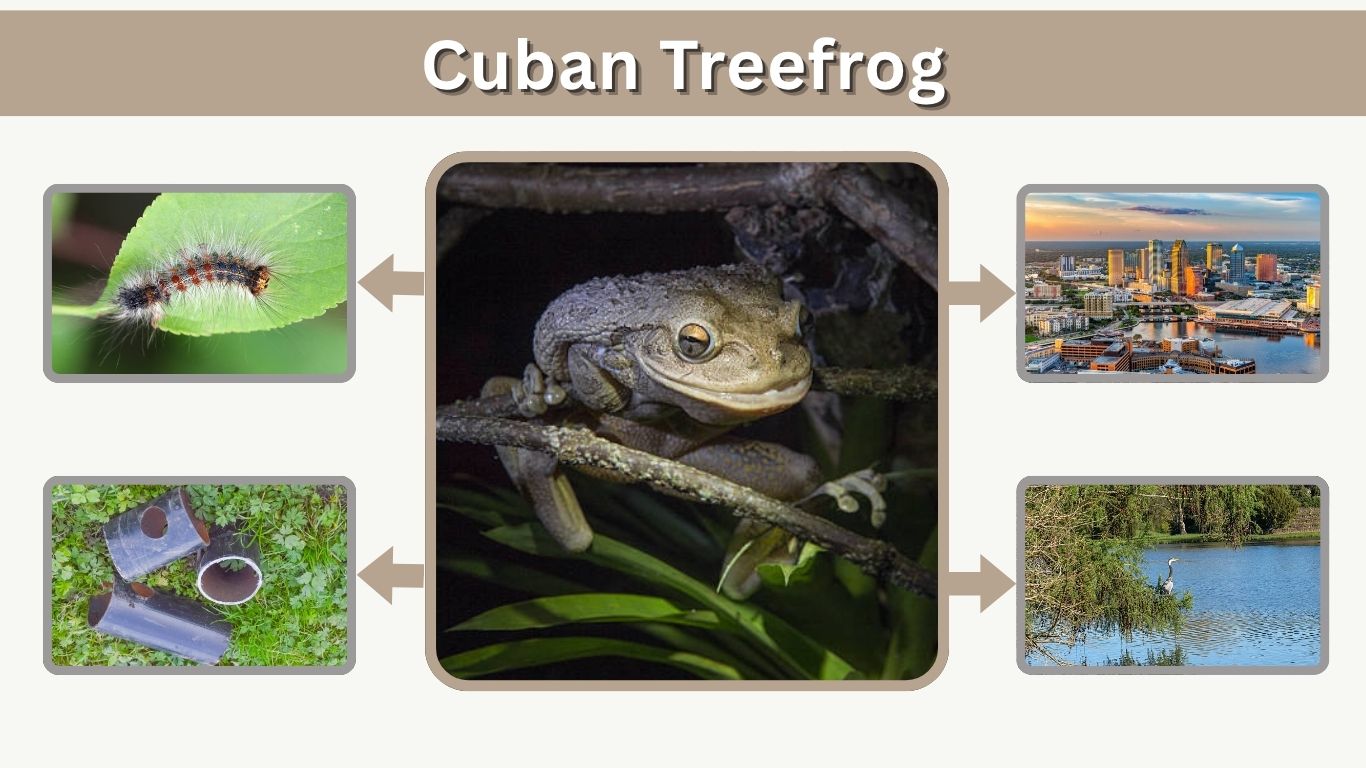
The Cuban treefrog (Osteopilus septentrionalis) is one of the most invasive amphibians found in Florida. Originally native to the Caribbean, this species has spread rapidly across the southeastern United States and now threatens native wildlife populations. Cuban treefrogs are highly adaptable, reproduce quickly, and compete aggressively with local frog species. Their growing population has raised environmental concerns among researchers and wildlife agencies. Understanding how to identify, manage, and control Cuban treefrogs is important for protecting Florida’s ecosystems and maintaining native biodiversity.
What Is the Cuban Treefrog?
The Cuban treefrog is the largest treefrog species commonly found in Florida. It is known for its ability to survive in urban neighborhoods, wetlands, gardens, and forests. The species became established in South Florida through accidental transportation in cargo shipments and plant trade activities. Today, Cuban treefrogs are widespread throughout much of the state.
Scientific Name and Classification
The scientific name of the Cuban treefrog is Osteopilus septentrionalis. It belongs to the Hylidae family, which includes many treefrog species found throughout North and South America. Researchers often study this frog because of its rapid spread and impact on local ecosystems.
Physical Appearance
Cuban treefrogs vary greatly in color and pattern, which sometimes makes identification difficult. Their appearance may change depending on temperature, habitat, and lighting conditions.
Key identification features include:
- Large body size compared to native treefrogs
- Warty or rough skin texture
- Oversized toe pads for climbing
- Bulging eyes with a noticeable bony ridge
- Colors ranging from gray and brown to green and cream
Can Cuban Treefrogs Be Green?
Yes, Cuban treefrogs can appear green under certain environmental conditions. Although many individuals are gray or tan, some display green shades that help them blend into vegetation. This color variation often causes confusion with native green treefrogs in Florida.
Cuban Treefrog vs Native Florida Treefrogs

Many homeowners mistake Cuban treefrogs for harmless native species. Correct identification is important because invasive Cuban treefrogs negatively affect native amphibian populations. Their larger size and aggressive feeding behavior make them dominant predators in many habitats.
Main Differences Between Cuban and Green Treefrogs
Native green treefrogs are generally smaller and smoother in appearance. Cuban treefrogs usually have rougher skin and larger toe pads. Their eyes also appear more pronounced than those of native species.
Important differences include:
- Cuban treefrogs grow significantly larger
- Native green treefrogs have smoother skin
- Cuban treefrogs show wider color variation
- Toe pads on Cuban treefrogs are much larger
- Cuban treefrogs often produce sticky skin secretions
Why Identification Matters
Accurate identification helps wildlife officials monitor invasive populations. It also allows residents to avoid accidentally harming native frogs that benefit local ecosystems. Educational programs from the University of Florida encourage citizens to report Cuban treefrog sightings and participate in removal efforts.
Cuban Treefrog Habitat and Range

Cuban treefrogs thrive in warm and humid environments. Florida’s climate provides ideal breeding and feeding conditions, which explains the rapid expansion of their population throughout the state. They are commonly found around homes, pools, outdoor lights, and gardens where insects are abundant.
Cuban Treefrog in Florida
The species first became established in South Florida during the early twentieth century. Over time, the frogs expanded northward through accidental transportation in vehicles, ornamental plants, and shipping containers. Today, Cuban treefrogs occupy both urban and natural habitats across much of Florida.
Cuban Treefrog Range Expansion
Outside Florida, Cuban treefrogs have occasionally been reported in other southern states, including Arkansas and Louisiana. However, stable populations remain concentrated primarily in Florida because of the region’s favorable climate.
Who Introduced Cuban Treefrogs to South Florida?
Researchers believe Cuban treefrogs arrived accidentally through commercial shipping and nursery trade activities. Cargo transported from Caribbean islands likely carried frogs hidden among plants, containers, or construction materials. Once introduced, the species adapted quickly to local conditions.
How Cuban Treefrogs Reduce Biodiversity
The Cuban treefrog has become a serious ecological concern because it disrupts native ecosystems. Scientists classify the species as invasive due to its negative impact on local wildlife and biodiversity.
Predation on Native Species
Cuban treefrogs are aggressive predators that consume insects, spiders, lizards, and even smaller frogs. Native treefrogs are especially vulnerable because Cuban treefrogs compete for food and shelter while also preying directly on them.
Competition for Habitat
These frogs frequently occupy tree holes, birdhouses, and breeding sites used by native amphibians. Their dominance reduces available shelter for smaller native species and interferes with reproduction cycles.
Disruption of Food Webs
As Cuban treefrogs spread into new environments, they alter natural predator and prey relationships. Changes in insect populations and declining native frog numbers can affect birds, snakes, and other wildlife that depend on balanced ecosystems.
Cuban Treefrog Diet and Feeding Behavior

Cuban treefrogs are opportunistic feeders with extremely adaptable diets. Their feeding habits contribute heavily to their success as an invasive species in Florida.
What Do Cuban Treefrogs Eat?
Their diet includes a wide variety of prey items found in urban and natural environments.
Common food sources include:
- Beetles and moths
- Spiders and roaches
- Native frogs and tadpoles
- Small lizards
- Other small amphibians
Cuban Treefrog Eating Other Frogs
One reason Cuban treefrogs are particularly harmful is their tendency to eat native frogs. Larger adults commonly prey upon smaller treefrog species, reducing native populations in areas where the invasive frogs become abundant.
Cuban Treefrog Life Cycle

The Cuban treefrog reproduces rapidly, which contributes to its successful spread throughout Florida. Warm temperatures and abundant rainfall create ideal breeding conditions for the species. Their ability to produce large numbers of offspring allows populations to increase quickly in both urban and natural habitats.
Cuban Treefrog Eggs
Female Cuban treefrogs lay eggs in ponds, canals, ditches, and temporary pools of water. Breeding usually occurs during warm and rainy months when moisture levels are high.
Important facts about their eggs include:
- Eggs are laid in large floating clusters
- Tadpoles hatch within a few days
- Breeding often occurs after heavy rainfall
- One female can produce thousands of eggs
Cuban Treefrog Tadpoles
The tadpoles develop rapidly in shallow water environments. They are typically dark in color and highly adaptable to changing water conditions. Cuban treefrog tadpoles often outcompete native tadpoles for food and space.
Metamorph and Juvenile Development
After several weeks, tadpoles transform into small juvenile frogs known as metamorphs. Young Cuban treefrogs quickly move into trees, gardens, and buildings where they continue growing into adults. Their survival rate is high because they can feed on many different prey species.
Cuban Treefrog Calls and Behavior
Cuban treefrogs are most active during the night. Their loud calls are commonly heard near ponds, gardens, and residential neighborhoods throughout Florida. Males vocalize mainly during breeding periods to attract females and establish territory.
Cuban Treefrog Call
The call of the Cuban treefrog is often described as harsh and raspy. Many people compare the sound to squeaking or barking noises because it differs from the softer calls produced by native treefrogs.
Barking Cuban Treefrog Sounds
The term “barking Cuban treefrog” comes from the frog’s short, deep vocalizations. These sounds are especially noticeable after rainstorms when breeding activity increases significantly.
Nocturnal Activity
Cuban treefrogs usually hide during daylight hours and emerge at night to hunt insects around lights, windows, and outdoor structures. Their climbing ability allows them to access roofs, walls, and utility areas with ease.
Cuban Treefrog Control and Removal

Wildlife agencies encourage residents to help reduce Cuban treefrog populations because the species threatens native biodiversity. Proper control methods can limit their spread and reduce ecological damage.
Effective Cuban Treefrog Removal Strategies
Several control techniques have proven successful in Florida communities. Safe removal and monitoring programs are commonly promoted through citizen science initiatives.
Recommended control methods include:
- Hand capture using gloves
- PVC pipe shelter traps
- Removing outdoor hiding places
- Reporting sightings to wildlife programs
- Monitoring breeding locations
Control Methods That Were Unsuccessful
Some early control approaches failed because Cuban treefrogs adapt quickly to environmental changes. Ineffective methods often provided only temporary population reductions.
Less successful strategies included:
- Overreliance on chemical repellents
- Poorly placed trapping systems
- Inconsistent removal efforts
- Habitat treatments with limited coverage
Humane Euthanizing of Cuban Treefrogs
Wildlife experts recommend humane euthanasia procedures for captured invasive frogs. Guidelines from the University of Florida emphasize ethical handling practices that minimize suffering while protecting native wildlife populations.
Cuban Treefrog Care and Human Interaction
Some people keep Cuban treefrogs as pets because of their large size and unusual appearance. However, handling them requires caution due to their skin secretions and invasive status in many regions.
Cuban Treefrog Care Requirements
Captive Cuban treefrogs need humid environments with climbing space and access to clean water. Their diet typically consists of insects such as crickets, roaches, and worms.
Cuban Treefrog Skin Secretions
Cuban treefrogs release sticky mucus from their skin when stressed or threatened. This secretion may irritate human skin and eyes if handled improperly.
Cuban Treefrog Eye Burn Concerns
Contact with the frog’s skin secretions can cause burning sensations, redness, or irritation around the eyes and mouth. People should always wash their hands thoroughly after handling these frogs.
FAQs
Are Cuban treefrogs poisonous?
Cuban treefrogs are not deadly poisonous, but their skin secretions can cause irritation. People may experience burning, redness, or discomfort if the mucus comes into contact with their eyes, nose, or mouth. Washing hands thoroughly after handling them is strongly recommended.
How do you identify a Cuban treefrog?
Cuban treefrogs are usually larger than native Florida treefrogs and have rough or warty skin. They also have large toe pads, bulging eyes, and color variations ranging from gray and brown to green. Their size and skin texture are the easiest identification features.
Why are Cuban treefrogs considered invasive?
They are considered invasive because they spread rapidly and harm native wildlife populations. Cuban treefrogs compete with native frogs for food and shelter while also preying on smaller amphibians, insects, and reptiles. Their presence disrupts local ecosystems and reduces biodiversity.
What do Cuban treefrogs eat?
Cuban treefrogs are opportunistic predators that eat insects, spiders, moths, roaches, small lizards, and even other frogs. Their wide diet helps them survive in many environments and contributes to their success as an invasive species in Florida.
What should you do if you find a Cuban treefrog?
If you find a Cuban treefrog, experts recommend identifying it carefully before removal. Residents in Florida are encouraged to report sightings through citizen science programs and follow humane removal guidelines provided by wildlife agencies or the University of Florida.
