
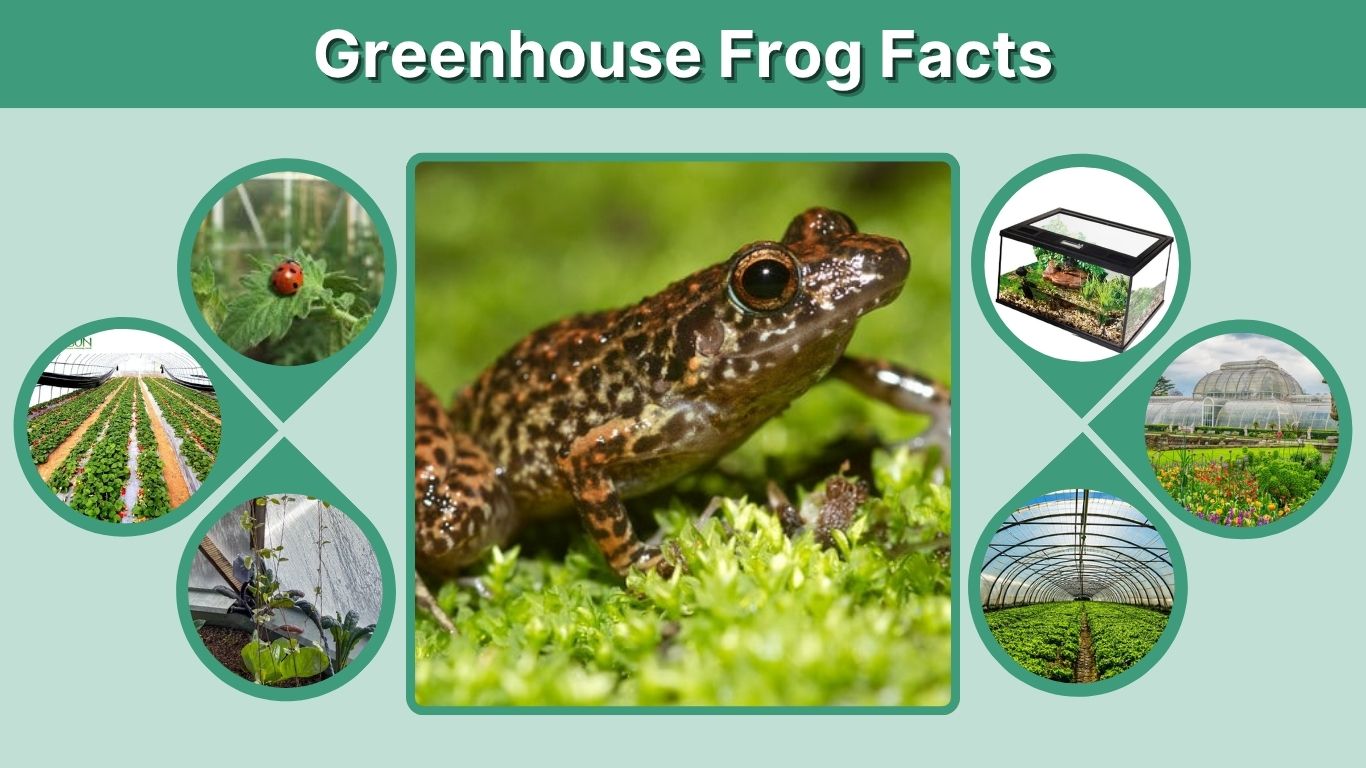
The Greenhouse Frog is a tiny tropical frog known for its chirping nighttime call and ability to thrive in moist environments. This small amphibian is common in Florida, Hawaii, gardens, and plant nurseries. Many people search for greenhouse frog sounds, eggs, habitat, and pet care because the species often appears around homes and greenhouses.
Greenhouse Frogs are unique because they do not go through a free-swimming tadpole stage like many other frogs. They also spread easily through plant transportation, making them an invasive species in some areas outside their native Caribbean range.
What Is a Greenhouse Frog?
The Greenhouse Frog is a very small ground-dwelling frog originally native to the Caribbean. It was introduced to other warm regions through the plant trade and greenhouse industry. Today, it is commonly found in moist gardens, nurseries, and tropical habitats across parts of the United States.
Scientific Classification
- Scientific name: Eleutherodactylus planirostris
- Family: Eleutherodactylidae
- Common name: Greenhouse Frog
- Native region: Caribbean islands
- Type: Small terrestrial frog
Greenhouse Frog Size
Adult Greenhouse Frogs are tiny and usually measure between 0.6 and 1.5 inches long. Females are often slightly larger than males. Their small body size helps them hide easily under leaves, rocks, flowerpots, and garden debris.
Physical Appearance
Greenhouse Frogs are usually brown, tan, or gray with darker stripes or markings across the back. Their skin appears fairly smooth, and they have short legs compared to many tree frogs. The body color often helps them blend into soil and leaf litter.
Greenhouse Frog Sound and Call
The sound of the Greenhouse Frog is one of its most recognizable features. During warm and humid nights, males produce short chirping calls that can sound similar to insects. In areas with large populations, the repeated sounds may continue throughout the evening.
What Does a Greenhouse Frog Sound Like?
People often describe the call as:
- Soft chirping noises
- Cricket-like sounds
- Short clicking notes
- Repeated nighttime peeps
Why Do Greenhouse Frogs Call?
Male Greenhouse Frogs call mainly to attract females during breeding season. Calls may also help establish territory and warn nearby males. Calling activity increases after rain or during humid tropical weather.
When Are Greenhouse Frogs Most Vocal?
Greenhouse Frogs are most active during:
- Warm evenings
- Rainy weather
- Humid nights
- Spring and summer months
Greenhouse Frog Habitat
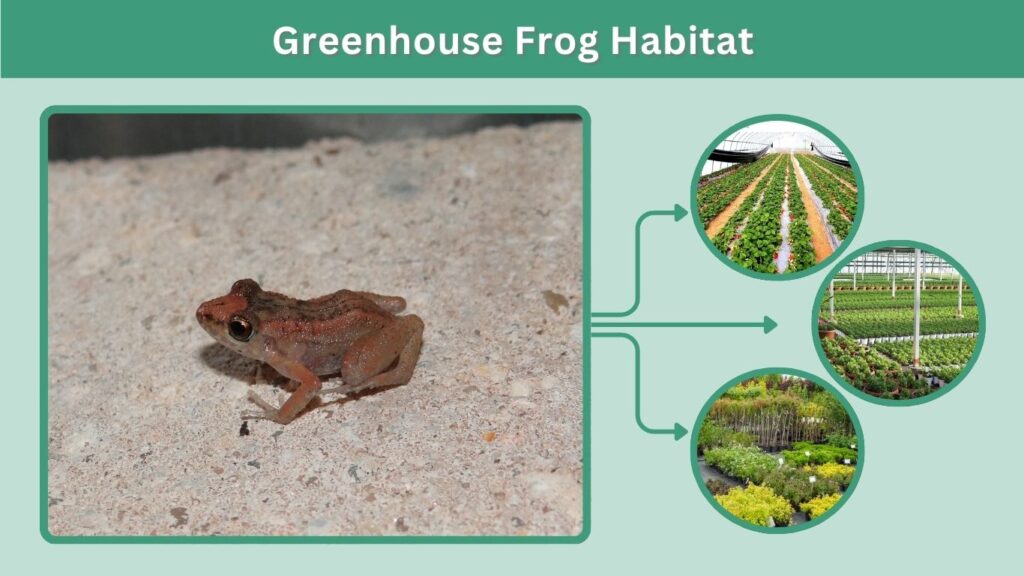
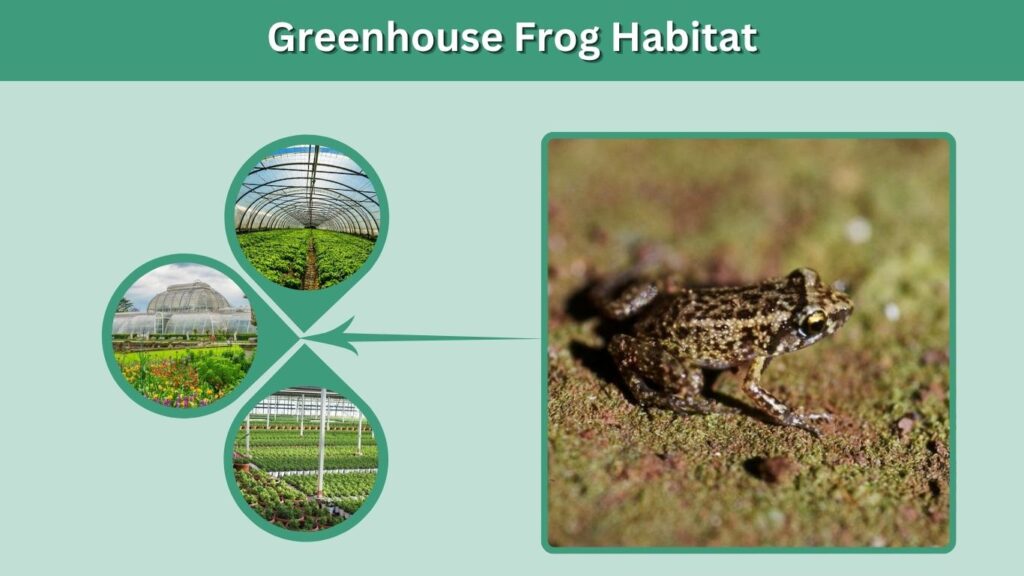
Greenhouse Frogs prefer warm and moist environments with plenty of hiding places. They are commonly found in gardens, greenhouses, tropical forests, and plant nurseries. Because they stay close to the ground, they usually hide under logs, rocks, leaves, and flowerpots during the daytime.
Preferred Habitat Types
- Greenhouses
- Gardens
- Moist forests
- Plant nurseries
- Backyard ponds
- Leaf litter areas
Habitat Conditions They Need
These frogs survive best in areas with high humidity and warm temperatures. Moist soil, fallen leaves, and shaded hiding spots are important for preventing dehydration. They are especially common in tropical and subtropical climates where moisture remains available year-round.
Greenhouse Frogs in Florida
Florida has large populations of Greenhouse Frogs, especially in southern and coastal areas. The species thrives in urban gardens, landscaping, nurseries, and greenhouse environments where moisture and shelter are abundant.
Greenhouse Frog Diet
Greenhouse Frogs are insect-eating predators that help control small pest populations. Despite their tiny size, they actively hunt small invertebrates found in gardens and moist habitats. Most feeding happens during nighttime when insects become more active.
What Do Greenhouse Frogs Eat?
- Ants
- Tiny beetles
- Small spiders
- Flies
- Mites
- Small insects
Hunting Behavior
Greenhouse Frogs usually hunt near the ground among leaves and soil. They move slowly while searching for prey and quickly strike with their tongue when insects come close. Their camouflage coloring helps them remain hidden from predators while hunting.
Do Greenhouse Frogs Have Teeth?
Greenhouse Frogs have tiny teeth along the upper jaw. These teeth are not dangerous to humans and mainly help the frog grip small prey while feeding.
Greenhouse Frog Eggs and Life Cycle
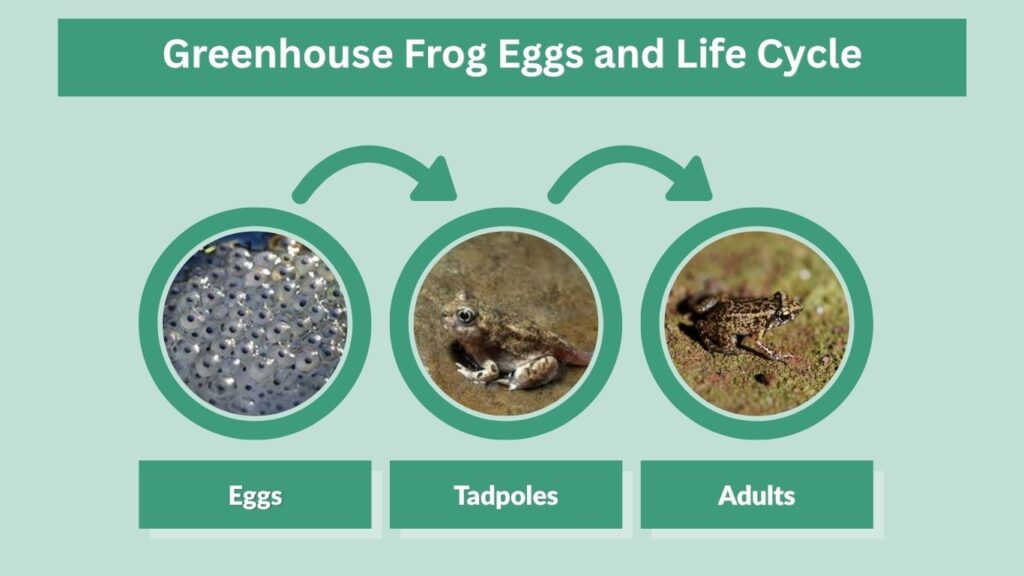
The life cycle of the Greenhouse Frog differs from many other frog species because it does not include a free-swimming tadpole stage. Instead, tiny froglets hatch directly from eggs. This adaptation allows the species to reproduce successfully in small moist habitats without standing water.
Greenhouse Frog Breeding Behavior
Breeding usually takes place during warm humid weather. Male frogs call to attract females, and eggs are laid in moist hidden areas beneath leaves, logs, or soil.
Greenhouse Frog Eggs
- Small round eggs
- Hidden in damp soil
- Protected under debris
- Develop in moist environments
Do Greenhouse Frogs Have Tadpoles?
Unlike many frogs, Greenhouse Frogs skip the tadpole stage completely. Young froglets hatch directly from eggs looking like miniature adults.
Greenhouse Frog Invasive Species Status
The Greenhouse Frog is considered an invasive species in several areas outside its native Caribbean range. Because these frogs travel easily in potted plants, soil, and nursery shipments, they have spread to places like Florida, Hawaii, and parts of the southern United States. Their ability to adapt to gardens and greenhouses has helped them establish stable populations in many warm climates.
Where Did Greenhouse Frogs Originate?
Greenhouse Frogs originally came from the Caribbean, including Cuba and the Bahamas. Over time, human transportation and plant trade allowed the species to spread far beyond its natural range.
How Did Greenhouse Frogs Reach Florida?
- Plant nursery shipments
- Potted tropical plants
- Soil transportation
- Greenhouse trade
Why Are Greenhouse Frogs Considered Invasive?
These frogs reproduce quickly and compete with native species for food and shelter. In some areas, their growing populations may affect local ecosystems and reduce resources for native amphibians.
Environmental Impact
Although small, Greenhouse Frogs can influence insect populations and compete with local frogs in moist habitats. Scientists continue studying how the species affects native wildlife in invaded areas.
Greenhouse Frog Care and Pet Information
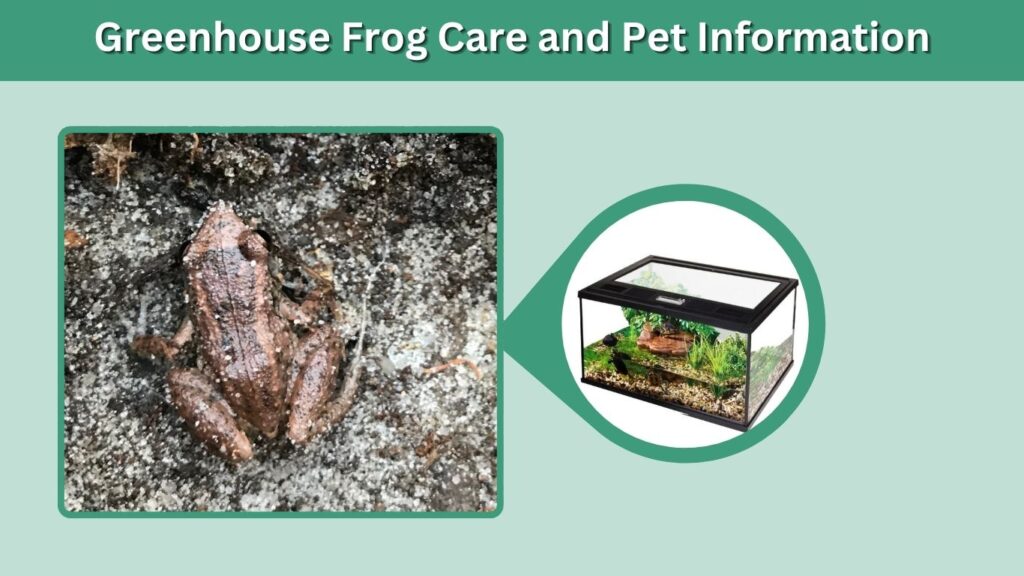
Some people keep Greenhouse Frogs as pets because of their small size and interesting behavior. They are relatively easy to maintain if proper humidity and temperature levels are provided. However, they require a carefully managed environment to remain healthy in captivity.
Can Greenhouse Frogs Be Pets?
Greenhouse Frogs can be kept as pets in some locations, though local wildlife laws should always be checked first. Their tiny size and quiet behavior make them suitable for small terrariums.
Greenhouse Frog Care Sheet
- Small terrarium enclosure
- Moist substrate
- Warm temperatures
- Hiding spaces
- Live insect diet
Greenhouse Frog Pet Care Tips
Humidity is one of the most important parts of caring for these frogs. The enclosure should stay damp but not flooded. Regular cleaning and proper ventilation also help prevent health problems and bacterial growth.
Greenhouse Frog Lifespan
Greenhouse Frogs may live several years in captivity when cared for properly. In the wild, lifespan often depends on habitat quality, predators, and weather conditions.
Are Greenhouse Frogs Poisonous?
Many people wonder if Greenhouse Frogs are dangerous because they often appear near homes, gardens, and pets. Fortunately, these frogs are generally harmless and are not considered poisonous to humans.
Are Greenhouse Frogs Poisonous to Humans?
Greenhouse Frogs do not produce dangerous toxins like some tropical poison frogs. They are safe to observe and handle gently, though washing hands afterward is still recommended.
Are Greenhouse Frogs Poisonous to Dogs?
These frogs are not highly toxic to dogs or cats, but pets may experience mild mouth irritation if they try to bite or eat one. It is best to discourage pets from bothering frogs outdoors.
Common Myths About Greenhouse Frogs
Some people mistakenly believe all small tropical frogs are poisonous. Greenhouse Frogs are harmless insect-eaters that mostly avoid contact with humans and pets.
How to Control or Remove Greenhouse Frogs
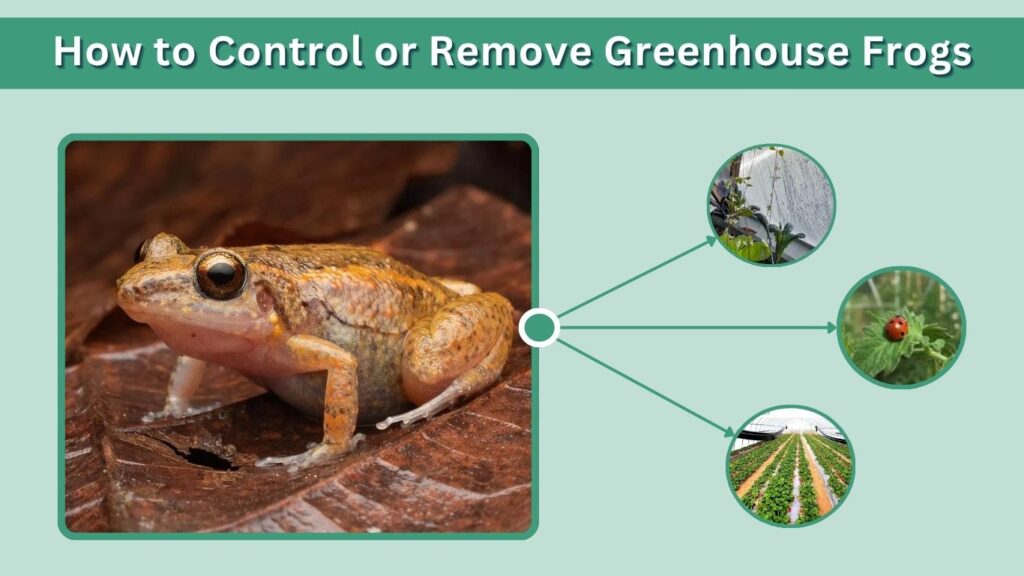
In areas with large populations, Greenhouse Frogs may become a nuisance because of their nighttime calls or rapid spread in gardens. Humane control methods are usually the safest and most effective way to reduce populations.
Why Greenhouse Frogs Enter Gardens
- Moist hiding places
- Insect-rich environments
- Leaf litter shelter
- Water availability
How to Get Rid of Greenhouse Frogs
- Remove standing water
- Reduce outdoor clutter
- Seal entry points
- Limit excessive moisture
- Inspect nursery plants carefully
Humane Frog Control Methods
Habitat modification is one of the best long-term solutions. Reducing moist hiding areas and keeping gardens clean can discourage frogs from settling near homes.
How to Identify a Greenhouse Frog
Greenhouse Frogs are tiny and often difficult to notice because they blend into soil and leaf litter. Their size, body shape, and chirping calls are important clues for identification.
Key Identification Features
- Tiny body size
- Brown or tan coloration
- Smooth skin texture
- Small legs
- Cricket-like chirping call
Greenhouse Frog vs Tree Frog
| Feature | Greenhouse Frog | Tree Frog |
| Size | Very small | Usually larger |
| Habitat | Ground areas | Trees and shrubs |
| Toe Pads | Small | Large climbing pads |
| Behavior | Ground-dwelling | Arboreal |
Baby Greenhouse Frog Appearance
Baby Greenhouse Frogs look like miniature adults immediately after hatching. Because they skip the tadpole stage, young frogs already have fully formed legs and body features.
FAQs
What do Greenhouse Frogs eat?
Greenhouse Frogs mainly eat tiny insects and small invertebrates such as ants, beetles, flies, spiders, and mites. They hunt mostly at night near moist soil, leaf litter, and garden plants where insects are abundant.
Are Greenhouse Frogs poisonous?
No, Greenhouse Frogs are not poisonous to humans. They do not produce dangerous toxins like poison dart frogs. However, it is still recommended to wash your hands after handling any wild frog.
Do Greenhouse Frogs have tadpoles?
Greenhouse Frogs do not have a free-swimming tadpole stage. Instead, tiny froglets hatch directly from eggs looking like miniature adult frogs. This process is called direct development.
Why are Greenhouse Frogs considered invasive?
Greenhouse Frogs spread easily through plant nurseries, soil, and greenhouse trade. In some regions, they compete with native frog species for food and shelter, which is why they are considered invasive outside their natural range.
Can Greenhouse Frogs be kept as pets?
Yes, Greenhouse Frogs can be kept as pets if local laws allow it. They need a small humid terrarium, warm temperatures, hiding places, and a steady supply of live insects to stay healthy in captivity.
