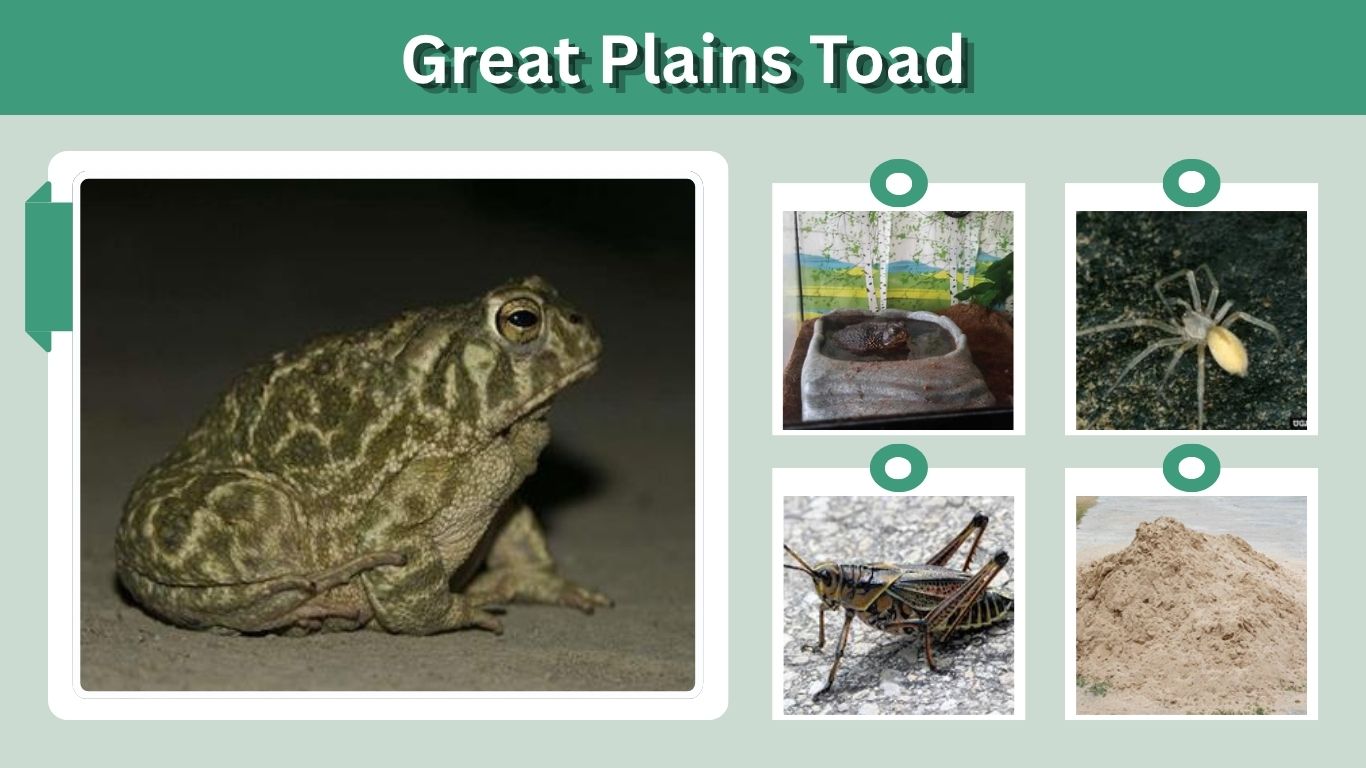
The Great Plains toad is a fascinating amphibian native to central North America. Recognized for its distinctive markings, loud breeding calls, and remarkable ability to survive in dry environments, this species plays an important role in local ecosystems. Found across grasslands, prairies, and open habitats, the Great Plains toad has adapted to life in regions with fluctuating temperatures and rainfall. Understanding its habitat, diet, size, lifespan, and behavior helps nature enthusiasts appreciate one of North America’s most resilient amphibians.
What Is a Great Plains Toad?
The Great Plains toad (Anaxyrus cognatus) is a medium-sized amphibian commonly found throughout the Great Plains region of North America. This species is known for its bold dorsal patterns, large size, and powerful breeding calls. Great Plains toads are primarily nocturnal and spend much of their time hidden underground, emerging during favorable weather conditions to feed and reproduce.
Scientific Classification
The Great Plains toad belongs to the Bufonidae family, which contains true toads found throughout much of the world. Its scientific name is Anaxyrus cognatus, although it was formerly classified within the genus Bufo.
Physical Description
This species has a stocky body, rough skin, and distinctive dark blotches bordered by lighter colors. Adults often display green, brown, gray, or olive coloration that helps them blend into prairie and grassland environments.
Great Plains Toad Appearance
Great Plains toads possess several physical characteristics that make them relatively easy to identify. Their coloration and markings provide excellent camouflage while allowing them to remain concealed from predators during daylight hours.
Size and Weight
Adult Great Plains toads are considered medium to large-sized amphibians. While exact measurements vary, females are generally larger than males.
Average size includes:
- Length: 2 to 4.5 inches
- Weight: 20 to 80 grams
- Tadpoles: Less than 1 inch
- Newly transformed toads: Under 1 inch
Environmental conditions and food availability can influence overall growth.
Distinctive Features
Several traits distinguish the Great Plains toad from other North American toads:
- Large dark blotches on the back
- Light-colored borders around blotches
- Prominent cranial crests
- Warty skin texture
- Horizontal pupils
These characteristics help separate it from closely related species found in similar habitats.
Great Plains Toad Habitat
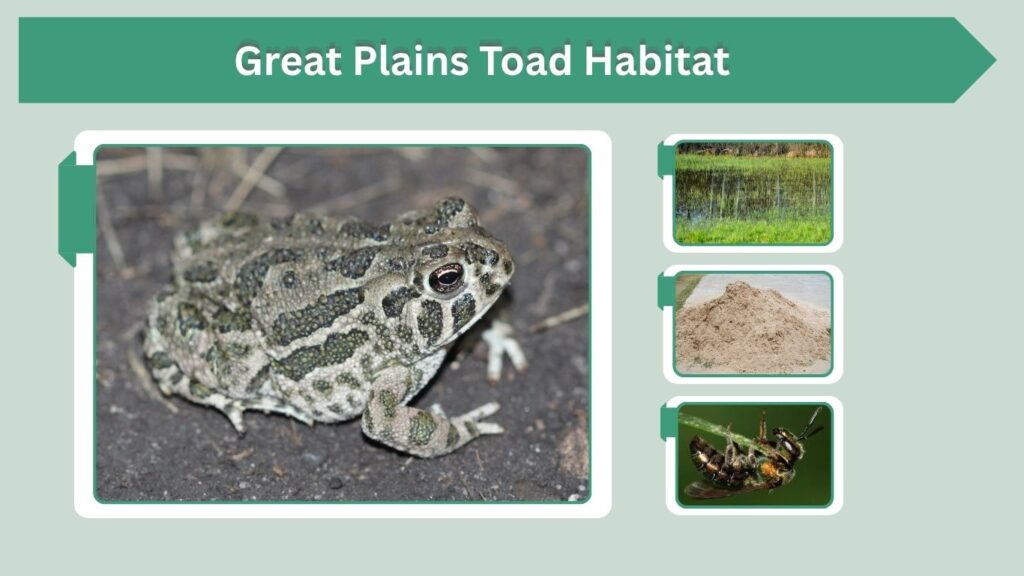
The Great Plains toad thrives in open landscapes where loose soil allows for burrowing. It is highly adapted to environments that experience seasonal droughts, temperature extremes, and irregular rainfall. Its ability to spend long periods underground helps it survive harsh environmental conditions.
Preferred Habitat
Great Plains toads commonly inhabit grasslands, prairies, agricultural fields, and open plains. Temporary ponds and shallow wetlands become especially important during breeding season.
Environmental Conditions
The species prefers habitats with access to:
- Loose sandy or loamy soil
- Seasonal wetlands
- Temporary rain pools
- Open grassland vegetation
- Areas with abundant insects
These conditions provide food, shelter, and breeding opportunities throughout the year.
Great Plains Toad Range
The Great Plains toad occupies a broad geographic range across central North America. Its distribution extends from parts of Canada through much of the central United States.
United States Distribution
The species occurs in numerous states throughout the Great Plains and surrounding regions. Populations are particularly common where prairie habitats remain intact.
States within its range include:
- Texas
- Kansas
- Nebraska
- Colorado
- Oklahoma
- South Dakota
- North Dakota
- Wyoming
- Minnesota
- Iowa
- Missouri
Local populations may vary depending on habitat quality and annual rainfall patterns.
Canadian Distribution
In Canada, Great Plains toads are primarily found in Alberta and Manitoba. These northern populations often experience shorter active seasons because of colder temperatures.
Great Plains Toad Adaptations
Great Plains toads possess remarkable adaptations that allow them to survive in regions where environmental conditions can change rapidly. These survival strategies help them conserve moisture, avoid predators, and reproduce successfully.
Burrowing Behavior
One of the species’ most important adaptations is its ability to burrow underground. During dry periods, the toad may remain hidden beneath the soil for extended periods while conserving moisture and avoiding extreme temperatures.
Water Conservation
Unlike many amphibians, Great Plains toads are relatively tolerant of dry conditions. Their behavior and physiology help reduce water loss and increase survival during droughts.
Camouflage and Protection
The toad’s natural coloration blends well with soil, grass, and vegetation. This camouflage helps it avoid predators while hunting insects and moving through its habitat.
Great Plains Toad Diet
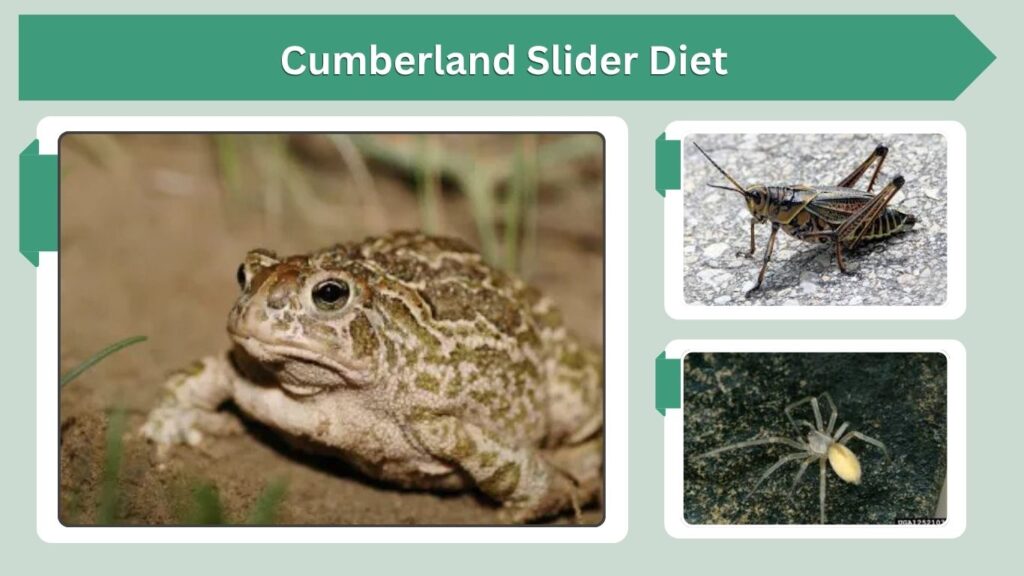
Great Plains toads are opportunistic predators that consume a wide variety of small invertebrates. Their diet helps regulate insect populations and contributes to ecosystem balance.
What Do Great Plains Toads Eat?
Most feeding occurs during the evening and nighttime hours when insects are active. The toad uses its sticky tongue to quickly capture prey.
Common food items include:
- Beetles
- Ants
- Crickets
- Grasshoppers
- Spiders
- Worms
- Small arthropods
A diverse diet provides the nutrients necessary for growth, reproduction, and overall health.
Great Plains Toad Lifespan
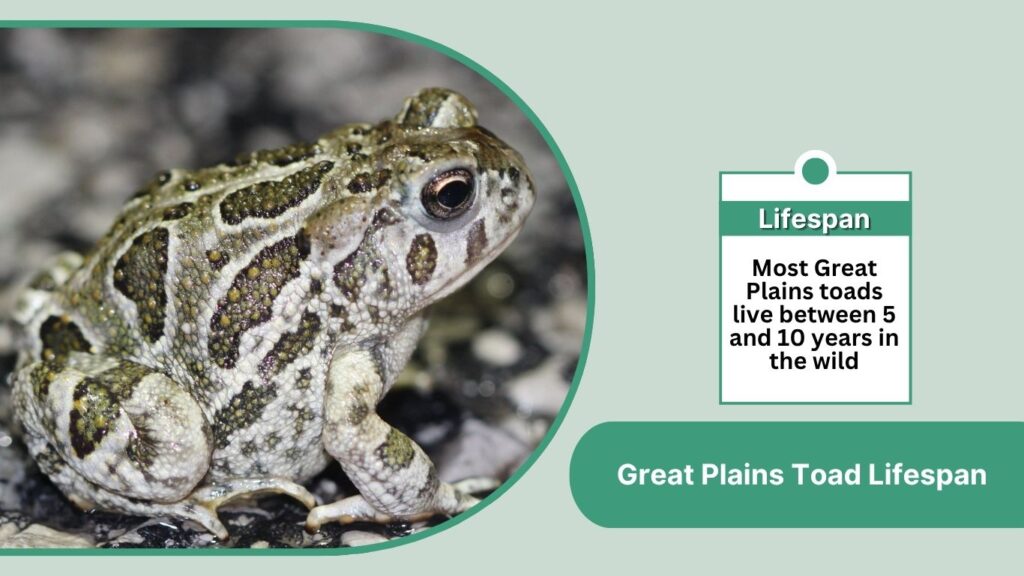
The Great Plains toad can live for several years when environmental conditions are favorable. Lifespan depends on factors such as habitat quality, weather conditions, food availability, and predator pressure. Like many amphibians, young toads face significant survival challenges during their first year of life. Those that successfully reach adulthood often live long enough to reproduce multiple times and contribute to local populations.
How Long Do Great Plains Toads Live?
Most Great Plains toads live between 5 and 10 years in the wild. Individuals living in protected environments may survive even longer under ideal conditions.
Factors That Affect Lifespan
Several factors influence longevity:
- Habitat quality
- Availability of food
- Disease exposure
- Predation pressure
- Weather conditions
Healthy ecosystems play an important role in supporting stable populations and long-term survival.
Great Plains Toad Life Cycle
The life cycle of the Great Plains toad begins in temporary ponds and wetlands following seasonal rainfall. Breeding activity often occurs rapidly because suitable water sources may only exist for short periods. This adaptation allows the species to take advantage of temporary aquatic habitats throughout its range.
Breeding Season
Breeding usually occurs during warm months after heavy rains. Males gather around shallow pools and call loudly to attract females. These vocalizations can often be heard from considerable distances during peak breeding periods.
Tadpoles and Development
After eggs hatch, tadpoles develop quickly to take advantage of temporary water sources before they dry up. Rapid growth increases their chances of survival in unpredictable environments.
The life cycle stages include:
- Egg stage
- Tadpole stage
- Metamorphosis
- Juvenile toad
- Adult toad
Many young toads emerge simultaneously, creating large seasonal populations around breeding sites.
Great Plains Toad Call and Sound
The Great Plains toad is famous for its distinctive breeding call. During the reproductive season, large groups of males may vocalize at the same time, creating a chorus that carries across wetlands and grasslands.
What Does a Great Plains Toad Sound Like?
The call is often described as a loud, prolonged trill lasting several seconds. It differs from the calls of many other North American toads and serves as an important identification characteristic.
Purpose of Vocalizations
Male Great Plains toads use calls to:
- Attract females
- Establish breeding presence
- Compete with nearby males
- Increase mating opportunities
Calling activity is most intense after rainfall when breeding conditions are ideal.
Are Great Plains Toads Poisonous?
Like many true toads, Great Plains toads possess defensive glands that produce mild toxins. These secretions help discourage predators and increase the toad’s chances of survival. While not considered highly dangerous to humans, the toxins can cause irritation if handled improperly.
Are Great Plains Toads Toxic to Dogs?
Dogs are more sensitive to toad secretions than humans. If a dog mouths or bites a Great Plains toad, excessive drooling, irritation, or mild discomfort may occur. Most cases are not life-threatening, but pet owners should rinse the animal’s mouth and contact a veterinarian if symptoms appear severe.
Are Great Plains Toads Dangerous to Humans?
For humans, the toxins are generally harmless when normal hygiene practices are followed. Washing hands after handling amphibians is always recommended to prevent irritation and protect both the animal and handler.
How Do Great Plains Toads Protect Themselves?
Great Plains toads rely on a combination of physical and behavioral defenses to avoid predators. These strategies have helped the species thrive across a wide geographic range despite numerous natural threats.
Defense Mechanisms
Common protective adaptations include:
- Camouflage coloration
- Toxin secretion
- Burrowing underground
- Remaining motionless
- Inflating the body when threatened
Together, these defenses reduce the likelihood of predation and improve survival rates.
Great Plains Toad Care Guide
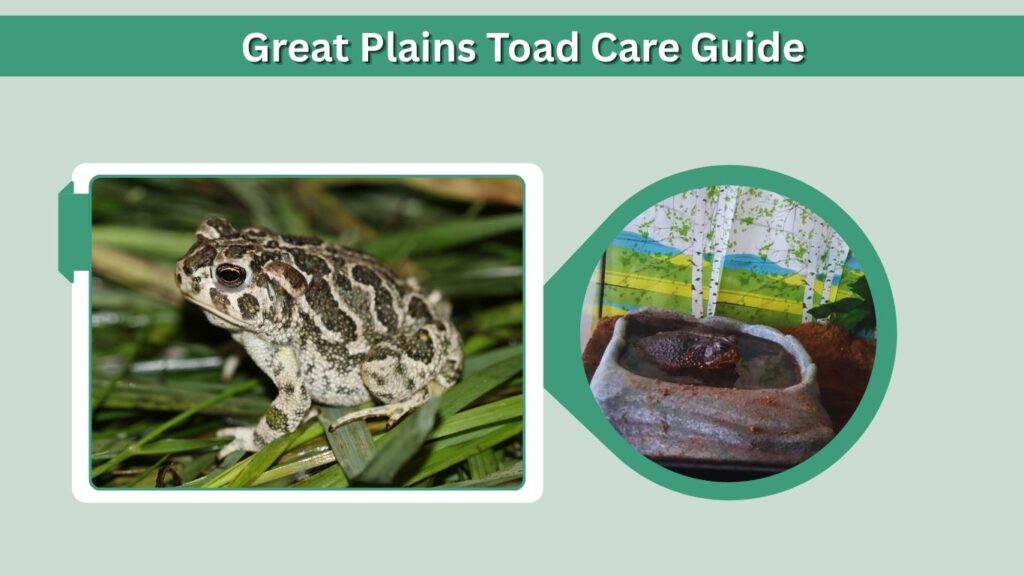
Although Great Plains toads are sometimes kept by amphibian enthusiasts, they require specialized care and environmental conditions. Potential owners should research local regulations before acquiring native amphibians.
Can Great Plains Toads Be Kept as Pets?
These toads can adapt to captivity when provided with appropriate housing, nutrition, and environmental conditions. However, they are generally better suited for experienced keepers interested in observing natural behaviors.
Basic Care Requirements
A suitable enclosure should provide:
- Moist substrate
- Shallow water dish
- Secure hiding places
- Proper ventilation
- Moderate humidity
Maintaining clean conditions and offering a varied insect-based diet are essential for long-term health.
Great Plains Toad vs Woodhouse Toad
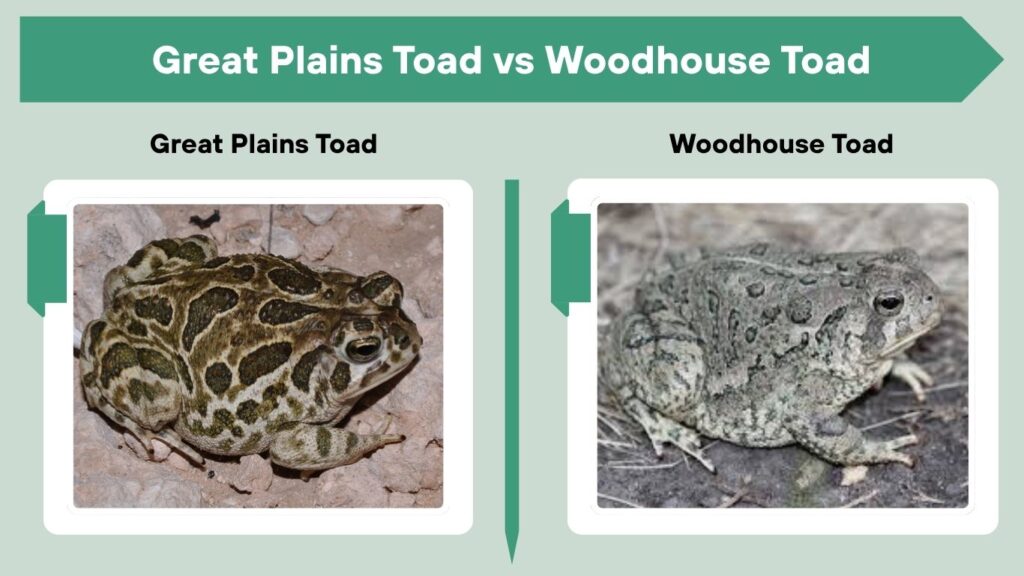
The Great Plains toad is frequently confused with the Woodhouse’s toad because both species occur in similar regions. However, several characteristics help distinguish them.
Key Differences
Great Plains toads typically have larger, more defined dorsal blotches surrounded by light borders. Their calls also differ significantly, making vocalizations one of the easiest identification tools during breeding season.
Conservation Status
Great Plains toads remain relatively widespread throughout much of their range. However, habitat loss, wetland drainage, pollution, and climate changes can negatively affect local populations. Protecting wetlands and preserving natural grassland ecosystems are important for the species’ long-term survival.
Conservation Efforts
Wildlife organizations and conservation programs focus on:
- Wetland preservation
- Habitat restoration
- Population monitoring
- Public education
- Research initiatives
These efforts help maintain healthy amphibian populations across North America.
FAQs
Are Great Plains toads poisonous?
Yes, Great Plains toads produce mild defensive toxins through skin glands, but they are generally not dangerous to humans.
What do Great Plains toads eat?
They primarily feed on insects and other invertebrates, including beetles, ants, crickets, spiders, and worms.
How big do Great Plains toads get?
Adult Great Plains toads typically grow between 2 and 4.5 inches in length.
Where do Great Plains toads live?
They inhabit grasslands, prairies, agricultural areas, and temporary wetlands across central North America.
How long do Great Plains toads live?
Most Great Plains toads live approximately 5 to 10 years in the wild, depending on environmental conditions and predation pressure.
