
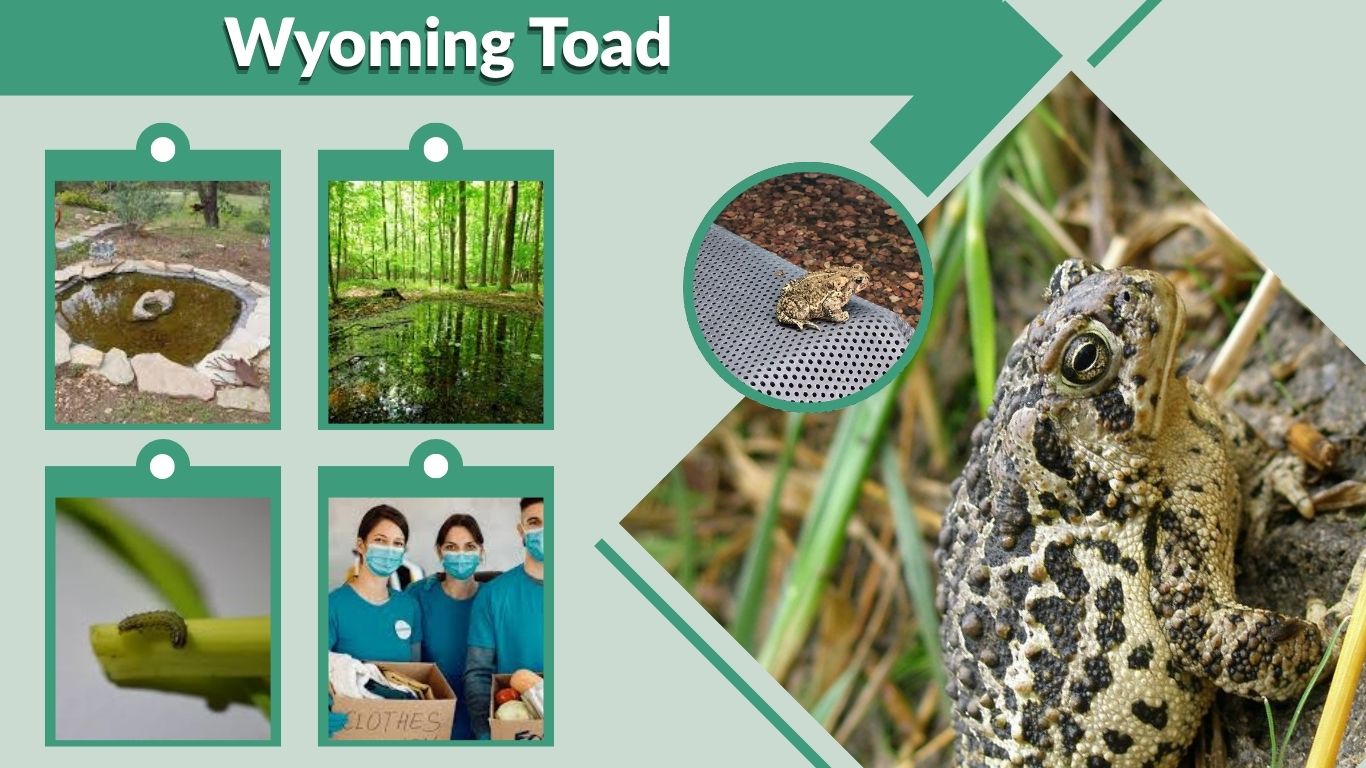
The Wyoming toad is one of the rarest amphibians in North America and a remarkable example of wildlife conservation. Once thought to be nearly extinct, this species has become the focus of intensive recovery efforts involving zoos, wildlife agencies, and conservation organizations. Native only to Wyoming’s Laramie Basin, the Wyoming toad faces numerous challenges, including habitat loss, disease, and environmental changes. Understanding its habitat, biology, population status, and conservation efforts highlights the importance of protecting endangered species for future generations.
What Is a Wyoming Toad?
The Wyoming toad (Anaxyrus baxteri) is a critically endangered amphibian found only in Wyoming. It was once abundant in wetlands and floodplains throughout the Laramie Basin but experienced a dramatic population decline during the twentieth century. Today, the species survives largely because of captive breeding and reintroduction programs that aim to restore wild populations and prevent extinction.
Scientific Classification
The Wyoming toad belongs to the Bufonidae family, commonly known as true toads. It was originally considered a population of the Canadian toad before being recognized as a separate species.
Physical Characteristics
Adult Wyoming toads have stocky bodies, rough skin, and relatively short legs. Their coloration ranges from brown to grayish-green, helping them blend into wetland vegetation and grassland environments.
Wyoming Toad Facts
The Wyoming toad is notable not only for its rarity but also for its unique place in conservation history. It serves as an important symbol of endangered species recovery and demonstrates how coordinated conservation efforts can help save wildlife from extinction.
Quick Facts
Important facts about the Wyoming toad include:
- Scientific name: Anaxyrus baxteri
- Native only to Wyoming
- One of North America’s rarest amphibians
- Protected under the Endangered Species Act
- Subject of captive breeding programs
- Primarily active during warmer months
These characteristics make the Wyoming toad one of the most studied endangered amphibians in the United States.
Why Is It Important?
The Wyoming toad represents more than a single species. Its recovery efforts provide valuable information about habitat restoration, captive breeding, and amphibian conservation strategies that may benefit other endangered species around the world.
Wyoming Toad Habitat
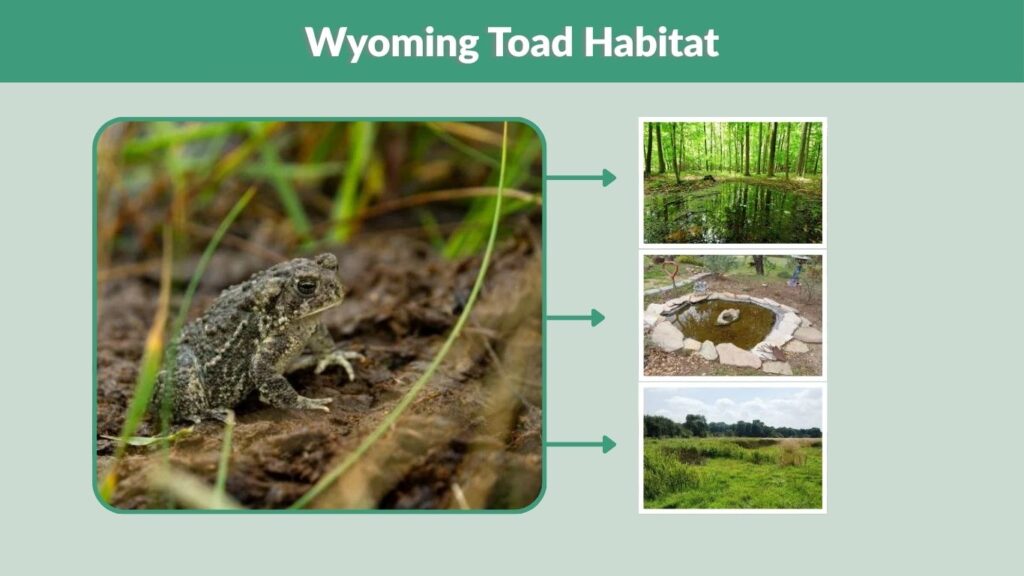
The Wyoming toad depends on healthy wetland ecosystems for breeding, feeding, and shelter. Historically, the species occupied a broader range within the Laramie Basin, but habitat changes significantly reduced suitable areas. Conservation programs now focus on protecting and restoring habitats where reintroduced populations can survive and reproduce.
Natural Habitat
Wyoming toads prefer shallow wetlands, floodplains, ponds, and moist grasslands. These environments provide access to water for breeding while supporting abundant insect populations that serve as food sources.
Habitat Requirements
The species requires several key habitat features:
- Seasonal wetlands
- Shallow breeding ponds
- Moist grasslands
- Native vegetation
- Insect-rich environments
Without these habitat elements, successful reproduction and long-term survival become difficult.
Wyoming Toad Range and Distribution
The Wyoming toad has one of the smallest natural distributions of any amphibian in North America. Unlike many widespread toad species, its entire historical range was limited to a relatively small area in southeastern Wyoming.
Historical Range
Historically, Wyoming toads were found throughout portions of the Laramie Basin. Suitable wetlands and floodplain habitats once supported healthy populations across the region.
Current Distribution
Today, the species occurs primarily within managed conservation areas where captive-bred individuals are released. These carefully monitored sites provide the best opportunity for population recovery and long-term survival.
Why Is the Wyoming Toad Endangered?
The decline of the Wyoming toad resulted from a combination of environmental pressures rather than a single cause. Scientists believe multiple factors worked together to reduce populations over time, eventually pushing the species to the brink of extinction.
Causes of Population Decline
Several major threats contributed to the decline:
- Habitat loss
- Wetland drainage
- Disease outbreaks
- Pesticide exposure
- Climate variability
- Small population size
These threats continue to influence recovery efforts today.
Disease Concerns
Amphibian diseases have played a significant role in global amphibian declines. Researchers continue studying disease impacts on Wyoming toads to improve conservation strategies and increase survival rates among reintroduced populations.
Wyoming Toad Population
The Wyoming toad population experienced a dramatic collapse during the late twentieth century. By the 1980s, wild populations had declined to extremely low levels, prompting emergency conservation measures.
Population Decline
Biologists observed rapid reductions in population numbers, leading to concerns that the species might disappear entirely from the wild. Captive breeding programs were established to preserve remaining genetic diversity.
Current Population Status
Although the species remains endangered, conservation efforts have helped maintain populations through breeding and release programs. Ongoing monitoring provides valuable information about survival, reproduction, and habitat use in reintroduction areas.
Wyoming Toad Conservation Efforts
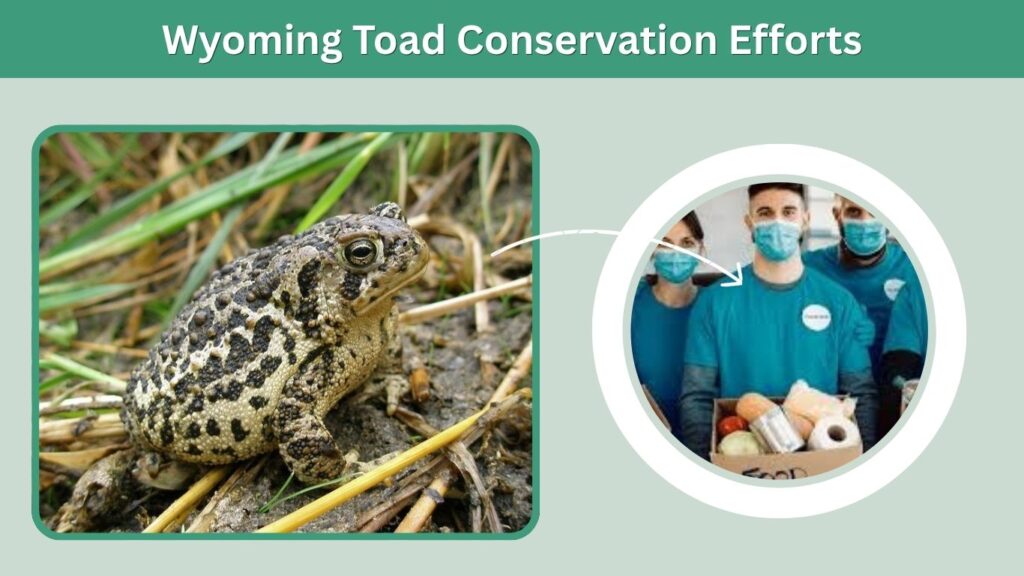
Conservation efforts have played a crucial role in preventing the extinction of the Wyoming toad. Government agencies, zoological institutions, universities, and nonprofit organizations have worked together for decades to increase population numbers and restore suitable habitat. These collaborative programs focus on breeding, research, habitat management, and reintroduction projects designed to establish self-sustaining wild populations.
Conservation Programs
Several organizations contribute to Wyoming toad recovery through:
- Captive breeding initiatives
- Habitat restoration projects
- Population monitoring
- Disease research
- Public education programs
These efforts have significantly improved the species’ chances of long-term survival.
Conservation Successes
Although challenges remain, thousands of captive-bred Wyoming toads have been released into protected habitats. Continued conservation work has helped maintain populations that otherwise might have disappeared completely.
Wyoming Toad Captive Breeding
Captive breeding has become the foundation of Wyoming toad recovery. Without carefully managed breeding programs, the species would likely have become extinct. Breeding facilities maintain genetically diverse populations while producing young toads for future releases into suitable habitats.
How Captive Breeding Works
Adult toads are paired under controlled conditions to encourage successful reproduction. Eggs and tadpoles are monitored closely to maximize survival rates and maintain healthy populations.
Participating Institutions
Numerous zoos and conservation centers participate in recovery efforts. Their expertise in amphibian husbandry has been essential for producing healthy offspring and preserving genetic diversity.
Wyoming Toad Reintroduction Program
Reintroduction projects aim to establish stable wild populations in protected habitats throughout the species’ historic range. These programs involve releasing captive-bred individuals and monitoring their survival over time.
Release Sites
Most releases occur within carefully selected areas of the Laramie Basin. Conservation managers choose sites that provide suitable breeding habitat, food resources, and environmental conditions.
Monitoring Efforts
After release, scientists monitor:
- Survival rates
- Breeding success
- Habitat use
- Population growth
- Disease occurrence
These observations help improve future conservation strategies and increase recovery success.
Wyoming Toad Diet
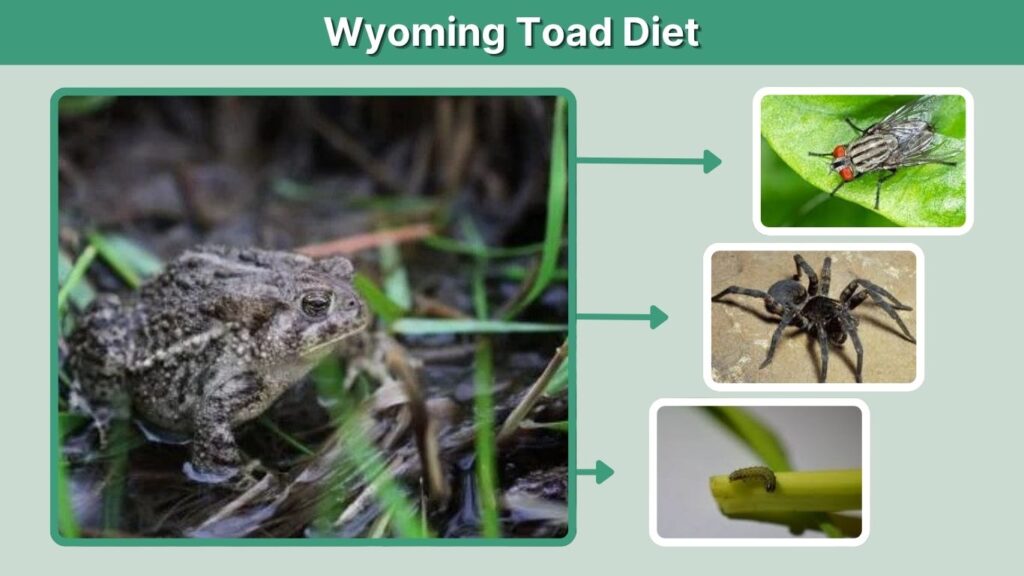
The Wyoming toad is an insectivorous amphibian that feeds on a variety of small invertebrates. Its diet plays an important role in controlling insect populations and maintaining ecological balance within wetland ecosystems.
What Do Wyoming Toads Eat?
Adult Wyoming toads consume numerous small prey species found in grasslands and wetlands.
Common food items include:
- Beetles
- Ants
- Flies
- Spiders
- Small worms
- Other insects
Their feeding habits help regulate insect populations while providing essential nutrients for growth and reproduction.
Feeding Behavior
Wyoming toads are opportunistic predators. They typically remain still and wait for prey to move within range before capturing it with a quick strike of their sticky tongue.
Wyoming Toad Life Cycle
Like other amphibians, the Wyoming toad undergoes a complex life cycle involving both aquatic and terrestrial stages. Successful reproduction depends heavily on suitable wetland conditions during the breeding season.
Breeding and Egg Development
Breeding usually occurs in spring and early summer. Females lay long strings of eggs in shallow water, where embryos develop before hatching into tadpoles.
Tadpoles and Metamorphosis
The life cycle includes several stages:
- Egg stage
- Tadpole stage
- Metamorphosis
- Juvenile toad
- Adult toad
As tadpoles mature, they develop legs, absorb their tails, and transition into young terrestrial toads.
Wyoming Toad Lifespan
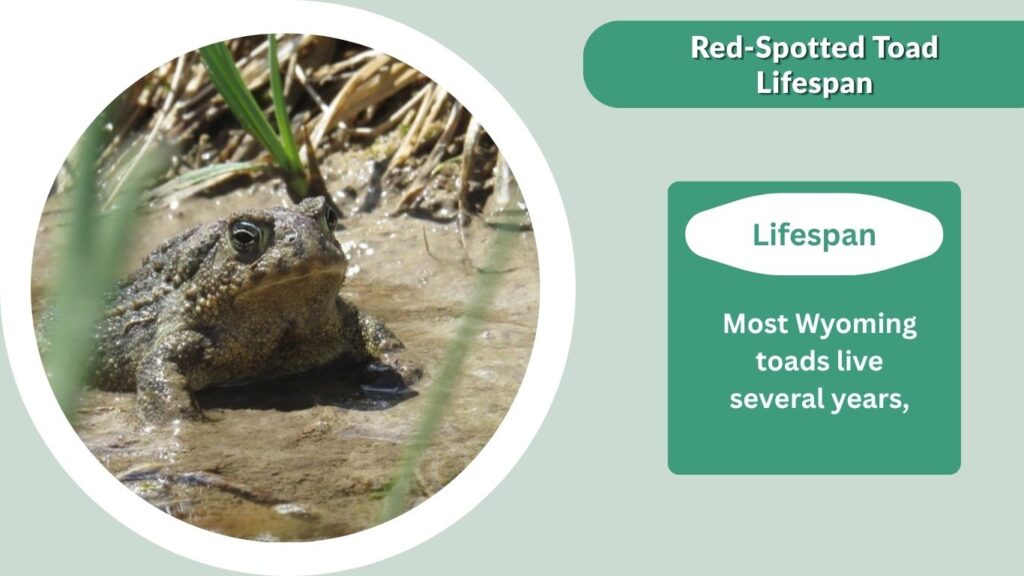
The lifespan of the Wyoming toad varies depending on environmental conditions, predation pressure, disease exposure, and habitat quality. Individuals living in managed environments often survive longer than those facing challenges in the wild.
How Long Do Wyoming Toads Live?
Most Wyoming toads live several years, with captive individuals generally achieving greater longevity because of consistent care and protection from predators.
Factors Affecting Survival
Long-term survival depends on:
- Habitat quality
- Food availability
- Disease management
- Predator avoidance
- Weather conditions
These factors influence both individual lifespan and overall population stability.
Wyoming Toad Predators and Threats
Despite conservation progress, Wyoming toads continue to face numerous threats. Both natural predators and human-related factors affect population recovery efforts.
Natural Predators
Common predators may include birds, snakes, small mammals, and larger amphibians. Young toads are especially vulnerable during their early life stages.
Ongoing Threats
Current challenges include:
- Habitat degradation
- Disease outbreaks
- Climate change
- Small population size
- Environmental contamination
Addressing these threats remains a priority for conservation programs.
Wyoming Toad IUCN Status and Recovery Plan
The Wyoming toad is recognized internationally as one of the world’s most endangered amphibians. Conservation organizations continue working to improve its status through habitat protection and population management.
IUCN and Legal Protection
The species receives protection under national and international conservation frameworks. These protections support research, habitat management, and recovery initiatives.
Recovery Goals
The long-term recovery plan focuses on increasing population numbers, expanding habitat availability, and establishing self-sustaining wild populations capable of surviving without intensive management.
FAQs
How many Wyoming toads are left in the world?
The exact number of Wyoming toads varies from year to year because conservation programs regularly release captive-bred individuals into the wild. While the species remains critically endangered, ongoing recovery efforts have helped increase population numbers compared to the severe decline experienced in the 1980s.
What is the Wyoming toad’s habitat?
Wyoming toads primarily inhabit wetlands, floodplains, ponds, and moist grasslands within the Laramie Basin of southeastern Wyoming. These habitats provide breeding sites, shelter, and access to the insects that make up most of their diet.
What are the biggest threats to Wyoming toads?
Major threats include habitat loss, disease, pesticide exposure, climate-related environmental changes, and small population sizes. These factors contributed to the species’ decline and continue to influence conservation efforts today.
How does the Wyoming toad recovery program work?
The recovery program relies on captive breeding, habitat restoration, scientific monitoring, and reintroduction projects. Captive-bred toads are raised in specialized facilities and released into protected habitats where researchers track their survival and reproduction.
Why is the Wyoming toad important?
The Wyoming toad is an important part of Wyoming’s natural heritage and serves as a symbol of endangered species conservation. Recovery efforts for this species have provided valuable lessons about habitat management, captive breeding, and amphibian protection that can benefit other threatened wildlife.
