
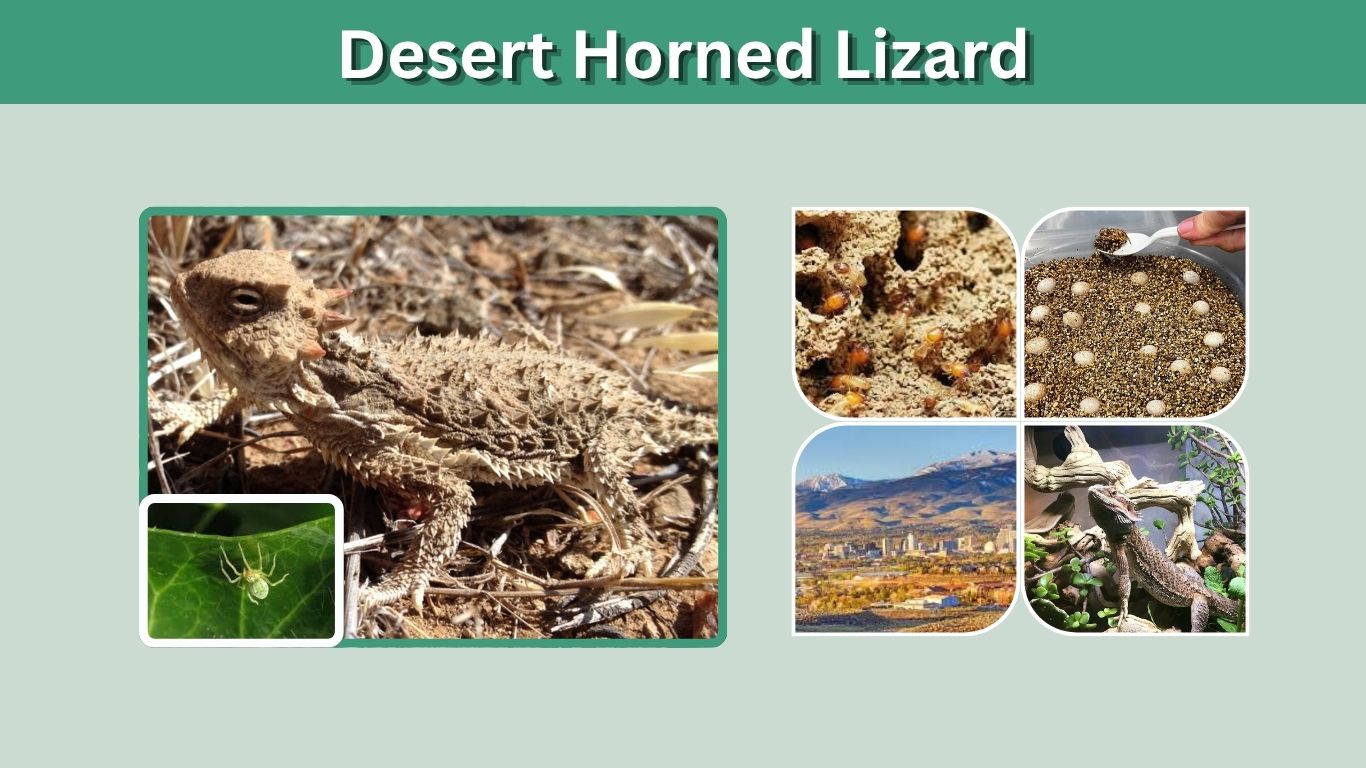
The desert horned lizard (Phrynosoma platyrhinos) is one of the most recognizable reptiles in the arid landscapes of western North America. Known for its flattened body, spiny appearance, and remarkable camouflage abilities, this species has evolved to thrive in some of the harshest desert environments. Found throughout the Mojave and Great Basin deserts, the desert horned lizard plays an important role in local ecosystems by controlling insect populations. Its unique adaptations and fascinating behaviors continue to attract the attention of researchers, wildlife enthusiasts, and nature lovers.
What Is a Desert Horned Lizard?
The desert horned lizard is a small reptile specially adapted for life in dry desert regions. Although often called a “horned toad,” it is actually a lizard. Its broad body, pointed horns, and sand-colored scales help it blend seamlessly into desert habitats while providing protection against predators.
Scientific Classification
The desert horned lizard belongs to the genus Phrynosoma, which includes several species of horned lizards found throughout North America. Its scientific name is Phrynosoma platyrhinos. This species is closely related to the Texas horned lizard and other horned lizards that inhabit arid environments.
Physical Appearance
The desert horned lizard has a flattened body covered with rough scales and short horns extending from the back of its head. Its coloration ranges from tan and gray to reddish-brown, allowing it to blend into surrounding soil and rocks.
Size and Weight
Most adult desert horned lizards measure between 2.5 and 4 inches (6–10 cm) in length. They are relatively lightweight reptiles, making movement across sandy and rocky terrain easier while conserving energy.
Where Do Desert Horned Lizards Live?
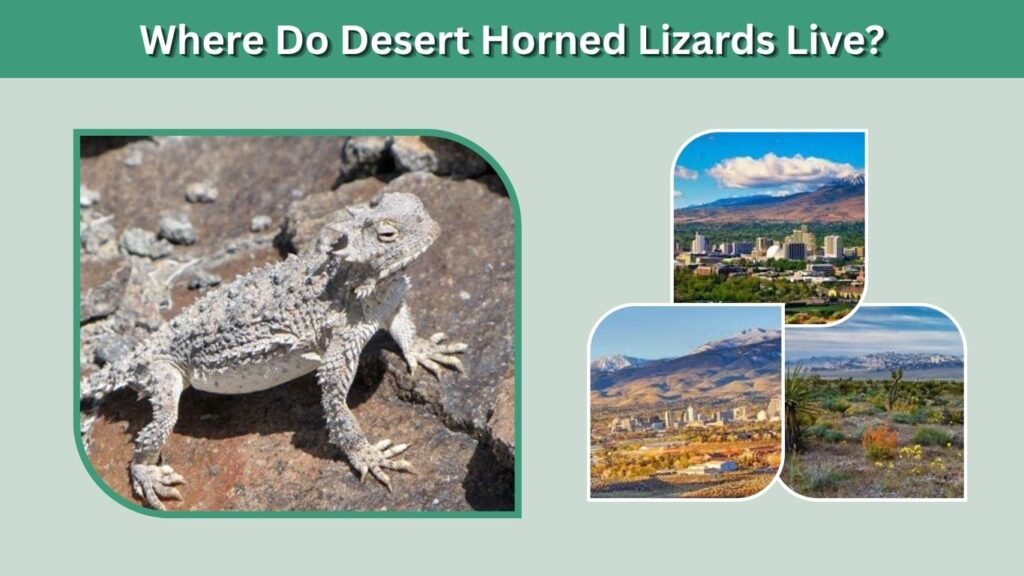
Desert horned lizards are widely distributed throughout the western United States and parts of Mexico. They prefer habitats with loose soils, sparse vegetation, and abundant insect populations. Their ability to blend into desert surroundings makes them difficult to spot even in areas where they are relatively common.
Geographic Range
The species occurs across a broad range of desert and semi-arid regions.
Common locations include:
- California
- Nevada
- Utah
- Arizona
- Oregon
- Baja California, Mexico
Mojave Desert Habitat
The Mojave Desert contains some of the largest populations of desert horned lizards. The sandy terrain and scattered vegetation provide ideal conditions for feeding, nesting, and avoiding predators.
Sonoran Desert Habitat
Although less common in some areas, desert horned lizards can also be found in portions of the Sonoran Desert where environmental conditions support their survival.
Desert Horned Lizard Adaptations
Living in the desert requires specialized adaptations for dealing with extreme temperatures, limited water availability, and constant threats from predators. The desert horned lizard possesses several remarkable features that allow it to survive in these challenging environments and remain active throughout much of the year.
Camouflage Adaptation
One of the species’ most effective survival tools is its camouflage. Its coloration closely matches desert soils, rocks, and sand, making it difficult for predators to detect.
When danger approaches, the lizard often remains motionless rather than fleeing. This behavior further enhances its ability to disappear into the landscape.
Water Conservation Strategies
Water is scarce in desert ecosystems, so the desert horned lizard has evolved methods to maximize every available source of moisture. Specialized scales help direct water toward its mouth during rainfall or morning dew events.
Burrowing Behavior
To avoid excessive heat, desert horned lizards frequently bury themselves beneath loose soil. This behavior helps regulate body temperature while also providing protection from predators and harsh environmental conditions.
Defensive Physical Traits
Several physical characteristics improve the lizard’s chances of survival.
Important adaptations include:
- Flattened body shape
- Sharp protective horns
- Rough scales
- Sand-colored camouflage
- Ability to partially bury itself
What Do Desert Horned Lizards Eat?
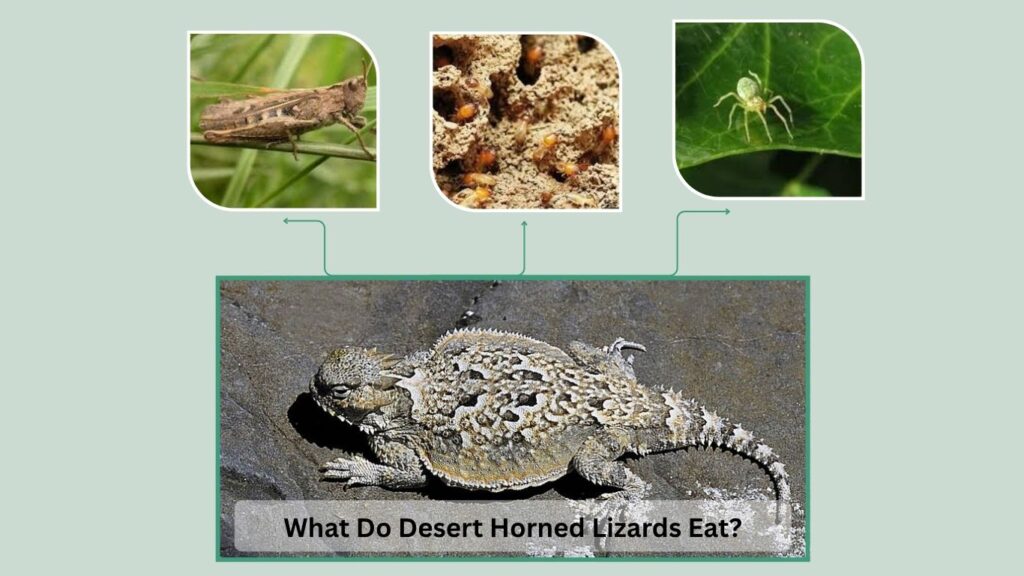
Food availability is a major factor influencing the distribution and survival of desert horned lizards. These reptiles are insectivores that rely heavily on small arthropods. Their feeding habits help maintain ecological balance by controlling insect populations throughout desert habitats.
Primary Diet
Ants make up a significant portion of the desert horned lizard’s diet. They often position themselves near active ant trails and consume large numbers of insects throughout the day.
Favorite Prey Species
In addition to ants, desert horned lizards feed on a variety of small invertebrates.
Common prey items include:
- Ants
- Beetles
- Grasshoppers
- Termites
- Small spiders
Hunting Behavior
Rather than actively chasing prey, desert horned lizards typically use an ambush strategy. They wait patiently near insect activity and strike quickly when food comes within range. This energy-efficient approach is especially valuable in environments where resources may be limited.
Behavior and Daily Activity
The desert horned lizard has developed behaviors that help it survive in environments where temperatures can change dramatically between day and night. Most of its activities revolve around conserving energy, finding food, and avoiding predators. These reptiles are generally active during daylight hours when conditions are favorable for feeding and basking.
Is the Desert Horned Lizard Diurnal?
Yes, desert horned lizards are primarily diurnal, meaning they are active during the day. They spend mornings basking in the sun to raise their body temperature before searching for food.
Basking Behavior
Basking is essential for regulating body temperature. By absorbing heat from sunlight, the lizard gains the energy needed for movement, digestion, and other daily activities.
Seasonal Activity
During extremely hot summer periods or colder winter months, desert horned lizards may reduce activity levels. They seek shelter underground or beneath rocks until environmental conditions improve.
Reproduction and Life Cycle
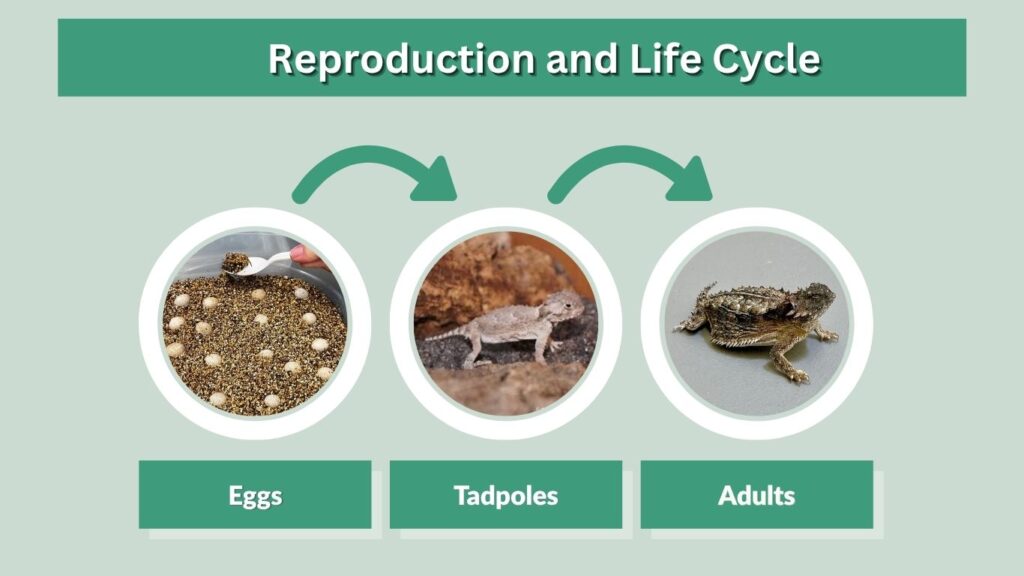
The life cycle of the desert horned lizard begins with seasonal breeding and continues through several developmental stages. Reproduction is closely linked to temperature and food availability, ensuring hatchlings emerge during periods when resources are most abundant.
Mating Season
Breeding generally occurs during spring when temperatures become warmer. Males actively search for females and may compete with one another for mating opportunities.
Egg Laying
After mating, females dig shallow nests in sandy soil and deposit their eggs. The nesting site provides protection while the embryos develop underground.
Incubation and Hatching
Eggs incubate naturally using heat from the surrounding environment. After several weeks, hatchlings emerge fully independent and capable of finding food on their own.
Baby Desert Horned Lizards
Young horned lizards resemble miniature versions of adults. They must immediately avoid predators, locate suitable shelter, and begin feeding on small insects to support growth.
Predators and Defense Mechanisms
Survival in the desert requires effective defenses against numerous predators. Although desert horned lizards are well camouflaged, they still face threats from birds, mammals, and reptiles. To increase their chances of survival, they rely on a combination of physical adaptations and behavioral strategies.
Common Predators
Several animals prey upon desert horned lizards throughout their range.
Common predators include:
- Coyotes
- Hawks
- Owls
- Roadrunners
- Snakes
Camouflage Defense
Camouflage is often the first line of defense. The lizard’s coloration closely resembles desert soils and rocks, making it difficult for predators to detect.
Body Inflation Behavior
When threatened, desert horned lizards may inflate their bodies. This makes them appear larger and more difficult for predators to swallow.
Escape Strategies
If camouflage fails, the lizard may run short distances and quickly bury itself in loose sand. This behavior often helps it avoid capture.
Conservation Status and Population
Although the desert horned lizard remains relatively widespread, conservationists continue to monitor population trends. Habitat changes, urban development, and environmental pressures can affect local populations, making long-term protection efforts important.
Current Conservation Status
The species is not currently classified as endangered across its entire range. However, certain local populations may experience declines due to habitat fragmentation and other human-related factors.
Habitat Loss
Expanding cities, roads, and agricultural development reduce the amount of suitable habitat available to desert horned lizards. Habitat destruction can also affect the insects they depend on for food.
Conservation Efforts
Several initiatives help support healthy populations.
Important conservation measures include:
- Protecting natural desert habitats
- Monitoring population trends
- Supporting wildlife research
- Promoting public education
- Reducing habitat fragmentation
Can Desert Horned Lizards Be Kept as Pets?
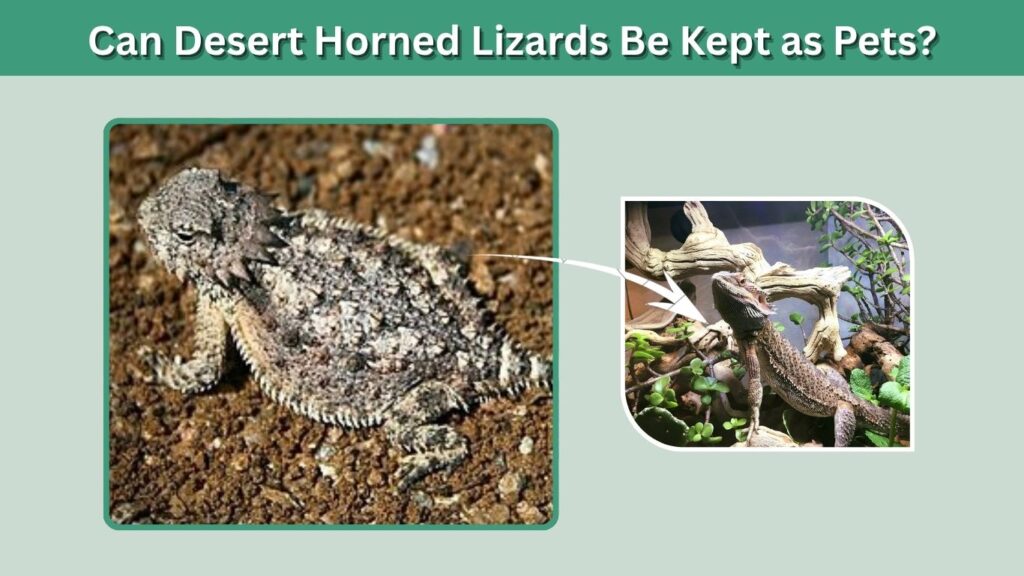
Many reptile enthusiasts are interested in keeping desert horned lizards because of their unusual appearance. However, these reptiles have specialized needs that make captive care challenging. Understanding their requirements is essential before considering ownership.
Availability in the Pet Trade
Desert horned lizards occasionally appear in the pet trade, but availability varies by region and legal restrictions. Responsible sourcing is important to avoid contributing to wild population declines.
Care Requirements
Successful captive care requires recreating natural desert conditions. Proper heating, lighting, diet, and enclosure design are all critical for maintaining good health.
Cage Setup Essentials
Basic enclosure requirements include:
- UVB lighting
- Appropriate temperature gradient
- Sandy substrate
- Hiding areas
- Fresh water source
Challenges of Captive Care
Their specialized diet and environmental needs can make long-term care difficult. For this reason, desert horned lizards are generally better suited to experienced reptile keepers.
Fun Facts About the Desert Horned Lizard
The desert horned lizard possesses several fascinating traits that distinguish it from many other reptiles found in North America.
Interesting Facts
- It can bury itself rapidly in loose sand.
- Its body shape helps reduce predator attacks.
- It relies heavily on camouflage for survival.
- It is commonly found in the Mojave Desert.
- Ants make up a major portion of its diet.
- It can remain motionless for long periods.
- Its horns are extensions of the skull.
FAQs
Where do desert horned lizards live?
Desert horned lizards live throughout the western United States and parts of Mexico. They are commonly found in the Mojave Desert, Great Basin Desert, and some areas of the Sonoran Desert, where sandy soils and sparse vegetation provide ideal habitat conditions.
What do desert horned lizards eat?
Desert horned lizards primarily eat ants, which make up a large portion of their diet. They also feed on beetles, termites, grasshoppers, spiders, and other small insects found in desert environments.
Are desert horned lizards poisonous?
No, desert horned lizards are not poisonous or venomous. They do not produce toxins and pose no danger to humans. Instead, they rely on camouflage, horns, and defensive behaviors to protect themselves from predators.
Can desert horned lizards be kept as pets?
While desert horned lizards may be available in some areas, they can be difficult to care for because of their specialized diet and habitat requirements. Prospective owners should research local laws and ensure they can provide proper care before considering ownership.
What adaptations help desert horned lizards survive in the desert?
Desert horned lizards have several adaptations that help them survive, including excellent camouflage, a flattened body for temperature regulation, sharp protective horns, burrowing behavior, and specialized scales that help collect moisture in dry environments. These traits allow them to thrive in harsh desert conditions.
