
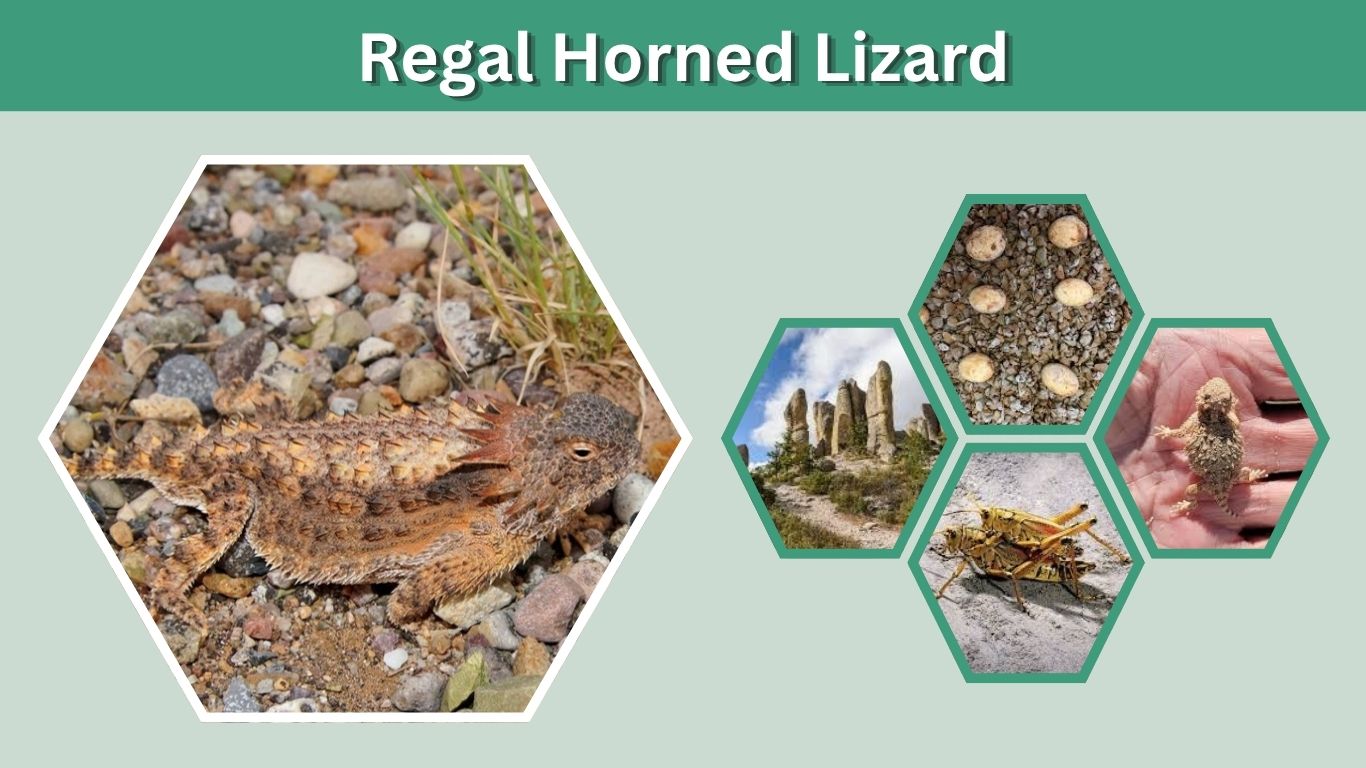
The regal horned lizard (Phrynosoma solare) is one of the most fascinating reptiles found in the deserts of the southwestern United States. Known for its crown-like horns, flattened body, and remarkable ability to squirt blood from its eyes, this unique species has adapted exceptionally well to harsh desert environments. Native primarily to Arizona and parts of northern Mexico, the regal horned lizard plays an important role in its ecosystem. Its unusual appearance and survival strategies have made it a favorite subject among wildlife enthusiasts, researchers, and nature lovers alike.
What Is a Regal Horned Lizard?
The regal horned lizard is the largest horned lizard species found in North America. Often called a “horned toad” because of its rounded body shape, it is actually a reptile belonging to the lizard family. Its distinctive horns and spiny scales provide protection against predators while helping it blend into desert landscapes.
Scientific Classification
The regal horned lizard belongs to the genus Phrynosoma, a group of reptiles commonly known as horned lizards. Its scientific name is Phrynosoma solare. This species is closely related to the Texas horned lizard and several other horned lizard species that inhabit arid regions across North America.
Physical Appearance
The regal horned lizard has a broad, flattened body covered with rough scales and sharp spines. The most noticeable feature is the crown of large horns extending from the back of its head. These horns help deter predators and give the species its regal appearance.
Key physical characteristics include:
- Broad and flattened body shape
- Large pointed head horns
- Sandy brown or gray coloration
- Rough, spiny scales
- Short tail and sturdy legs
Size and Weight
Adult regal horned lizards typically grow between 4.5 and 6 inches (11–15 cm) in length. Some exceptionally large individuals may exceed this range. Most adults weigh between 2 and 4 ounces (57–113 grams), depending on age, habitat conditions, and food availability.
Where Do Regal Horned Lizards Live?
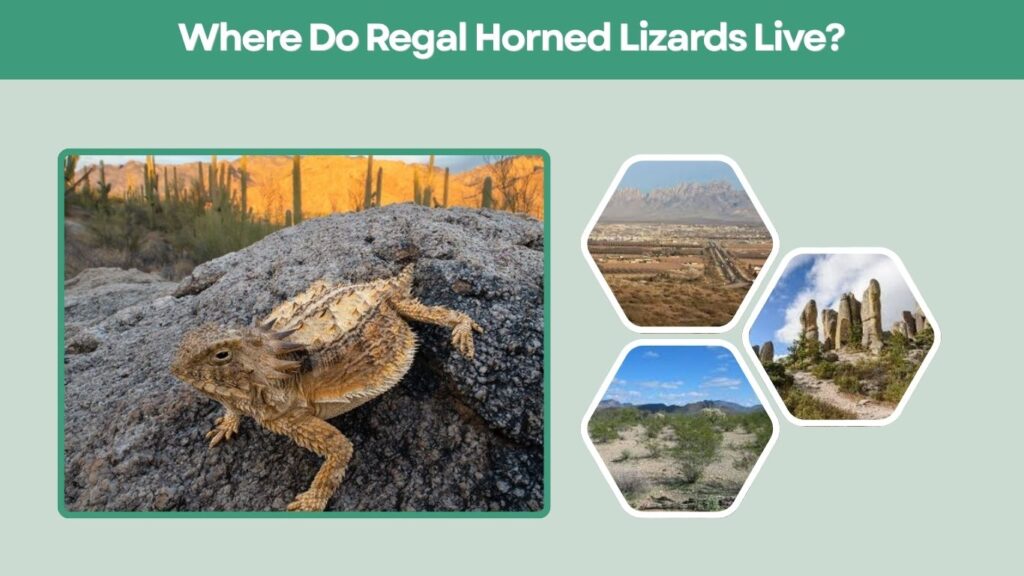
The regal horned lizard is primarily associated with the Sonoran Desert and nearby arid regions. Its distribution is largely centered in Arizona, making it one of the state’s most recognizable reptile species. These lizards thrive in environments where they can find abundant ant colonies and suitable ground cover for protection.
Geographic Range
The natural range of the regal horned lizard extends across several desert regions. Although Arizona contains the largest populations, the species can also be found in neighboring areas.
Common locations include:
- Central and southern Arizona
- Southwestern New Mexico
- Northern Mexico
- Sonoran Desert ecosystems
Habitat Preferences
Regal horned lizards prefer open desert landscapes with loose soil and sparse vegetation. They often inhabit areas where they can easily bury themselves to escape extreme temperatures or avoid predators.
Typical habitats include desert scrublands, grasslands, rocky slopes, sandy washes, and areas with scattered shrubs. These environments provide excellent camouflage and support large populations of ants, which form the majority of the lizard’s diet.
Can You Find Regal Horned Lizards in Arizona?
Arizona is considered the stronghold of the regal horned lizard. The species is found throughout much of the state’s desert regions and is commonly observed in protected natural areas. While sightings are not guaranteed, patient observers may encounter these reptiles during warm months when they are actively foraging.
Regal Horned Lizard Adaptations
The harsh desert environment presents many challenges, including intense heat, limited water, and numerous predators. Over thousands of years, the regal horned lizard has evolved several remarkable adaptations that allow it to survive and thrive.
Camouflage and Coloration
One of the most effective adaptations of the regal horned lizard is its natural camouflage. Its coloration closely matches the sandy and rocky terrain of the desert, making it difficult for predators to spot.
When threatened, the lizard often remains motionless. Combined with its earth-toned colors, this behavior helps it disappear into its surroundings.
Specialized Desert Survival Features
The regal horned lizard possesses several physical traits that improve survival in arid environments. Its flattened body allows it to absorb heat efficiently during cool mornings while reducing exposure during hotter periods.
Important survival adaptations include:
- Ability to bury itself in loose soil
- Water-collecting scales that channel moisture
- Flattened body for temperature regulation
- Strong camouflage against desert backgrounds
- Protective head horns and body spines
Defensive Horns
The long horns extending from the back of the lizard’s head are more than decorative features. They provide protection against predators that attempt to swallow the lizard. The horns make handling and consuming the reptile much more difficult, increasing its chances of survival.
These impressive structures are among the primary reasons the species is known as the regal horned lizard and contribute significantly to its unique appearance.
Why Do Regal Horned Lizards Shoot Blood?
The regal horned lizard is famous for one of the most unusual defense mechanisms in the animal kingdom. When threatened by certain predators, it can squirt blood from the corners of its eyes. This remarkable adaptation helps the lizard avoid becoming a meal and has fascinated scientists for decades.
How Does the Blood-Squirting Defense Work?
The lizard increases blood pressure within specialized blood vessels located around its eyes. When the pressure becomes high enough, tiny vessels rupture, allowing blood to be forcefully expelled toward a predator.
The blood can travel several feet and is particularly effective against canine predators such as coyotes and foxes.
Why Is the Blood Effective?
Scientists believe the blood contains chemicals that taste unpleasant to certain predators. After experiencing the blood spray, many predators quickly retreat and avoid attacking the lizard again.
This defense is usually used only as a last resort when camouflage and other protective behaviors fail.
Regal Horned Lizard Diet
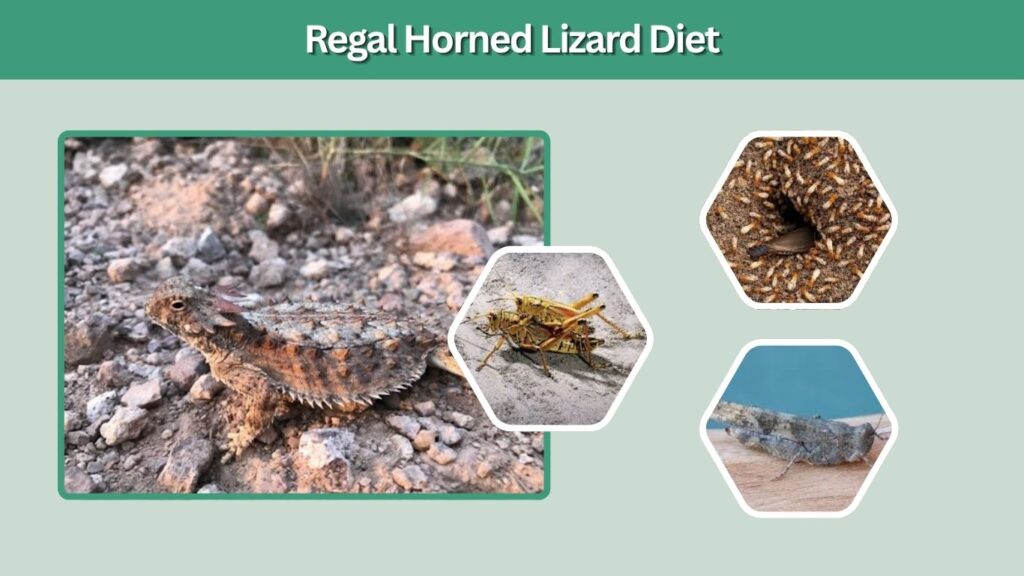
As a specialized insectivore, the regal horned lizard depends heavily on ants for survival. Its feeding habits make it an important part of desert ecosystems, helping regulate insect populations.
What Do Regal Horned Lizards Eat?
Harvester ants make up the majority of the regal horned lizard’s diet. The lizard can consume large numbers of ants in a single day using its sticky tongue and quick feeding movements.
Other food sources may include:
- Beetles
- Termites
- Grasshoppers
- Small insects
- Occasional spiders
Feeding Behavior
Regal horned lizards often position themselves near active ant trails and wait patiently for prey to pass. Rather than chasing insects, they rely on stealth and quick strikes to capture food efficiently.
This feeding strategy conserves energy, an important advantage in desert environments where resources can be limited.
Regal Horned Lizard Life Cycle
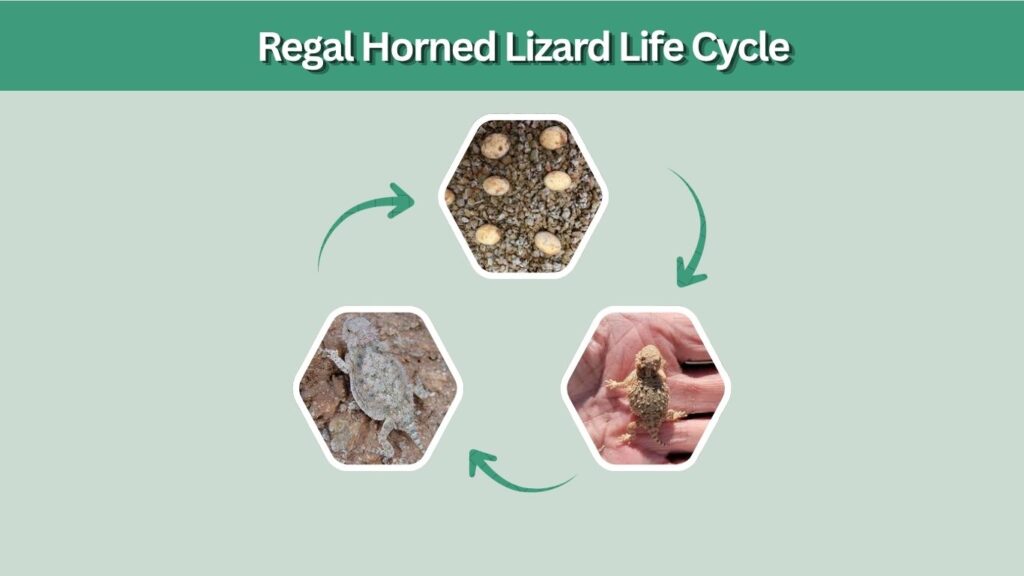
Like most reptiles, regal horned lizards progress through several life stages from egg to adulthood. Their reproductive cycle is closely tied to seasonal conditions in desert habitats.
Mating and Reproduction
Breeding typically occurs during spring and early summer. During this period, males actively search for females and compete for mating opportunities.
After successful mating, females prepare nesting sites in sandy soil where eggs can develop safely.
Eggs and Hatchlings
Female regal horned lizards lay clutches that may contain numerous eggs depending on their size and health. The eggs are buried underground and left to incubate naturally.
Once hatched, young lizards are fully independent and receive no parental care. They must immediately begin finding food and avoiding predators.
Lifespan
In the wild, regal horned lizards typically live between 5 and 8 years. Individuals living in protected environments may survive longer if food, shelter, and environmental conditions remain favorable.
Predators and Threats
Despite their impressive defenses, regal horned lizards face many dangers throughout their lives. Both natural predators and human activities can significantly affect local populations.
Natural Predators
Several desert animals prey upon horned lizards despite their horns and defensive behaviors.
Common predators include:
- Coyotes
- Foxes
- Hawks
- Roadrunners
- Snakes
Human-Related Threats
Habitat destruction remains one of the greatest challenges facing the species. Urban expansion, agriculture, and road construction continue to reduce suitable habitat in many areas.
Additional threats include invasive ants that replace native harvester ants, reducing available food sources for horned lizards.
Is the Regal Horned Lizard Endangered?
The regal horned lizard is not currently considered endangered across its entire range. However, local populations may experience declines due to habitat loss and environmental changes.
Conservation Efforts
Wildlife agencies and conservation organizations work to protect desert habitats that support horned lizard populations. Research programs also monitor population trends and study the species’ ecological needs.
Conservation priorities include:
- Protecting native desert habitats
- Preserving ant populations
- Monitoring population health
- Educating the public about desert wildlife
Can Regal Horned Lizards Be Kept as Pets?
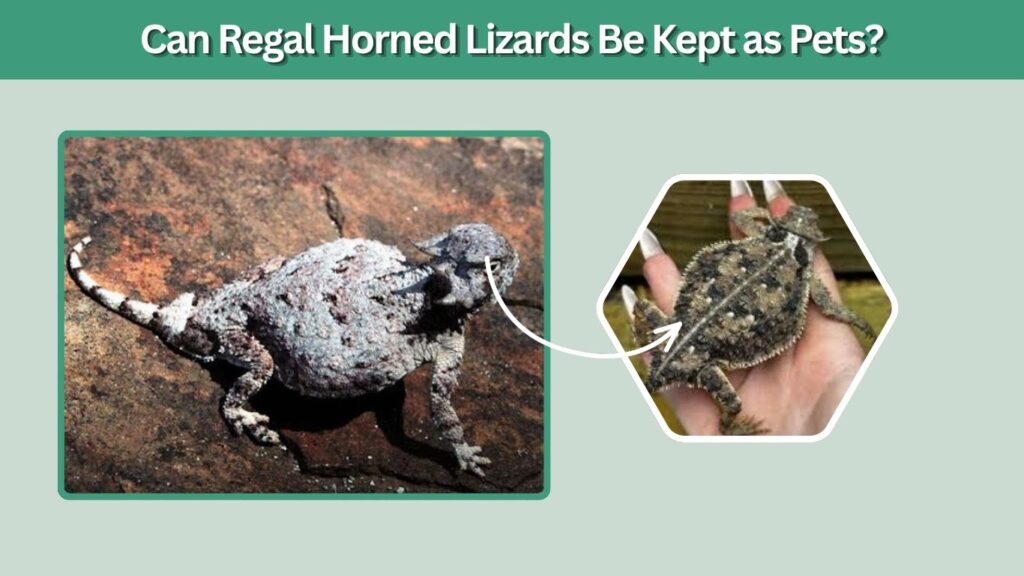
Many reptile enthusiasts are fascinated by the regal horned lizard, but keeping one as a pet can be extremely challenging. Their specialized dietary requirements make successful captive care difficult.
Are They Good Pets?
Unlike many common pet reptiles, regal horned lizards depend heavily on specific ant species for nutrition. Replicating this diet in captivity can be expensive and complicated.
For this reason, they are generally not recommended for beginner reptile keepers.
Legal Considerations
Laws regarding ownership vary by location. In some areas, permits may be required, while other regions restrict the collection of wild individuals. Prospective owners should always check local regulations before considering ownership.
Fun Facts About Regal Horned Lizards
The regal horned lizard possesses many fascinating characteristics that make it one of North America’s most unique reptiles.
Amazing Facts
- It is the largest horned lizard species in North America.
- It can squirt blood from its eyes when threatened.
- Harvester ants make up most of its diet.
- Its horns are extensions of the skull.
- It can bury itself quickly in loose desert soil.
- It relies heavily on camouflage for protection.
- It is most commonly found in Arizona’s deserts.
FAQs
Where do regal horned lizards live?
Regal horned lizards primarily live in the Sonoran Desert of Arizona, southwestern New Mexico, and northern Mexico. They prefer arid environments such as desert scrublands, sandy washes, grasslands, and rocky slopes where they can find shelter and abundant ant populations.
What do regal horned lizards eat?
Their diet consists mainly of harvester ants, which can make up more than 70% of their food intake. They also consume beetles, termites, grasshoppers, spiders, and other small insects when available.
Do regal horned lizards really squirt blood from their eyes?
Yes. When threatened by predators, especially canines like coyotes and foxes, regal horned lizards can squirt blood from the corners of their eyes. This blood has a foul taste that helps discourage predators and increases the lizard’s chances of escape.
How big do regal horned lizards get?
Adult regal horned lizards typically grow between 4.5 and 6 inches (11–15 cm) in length and weigh about 2 to 4 ounces (57–113 grams). They are considered the largest horned lizard species in North America.
Can you keep a regal horned lizard as a pet?
Although it may be legal in some areas, regal horned lizards are generally not recommended as pets. Their highly specialized diet of harvester ants and specific habitat requirements make them difficult to care for successfully in captivity. Always check local wildlife regulations before considering ownership.
