
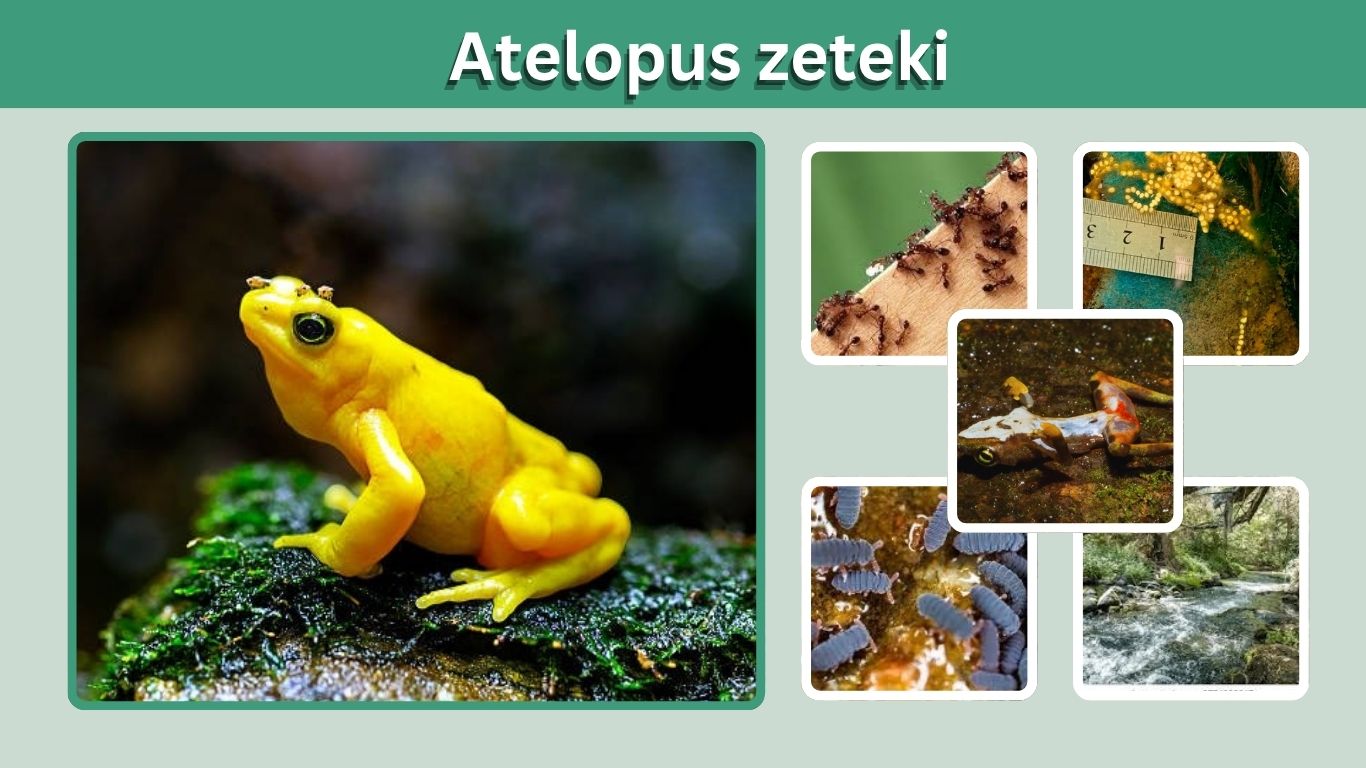
Atelopus zeteki, commonly known as the Panamanian golden frog, is a critically endangered amphibian native to Panama. Known for its bright golden-yellow skin and striking black markings, this species is more than a visually stunning frog—it is a cultural symbol and a conservation priority. This guide explores its natural habitat, unique behaviors, diet, professional care requirements, and ongoing conservation efforts, providing readers with a comprehensive understanding of this rare amphibian and why it is vital to protect it.
What Is Atelopus zeteki?
Atelopus zeteki is a brightly colored amphibian belonging to the Bufonidae family. Often called the Panamanian golden frog, it is a true toad despite its common name. This species is highly recognizable for its golden coloration and red or black markings. Endemic to Panama, it is one of the country’s most iconic animals and has gained international attention due to its endangered status and unique behaviors.
Scientific Classification
- Scientific Name: Atelopus zeteki
- Common Name: Panamanian golden frog
- Family: Bufonidae
- Genus: Atelopus
- Native Country: Panama
- Type: Amphibian
Appearance and Color Pattern
Atelopus zeteki has bright yellow or golden skin with distinct black markings. Some morphs show orange or darker tones. The color functions as a warning to predators and varies slightly among individuals. Its striking appearance contributes to its status as a national symbol and attracts global conservation attention.
Unique Communication
These frogs are known for using visual signals, like foot waving, to communicate in noisy stream habitats where vocalizations may be less effective. This behavior is rare among amphibians and serves as an adaptation to their fast-flowing, humid environments.
Atelopus zeteki Habitat
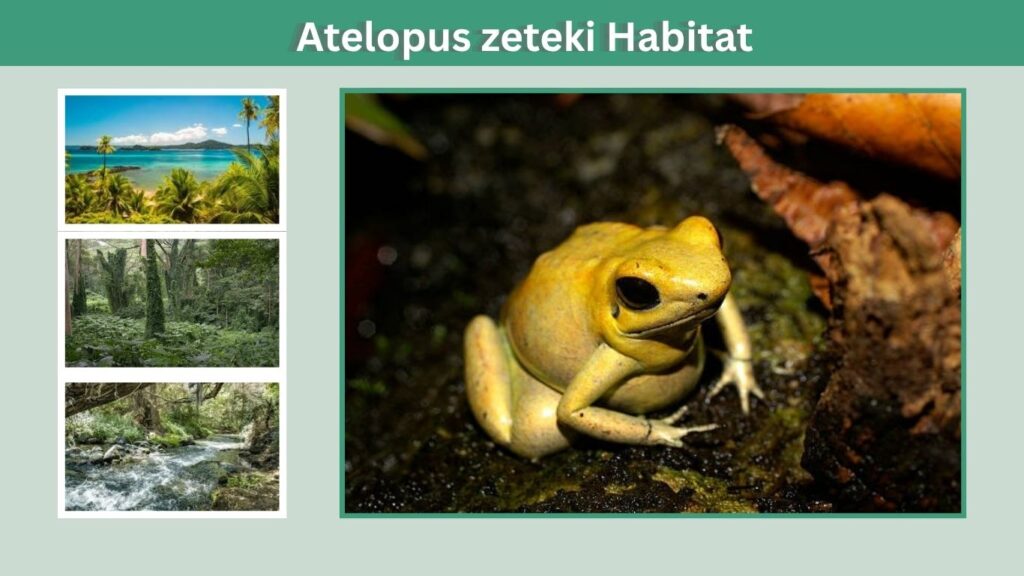
The natural habitat of Atelopus zeteki is essential to understanding its biology and vulnerability. These frogs thrive in humid, tropical, mountain stream ecosystems where clean, oxygen-rich water and dense vegetation are available. Habitat degradation, pollution, and climate change have contributed to their severe decline in the wild, emphasizing the importance of preserving these critical environments.
Native Range
- Endemic to west-central Panama
- Found in humid, mountainous forests
- Streams with clean, flowing water
- Dense vegetation along water banks
- Stable, cool microclimates
Stream and Forest Features
- Moist rocks for resting
- Shaded areas to regulate temperature
- High humidity zones
- Protection from predators
- Natural leaf litter for cover
Importance of Habitat Quality
Habitat quality is crucial because amphibians absorb water and chemicals through their skin. Poor water quality, deforestation, or environmental pollutants directly impact survival, reproduction, and the overall health of Atelopus zeteki populations.
Diet of Atelopus zeteki
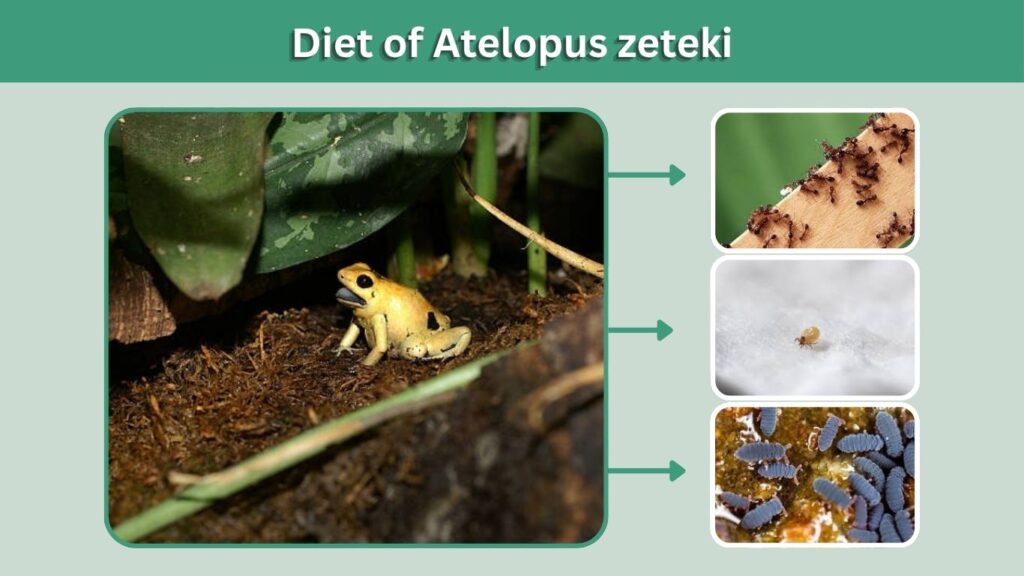
Diet plays a vital role in the health and longevity of Atelopus zeteki. In the wild, these frogs feed primarily on small invertebrates. In captivity, professional care programs replicate their natural diet with carefully sized feeder insects. Proper nutrition is essential for immune function, reproduction, and tadpole development, which are crucial for conservation efforts.
Wild Diet
- Tiny insects
- Ants
- Mites
- Springtails
- Other small arthropods
Captive Conservation Diet
- Pinhead crickets
- Fruit flies
- Small feeder insects
- Carefully monitored portions
- Nutritionally balanced for growth and health
Importance of Diet
A proper diet supports survival in captivity, especially in breeding programs aimed at creating assurance populations. Nutrition influences growth, resistance to disease, and reproductive success, which are all critical for endangered species management.
Behavior and Adaptations
Atelopus zeteki exhibits remarkable adaptations to its environment. Its bright coloration warns predators of toxicity, while visual communication, such as foot waving, allows interaction in noisy stream habitats. Understanding these behaviors provides insight into its survival strategies and informs captive care and conservation strategies.
H3: Foot-Waving Communication
- Visual signal to communicate with neighbors
- Helps overcome stream noise interference
- Rare among amphibians
Activity Patterns
- Active in moist environments near streams
- Uses rocks and vegetation for resting
- Sensitive to light and temperature changes
Predator Defense
- Bright coloration serves as aposematic warning
- Toxic secretions discourage predators
- Camouflage within stream vegetation helps avoid predation
Atelopus zeteki Care
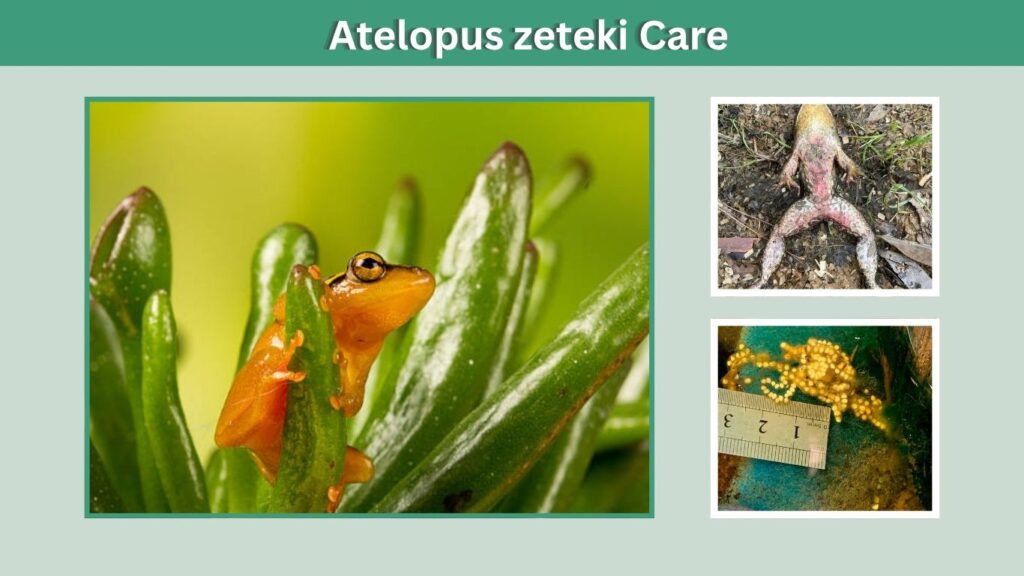
While Atelopus zeteki is not a typical pet species, professional captive care is critical for its survival. These frogs require strict environmental control, hygiene, and dietary management. Captive care focuses on reproducing natural conditions, preventing disease, and supporting breeding programs. Beginner keepers should not attempt to maintain these frogs without expert supervision and appropriate legal permissions.
Professional Captive Care Requirements
- Controlled temperature (65–75°F, depending on habitat)
- High humidity (70–90%)
- Clean, dechlorinated, oxygen-rich water
- Stream-like water flow for natural behavior
- Basking areas and hiding spots
- Diet of small, live insects
- Strict hygiene and sanitation
- Quarantine for new arrivals
- Disease screening (especially for chytrid fungus)
- Breeding and egg management
Why Private Ownership Is Not Recommended
Explain that these frogs are critically endangered, highly sensitive to environmental changes, and require legal permits in most countries. Private ownership could endanger both the individual frog and wild conservation efforts.
Conservation Status
Atelopus zeteki is critically endangered and possibly extinct in the wild due to disease, habitat loss, and environmental pressures. Conservation programs maintain assurance colonies to prevent total extinction. Understanding their conservation status is crucial for anyone studying the species or supporting wildlife preservation efforts.
Threats to Survival
Use list items in this section:
- Chytrid fungus infection (Batrachochytrium dendrobatidis)
- Deforestation and habitat degradation
- Water pollution from agricultural and urban runoff
- Climate change affecting temperature and humidity
- Small population size increasing extinction risk
- Illegal collection for the pet trade
Captive Breeding Programs
- Maintained in professional zoos and research facilities
- Goal: establish assurance populations
- Support reintroduction into restored habitats
- Provide educational and awareness opportunities
- Monitor for disease and genetic diversity
Conservation Organizations
Include a few examples:
- Panama Amphibian Rescue and Conservation Project
- Smithsonian Conservation Biology Institute’s Amphibian Program
- Local Panamanian environmental agencies
Cultural Importance in Panama
The Panamanian golden frog is more than a species—it is a cultural symbol. Its bright coloration and rarity have made it an emblem of good luck, national pride, and environmental awareness. Including cultural significance provides additional context for why conservation efforts are essential.
Symbol of Good Luck
- Historically associated with prosperity and protection
- Featured in folklore, art, and national festivals
Educational Role
- Used in zoos and environmental programs
- Highlights the importance of amphibian conservation
- Helps promote awareness of endangered species
Reproduction and Breeding
Overview:
Breeding Atelopus zeteki in captivity is essential to maintain populations. Breeding requires expert care, appropriate habitat conditions, and careful monitoring. Successful captive reproduction is critical for species survival and future reintroduction efforts.
Breeding Behavior
- Males use visual cues and foot waving to attract females
- Courtship occurs near flowing water in controlled enclosures
- Eggs are laid on rocks or vegetation within shallow water
Egg and Tadpole Care
Use list items:
- Eggs must be kept in clean, oxygenated water
- Temperature and humidity carefully controlled
- Tadpoles fed specialized micro-invertebrates
- Quarantined to prevent disease spread
- Regular monitoring for growth and health
Health Monitoring
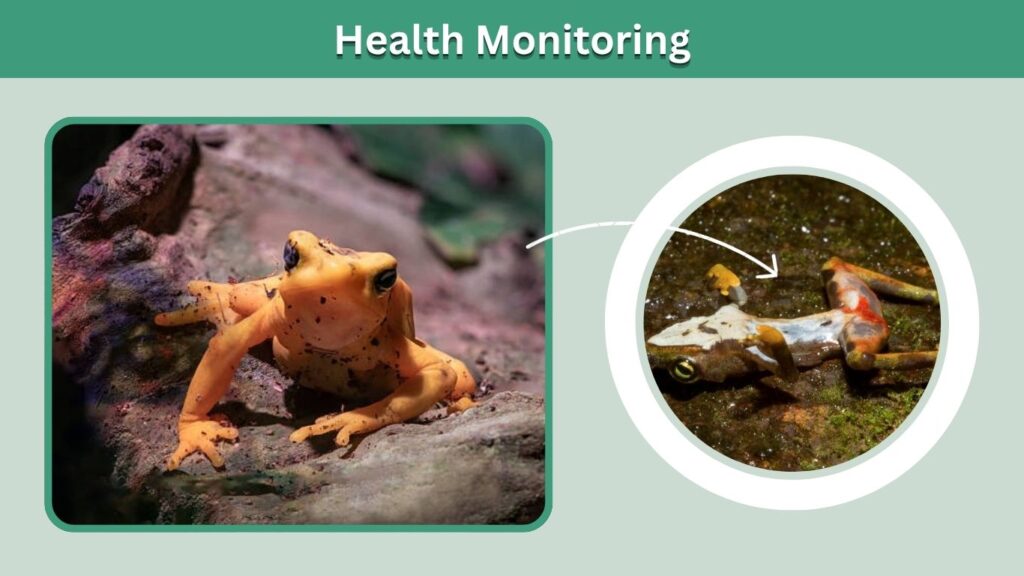
Regular health checks are vital for captive Atelopus zeteki. Their sensitivity to environmental changes makes early detection of illness crucial. Proper monitoring includes checking diet, behavior, skin, eyes, and overall activity.
Common Health Indicators
- Bright skin coloration indicates good health
- Active movement and responsiveness
- Regular feeding and digestion
- Clear eyes and absence of skin lesions
Signs of Illness
- Lethargy or abnormal swimming
- Loss of appetite
- Skin discoloration or lesions
- Swollen or cloudy eyes
- Signs of fungal infection, especially chytrid
FAQs
What is Atelopus zeteki?
It is the Panamanian golden frog, a critically endangered amphibian native to Panama, known for its bright yellow or golden coloration with black markings.
Where does Atelopus zeteki live?
It naturally inhabits humid, tropical, mountain stream ecosystems in west-central Panama, relying on clean water and dense vegetation.
Can Atelopus zeteki be kept as a pet?
No. It is a critically endangered species that should only be handled in professional conservation or research programs with legal permission.
What does Atelopus zeteki eat?
Small invertebrates such as insects, ants, mites, and springtails in the wild. Captive frogs are fed appropriately sized live prey to support growth and reproduction.
Why is Atelopus zeteki endangered?
Threats include chytrid fungus, habitat loss, climate change, and small population sizes. Captive breeding programs aim to prevent extinction.
