
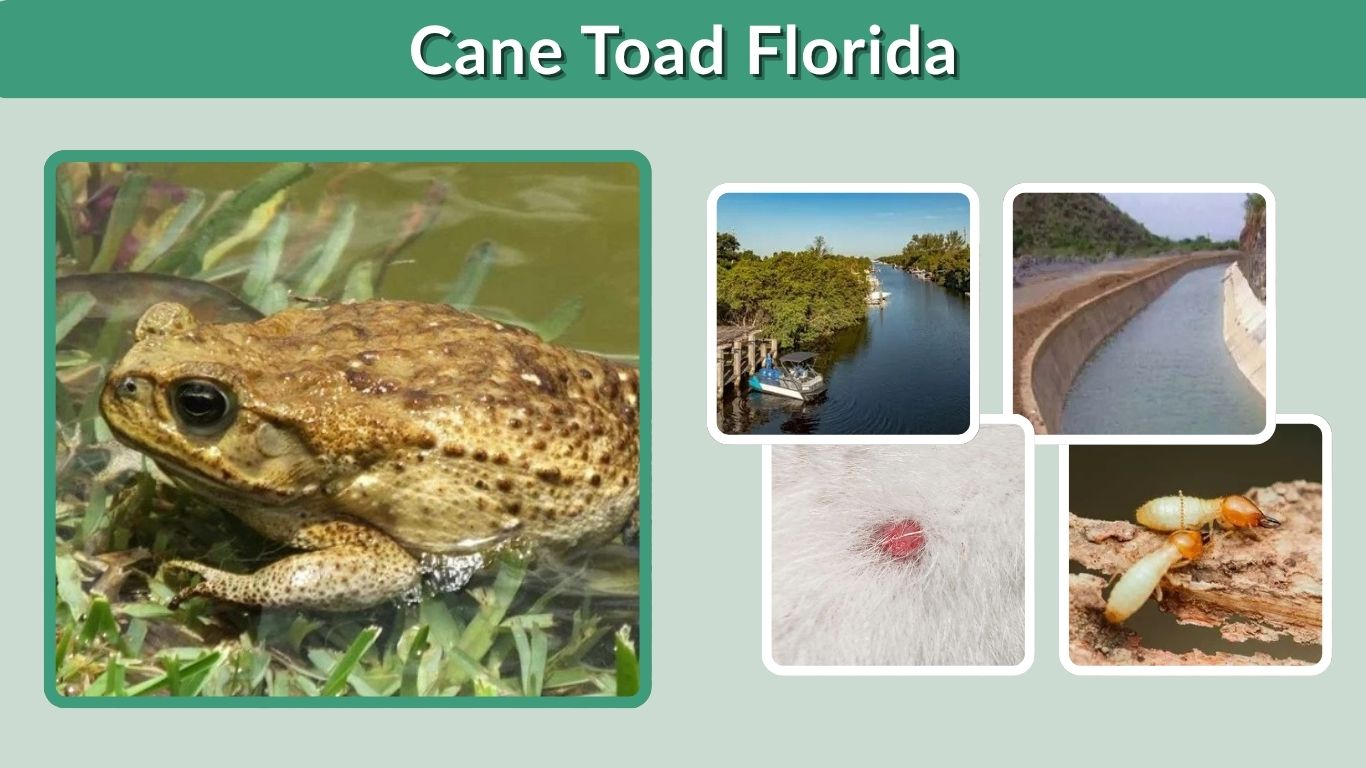
Cane Toad Florida: Identification, Poison and Control Guide
Cane toads in Florida are large, toxic, nonnative amphibians that can be dangerous to pets and harmful to native wildlife. They are also called bufo … Read More
Cane toads in Florida are large, toxic, nonnative amphibians that can be dangerous to pets and harmful to native wildlife. They are also called bufo … Read More
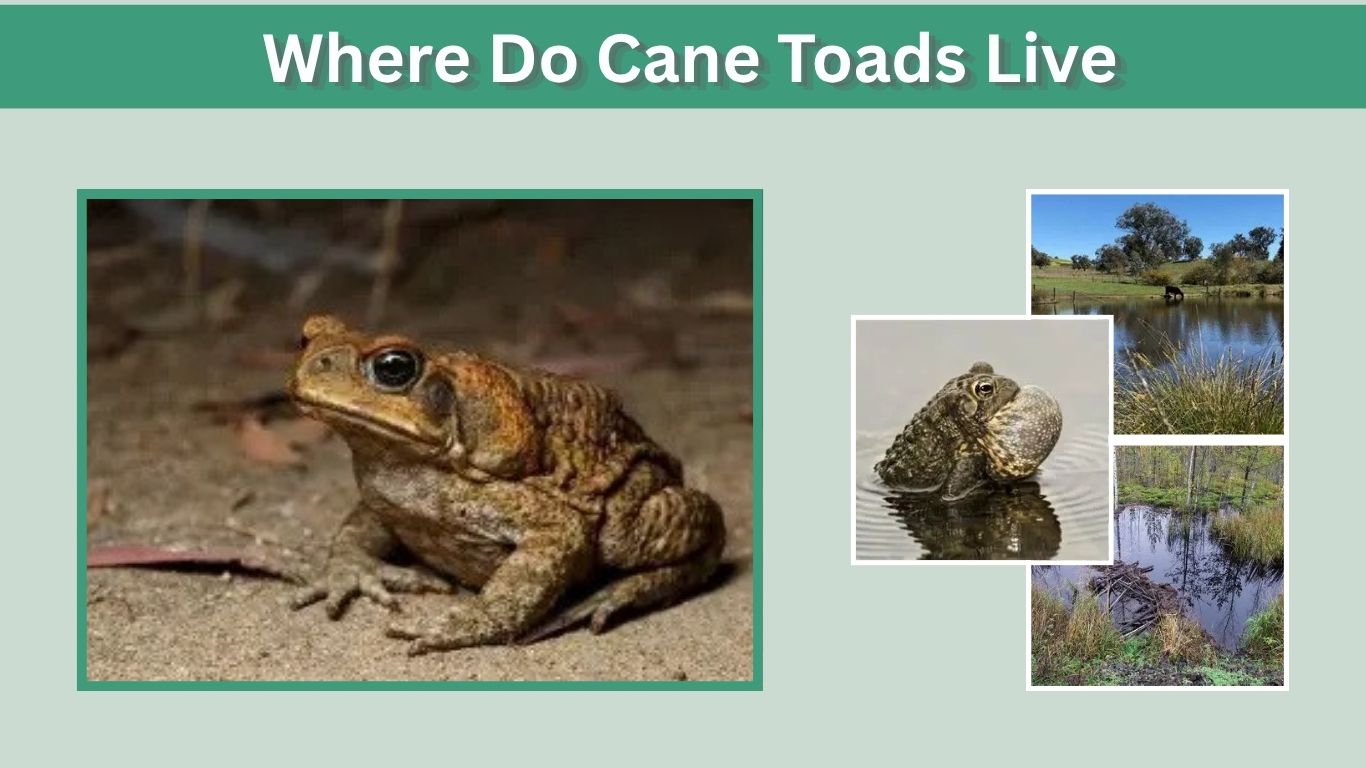
Cane toads live in warm regions with access to moisture, food, and breeding water. They are native to parts of the Americas but have been … Read More
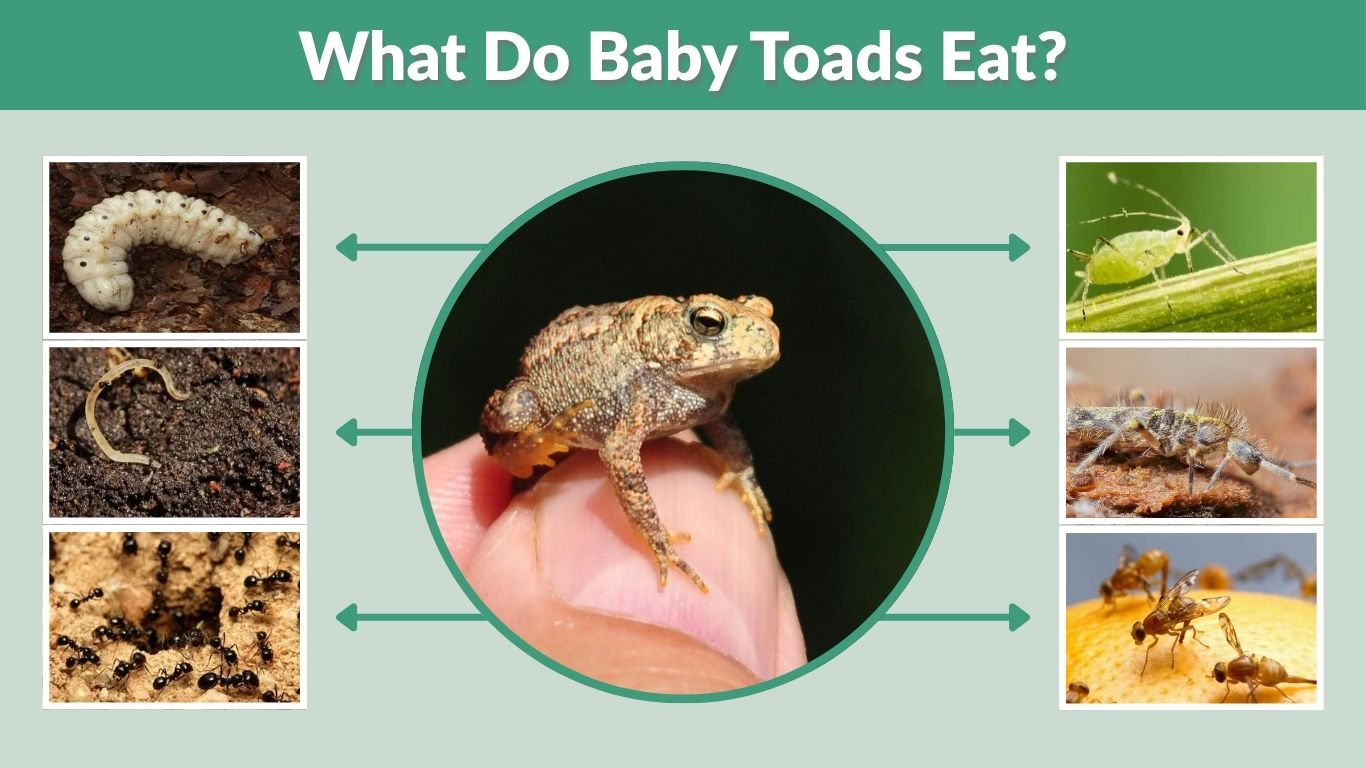
Baby toads eat tiny live prey once they leave the tadpole stage and become toadlets. Their diet is different from adult toads because their mouths … Read More
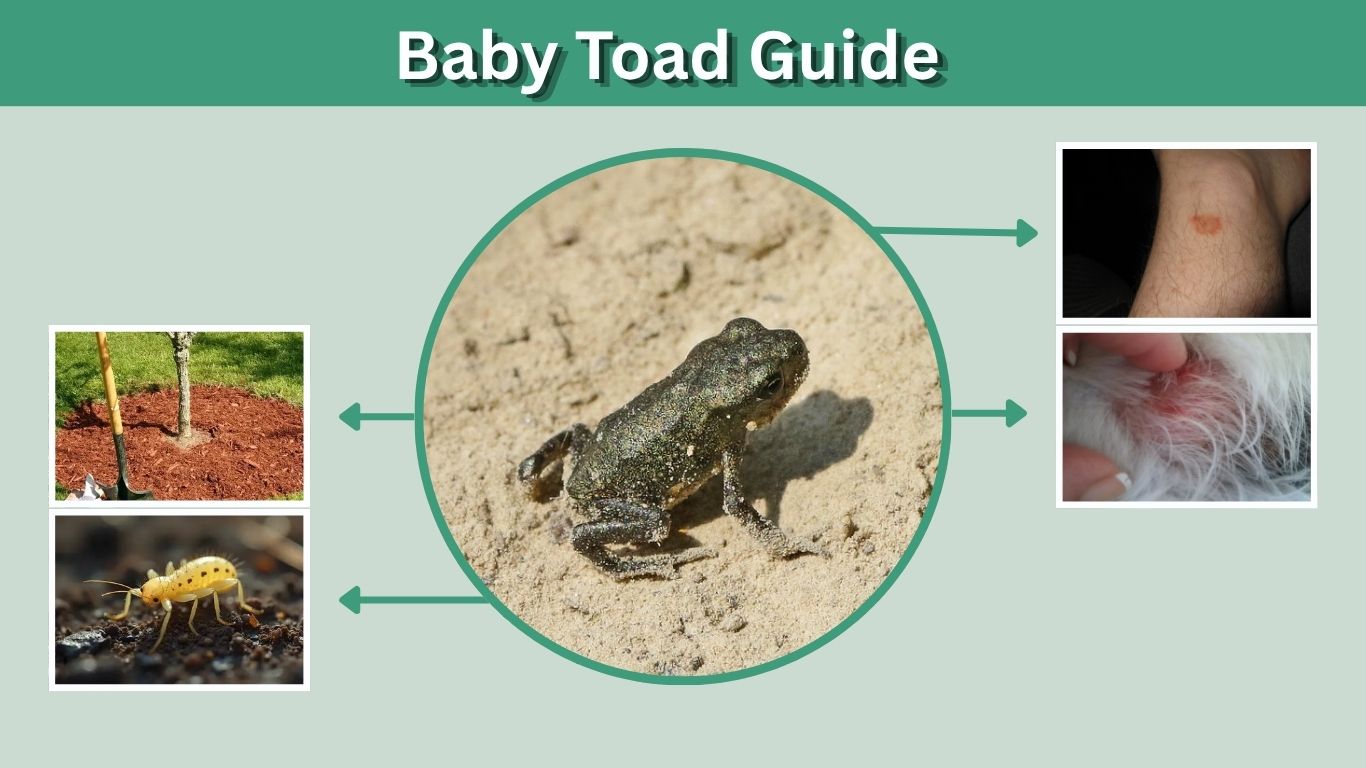
A baby toad may look like a tiny hopping pebble, but it has already gone through one of nature’s most dramatic changes. Most toads begin … Read More
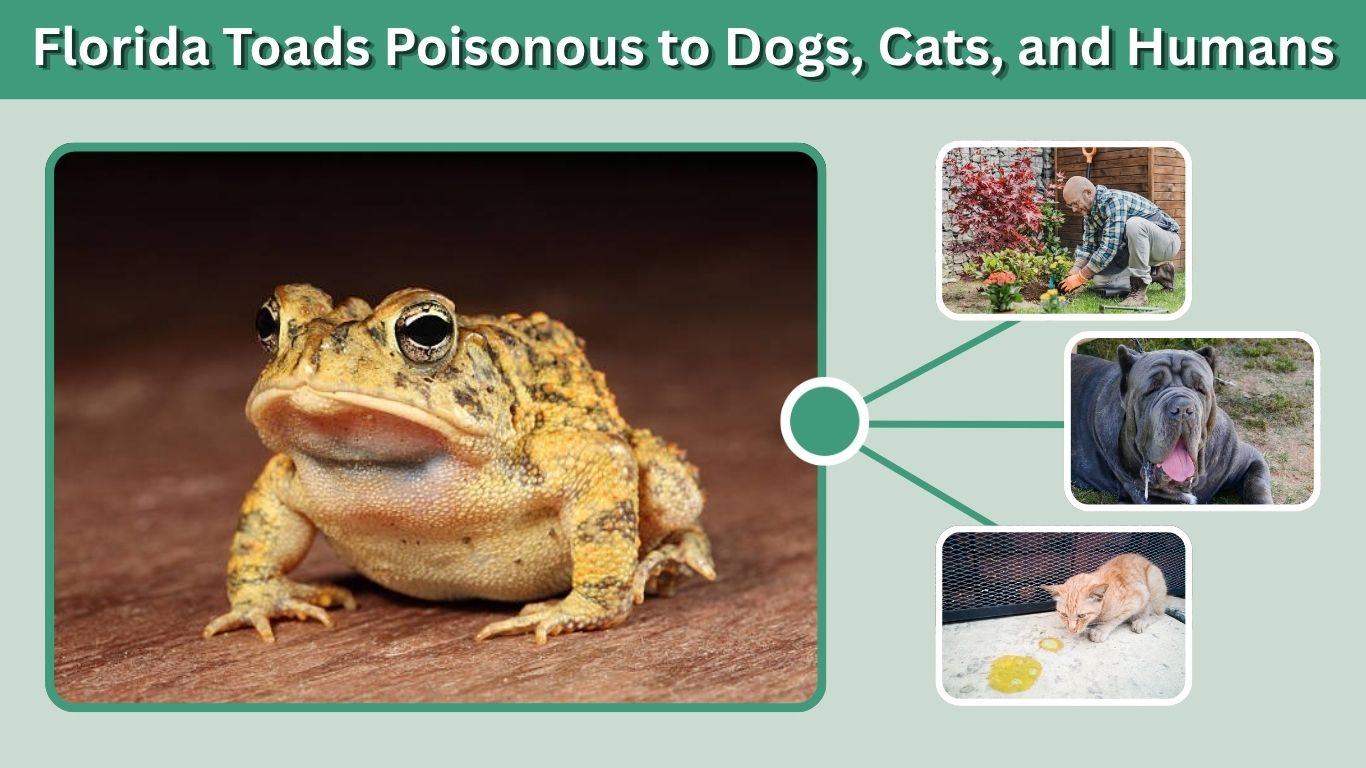
Florida has many native frogs and toads, but one species causes the most concern for pet owners: the cane toad. Also called the bufo toad, … Read More
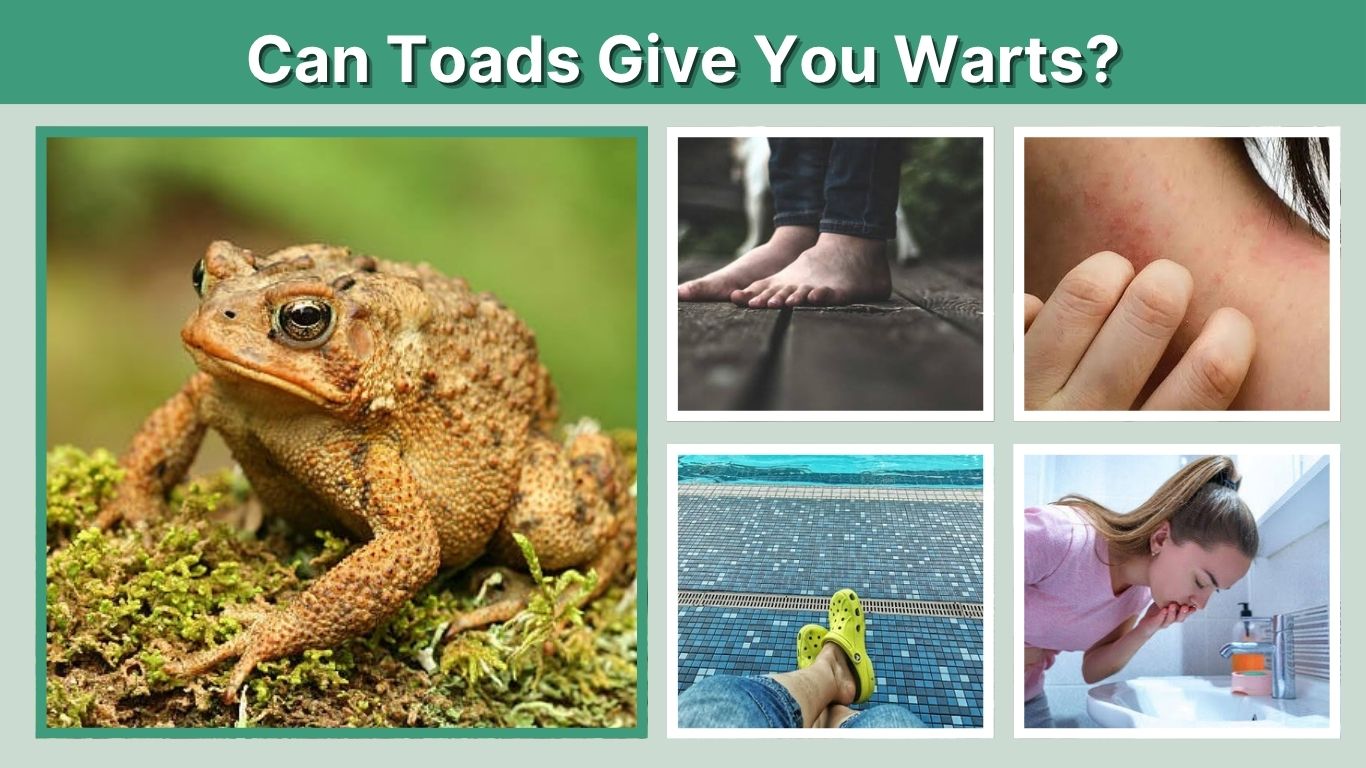
Many people grow up hearing that touching a toad can give you warts. It sounds believable because toads have bumpy skin, and some release irritating … Read More
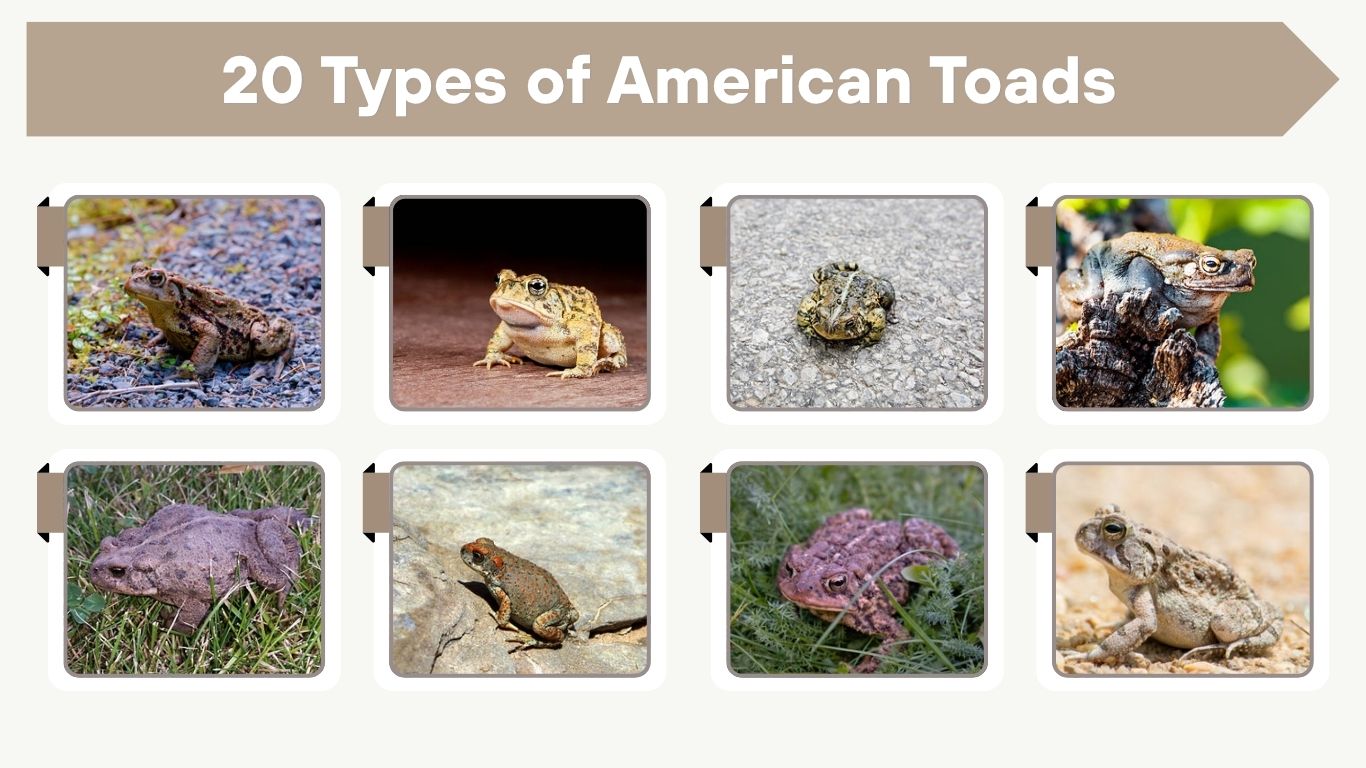
American toads are fascinating amphibians found across forests, deserts, wetlands, grasslands, and mountain regions throughout North America. These adaptable creatures play an important role in … Read More
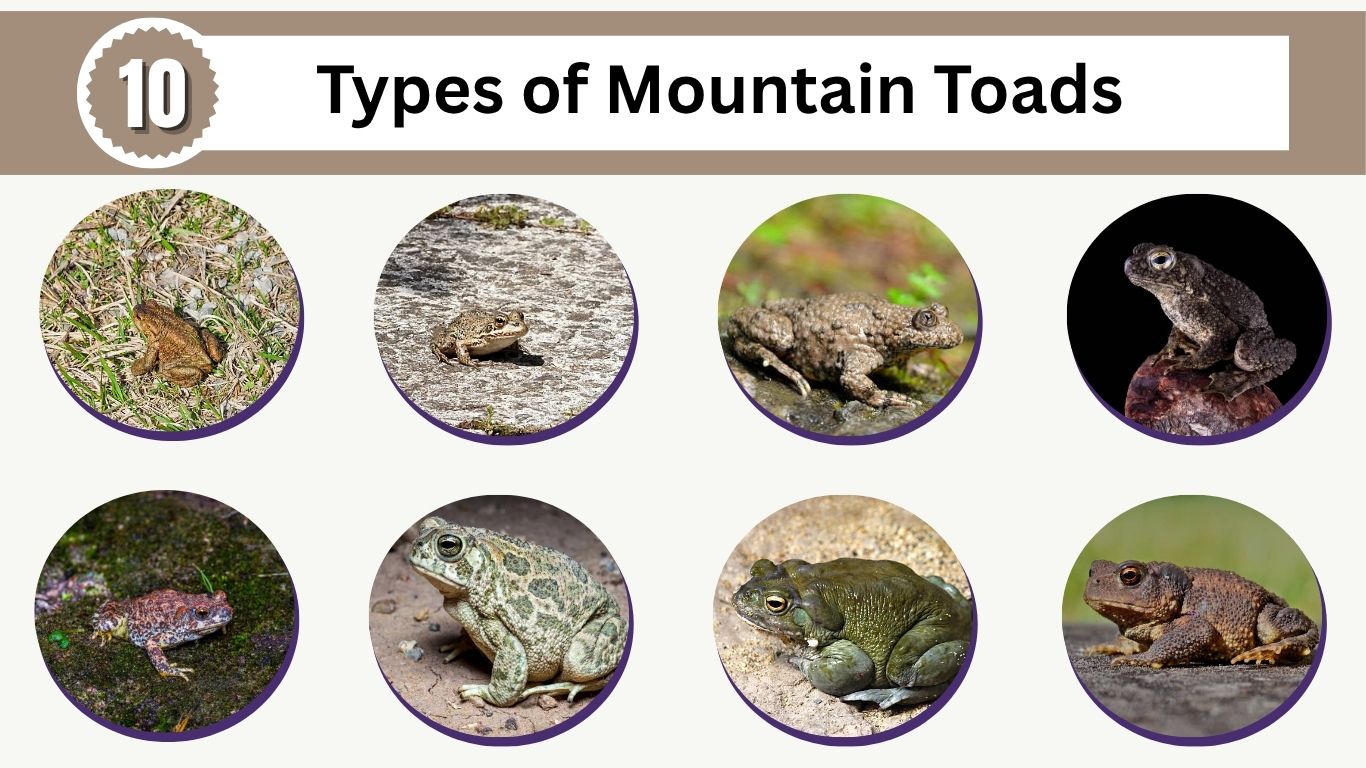
Mountain toads are fascinating amphibians that thrive in cool, rocky, and high-elevation environments across different parts of the world. These hardy creatures have adapted to … Read More
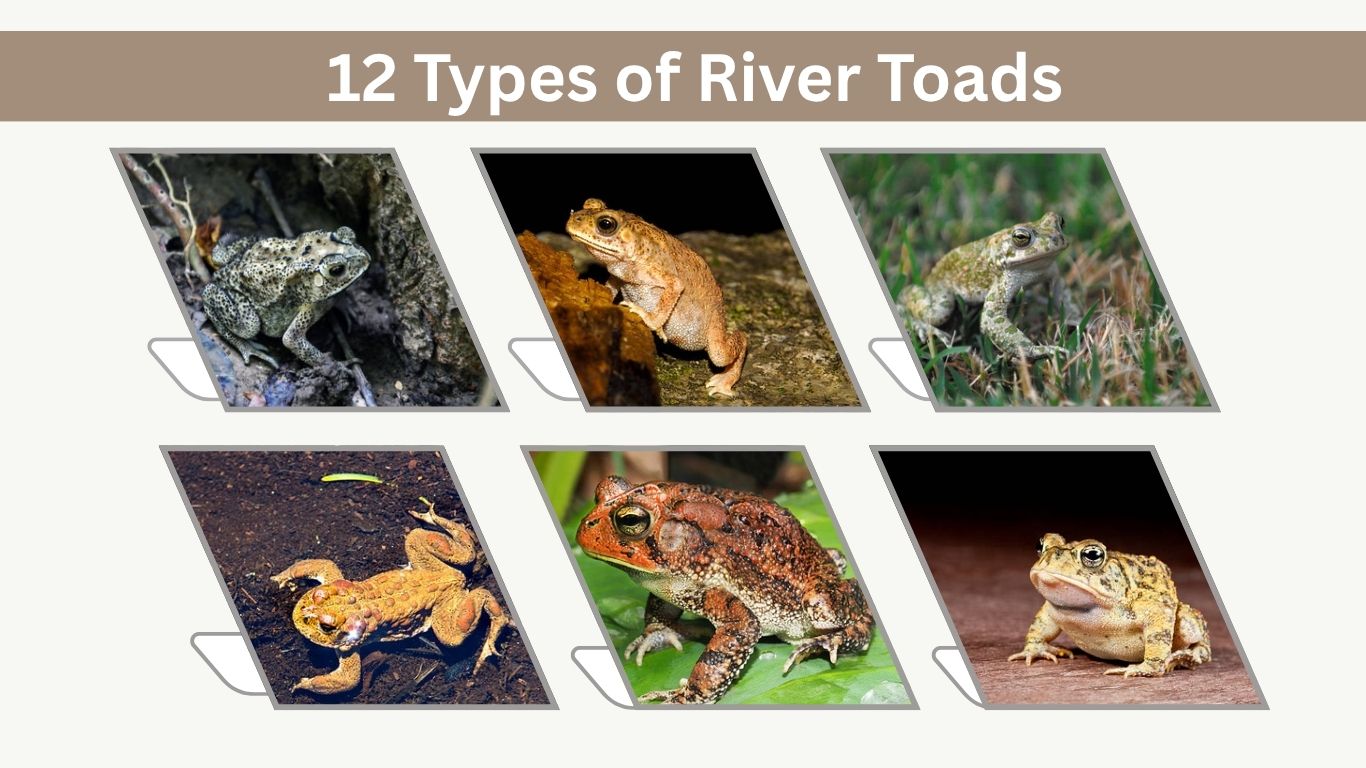
River toads are fascinating amphibians commonly found near rivers, wetlands, ponds, marshes, and other freshwater habitats around the world. These adaptable creatures are known for … Read More
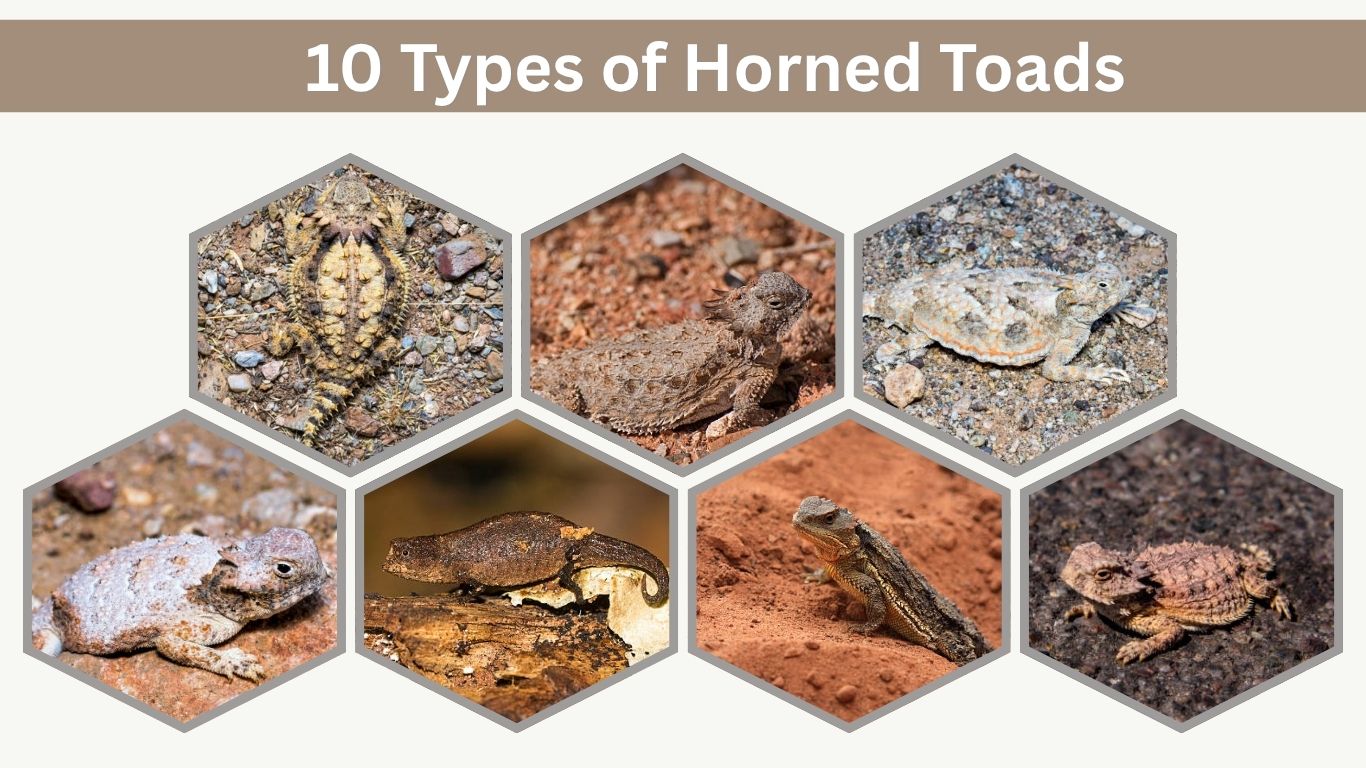
Horned toads, also known as horned lizards, are fascinating reptiles recognized for their flattened bodies, sharp horns, and excellent camouflage abilities. These desert-adapted creatures are … Read More