
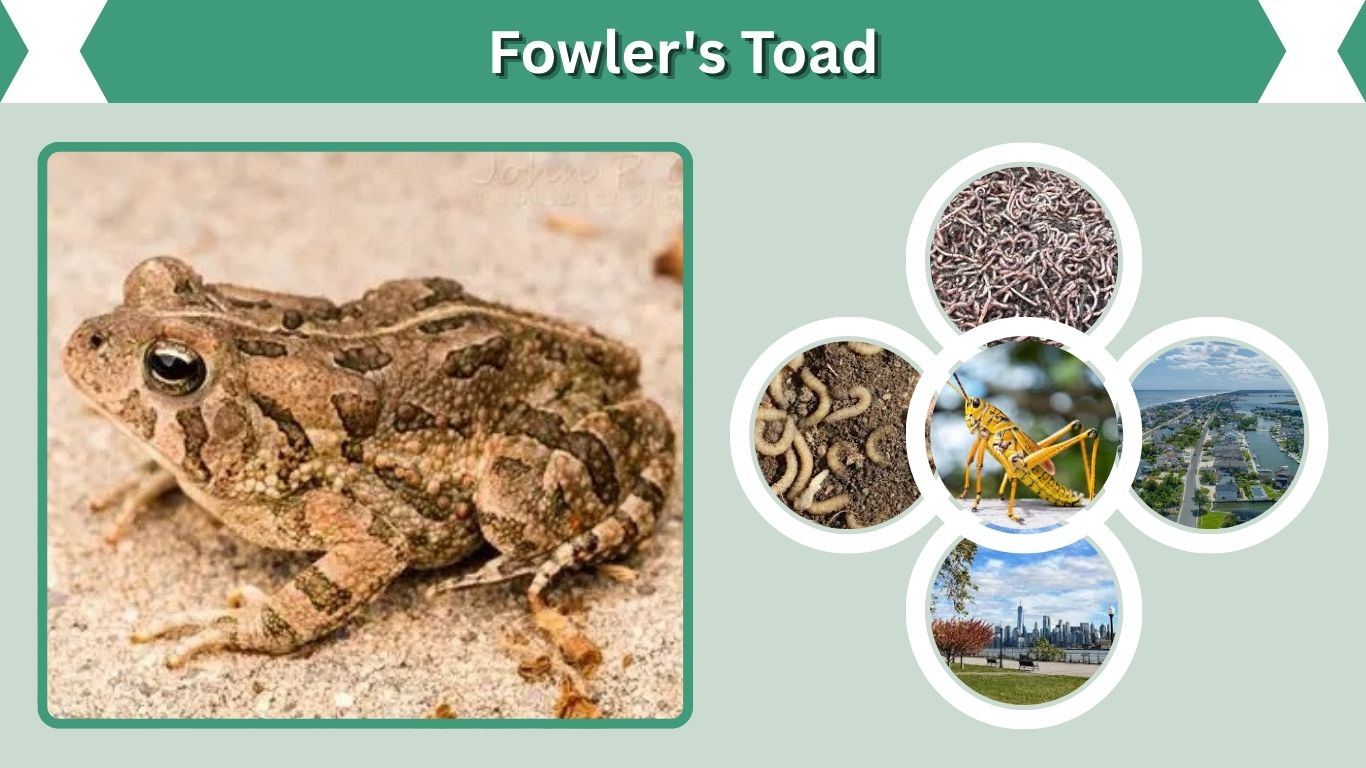
Fowler’s toad (Anaxyrus fowleri) is a common amphibian found throughout much of eastern North America. Known for its distinctive call, sandy habitat preferences, and remarkable adaptability, this species is often mistaken for the American toad. Despite its widespread distribution, many people know little about its behavior, diet, life cycle, and ecological importance. Learning about Fowler’s toad helps wildlife enthusiasts, gardeners, and pet owners better understand this fascinating amphibian and the role it plays in maintaining healthy ecosystems.
What Is a Fowler’s Toad?
Fowler’s toad is a medium-sized member of the true toad family, Bufonidae. Named after naturalist Samuel P. Fowler, this species is commonly found in woodlands, grasslands, coastal dunes, and suburban environments. Its adaptability has allowed it to thrive across a large geographic range, making it one of North America’s most recognizable toads.
Scientific Classification
The Fowler’s toad belongs to the genus Anaxyrus, which includes several North American toad species. Its accepted scientific name is Anaxyrus fowleri.
Physical Characteristics
Adult Fowler’s toads typically grow between 2 and 4 inches long. Their skin is rough and covered with small warts, while coloration varies from gray and brown to olive tones. These natural colors provide excellent camouflage against soil, sand, and leaf litter.
Quick Facts About Fowler’s Toad
- Scientific Name: Anaxyrus fowleri
- Family: Bufonidae
- Average Size: 2–4 inches
- Lifespan: Up to 5 years in the wild
- Diet: Insects and small invertebrates
- Activity Period: Mostly nocturnal
- Range: Eastern North America
- Conservation Status: Least Concern
Fowler’s Toad Identification
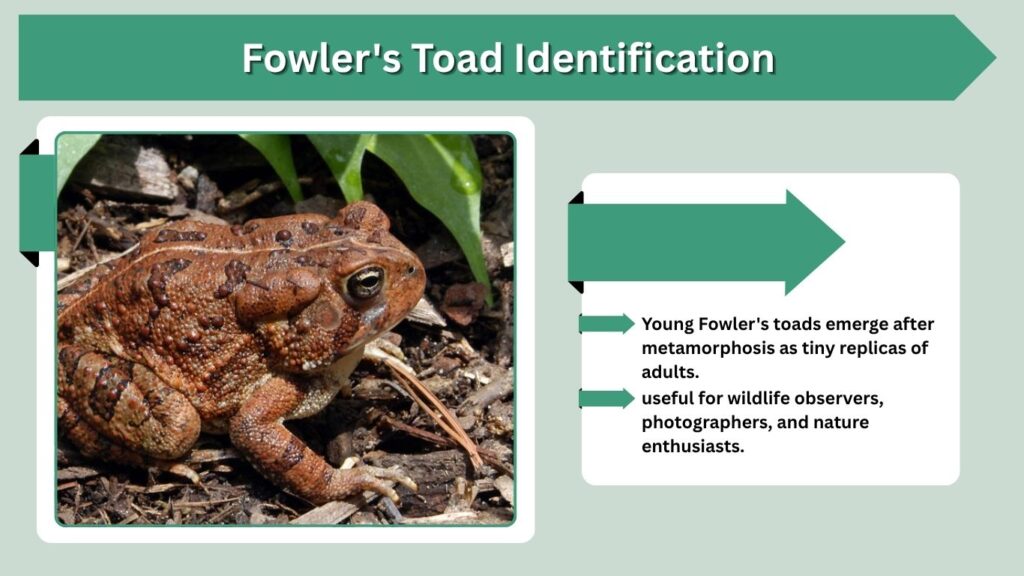
Correctly identifying Fowler’s toad can be challenging because it closely resembles the American toad. However, several physical characteristics help distinguish the species. Understanding these traits is useful for wildlife observers, photographers, and nature enthusiasts.
What Does a Fowler’s Toad Look Like?
Fowler’s toads have stout bodies, short legs, and rough skin covered in prominent warts. Their backs usually display irregular dark spots containing multiple warts. The belly is often pale and relatively unmarked compared to other toad species.
Male vs Female Fowler’s Toad
Males are generally smaller than females and often develop darker throats during the breeding season. Females tend to have larger bodies to support egg production and may appear broader overall.
Baby Fowler’s Toads
Young Fowler’s toads emerge after metamorphosis as tiny replicas of adults. They often gather in large numbers near breeding ponds before dispersing into surrounding habitats.
Fowler’s Toad Habitat and Range
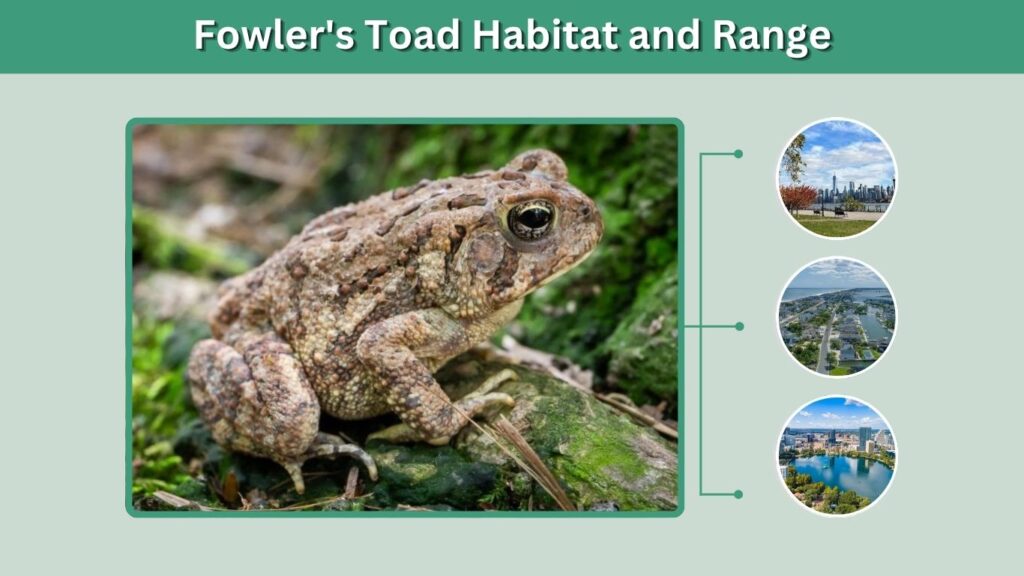
Fowler’s toads occupy a wide variety of environments across eastern North America. Their ability to tolerate different habitat types contributes significantly to their success. However, they still depend on access to breeding water and suitable shelter locations throughout the year.
Where Do Fowler’s Toads Live?
The species occurs across much of the eastern United States and parts of Canada. Populations can be found in forests, open fields, coastal regions, sand dunes, wetlands, and even residential neighborhoods.
Preferred Habitat Conditions
Fowler’s toads prefer loose soils that allow easy burrowing. They are especially common in sandy environments near lakes, rivers, and coastal areas where breeding sites are available.
Geographic Distribution
- Florida
- Georgia
- Virginia
- Michigan
- Illinois
- Iowa
- Louisiana
- New Jersey
- Ontario, Canada
- Many additional eastern states
Fowler’s Toad Diet and Feeding Habits
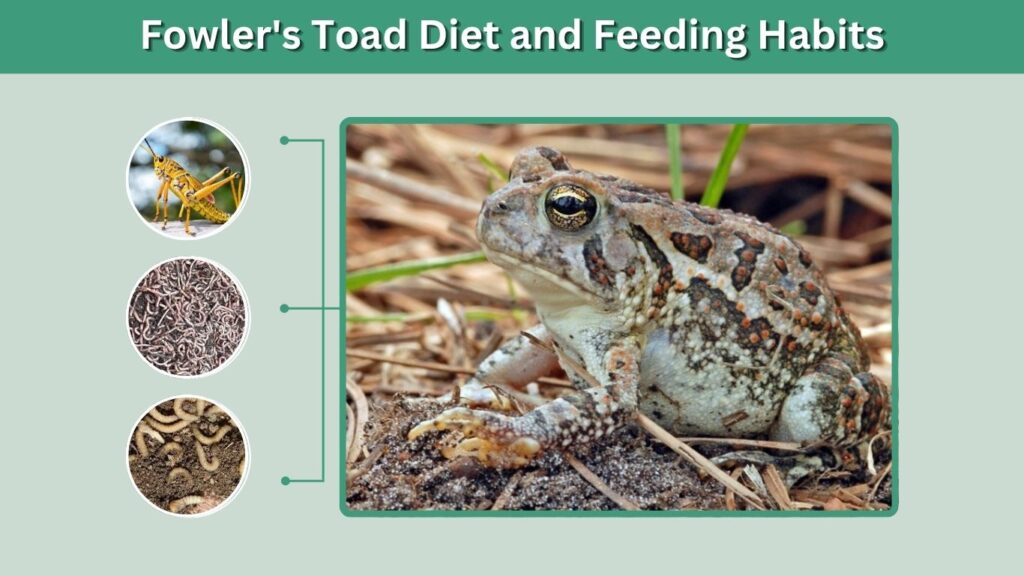
As an insect-eating amphibian, Fowler’s toad helps regulate populations of many common invertebrates. Its feeding behavior makes it a valuable natural pest controller in both wild and human-modified environments.
What Do Fowler’s Toads Eat?
Fowler’s toads consume a variety of small prey. They use a sticky tongue to quickly capture insects and other invertebrates that wander within reach.
Common Food Sources
- Ants
- Beetles
- Crickets
- Spiders
- Moths
- Grasshoppers
- Small worms
- Fly larvae
Hunting Behavior
Most feeding occurs at night when temperatures are cooler and insect activity increases. Fowler’s toads often remain motionless until prey approaches, then strike with remarkable speed and accuracy.
Fowler’s Toad Life Cycle
The life cycle of Fowler’s toad begins in water but quickly transitions to land. Like other amphibians, it undergoes a complex transformation from aquatic larva to terrestrial adult. Environmental conditions, particularly temperature and moisture, strongly influence development and survival.
Reproduction and Mating Season
Breeding typically occurs during spring and early summer. Males gather around ponds, marshes, and temporary pools where they call to attract females.
Egg Development
Females lay long strings of eggs in shallow water. Depending on environmental conditions, eggs hatch within a few days and begin the next stage of development.
Life Cycle Stages
- Egg
- Tadpole
- Metamorphosis
- Juvenile Toad
- Adult Toad
Tadpole Growth
Tadpoles feed primarily on algae and organic matter while developing legs, lungs, and other adult features. After several weeks, they complete metamorphosis and leave the water as young toads ready to begin life on land.
Fowler’s Toad Call and Sounds
The Fowler’s toad is well known for its distinctive breeding call, which helps researchers identify populations in the wild. During the breeding season, males gather near ponds and wetlands to vocalize. These sounds play a critical role in reproduction and are one of the easiest ways to detect the species at night.
What Does a Fowler’s Toad Call Sound Like?
The call of a Fowler’s toad is often described as a long, nasal, sheep-like “waaa” that lasts several seconds. It differs significantly from the shorter trill produced by the American toad.
Why Do Fowler’s Toads Call?
Male Fowler’s toads call primarily to attract females during the breeding season. Calling activity increases after rainfall when breeding conditions are favorable.
Importance of Vocalizations
- Attract potential mates
- Establish breeding territories
- Signal reproductive readiness
- Help scientists monitor populations
- Distinguish species from similar toads
American Toad vs Fowler’s Toad
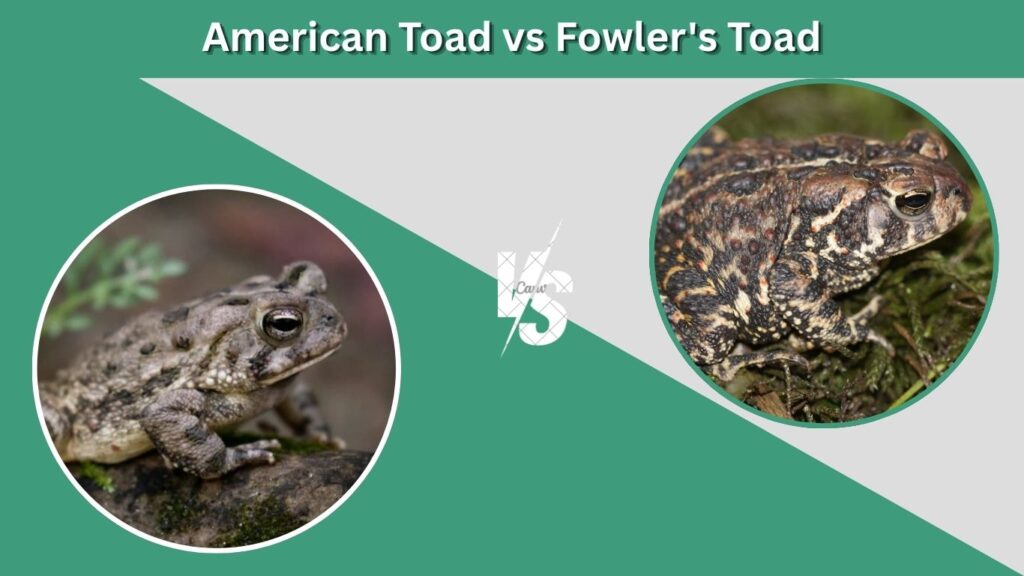
Many people confuse Fowler’s toads with American toads because the two species often share similar habitats. While they look alike at first glance, several physical and behavioral differences can help with identification.
Appearance Differences
Fowler’s toads typically have three or more warts within each dark spot on their backs, while American toads usually have one or two. Fowler’s toads also tend to have a less patterned belly and lighter coloration overall.
Call Differences
The breeding calls of these species are among the easiest ways to tell them apart. Fowler’s toads produce a long nasal call, whereas American toads generate a musical trill that lasts much longer.
Habitat Preferences
Although both species occur in eastern North America, Fowler’s toads are more commonly associated with sandy soils and coastal habitats. American toads are often found in forests and a broader range of environments.
Are Fowler’s Toads Poisonous?
Like most true toads, Fowler’s toads possess defensive glands that secrete mild toxins. These chemicals help protect them from predators but rarely pose a serious threat to humans.
How Toad Toxins Work
Specialized glands located behind the eyes release defensive secretions when the toad feels threatened. These substances create an unpleasant taste that discourages predators from attacking.
Are Fowler’s Toads Poisonous to Dogs?
Dogs are more likely than people to experience problems after licking or mouthing a toad. Most reactions are mild but can be uncomfortable for pets.
Common Symptoms in Dogs
- Excessive drooling
- Mouth irritation
- Pawing at the mouth
- Temporary vomiting
- Foaming around the mouth
Are Fowler’s Toads Dangerous to Humans?
The toxins produced by Fowler’s toads are generally harmless to healthy adults. However, it is always recommended to wash your hands after handling any amphibian to protect both yourself and the animal.
Fowler’s Toad Behavior
Fowler’s toads display several fascinating behaviors that help them survive in changing environments. Many of these adaptations protect them from predators, extreme weather, and dehydration.
Do Fowler’s Toads Burrow?
Yes, Fowler’s toads frequently burrow into loose soil or sand. Burrowing helps them avoid predators, regulate body temperature, and conserve moisture during dry periods.
Do Fowler’s Toads Hibernate?
In colder regions, Fowler’s toads enter a period of winter dormancy known as brumation. They typically spend the winter underground below the frost line until temperatures rise in spring.
Playing Dead as a Defense
When threatened, Fowler’s toads may remain motionless or appear dead. This behavior, known as thanatosis, can discourage predators that prefer active prey.
Fowler’s Toad as a Pet
Some amphibian enthusiasts are interested in keeping Fowler’s toads in captivity. Before considering a pet toad, it is important to understand legal requirements, ethical concerns, and proper care practices.
Can You Keep a Fowler’s Toad as a Pet?
Regulations vary by location, and collecting wild amphibians may be restricted. Prospective owners should always check local wildlife laws before acquiring any native species.
Basic Care Requirements
Proper care focuses on replicating the natural environment and providing appropriate food and shelter.
Essential Care Needs
- Secure enclosure
- Moist substrate
- Clean water source
- Moderate temperatures
- Live insect diet
- Hiding places
Common Care Mistakes
Poor humidity, improper nutrition, and inadequate enclosure conditions are among the most common reasons captive amphibians experience health problems.
Predators and Survival Threats
Although Fowler’s toads are widespread, they face numerous natural and human-related threats. Understanding these challenges helps explain the importance of habitat conservation and responsible environmental management.
Natural Predators
Many animals prey upon Fowler’s toads during different stages of their life cycle. Eggs, tadpoles, juveniles, and adults all face predation risks.
Common Predators
- Snakes
- Herons
- Hawks
- Raccoons
- Foxes
- Large fish
- Turtles
Human-Related Threats
Habitat destruction, road mortality, pollution, and wetland loss can negatively impact local populations. Protecting breeding sites remains one of the most effective conservation strategies.
Interesting Fowler’s Toad Facts
Fowler’s toads possess several unique characteristics that make them fascinating members of North America’s amphibian community.
Fun Facts
- Named after naturalist Samuel P. Fowler.
- Most active during the night.
- Can survive in sandy coastal habitats.
- Produce defensive toxins against predators.
- Excellent burrowers that spend much time underground.
- Often mistaken for American toads.
- Play an important role in insect control.
FAQs
Can Fowler’s Toads Climb?
Fowler’s toads are not strong climbers like tree frogs. They spend most of their lives on the ground and rely on hopping, burrowing, and camouflage for protection rather than climbing vegetation.
Where Do Fowler’s Toads Go During the Day?
Fowler’s toads are primarily nocturnal and spend daylight hours hiding under rocks, logs, leaf litter, or underground burrows. These shelters help them stay cool and retain moisture.
How Can You Attract Fowler’s Toads to Your Yard?
Creating a wildlife-friendly yard with native plants, shallow water sources, and chemical-free landscaping can encourage Fowler’s toads to visit. Providing hiding spots such as logs and rock piles can also make habitats more appealing.
Are Fowler’s Toads Beneficial for Gardens?
Yes. Fowler’s toads help control many common garden pests by feeding on insects such as beetles, ants, crickets, and other invertebrates. Their natural pest-control abilities make them valuable allies for gardeners.
What Is the Difference Between a Fowler’s Toad and a Baby American Toad?
Young American toads and Fowler’s toads can look very similar. However, Fowler’s toads typically have three or more warts within each dark back spot, while American toads usually have one or two. Their calls and preferred habitats can also help with identification.
