
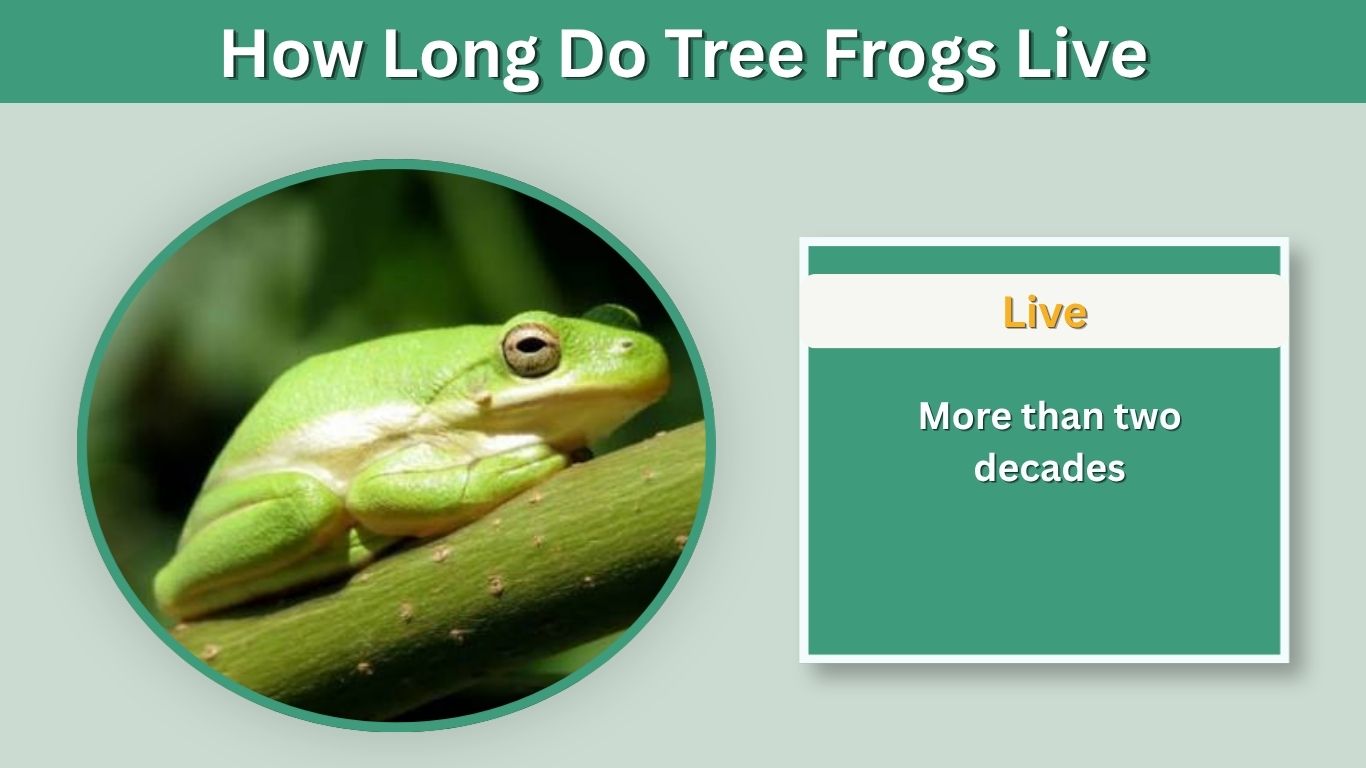
Tree frogs can live anywhere from a few years to more than two decades, depending on their species, environment, health, and exposure to predators. Small wild species generally have shorter lives, while well-cared-for pet tree frogs often survive considerably longer. White’s tree frogs are especially long-lived, whereas American green tree frogs usually have more modest lifespans. Understanding these differences can help owners create safer habitats, provide suitable nutrition, recognize health problems, and give their frogs the best chance of reaching old age.
How Long Do Tree Frogs Live?
There is no single lifespan that applies to every tree frog. The term “tree frog” covers hundreds of species living in different climates and habitats. In general, many tree frogs live approximately three to ten years. However, certain species regularly exceed ten years in captivity, and exceptionally long-lived individuals may survive for around 20 years.
Average Tree Frog Lifespan
A general lifespan estimate looks like this:
- Most wild tree frogs: 2–8 years
- Most pet tree frogs: 5–12 years
- Long-lived species: 10–16 years
- Exceptional captive individuals: 20 years or longer
- Small, short-lived species: Sometimes less than three years
These ranges should be treated as estimates because survival depends heavily on the species and its living conditions. The National Wildlife Federation notes that tree-frog lifespans vary significantly, with Australian green tree frogs commonly living beyond 15 years in captivity.
Lifespan in the Wild
Wild tree frogs face snakes, birds, fish, larger frogs, dehydration, disease, drought, freezing temperatures, and habitat destruction. Many eggs and tadpoles never become adults. Even after reaching adulthood, frogs must continually locate food, water, shelter, and suitable breeding areas.
Because of these pressures, a wild frog may die long before reaching its species’ maximum possible age.
Lifespan in Captivity
Captive tree frogs usually live longer when their needs are met. They are protected from predators and severe weather, while food and clean water are regularly available. However, captivity does not automatically guarantee a long life. Incorrect temperatures, poor hygiene, nutritional deficiencies, obesity, stress, and untreated infections can shorten a pet frog’s lifespan.
Lifespan of Common Tree Frog Species
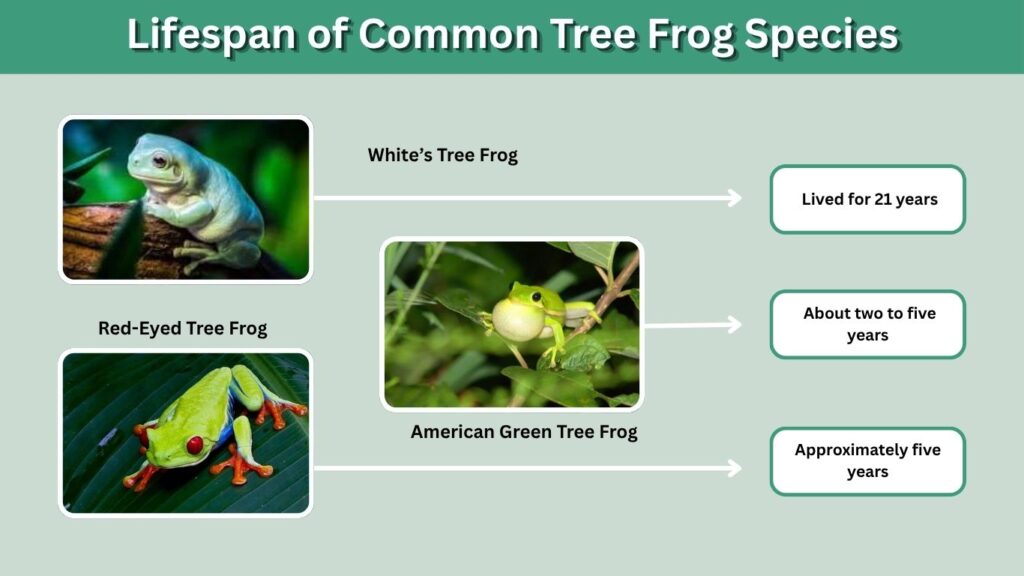
Some tree frogs are naturally more long-lived than others. Body size, metabolism, genetics, reproductive strategy, and environmental adaptations can all influence longevity. The following ranges cover several commonly encountered species, including popular pet frogs and familiar North American tree frogs.
White’s Tree Frog
White’s tree frogs, also called Australian green or dumpy tree frogs, are among the longest-lived pet frogs. Their average lifespan in human care is around 16 years, and the Smithsonian reports one individual that lived for 21 years.
Their calm behavior and relatively sturdy build make them popular pets, but they still need appropriate temperature, humidity, ventilation, nutrition, and veterinary attention.
American Green Tree Frog
American green tree frogs commonly live about two to five years, although some well-cared-for captive frogs may survive longer. They are smaller and generally shorter-lived than White’s tree frogs.
Their health depends on a vertically arranged habitat, clean dechlorinated water, moderate humidity, hiding places, and appropriately sized insects.
Red-Eyed Tree Frog
Wild red-eyed tree frogs have an estimated average lifespan of approximately five years. Captive records vary, but individuals may live beyond eight years, with some veterinary care guides giving an expected captive range of eight to twelve years.
This species is sensitive to poor humidity, stagnant air, contaminated surfaces, and excessive handling.
Gray Tree Frog
Gray tree frogs typically live around seven to nine years. They are remarkably adapted to seasonal temperature changes and can survive cold winters by entering a dormant state.
Although they are resilient in their natural range, captive gray tree frogs still require species-appropriate seasonal conditions and a secure climbing habitat.
Coronated Tree Frog
The coronated tree frog has an estimated lifespan of approximately 10 to 15 years. It is a secretive species that often lives in water-filled plants, tree holes, and similar elevated shelters.
Its specialized reproductive and habitat requirements make it less suitable for inexperienced frog keepers.
Why Pet Tree Frogs Often Live Longer
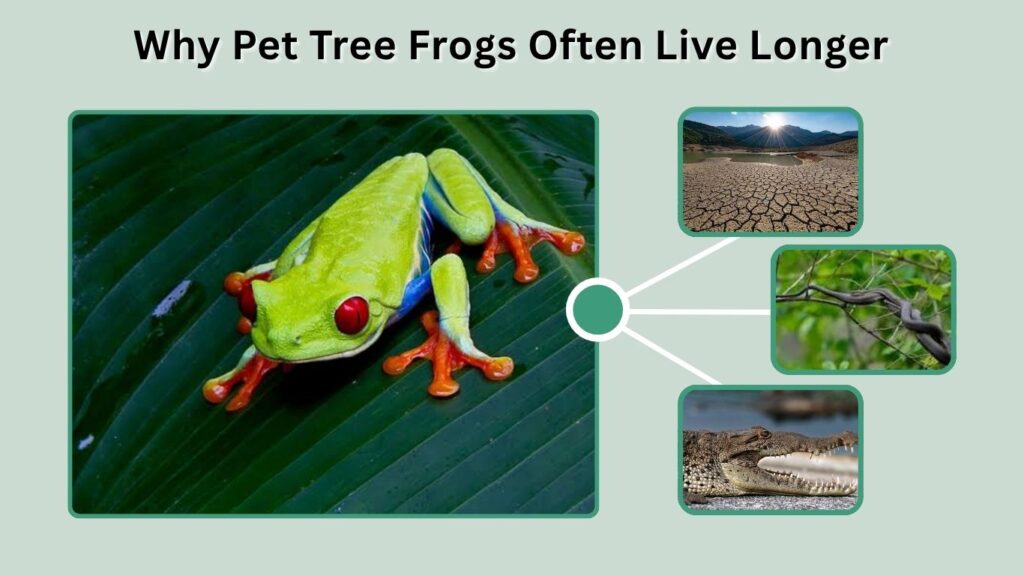
A properly maintained enclosure removes many of the dangers frogs experience outdoors. Nevertheless, captive longevity depends on consistent care rather than occasional attention. Tree frogs absorb water and environmental substances through their delicate skin, so seemingly small husbandry mistakes may gradually damage their health.
Protection From Natural Dangers
Captive frogs are generally protected from:
- Snakes, birds, mammals, fish, and larger amphibians
- Extreme heat, cold, drought, and severe storms
- Pesticides and environmental pollutants
- Competition for limited food and breeding locations
- Injuries caused by territorial encounters
- The constant search for water and shelter
Reliable Food and Water
Pet frogs receive insects without having to hunt across a large territory. Owners can also provide varied, gut-loaded prey and suitable supplements. Clean, dechlorinated water reduces exposure to potentially harmful chemicals and makes hydration more reliable.
However, excessive feeding can be as harmful as underfeeding, particularly for White’s tree frogs, which can become overweight.
Earlier Treatment of Illness
An observant owner may notice unusual skin, weight loss, swelling, poor coordination, reduced appetite, or abnormal posture. Early veterinary care can improve the outcome of infections, parasites, injuries, and nutritional disorders that might otherwise become fatal.
Factors That Can Shorten a Tree Frog’s Life
Tree frogs are sensitive animals, even when they appear hardy. Most serious captive-care problems develop from unsuitable environmental conditions, contaminated enclosures, nutritional imbalance, or chronic stress. Correcting these risks early can prevent long-term damage.
Common Lifespan-Reducing Problems
- Incorrect enclosure temperature
- Humidity that is consistently too low or too high
- Poor ventilation and stagnant air
- Dirty water, substrate, or decorations
- Exposure to chlorine, soap, perfume, or pesticides
- Feeding only one nutritionally poor insect
- Vitamin or mineral deficiencies
- Obesity caused by overfeeding
- Repeated handling
- Housing incompatible animals together
- Untreated bacterial, fungal, or parasitic infections
Dehydration and Poor Water Quality
Frogs use their skin to absorb moisture, making water quality especially important. Chlorinated water, chemical residue, and contaminated bowls may irritate or damage their skin. A tree frog should always have access to clean water in a shallow container that it can enter and leave safely.
Stress and Excessive Handling
Tree frogs are display animals rather than handling pets. Human skin may carry oils, lotions, soap, salt, and other substances that can affect their permeable skin. Handling can also cause fear, escape attempts, and injury.
When handling is medically necessary, clean, damp, powder-free gloves are generally safer than bare hands.
Disease
Amphibians may develop skin infections, respiratory illness, parasites, nutritional disorders, and fungal diseases. Chytridiomycosis is a particularly serious amphibian disease and has affected frogs in both wild and managed populations.
A frog with persistent symptoms should be examined by a veterinarian experienced with amphibians.
How to Help a Pet Tree Frog Live Longer
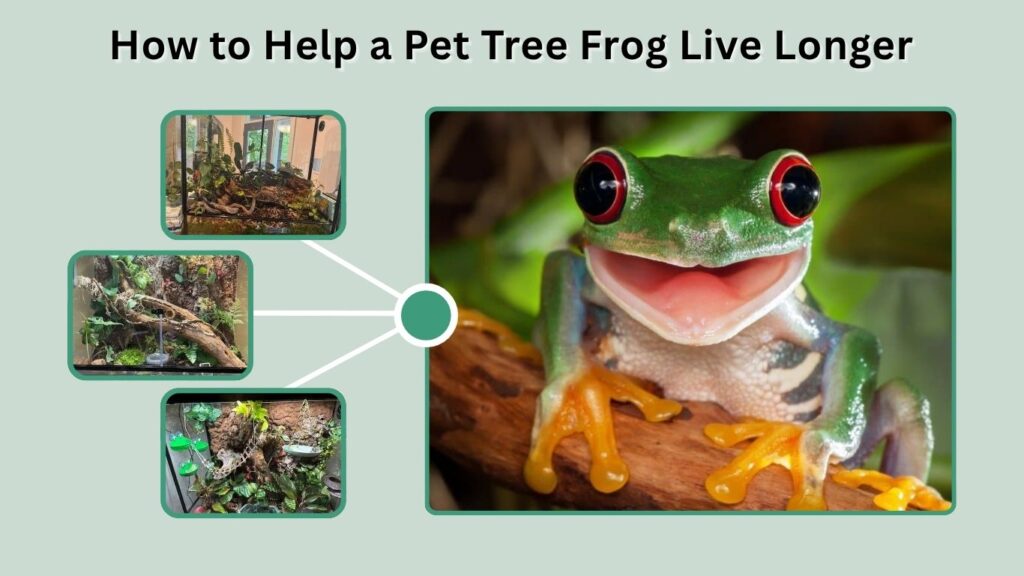
Successful tree-frog care requires an enclosure designed for the exact species rather than a universal setup. A tropical red-eyed tree frog and a temperate gray tree frog do not have identical requirements. Research the frog’s natural habitat, adult size, activity pattern, and seasonal behavior before preparing its home.
Tree Frog Care Checklist
- Choose a tall enclosure: Provide vertical climbing space, branches, plants, and secure resting areas.
- Maintain suitable conditions: Keep temperature and humidity within the species-specific range while allowing adequate ventilation.
- Provide clean water: Use appropriately treated water and replace it frequently.
- Feed varied prey: Offer correctly sized, gut-loaded insects rather than relying on one food continuously.
- Use supplements properly: Apply calcium and vitamin supplements according to the frog’s age, diet, and veterinary guidance.
- Remove waste quickly: Clear away droppings, dead insects, spoiled food, and contaminated material.
- Limit handling: Observe the frog without repeatedly touching or moving it.
- Avoid mixed-species housing: Lizards and tree frogs should not normally share an enclosure because their environmental needs, behavior, and microorganisms may differ.
- Monitor body condition: Watch for rapid weight gain, weight loss, bloating, or visible bones.
- Quarantine new frogs: Keep new animals separate before introducing them to an established collection.
Warning Signs That Need Attention
A healthy tree frog is not active every moment, especially during daylight. However, persistent behavioral or physical changes may indicate illness.
Contact an amphibian veterinarian when you observe prolonged appetite loss, severe lethargy, discolored skin, sores, swelling, abnormal shedding, difficulty climbing, weak legs, labored breathing, unusual bloating, or significant weight loss.
Green Tree Frog Eggs and Life Cycle
Green tree frogs begin life as eggs rather than miniature frogs. Their development includes an aquatic tadpole stage followed by metamorphosis into a froglet. Development speed varies with species, temperature, food availability, water quality, and other environmental conditions.
How Long Do Green Tree Frog Eggs Take to Hatch?
American green tree-frog eggs may hatch within approximately two to five days. The National Park Service reports hatching at about five days, while the Missouri Department of Conservation gives a range of two to three days. Tadpoles usually transform into froglets several weeks later.
White’s tree-frog eggs develop more quickly, with hatching beginning around 28 to 36 hours after laying under suitable conditions.
Are Green Tree Frogs Pregnant?
Tree frogs do not become pregnant in the mammalian sense. A female develops eggs inside her body and releases them during breeding. In many species, the male holds the female in a mating position called amplexus and fertilizes the eggs as she lays them.
A swollen appearance does not always mean a female is carrying eggs. Bloating, fluid retention, obesity, impaction, or illness can create a similar appearance.
How Long Can Green Tree Frogs Go Without Food or Water?
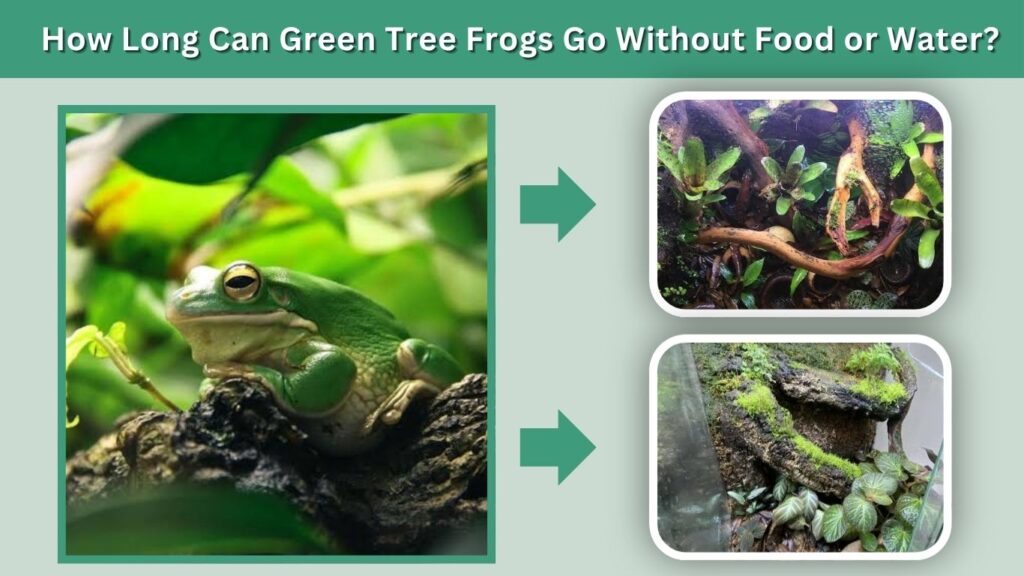
Temporary appetite changes are possible during relocation, cool weather, breeding periods, or seasonal dormancy. However, deliberately testing how long a frog can survive without food or water is dangerous. Small frogs can lose body condition and hydration surprisingly quickly.
Going Without Food
A healthy adult may occasionally refuse food for several days and sometimes longer, depending on its species, body condition, temperature, and activity. Juveniles need more frequent meals because they are growing rapidly.
A pet frog that stops eating for an extended period, loses weight, or shows additional symptoms should receive veterinary attention.
Going Without Water
Tree frogs require reliable access to moisture. They absorb water through their skin rather than drinking in the same manner as mammals. Dry conditions can cause dehydration, inactivity, abnormal shedding, weakness, and death.
Never leave a pet tree frog without an appropriate water source or suitable enclosure humidity.
How Long Can a Tree Frog Stay Underwater?
Tree frogs may enter shallow water briefly, but they are not fully aquatic frogs. They must be able to reach the surface and leave the water easily. Deep containers, strong filters, and steep-sided bowls can create a drowning risk, particularly for weak, young, or sick frogs.
FAQs
How long do pet tree frogs live?
Many pet tree frogs live approximately five to twelve years, although the exact lifespan depends on the species. American green tree frogs may live only a few years, while White’s tree frogs commonly reach their teens and can occasionally survive for around 20 years.
How long do green tree frogs live in captivity?
American green tree frogs generally live about two to five years, sometimes longer with excellent care. Australian green tree frogs, also called White’s tree frogs, are a different species and commonly live around 16 years in captivity. Identifying the species is therefore essential.
Do tree frogs live longer in captivity or in the wild?
Tree frogs often live longer in captivity because they receive regular food, clean water, shelter, and protection from predators. Captivity only improves longevity when the enclosure is maintained correctly. Poor temperature control, contamination, stress, obesity, and disease can significantly shorten their lives.
How long can a green tree frog go without eating?
A healthy adult may occasionally avoid food for several days, particularly after relocation or during seasonal changes. There is no universally safe fasting period because species, age, temperature, and health differ. Continued refusal, weight loss, weakness, or unusual behavior requires professional veterinary advice.
How long does it take green tree frog eggs to hatch?
American green tree-frog eggs commonly hatch within about two to five days, although water temperature and environmental conditions affect development. White’s tree-frog eggs may hatch after only 28 to 36 hours. The resulting tadpoles generally need several additional weeks to complete metamorphosis.
