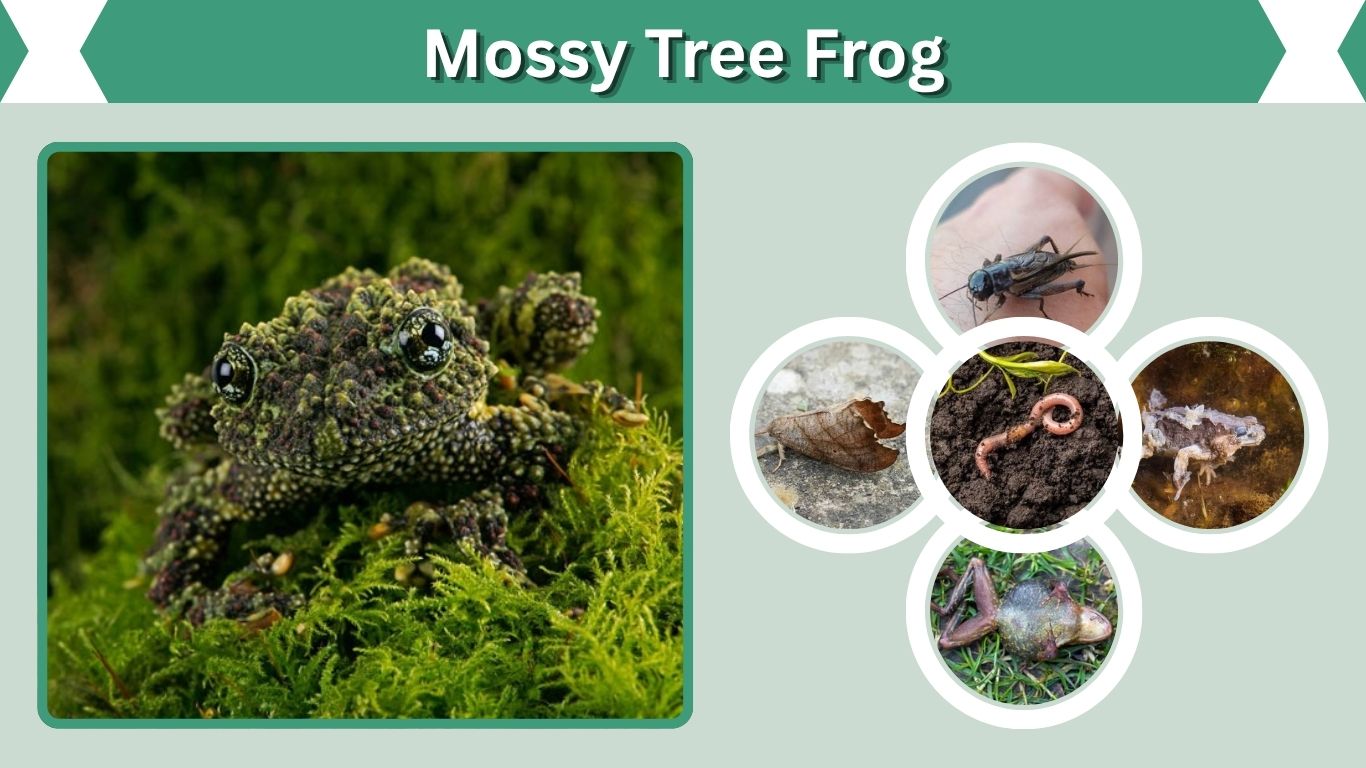
The mossy tree frog is a fascinating amphibian famous for its unusual appearance, impressive camouflage, and secretive behavior. Native to northern Vietnam, this frog has rough, green-and-brown skin that resembles moss growing on wet rocks. Also known as the Vietnamese mossy tree frog, it typically inhabits cool mountain forests, limestone caves, and areas near freshwater streams. Its distinctive appearance makes it popular among amphibian enthusiasts. Understanding its natural habitat, diet, size, behavior, and care requirements can help you appreciate this remarkable species and its unique adaptations.
What Is a Mossy Tree Frog?
The mossy tree frog (Theloderma corticale) is a small amphibian belonging to the family Rhacophoridae. Its textured skin and unusual coloration distinguish it from many other tree frog species.
This species is primarily nocturnal and spends much of its time hiding among rocks, vegetation, and water-filled crevices. Its appearance provides excellent camouflage against predators.
Mossy Tree Frog Identification
- Scientific Name: Theloderma corticale
- Common Name: Vietnamese Mossy Tree Frog
- Family: Rhacophoridae
- Average Size: 2.5–3.5 inches
- Body Color: Green, brown, and black
- Skin Texture: Rough, bumpy, and moss-like
- Natural Habitat: Mountain forests and limestone caves
- Diet: Insects and small invertebrates
- Activity: Primarily nocturnal
- Lifespan: Approximately 10 years is commonly estimated
Physical Appearance
Mossy tree frogs have rough skin covered with irregular bumps and ridges. Their green-and-brown coloration resembles patches of moss growing on damp stones.
Their large eyes help them navigate low-light environments, while adhesive toe pads allow them to climb rocky surfaces and vegetation. Females are generally larger than males.
Where Do Mossy Tree Frogs Live?
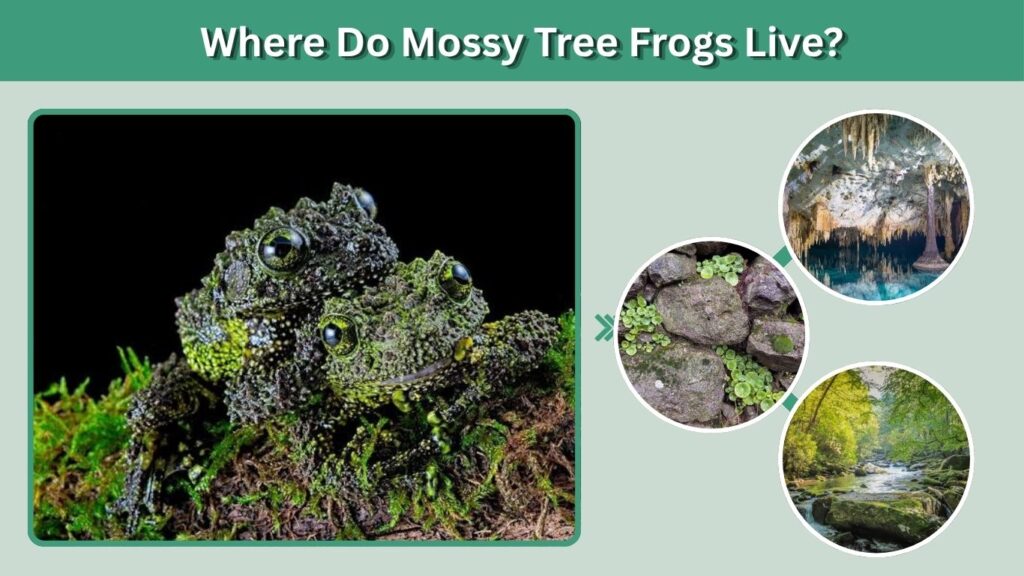
Vietnamese mossy tree frogs naturally inhabit mountainous regions of northern Vietnam. They are especially associated with humid evergreen forests, limestone formations, and areas close to freshwater.
Unlike some tree frogs that spend most of their lives high in vegetation, mossy frogs frequently remain near rocky streams, flooded caves, and damp crevices.
Natural Habitat
Their preferred habitats contain consistent moisture, shaded hiding places, and relatively cool temperatures. Water-filled rock cavities provide shelter and suitable breeding locations.
These frogs often remain motionless against moss-covered surfaces during daylight hours. Their camouflage makes them difficult to detect, even when predators approach closely.
How They Survive in the Wild
Camouflage is one of their most effective survival adaptations. Their irregular body shape breaks up their outline, helping them blend into surrounding rocks.
When threatened, a mossy tree frog may curl into a compact position or drop into nearby water. These behaviors help it avoid detection and escape potential predators.
Mossy Tree Frog Size and Lifespan
Mossy tree frogs are relatively small amphibians. Despite their compact size, their muscular bodies and adhesive toe pads make them effective climbers.
Their growth depends on environmental conditions, nutrition, and overall health. Like other amphibians, they develop from aquatic tadpoles before transforming into juvenile frogs.
How Big Do Mossy Tree Frogs Get?
Adult mossy tree frogs usually measure approximately 2.5–3.5 inches in body length. Females are generally larger and may have noticeably broader bodies.
Juvenile frogs are considerably smaller and require appropriately sized food while growing.
How Long Do Mossy Tree Frogs Live?
Their exact lifespan is not firmly established. Around ten years is a commonly reported estimate for captive animals, although individual lifespans vary.
Suitable temperatures, clean water, balanced nutrition, and minimal stress are important for maintaining their long-term health.
What Do Mossy Tree Frogs Eat?
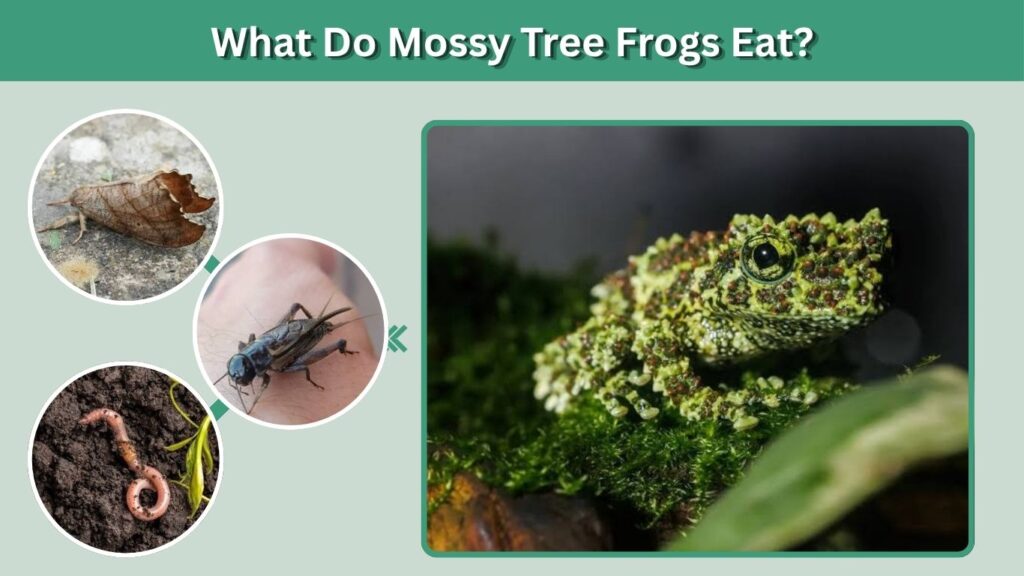
Mossy tree frogs are carnivorous amphibians that primarily feed on insects and other small invertebrates. Their hunting behavior involves remaining still until suitable prey approaches.
They generally become more active during the evening and nighttime, when many insects are available.
Common Foods for Mossy Tree Frogs
- Crickets: Common feeder insects that provide protein.
- Small Cockroaches: Nutritious prey when appropriately sized.
- Moths: Flying insects that may be captured in natural habitats.
- Earthworms: Suitable occasional prey when properly sourced and sized.
- Small Insects: Important food sources for juvenile frogs.
How Often Should Mossy Tree Frogs Eat?
Adult mossy frogs generally receive food several times each week, depending on their condition and appetite.
Juveniles usually need smaller, more frequent meals to support development. Captive frogs benefit from varied, gut-loaded insects and appropriate calcium and vitamin supplementation.
Avoid feeding wild-caught insects because they may carry parasites or pesticide residues.
Mossy Tree Frog Care and Enclosure Setup
Keeping Vietnamese mossy tree frogs requires careful attention to temperature, humidity, water quality, and enclosure design.
These amphibians prefer cooler conditions than many tropical tree frog species. Excessive heat, contaminated water, and poor ventilation can cause serious health problems.
Ideal Mossy Tree Frog Enclosure
- Tank Size: An 18 × 18 × 24-inch enclosure can serve as a starting point for a small group.
- Temperature: Approximately 66–74°F (19–23°C).
- Humidity: Generally around 70–90%.
- Water Area: Clean, dechlorinated water with safe entry and exit points.
- Climbing Areas: Branches, cork bark, and stable rock structures.
- Hiding Places: Shaded shelters and naturalistic crevices.
- Ventilation: Consistent airflow to prevent stagnant conditions.
Lighting and Maintenance
Provide a regular day-and-night lighting schedule. Low-intensity UVB lighting may be beneficial when installed according to appropriate amphibian husbandry guidance.
Keep water clean, remove uneaten insects, and monitor temperature and humidity regularly.
Mossy tree frogs should be handled minimally because their delicate skin can absorb harmful substances from human hands.
Mossy Tree Frog Behavior and Calls
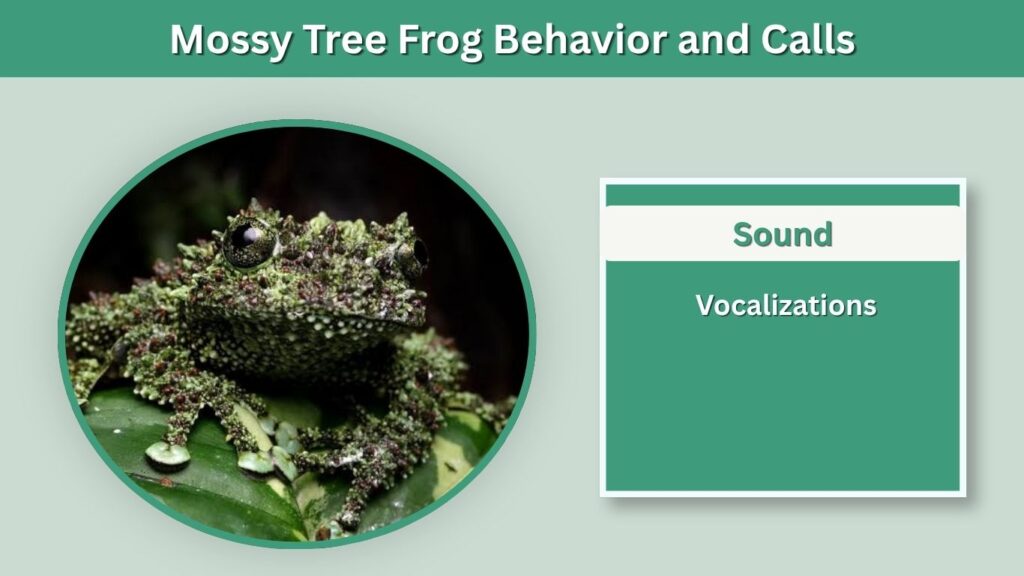
Mossy tree frogs are secretive, primarily nocturnal animals. During daylight hours, they usually remain hidden among rocks, moss, or vegetation.
At night, they become more active, exploring their environment and searching for insects. Their behavior is closely connected to moisture, temperature, and available hiding places.
What Does a Mossy Tree Frog Sound Like?
Male mossy tree frogs produce distinctive vocalizations, especially during breeding activity.
Their calls consist of short, repeated notes that may sound softer than the loud croaking of some other frog species.
These vocalizations help males communicate and attract females.
Are Mossy Tree Frogs Aggressive?
Mossy tree frogs are generally not aggressive toward humans. When disturbed, they usually hide, remain motionless, or escape into water.
They are best appreciated as display animals rather than frequently handled pets.
Mossy Tree Frog Breeding and Reproduction
Vietnamese mossy tree frogs reproduce in environments closely associated with freshwater. Their breeding strategy allows eggs to develop above water before newly hatched tadpoles enter the aquatic environment.
Breeding success depends on suitable temperature, humidity, water conditions, and the health of mature frogs.
Mossy Tree Frog Life Cycle
- Courtship: Males produce calls to attract females.
- Egg Laying: Females deposit small groups of eggs on surfaces above water.
- Incubation: Eggs may hatch after approximately 7–14 days.
- Tadpole Stage: Newly hatched tadpoles drop into water and begin aquatic development.
- Metamorphosis: Tadpoles gradually develop legs and transform into juvenile frogs.
The tadpole stage may last several months, depending on environmental conditions.
Can Mossy Tree Frogs Breed in Captivity?
Yes, Vietnamese mossy tree frogs can reproduce successfully in captivity under suitable conditions.
Breeders must provide appropriate breeding surfaces, clean water, stable temperatures, and suitable food for developing tadpoles.
Because amphibian eggs and larvae are sensitive to water quality, breeding requires careful monitoring.
Common Mossy Tree Frog Health Problems
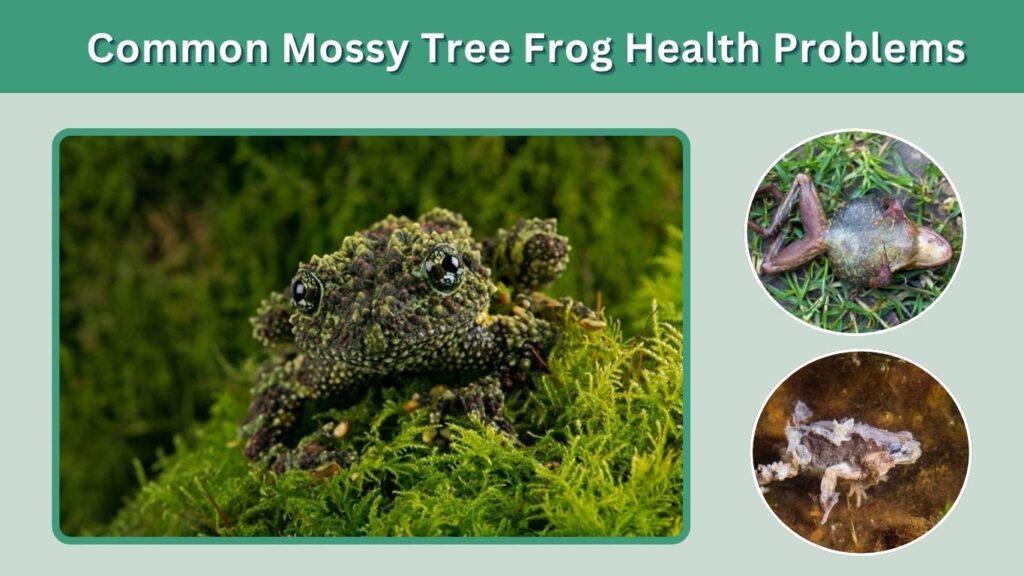
Mossy tree frogs can experience health problems when their environmental requirements are not met. Poor water quality, excessive temperatures, nutritional deficiencies, and unsuitable enclosure conditions are common concerns.
Changes in appetite, skin appearance, or activity may indicate an underlying problem.
Why Is My Mossy Tree Frog Not Eating?
A mossy tree frog may refuse food because of stress, inappropriate temperatures, illness, or unfamiliar surroundings.
Newly acquired frogs sometimes need time to adjust to their enclosure. However, prolonged food refusal or noticeable weight loss should be evaluated by an amphibian veterinarian.
FAQs
1. Are Mossy Tree Frogs Poisonous?
Mossy tree frogs are not generally considered poisonous to humans. However, their skin is delicate and may produce protective secretions. Avoid unnecessary handling, wash your hands after enclosure maintenance, and never touch frogs with hands contaminated by chemicals.
2. Are Mossy Tree Frogs Good Pets?
Mossy tree frogs can make fascinating pets for experienced amphibian keepers. However, their cool-temperature requirements, high humidity needs, and dependence on clean water make them relatively demanding. They are better suited to observation than frequent handling.
3. How Much Does a Mossy Tree Frog Cost?
Mossy tree frog prices vary depending on age, availability, breeder reputation, and geographic location. Captive-bred specimens are preferable to wild-caught animals. Before purchasing, consider the additional costs of enclosure equipment, food, water maintenance, and veterinary care.
4. Can Mossy Tree Frogs Live Together?
Mossy tree frogs can sometimes live together in appropriately sized enclosures. However, individuals should have sufficient hiding places, climbing areas, and food. Frogs of significantly different sizes should not be housed together because smaller individuals may be vulnerable.
5. Do Mossy Tree Frogs Need Water?
Yes, mossy tree frogs require regular access to clean water. They naturally inhabit moist environments near streams and water-filled rock cavities. Captive enclosures should include a suitable water area with safe access, maintained filtration where necessary, and regular water changes.
