
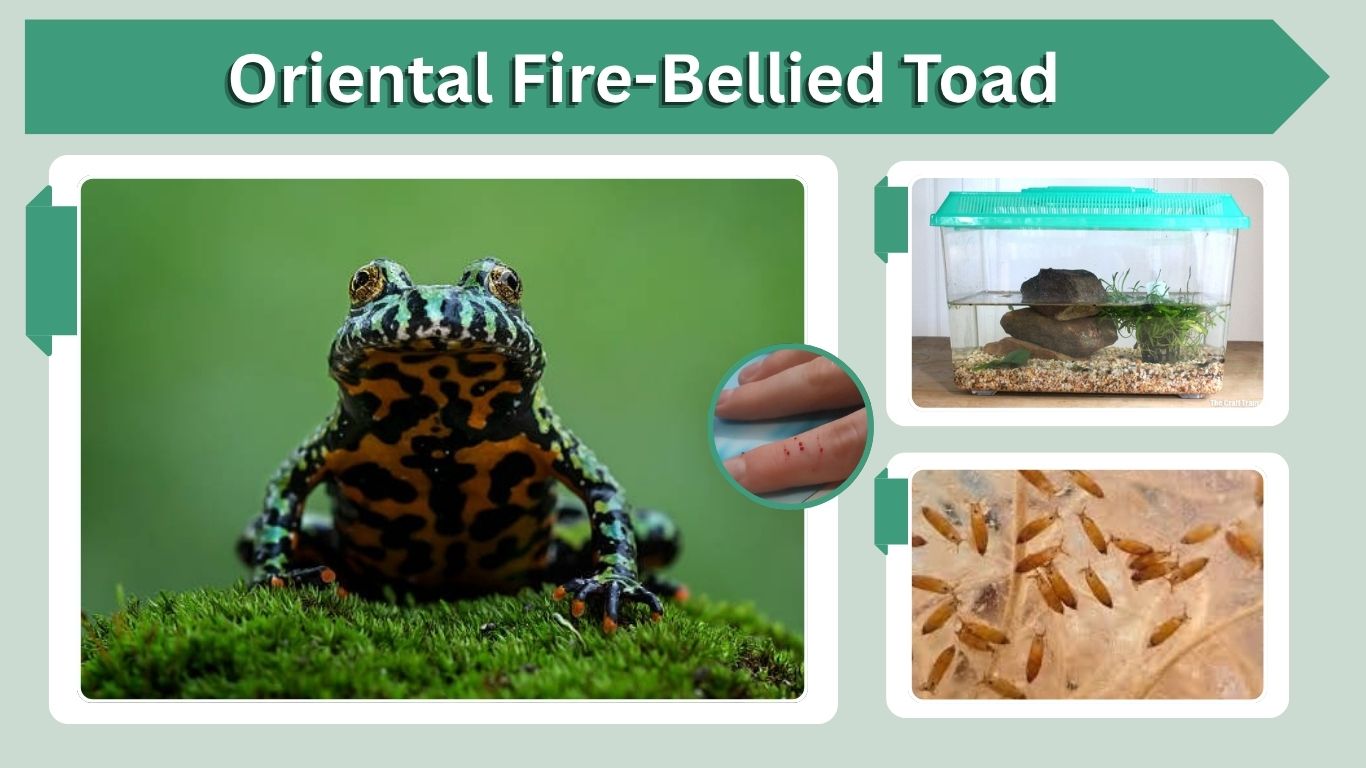
The Oriental fire-bellied toad is a small, colorful amphibian known for its bright belly, semi-aquatic lifestyle, and popularity in the pet trade. Many people search for this species because they want to know if it is poisonous, what it eats, how long it lives, and how to care for it properly. This guide explains Oriental fire-bellied toad facts, habitat, diet, setup, temperature, behavior, lifespan, and safety in simple beginner-friendly language.
What Is an Oriental Fire-Bellied Toad?
The Oriental fire-bellied toad is a small semi-aquatic amphibian from northeastern Asia. Its scientific name is Bombina orientalis. Although it is commonly called a toad, it has many frog-like habits and spends much of its time in or near water. Its bright underside is one of its most famous features and acts as a warning signal.
Scientific Name and Common Names
The scientific name of the Oriental fire-bellied toad is Bombina orientalis. It is also written as Oriental fire-bellied toad, Oriental fire bellied toad, Oriental fire belly toad, or fire-bellied toad. These names usually refer to the same colorful amphibian in pet care and wildlife articles.
Size and Appearance
Oriental fire-bellied toads are small, usually around 1.5 to 2.5 inches long. Their backs may be green, brown, grayish, or olive with dark markings. Their bellies are bright orange, red, or yellowish with black patterns. This bold belly color warns predators that the animal can release irritating skin secretions.
Quick Facts
- Scientific name: Bombina orientalis
- Common name: Oriental fire-bellied toad
- Adult size: About 1.5 to 2.5 inches
- Lifestyle: Semi-aquatic
- Diet: Small insects and invertebrates
- Activity: Often active during the day and evening
- Safety: Mildly toxic skin secretions
- Pet level: Beginner to intermediate with proper care
Oriental Fire-Bellied Toad Habitat
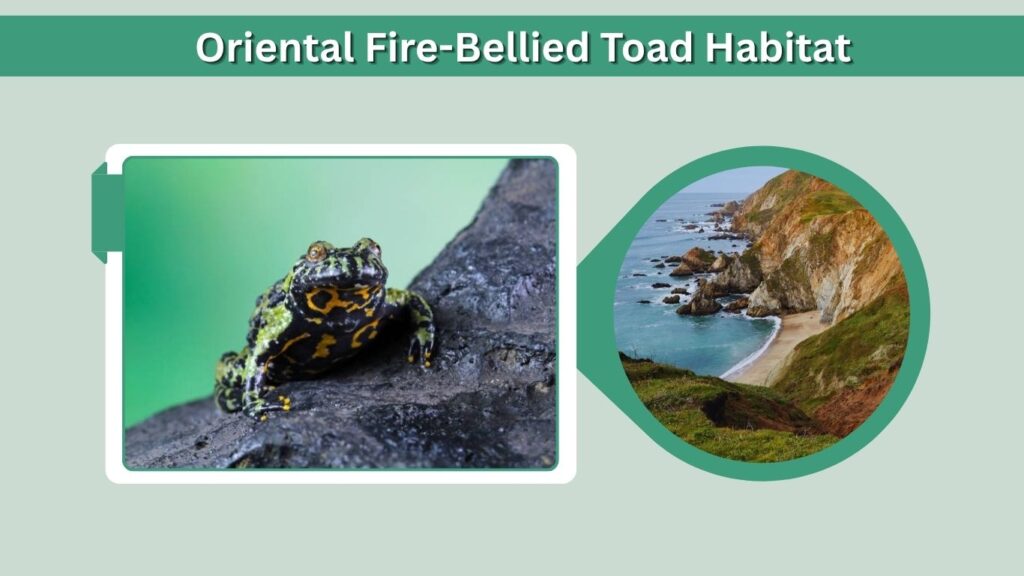
In the wild, Oriental fire-bellied toads live in wet places such as ponds, marshes, slow streams, ditches, forest pools, and damp meadows. They are strongly connected to water but also use land areas for resting and hiding. A good captive habitat should copy this natural mix of shallow water, land, plants, and cover.
Natural Range
Oriental fire-bellied toads are native to parts of northeastern Asia, including areas of Korea, northeastern China, and Russia. They are often found near still or slow-moving water. In nature, they may live around forest wetlands, river valleys, swampy areas, and open damp habitats where water is available for feeding and breeding.
Wild Habitat Conditions
This species prefers moist environments with access to both land and water. It may float in shallow water, rest on plants, hide near the edge of pools, or move across damp ground. Its natural habitat gives it places to hunt, escape predators, regulate moisture, and reproduce.
Oriental Fire-Bellied Toad Care Sheet
Oriental fire-bellied toads are often considered hardy amphibians, but they still need correct care. Their enclosure must stay clean, safe, and semi-aquatic. Poor water quality, overheating, rough decorations, or frequent handling can cause stress. A proper care routine should focus on clean water, suitable food, stable temperature, and low-stress housing.
Basic Care Requirements
- Use a semi-aquatic tank with both land and water.
- Provide clean, dechlorinated water at all times.
- Keep the enclosure secure with a tight-fitting lid.
- Offer hiding places, plants, and smooth decorations.
- Feed small live insects and suitable invertebrates.
- Remove uneaten food to protect water quality.
- Avoid frequent handling.
- Clean the enclosure regularly.
Terrarium Setup
A good Oriental fire-bellied toad setup should include a shallow water area and an easy-to-reach land area. The water should not be too deep, especially for smaller animals. Smooth rocks, cork bark, plants, and floating platforms can help create resting areas. Avoid sharp gravel or decorations that may damage the toad’s skin.
Temperature and Lighting
Oriental fire-bellied toads usually prefer cool to moderate temperatures. Many keepers do not need strong heat lamps unless the room is too cold. Overheating can be dangerous. A normal day-night light cycle is useful, and low-level lighting may help live plants, but the enclosure should never become hot or dry.
What Do Oriental Fire-Bellied Toads Eat?
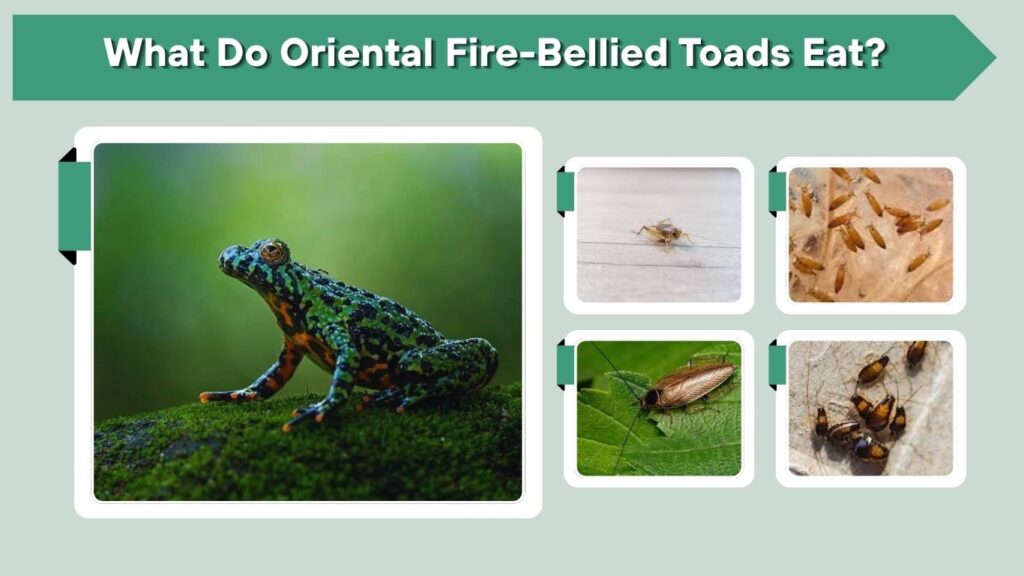
Oriental fire-bellied toads are carnivorous as adults. In the wild, they eat small invertebrates that live around damp habitats. In captivity, they need a varied diet of appropriately sized live feeders. Food should be small enough to swallow easily, and feeding should be balanced to avoid obesity, poor nutrition, and dirty water.
Diet in the Wild
Wild Oriental fire-bellied toads feed on small insects, worms, mollusks, and other tiny invertebrates. They hunt by moving toward prey rather than catching food with a long sticky tongue like some frogs. Their diet depends on what is available in their wetland or forest-edge habitat.
Feeding in Captivity
Good feeder options include:
- Small crickets
- Fruit flies for young toads
- Small roaches where legal and available
- Small worms
- Soft-bodied insect larvae
- Occasional suitable invertebrates from safe sources
Feeder insects should be the right size. A common rule is to avoid prey wider than the space between the toad’s eyes. Food variety is important because one feeder type alone may not provide complete nutrition.
Feeding Mistakes to Avoid
Do not feed insects collected from areas treated with pesticides. Avoid oversized prey, overfeeding, or leaving loose insects in the tank for too long. Uneaten insects may stress the toad or pollute the enclosure. Clean water is especially important because these amphibians spend so much time in water.
Are Oriental Fire-Bellied Toads Poisonous?
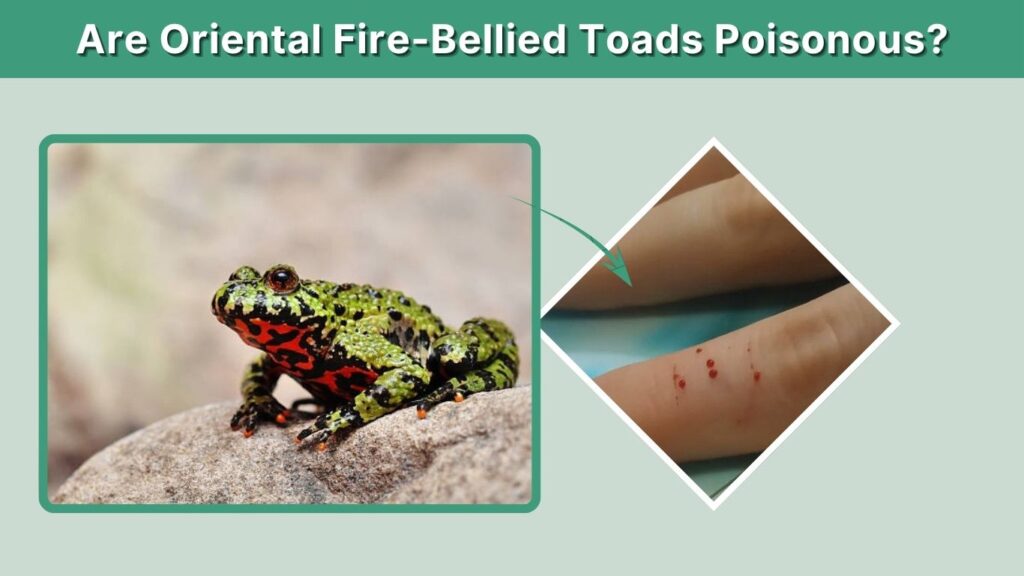
Oriental fire-bellied toads are mildly poisonous because they can release irritating skin secretions. Their bright belly works as warning coloration. They are not dangerous when simply observed, but they should be handled carefully and rarely. Their toxins are mainly a defense against predators, not something they use aggressively.
Are They Poisonous to Humans?
Their skin secretions may irritate the eyes, mouth, nose, or cuts. For most people, casual contact is not a major danger, but handling should still be limited. Always wash your hands before and after touching an amphibian. Never touch your face, eat, or rub your eyes after handling one.
Are They Safe Around Dogs, Cats, and Children?
Oriental fire-bellied toads should be kept away from dogs, cats, and small children. A pet that licks, bites, or eats one may develop mouth irritation, drooling, vomiting, or other symptoms. Keep the enclosure secure and contact a veterinarian if a pet mouths the toad.
Oriental Fire-Bellied Toad Behavior and Sounds
Oriental fire-bellied toads are active and interesting to watch. They may float in water, rest on land, climb over plants, hide under cover, or respond quickly to food. Their behavior changes with temperature, light, season, and enclosure quality. Healthy behavior usually includes alert movement, regular feeding, and normal use of both land and water.
Normal Behavior
These toads often spend time in shallow water with only their heads above the surface. They may also sit on floating plants, rocks, or land areas. Hiding is normal, especially after changes in the enclosure. A toad that is always weak, thin, floating strangely, or refusing food may need better care or veterinary attention.
Oriental Fire-Bellied Toad Call
Male Oriental fire-bellied toads may call during breeding periods. Their call is not as loud as many common frogs, but it can still be noticeable. Calling often happens when conditions feel suitable, such as after changes in temperature, moisture, or seasonal light patterns.
Defensive Behavior
When threatened, this toad may arch its body and show its bright underside. This warning display tells predators that it may taste bad or be irritating. This behavior is one reason the species is so well known. It is beautiful, but it also means the animal feels stressed or threatened.
Lifespan, Tadpoles, and Breeding
Oriental fire-bellied toads can live for many years with good care, so they should not be bought on impulse. Their breeding cycle starts in water, where eggs are laid and tadpoles develop. Young toads need careful housing because they are small, delicate, and more vulnerable than healthy adults.
Lifespan
With proper care, Oriental fire-bellied toads often live several years in captivity, and some may live over a decade. Lifespan depends on clean water, suitable temperature, balanced feeding, low stress, and good enclosure hygiene. A healthy long-term setup matters more than simply buying the animal.
Eggs and Tadpoles
Breeding happens in water. Females lay eggs, and tadpoles hatch and develop in aquatic conditions. Tadpoles eat differently from adults and gradually transform into small toads. Once they begin leaving the water, they need very shallow access, safe land areas, and tiny food.
Juvenile Care
Juvenile Oriental fire-bellied toads need small prey, shallow water, and a secure enclosure. They should not be housed with much larger animals that may outcompete them for food. Careful cleaning is important, but the setup should not be changed so often that it causes constant stress.
Oriental Fire-Bellied Toad Setup and Supplies
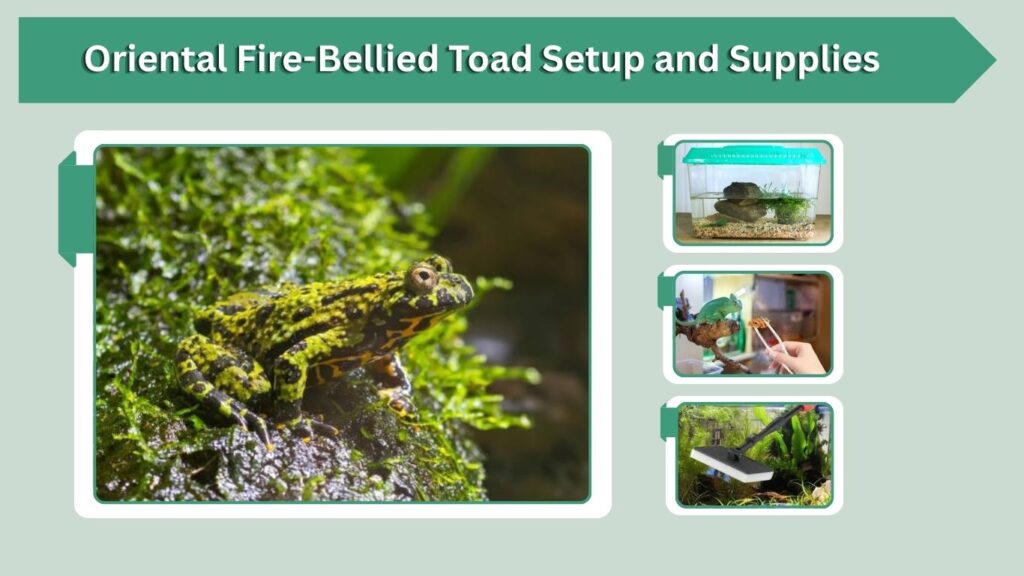
A proper setup is essential before buying an Oriental fire-bellied toad. The enclosure should be ready before the animal arrives. Because this species uses both land and water, supplies must support swimming, resting, hiding, feeding, and cleaning. The setup does not need to be complicated, but it must be safe and stable.
Basic Supply Checklist
- Glass tank or amphibian-safe terrarium
- Secure screen or fitted lid
- Dechlorinated water
- Shallow water section
- Easy land access
- Smooth hides and decorations
- Live or artificial plants
- Water conditioner
- Feeding tongs
- Cleaning tools
- Thermometer
- Suitable feeder insects
Care Summary Table
| Care Topic | Best Practice |
| Enclosure | Semi-aquatic tank with land and water |
| Water | Clean, shallow, and dechlorinated |
| Temperature | Cool to moderate; avoid overheating |
| Diet | Small live insects and invertebrates |
| Handling | Minimal; wash hands after contact |
| Safety | Mild skin toxins; keep away from pets |
| Lifespan | Long-term pet with proper care |
Buying Considerations
People searching for Oriental fire-bellied toads for sale should research before buying. The cost of the animal may be lower than the cost of the full setup. Food, water treatment, enclosure supplies, and possible veterinary care should all be considered. Choose healthy animals from responsible sources whenever possible.
FAQs
Are Oriental fire-bellied toads poisonous?
Yes. Oriental fire-bellied toads can release mild skin toxins that may irritate the eyes, mouth, or broken skin. They are not aggressive, but they should not be handled often. Wash your hands after contact and keep them away from pets and small children.
What do Oriental fire-bellied toads eat?
Adult Oriental fire-bellied toads eat small insects and invertebrates. In captivity, common foods include small crickets, fruit flies for young toads, small worms, and other safe feeder insects. Food should be appropriately sized and varied for better nutrition.
How long do Oriental fire-bellied toads live?
With good care, Oriental fire-bellied toads can live for many years in captivity. Some may live over a decade when kept in clean water, proper temperatures, and a low-stress enclosure. Their long lifespan means they should be treated as a serious pet commitment.
Do Oriental fire-bellied toads need a heat lamp?
Usually, they do not need a strong heat lamp. They prefer cool to moderate temperatures and can become stressed if overheated. A heat source may only be needed in a cold room, and it should be used carefully with a thermometer.
Are Oriental fire-bellied toads good pets?
They can be good pets for careful beginners or intermediate amphibian keepers. They are colorful, active, and interesting to watch. However, they still need clean water, live food, proper setup, and minimal handling, so they are not completely maintenance-free.
