
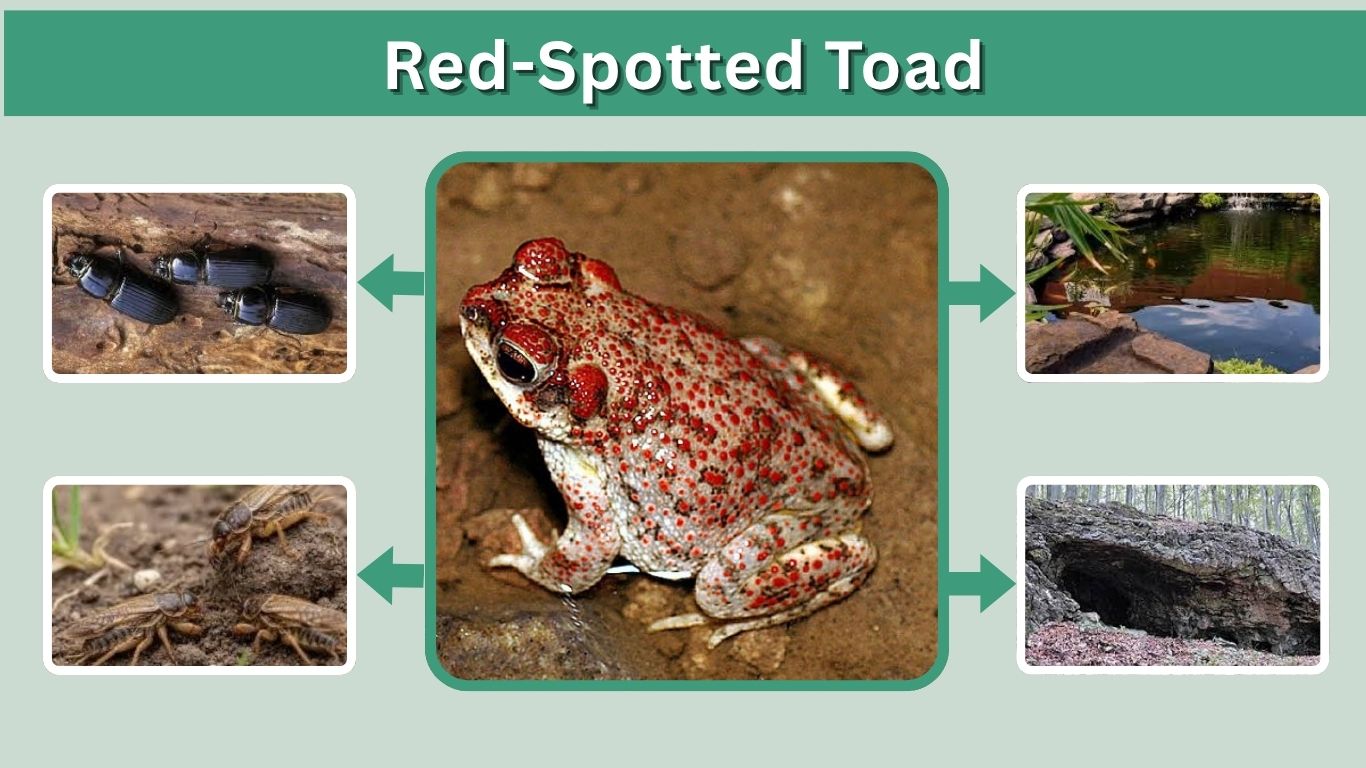
The red-spotted toad is a unique amphibian native to the deserts and rocky landscapes of the southwestern United States and northern Mexico. Known for its small size, distinctive red-orange skin spots, and ability to thrive in harsh environments, this species is one of the most recognizable desert toads. Its fascinating adaptations, feeding habits, and life cycle make it an interesting subject for wildlife enthusiasts. Learning about the red-spotted toad’s habitat, diet, range, and behavior helps us better appreciate this remarkable desert amphibian.
What Is a Red-Spotted Toad?
The red-spotted toad (Anaxyrus punctatus) is a small amphibian commonly found in arid and semi-arid regions. Unlike many toad species that depend heavily on moist environments, this species has evolved to survive in deserts, canyons, and rocky habitats. Its distinctive red or orange spots make identification relatively easy, and its ability to remain active in harsh conditions sets it apart from many other North American amphibians.
Scientific Classification
The red-spotted toad belongs to the Bufonidae family, commonly known as true toads. Its scientific name is Anaxyrus punctatus, although older scientific literature may refer to it as Bufo punctatus.
Physical Characteristics
Adult red-spotted toads are relatively small and have smooth skin compared to many other toad species. Their bodies are typically light gray, tan, or olive-colored, with numerous reddish or orange spots scattered across the skin.
Red-Spotted Toad Appearance
The appearance of the red-spotted toad helps it blend into rocky desert landscapes while remaining distinct from other amphibians. Its coloration and body structure provide both camouflage and protection from predators.
Size and Coloration
Most adult red-spotted toads measure between 1.5 and 3 inches in length. Females are often slightly larger than males, particularly during the breeding season.
Common appearance traits include:
- Gray or tan body coloration
- Bright red or orange skin spots
- Smooth skin texture
- Rounded body shape
- Prominent eyes
These features make the species one of the easiest desert toads to identify.
Male and Female Differences
Males are generally smaller and may develop darker throat coloration during breeding periods. Females tend to have larger bodies, which help support egg production.
Red-Spotted Toad Habitat
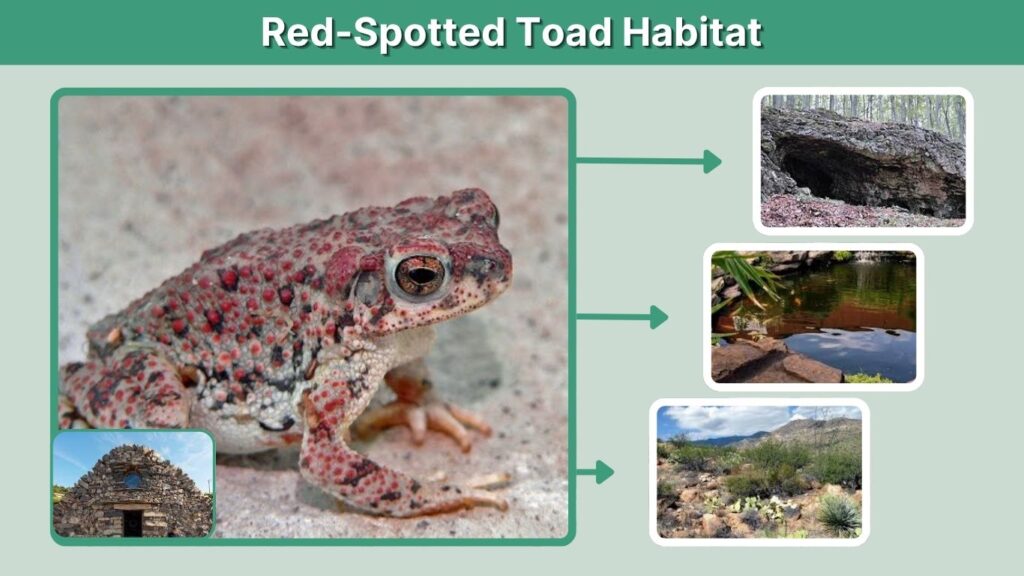
The red-spotted toad has adapted to environments that many amphibians would find difficult to inhabit. Its ability to tolerate dry conditions allows it to occupy habitats throughout desert regions where permanent water sources are limited.
Natural Habitat
Red-spotted toads commonly inhabit rocky canyons, desert washes, cliffs, stream banks, and arid grasslands. They are frequently found near seasonal water sources that become active after rainfall.
Habitat Requirements
Several environmental features are important for survival:
- Rocky shelter areas
- Seasonal pools of water
- Desert vegetation
- Moist crevices and cracks
- Insect-rich environments
These habitat characteristics provide opportunities for feeding, breeding, and protection from extreme temperatures.
Red-Spotted Toad Range
The red-spotted toad occupies a broad geographic range across the southwestern United States and northern Mexico. Its distribution reflects its strong adaptation to desert and semi-desert ecosystems.
Geographic Distribution
The species occurs throughout numerous states and regions where suitable habitat exists. Population density often depends on water availability and local environmental conditions.
Areas where red-spotted toads are commonly found include:
- Arizona
- New Mexico
- Texas
- Utah
- Southern California
- Northern Mexico
Within these regions, they are most frequently associated with rocky desert landscapes and seasonal waterways.
Desert Distribution
Unlike many amphibians, red-spotted toads are highly successful in desert ecosystems. Their ability to exploit temporary water sources allows them to persist in areas where rainfall may be infrequent.
Red-Spotted Toad Adaptations
The red-spotted toad possesses several specialized adaptations that allow it to survive in challenging desert environments. These traits help it locate food, conserve moisture, and avoid predators.
Desert Survival Strategies
One of the species’ most important adaptations is its ability to remain active in environments with limited water. Behavioral changes help reduce exposure to heat and dehydration during the hottest parts of the day.
Water Conservation
Red-spotted toads often seek shelter beneath rocks, inside crevices, or underground during dry conditions. These behaviors reduce moisture loss and provide protection from extreme temperatures.
Camouflage and Defense
Their natural coloration blends with rocky landscapes and desert soils. This camouflage helps them avoid predators while remaining concealed during resting periods.
Red-Spotted Toad Diet
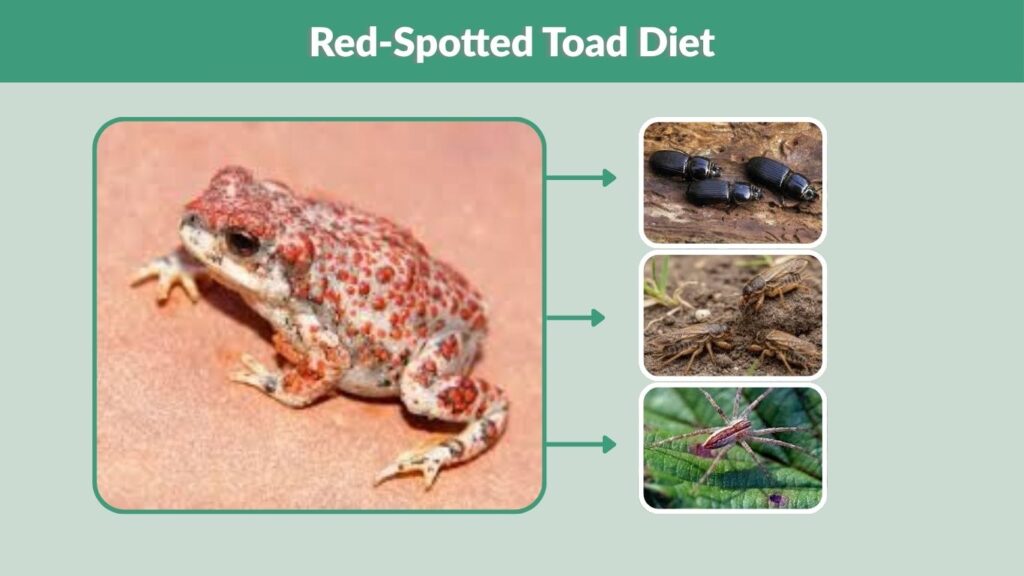
Red-spotted toads are carnivorous amphibians that feed primarily on small invertebrates. Their diet plays an important role in controlling insect populations throughout their habitat.
What Do Red-Spotted Toads Eat?
Most feeding occurs during the evening and nighttime hours when prey becomes active. The toad captures insects using its quick reflexes and sticky tongue.
Common prey items include:
- Ants
- Beetles
- Crickets
- Spiders
- Flies
- Small insects
A varied diet provides the nutrients needed for growth, reproduction, and overall health.
Red-Spotted Toad Lifespan
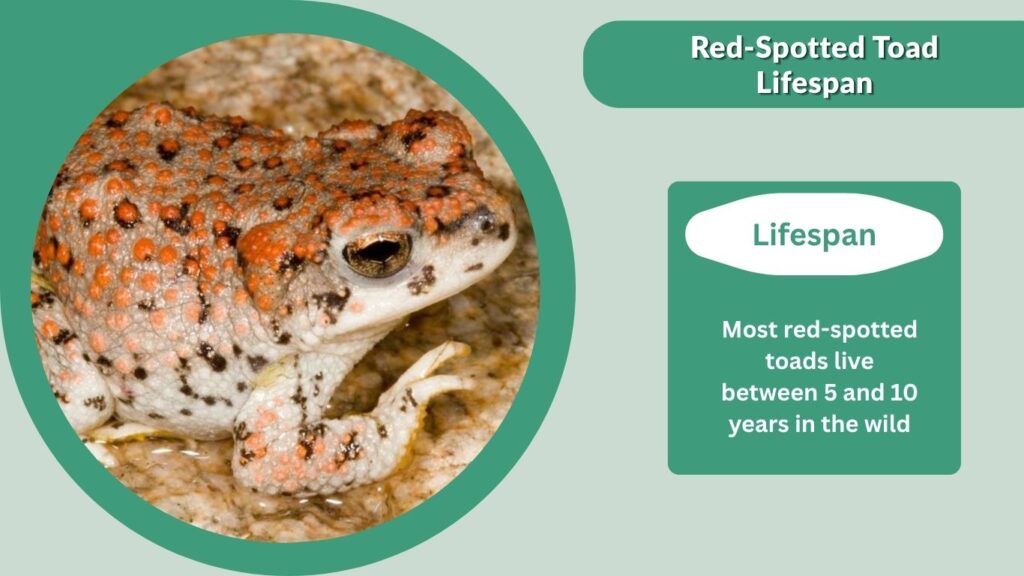
The lifespan of the red-spotted toad depends on environmental conditions, food availability, predation pressure, and habitat quality. Although many amphibians face significant challenges during their early life stages, individuals that reach adulthood can survive for several years. Their ability to adapt to harsh desert environments contributes to their success across a broad geographic range.
How Long Do Red-Spotted Toads Live?
Most red-spotted toads live between 5 and 10 years in the wild. Some individuals may survive longer when environmental conditions are favorable and threats are limited.
Factors Affecting Lifespan
Several factors influence longevity:
- Food availability
- Habitat quality
- Disease exposure
- Predator pressure
- Water availability
Healthy ecosystems provide the resources necessary for long-term survival and successful reproduction.
Red-Spotted Toad Life Cycle
The life cycle of the red-spotted toad begins in temporary pools and seasonal waterways following rainfall. Like most amphibians, it undergoes a complete metamorphosis from aquatic larva to terrestrial adult. Because breeding opportunities may be limited in desert environments, rapid development is essential for survival.
Breeding Season
Breeding usually occurs after heavy rains when temporary pools form in desert washes and rocky canyons. Males gather near water sources and call to attract females.
Eggs and Tadpoles
The red-spotted toad progresses through several life stages:
- Egg stage
- Tadpole stage
- Metamorphosis
- Juvenile toad
- Adult toad
Tadpoles develop quickly to take advantage of temporary water sources before they dry out.
Red-Spotted Toad Call and Sound
The red-spotted toad produces distinctive vocalizations that play an important role during the breeding season. Calls are most common after rainfall when environmental conditions are suitable for reproduction.
What Does a Red-Spotted Toad Sound Like?
The breeding call is often described as a high-pitched musical trill that differs from the deeper calls produced by many larger toad species. These sounds may continue for extended periods during active breeding events.
Purpose of Vocalizations
Male red-spotted toads use calls to:
- Attract females
- Establish breeding territories
- Communicate with nearby males
- Increase mating success
Calling activity usually peaks during warm evenings following seasonal rains.
Are Red-Spotted Toads Poisonous?
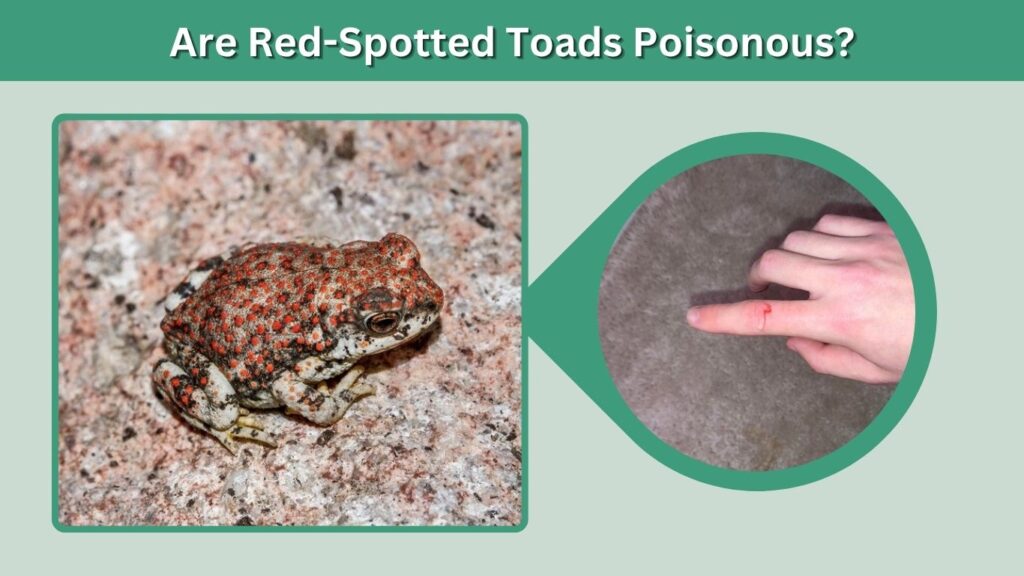
Like many true toads, red-spotted toads possess skin glands that produce defensive toxins. These secretions help protect the animal from predators and reduce the likelihood of being eaten. While the toxins are generally mild compared to some other toad species, caution should still be exercised when handling them.
Are Red-Spotted Toads Poisonous to Humans?
For humans, the toxins are generally not dangerous when basic hygiene practices are followed. However, touching the eyes or mouth after handling a toad can cause irritation. Washing hands thoroughly after contact is recommended.
Are Red-Spotted Toads Poisonous to Dogs?
Dogs can be more sensitive to toad toxins. If a dog licks or bites a red-spotted toad, symptoms such as excessive drooling or mouth irritation may occur. Veterinary advice should be sought if symptoms appear severe.
Red-Spotted Toad Predators
Despite their camouflage and defensive toxins, red-spotted toads face numerous predators throughout their lives. Eggs, tadpoles, juveniles, and adults all encounter different threats in the wild.
Natural Predators
Common predators include:
- Snakes
- Birds
- Lizards
- Mammals
- Larger amphibians
Young toads are particularly vulnerable because of their small size and limited defenses.
Defense Mechanisms
Red-spotted toads rely on camouflage, toxin production, and hiding behavior to reduce predation risk. Remaining motionless among rocks and desert vegetation often helps them avoid detection.
Red-Spotted Toad Care Guide
Although red-spotted toads are occasionally kept by amphibian enthusiasts, they require specialized care and environmental conditions. Potential owners should always check local wildlife regulations before obtaining native amphibians.
Can Red-Spotted Toads Be Kept as Pets?
These toads can adapt to captivity when provided with suitable housing and proper nutrition. However, they are best suited for experienced keepers who understand amphibian care requirements.
Basic Care Requirements
A suitable enclosure should provide:
- Secure hiding places
- Proper ventilation
- Shallow water access
- Naturalistic substrate
- Appropriate temperature levels
Maintaining a clean environment and offering a varied insect diet are essential for long-term health.
Conservation Status
The red-spotted toad remains relatively widespread throughout much of its range. However, habitat degradation, water shortages, pollution, and climate-related changes can affect local populations. Conservation efforts focus on protecting desert ecosystems and maintaining healthy breeding habitats.
Conservation Challenges
Key conservation concerns include:
- Habitat loss
- Water scarcity
- Pollution
- Urban development
- Climate change
Protecting natural habitats helps ensure the long-term survival of this unique desert amphibian.
FAQs
Can Red-Spotted Toads Be Kept as Pets?
Red-spotted toads can be kept in captivity where local laws permit, but they require specialized care and a habitat that closely mimics their natural desert environment. They are generally better suited for experienced amphibian keepers than beginners.
How Big Do Red-Spotted Toads Get?
Adult red-spotted toads typically reach between 1.5 and 3 inches in length. Females are often slightly larger than males, especially during the breeding season when they carry eggs.
What Adaptations Help Red-Spotted Toads Survive in the Desert?
Red-spotted toads have several desert adaptations, including nocturnal activity, water conservation behaviors, camouflage coloration, and the ability to shelter beneath rocks and in crevices during hot, dry conditions.
What Is the Habitat of the Red-Spotted Toad?
The red-spotted toad inhabits rocky deserts, canyons, stream banks, desert washes, and semi-arid grasslands. It is often associated with temporary pools and seasonal water sources used for breeding.
What Predators Hunt Red-Spotted Toads?
Red-spotted toads are preyed upon by a variety of animals, including snakes, birds, lizards, mammals, and larger amphibians. Their camouflage and toxic skin secretions help reduce the risk of predation in the wild.
