
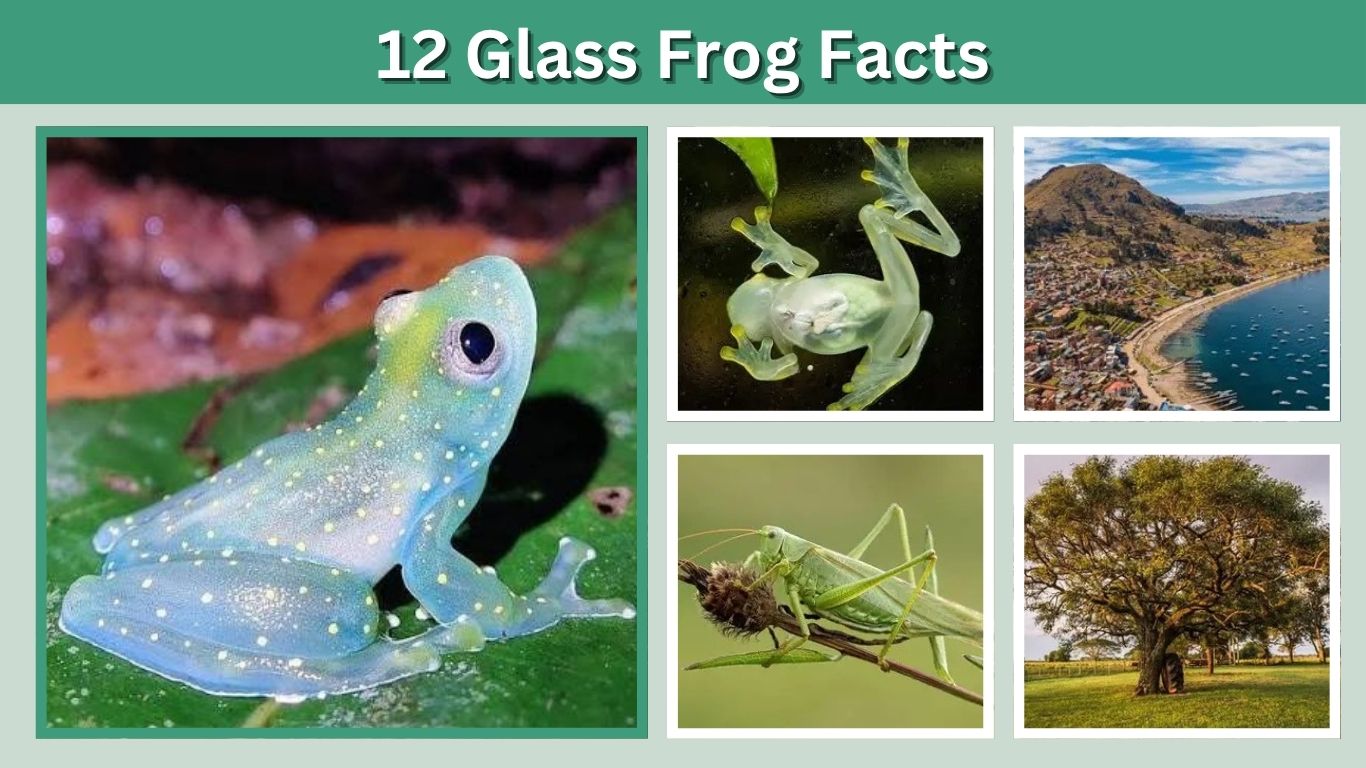
Glass frogs are among the most unusual amphibians in the world. These tiny rainforest frogs are famous for their translucent undersides, which may reveal their hearts, intestines, bones, and other internal organs. However, their transparent appearance is only one of many fascinating adaptations. Glass frogs also lay eggs above streams, use camouflage to avoid predators, and sometimes fiercely protect their offspring. Here are 12 incredible glass frog facts that reveal how these delicate-looking animals survive in the wild.
Quick Facts About Glass Frogs
| Feature | Description |
| Scientific family | Centrolenidae |
| Animal group | Amphibian |
| Common color | Green or yellowish-green |
| Habitat | Humid tropical forests near streams |
| Distribution | Central and South America |
| Diet | Small insects and other invertebrates |
| Activity | Primarily nocturnal |
| Reproduction | Eggs are commonly laid on leaves above water |
1. Glass Frogs Have Translucent Bellies
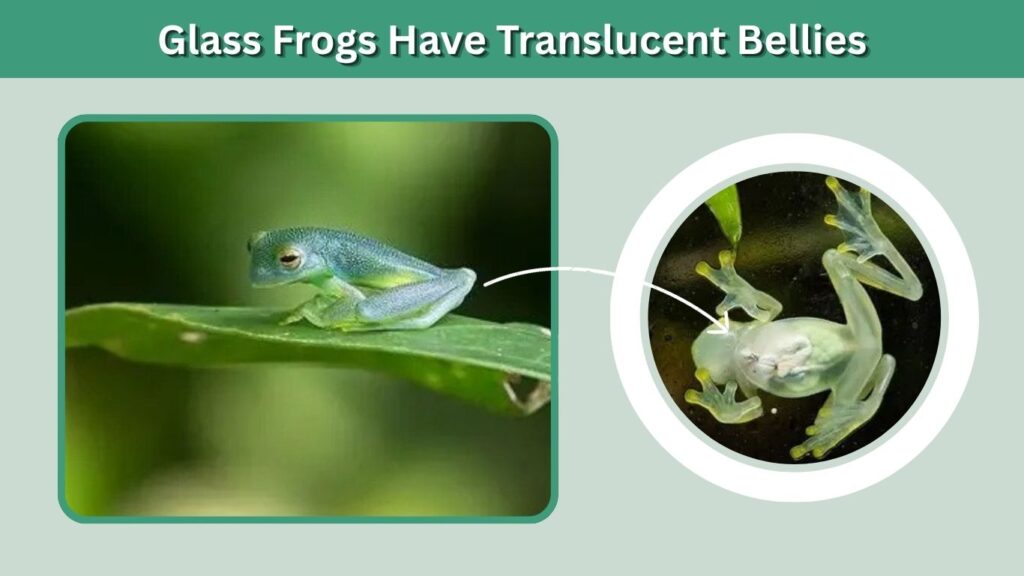
The most famous characteristic of a glass frog is its translucent underside. In some species, the skin covering the belly is so clear that the frog’s heart, liver, intestines, bones, and blood vessels may be visible.
Not every glass frog is equally transparent. Some have a nearly clear abdomen, while others have white tissue covering certain organs. Their backs are generally green, helping them blend into rainforest leaves.
Although people often describe glass frogs as completely transparent, they are more accurately considered translucent. Light can pass through parts of their bodies, but they are not as clear as a pane of glass.
2. They Can Hide Their Red Blood Cells
One of the most remarkable glass frog facts involves what happens while certain species sleep. Research on Fleischmann’s glass frogs found that resting individuals can move approximately 89 percent of their red blood cells out of circulation and pack them inside the liver.
Because red blood cells normally absorb light and make the circulatory system visible, hiding them allows the frog to become two to three times more transparent while resting. When the frog becomes active again, the blood cells return to circulation.
Scientists are especially interested in how the frogs concentrate their blood cells without developing harmful clots.
3. Glass Frogs Are Native to the Americas
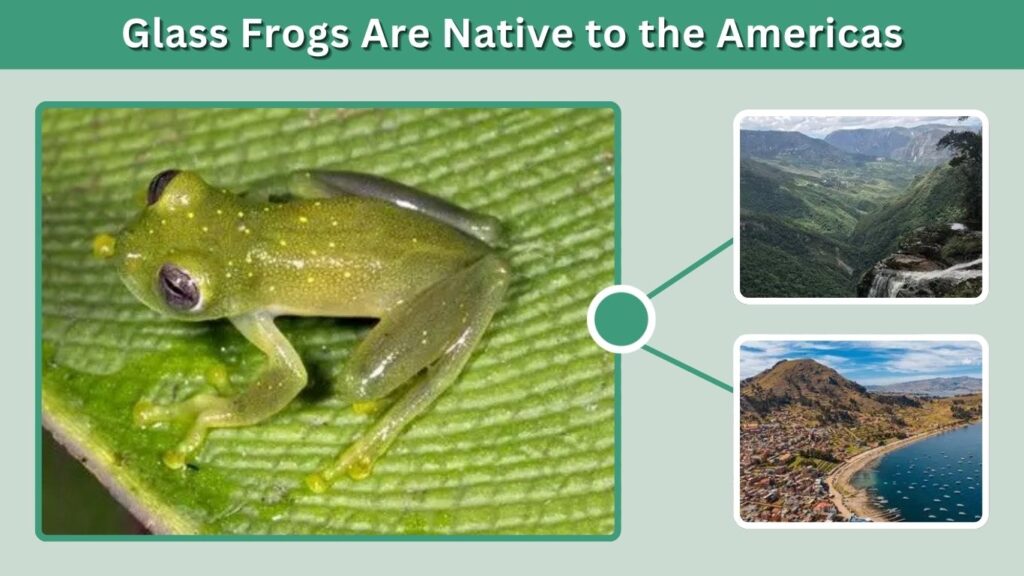
Glass frogs are naturally found in tropical areas of Central and South America. Their range extends through countries such as:
- Mexico
- Costa Rica
- Panama
- Colombia
- Ecuador
- Peru
- Bolivia
- Brazil
Many species live in humid forests along mountain slopes, although others inhabit lower-elevation rainforests. They are strongly associated with clean, flowing streams because their tadpoles depend on aquatic habitats.
Some glass frog species have extremely limited ranges and may occur in only one small forest region.
4. Most Glass Frogs Are Very Small
Despite their extraordinary appearance, glass frogs are generally tiny animals. Many species measure approximately 1 to 3 inches long, although their exact size varies.
Their small bodies allow them to rest on leaves, narrow branches, and vegetation hanging above forest streams. Long limbs and expanded toe pads help them move through dense plants.
Females are often slightly larger than males because they must carry developing eggs. However, size differences depend on the species.
Their lightweight bodies also make it easier for them to climb vegetation without bending delicate leaves.
5. Transparency Helps Them Avoid Predators
A glass frog’s see-through appearance is an important form of camouflage. Instead of making the frog completely invisible, translucent tissues soften the contrast between its body and the leaf beneath it.
Light passing through the frog helps its body match the brightness and color of the surrounding vegetation. Its legs may appear especially transparent, making the outline of its body difficult for predators to recognize.
This camouflage technique is sometimes called edge diffusion. By reducing the sharp outline of the frog’s shape, transparency makes it harder for birds, snakes, and other predators to detect it.
6. They Usually Live Near Forest Streams
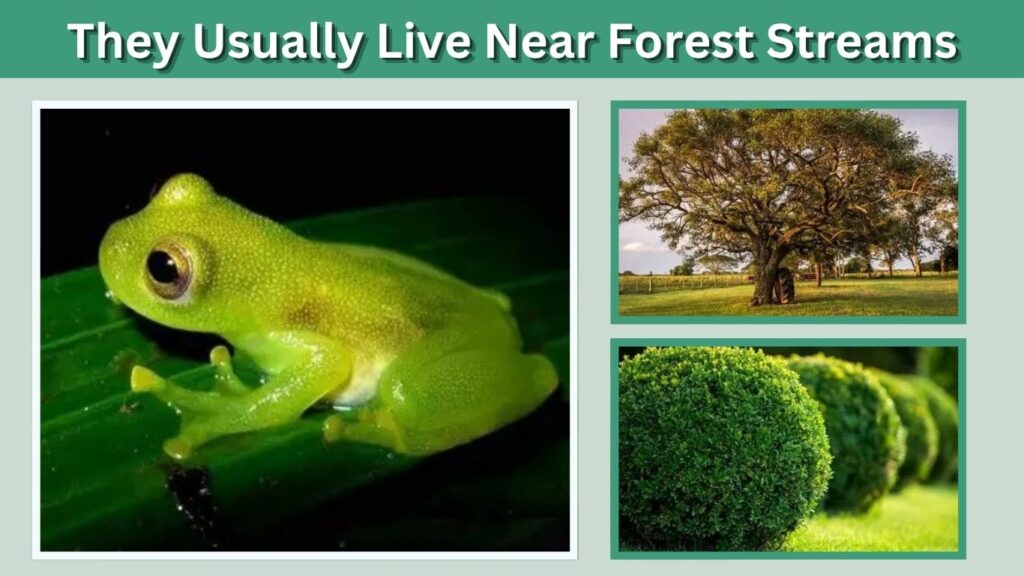
Glass frogs depend on moist environments. Most species live in trees, shrubs, and plants beside fast-flowing streams in humid forests.
During the day, they may rest underneath leaves, where they are protected from direct sunlight and dehydration. At night, they become active and move through vegetation to hunt or search for mates.
Streams are especially important during reproduction. Adult frogs lay their eggs on vegetation above the water, while the newly hatched tadpoles fall into the stream and continue developing there.
Polluted, dry, or altered streams may therefore make otherwise suitable forest habitat unusable.
7. Glass Frogs Are Mostly Nocturnal
Glass frogs generally spend daylight hours resting quietly beneath leaves. Their green coloring and translucent bodies help them remain concealed while they sleep.
After sunset, they become more active. Males move to calling locations near streams and produce distinctive sounds to attract females. Their calls may sound like whistles, clicks, chirps, or short metallic notes.
Different species have different calls, allowing females to recognize males of their own species. Researchers can also use these vocalizations to help identify glass frogs that look physically similar.
Nighttime activity helps the frogs avoid daytime heat and reduces moisture loss through their sensitive skin.
8. They Eat Small Invertebrates
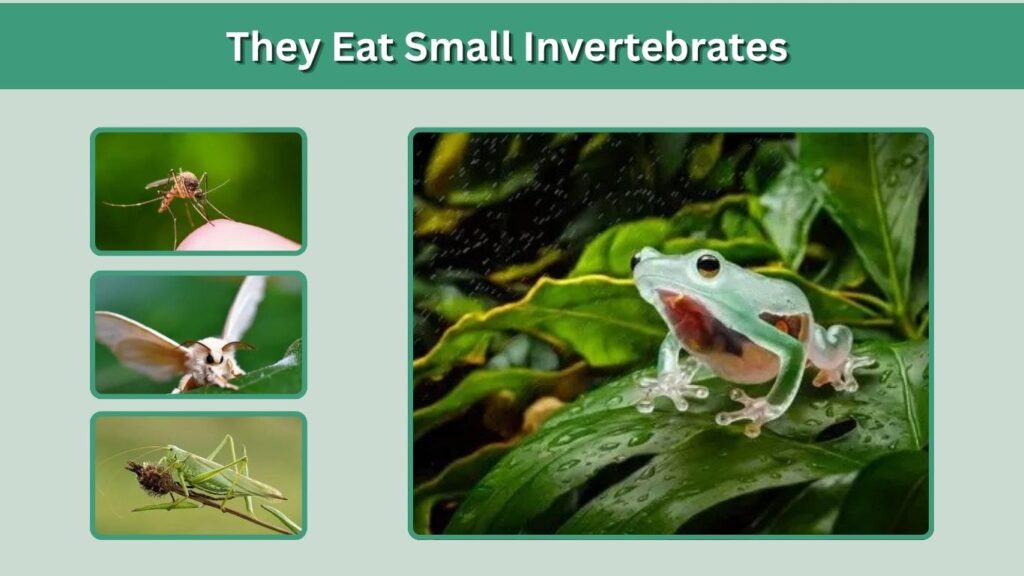
Adult glass frogs are carnivores that feed mainly on small animals. Their diet commonly includes:
- Flies
- Mosquitoes
- Moths
- Crickets
- Small beetles
- Spiders
- Other tiny invertebrates
They are generally sit-and-wait hunters. A frog may remain motionless on a leaf until prey comes within reach, then quickly extend its sticky tongue or leap forward to capture it.
By eating insects, glass frogs help regulate invertebrate populations within rainforest ecosystems. In turn, the frogs become food for snakes, birds, mammals, large spiders, and other predators.
9. Their Eggs Are Laid Above Water
Unlike frogs that deposit their eggs directly in ponds, many glass frogs attach their eggs to leaves, branches, or rocks hanging above flowing streams.
The eggs are surrounded by a clear, jelly-like material that keeps them together and protects the developing embryos. When the tadpoles are ready, they break free from the egg mass and drop into the water below.
This strategy helps protect the eggs from aquatic predators. However, it exposes them to different threats, including dehydration, fungal infection, snakes, crickets, and predatory wasps.
10. Some Parents Guard Their Eggs
Parental care is one of the most interesting glass frog behaviors. Depending on the species, the male, female, or both parents may remain near the eggs.
Females of some species sit on newly laid eggs for several hours. Moisture absorbed through the female’s belly helps hydrate the clutch and improves the embryos’ chances of survival.
Males may guard eggs for much longer. They protect the clutch from predators, keep it moist, remove damaged eggs, and defend the territory against rival frogs.
Some male glass frogs have even been observed kicking or fighting wasps that attempt to attack their eggs.
11. Glass Frog Tadpoles Live in Streams
After hatching, glass frog tadpoles fall from the vegetation into the stream below. Their strong tails and flattened bodies help them survive in moving water.
Many tadpoles hide among rocks, leaves, sediment, or plant material on the stream bottom. Some have elongated bodies that allow them to squeeze into narrow spaces where predators cannot easily reach them.
The tadpoles generally feed on algae, organic material, and tiny particles found in the water. After completing metamorphosis, they leave the stream as small froglets and begin living among nearby plants.
12. Many Glass Frogs Face Serious Threats
Glass frogs may be difficult to see, but they cannot hide from environmental change. Habitat destruction, forest fragmentation, water pollution, climate change, disease, invasive species, and wildlife trade threaten different species.
Because glass frogs have permeable skin and often depend on clean streams, they are especially sensitive to changes in water quality and humidity. The fungal disease chytridiomycosis is another significant concern for amphibians.
Protecting forests and waterways is essential for their survival. Responsible wildlife-trade regulations and continued scientific monitoring can also help prevent vulnerable populations from disappearing.
FAQs
Are glass frogs completely transparent?
No. Glass frogs are usually translucent rather than completely transparent. Their undersides may reveal internal organs, but their backs are generally green. The degree of transparency varies between species, and some organs may be covered by reflective white tissue.
Can you see a glass frog’s heart?
In some highly translucent glass frog species, the beating heart may be visible through the skin of the abdomen. Other organs, including the liver and intestines, may also be seen, although their visibility depends on the species.
Are glass frogs poisonous?
Glass frogs are not generally considered poisonous or dangerous to humans. Their main defenses are camouflage, nighttime activity, and hiding beneath leaves. They should still be handled as little as possible because amphibians have sensitive skin that can absorb harmful substances.
How long do glass frogs live?
The exact lifespan varies by species and is poorly documented for many wild populations. Glass frogs may live for several years under favorable conditions. Survival depends on habitat quality, food availability, disease, weather, and the presence of predators.
Can glass frogs be kept as pets?
Glass frogs are sometimes kept by experienced amphibian keepers, but they require carefully controlled humidity, temperature, ventilation, vegetation, and water quality. Wild-caught frogs should be avoided because collection may harm natural populations and contribute to disease transmission.
