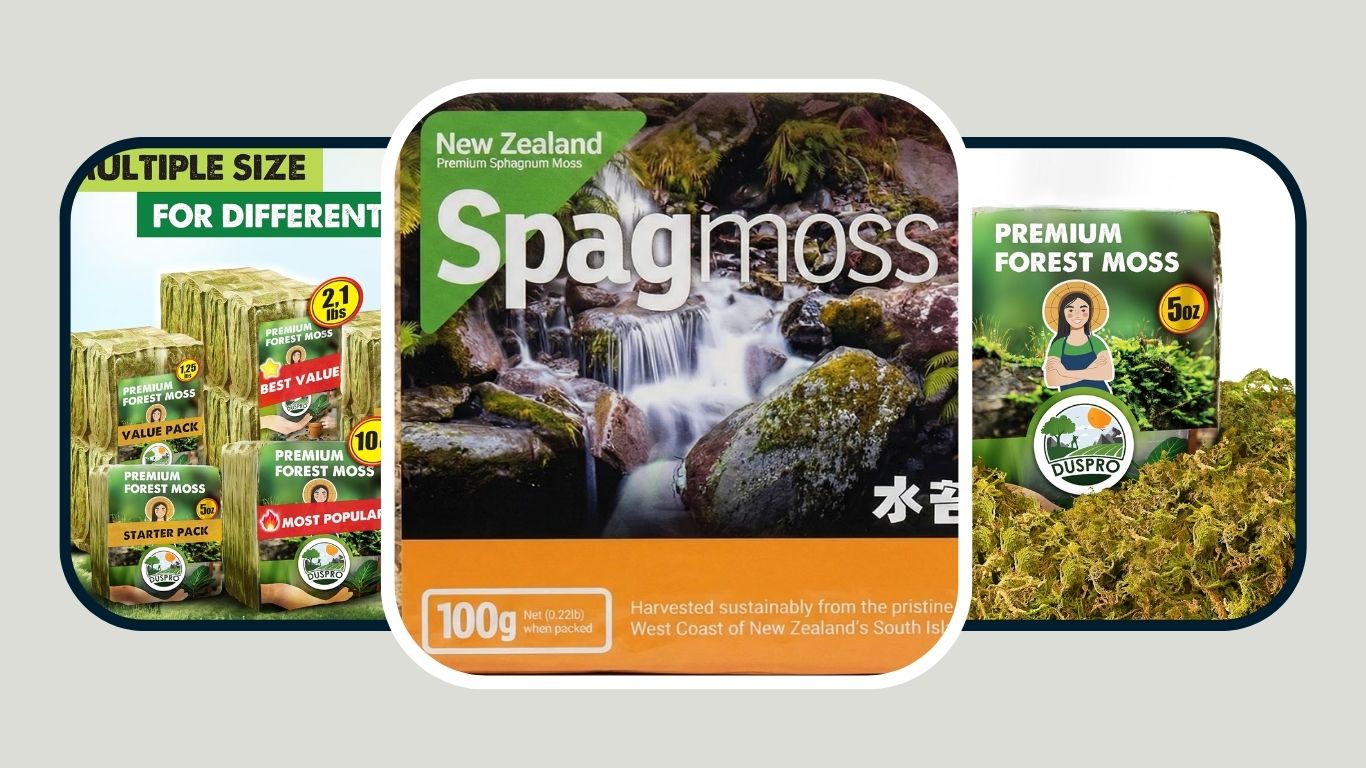
Choosing the best reptile moss can help create a more natural, comfortable, and moisture-friendly enclosure for reptiles and amphibians. Quality moss is useful for retaining humidity, lining hides, supporting shedding, and improving the overall appearance of a terrarium. Sphagnum moss, forest moss, and pillow moss are among the most popular options for different habitat styles. In this guide, we review nine of the best reptile moss products for terrariums, humid hides, nesting areas, and naturalistic setups.
1. Legigo Sphagnum Moss for Reptile Terrariums
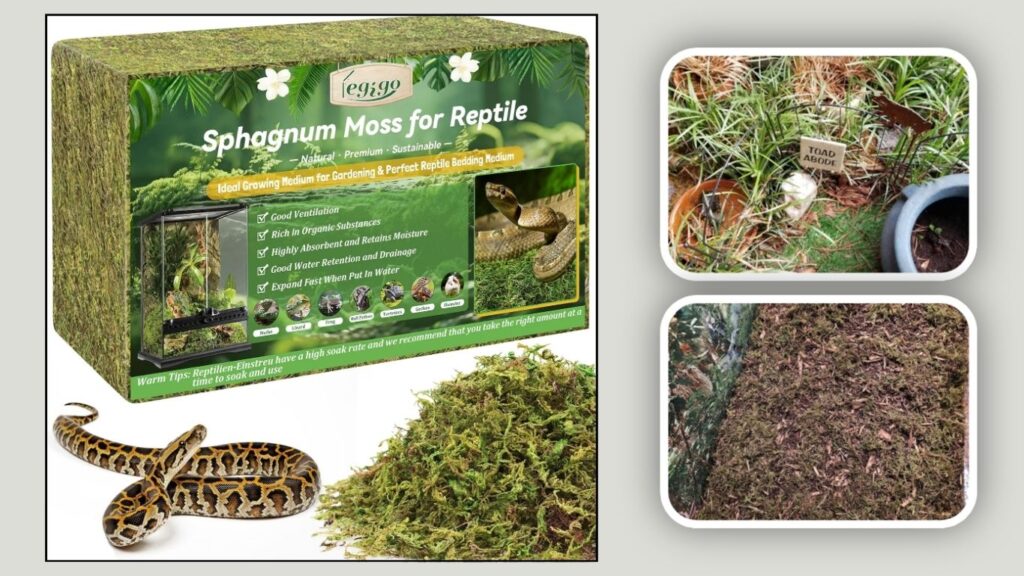
Legigo Sphagnum Moss is a practical choice for reptile and amphibian keepers who need a natural material for improving humidity and creating soft resting areas. Its moisture-holding ability makes it especially useful inside humid hides, around enclosure plants, or as part of a layered substrate. The natural appearance also helps transform a basic terrarium into a more realistic habitat.
Key Features
- Natural sphagnum moss material
- Strong moisture-retention ability
- Suitable for reptile and amphibian terrariums
- Useful for humid hides
- Soft texture for enclosure flooring
- Can be combined with other substrates
- Helps create a natural forest-style appearance
Why It Is Best for Humid Hides
Sphagnum moss is particularly useful when reptiles need access to a localized humid area. Instead of increasing moisture throughout the entire enclosure, keepers can place damp moss inside a hide and create a comfortable microclimate.
This makes Legigo moss useful for species that benefit from additional humidity during shedding or resting periods.
Moisture Performance and Maintenance
After being lightly soaked and squeezed to remove excess water, the moss can retain moisture for an extended period. This helps reduce how often a humid hide needs to be refreshed.
Regular inspection is still important. Moss that becomes dirty, develops an odor, or remains excessively wet should be replaced. Proper enclosure ventilation also helps prevent stagnant conditions.
Best for Naturalistic Reptile Enclosures
Legigo Sphagnum Moss works particularly well for keepers who want both humidity support and a more natural-looking habitat. It can be placed around hides, plants, cork bark, or selected floor areas.
Its combination of softness, moisture retention, and flexible placement makes it a useful addition to tropical, semi-humid, and naturalistic reptile terrariums.
2. Exo Terra Forest Moss – 2 Pack
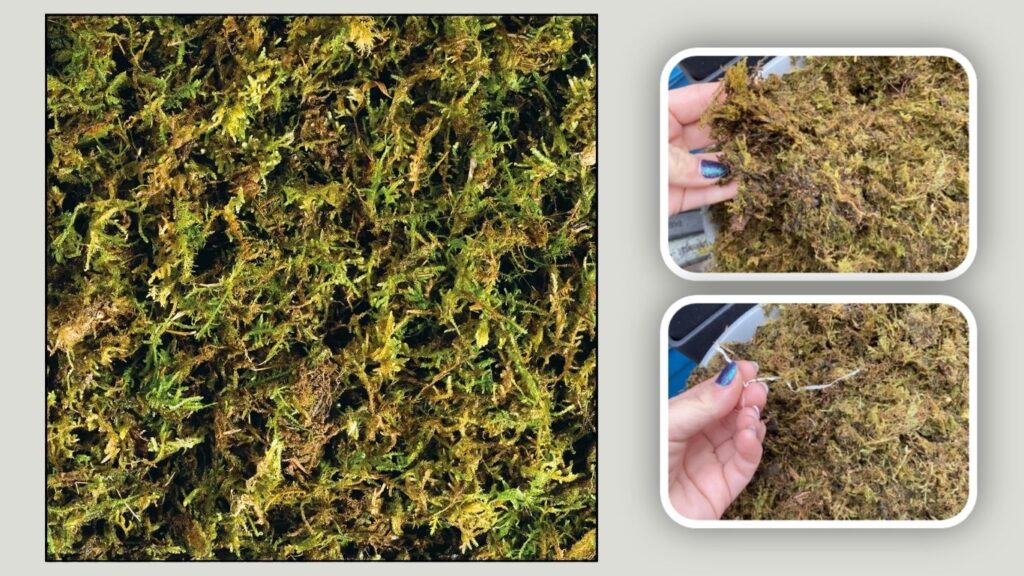
Exo Terra Forest Moss is designed to create a soft, moisture-retaining surface inside tropical and woodland-style terrariums. Its natural texture makes it useful for reptiles and amphibians that prefer humid environments. The moss can be placed over substrate, inside hides, or around decorative areas to improve both moisture retention and enclosure appearance.
Key Features
- Natural forest-style moss
- Helps maintain enclosure humidity
- Soft and lightweight texture
- Suitable for tropical terrariums
- Useful inside humid hides
- Can cover or supplement primary substrate
- Natural appearance complements plants and wood
Why It Is Best for Tropical Terrariums
Tropical reptile habitats often require consistent humidity without making the entire enclosure waterlogged. Forest moss provides a simple way to hold additional moisture close to the enclosure surface.
It can be concentrated around plants, sheltered corners, or hides where extra humidity is useful. This allows keepers to create moisture gradients rather than maintaining identical conditions everywhere.
Performance and Everyday Use
The moss absorbs water readily and can remain damp between misting sessions. When used correctly, it helps create a softer forest-floor texture while also adding visual depth to the enclosure.
Routine maintenance involves removing contaminated portions and refreshing the moss when it begins to dry excessively or become soiled.
Avoid keeping it continuously saturated, particularly in terrariums with limited airflow.
Best for Forest-Style Habitat Design
Exo Terra Forest Moss is especially attractive for keepers building woodland or tropical displays. It blends naturally with bark, rocks, vines, and terrarium plants.
For reptiles or amphibians that benefit from humid microclimates, it provides a practical balance of moisture control and decorative appeal. The multi-pack format can also be useful for larger setups or multiple enclosures.
3. Riare Natural Moss for Reptiles & Terrariums
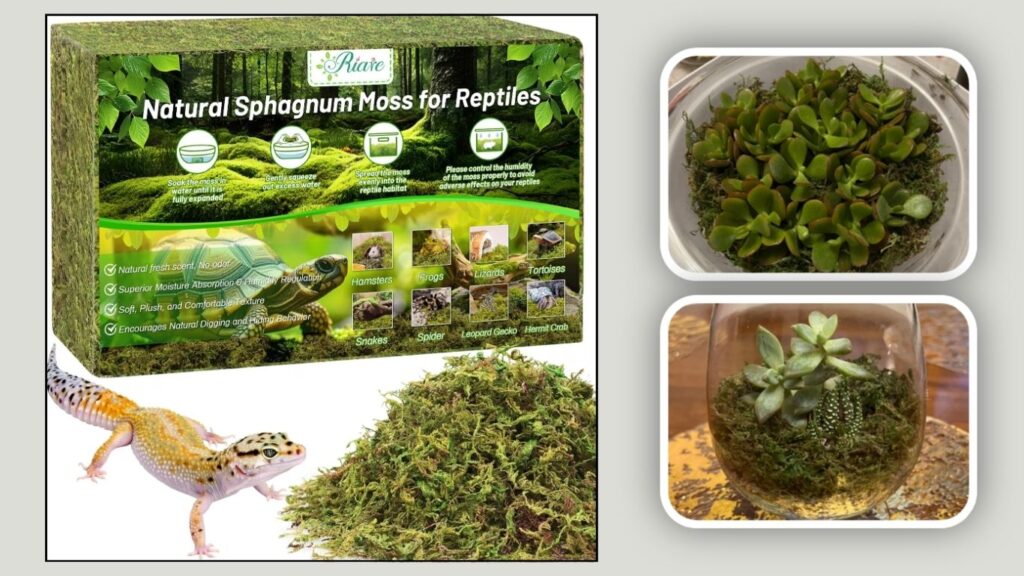
Riare Natural Moss provides a soft bedding and nesting material that can be incorporated into reptile terrariums in several different ways. Its natural texture works well around hides, beneath decorative elements, or on top of other substrates. For humidity-loving species, lightly moistened moss can also help create more comfortable resting areas.
Key Features
- Natural moss material
- Soft texture for enclosure use
- Suitable for reptiles and terrariums
- Helps hold moisture
- Useful for nesting and resting areas
- Easy to position around hides
- Works with other natural substrates
Why It Is Best for Soft Resting Areas
Some reptile enclosures benefit from having softer sections where animals can rest or retreat. Riare Natural Moss can be positioned inside hides or underneath sheltered decorations to provide additional cushioning.
Its ability to absorb moisture also makes these areas useful when a species requires a more humid resting zone.
Moisture Retention and Practical Care
The moss can be lightly hydrated before use, allowing it to gradually release moisture into the immediate area. This is particularly useful when creating small humidity pockets rather than increasing moisture throughout the entire enclosure.
Keepers should inspect the moss frequently and remove waste or leftover food immediately. Damp moss requires especially careful maintenance because organic debris can accumulate more quickly in moist conditions.
Best for Flexible Terrarium Placement
Riare Natural Moss is a versatile option because it does not need to cover the entire enclosure floor. Keepers can use it selectively around plants, hides, nesting areas, or decorative zones.
Its natural appearance combines easily with coconut fiber, bark, soil-based substrates, and terrarium wood. For owners wanting a simple way to add softness and localized moisture, this moss offers useful flexibility.
4. Zoo Med Terrarium Moss for 30–40 Gallon Enclosures
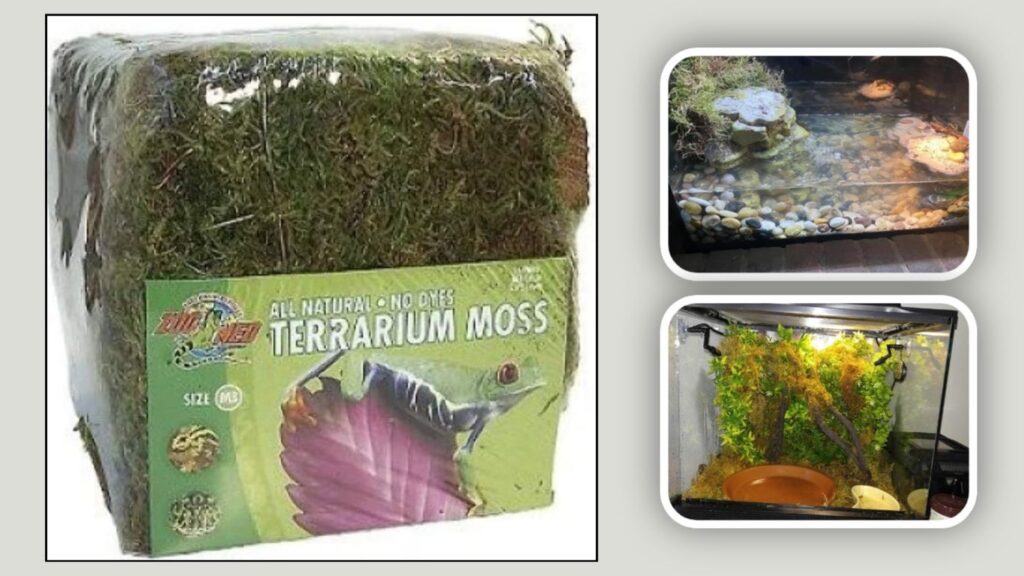
Zoo Med Terrarium Moss is a convenient option for larger reptile enclosures where keepers want broad moss coverage or multiple humidity zones. Designed for terrarium use, the moss can enhance moisture retention while creating a more realistic enclosure floor. It works particularly well when combined with soil, coconut fiber, bark, or other natural substrate materials.
Key Features
- Designed for terrarium environments
- Suitable for larger enclosure coverage
- Helps retain moisture
- Natural moss texture
- Useful around humid hides
- Can supplement primary substrate
- Adds a realistic forest-floor appearance
Why It Is Best for Larger Terrariums
Larger enclosures often require more material to create a consistent natural appearance. This Zoo Med moss is especially useful when keepers want to cover several areas rather than using only a small amount inside one hide.
It can be distributed around plants, sheltered corners, and moisture-sensitive zones while leaving drier sections elsewhere.
Humidity Support and Maintenance
When lightly dampened, the moss helps hold moisture close to the substrate surface. This can be useful between misting sessions, particularly in tropical-style habitats.
However, larger moss-covered areas require regular monitoring. Remove contaminated sections promptly and replace moss that develops an unpleasant smell or deteriorates.
Good airflow and a suitable drainage system can help prevent excessive moisture buildup.
Best for Spacious Naturalistic Setups
Zoo Med Terrarium Moss is well suited to keepers designing larger naturalistic habitats where visual coverage matters as much as humidity.
It works well as a finishing layer over other substrates and can make rocks, wood, and live plants blend more naturally into the enclosure. For spacious terrariums that need multiple damp areas, its coverage and versatility make it a practical choice.
5. Zoo Med Terrarium Moss
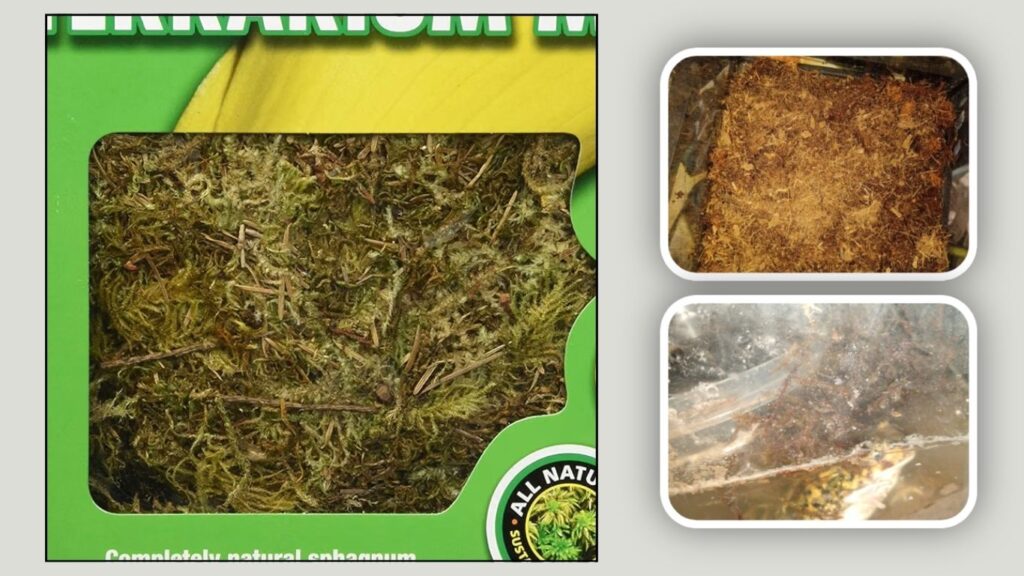
Zoo Med Terrarium Moss is a natural-looking enclosure material designed to help reptile and amphibian habitats retain moisture while improving their overall appearance. It can be used as a surface layer, placed inside humid hides, or arranged around plants and other terrarium decorations. Its flexibility makes it useful for keepers who want better humidity control without completely changing their existing substrate setup.
Key Features
- Natural terrarium moss
- Helps retain moisture
- Suitable for reptiles and amphibians
- Soft enclosure texture
- Useful inside humid hides
- Blends with natural decorations
- Can be combined with other substrate materials
Why It Is Best for Everyday Humidity Support
Zoo Med Terrarium Moss makes it easy to add moisture-retaining material only where it is needed. Keepers can place damp moss in a hide, around plants, or in one portion of the enclosure while leaving the rest of the habitat comparatively dry.
This approach can help create a useful humidity gradient and provide reptiles with different environmental choices.
Performance and Routine Maintenance
The moss absorbs water well and can remain damp longer than many dry substrate materials. Light misting can refresh it when needed, although the correct moisture level depends on the reptile species.
Routine spot cleaning is important. Remove waste, shed skin, and food debris promptly, and replace heavily soiled moss instead of repeatedly rewetting it.
Best for Simple Terrarium Upgrades
Zoo Med Terrarium Moss is particularly useful for keepers who already have a primary substrate but want to improve humidity and visual texture.
It can quickly make a basic enclosure look more natural while providing functional moisture retention. For humid hides, tropical layouts, and planted terrariums, it offers a straightforward way to add another useful layer without requiring a complicated habitat redesign.
6. Quality Growers Habitat Moss for Terrariums
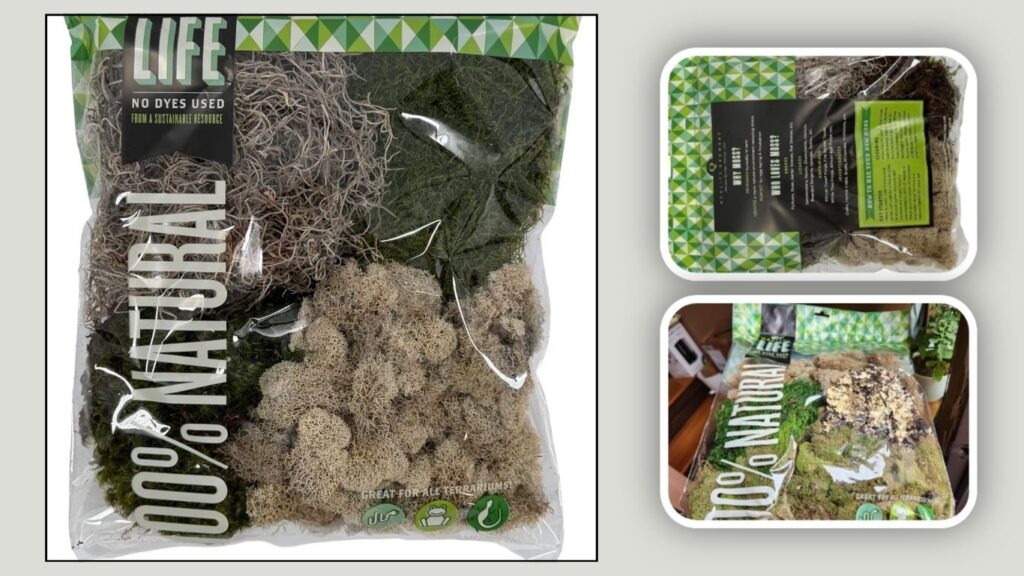
Quality Growers Habitat Moss is a versatile option for reptile keepers who want to add moisture retention and a more natural appearance to their terrarium. It can be used around hides, plants, decorative wood, or selected areas of the enclosure where extra humidity is helpful. Its organic look also makes it suitable for naturalistic setups that aim to resemble a forest floor.
Key Features
- Natural habitat moss
- Suitable for reptile terrariums
- Helps retain moisture
- Useful around plants and hides
- Soft texture for enclosure use
- Can be used with other substrates
- Enhances natural terrarium appearance
Why It Is Best for Natural Habitat Design
This moss works especially well for keepers who care about both function and appearance. Its natural texture can help soften the look of rocks, bark, branches, and artificial décor, making the enclosure feel more cohesive.
It can also be placed selectively rather than covering the entire floor, giving keepers more control over moisture distribution.
Moisture Retention and Daily Care
When lightly moistened, the moss can help create humid microclimates around hides or plant areas. This can be useful for reptiles that benefit from localized moisture.
Routine inspection is important, especially in warm terrariums. Remove waste, food debris, and heavily soiled moss promptly. Moss that develops an odor or begins to break down should be replaced.
Best for Decorative and Functional Setups
Quality Growers Habitat Moss is a strong choice for keepers who want to improve enclosure appearance while also supporting humidity.
It can work particularly well in planted terrariums or naturalistic displays where moss is used as a finishing layer. For users who want flexibility in placement and a softer forest-style look, it offers a practical balance between decoration and moisture management.
7. Galápagos Natural Pillow Moss Clumps
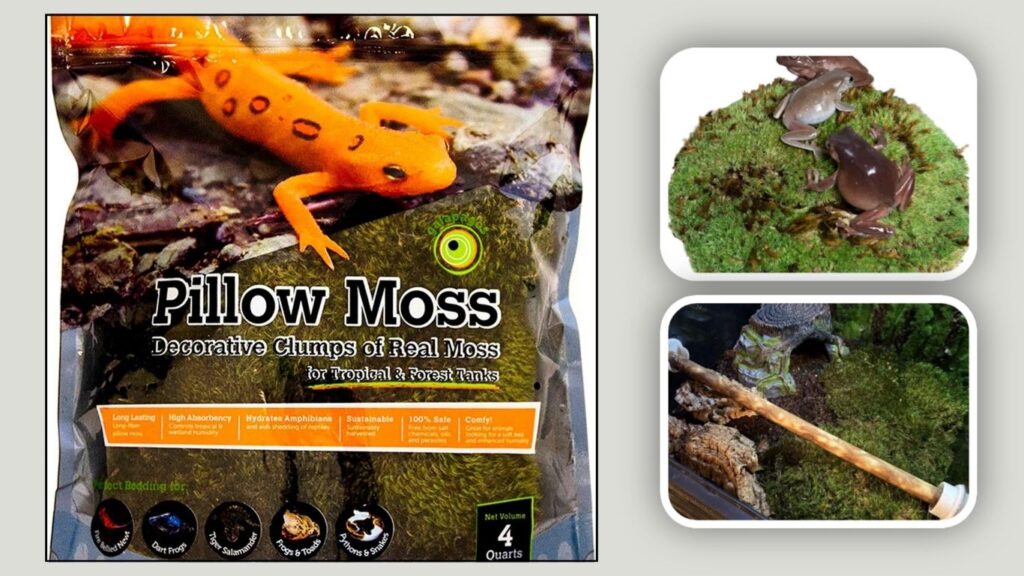
Galápagos Natural Pillow Moss Clumps provide a more structured moss option compared with loose sphagnum or forest moss. The clumped form can be positioned around rocks, wood, hides, or plants to create natural-looking patches inside a reptile enclosure. This makes it particularly useful for keepers who want a more decorative moss layer without covering the entire substrate.
Key Features
- Natural pillow moss clumps
- Structured moss format
- Easy to place in selected areas
- Helps create a forest-floor appearance
- Suitable for reptile terrariums
- Can add moisture around localized zones
- Works well with rocks, wood, and plants
Why It Is Best for Decorative Moss Placement
The biggest advantage of pillow moss is its shape. Instead of spreading loosely across the terrarium, it can be arranged in small sections to create more defined visual areas.
This makes it ideal for keepers who want moss around a hide entrance, under a branch, or beside plants without changing the entire substrate.
Humidity Support and Maintenance
The moss can hold some moisture when lightly dampened, making it useful for increasing humidity in selected areas.
Because the clumps are easy to remove, maintenance can be simpler than with moss spread across the whole enclosure. Dirty sections can be lifted out and replaced without disturbing the rest of the terrarium.
Avoid leaving the moss permanently saturated, especially in enclosures with limited ventilation.
Best for Display-Focused Terrariums
Galápagos Pillow Moss is particularly well suited to decorative terrariums where the visual layout is important.
Its clumped structure adds texture and depth that loose moss does not always provide. For reptile keepers building a naturalistic display with rocks, bark, and plants, this moss can help create a more detailed and realistic habitat.
8. DUSPRO Forest Moss for Terrariums & Plants
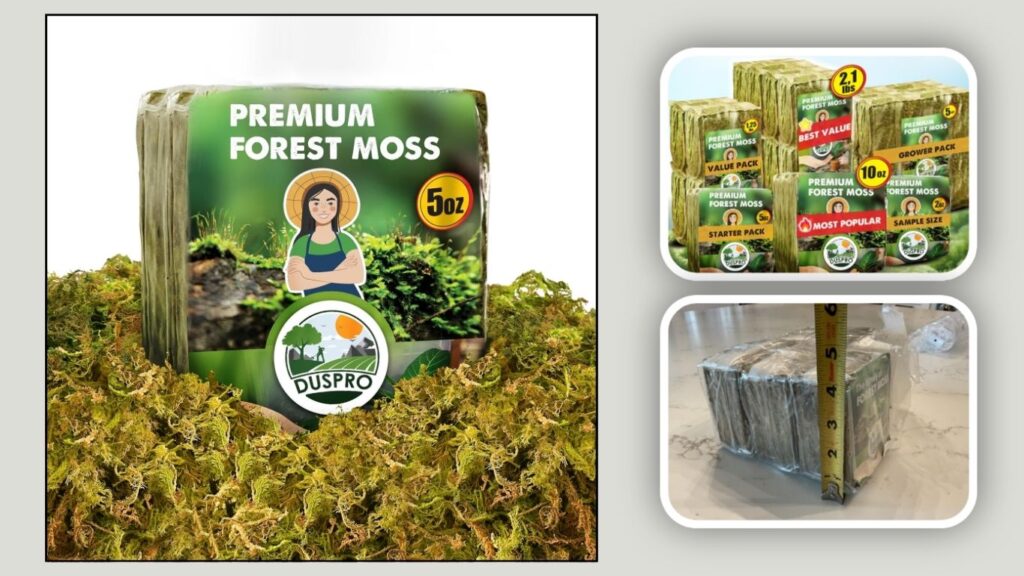
DUSPRO Forest Moss is a flexible natural material that can be used in both terrariums and plant-focused setups. For reptiles, it can help create humid areas, soften the enclosure floor, and improve the natural appearance of the habitat. Its versatility makes it useful for keepers who maintain planted terrariums or want moss that can serve several purposes.
Key Features
- Natural forest moss
- Suitable for terrariums and plants
- Helps retain moisture
- Soft texture for enclosure use
- Useful around live plants
- Can supplement primary substrate
- Natural look for tropical environments
Why It Is Best for Planted Terrariums
Planted reptile enclosures often need materials that blend well with both animals and vegetation. DUSPRO Forest Moss can be placed around plant bases, cork bark, hides, and decorative features to create a more complete natural look.
Its ability to hold moisture can also help maintain a humid environment around plant roots and nearby terrarium zones.
Performance and Routine Maintenance
The moss can absorb water from misting and release it gradually, supporting local humidity. It should be lightly damp rather than waterlogged.
In planted setups, regular checks are important because decaying leaves, leftover food, or waste can become trapped in the moss. Removing contaminated portions helps keep the enclosure clean.
Best for Multi-Purpose Terrarium Use
DUSPRO Forest Moss is a good option for keepers who want one material that can support both enclosure design and humidity management.
It works especially well in tropical-style habitats where plants, bark, and moss are used together. For keepers who prefer a naturalistic appearance and want flexible placement, this product offers good versatility across a range of terrarium layouts.
9. Besgrow New Zealand Sphagnum Moss
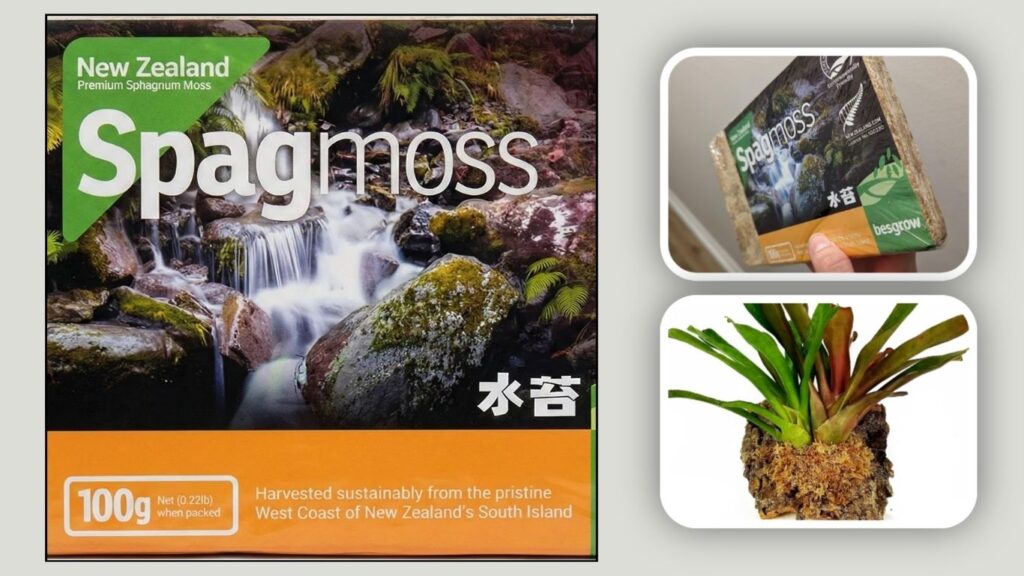
Besgrow New Zealand Sphagnum Moss is known for its long-fiber structure and strong moisture-holding ability, making it a useful material for reptile and amphibian terrariums. It can be used in humid hides, around plants, or as part of a layered substrate system. Its texture also makes it easy to position in specific areas where additional moisture is needed.
Key Features
- New Zealand sphagnum moss
- Long-fiber texture
- Strong moisture-retention ability
- Suitable for humid hides
- Useful around terrarium plants
- Can be mixed with other substrates
- Natural appearance for enclosure design
Why It Is Best for Strong Moisture Retention
Sphagnum moss is especially valuable when a reptile enclosure needs a reliable moisture-holding material. Besgrow moss can absorb water and remain damp for a useful period, making it suitable for humid hides and localized moisture zones.
This can help keepers avoid soaking the entire enclosure while still providing access to a more humid resting area.
Performance and Long-Term Use
The long fibers make the moss easy to arrange around hides, roots, and decorative elements. It can also be removed and replaced without disturbing the main substrate.
Regular maintenance is important because constantly damp moss can collect waste and debris. Replace any portion that becomes dirty, develops an odor, or begins to deteriorate.
Best for Humid Hides and Premium Natural Setups
Besgrow New Zealand Sphagnum Moss is particularly suited to keepers who want strong moisture retention combined with a natural appearance.
Its long-fiber texture works well in humid hides, planted terrariums, and layered naturalistic systems. For reptiles that benefit from access to localized humidity, it can provide a practical and visually appealing solution.
FAQs
1. What is the best moss for reptile terrariums?
Sphagnum moss, forest moss, and pillow moss are all useful depending on the enclosure. Sphagnum moss is especially good for humidity, while forest and pillow moss can add more decorative texture to naturalistic habitats.
2. How do you use moss in a reptile enclosure?
Moss can be placed inside humid hides, around plants, over sections of substrate, or near decorative wood and rocks. It does not always need to cover the entire enclosure floor.
3. How often should reptile moss be replaced?
Replace moss whenever it becomes heavily soiled, develops an unpleasant smell, starts to break down, or can no longer be kept clean. Spot cleaning between replacements can help extend its usable life.
4. Should reptile moss be kept wet?
Reptile moss should usually be damp rather than soaking wet. Excessively wet moss can create stagnant conditions, especially in enclosures with limited airflow. The correct moisture level depends on the species and habitat requirements.
5. Can reptile moss be mixed with other substrates?
Yes. Moss can be used with coconut fiber, soil-based substrates, bark, leaf litter, and other suitable terrarium materials. Combining different materials can improve texture, humidity control, and the natural appearance of the enclosure.
