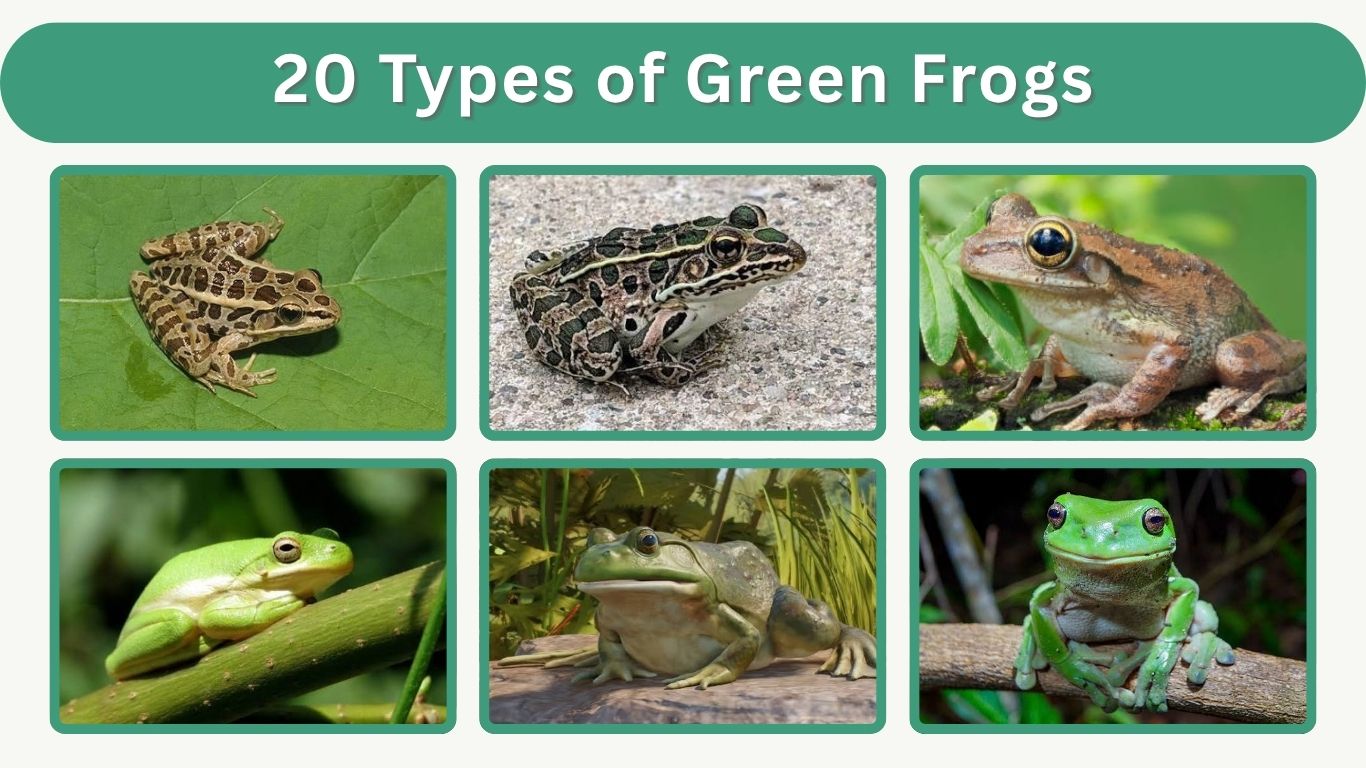
Green frogs are among the most fascinating amphibians, known for their vibrant colors, unique patterns, and remarkable adaptations. From tiny tree frogs to large aquatic species, these amphibians inhabit forests, wetlands, gardens, and tropical rainforests worldwide. Some have bright green skin for camouflage, while others display striking markings that warn predators. In this guide, we’ll explore 20 types of green frogs, highlighting their identification features, natural habitats, behavior, diets, and life cycles to help you understand what makes each species unique.
1. American Green Tree Frog
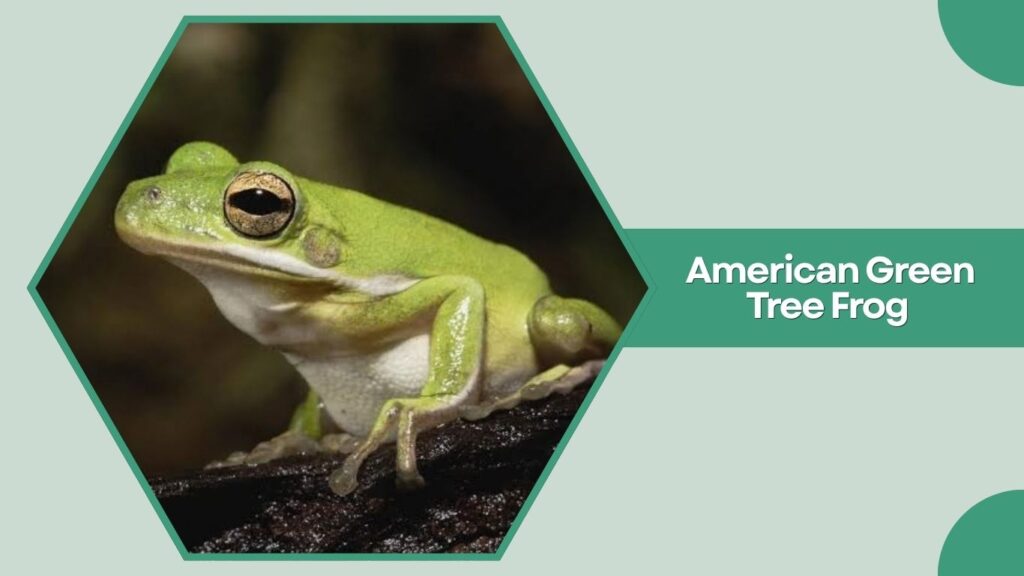
The American Green Tree Frog (Dryophytes cinereus) is a small, brightly colored amphibian native to the southeastern United States. Known for its vibrant green body, smooth skin, and excellent climbing abilities, this frog commonly inhabits wetlands, forests, and gardens. Its distinctive calls are especially noticeable during warm summer evenings.
Identification
- Scientific Name: Dryophytes cinereus
- Size: 1.25–2.5 inches long.
- Color: Bright green, yellowish-green, or olive-green.
- Body Shape: Slender body with long, flexible legs.
- Skin: Smooth, sometimes featuring small golden spots.
- Distinctive Features: White or yellowish stripes along the sides and rounded, adhesive toe pads.
- Lifespan: Several years, depending on environmental conditions.
Habitat and Distribution
American Green Tree Frogs primarily inhabit the southeastern United States, including Florida, Georgia, Louisiana, and nearby states. They prefer warm, humid environments with abundant vegetation and reliable water sources.
These frogs commonly live around marshes, swamps, ponds, and slow-moving streams. They frequently rest on leaves, branches, and tall grasses, where their green coloration provides effective camouflage against predators.
Behavior and Diet
American Green Tree Frogs are primarily nocturnal, becoming most active during warm evenings. They are excellent climbers, using specialized toe pads to grip vegetation and other surfaces.
Their diet consists mainly of small insects, including flies, mosquitoes, moths, and crickets. They capture prey using their quick movements and sticky tongues.
Breeding and Life Cycle
Breeding generally occurs during spring and summer, especially following rainfall. Male frogs produce loud, nasal calls to attract females near water.
Females lay hundreds of eggs in small clusters attached to aquatic vegetation. The eggs hatch into tadpoles, which gradually develop legs, absorb their tails, and transform into young frogs.
2. Australian Green Tree Frog
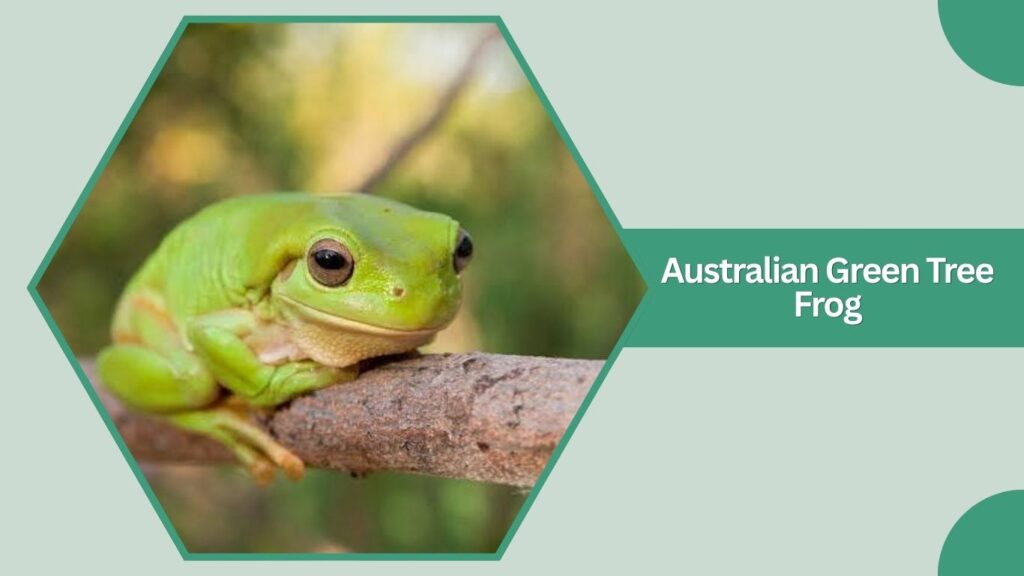
The Australian Green Tree Frog (Ranoidea caerulea), also known as White’s Tree Frog, is a large, attractive amphibian native to Australia and New Guinea. Recognized for its smooth green skin, rounded body, and calm behavior, this frog is one of Australia’s most familiar tree frog species. It frequently lives near homes and gardens.
Identification
- Scientific Name: Ranoidea caerulea
- Size: Approximately 3–4.5 inches long.
- Color: Bright green, bluish-green, or olive-green.
- Body Shape: Broad, rounded body with relatively short legs.
- Skin: Smooth, occasionally featuring small white spots.
- Distinctive Features: Large adhesive toe pads, golden eyes, and a pale belly.
- Lifespan: Can live more than 15 years in captivity.
Habitat and Distribution
Australian Green Tree Frogs inhabit northern and eastern Australia, including Queensland, the Northern Territory, and parts of New South Wales. They prefer warm environments with access to moisture and suitable hiding places.
These frogs commonly shelter inside tree hollows, beneath loose bark, and around buildings. Their ability to adapt to human environments makes them frequent visitors to gardens and outdoor bathrooms.
Behavior and Diet
Australian Green Tree Frogs are primarily nocturnal, resting in sheltered locations during daylight hours. They produce deep, barking calls, particularly during rainy weather.
Their diet includes insects, spiders, and occasionally smaller vertebrates. They capture prey using their sticky tongues and quick movements.
Breeding and Life Cycle
Breeding generally occurs during the warmer, wetter months. Males gather near temporary pools and other water sources, producing loud calls to attract females.
Females deposit numerous eggs in water, where they develop into tadpoles. After several weeks or longer, depending on environmental conditions, tadpoles transform into young frogs.
3. Northern Green Frog
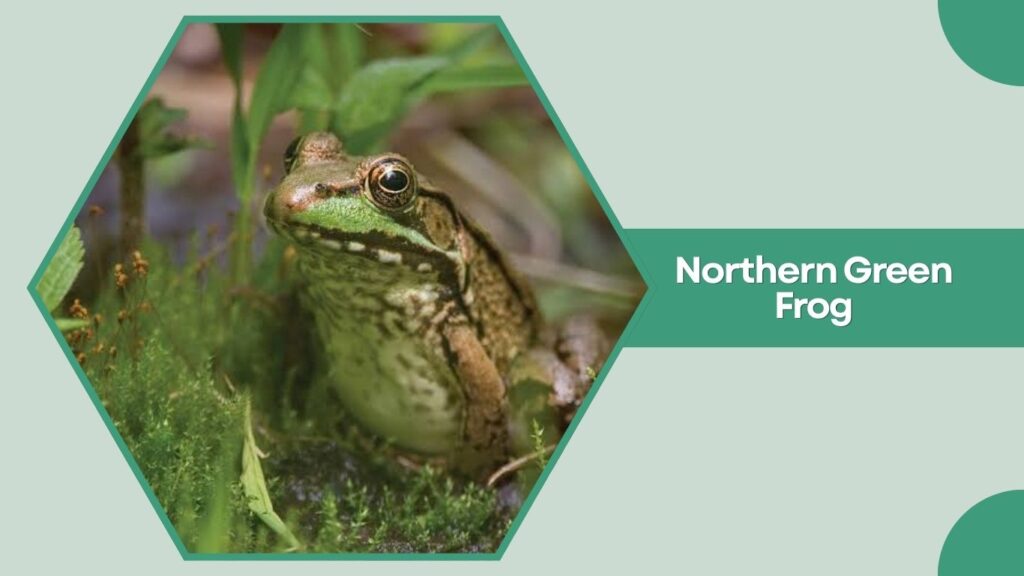
The Northern Green Frog (Lithobates clamitans melanota) is a medium-sized aquatic frog commonly found throughout eastern North America. Its greenish head, brownish body, and distinctive calls make it relatively easy to recognize. Unlike tree frogs, this species spends much of its time near water, where it hunts insects and avoids predators.
Identification
- Scientific Name: Lithobates clamitans melanota
- Size: Approximately 2.2–4 inches long.
- Color: Green, olive-green, brown, or dark green.
- Body Shape: Strong, muscular body with powerful hind legs.
- Skin: Smooth to slightly rough, sometimes featuring dark spots.
- Distinctive Features: Prominent ridges along the back and a large circular eardrum behind each eye.
- Lifespan: Several years in the wild.
Habitat and Distribution
Northern Green Frogs inhabit freshwater environments across much of eastern North America, especially the northeastern United States and southeastern Canada.
They commonly occupy ponds, marshes, lakes, slow-moving streams, and wetland edges. These frogs prefer areas with aquatic vegetation, muddy banks, and shallow water that provide protection from predators.
Behavior and Diet
Northern Green Frogs are active during both daytime and nighttime, particularly in warm weather. Males produce distinctive calls resembling the sound of a loose banjo string.
Their diet includes insects, spiders, worms, and various small aquatic animals. Larger individuals occasionally consume smaller frogs and other vertebrates.
Breeding and Life Cycle
Breeding typically occurs from late spring through summer. Males establish territories near water and call repeatedly to attract females.
Females lay large floating masses containing thousands of eggs. After hatching, tadpoles develop in freshwater, sometimes overwintering before completing metamorphosis. Young frogs gradually transition to terrestrial and aquatic feeding habits.
4. Green and Golden Bell Frog
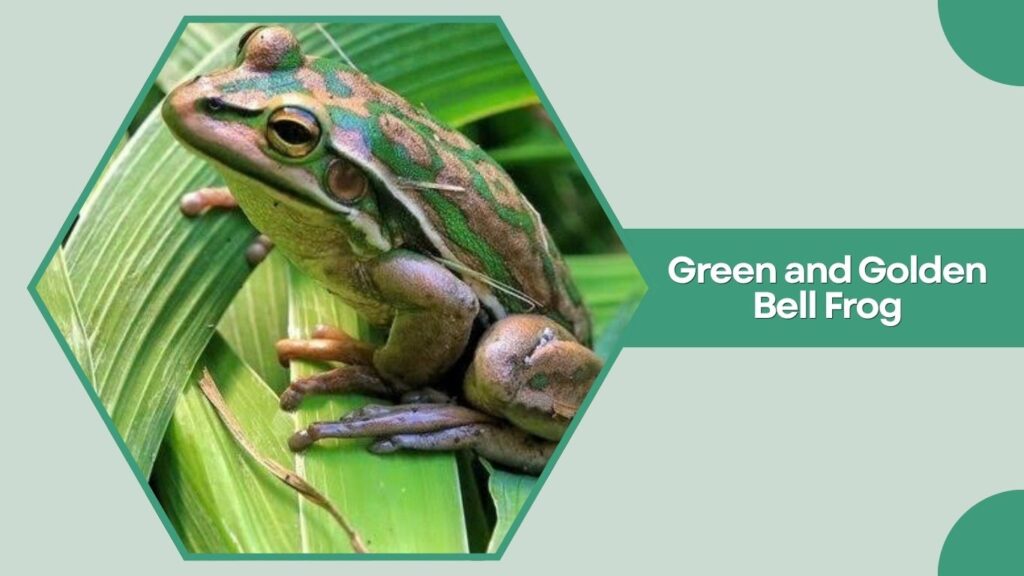
The Green and Golden Bell Frog (Litoria aurea) is a colorful amphibian native to southeastern Australia. Its striking combination of emerald-green and golden markings makes it one of the region’s most recognizable frogs. Although historically widespread, this species has experienced significant population declines because of habitat destruction, introduced predators, and amphibian diseases.
Identification
- Scientific Name: Litoria aurea
- Size: Up to approximately 3.3 inches long.
- Color: Bright green with golden, bronze, or brown patches.
- Body Shape: Robust body with strong hind legs.
- Skin: Mostly smooth with a glossy appearance.
- Distinctive Features: Golden eyes, pale belly, and bright blue coloration around the groin and thighs.
- Lifespan: Several years under suitable conditions.
Habitat and Distribution
Green and Golden Bell Frogs inhabit parts of southeastern Australia, particularly coastal and nearby regions of New South Wales and Victoria.
They prefer freshwater wetlands, ponds, lagoons, and marshes surrounded by grassy vegetation. Unlike many other frogs, this species occasionally basks in sunlight to regulate its body temperature.
Behavior and Diet
Green and Golden Bell Frogs can be active during both daylight and nighttime. They are strong swimmers and frequently move between aquatic habitats and surrounding vegetation.
Their diet consists of insects, spiders, and other invertebrates. Larger individuals may also consume small frogs and other vertebrates.
Breeding and Life Cycle
Breeding generally occurs during spring and summer when temperatures increase. Males produce distinctive calls near shallow water to attract females.
Females lay eggs in small clusters within freshwater habitats. Tadpoles feed and develop in water, eventually transforming into juvenile frogs. Depending on conditions, development may take several months.
5. Red-Eyed Tree Frog
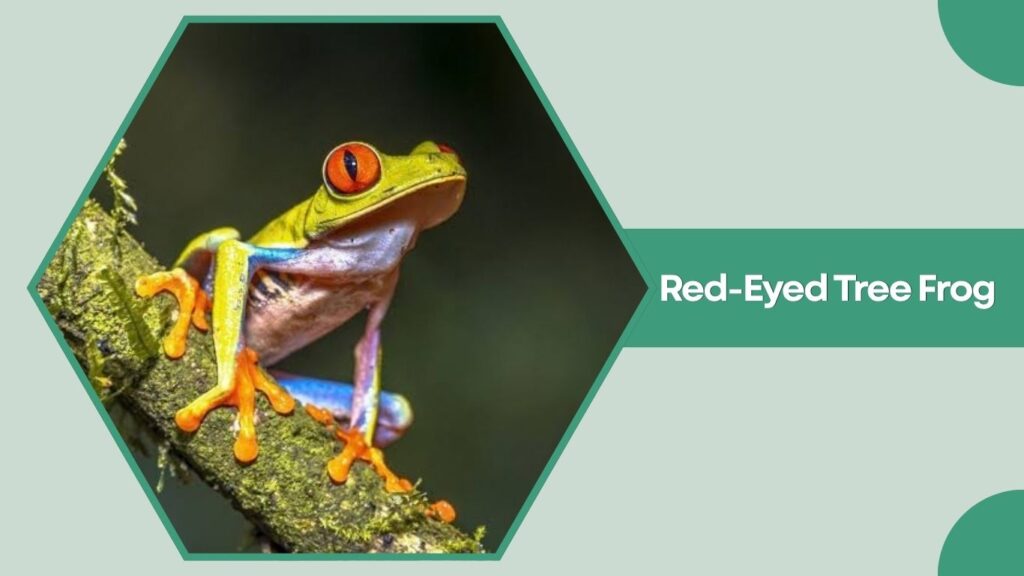
The Red-Eyed Tree Frog (Agalychnis callidryas) is one of the world’s most visually striking amphibians. Native to tropical rainforests of Central America, this small frog features bright green skin, vivid red eyes, and colorful legs. Its unusual appearance helps it survive among dense rainforest vegetation, where it spends much of its life resting on leaves and branches.
Identification
- Scientific Name: Agalychnis callidryas
- Size: Approximately 1.5–3 inches long.
- Color: Bright green with blue and yellow markings along the sides.
- Body Shape: Slender body with long, flexible limbs.
- Skin: Smooth and brightly colored.
- Distinctive Features: Large red eyes, orange feet, and adhesive toe pads.
- Lifespan: Several years, depending on environmental conditions.
Habitat and Distribution
Red-Eyed Tree Frogs inhabit tropical rainforests from southern Mexico through Central America, with populations extending into northwestern South America.
They prefer humid forests near ponds, streams, and temporary pools. These frogs spend most of their time above ground, resting beneath broad leaves that provide moisture and protection.
Behavior and Diet
Red-Eyed Tree Frogs are primarily nocturnal. During daylight hours, they close their eyes and tuck their colorful limbs beneath their bodies to blend into surrounding vegetation.
Their diet includes moths, flies, crickets, and other small insects. They capture prey using quick movements and sticky tongues.
Breeding and Life Cycle
Breeding generally occurs during the rainy season. Males call from vegetation near water to attract females.
Females attach clusters of gelatinous eggs to leaves hanging above ponds. When the eggs hatch, tadpoles drop into the water below.
Interestingly, embryos can hatch early when threatened by predators, improving their chances of survival.
6. Green and Black Poison Dart Frog
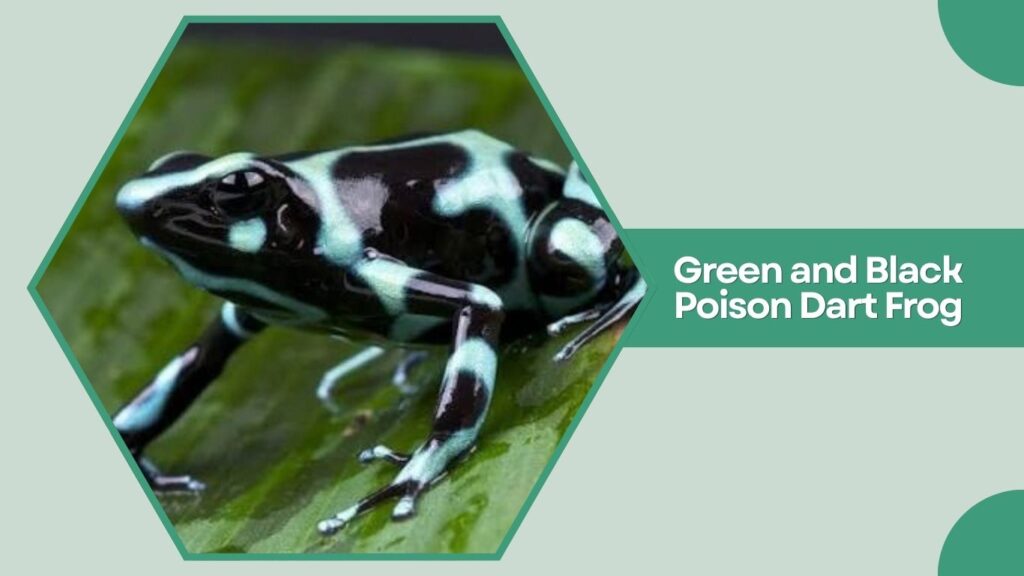
The Green and Black Poison Dart Frog (Dendrobates auratus) is a small, brilliantly patterned amphibian native to Central and northwestern South America. Its contrasting green and black coloration serves as a warning to potential predators. Unlike many tree frogs, this species spends much of its time moving across the rainforest floor, searching for tiny invertebrates.
Identification
- Scientific Name: Dendrobates auratus
- Size: Approximately 1–1.7 inches long.
- Color: Bright green, metallic green, or bluish-green with black markings.
- Body Shape: Compact body with relatively short limbs.
- Skin: Smooth, containing glands that produce defensive secretions.
- Distinctive Features: Irregular black patches, bright contrasting patterns, and small toe pads.
- Lifespan: Can live for several years, especially in captivity.
Habitat and Distribution
Green and Black Poison Dart Frogs inhabit humid tropical forests in Nicaragua, Costa Rica, Panama, and Colombia. Introduced populations also occur in Hawaii.
These frogs prefer shaded forest floors covered with leaf litter, moss, and decaying vegetation. They generally remain close to moist environments that protect their skin from drying out.
Behavior and Diet
Green and Black Poison Dart Frogs are primarily diurnal, actively hunting during daylight hours.
Their diet includes ants, mites, termites, and other tiny arthropods. Certain chemicals obtained from their natural prey contribute to their toxic skin secretions.
Their bright coloration warns predators that they may be poisonous.
Breeding and Life Cycle
Breeding generally occurs during rainy periods. Males attract females through soft calls and courtship movements.
Females lay small clusters of eggs in moist, sheltered locations on the forest floor.
After hatching, males carry tadpoles on their backs to small pools of water, where the young continue developing until metamorphosis.
7. European Tree Frog
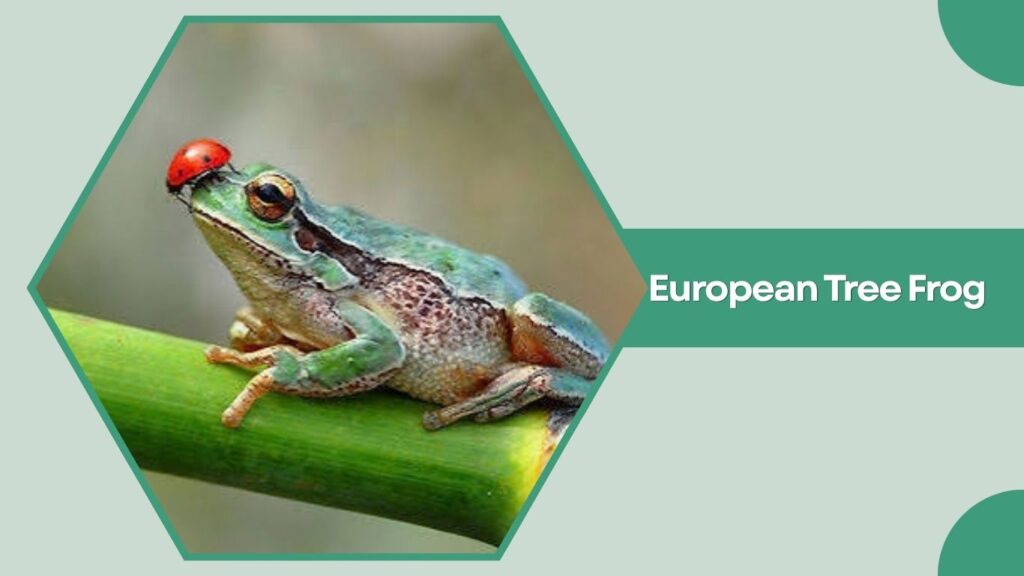
The European Tree Frog (Hyla arborea) is a small, brightly colored amphibian commonly found in parts of Europe. Known for its smooth green skin, slender body, and excellent climbing abilities, this frog spends much of its time among shrubs and trees. Its loud, repetitive calls are particularly noticeable during the spring breeding season.
Identification
- Scientific Name: Hyla arborea
- Size: Approximately 1.2–2 inches long.
- Color: Bright green, yellowish-green, or occasionally brownish.
- Body Shape: Small, slender body with long legs.
- Skin: Smooth and slightly glossy.
- Distinctive Features: Dark stripe extending from the nostril through the eye toward the groin, and rounded adhesive toe pads.
- Lifespan: Several years in the wild.
Habitat and Distribution
European Tree Frogs inhabit various regions of Europe, particularly areas with moderate temperatures and suitable freshwater habitats. They prefer open woodlands, meadows, wetlands, gardens, and shrublands.
These frogs frequently rest on leaves, bushes, and tall vegetation. They require nearby ponds or other still freshwater habitats for breeding, although adults may travel considerable distances from water.
Behavior and Diet
European Tree Frogs are mainly nocturnal but sometimes become active during daylight, especially in warm weather. Their sticky toe pads allow them to climb smooth leaves and branches.
Their diet consists primarily of flies, moths, beetles, mosquitoes, and other small insects. They capture moving prey using their sticky tongues.
Breeding and Life Cycle
Breeding generally occurs during spring and early summer. Male frogs gather near ponds and produce loud, rhythmic calls to attract females.
Females deposit small clusters of eggs attached to underwater vegetation. The eggs hatch into tadpoles, which gradually develop hind legs and front legs before transforming into young frogs.
8. Pacific Tree Frog
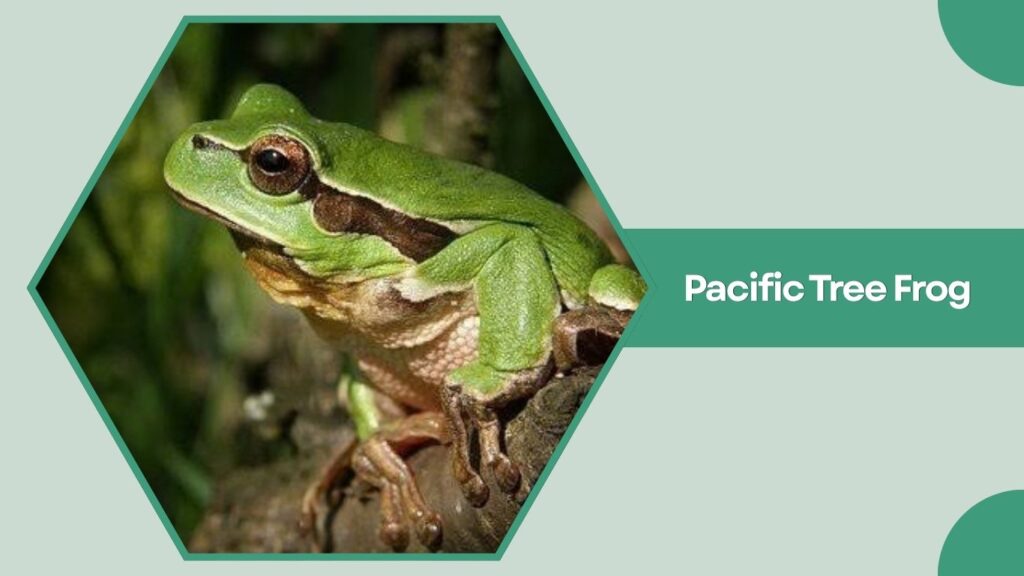
The Pacific Tree Frog (Pseudacris regilla), also known as the Northern Pacific Tree Frog, is a small amphibian native to western North America. It is recognized for its variable green or brown coloration, distinctive dark eye stripe, and loud breeding calls. Despite its name, this species often spends more time on the ground than in trees.
Identification
- Scientific Name: Pseudacris regilla
- Size: Approximately 0.75–2 inches long.
- Color: Green, brown, gray, or tan.
- Body Shape: Small, compact body with relatively long hind legs.
- Skin: Smooth to slightly granular.
- Distinctive Features: Dark stripe passing through each eye, pale underside, and rounded toe pads.
- Lifespan: Several years under favorable conditions.
Habitat and Distribution
Northern Pacific Tree Frogs are native to coastal and western regions of North America, particularly British Columbia, Washington, and Oregon.
They inhabit forests, grasslands, wetlands, gardens, and areas surrounding ponds. These adaptable frogs can survive in different elevations and environments as long as sufficient moisture and breeding habitats are available.
Behavior and Diet
Pacific Tree Frogs are active during moist conditions and may be heard calling loudly near breeding ponds. Their distinctive calls are frequently used as familiar frog sounds in movies and television.
They feed on small insects, spiders, flies, beetles, and other invertebrates. Their green or brown coloration helps them blend into surrounding plants and soil.
Breeding and Life Cycle
Breeding generally occurs from winter through spring, depending on local temperatures and rainfall.
Male frogs gather near shallow pools and produce repeated calls to attract females. Females attach small clusters of eggs to submerged vegetation.
After hatching, tadpoles feed on algae and other organic material before gradually transforming into young frogs.
9. Barking Tree Frog
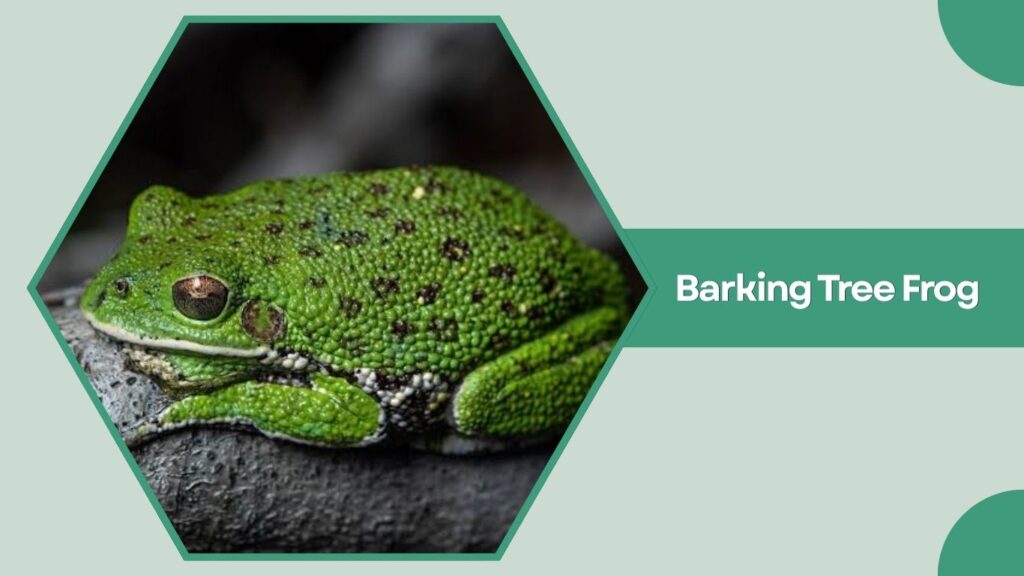
The Barking Tree Frog (Dryophytes gratiosus) is a large, stocky amphibian native to the southeastern United States. It gets its name from its distinctive barking calls, which resemble the sounds of a small dog. This species is recognized for its green coloration, dark spots, and rough-looking skin. It commonly inhabits forests near freshwater wetlands.
Identification
- Scientific Name: Dryophytes gratiosus
- Size: Approximately 2–2.75 inches long.
- Color: Bright green, olive-green, gray, or brown.
- Body Shape: Broad, stocky body with strong limbs.
- Skin: Rough and granular with scattered dark spots.
- Distinctive Features: Large rounded toe pads, circular dark markings, and a pale stripe along the upper lip.
- Lifespan: Several years in suitable habitats.
Habitat and Distribution
Barking Tree Frogs inhabit southeastern states, including Florida, Georgia, Alabama, and South Carolina. They prefer pine forests, wooded wetlands, and areas surrounding temporary or permanent freshwater pools.
These frogs frequently shelter in trees during humid weather. During dry conditions, they may burrow into soil or seek shelter beneath vegetation to conserve moisture.
Behavior and Diet
Barking Tree Frogs are primarily nocturnal, becoming active during warm, humid evenings. Males produce loud barking sounds, particularly during the breeding season.
Their diet includes beetles, moths, flies, crickets, and various other small invertebrates. They use their sticky tongues to capture moving insects.
Breeding and Life Cycle
Breeding typically occurs during spring and summer, especially following heavy rainfall.
Males gather around ponds and produce deep calls to attract females. Females deposit numerous eggs individually in shallow water.
After hatching, tadpoles feed and develop in freshwater before undergoing metamorphosis and becoming young frogs.
10. White-Lipped Tree Frog
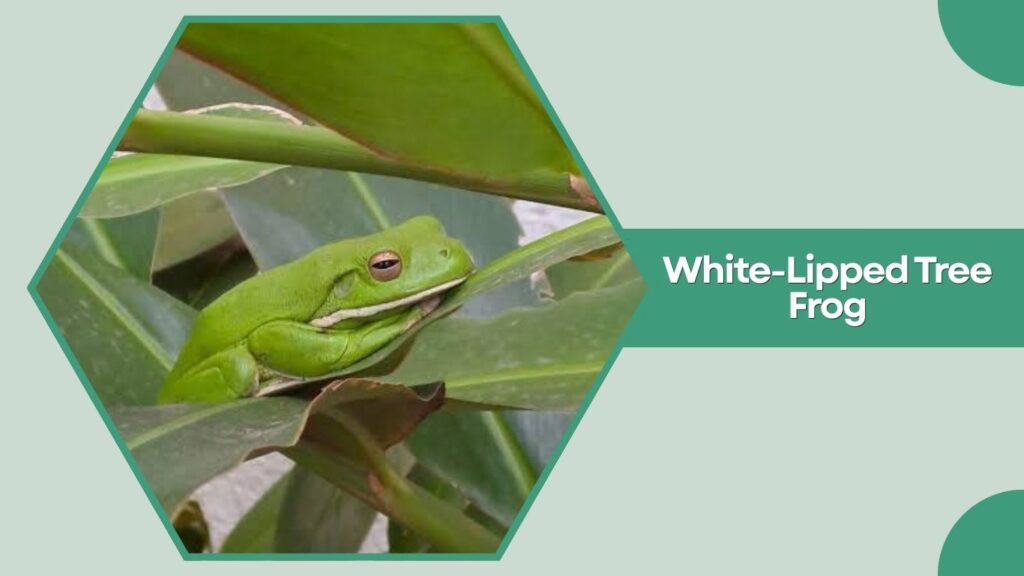
The White-Lipped Tree Frog (Litoria infrafrenata) is one of the largest tree frogs in the world. Native to northern Australia and New Guinea, this impressive amphibian is recognized for its bright green body and distinctive white stripe along its lower jaw. Its large size, powerful climbing abilities, and deep barking calls make it particularly recognizable.
Identification
- Scientific Name: Litoria infrafrenata
- Size: Approximately 3.5–5.5 inches long.
- Color: Bright green, olive-green, or greenish-brown.
- Body Shape: Large, elongated body with muscular hind legs.
- Skin: Smooth on the back, occasionally granular along the sides.
- Distinctive Features: Prominent white lower lip, large adhesive toe pads, and pale underside.
- Lifespan: Several years, depending on environmental conditions.
Habitat and Distribution
White-Lipped Tree Frogs inhabit northeastern Australia, Papua New Guinea, and surrounding tropical regions.
They prefer humid rainforests, coastal woodlands, mangroves, and freshwater wetlands. These frogs are also commonly found around gardens, farms, and buildings where insects and suitable hiding places are available.
Behavior and Diet
White-Lipped Tree Frogs are primarily nocturnal. They spend daylight hours resting on leaves, tree trunks, and other sheltered surfaces.
They feed mainly on insects, spiders, and other arthropods. Their large adhesive toe pads allow them to climb trees and other vertical surfaces efficiently.
Breeding and Life Cycle
Breeding generally occurs during warm, rainy periods. Male frogs produce deep, barking calls from vegetation near water.
Females lay clusters of eggs in temporary or permanent freshwater pools. The eggs hatch into tadpoles that feed and grow in water.
Under favorable conditions, tadpoles can complete their development into young frogs in approximately eight weeks.
11. Squirrel Tree Frog
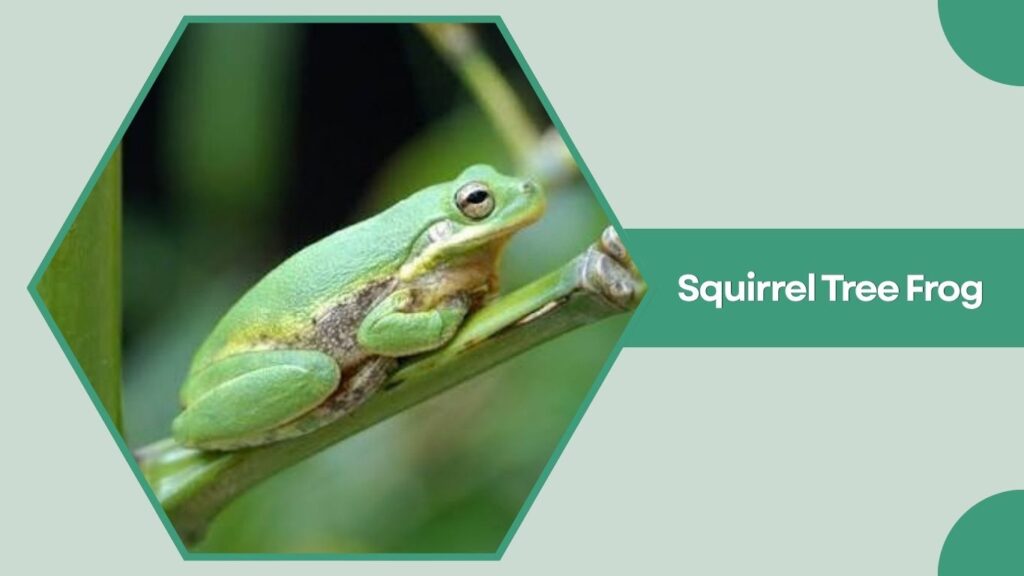
The Squirrel Tree Frog (Dryophytes squirellus) is a small, adaptable amphibian native to the southeastern United States. Known for its changing body colors and quick movements, this frog frequently inhabits forests, gardens, and residential areas. Its distinctive calls sometimes resemble the chattering sounds of squirrels, which contributes to its common name.
Identification
- Scientific Name: Dryophytes squirellus
- Size: Approximately 1–1.5 inches long.
- Color: Bright green, yellowish-green, brown, or gray.
- Body Shape: Small, slender body with long hind legs.
- Skin: Smooth, sometimes featuring irregular darker markings.
- Distinctive Features: Rounded adhesive toe pads, pale underside, and occasional yellowish stripes along the sides.
- Lifespan: Several years under favorable conditions.
Habitat and Distribution
Squirrel Tree Frogs inhabit southeastern states, including Florida, Georgia, Louisiana, South Carolina, and Texas.
They thrive in pine forests, hardwood woodlands, swamps, wetlands, and suburban gardens. These frogs commonly shelter beneath loose bark, inside tree cavities, and among dense vegetation.
Their ability to adapt to human environments allows them to survive around buildings and outdoor lights.
Behavior and Diet
Squirrel Tree Frogs are mainly nocturnal and become particularly active during warm, rainy weather.
They frequently gather near outdoor lights, where insects provide convenient feeding opportunities. Their diet consists of flies, termites, beetles, spiders, and other small invertebrates.
During daylight hours, they usually remain hidden to avoid predators and excessive heat.
Breeding and Life Cycle
Breeding generally takes place during the warmer months, especially after rainfall.
Male frogs gather around temporary ponds, flooded depressions, and shallow pools to attract females through repeated calls.
Females deposit small clusters of eggs in freshwater. The eggs hatch into tadpoles, which gradually develop into juvenile frogs as suitable water conditions continue.
12. Cuban Tree Frog
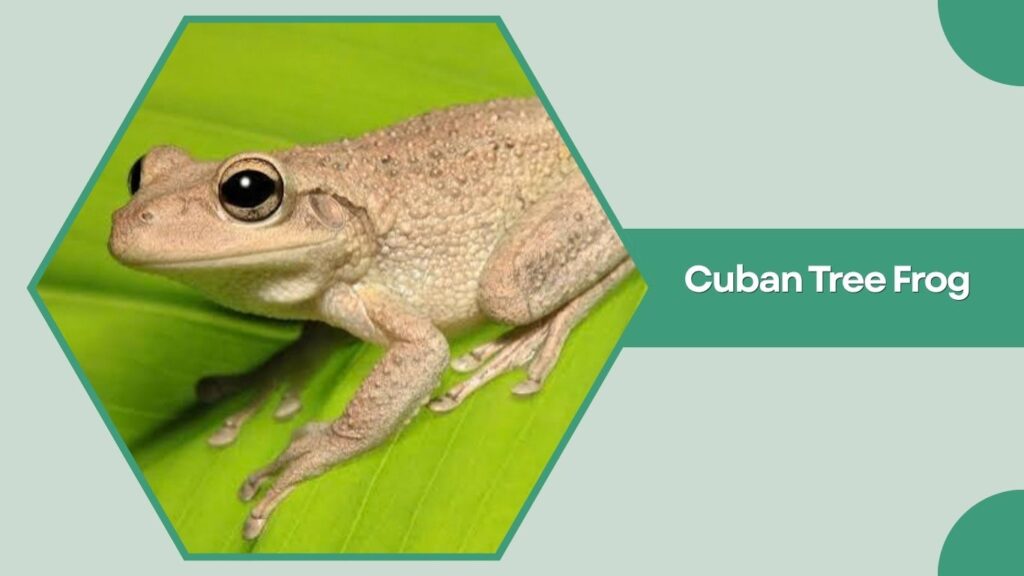
The Cuban Tree Frog (Osteopilus septentrionalis) is a large, adaptable amphibian native to the Caribbean. Known for its prominent eyes, oversized toe pads, and variable skin coloration, this frog can appear green, brown, gray, or cream. It has also become an invasive species in Florida, where it competes with native frogs and preys on smaller amphibians.
Identification
- Scientific Name: Osteopilus septentrionalis
- Size: Approximately 1.5–5.5 inches long.
- Color: Green, gray, brown, cream, or combinations of these shades.
- Body Shape: Broad body with powerful hind legs.
- Skin: Slightly rough or warty, sometimes featuring irregular markings.
- Distinctive Features: Large bulging eyes, exceptionally wide adhesive toe pads, and yellowish coloring around the groin.
- Lifespan: Several years under suitable conditions.
Habitat and Distribution
Cuban Tree Frogs naturally inhabit Cuba, the Bahamas, and the Cayman Islands. Introduced populations are also established in Florida and other locations.
They prefer humid forests, wetlands, gardens, and residential neighborhoods. These frogs frequently shelter inside tree cavities, beneath loose bark, and around buildings where moisture and insects are available.
Behavior and Diet
Cuban Tree Frogs are primarily nocturnal and become especially active during warm, rainy evenings. Their large toe pads allow them to climb trees, walls, and windows.
Their diet includes insects, spiders, lizards, and smaller frogs. They are opportunistic predators and can negatively affect native amphibian populations in areas where they have been introduced.
Breeding and Life Cycle
Breeding usually increases during warm, rainy periods. Males produce raspy calls to attract females near freshwater.
Females deposit numerous eggs that float on the water’s surface. The eggs hatch into tadpoles, which develop in shallow pools, ponds, and other water-filled habitats.
13. Dainty Green Tree Frog
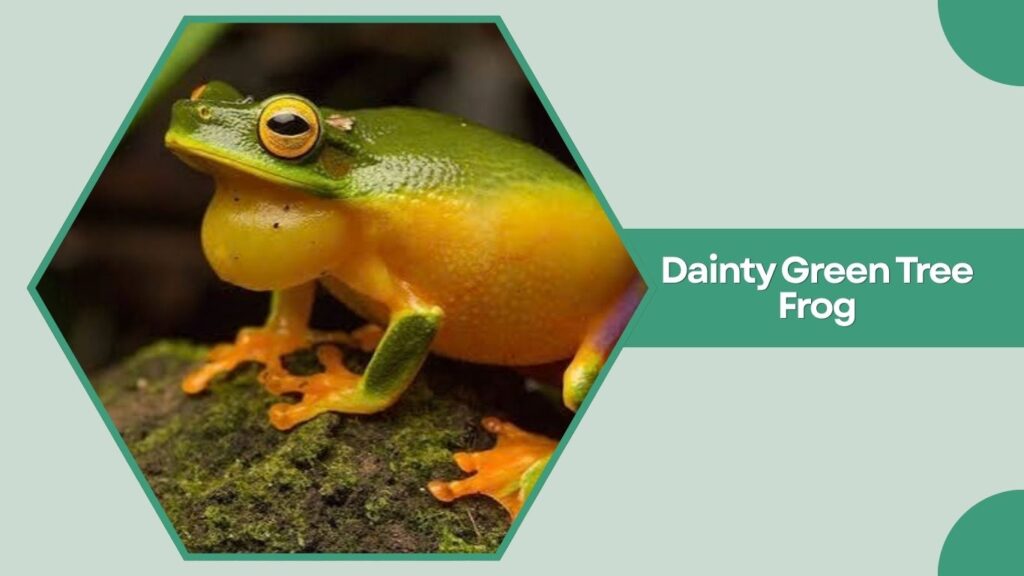
The Dainty Green Tree Frog (Litoria gracilenta), also known as the Graceful Tree Frog, is a small, colorful amphibian native to eastern Australia. It is recognized for its lime-green body, yellow underside, and distinctive orange eyes. This attractive frog commonly inhabits tropical vegetation and frequently appears around gardens, wetlands, and banana plantations.
Identification
- Scientific Name: Litoria gracilenta (also classified as Chlorohyla gracilenta)
- Size: Up to approximately 1.8 inches long.
- Color: Lime-green or olive-green with bright yellow sides.
- Body Shape: Small, slender body with long limbs.
- Skin: Smooth and slightly glossy.
- Distinctive Features: Orange irises, yellow feet, rounded toe pads, and a pale stripe extending from the nostril past the eye.
- Lifespan: Several years under favorable conditions.
Habitat and Distribution
Dainty Green Tree Frogs inhabit eastern Australia, particularly coastal Queensland and northeastern New South Wales.
They prefer humid forests, wet grasslands, gardens, and vegetation surrounding freshwater wetlands. These frogs frequently rest on broad leaves, shrubs, and banana plants, where their green coloration provides effective camouflage.
Behavior and Diet
Dainty Green Tree Frogs are mainly nocturnal and become active during humid evenings. Their adhesive toe pads allow them to climb leaves, branches, and other smooth surfaces.
Their diet consists primarily of small insects, including flies, moths, mosquitoes, and other invertebrates. They capture moving prey using their sticky tongues.
Breeding and Life Cycle
Breeding generally occurs from spring through summer, particularly after heavy rainfall.
Male frogs call near temporary ponds, flooded grasslands, and swamps to attract females. Females deposit clusters of eggs near the water’s surface.
The eggs develop into aquatic tadpoles, which usually require at least two months to transform into young frogs.
14. Emerald Glass Frog
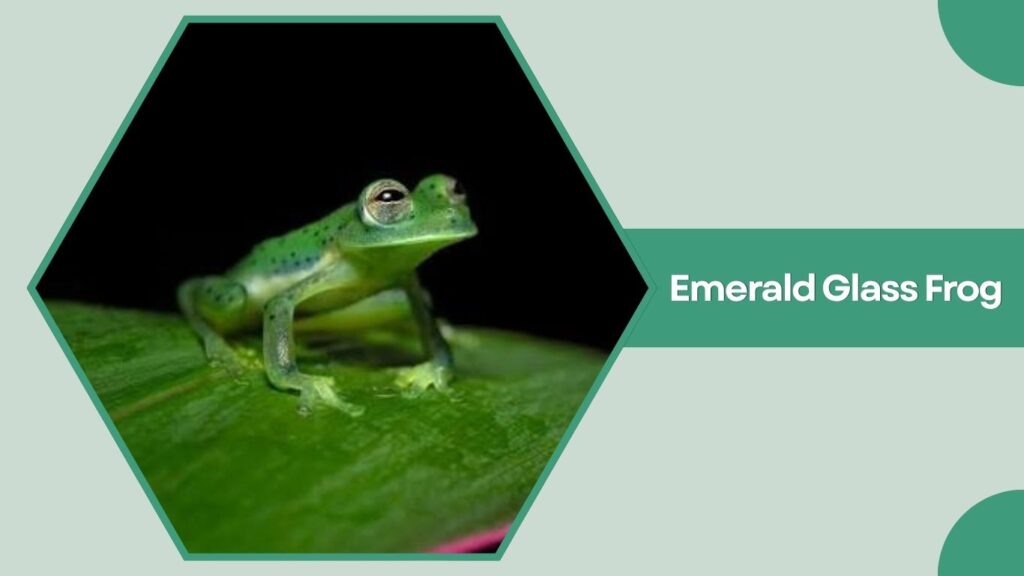
The Emerald Glass Frog (Espadarana prosoblepon) is a small, delicate amphibian native to tropical forests of Central and South America. Famous for its bright green coloration and translucent underside, this unusual frog belongs to the glass frog family. Its partially transparent skin reveals some internal organs, making it one of the most fascinating amphibians found in rainforest ecosystems.
Identification
- Scientific Name: Espadarana prosoblepon
- Size: Up to approximately 1.5 inches long.
- Color: Bright green or emerald-green with occasional black or yellow spots.
- Body Shape: Small, slender body with delicate limbs.
- Skin: Smooth, with a partially transparent underside.
- Distinctive Features: Large forward-facing eyes, green bones, and translucent abdominal skin.
- Lifespan: Approximately 4 years in the wild, sometimes longer.
Habitat and Distribution
Emerald Glass Frogs inhabit humid forests in Honduras, Nicaragua, Costa Rica, Panama, Colombia, and Ecuador.
They prefer dense vegetation surrounding streams and rivers in tropical rainforests and cloud forests. These frogs usually rest on leaves and small branches near flowing water, where humidity protects their delicate skin from drying out.
Behavior and Diet
Emerald Glass Frogs are primarily nocturnal, becoming active after sunset. Their green coloration helps them blend into surrounding foliage.
They feed on small insects and other invertebrates. During the breeding season, males defend territories and produce high-pitched calls to attract females.
Breeding and Life Cycle
Breeding typically occurs during rainy periods. Females deposit small clusters of eggs on leaves hanging above streams.
Males may remain near the eggs and defend them from potential threats. After approximately 8–20 days, developing tadpoles hatch and fall into the water below.
The tadpoles continue growing in freshwater before completing metamorphosis into young frogs.
15. Malabar Gliding Frog
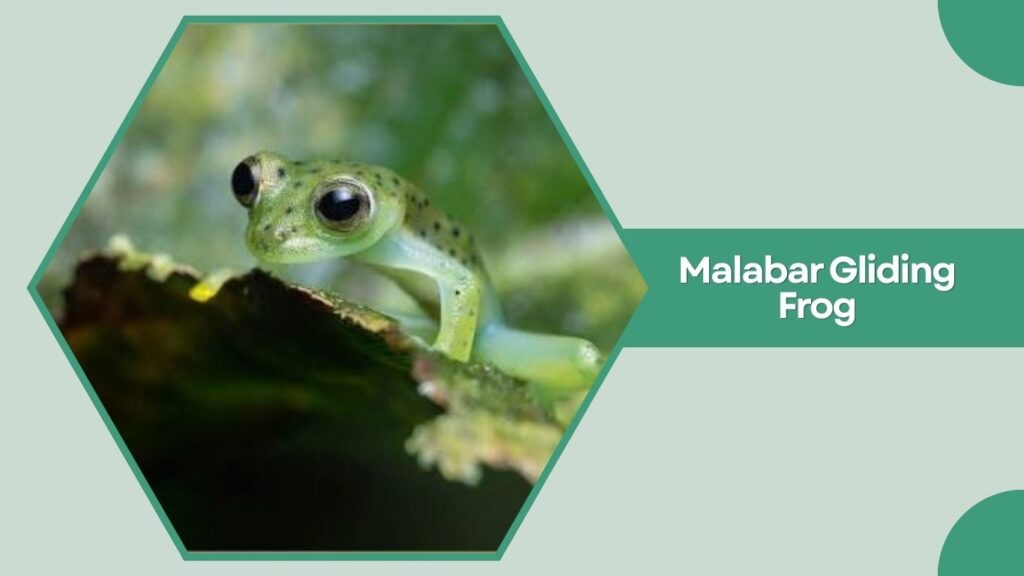
The Malabar Gliding Frog (Rhacophorus malabaricus) is a striking green amphibian native to the Western Ghats of India. Known for its remarkable gliding abilities, this frog uses its extensively webbed feet to slow its descent between trees. Its bright green body, colorful webbing, and unusual reproductive behavior make it a distinctive inhabitant of tropical forests.
Identification
- Scientific Name: Rhacophorus malabaricus
- Size: Approximately 2.5–4 inches long.
- Color: Bright green or yellowish-green.
- Body Shape: Slender, elongated body with long hind legs.
- Skin: Smooth, often featuring tiny pale spots.
- Distinctive Features: Large golden eyes, broad webbed feet, reddish-orange webbing, and adhesive toe pads.
- Lifespan: Several years under suitable environmental conditions.
Habitat and Distribution
Malabar Gliding Frogs inhabit the Western Ghats mountain range in southwestern India, including parts of Kerala, Karnataka, Tamil Nadu, Goa, and Maharashtra.
They prefer tropical evergreen forests, moist deciduous forests, and densely vegetated areas near freshwater habitats.
These frogs spend much of their lives among trees and shrubs, where their green coloration helps them remain hidden among leaves.
Behavior and Diet
Malabar Gliding Frogs are primarily nocturnal and highly adapted to an arboreal lifestyle.
Their broad webbed feet allow them to parachute through the air when jumping between elevated surfaces. Although they cannot truly fly, this adaptation helps them move through forest vegetation.
Their diet consists mainly of insects and other small invertebrates.
Breeding and Life Cycle
Breeding generally occurs during the monsoon season when rainfall provides suitable conditions.
Females construct foamy nests on vegetation above water, where eggs develop in a moist, protective environment.
After hatching, tadpoles fall into the water below. They continue developing in aquatic habitats before transforming into young frogs capable of climbing vegetation.
16. Wallace’s Flying Frog
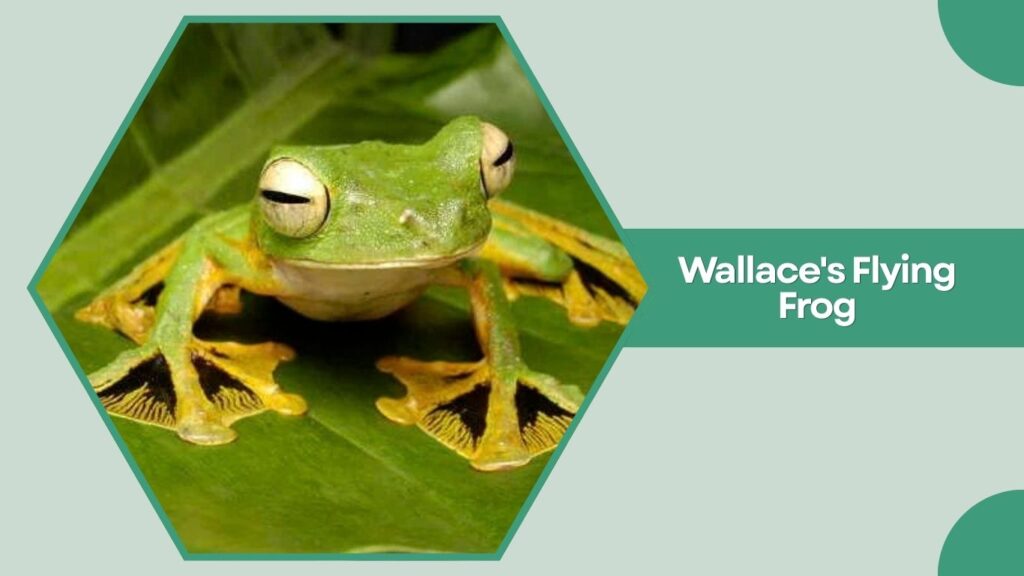
Wallace’s Flying Frog (Rhacophorus nigropalmatus) is a remarkable tree-dwelling amphibian found in Southeast Asian rainforests. Famous for its ability to glide between trees, this frog uses oversized webbed feet and loose skin flaps to control its movement through the air. Its bright green body and contrasting black-and-yellow webbing make it particularly distinctive.
Identification
- Scientific Name: Rhacophorus nigropalmatus
- Size: Up to approximately 4 inches long.
- Color: Bright green with yellowish sides.
- Body Shape: Broad, flattened body with long, powerful limbs.
- Skin: Smooth, with flexible skin flaps along the sides.
- Distinctive Features: Large webbed feet, black-and-yellow webbing, prominent eyes, and oversized adhesive toe pads.
- Lifespan: Several years under favorable conditions.
Habitat and Distribution
Wallace’s Flying Frogs inhabit tropical rainforests in Southeast Asia, particularly Malaysia, Borneo, and surrounding regions.
They prefer humid lowland forests with tall trees, dense vegetation, and nearby freshwater habitats.
These frogs spend most of their lives in trees, descending mainly during reproduction. Their specialized feet allow them to grip branches securely while moving through forest vegetation.
Behavior and Diet
Wallace’s Flying Frogs are primarily nocturnal and highly skilled climbers.
When threatened, they leap from elevated branches and spread their limbs to increase air resistance. Their webbed feet and skin flaps allow them to glide considerable distances rather than falling directly downward.
Their diet consists mainly of insects and other small invertebrates found among rainforest vegetation.
Breeding and Life Cycle
Breeding generally occurs during wet conditions when suitable freshwater habitats are available.
Females produce a foamy substance that is whipped into a nest, where eggs are deposited and fertilized. These nests are usually positioned above water.
After hatching, tadpoles fall into the water below and continue developing until they transform into young frogs.
17. Green Mantella Frog
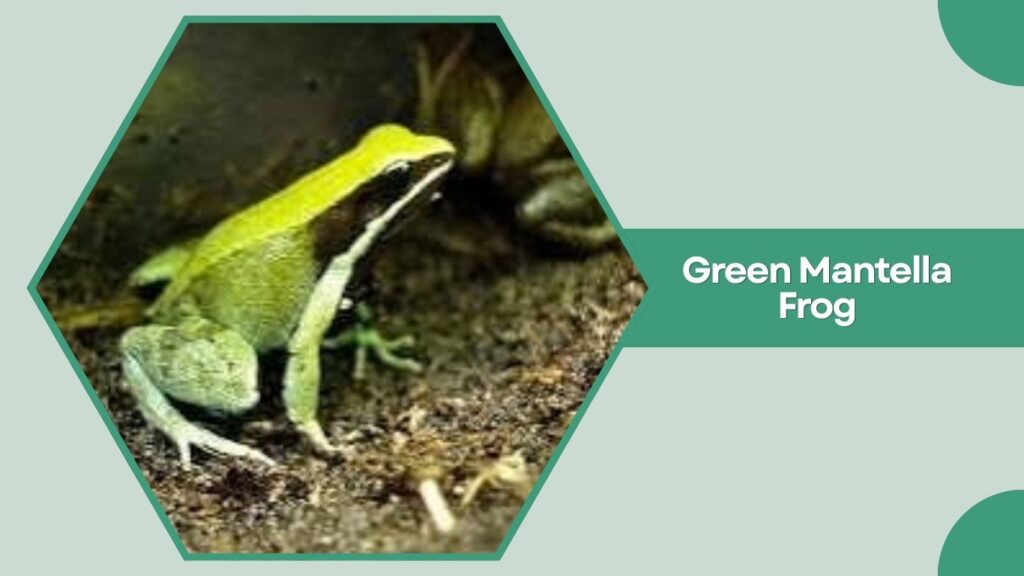
The Green Mantella Frog (Mantella viridis) is a small, brightly colored amphibian native to northern Madagascar. Recognized for its vivid green back, dark sides, and distinctive facial markings, this species is one of Madagascar’s fascinating native frogs. Unlike many green tree frogs, the Green Mantella spends most of its time on the ground, searching for insects among fallen leaves and vegetation.
Identification
- Scientific Name: Mantella viridis
- Size: Approximately 0.9–1.2 inches long.
- Color: Bright green or yellowish-green with dark brown or black sides.
- Body Shape: Small, compact body with slender legs.
- Skin: Smooth and slightly glossy.
- Distinctive Features: Dark facial markings, pale stripes near the eyes, and occasional bluish markings on the limbs.
- Conservation Status: Endangered.
Habitat and Distribution
Green Mantella Frogs are endemic to northern Madagascar, where they inhabit dry tropical forests, moist valleys, and vegetation surrounding seasonal streams.
These frogs usually remain close to shaded areas with leaf litter and small water sources. Habitat destruction, agricultural expansion, and other environmental pressures threaten their survival.
Behavior and Diet
Green Mantella Frogs are primarily diurnal, meaning they are active during daylight hours.
Their diet includes ants, termites, mites, and other tiny invertebrates. They capture prey using quick movements and sticky tongues.
Their bright coloration warns predators about potentially toxic skin secretions, which are associated with chemicals obtained from their natural diet.
Breeding and Life Cycle
Breeding typically increases during Madagascar’s rainy season when moisture creates suitable reproductive conditions.
Females deposit eggs in damp, sheltered locations near water. The developing tadpoles eventually reach small pools or streams, where they continue growing.
After completing metamorphosis, the young frogs leave the water and begin living among moist vegetation and forest-floor debris.
18. Green Paddy Frog
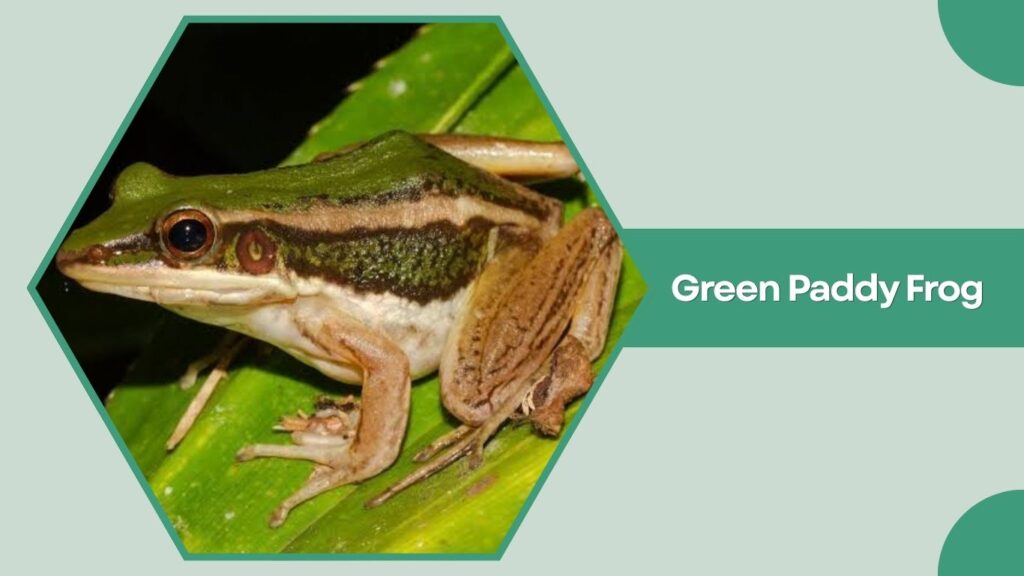
The Green Paddy Frog (Hylarana erythraea), also known as the Common Greenback, is a medium-sized amphibian native to Southeast Asia. Its bright green back, distinctive pale stripes, and strong jumping abilities make it relatively easy to recognize. This species frequently inhabits rice paddies, ponds, and wetlands, where it plays an important role in controlling insect populations.
Identification
- Scientific Name: Hylarana erythraea
- Size: Approximately 1.3–3 inches long.
- Color: Bright green, olive-green, or dark green.
- Body Shape: Slender body with long, powerful hind legs.
- Skin: Smooth with prominent ridges along the back.
- Distinctive Features: Pale yellow or white stripes along both sides, a white upper lip, and a prominent reddish-brown eardrum.
- Lifespan: Several years under suitable conditions.
Habitat and Distribution
Green Paddy Frogs inhabit countries throughout Southeast Asia, including Malaysia, Singapore, Indonesia, Thailand, Vietnam, and Cambodia.
They prefer freshwater habitats such as rice fields, ponds, marshes, roadside ditches, and shallow wetlands.
These frogs commonly live among aquatic plants and grassy vegetation, where they can quickly escape into water when threatened.
Behavior and Diet
Green Paddy Frogs are primarily nocturnal, although they sometimes become active during cloudy or rainy weather.
They are excellent jumpers and strong swimmers, using their muscular hind legs to escape predators.
Their diet consists mainly of insects, spiders, small worms, and other invertebrates found around freshwater habitats.
Breeding and Life Cycle
Breeding generally takes place during warm, rainy periods when freshwater habitats are abundant.
Male frogs produce calls to attract females near ponds and rice fields. Females deposit eggs in water, where they develop into aquatic tadpoles.
The tadpoles feed on algae and organic material before gradually transforming into juvenile frogs.
19. Japanese Tree Frog
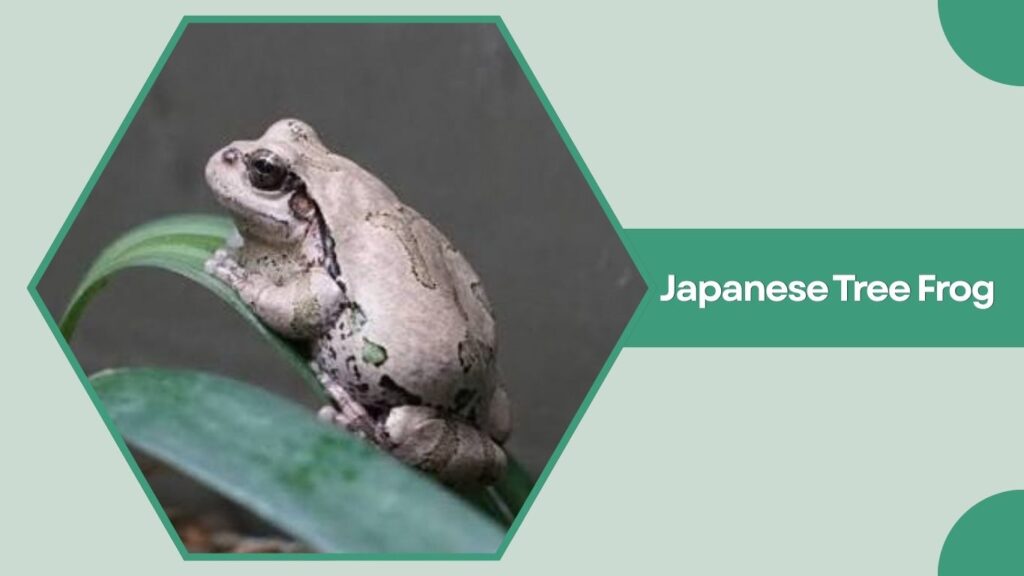
The Japanese Tree Frog (Dryophytes japonicus) is a small, adaptable amphibian commonly found in Japan and other parts of East Asia. Known for its bright green coloration, smooth skin, and excellent climbing abilities, this frog frequently inhabits rice fields, forests, and gardens. Its distinctive breeding calls are familiar sounds throughout the Japanese countryside during warmer months.
Identification
- Scientific Name: Dryophytes japonicus
- Size: Approximately 1.2–1.8 inches long.
- Color: Bright green, olive-green, gray, or brown.
- Body Shape: Small, slender body with relatively long hind legs.
- Skin: Smooth and slightly glossy.
- Distinctive Features: Dark stripe extending from the nostril through the eye, rounded adhesive toe pads, and a pale underside.
- Lifespan: Several years under favorable environmental conditions.
Habitat and Distribution
Japanese Tree Frogs inhabit Japan, the Korean Peninsula, northeastern China, and parts of eastern Russia.
They prefer forests, grasslands, agricultural fields, gardens, and freshwater wetlands. These frogs are particularly common around rice paddies, where shallow water provides suitable breeding conditions.
Their green coloration helps them blend into surrounding vegetation and avoid potential predators.
Behavior and Diet
Japanese Tree Frogs are mainly active during nighttime and humid weather.
They frequently climb shrubs, grasses, and small trees using their adhesive toe pads. During colder months, they enter a period of winter dormancy in protected locations.
Their diet includes flies, moths, mosquitoes, beetles, and other small insects.
Breeding and Life Cycle
Breeding generally occurs from spring through summer, particularly when temperatures rise and rice fields become flooded.
Males produce repeated calls near shallow water to attract females. Females lay clusters of eggs in ponds, flooded fields, and other suitable freshwater habitats.
The tadpoles develop in water before gradually transforming into young frogs.
20. Waxy Monkey Tree Frog
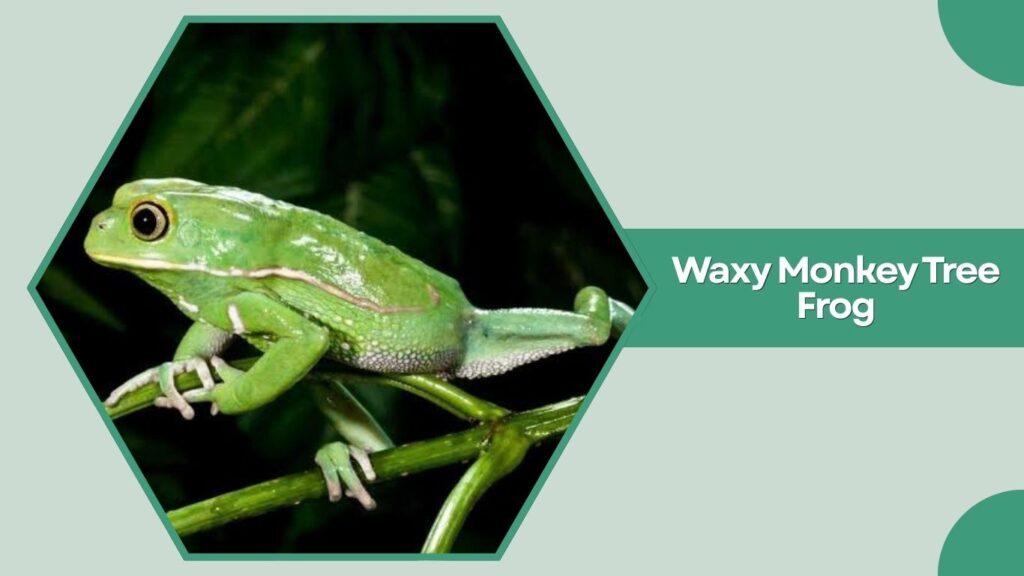
The Waxy Monkey Tree Frog (Phyllomedusa sauvagii) is a fascinating green amphibian native to South America. Unlike most frogs, this species produces a waxy secretion that helps protect its skin from excessive moisture loss. Its unusual climbing movements, bright green coloration, and remarkable adaptation to relatively dry environments make it one of the most distinctive tree frogs.
Identification
- Scientific Name: Phyllomedusa sauvagii
- Size: Approximately 2–3.5 inches long.
- Color: Bright green, olive-green, or pale green.
- Body Shape: Broad body with long, muscular limbs.
- Skin: Smooth, with specialized glands producing waxy secretions.
- Distinctive Features: Large eyes with vertical pupils, pale spots along the sides, and grasping fingers and toes.
- Lifespan: Can live more than 10 years in captivity with proper care.
Habitat and Distribution
Waxy Monkey Tree Frogs inhabit the Gran Chaco region of South America, including parts of Argentina, Bolivia, Paraguay, and Brazil.
They prefer dry forests, thorny scrublands, and woodland vegetation.
Unlike many amphibians that require consistently humid environments, these frogs tolerate relatively dry conditions because their protective skin secretions reduce water loss.
Behavior and Diet
Waxy Monkey Tree Frogs are primarily nocturnal and spend much of their time climbing branches.
Instead of making frequent long jumps, they often move slowly along vegetation using their grasping toes.
They spread waxy secretions across their skin with their limbs to conserve moisture. Their diet consists mainly of insects, including crickets, moths, and beetles.
Breeding and Life Cycle
Breeding generally occurs during the rainy season when temporary freshwater pools become available.
Females lay eggs on leaves hanging above water. The leaves are folded around the egg masses to provide protection and reduce drying.
Once the eggs hatch, tadpoles fall into the water below, where they continue developing until metamorphosis.
FAQs
1. What are the most common types of green frogs?
Some common green frogs include the American Green Tree Frog, Australian Green Tree Frog, Northern Green Frog, European Tree Frog, and Pacific Tree Frog. Their distribution varies by region, with different species inhabiting North America, Europe, Asia, and Australia.
2. Are green frogs poisonous to humans?
Most green frogs are not dangerously poisonous to humans. However, certain species, such as the Green and Black Poison Dart Frog and Green Mantella Frog, produce defensive skin toxins. It is best to avoid handling wild frogs unnecessarily.
3. What do green frogs eat?
Green frogs primarily eat insects and other small invertebrates, including flies, mosquitoes, moths, crickets, spiders, and beetles. Larger species may occasionally consume smaller frogs, lizards, or other small animals. Their exact diet depends on their size, habitat, and available food sources.
4. Where do green frogs usually live?
Green frogs inhabit forests, wetlands, ponds, marshes, grasslands, and tropical rainforests. Some species, including the American Green Tree Frog, spend considerable time climbing vegetation, while others, such as the Northern Green Frog, remain close to freshwater.
5. How long do green frogs live?
The lifespan of green frogs depends on the species and environmental conditions. Many smaller species survive approximately 3–7 years, while some larger tree frogs may live more than 10–15 years in captivity. Predators, diseases, climate, and habitat quality significantly influence their survival in the wild.
