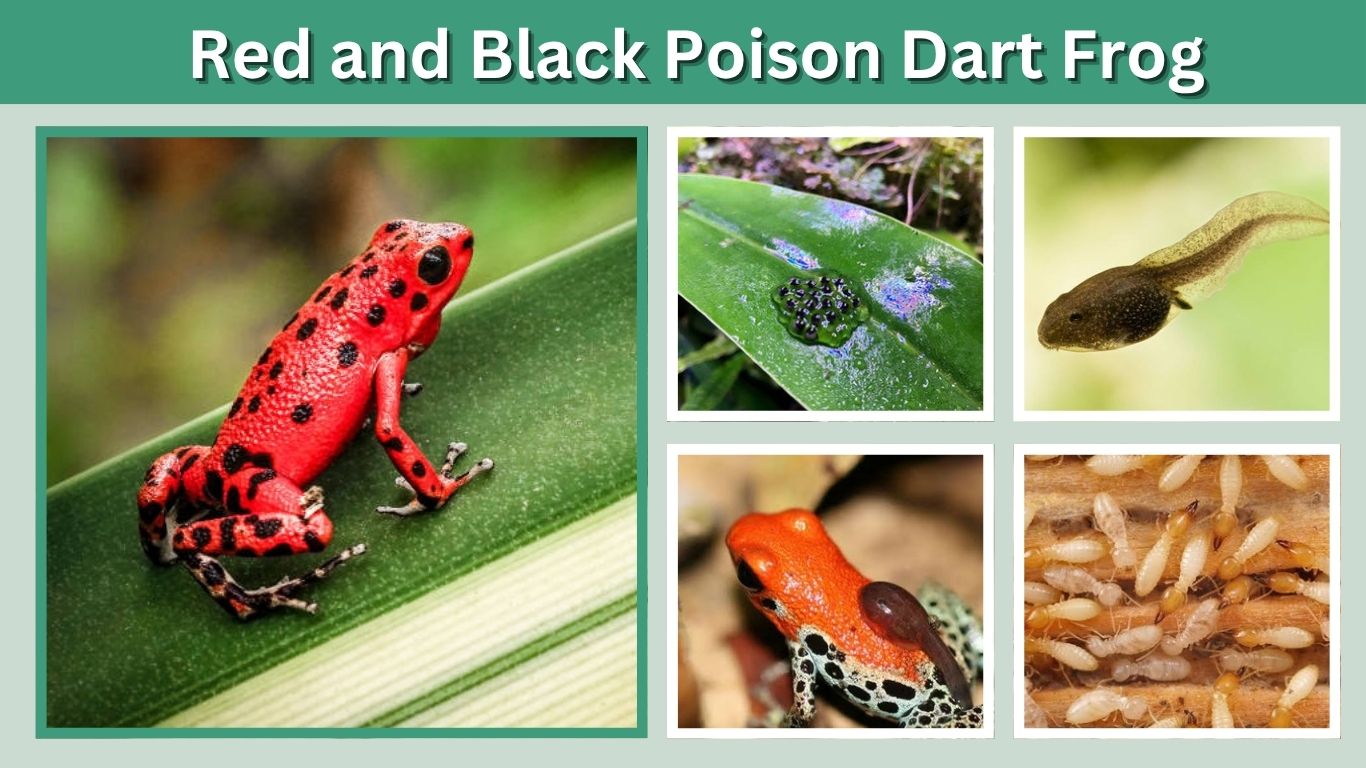
The red and black poison dart frog is a remarkable rainforest amphibian known for its striking colors, toxic skin, and fascinating behavior. Its vivid red markings contrast with dark patterns, creating a beautiful appearance that also warns predators to stay away. One species associated with this name is the harlequin poison frog (Oophaga histrionica). Native to Colombia, this small amphibian plays an important role in tropical ecosystems. Understanding its identification, habitat, diet, toxicity, and reproduction reveals why this unusual frog deserves attention and protection.
What Is a Red and Black Poison Dart Frog?
The red and black poison dart frog belongs to the family Dendrobatidae, a group of amphibians famous for colorful skin and chemical defenses. The name is particularly associated with the harlequin poison frog, although similar coloration appears in other species. Its distinctive appearance, small body, and specialized lifestyle make it one of the rainforest’s most interesting amphibians.
Scientific Classification
The harlequin poison frog is scientifically known as Oophaga histrionica. It belongs to the genus Oophaga, whose members are recognized for their unusual reproductive behavior, especially the feeding of tadpoles with unfertilized eggs.
Its basic classification includes:
- Common Name: Red-and-black Poison Frog or Harlequin Poison Frog
- Scientific Name: Oophaga histrionica
- Family: Dendrobatidae
- Genus: Oophaga
- Animal Class: Amphibia
- Native Region: Colombia, South America
- Typical Size: Approximately 1–1.5 inches (2.5–3.8 cm)
Although its body is small, this frog possesses effective chemical defenses that discourage many predators.
Red and Black Poison Dart Frog Identification
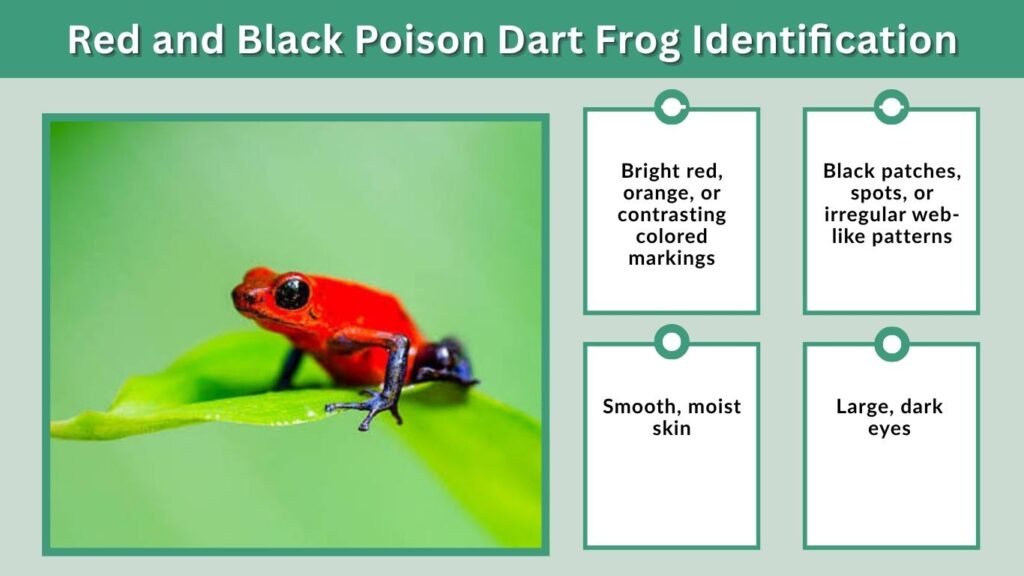
Identifying this frog begins with its distinctive coloration. Many individuals display red or orange markings combined with black patches, irregular stripes, or web-like patterns.
However, not every harlequin poison frog looks identical. Different populations can exhibit yellow, orange, white, or other color combinations.
Common identification characteristics include:
- Bright red, orange, or contrasting colored markings
- Black patches, spots, or irregular web-like patterns
- Smooth, moist skin
- Compact body with slender legs
- Large, dark eyes
- Small toes adapted for moving across vegetation
Its markings can vary substantially between populations, so coloration alone cannot always confirm the species.
Where Do Red and Black Poison Dart Frogs Live?
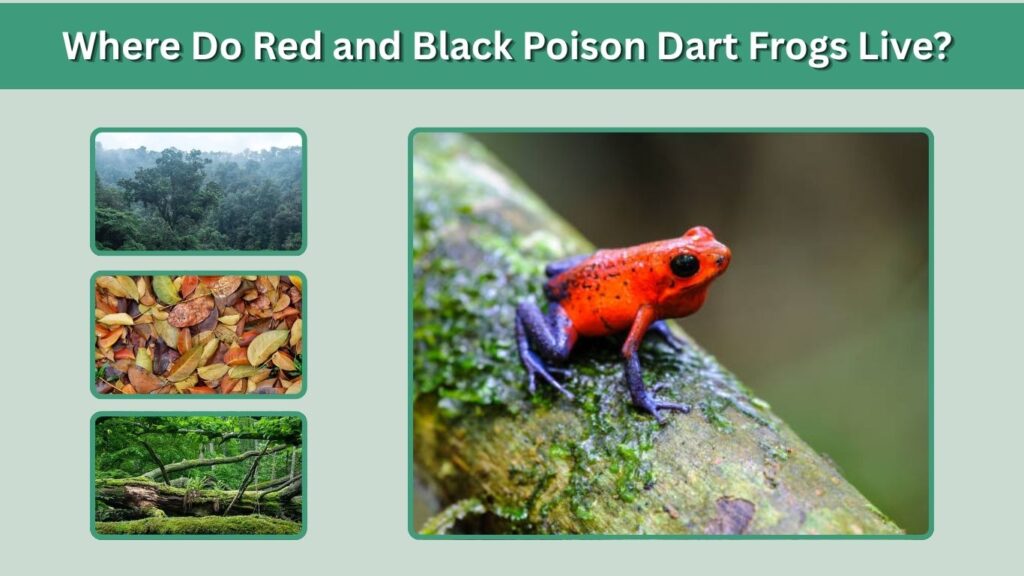
Red and black poison dart frogs inhabit warm, humid environments where moisture remains available throughout the year. Tropical rainforests provide shelter, food, and suitable breeding locations. These amphibians depend on stable environmental conditions because their permeable skin can lose moisture quickly. Dense vegetation, fallen leaves, and water-holding plants are especially important for their survival.
Natural Habitat and Geographic Distribution
The harlequin poison frog is native to western Colombia, particularly humid forests associated with the Pacific region and western Andes.
Its currently recognized distribution is narrower than some older descriptions because several formerly grouped populations have been classified as separate species.
These frogs generally prefer:
- Humid tropical rainforest floors
- Thick layers of fallen leaves
- Moss-covered logs and branches
- Dense vegetation with shaded areas
- Plants that collect small amounts of water
Bromeliads are especially valuable because their leaf structures can hold rainwater, creating miniature aquatic environments for developing tadpoles.
Daily Behavior and Activity
Unlike many frogs that become active primarily at night, harlequin poison frogs are generally diurnal, meaning they are active during daylight.
They spend much of their time searching for tiny invertebrates, moving across leaf litter, and exploring vegetation.
Males also produce calls to communicate and attract females. Their bright colors allow them to remain conspicuous while warning potential predators about their chemical defenses.
Although they can climb plants, these frogs frequently use the sheltered environment near the forest floor.
What Do Red and Black Poison Dart Frogs Eat?
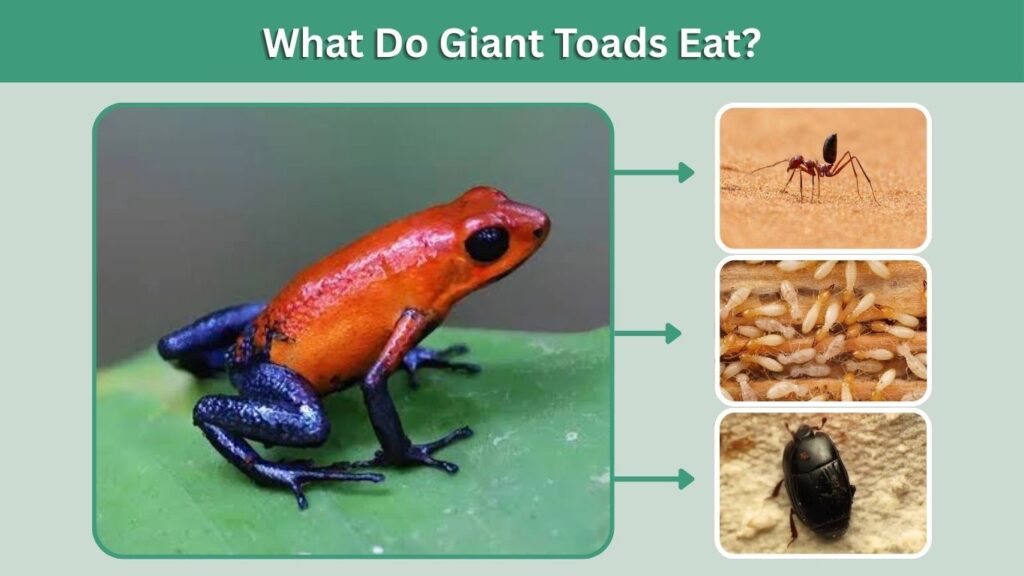
Red and black poison dart frogs are carnivorous amphibians that consume small insects and other invertebrates. Their diet provides the energy needed for movement, growth, and reproduction. Certain prey also supply chemical compounds that contribute to their skin toxicity. This connection between food and chemical defense is one of the most fascinating aspects of poison dart frog biology.
Diet and Feeding Habits
In their natural habitat, harlequin poison frogs feed on small arthropods found among leaves and vegetation.
Their diet includes:
- Ants
- Termites
- Small beetles
- Tiny insects
- Other small arthropods
They locate moving prey primarily through sight and capture it using a quick, sticky tongue.
These feeding habits help regulate small invertebrate populations within the forest ecosystem.
How Their Diet Makes Them Poisonous
Poison dart frogs do not obtain all their defensive chemicals through their own biological production. Instead, many species accumulate toxic alkaloids from particular arthropods they consume.
These compounds are stored in specialized skin glands.
When predators attempt to eat the frog, the chemicals can produce unpleasant or harmful effects, discouraging further attacks.
Captive-bred poison dart frogs generally have much lower toxicity because their diets lack many of the alkaloid-producing prey found in the wild.
Are Red and Black Poison Dart Frogs Dangerous?
The red and black poison dart frog possesses chemical defenses that can make it dangerous to predators. However, being poisonous does not mean it aggressively attacks humans. Its toxins primarily function as protection against animals that might attempt to eat it. Understanding the difference between poison and venom is important when evaluating the risks associated with this colorful amphibian.
How Toxic Is the Red and Black Poison Dart Frog?
Wild harlequin poison frogs have toxic skin secretions capable of discouraging or harming predators.
Unlike venomous animals, poison dart frogs do not inject toxins using specialized fangs or stingers. Instead, their skin contains poisonous substances that can become harmful when ingested or introduced into sensitive tissues.
Human contact should be avoided, particularly if someone has cuts or might transfer skin secretions to their eyes or mouth.
Despite its toxicity, the harlequin poison frog should not be confused with the golden poison frog (Phyllobates terribilis), which is considerably more toxic.
Why Are They Red and Black?
Their bright colors are an example of aposematic coloration, a natural warning system used by many poisonous animals.
The combination of red and black creates a visually noticeable pattern that can discourage predators.
Predators that associate striking coloration with unpleasant experiences may learn to avoid similarly colored animals.
These markings can also help researchers distinguish populations, although color intensity does not provide a reliable measurement of an individual frog’s toxicity.
Reproduction and Life Cycle
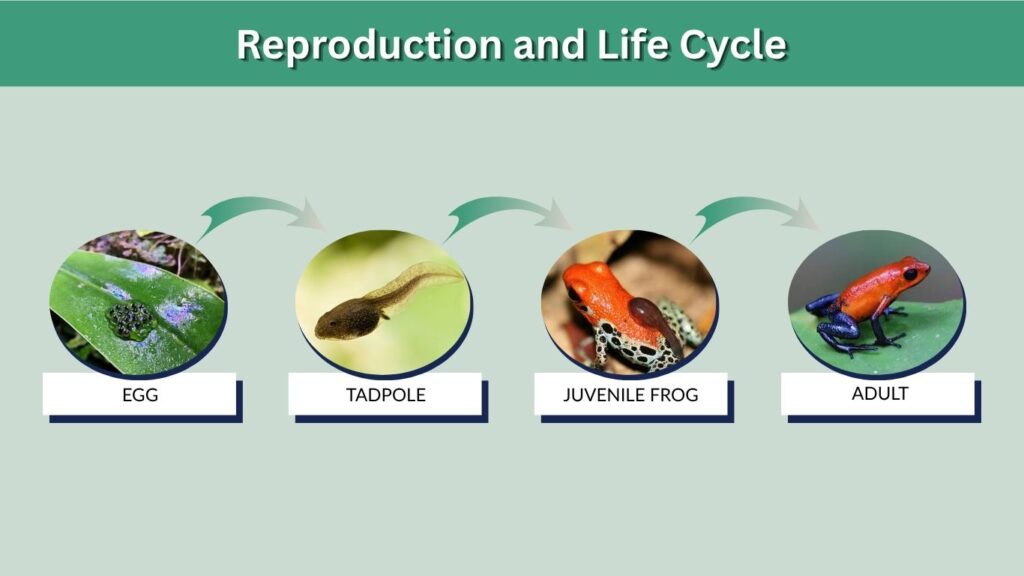
The reproductive behavior of the red and black poison dart frog is particularly fascinating because parental care continues after the eggs hatch. Unlike many amphibians that leave their offspring to develop independently, harlequin poison frogs provide specialized care for developing tadpoles. Their reproductive success depends on moist breeding locations, suitable vegetation, and access to small water-filled spaces.
Mating and Egg Development
During suitable breeding conditions, males attract females through vocal calls.
After courtship, eggs are deposited in protected, moist locations, often associated with vegetation near the forest floor.
The embryos develop outside the mother’s body, relying on surrounding moisture to prevent dehydration.
Once the eggs hatch, the tiny tadpoles must reach an aquatic environment where they can continue developing.
How Parents Care for Tadpoles
Harlequin poison frogs have an unusual parenting strategy.
The female transports tadpoles to small pools of water, often inside bromeliad plants. These isolated locations provide temporary aquatic habitats.
The mother then returns periodically to supply unfertilized eggs as food.
This specialized feeding behavior is essential because the tadpoles rely heavily on maternal egg provisioning during development.
Eventually, the tadpoles undergo metamorphosis, developing legs and transforming into young frogs capable of living outside the water.
Conservation and Similar Species
The survival of red and black poison dart frogs depends on the protection of tropical rainforests. Habitat destruction, environmental changes, and illegal wildlife collection threaten several poison frog species. Their specialized reproductive requirements can make population recovery particularly challenging. Understanding related species also helps distinguish the harlequin poison frog from other amphibians with similar red-and-black patterns.
Conservation Status and Threats
The Wildlife Conservation Society reports that Oophaga histrionica is classified as Critically Endangered, with a restricted range in Colombia’s Risaralda department.
Important threats include habitat destruction caused by mining, agriculture, cattle ranching, and forest degradation.
Protection efforts focus on maintaining suitable rainforest habitats, preventing illegal wildlife collection, and supporting research into wild populations.
Conserving these frogs also protects the many other animals and plants sharing their rainforest environment.
Similar Red and Black Poison Dart Frogs
Several other poison dart frog species can have similar appearances.
Strawberry Poison Dart Frog (Oophaga pumilio): Some populations have bright red bodies with black spots or dark limbs. This species occurs in Central America.
Red-backed Poison Dart Frog (Ranitomeya reticulata): This tiny species has a bright red or orange back, with dark limbs and distinctive net-like markings. It inhabits parts of the Amazon rainforest in Peru and Ecuador.
Lehmann’s Poison Frog (Oophaga lehmanni): Native to Colombia, this species can display dramatic red, orange, or yellow bands against a dark body.
These frogs share warning coloration, but differ in size, geographic distribution, and specific markings.
FAQs
1. Is the red and black poison dart frog poisonous to humans?
Yes. Wild harlequin poison frogs possess toxic skin secretions that can be harmful, especially if they enter the mouth, eyes, or broken skin. Avoid handling wild poison dart frogs.
2. Where are red and black poison dart frogs found?
The harlequin poison frog is native to western Colombia, where it inhabits humid tropical forests. Other red-and-black poison dart frog species occur in Central and South America.
3. What does a red and black poison dart frog eat?
These frogs feed mainly on ants, termites, small beetles, and other tiny arthropods. Certain insects supply chemical compounds that contribute to their toxic skin defenses.
4. How big does a red and black poison dart frog get?
The harlequin poison frog generally measures approximately 1–1.5 inches (2.5–3.8 cm) in body length. Other similarly colored poison dart frog species may be smaller.
5. Can red and black poison dart frogs be kept as pets?
Some poison dart frogs are maintained by experienced amphibian keepers, but legal sourcing, species protection, and specialized habitat requirements are essential. Wild-caught threatened frogs should not be purchased.
