
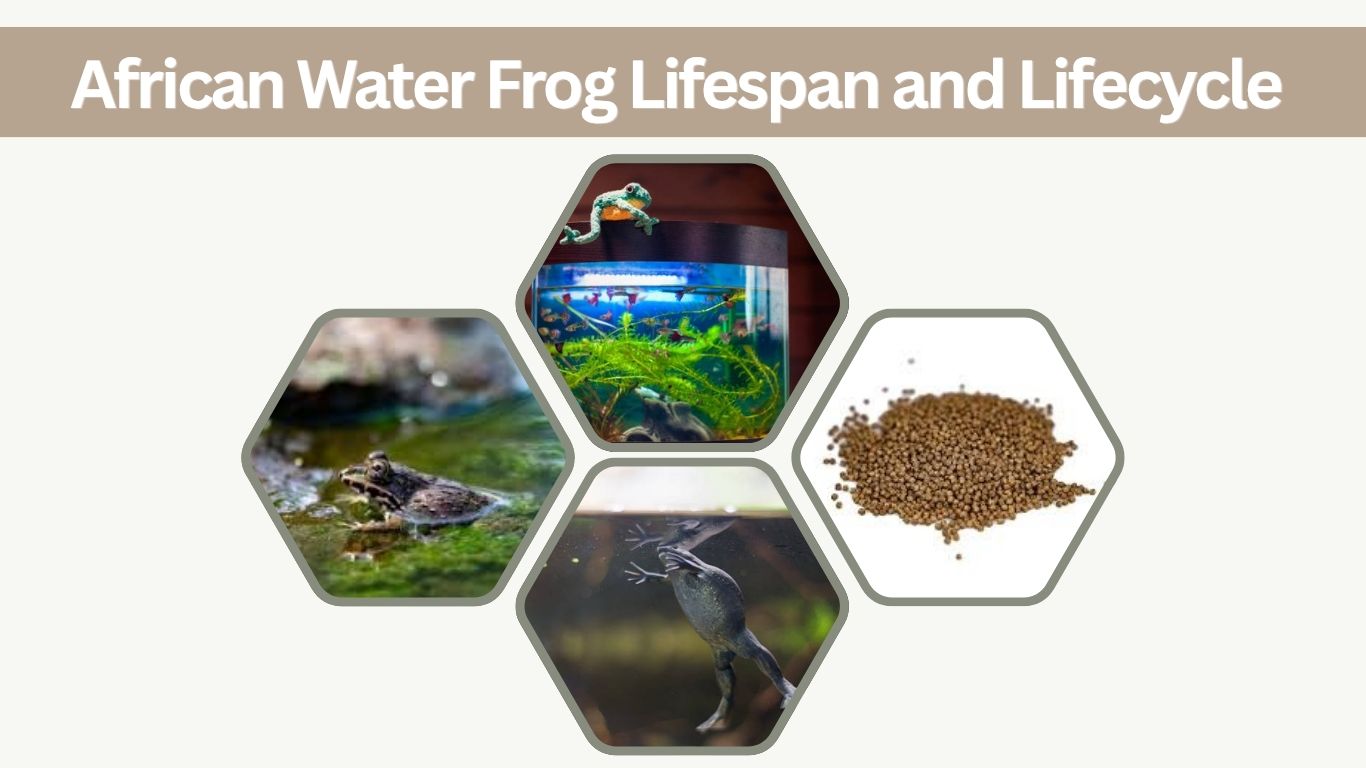
African water frogs are fascinating aquatic amphibians that attract both beginner and experienced pet owners. Known for their fully aquatic lifestyle and unique behaviors, these frogs can live for several years with proper care. Understanding their lifespan and lifecycle is essential for maintaining their health and supporting their development. This guide explains how long African water frogs live, what factors affect their longevity, and how they grow through different life stages from eggs to fully developed adults.
What Is an African Water Frog?
African water frogs generally refer to two popular species: African dwarf frogs and African clawed frogs. While they share similarities, they differ in size, lifespan, and care requirements. Knowing which type you have is important for understanding their needs.
Types of African Water Frogs
- African dwarf frog (small, peaceful, fully aquatic)
- African clawed frog (larger, more aggressive, hardy)
African Water Frog Lifespan Overview

African water frogs are relatively long-lived for small aquatic pets, especially when kept in proper conditions. Their lifespan varies depending on species, care, and environment. Many owners underestimate how long these frogs can live, which makes understanding their lifespan even more important.
Average Lifespan
- African dwarf frogs live around 5 to 10 years
- African clawed frogs can live 10 to 20 years
- Proper care can extend lifespan significantly
Lifespan in Captivity vs Wild
- Captive frogs live longer due to stable conditions
- Wild frogs face predators and environmental risks
- Controlled diet and clean water improve longevity
Factors That Affect Lifespan

Several factors directly influence how long African water frogs live. Paying attention to these elements helps create a healthy and stable environment for long-term survival.
Diet and Nutrition
- Require protein-rich foods like bloodworms and pellets
- Balanced diet prevents deficiencies
- Overfeeding can lead to obesity
Water Quality
- Clean, filtered water is essential
- Stable temperature and pH levels are important
- Poor water quality can cause disease
Tank Environment
- Adequate space reduces stress
- Hiding spots improve comfort
- Proper tank setup supports natural behavior
Signs of Aging in African Water Frogs
As African water frogs grow older, their behavior and physical appearance gradually change. These changes are usually subtle but can be observed over time with careful attention. Older frogs may become less active and spend more time resting at the bottom of the tank. Their appetite might decrease slightly, and they may respond more slowly to movement or food.
In some cases, their skin may appear less vibrant, and overall energy levels may decline. While these signs are normal, it is important to distinguish them from illness. Consistent care and monitoring help ensure that aging frogs remain comfortable and healthy throughout their later years.
African Water Frog Lifecycle Overview
The lifecycle of an African water frog is a fascinating transformation process that includes several distinct stages. Like most amphibians, they begin life in water as eggs and gradually develop into fully formed frogs through metamorphosis.
Main Lifecycle Stages
- Egg
- Tadpole
- Froglet
- Adult
Egg Stage
The lifecycle begins when female frogs lay eggs in water, usually after mating. Fertilization occurs externally, and the eggs are left to develop in the aquatic environment.
Egg Development
- Eggs are soft and jelly-like
- Usually laid in clusters
- Attach to surfaces or float in water
Incubation Period
- Typically hatch within 2 to 7 days
- Temperature affects development speed
- Warmer water speeds up hatching
Tadpole Stage
After hatching, the frog enters the tadpole stage, which looks very different from an adult frog. This stage focuses on growth and development, preparing the frog for later transformation.
Early Tadpole Characteristics
- Equipped with gills for breathing underwater
- No limbs at first
- Small and fragile
Growth and Changes
- Hind legs develop first
- Front legs appear later
- Gradual transition toward adult body structure
Froglet Stage
The froglet stage is where the most dramatic transformation occurs. At this point, the developing frog begins to resemble its adult form. The tail starts shrinking, lungs replace gills, and movement becomes more active. This stage marks the transition from a fully aquatic larva to a functional amphibian.
Metamorphosis Process
- Tail gradually shortens and disappears
- Lungs develop for air breathing
- Limbs become fully functional
Behavior Changes
- Increased swimming and exploration
- Begins to surface for air
- Diet shifts toward small protein-based foods
Adult Stage
Once fully developed, African water frogs enter the adult stage, where growth slows and reproduction becomes possible. Adult frogs are fully aquatic and display stable behaviors compared to earlier stages.
Maturity and Size
- Reach maturity within several months to a year
- Maintain consistent body size after growth slows
- Lifespan depends on care and species
Reproductive Behavior
- Mating occurs in water
- Males produce sounds to attract females
- Egg-laying begins the lifecycle again
Growth Timeline and Development

The growth of African water frogs depends heavily on environmental conditions such as water temperature, diet, and overall tank quality. Warmer temperatures and proper feeding can speed up development, while poor conditions may delay growth.
Typically, eggs hatch within a few days, and the tadpole stage lasts several weeks. The froglet stage follows, during which the most visible changes occur. Within a few months, the frog reaches adulthood, although full maturity may take longer depending on the species. Consistent care during each stage ensures proper development and reduces the risk of health problems later in life.
Differences Between Dwarf and Clawed Frogs

Although often grouped together, African dwarf frogs and African clawed frogs have noticeable differences in both lifespan and lifecycle development.
Key Differences
- Dwarf frogs are smaller and more peaceful
- Clawed frogs grow larger and are more aggressive
- Clawed frogs generally live longer
- Care requirements vary slightly between species
Lifespan vs Lifecycle Explained
Understanding the difference between lifespan and lifecycle is important for proper care. Lifespan refers to how long a frog lives, while lifecycle describes the stages it goes through from egg to adult.
Lifespan can vary based on care, environment, and species, whereas lifecycle stages remain relatively consistent. By understanding both concepts, owners can provide appropriate care at each stage and support healthy development throughout the frog’s life.
Common Mistakes That Shorten Lifespan
Care Mistakes
- Poor water quality and lack of filtration
- Overfeeding or unbalanced diet
- Inadequate tank size
Environmental Mistakes
- Sudden temperature changes
- Lack of hiding spaces
- Stress from overcrowding
FAQs
How long do African water frogs live?
African dwarf frogs typically live between 5 and 10 years, while African clawed frogs can live up to 20 years. Proper care, including clean water and a balanced diet, plays a major role in determining their lifespan.
What is the lifecycle of an African water frog?
The lifecycle includes four main stages: egg, tadpole, froglet, and adult. Each stage involves significant physical changes, especially during metamorphosis when the frog transitions from a tadpole into a fully formed adult.
How long does it take for a tadpole to become a frog?
The transformation from tadpole to frog usually takes several weeks to a few months. The exact timeline depends on water temperature, diet, and overall environmental conditions.
Are African dwarf frogs and clawed frogs different?
Yes, they differ in size, behavior, and lifespan. Dwarf frogs are smaller and more peaceful, while clawed frogs are larger, more aggressive, and tend to live longer.
Can proper care extend a frog’s lifespan?
Yes, proper care can significantly extend lifespan. Clean water, balanced nutrition, stable temperature, and a stress-free environment all contribute to a healthier and longer life for African water frogs.
