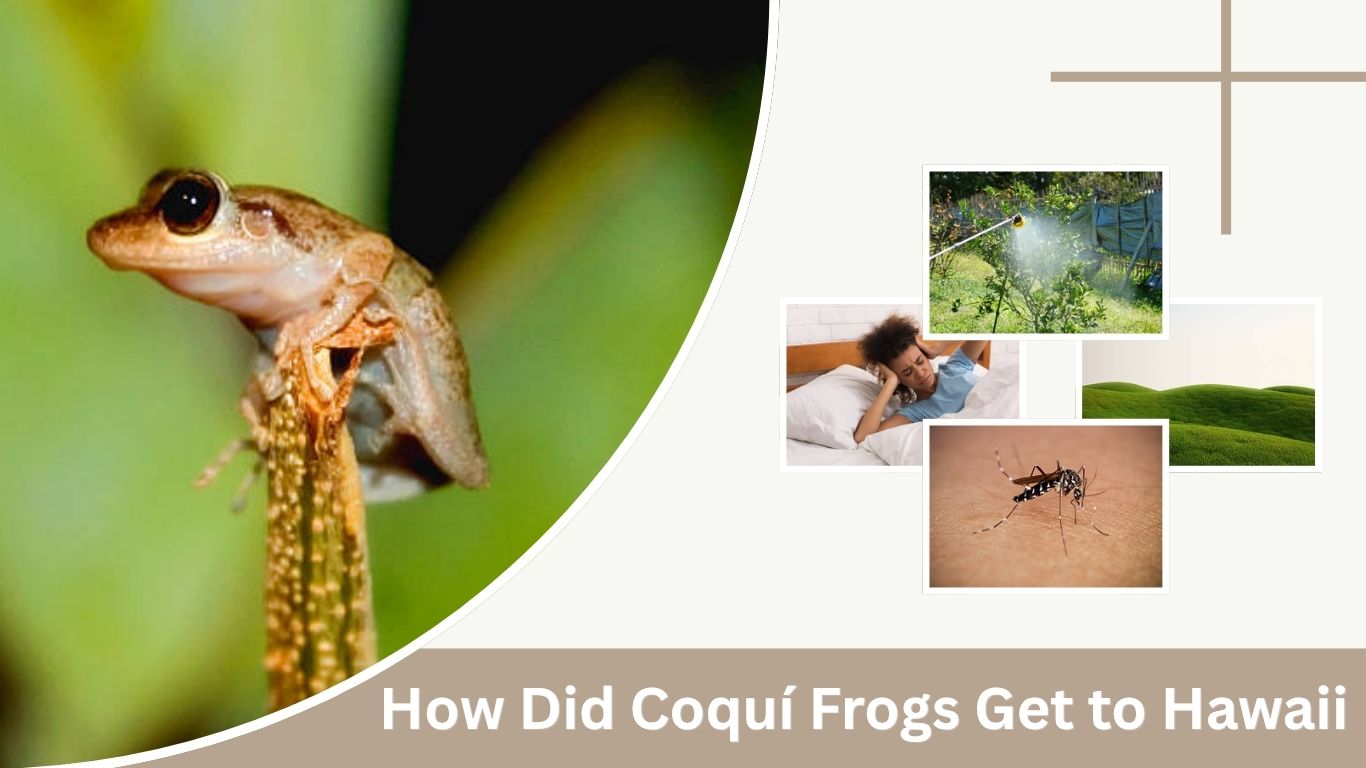
The coquí frog, a small amphibian native to Puerto Rico, is famous for its loud “co-quí” call and unique life cycle. While it is a beloved cultural symbol in its native habitat, its presence in Hawaii tells a very different story. The arrival of coquí frogs in Hawaii is a classic example of how human activity can unintentionally introduce species into new environments, sometimes with significant ecological consequences.
When Did Coquí Frogs Arrive in Hawaii?
Coquí frogs were first reported in Hawaii in the late 1980s. Initially, their presence went largely unnoticed, as the populations were small and localized. However, by the 1990s, their numbers began to increase rapidly.
As time passed, the frogs spread to multiple islands, including Hawaii (the Big Island), Maui, Oahu, and Kauai. Their population growth was especially noticeable due to their loud nighttime calls, which made their presence difficult to ignore.
How Did Coquí Frogs Get to Hawaii?
The introduction of coquí frogs to Hawaii was not intentional. Instead, it occurred through human activities, particularly through trade and transportation.
Accidental Introduction Through Plant Trade
- Coquí frogs were transported in nursery plants and landscaping materials
- Eggs and small frogs hid in moist soil, leaves, and plant containers
- Shipments from Puerto Rico and other tropical regions carried them unknowingly
Human-Mediated Movement Between Islands
- Spread increased through movement of plants and goods within Hawaii
- Garden centers and landscaping businesses unintentionally distributed them
- Residential planting and trade helped expand their range
Why They Survived the Journey
- Their eggs do not need standing water to develop
- They can survive in small, moist spaces during transport
- Their adaptability allowed them to thrive in new environments
These factors combined to make coquí frogs highly successful at establishing themselves in Hawaii once introduced.
Why Hawaii Was Ideal for Coquí Frogs

Hawaii provided nearly perfect conditions for coquí frogs to survive and reproduce. The climate is warm and humid, similar to their native environment in Puerto Rico.
The islands also offer abundant vegetation, which provides shelter and food. In addition, the absence of many natural predators allowed their populations to grow quickly without significant control.
Because coquí frogs can reproduce on land and do not depend on water bodies, they were able to spread across a variety of habitats, from forests to residential gardens.
How Did Coquí Frogs Spread So Quickly?
Once established, coquí frogs expanded rapidly across the islands. Their spread was influenced by both natural behavior and continued human activity.
- High reproduction rates allowed populations to grow quickly
- Eggs laid on land made it easy to survive in transported materials
- Movement of plants and soil between locations accelerated distribution
- Lack of predators enabled population explosions
Their ability to adapt and reproduce efficiently made controlling their spread extremely difficult.
Impact on Hawaii’s Ecosystem

The introduction of coquí frogs has had noticeable effects on Hawaii’s environment. Although they are not harmful to humans, their ecological impact is significant.
Coquí frogs consume large numbers of insects, which can disrupt local food chains. Native species that rely on the same food sources may be affected, leading to imbalances in the ecosystem.
Additionally, their presence can alter nutrient cycles. By increasing insect consumption and waste production, they can change soil composition and plant growth patterns over time.
Impact on Human Life

The most noticeable effect of coquí frogs in Hawaii is their loud call. In areas with dense populations, the noise can be constant throughout the night.
- Calls can reach very high sound levels despite the frog’s small size
- Noise can disrupt sleep and reduce quality of life
- Property values in heavily affected areas may be impacted
- Complaints from residents have increased in some regions
While the frogs are harmless physically, their noise has made them a major concern in residential communities.
Efforts to Control Coquí Frog Populations

Managing coquí frog populations in Hawaii has been a challenging task. Various control methods have been tested to reduce their numbers and limit their spread.
- Use of citric acid sprays to eliminate frogs in affected areas
- Quarantine measures for plant shipments
- Public awareness campaigns to prevent accidental spread
- Monitoring and removal programs in high-risk locations
Despite these efforts, complete eradication has proven difficult due to their adaptability and widespread presence.
Why Coquí Frogs Are Not a Problem in Puerto Rico
In Puerto Rico, coquí frogs are a natural part of the ecosystem and do not cause the same issues seen in Hawaii. This difference highlights the importance of ecological balance.
In their native environment, coquí frogs have natural predators and competitors that help control their population. The ecosystem has evolved alongside them, maintaining stability.
Their calls are also culturally valued in Puerto Rico, where they are seen as a symbol of identity rather than a nuisance.
Lessons from the Coquí Frog Introduction
The story of coquí frogs in Hawaii demonstrates how easily species can be introduced to new environments and how difficult it can be to control them once established.
- Global trade can unintentionally transport species across regions
- Even small animals can have large ecological impacts
- Early detection is critical in preventing invasive spread
- Public awareness plays a key role in prevention
Understanding these lessons can help reduce the risk of similar situations in the future.
FAQs
How did coquí frogs originally arrive in Hawaii?
Coquí frogs were accidentally introduced through the plant trade, likely hidden in nursery plants, soil, and landscaping materials shipped from tropical regions like Puerto Rico.
Why did coquí frogs spread so fast in Hawaii?
They spread quickly due to their ability to reproduce on land, lack of natural predators, and continued movement of plants and goods between locations.
Are coquí frogs dangerous to humans?
No, coquí frogs are not harmful to humans. They do not bite or carry dangerous toxins. However, their loud calls can be disruptive in residential areas.
Why are coquí frogs considered invasive in Hawaii?
They are considered invasive because they are not native to Hawaii and can disrupt local ecosystems by affecting insect populations and competing with native species.
Can coquí frogs be completely removed from Hawaii?
Complete removal is very difficult due to their widespread distribution and adaptability. Control efforts focus on reducing populations and preventing further spread.
