
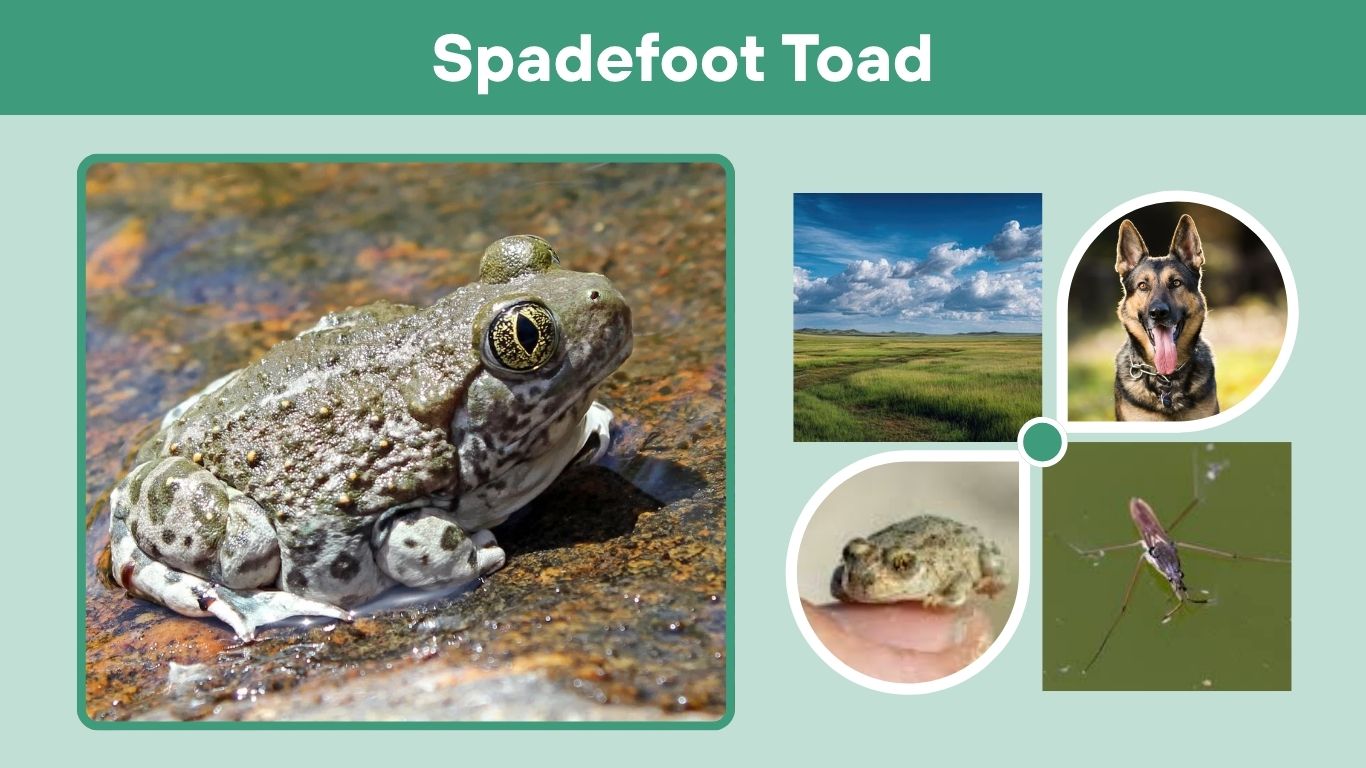
The spadefoot toad is a unique amphibian famous for its digging ability, desert survival skills, and explosive breeding behavior after heavy rain. Unlike many common toads, spadefoot toads spend much of their lives hidden underground in sandy soil where they remain protected from heat and drought. These amphibians are found across parts of North America, including Arizona, New Mexico, California, and Florida. Their unusual foot adaptation, rapid tadpole development, and nighttime activity make them some of the most fascinating amphibians in desert and grassland ecosystems.
What Is a Spadefoot Toad?
A spadefoot toad is a burrowing amphibian known for the hard, spade-shaped structure on its hind feet. This special adaptation allows the toad to dig quickly into loose soil and survive dry conditions underground for long periods.
Unlike true toads, many spadefoot species have smoother skin and vertical pupils similar to cats. These features help distinguish them from other amphibians commonly found in North America.
Why Is It Called a Spadefoot Toad?
The species gets its name from the hardened digging structure located on each hind foot. This “spade” helps the toad burrow backward into the ground when escaping heat or predators.
Spadefoot toads can disappear beneath the soil within seconds, especially during dry weather. Burrowing helps them conserve moisture and survive in harsh desert environments where water is limited.
Physical Characteristics
Several traits help identify spadefoot toads in the wild.
- Smooth skin instead of rough warts
- Vertical pupils similar to a cat’s eyes
- Compact body with short legs
- Spade-shaped hind feet for digging
- Gray, brown, or olive camouflage coloring
Most species remain relatively small, although body size varies depending on habitat and food availability.
Where Do Spadefoot Toads Live?
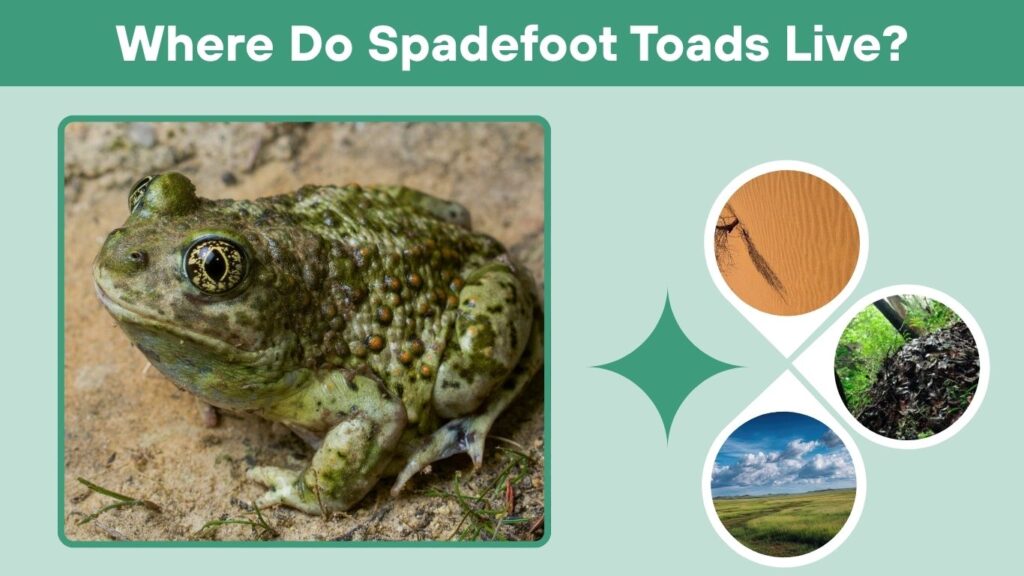
Spadefoot toads live in sandy or loose-soil habitats where burrowing is easy. Many species thrive in deserts, grasslands, pine forests, and dry plains throughout North America. They are especially common in regions with temporary rain pools used for breeding.
These amphibians spend most of the year underground and become active mainly during rainy nights. Their secretive behavior means people often see them only after storms or seasonal rainfall.
Spadefoot Toad Habitat
The ideal habitat for a spadefoot toad includes loose soil, warm temperatures, and temporary water sources for reproduction.
Common habitat features include:
- Sandy desert soil
- Grasslands and open plains
- Temporary ponds after rainfall
- Dry forests and scrublands
- Areas with warm nighttime temperatures
Because these habitats dry quickly, spadefoot toads evolved rapid breeding and growth strategies to survive unpredictable conditions.
Spadefoot Toads in the United States
Different species of spadefoot toads are found across several regions of the United States. Eastern spadefoot toads are common in sandy areas along the East Coast, while Couch’s spadefoot and plains spadefoot species inhabit western and southwestern regions.
Arizona, California, Florida, Texas, and New Mexico all support important spadefoot populations. Many species become highly active during monsoon seasons when rain creates temporary breeding pools.
Spadefoot Toad Adaptations and Behavior
Spadefoot toads possess remarkable adaptations that allow them to survive extreme heat and drought. Their burrowing behavior helps reduce water loss while protecting them from predators and dangerous temperatures.
These amphibians are mainly nocturnal and spend rainy evenings feeding, breeding, and traveling between habitats. During dry periods, they remain hidden underground in a dormant state called estivation.
Spadefoot Toad Adaptations
Several specialized adaptations make spadefoot toads highly successful in difficult environments.
- Powerful hind feet for rapid digging
- Water-conserving skin and behavior
- Ability to remain underground for months
- Rapid tadpole growth after rainfall
- Camouflage coloration for predator avoidance
These survival traits allow them to thrive in areas where many amphibians could not survive.
Spadefoot Toad Calls
Male spadefoot toads produce distinctive calls during breeding season after heavy rains. These calls attract females to temporary pools where eggs are laid.
Different species produce different sounds. Some calls resemble short croaks, while others sound like nasal buzzing or snoring. Large choruses may form at night when many males gather around shallow rain-filled ponds.
Spadefoot Toad Diet and Feeding
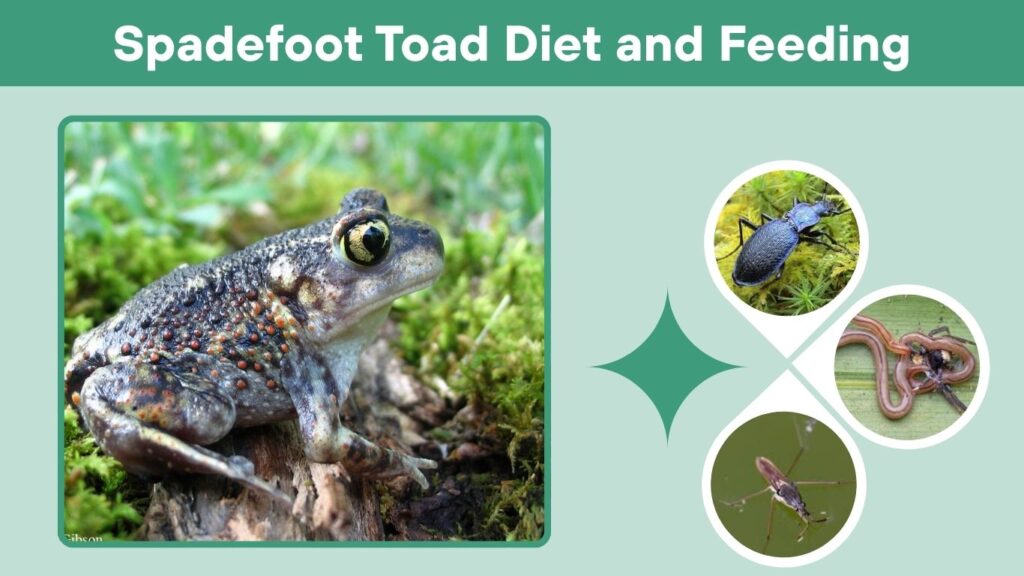
Spadefoot toads are carnivorous amphibians that feed mainly on insects and other small invertebrates. Their nighttime activity helps them hunt in cooler temperatures while avoiding daytime predators.
These toads usually wait quietly for prey before lunging forward quickly with sticky tongues and strong jaws. Their feeding behavior becomes especially active after rainstorms when insect populations increase.
What Do Spadefoot Toads Eat?
Spadefoot toads consume a wide variety of prey depending on habitat and season.
Common foods include:
- Beetles and ants
- Crickets and grasshoppers
- Worms and spiders
- Small insects near ponds
- Tiny aquatic invertebrates
Young toads and tadpoles often feed more aggressively because rapid growth is important before temporary pools disappear.
Cannibalistic Tadpoles
Some species, especially Mexican spadefoot toads, produce tadpoles capable of cannibalistic behavior. Under crowded or stressful conditions, certain tadpoles develop larger jaws and stronger muscles that allow them to eat other tadpoles.
This adaptation helps accelerate growth in temporary pools where water may dry quickly. Rapid development increases survival chances before the breeding habitat disappears.
Spadefoot Toad Life Cycle
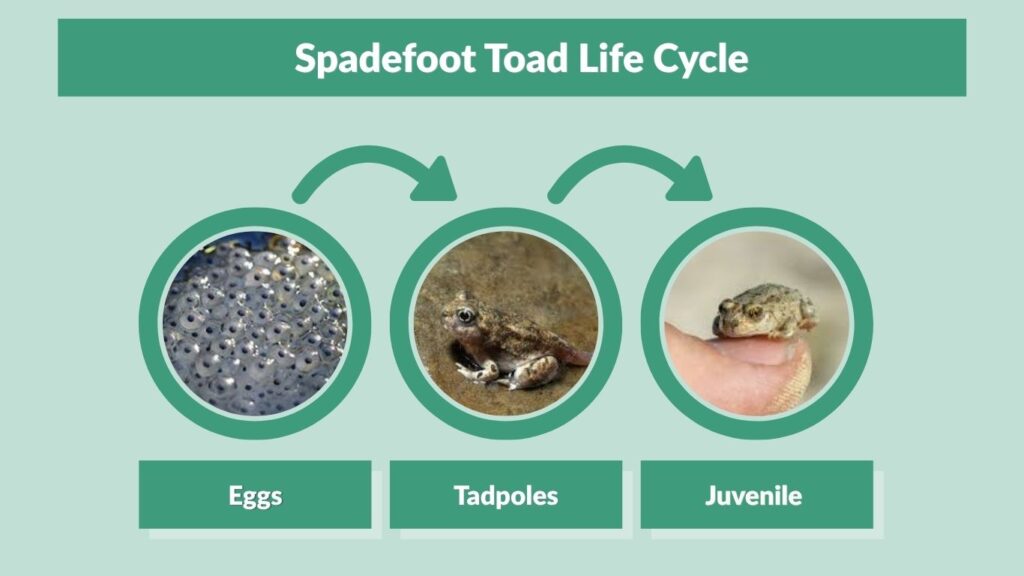
Spadefoot toads have one of the fastest life cycles among amphibians living in dry environments. Their breeding process is closely connected to rainfall because temporary ponds provide the safest location for eggs and tadpoles to develop.
During heavy rains, adult toads emerge from underground and gather at shallow pools to mate. Females lay long strings of eggs in the water, and tadpoles hatch within only a few days. Because desert pools may disappear quickly, young tadpoles grow at an unusually rapid rate.
Spadefoot Toad Eggs and Tadpoles
The eggs of spadefoot toads are usually attached to underwater plants or debris in shallow rain pools. Warm temperatures help speed up development.
Important stages of development include:
- Eggs hatching within several days
- Tadpoles feeding aggressively for rapid growth
- Development of legs and lungs
- Transformation into tiny juvenile toads
- Movement onto land before ponds dry up
Some species can complete metamorphosis in only a few weeks when conditions are favorable.
Spadefoot Toad Lifespan
Spadefoot toads can survive several years in the wild despite living in difficult environments. Their lifespan depends on rainfall patterns, predator pressure, and habitat quality.
Many individuals spend much of their lives underground where cooler temperatures and moist soil improve survival. This hidden lifestyle helps protect them from drought and environmental stress.
Are Spadefoot Toads Poisonous?
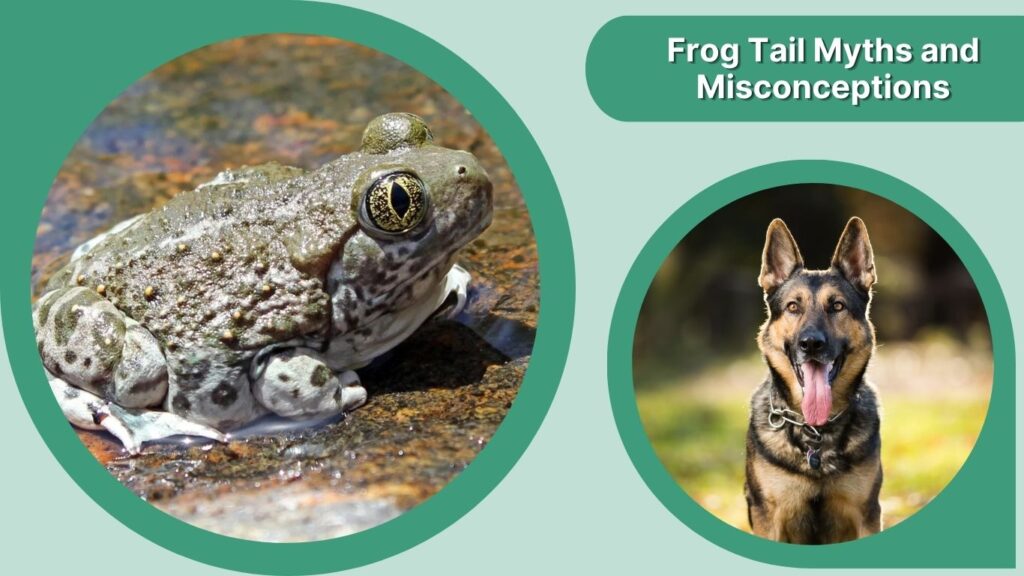
Spadefoot toads produce mild defensive skin secretions that help discourage predators. These secretions are not considered highly dangerous to humans, but they may irritate the mouths of animals that attempt to bite or eat the toads.
Because of these chemical defenses, predators often avoid attacking adult spadefoot toads after initial contact. Their camouflage and burrowing behavior also reduce the likelihood of predation.
Toxic Skin Secretions
The skin secretions of spadefoot toads act mainly as a defense mechanism rather than a strong poison. Humans should still avoid touching their eyes or mouth after handling amphibians because skin oils and chemicals may cause irritation.
Dogs and other pets occasionally react to the secretions if they bite or lick a toad. Symptoms may include drooling or mild discomfort, although severe reactions are uncommon.
Are Spadefoot Toads Dangerous to Dogs?
Most spadefoot toads are not considered deadly to dogs, but contact with their skin secretions may still cause irritation. Pet owners should prevent dogs from chewing or playing with wild amphibians whenever possible.
If a dog shows unusual symptoms after contact with a toad, veterinary advice should be sought quickly to ensure proper care and monitoring.
Spadefoot Toad Care and Pet Ownership
Some amphibian enthusiasts keep spadefoot toads in captivity, although care requirements can vary by species and local regulations. These toads require sandy substrate, controlled humidity, and secure enclosures that imitate natural burrowing conditions.
Because they spend much of their time underground, captive environments should allow enough space for digging and hiding. Fresh water and proper feeding schedules are also important for maintaining healthy amphibians.
Can You Keep a Spadefoot Toad as a Pet?
Spadefoot toads are sometimes kept by experienced amphibian hobbyists because of their unusual behavior and fascinating desert adaptations.
Important care considerations include:
- Deep substrate for burrowing
- Moderate humidity levels
- Live insect feeding routines
- Clean shallow water dishes
- Secure temperature control
Owners should always check local wildlife regulations before obtaining native amphibian species.
Are Spadefoot Toads Endangered?
Some spadefoot toad populations face environmental threats caused by habitat destruction, urban expansion, and climate change. Because these amphibians rely on temporary wetlands and sandy habitats, even small environmental changes may affect breeding success.
Road construction, drought, pollution, and disappearing wetlands have reduced populations in certain regions. Conservation groups continue monitoring species that show declining numbers.
Habitat Loss and Population Decline
Several environmental problems threaten spadefoot toad populations across North America.
- Wetland destruction from development
- Extended drought conditions
- Increased road mortality
- Soil disruption from agriculture
- Pollution affecting breeding pools
Protecting temporary wetlands and natural grasslands remains extremely important for long-term amphibian survival.
Night of the Spadefoot Toads Book Guide
Night of the Spadefoot Toads is a popular environmental-themed children’s novel written by Bill Harley. The story follows a young boy named Ben who becomes interested in protecting local wildlife and amphibian habitats.
The novel combines humor, friendship, and conservation themes while introducing readers to real amphibians such as spadefoot toads. It has become a widely used classroom reading resource for middle-grade students.
Main Themes and Characters
The book explores several important topics connected to environmental awareness and personal growth.
- Wildlife conservation and habitat protection
- Friendship and teamwork
- Curiosity about science and nature
- Community involvement
- Respect for local ecosystems
Because of its educational themes and engaging storytelling, the novel remains popular in schools and reading programs.
FAQs
Do spadefoot toads hibernate?
Spadefoot toads usually enter a dormant state called estivation rather than true hibernation in hot, dry climates. During this period, they burrow underground to conserve moisture and avoid extreme temperatures. In colder regions, some species may remain inactive underground during winter months as well.
How deep do spadefoot toads burrow?
Spadefoot toads can burrow several inches or even more than a foot underground depending on soil conditions and weather. They use the hard spade-like structures on their hind feet to dig backward into loose soil quickly and efficiently for protection and moisture retention.
Can spadefoot toads climb?
Spadefoot toads are not strong climbers because their bodies and feet are adapted mainly for digging rather than climbing. They spend most of their time on the ground or underground. Unlike tree frogs, they lack specialized toe pads that help amphibians grip vertical surfaces.
Why do spadefoot toads appear after rain?
Spadefoot toads become highly active after rain because temporary pools provide ideal breeding conditions. Moist weather also makes it easier for them to travel and hunt insects without drying out. Many species emerge simultaneously during storms to mate and lay eggs quickly.
Are spadefoot toads true toads?
Spadefoot toads are similar to true toads but belong to a different amphibian family. They have smoother skin, vertical pupils, and specialized digging feet that distinguish them from typical true toads. Despite these differences, both groups share many behaviors and physical characteristics.
