
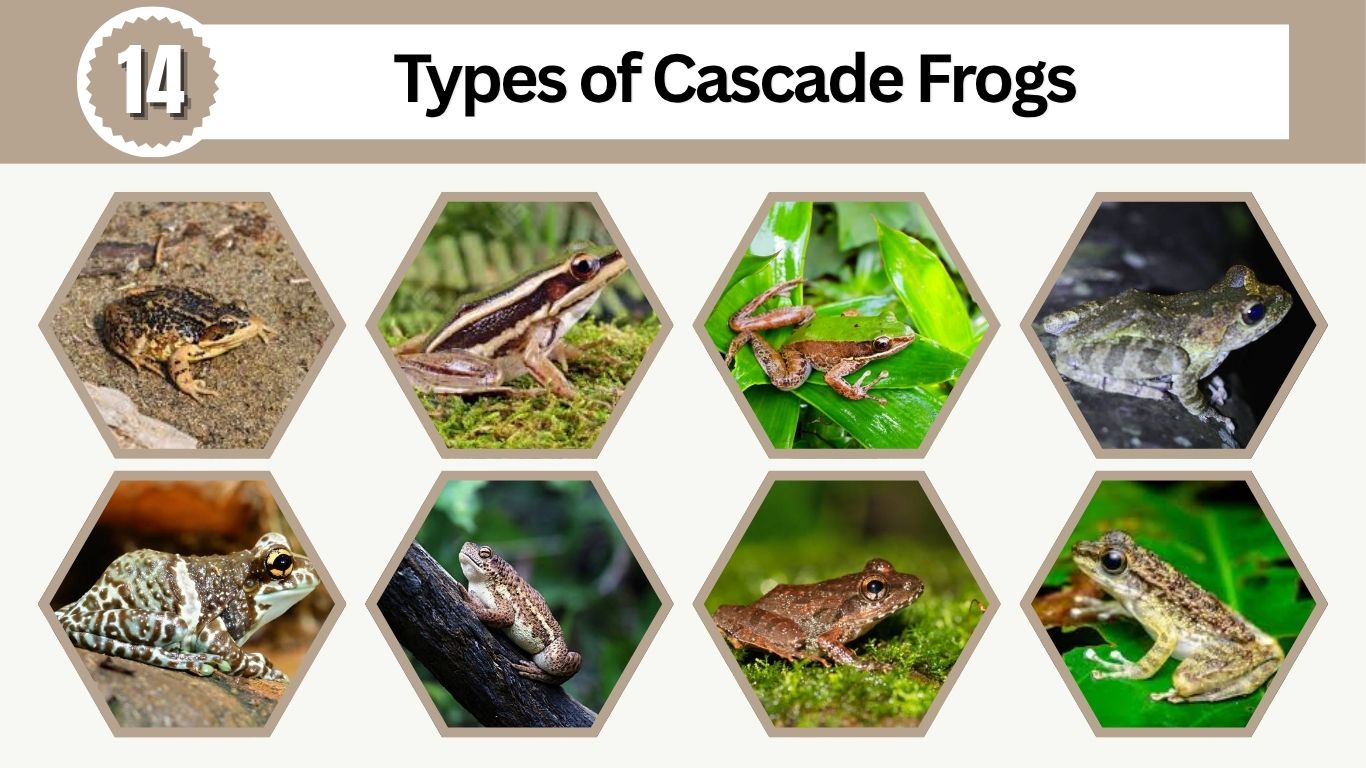
Cascade frogs are a fascinating group of amphibians specially adapted to life in fast-flowing streams, rivers, and waterfalls. Found mostly in Asia, these frogs are known for their strong limbs, webbed feet, and ability to cling to slippery rocks in powerful currents. They play an important role in freshwater ecosystems by controlling insect populations and supporting the food chain. Each species has unique traits suited to its environment. However, many cascade frogs face threats from habitat loss and pollution, making conservation efforts essential for their survival.
1. Himalayan Cascade Frog

The Himalayan Cascade Frog is a stream-dwelling amphibian found in mountainous regions of South Asia, including parts of India, Nepal, and Bhutan. It is specially adapted to live in fast-flowing water and rocky environments. This species plays an important ecological role by controlling insect populations and maintaining aquatic balance. Its ability to survive in cold, high-altitude habitats makes it unique among frogs. Due to environmental changes, its population may be affected in some regions.
Identification
- Medium-sized frog with a slender and streamlined body
- Brown or gray coloration that blends with wet rocks
- Smooth, moist skin suited for aquatic environments
- Strong hind legs for jumping and swimming
- Toe pads and partially webbed feet for gripping slippery surfaces
Habitat
The Himalayan Cascade Frog lives in cool, fast-flowing streams, rivers, and near waterfalls in mountainous areas. It prefers habitats with clean water, rocky substrates, and dense surrounding vegetation. These environments provide shelter, breeding sites, and a stable temperature. The frog is commonly found clinging to rocks or hiding in crevices near water. High humidity and constant moisture are essential for its survival. It avoids dry or polluted areas, making it sensitive to environmental changes.
Behaviors
This frog is active during both day and night, especially in humid and cool conditions. It is an excellent climber and can move quickly across wet, slippery rocks. When threatened, it escapes by jumping into fast-flowing water or hiding under stones. It relies on camouflage to avoid predators. During breeding season, males may call near water to attract females. Its movements are quick and precise, helping it survive in challenging stream environments.
Diet and Lifecycle
The Himalayan Cascade Frog feeds mainly on insects and small aquatic invertebrates such as larvae and worms. It hunts near water, using quick movements to catch prey. The lifecycle begins with eggs laid in clean, flowing water, often attached to submerged rocks. Tadpoles develop in these streams, adapting to strong currents. Over time, they undergo metamorphosis, growing limbs and lungs before becoming adult frogs capable of living both in and around water.
2. Indian Cascade Frog

The Indian Cascade Frog is a stream-associated species found in hilly and forested regions of India. It is well adapted to life near flowing water, especially in areas with rocky terrain and high humidity. This frog is known for its agility and ability to cling to wet surfaces. It plays an important role in maintaining the balance of aquatic ecosystems by feeding on insects and small invertebrates.
Identification
- Medium-sized frog with a slender body
- Brown, olive, or gray coloration for camouflage
- Smooth skin that retains moisture
- Strong limbs with partially webbed feet
- Toe pads for gripping wet rocks
Habitat
The Indian Cascade Frog lives near fast-flowing streams, rivers, and small waterfalls in forested and mountainous regions. It prefers clean, oxygen-rich water and shaded environments with dense vegetation. Rocky surfaces and constant moisture are essential for its survival. It is often seen on wet stones or near stream edges, where it can easily access both water and shelter.
Behaviors
This frog is active during both day and night, especially in humid conditions. It is an excellent climber and moves easily across slippery rocks. When threatened, it quickly jumps into water or hides under stones. It relies on camouflage to blend into its surroundings. During the breeding season, males may call near streams to attract females.
Diet and Lifecycle
The Indian Cascade Frog feeds on insects, larvae, and small aquatic invertebrates. It hunts near water and uses quick movements to catch prey. Eggs are laid in flowing water, often attached to submerged surfaces. Tadpoles develop in streams and adapt to currents. They gradually undergo metamorphosis, becoming adult frogs capable of living both in water and on land.
3. Sri Lankan Cascade Frog

The Sri Lankan Cascade Frog is a freshwater species native to Sri Lanka, commonly found in forested and mountainous regions. It is well adapted to life in fast-flowing streams and rocky habitats. This frog is known for its ability to cling to wet surfaces and survive in humid conditions. It plays an important role in maintaining the balance of stream ecosystems.
Identification
- Medium-sized frog with a slender body
- Brown or gray coloration with darker markings
- Smooth, moist skin for aquatic living
- Strong limbs with webbed feet
- Toe pads for gripping wet rocks
Habitat
The Sri Lankan Cascade Frog lives near streams, rivers, and waterfalls in tropical forests. It prefers clean, fast-flowing water with rocky surroundings. These habitats provide shelter, breeding areas, and stable moisture levels. It is often found on wet rocks or hidden in crevices near water. High humidity and shaded environments are essential for its survival.
Behaviors
This frog is active during both day and night, especially in humid weather. It is an excellent climber and moves easily on slippery surfaces. When threatened, it quickly escapes into water or hides under rocks. It relies on camouflage to avoid predators and remains close to water at all times.
Diet and Lifecycle
The Sri Lankan Cascade Frog feeds on insects and small aquatic organisms. It lays eggs in flowing water, often attaching them to rocks. Tadpoles develop in streams and adapt to strong currents. Over time, they undergo metamorphosis, transforming into adult frogs capable of living in both aquatic and semi-terrestrial environments.
4. Malabar Cascade Frog

The Malabar Cascade Frog is a stream-dwelling species found in the Western Ghats of India. It is well adapted to life in fast-flowing water and rocky forest environments. This frog is known for its agility and ability to cling to wet surfaces. It plays an important role in maintaining the health of freshwater ecosystems by controlling insect populations.
Identification
- Medium-sized frog with a slender body
- Brown or olive coloration with darker spots
- Smooth, moist skin suited for humid environments
- Strong hind legs for jumping and swimming
- Webbed feet and toe pads for gripping rocks
Habitat
The Malabar Cascade Frog lives in tropical forests, especially near streams, rivers, and waterfalls. It prefers clean, fast-flowing water and shaded environments with dense vegetation. Rocky streambeds provide ideal surfaces for resting and breeding. The constant moisture and cool temperatures of these habitats are essential for its survival.
Behaviors
This frog is active during both day and night, particularly in humid conditions. It is an excellent climber and can move quickly across wet rocks. When threatened, it escapes by jumping into water or hiding in crevices. It relies on camouflage to blend into its surroundings and avoid predators.
Diet and Lifecycle
The Malabar Cascade Frog feeds on insects, larvae, and small aquatic invertebrates. It lays eggs in flowing water, often attaching them to submerged rocks. Tadpoles develop in streams and are adapted to strong currents. They gradually undergo metamorphosis, becoming adult frogs suited for both aquatic and land environments.
5. Chinese Cascade Frog

The Chinese Cascade Frog is a stream-associated species found in parts of China and nearby regions. It is well adapted to living in fast-flowing water and rocky environments. This frog is known for its strong limbs and ability to cling to slippery surfaces. It plays an important role in freshwater ecosystems by controlling insect populations and supporting the food chain.
Identification
- Medium-sized frog with a slender and streamlined body
- Brown or gray coloration that blends with rocky surroundings
- Smooth, moist skin for aquatic living
- Strong hind legs for jumping and swimming
- Webbed feet and toe pads for gripping wet surfaces
Habitat
The Chinese Cascade Frog lives near mountain streams, rivers, and waterfalls. It prefers clean, fast-moving water with rocky beds and dense surrounding vegetation. These habitats provide shelter, breeding grounds, and stable moisture levels. It is often found on wet rocks or near stream edges, where it can easily access both water and food.
Behaviors
This frog is active during both day and night, especially in humid conditions. It is an excellent climber and moves quickly across slippery rocks. When threatened, it jumps into water or hides under stones. It relies on camouflage to blend into its environment and avoid predators.
Diet and Lifecycle
The Chinese Cascade Frog feeds on insects and small aquatic invertebrates. It lays eggs in flowing water, attaching them to rocks or submerged surfaces. Tadpoles develop in streams and are adapted to strong currents. Over time, they undergo metamorphosis, transforming into adult frogs capable of living in both aquatic and semi-terrestrial environments.
6. Yunnan Cascade Frog

The Yunnan Cascade Frog is a freshwater species found in mountainous regions of southwestern China, especially in Yunnan province. It is adapted to life in fast-flowing streams and rocky habitats. This frog is known for its agility and ability to survive in cool, humid environments. It contributes to ecosystem balance by feeding on insects and supporting aquatic food chains.
Identification
- Medium-sized frog with a slender body
- Brown or gray coloration for camouflage on rocks
- Smooth, moist skin suited for aquatic conditions
- Strong hind legs for jumping
- Webbed feet and toe pads for gripping slippery surfaces
Habitat
The Yunnan Cascade Frog lives near mountain streams, rivers, and small waterfalls. It prefers clean, fast-flowing water with rocky substrates and dense vegetation. These habitats provide constant moisture, shelter, and breeding areas. It is often found clinging to wet stones or hiding in crevices near water. Cool temperatures and high humidity are essential for its survival, making it sensitive to environmental changes.
Behaviors
This frog is active both during the day and at night, especially in humid weather. It is an excellent climber and moves quickly across wet, slippery rocks. When threatened, it escapes by jumping into water or hiding under stones. It relies on camouflage to blend into its surroundings and avoid predators.
Diet and Lifecycle
The Yunnan Cascade Frog feeds mainly on insects and small aquatic invertebrates. It hunts near streams using quick movements to catch prey. Eggs are laid in flowing water, often attached to submerged rocks. Tadpoles develop in strong currents and gradually undergo metamorphosis, transforming into adult frogs capable of living both in water and on land.
7. Vietnamese Cascade Frog

The Vietnamese Cascade Frog is a stream-dwelling species found in forested regions of Vietnam. It is well adapted to fast-flowing water and rocky environments. This frog is known for its ability to cling to wet surfaces and move efficiently in humid conditions. It plays an important role in maintaining the balance of freshwater ecosystems.
Identification
- Medium-sized frog with a slender body
- Brown or olive coloration with darker patterns
- Smooth, moist skin adapted to aquatic life
- Strong hind legs for jumping and swimming
- Webbed feet and toe pads for gripping rocks
Habitat
The Vietnamese Cascade Frog lives near streams, rivers, and waterfalls in tropical forests. It prefers clean, fast-flowing water with rocky surroundings and dense vegetation. These habitats provide shelter, breeding areas, and stable moisture levels. It is often found on wet rocks or hidden in crevices near water, where humidity remains high.
Behaviors
This frog is active during both day and night, especially in humid conditions. It is an excellent climber and moves easily across slippery surfaces. When threatened, it quickly jumps into water or hides under stones. It relies on camouflage to avoid predators and stays close to water at all times.
Diet and Lifecycle
The Vietnamese Cascade Frog feeds on insects and small aquatic invertebrates. It lays eggs in flowing water, attaching them to submerged rocks or surfaces. Tadpoles develop in streams and adapt to strong currents. Over time, they undergo metamorphosis and transform into adult frogs suited for both aquatic and semi-terrestrial life.
8. Thai Cascade Frog

The Thai Cascade Frog is a freshwater species found in forested and mountainous regions of Thailand. It is adapted to life in fast-flowing streams and rocky environments. This frog is known for its agility and strong grip, allowing it to move easily on wet surfaces. It plays an important role in maintaining aquatic ecosystem balance.
Identification
- Medium-sized frog with a slender body
- Brown or olive coloration with darker markings
- Smooth, moist skin suited for humid environments
- Strong hind legs for jumping
- Webbed feet and toe pads for gripping slippery rocks
Habitat
The Thai Cascade Frog lives near streams, rivers, and waterfalls in tropical forests. It prefers clean, fast-flowing water with rocky beds and dense vegetation. These habitats provide shelter, moisture, and breeding grounds. It is often found on wet rocks or near water edges where humidity remains high.
Behaviors
This frog is active during both day and night, especially in humid conditions. It is an excellent climber and can move quickly across wet surfaces. When threatened, it escapes by jumping into water or hiding in crevices. It relies on camouflage to blend into its surroundings.
Diet and Lifecycle
The Thai Cascade Frog feeds on insects and small aquatic invertebrates. It lays eggs in flowing water, attaching them to submerged rocks. Tadpoles develop in streams and adapt to strong currents. Over time, they undergo metamorphosis, transforming into adult frogs capable of living in both aquatic and semi-terrestrial environments.
9. Bornean Cascade Frog

The Bornean Cascade Frog is a stream-associated species found in the rainforests of Borneo. It is well adapted to life in fast-flowing water and humid environments. This frog is known for its ability to cling to wet rocks and move quickly in slippery conditions. It plays an important role in maintaining the health of freshwater ecosystems.
Identification
- Medium-sized frog with a slender body
- Brown or dark green coloration for camouflage
- Smooth, moist skin suited for humid habitats
- Strong hind legs for jumping
- Webbed feet and toe pads for gripping wet surfaces
Habitat
The Bornean Cascade Frog lives near streams, rivers, and waterfalls in tropical rainforests. It prefers clean, fast-flowing water with rocky surroundings and dense vegetation. These habitats provide shelter, breeding grounds, and consistent moisture. It is often found on wet rocks or hidden among vegetation near water.
Behaviors
This frog is active during both day and night, especially in humid conditions. It is an excellent climber and moves easily across slippery rocks. When threatened, it quickly jumps into water or hides in crevices. It relies on camouflage to avoid predators and stays close to water sources.
Diet and Lifecycle
The Bornean Cascade Frog feeds on insects and small aquatic invertebrates. It lays eggs in flowing water, attaching them to submerged surfaces. Tadpoles develop in streams and adapt to strong currents. Over time, they undergo metamorphosis, becoming adult frogs capable of living both in water and on land.
10. Sumatran Cascade Frog

The Sumatran Cascade Frog is a stream-dwelling species native to the island of Sumatra. It is well adapted to fast-flowing water and dense tropical forest environments. This frog is known for its agility and strong grip, allowing it to survive in slippery and challenging habitats. It contributes to ecosystem balance by feeding on insects and supporting aquatic food chains.
Identification
- Medium-sized frog with a slender body
- Brown or olive coloration with darker markings
- Smooth, moist skin suited for humid environments
- Strong hind legs for jumping
- Webbed feet and toe pads for gripping wet rocks
Habitat
The Sumatran Cascade Frog lives near streams, rivers, and waterfalls in tropical rainforests. It prefers clean, fast-moving water with rocky beds and dense vegetation. These habitats provide shelter, breeding areas, and stable moisture levels. It is often found clinging to wet rocks or hiding in crevices near water.
Behaviors
This frog is active during both day and night, especially in humid conditions. It is an excellent climber and moves quickly across slippery surfaces. When threatened, it escapes by jumping into water or hiding under rocks. It relies on camouflage to blend into its surroundings and avoid predators.
Diet and Lifecycle
The Sumatran Cascade Frog feeds on insects and small aquatic invertebrates. It lays eggs in flowing water, attaching them to submerged surfaces. Tadpoles develop in streams and adapt to strong currents. Over time, they undergo metamorphosis, transforming into adult frogs capable of living in both aquatic and semi-terrestrial environments.
11. Javan Cascade Frog

The Javan Cascade Frog is a freshwater species found on the island of Java in Indonesia. It is adapted to life in fast-flowing streams and humid forest environments. This frog is known for its strong limbs and ability to cling to wet rocks. It plays an important role in maintaining the balance of aquatic ecosystems by feeding on insects and small invertebrates.
Identification
- Medium-sized frog with a slender body
- Brown or gray coloration with darker patterns
- Smooth, moist skin suited for aquatic habitats
- Strong hind legs for jumping
- Webbed feet and toe pads for gripping slippery surfaces
Habitat
The Javan Cascade Frog lives near streams, rivers, and waterfalls in tropical forests. It prefers clean, fast-flowing water with rocky substrates and dense vegetation. These environments provide shelter, breeding sites, and constant moisture. It is often found clinging to wet rocks or hiding in crevices close to water sources.
Behaviors
This frog is active during both day and night, especially in humid conditions. It is an excellent climber and moves easily across slippery surfaces. When threatened, it quickly jumps into water or hides under stones. It relies on camouflage to blend into its surroundings and avoid predators.
Diet and Lifecycle
The Javan Cascade Frog feeds on insects and small aquatic invertebrates. It lays eggs in flowing water, attaching them to submerged rocks or surfaces. Tadpoles develop in streams and adapt to strong currents. Over time, they undergo metamorphosis, transforming into adult frogs capable of living both in water and on land.
12. Philippine Cascade Frog

The Philippine Cascade Frog is a stream-dwelling species found in the tropical forests of the Philippines. It is adapted to life in fast-flowing water and humid environments. This frog is known for its agility and ability to cling to wet surfaces. It plays an important role in maintaining freshwater ecosystems by controlling insect populations.
Identification
- Medium-sized frog with a slender body
- Brown or olive coloration with darker markings
- Smooth, moist skin suited for humid conditions
- Strong hind legs for jumping
- Webbed feet and toe pads for gripping wet rocks
Habitat
The Philippine Cascade Frog lives near streams, rivers, and waterfalls in dense tropical forests. It prefers clean, fast-flowing water with rocky beds and thick vegetation. These habitats provide shelter, breeding areas, and consistent moisture. It is often found on wet rocks or near stream edges where humidity remains high.
Behaviors
This frog is active during both day and night, especially in humid weather. It is an excellent climber and moves easily across slippery surfaces. When threatened, it escapes by jumping into water or hiding in crevices. It relies on camouflage to blend into its surroundings.
Diet and Lifecycle
The Philippine Cascade Frog feeds on insects and small aquatic invertebrates. It lays eggs in flowing water, attaching them to submerged surfaces. Tadpoles develop in streams and adapt to strong currents. Over time, they undergo metamorphosis, transforming into adult frogs capable of living both in aquatic and semi-terrestrial environments.
13. Laos Cascade Frog

The Laos Cascade Frog is a freshwater species found in the forested and mountainous regions of Laos. It is well adapted to life in fast-flowing streams and rocky environments. This frog is known for its ability to cling to wet surfaces and survive in humid conditions. It contributes to the balance of aquatic ecosystems by feeding on insects and small invertebrates.
Identification
- Medium-sized frog with a slender body
- Brown or gray coloration for camouflage
- Smooth, moist skin suited for aquatic habitats
- Strong hind legs for jumping
- Webbed feet and toe pads for gripping slippery rocks
Habitat
The Laos Cascade Frog lives near streams, rivers, and waterfalls in tropical forests. It prefers clean, fast-moving water with rocky substrates and dense vegetation. These habitats provide shelter, breeding sites, and constant moisture. It is often found on wet rocks or hidden in crevices near water sources.
Behaviors
This frog is active during both day and night, especially in humid conditions. It is an excellent climber and moves quickly across slippery surfaces. When threatened, it escapes by jumping into water or hiding under stones. It relies on camouflage to blend into its surroundings and avoid predators.
Diet and Lifecycle
The Laos Cascade Frog feeds on insects and small aquatic invertebrates. It lays eggs in flowing water, attaching them to submerged surfaces. Tadpoles develop in streams and adapt to strong currents. Over time, they undergo metamorphosis, transforming into adult frogs capable of living both in water and on land.
14. Myanmar Cascade Frog

The Myanmar Cascade Frog is a stream-dwelling species found in forested and mountainous regions of Myanmar. It is well adapted to life in fast-flowing water and rocky environments. This frog is known for its agility and strong grip, allowing it to survive in slippery conditions. It plays an important role in maintaining the balance of freshwater ecosystems.
Identification
- Medium-sized frog with a slender body
- Brown or olive coloration with darker markings
- Smooth, moist skin suited for humid environments
- Strong hind legs for jumping
- Webbed feet and toe pads for gripping wet rocks
Habitat
The Myanmar Cascade Frog lives near streams, rivers, and waterfalls in tropical forests. It prefers clean, fast-flowing water with rocky beds and dense vegetation. These habitats provide shelter, breeding areas, and stable moisture levels. It is often found clinging to wet rocks or hiding in crevices near water.
Behaviors
This frog is active during both day and night, especially in humid conditions. It is an excellent climber and moves easily across slippery surfaces. When threatened, it escapes by jumping into water or hiding under stones. It relies on camouflage to blend into its surroundings and avoid predators.
Diet and Lifecycle
The Myanmar Cascade Frog feeds on insects and small aquatic invertebrates. It lays eggs in flowing water, attaching them to submerged surfaces. Tadpoles develop in streams and adapt to strong currents. Over time, they undergo metamorphosis, transforming into adult frogs capable of living in both aquatic and semi-terrestrial environments.
FAQs
What is a cascade frog?
Cascade frogs are a group of frogs that live near fast-flowing streams, rivers, and waterfalls. They are specially adapted to cling to wet rocks and survive in strong currents. Their streamlined bodies and strong limbs help them move easily in these environments.
Where are cascade frogs found?
Cascade frogs are mainly found in Asia, especially in countries with mountainous and forested regions. They live in places like India, China, Sri Lanka, and Southeast Asia, where clean, flowing water and high humidity are available.
What do cascade frogs eat?
Cascade frogs are carnivorous and feed mainly on insects, larvae, and small aquatic invertebrates. They hunt near water and use quick movements to catch their prey, helping control insect populations in their ecosystem.
How do cascade frogs survive in fast-flowing water?
They have strong limbs, webbed feet, and sticky toe pads that help them grip slippery rocks. Their streamlined bodies reduce water resistance, allowing them to move efficiently in strong currents without being swept away.
Are cascade frogs endangered?
Some cascade frog species are threatened due to habitat loss, water pollution, and climate change. Since they depend on clean, flowing water, environmental damage can greatly affect their survival, making conservation efforts important.
