
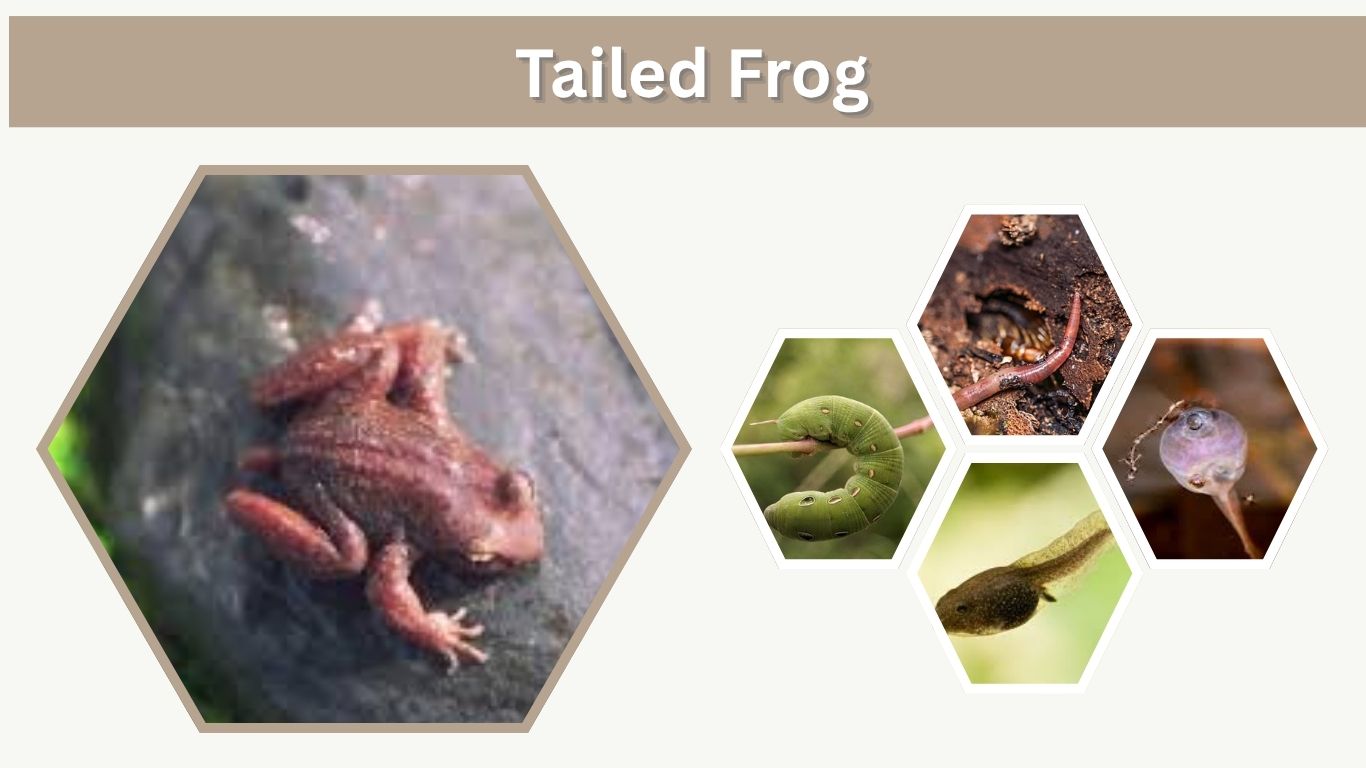
Frogs are often known as tailless amphibians, but the idea of a “tailed frog” creates curiosity and confusion. While most adult frogs do not have tails, certain species and early life stages challenge this common belief. The tailed frog is a unique and primitive species with unusual features that set it apart from other frogs. Understanding frog tails, their lifecycle, and the rare tailed frog species helps explain how these amphibians evolve and adapt to different environments.
Do Frogs Have Tails?
Most people wonder whether frogs actually have tails, and the answer depends on their life stage. Frogs begin life with tails but lose them as they grow into adults. This transformation is a key part of their development and survival.
Do Adult Frogs Have Tails?
Adult frogs do not have tails. As they mature, their tails disappear completely through a natural biological process. This helps them adapt better to life on land and improves their jumping ability.
Why Don’t Frogs Have Tails?
Frogs lose their tails because they are no longer needed in adulthood. The energy stored in the tail is absorbed into the body during development. This change allows frogs to develop strong legs for movement on land.
Frog Lifecycle and Tail Stage

The frog lifecycle includes several stages, each with important physical changes. The presence of a tail is most noticeable during the early stages, especially when frogs live entirely in water.
Tadpole Stage
- Tadpoles are the early life stage of frogs and have long tails
- They use their tails for swimming in water
- At this stage, they breathe through gills instead of lungs
When Do Frogs Lose Their Tails?
- Frogs lose their tails during metamorphosis
- The tail is gradually absorbed into the body
- This process supports growth of legs and lungs
What is a Tailed Frog?
A tailed frog is a unique species that differs from most frogs. It belongs to a primitive group and has characteristics that are not seen in typical frogs. Despite its name, its “tail” is not the same as a tadpole tail.
Scientific Classification
The tailed frog belongs to the family Ascaphidae. It is considered one of the most ancient frog lineages. These frogs are found mainly in North America and are known for their specialized features.
Why Do Tailed Frogs Have a “Tail”?
The “tail” in tailed frogs is actually a reproductive organ found in males. It is not used for movement like a tadpole tail. This adaptation helps them reproduce in fast-flowing water environments.
Types of Tailed Frogs
Tailed frogs are limited to a few species, but each has unique traits. They are adapted to cold, fast-moving streams and are rarely seen compared to other frogs.
Common Types
- Coastal Tailed Frog
- Rocky Mountain Tailed Frog
Key Differences
These species differ mainly in their geographic distribution and slight physical traits. Both share similar adaptations for living in strong currents and cold environments.
Tailed Frog Habitat and Distribution

Tailed frogs live in very specific environments that suit their unique adaptations. They are mostly found in cold, fast-flowing streams in forested mountainous regions. These habitats provide clean water and stable temperatures, which are essential for their survival. Unlike many frogs, they cannot tolerate warm or polluted environments, making them sensitive to environmental changes and important indicators of ecosystem health.
Natural Environment
They prefer rocky streambeds with strong currents and high oxygen levels. The surrounding forests help maintain moisture and shade, creating a stable habitat. Their ability to cling to rocks allows them to survive in places where other frogs cannot live.
Tailed Frog Diet and Feeding Habits

Tailed frogs have a simple but effective diet that supports their survival in fast-flowing stream environments. Their feeding habits are closely linked to their habitat, where food sources are mostly aquatic. They rely on small organisms found in clean water, making them important for maintaining ecological balance in freshwater systems.
What Do Tailed Frogs Eat?
- Small aquatic insects and larvae
- Worms and tiny invertebrates
- Organic matter found on stream surfaces
Feeding Behavior
- Tadpoles use suction-like mouths to cling and feed on algae
- Adults hunt near water using quick movements
- Feeding mostly occurs in or near streams
Tailed Frog Tadpoles
Tailed frog tadpoles are highly specialized for survival in fast-moving water. Unlike typical tadpoles, they have unique adaptations that allow them to stay attached to rocks and avoid being swept away. Their long tails are essential for swimming and maintaining balance in strong currents.
Tadpole Features
These tadpoles have flattened bodies and strong tails that help them move efficiently in water. Their suction-like mouths allow them to cling tightly to rocks while feeding. This adaptation is crucial for survival in their challenging habitat.
Development
As they grow, tadpoles gradually develop limbs and lungs. Over time, they lose their tails through metamorphosis and transition into adult frogs. This process can take longer than in many other frog species due to their cold-water environment.
Behavior and Adaptations
Tailed frogs have several unique behaviors that help them survive in harsh environments. Their lifestyle is closely tied to cold streams, where they have developed special traits not commonly seen in other frogs.
Key Adaptations
- Strong grip to cling to slippery rocks
- Streamlined body to reduce water resistance
- Ability to live in cold, oxygen-rich water
Frog Tail Myths and Misconceptions

Many people believe that frogs can have tails throughout their lives, but this is mostly a misunderstanding. The presence of a tail is limited to early life stages or specific species like the tailed frog, which has a different type of structure.
Common Misunderstandings
- Adult frogs do not have true tails
- Tadpoles are often mistaken for separate animals
- The “tail” in tailed frogs is not used for movement
Interesting Facts
Tailed frogs are among the most unique amphibians in the world. Their unusual features and ancient lineage make them fascinating to study and important for understanding frog evolution.
Key Facts
- One of the oldest living frog lineages
- Males have a tail-like reproductive organ
- They do not produce loud calls like most frogs
FAQs
Do frogs have tails when they are young?
Yes, frogs have tails during their early life stage called the tadpole stage. At this stage, they live in water and use their tails for swimming. As they grow, the tail is gradually absorbed into the body during metamorphosis.
What is a frog with a tail called?
A frog with a tail is usually called a tadpole if it is in the early stage of life. However, in rare cases, species like the tailed frog have a tail-like structure, which is actually a reproductive organ, not a true tail.
Why do frogs lose their tails?
Frogs lose their tails during metamorphosis because they no longer need them. The tail is absorbed into the body and its nutrients are reused to help develop legs and lungs for life on land.
Do tailed frogs really have tails?
Tailed frogs do not have true tails like tadpoles. The “tail” seen in males is actually a specialized reproductive organ. It helps them reproduce in fast-flowing streams where normal fertilization would be difficult.
What do tailed frogs eat?
Tailed frogs feed mainly on small aquatic insects, larvae, and other invertebrates. Tadpoles often consume algae and organic material, while adults hunt near streams using quick movements to catch prey.
