
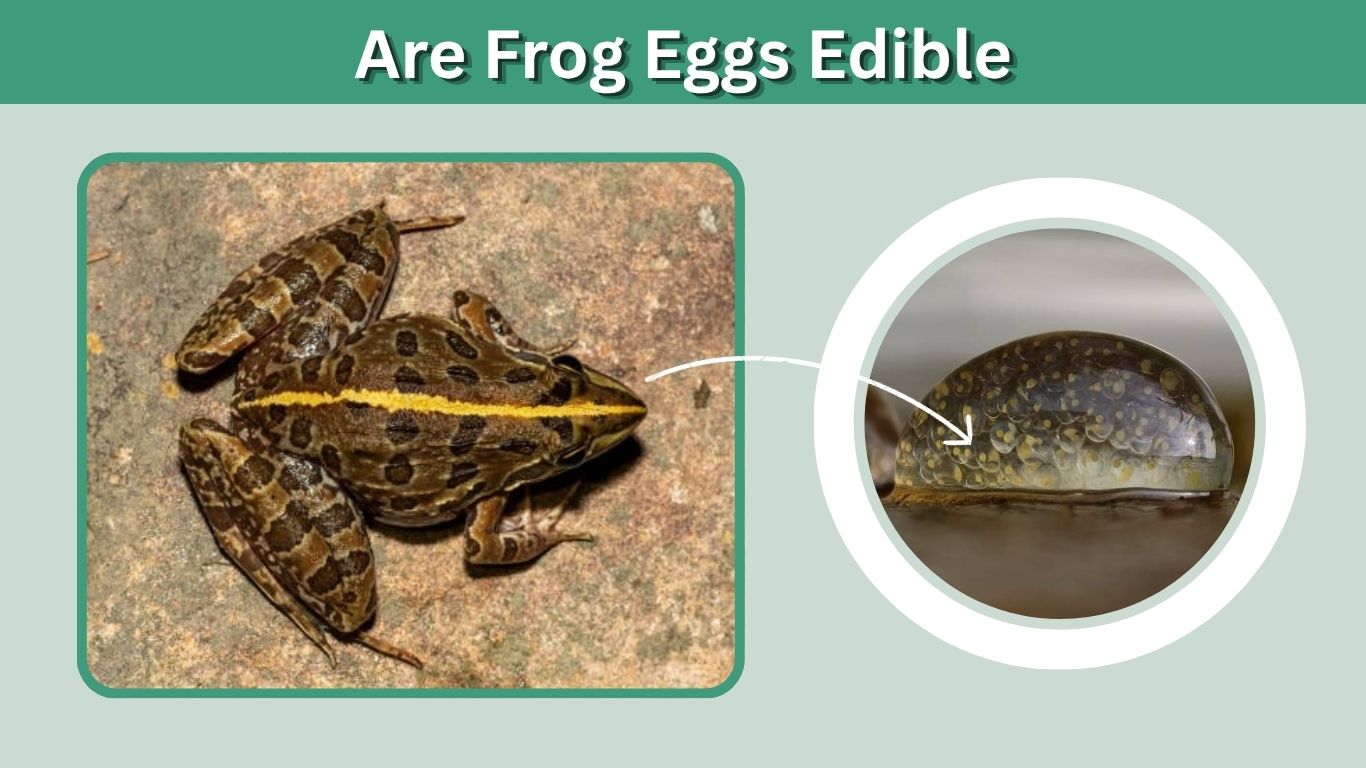
Frog eggs are biologically capable of being eaten, and a few traditional dishes reportedly use eggs from selected frog species. However, wild frog eggs should not be considered safe food. Species can be difficult to identify, some frogs and toads produce dangerous toxins, and eggs collected from ponds may contain bacteria, parasites, pesticides, or other pollutants. Removing spawn may also violate wildlife laws. For these reasons, eating wild frog eggs—raw or cooked—is not recommended.
Can Humans Eat Frog Eggs?
There is no universal answer for every frog species. Thousands of frog and toad species exist, and their eggs differ significantly in toxicity, chemical composition, habitat, and legal protection.
The direct answer
Some frog eggs may not contain compounds that immediately poison humans. That makes them technically edible in the broad biological sense, but it does not make wild frogspawn a safe or approved food.
Reliable species identification is difficult during the egg stage. A person might mistake ordinary frog eggs for the eggs of a toxic toad or another amphibian. Environmental contamination also makes safety impossible to judge from appearance.
Frog meat is different from frog eggs
Frog legs from approved edible species are consumed in several cuisines. These products usually come from regulated commercial suppliers and receive controlled processing.
Their availability does not demonstrate that the species’ wild eggs are safe. Eggs can contain different biological compounds and are exposed directly to pond water, sediment, animal waste, microorganisms, and agricultural runoff.
What Do Frog Eggs Look Like?
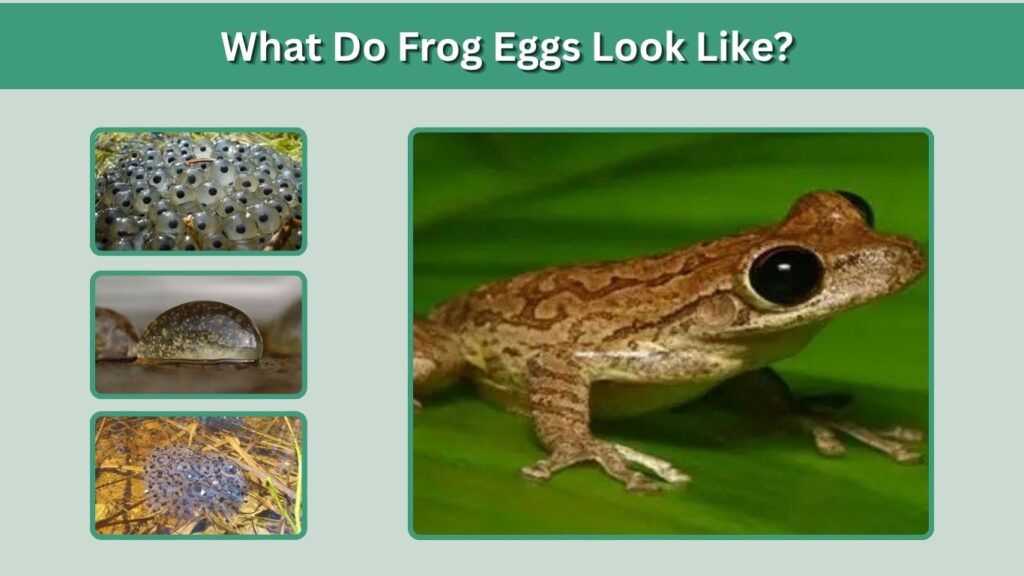
Most frog eggs appear as small dark embryos enclosed within clear, jelly-like capsules. They are deposited in water, damp vegetation, foam nests, or moist terrestrial locations, depending on the species.
Frog eggs vs toad eggs
| Feature | Typical Frog Eggs | Typical Toad Eggs |
| Arrangement | Clumps, sheets, films, or foam masses | Commonly long gelatinous strings |
| Embryo | Dark central dot | Dark eggs arranged along a string |
| Location | Ponds, wetlands, puddles, or vegetation | Ponds, ditches, and slow water |
| Safety | Unknown without exact identification | Some species are dangerously toxic |
| Suitable as food | Not recommended | Should never be eaten |
These are general patterns rather than perfect identification rules. Some frogs produce foam nests or strings, while certain toads lay eggs that may resemble frogspawn.
What are “edible frog eggs”?
The phrase “edible frog eggs” sometimes describes novelty desserts made to resemble frogspawn. These commonly contain tapioca pearls, sago, basil seeds, chia seeds, jelly, or popping boba.
| Food called “frog eggs” | What it actually contains |
| Frogspawn pudding | Sago or tapioca pearls |
| Frog egg drink | Basil seeds, chia seeds, or boba |
| Edible frogspawn dessert | Jelly with tapioca pearls |
| Frog-eye salad | Small pasta, fruit, custard, and whipped topping |
| Real frog eggs | Amphibian eggs—not recommended for foraging |
Always check the ingredient list. A packaged dessert or drink with a novelty name generally does not contain eggs collected from frogs.
Why Eating Wild Frog Eggs Is Risky
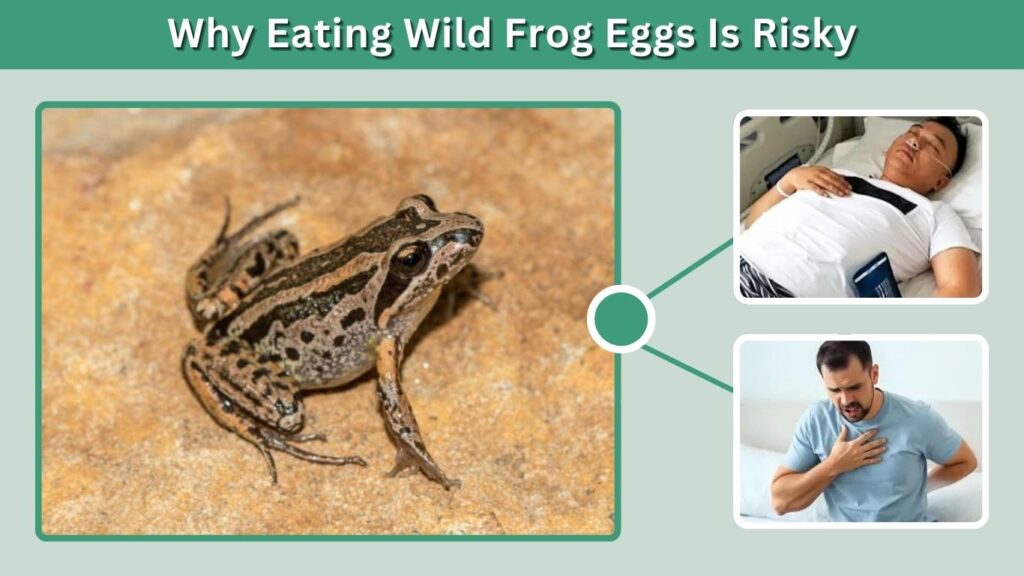
The greatest dangers are incorrect identification, toxins, microorganisms, environmental pollution, and unknown handling conditions.
Toxic frog and toad eggs
Some amphibian eggs contain defensive chemicals. Cane toads are a clear example: their eggs, tadpoles, juveniles, and adults are poisonous. Ingestion can cause excessive salivation, abnormal heart activity, convulsions, paralysis, and potentially death. Australian Government Department of Climate Change, Energy, the Environment and Water
Serious human poisoning has also been documented after toad eggs were eaten. Because eggs are harder to identify than adults, foragers cannot safely judge species by spawn shape alone.
Bacteria and foodborne illness
Frogs and other amphibians can carry Salmonella even when they appear healthy. The bacteria may contaminate their bodies, eggs, pond water, sediment, and surrounding vegetation.
The CDC advises washing hands after touching amphibians or anything in their habitat and keeping them away from food-preparation areas. Children, older adults, pregnant people, and those with weakened immune systems face a greater risk of serious infection.
Parasites and other pathogens
Wild amphibians can host parasites and infectious organisms. Although not every pathogen will infect humans, people cannot determine safety by looking at an egg mass.
Raw eggs present the greatest concern, but cooking does not make an unidentified species automatically safe. Heat may kill many bacteria and parasites without reliably removing every natural toxin or chemical contaminant.
Pond contamination
Frogspawn absorbs substances from its watery environment. Possible contaminants include:
- Pesticides and herbicides
- Fertilizer runoff
- Heavy metals
- Petroleum products
- Sewage and animal waste
- Harmful bacteria
- Algal toxins
- Household and industrial chemicals
Clear-looking water is not proof of cleanliness. Small garden ponds, drainage ditches, farm pools, and urban wetlands can contain invisible contaminants.
Allergic reactions
Frog eggs contain animal proteins that may trigger an allergic reaction in susceptible people. Because they are not a standardized food, reliable allergy labeling and processing controls are generally unavailable.
Possible symptoms include itching, hives, facial swelling, vomiting, breathing difficulty, or dizziness. Severe symptoms require immediate emergency medical attention.
Does Cooking Make Frog Eggs Safe?
Cooking can destroy many bacteria and parasites, but it cannot correct every danger associated with wild frogspawn.
Why boiling is not enough
Boiling unidentified frog eggs may not remove toxins that tolerate heat. It also cannot eliminate heavy metals or many environmental chemicals. Cross-contamination can occur when raw spawn touches kitchen surfaces, utensils, hands, or other foods.
Drying, frying, freezing, salting, or marinating should not be treated as reliable methods for making wild amphibian eggs safe.
Commercial and traditional preparation
Some regional dishes may use eggs from particular frogs with established preparation methods. However, a traditional practice does not guarantee that an unfamiliar species collected elsewhere is safe.
Anyone encountering a commercial product containing real frog eggs should confirm that it comes from a legal, regulated supplier and complies with local food-safety rules. Wild collection and home experimentation remain unsafe.
Are Frog Eggs Legal to Collect?
Frogs are protected wildlife in many countries, states, and provinces. Protection may include adults, tadpoles, eggs, and breeding sites.
Wildlife and conservation concerns
Removing one egg mass can destroy hundreds or thousands of developing frogs. Only a small percentage of eggs naturally survive to adulthood, making each breeding site important to the local population.
Amphibians already face habitat loss, water pollution, climate change, invasive predators, and fungal diseases. Moving spawn can also spread pathogens between ponds.
What to do when you find frog eggs
Leave the eggs where they are unless they face an immediate threat. Do not move them to another pond, aquarium, or garden without advice from a wildlife authority.
Avoid touching the spawn, adding chemicals to the water, or introducing fish. Photographing it from a distance is safer for both the eggs and the observer.
What Happens If You Accidentally Eat Frog Eggs?
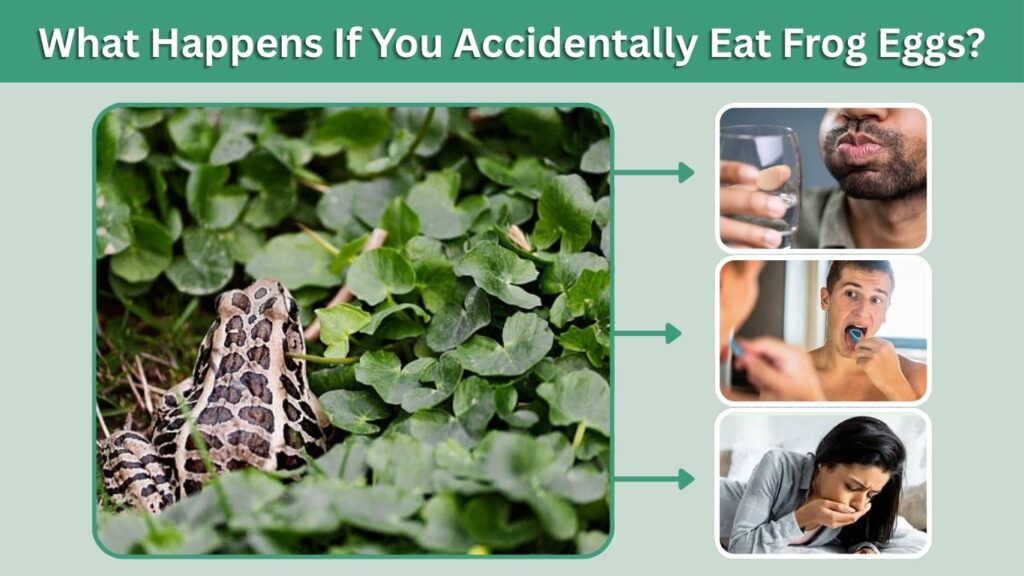
The appropriate response depends on the amount eaten, the species involved, the person’s condition, and any developing symptoms.
Immediate steps
- Remove any remaining material from the mouth.
- Rinse the mouth gently with clean water.
- Do not deliberately induce vomiting.
- Preserve a photograph or sample only if this can be done safely.
- Contact a poison-control center or medical professional promptly.
- Call emergency services for severe or rapidly developing symptoms.
Concerning symptoms include repeated vomiting, intense abdominal pain, excessive salivation, confusion, weakness, breathing difficulty, seizures, fainting, or an irregular heartbeat. Do not wait for symptoms if toad or cane-toad eggs may have been involved.
Can Pets Eat Frog Eggs?
Dogs, cats, fish, and other pets should not be allowed to consume unidentified frogspawn. Toxic toad eggs can poison animals, while ordinary frog eggs may still expose pets to bacteria, parasites, or contaminated water.
Signs of possible poisoning in pets
Symptoms may include drooling, pawing at the mouth, vomiting, shaking, weakness, abnormal heartbeat, loss of coordination, seizures, or collapse. Remove the pet from the area and contact a veterinarian or animal poison service immediately. Do not use home remedies without professional instructions.
FAQs
These answers address common questions about the edibility, appearance, and safety of frog eggs.
Are frog eggs safe to eat raw?
No. Raw wild frog eggs may contain bacteria, parasites, toxins, or environmental contaminants. Species identification is also difficult at the egg stage. Eating raw frogspawn creates unnecessary health risks and may violate local wildlife-protection laws.
Can cooked frog eggs be eaten?
Cooking may kill many microorganisms, but it does not guarantee safety. Some toad eggs contain dangerous toxins, while heavy metals and chemical pollutants can remain after cooking. Unless the eggs are part of a legally regulated food product, they should not be eaten.
Are all frog eggs poisonous?
No, not every frog species produces highly poisonous eggs. However, toxicity varies and cannot be reliably determined by appearance. Certain toads and poison frogs transfer defensive chemicals to their eggs, making unidentified wild spawn unsafe to handle as food.
Do people eat real frog eggs?
Real frog eggs are reportedly used in a small number of regional or traditional dishes, but they are not a common global food. Most people who eat frog products consume commercially prepared legs rather than eggs. Wild frogspawn should never be treated as an alternative.
Are tapioca “frog eggs” real frog eggs?
No. Tapioca or sago desserts are sometimes called frog eggs or frogspawn because the translucent pearls resemble amphibian eggs. Similar drinks may use basil seeds, chia seeds, jelly, or boba. Check the ingredients, but these novelty foods usually contain no frog products.
