
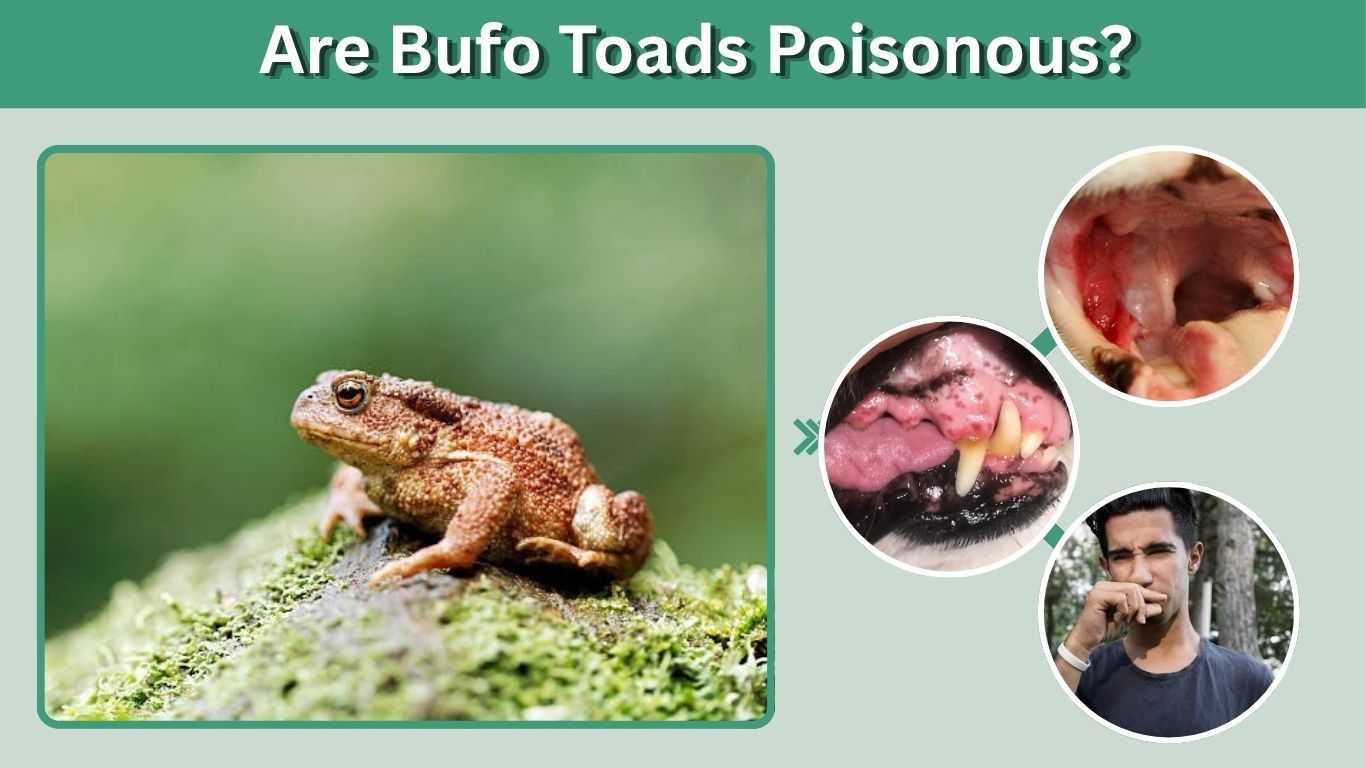
Bufo toad poison can be dangerous to dogs, cats, and people when the toxic secretion enters the mouth, eyes, or other sensitive tissues. In Florida, “Bufo toad” commonly refers to the invasive cane toad (Rhinella marina), formerly called Bufo marinus. These toads release defensive toxins from large glands behind their eyes. Dogs are especially vulnerable because they may bite or lick a toad. This guide explains Bufo toad poisoning symptoms, how quickly poisoning can occur, risks to pets and humans, and what to do after exposure.
Are Bufo Toads Poisonous?
Yes. Bufo or cane toads are poisonous.
Large parotoid glands located behind their eyes produce a milky defensive secretion containing several toxic compounds. When a predator bites or mouths the toad, these toxins can rapidly enter through the tissues of the mouth.
The poison primarily affects the nervous and cardiovascular systems. Severe exposure can produce seizures, abnormal heart rhythms, and potentially life-threatening complications.
Simply seeing or being near a cane toad is not dangerous. The main risks occur when the secretion contacts:
- Mouth
- Tongue
- Eyes
- Nose
- Open wounds
- Other sensitive tissues
Dogs face the greatest risk because they commonly investigate moving animals with their mouths.
What Does Bufo Toad Poison Look Like?
The defensive secretion is generally described as a thick, whitish or milky substance released from glands behind the toad’s eyes.
A frightened cane toad may release more secretion when squeezed, bitten, or attacked.
The toxin is intended to discourage predators. Unfortunately, a curious dog can receive a significant exposure before releasing the toad.
You should never intentionally squeeze the glands or try to collect the secretion.
Bufo Toad Poisoning Symptoms
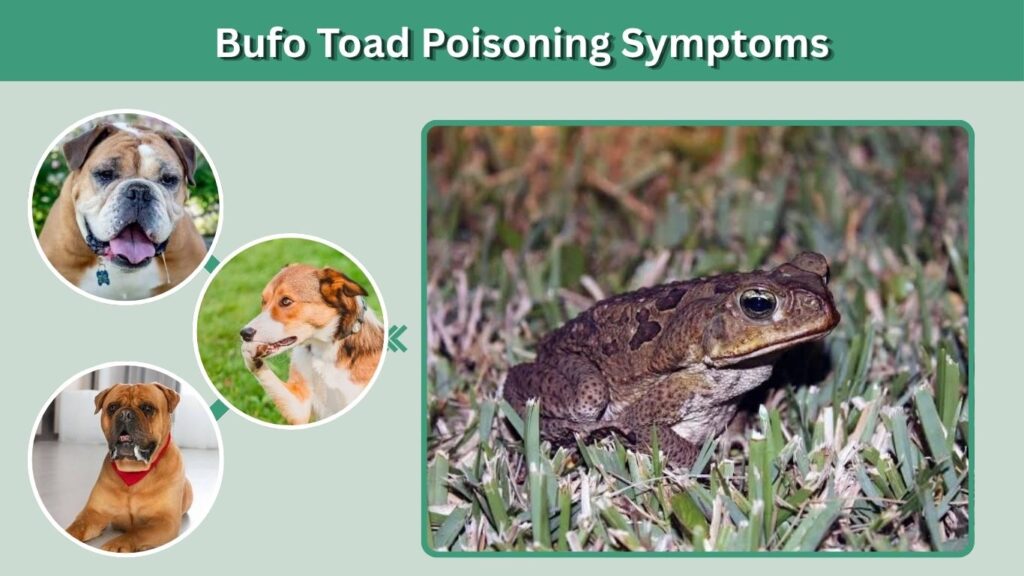
Symptoms depend on the amount of toxin, the animal’s body size, and the type of exposure.
Common signs of poisoning can include:
- Excessive drooling
- Foaming at the mouth
- Bright or irritated gums
- Pawing at the face
- Head shaking
- Vomiting
- Weakness
- Disorientation
- Rapid or abnormal heartbeat
- Tremors
- Loss of coordination
- Seizures
- Collapse
Mild exposure may initially appear as intense mouth irritation, but symptoms can progress quickly.
Bufo Toad Poisoning in Dogs
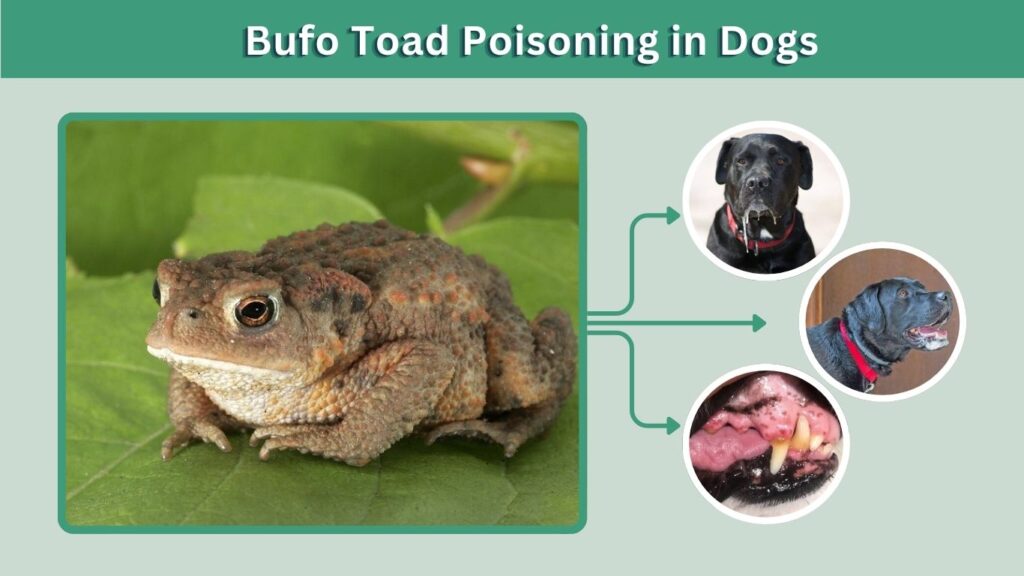
Dogs are among the animals most commonly affected by cane toad poisoning.
A dog may chase the toad, pick it up, lick it, or bite it. The toxin can then be absorbed through the gums and other tissues inside the mouth.
Small dogs can be particularly vulnerable because a similar amount of toxin represents a larger dose relative to their body weight.
Signs often begin with:
- Sudden heavy drooling
- Foaming
- Red gums
- Pawing at the mouth
- Head shaking
More serious poisoning may progress to neurological and cardiovascular problems.
Suspected exposure should be treated as an urgent veterinary situation rather than waiting to see whether the symptoms disappear.
How Quickly Does Bufo Toad Poison Take Effect?
Bufo toad poisoning can begin within minutes after a dog or other animal mouths the toad.
The mouth is rich in blood vessels, allowing toxins to be absorbed relatively quickly.
Early symptoms such as drooling and mouth irritation may appear first. Severe cases can then progress to tremors, abnormal heart rhythms, seizures, or collapse.
Because symptoms can develop quickly, immediate action is important.
What to Do if a Dog Bites a Bufo Toad
First, separate the dog from the toad to prevent additional exposure.
If it can be done safely, gently wipe toxin from the dog’s gums, tongue, and mouth with a damp cloth, repeatedly using clean sections of the cloth.
If rinsing the mouth, keep the dog’s head angled so water flows out of the mouth rather than toward the throat. Do not force large amounts of water into the mouth because aspiration can create another emergency.
Then contact a veterinarian or emergency veterinary clinic immediately.
Do Not
Do not:
- Induce vomiting unless a veterinarian instructs you
- Force water down the dog’s throat
- Give random medications
- Wait for severe symptoms before seeking help
- Handle a seizing animal near its mouth
Professional treatment may be necessary to control seizures, abnormal heart rhythms, temperature changes, or other complications.
Are Bufo Toads Poisonous to Cats?
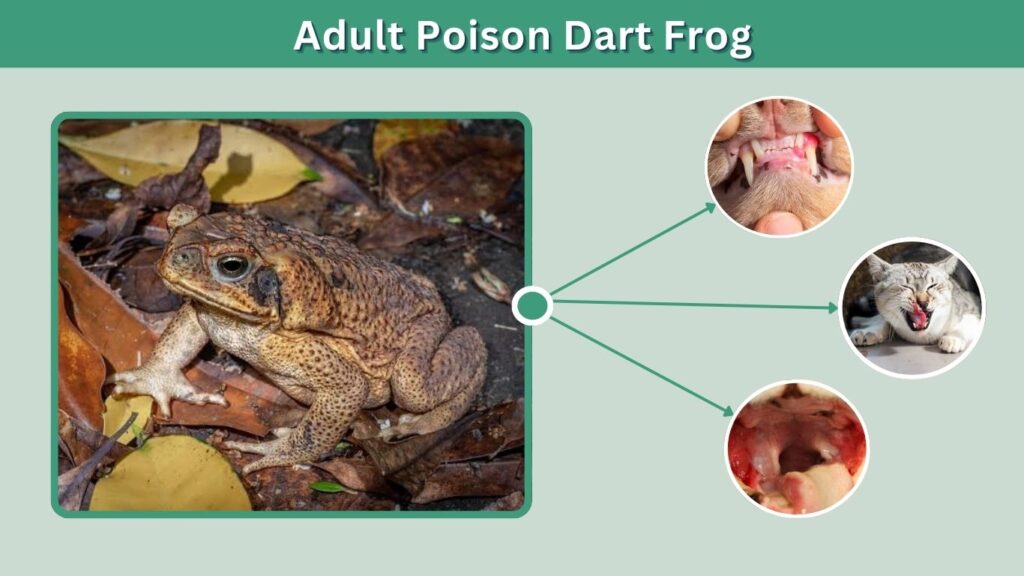
Yes. Bufo toad toxin can also affect cats.
Cats are generally less likely than dogs to grab large toads, but exposure can occur if a cat bites, paws at, or licks one.
Possible symptoms include:
- Drooling
- Mouth irritation
- Vomiting
- Pawing at the face
- Weakness
- Tremors
- Poor coordination
- Seizures
Any cat showing symptoms after contact with a suspected cane toad should receive prompt veterinary attention.
Are Bufo Toads Poisonous to Humans?
Bufo toad secretions can affect humans, particularly when the toxin gets into the eyes, mouth, nose, or broken skin.
Brief contact with intact skin is less likely to produce serious poisoning, but the exposed area should still be washed thoroughly.
Potential effects include:
- Skin irritation
- Burning sensation
- Eye pain
- Redness
- Nausea
- Vomiting
- Dizziness
- Abnormal heartbeat in significant exposures
If toxin gets into the eyes, rinse them thoroughly with clean water. Significant ingestion, severe eye exposure, or systemic symptoms require prompt medical attention.
Children should be prevented from handling cane toads.
Does Bufo Toad Poison Irritate Skin?
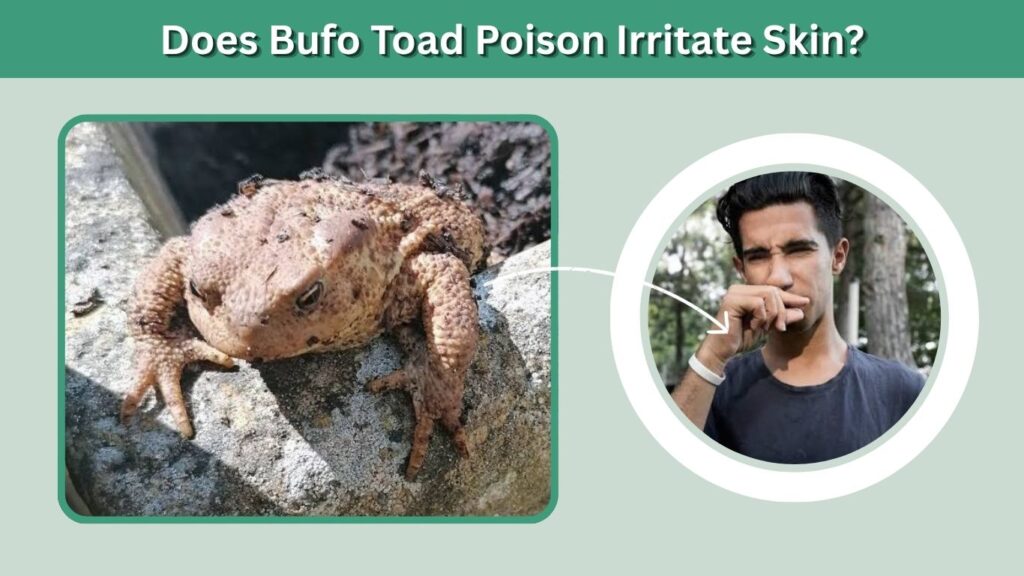
It can.
Some people may experience redness, burning, or irritation after coming into contact with defensive secretions, particularly if they have cuts or sensitive skin.
Wash the area thoroughly with soap and running water.
Avoid touching your:
- Eyes
- Nose
- Mouth
until your hands are completely clean.
Persistent or severe irritation should be evaluated by a healthcare professional.
Are Baby Bufo Toads Poisonous?
Yes. Young cane toads can contain defensive toxins even though they are much smaller than adults.
The eggs, tadpoles, juvenile toads, and adults can all contain toxic compounds.
Never assume a small cane toad is safe for a pet to lick or eat.
Young cane toads can also be difficult to distinguish from harmless native toad species, which is another reason pets should generally be discouraged from mouthing any wild amphibian.
Are Dead Bufo Toads Poisonous to Dogs?
A dead cane toad should still be treated as potentially dangerous.
Toxic compounds can remain in the tissues and glands after death. A dog that chews or eats a dead cane toad could therefore still be exposed.
Remove dead suspected cane toads from areas accessible to pets using gloves or appropriate tools, and dispose of them according to local regulations.
Bufo Toad Poison vs Venom
Bufo toads are technically poisonous rather than venomous.
Venomous animals actively inject toxins through structures such as fangs or stingers.
Cane toads instead release defensive toxins from their parotoid glands. Another animal is exposed when it bites, licks, eats, or otherwise contacts the secretion.
The toad does not need to bite a dog to poison it.
Are All Bufo Toads Poisonous?
The name “Bufo” can cause confusion because it historically referred to a large genus containing many species of true toads.
Different toad species produce different defensive secretions and vary considerably in toxicity.
When people in Florida refer to the dangerous Bufo toad, they usually mean the cane toad, Rhinella marina.
It should not be assumed that every native toad presents the same degree of danger as a cane toad.
Bufo Toad Poison and Smoking
Cane toad secretions contain biologically active chemicals, and some searches refer to smoking or consuming these secretions.
Doing so can be dangerous and potentially life-threatening. Toad secretions contain multiple compounds, including substances capable of affecting heart rhythm and the nervous system.
The concentration is unpredictable, and exposure can cause severe poisoning.
Cane toad poison should never be smoked, swallowed, injected, or otherwise intentionally consumed.
How to Protect Dogs From Bufo Toad Poisoning
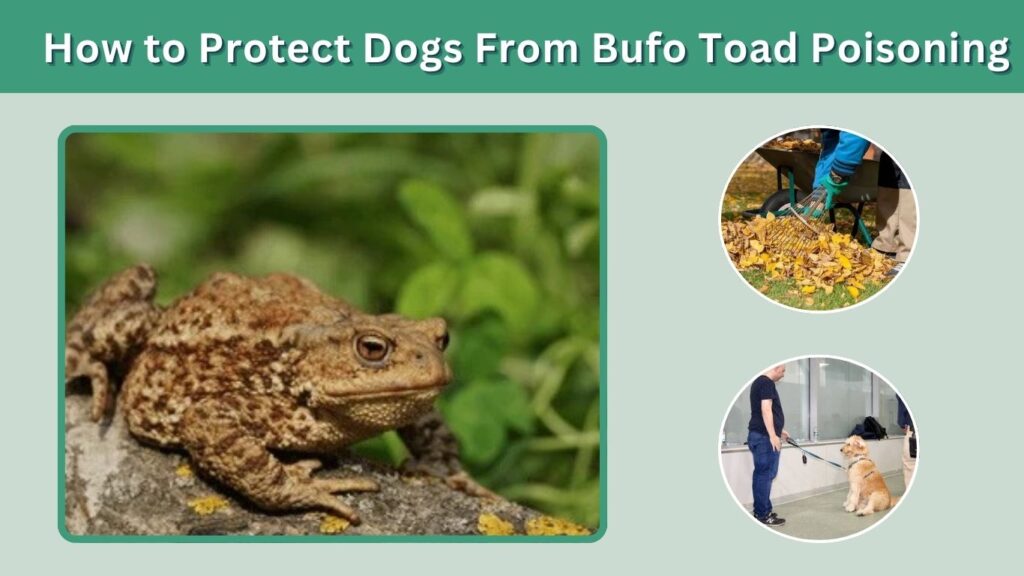
Preventing contact is far safer than treating poisoning.
Helpful precautions include:
- Supervise dogs outdoors at night
- Use a leash in areas with cane toads
- Bring pet food indoors
- Empty unnecessary standing water
- Keep yards free of clutter
- Reduce insects around outdoor lights
- Check yards before letting small dogs outside
- Teach dogs a reliable “leave it” command
Cane toads are particularly active during warm, wet weather and after rain, making nighttime supervision especially important during these conditions.
FAQs
Can Bufo toad poison kill a dog?
Yes. Severe cane toad poisoning can be life-threatening, especially for smaller dogs or animals receiving substantial exposure. Immediate veterinary attention can be critical.
What are the first signs of Bufo toad poisoning?
Heavy drooling, foaming, bright red gums, pawing at the mouth, and head shaking are common early signs.
How fast does Bufo toad poisoning happen?
Symptoms can begin within minutes because toxins are rapidly absorbed through the mouth.
Can touching a Bufo toad poison you?
Simply touching one with intact skin is less likely to cause serious poisoning, but its secretions can irritate the skin and are more dangerous if they enter the eyes, mouth, or wounds.
Is there an antidote for Bufo toad poisoning?
There is no simple home antidote. Veterinary treatment focuses on removing toxin and controlling potentially dangerous symptoms such as seizures and abnormal heart rhythms.
