
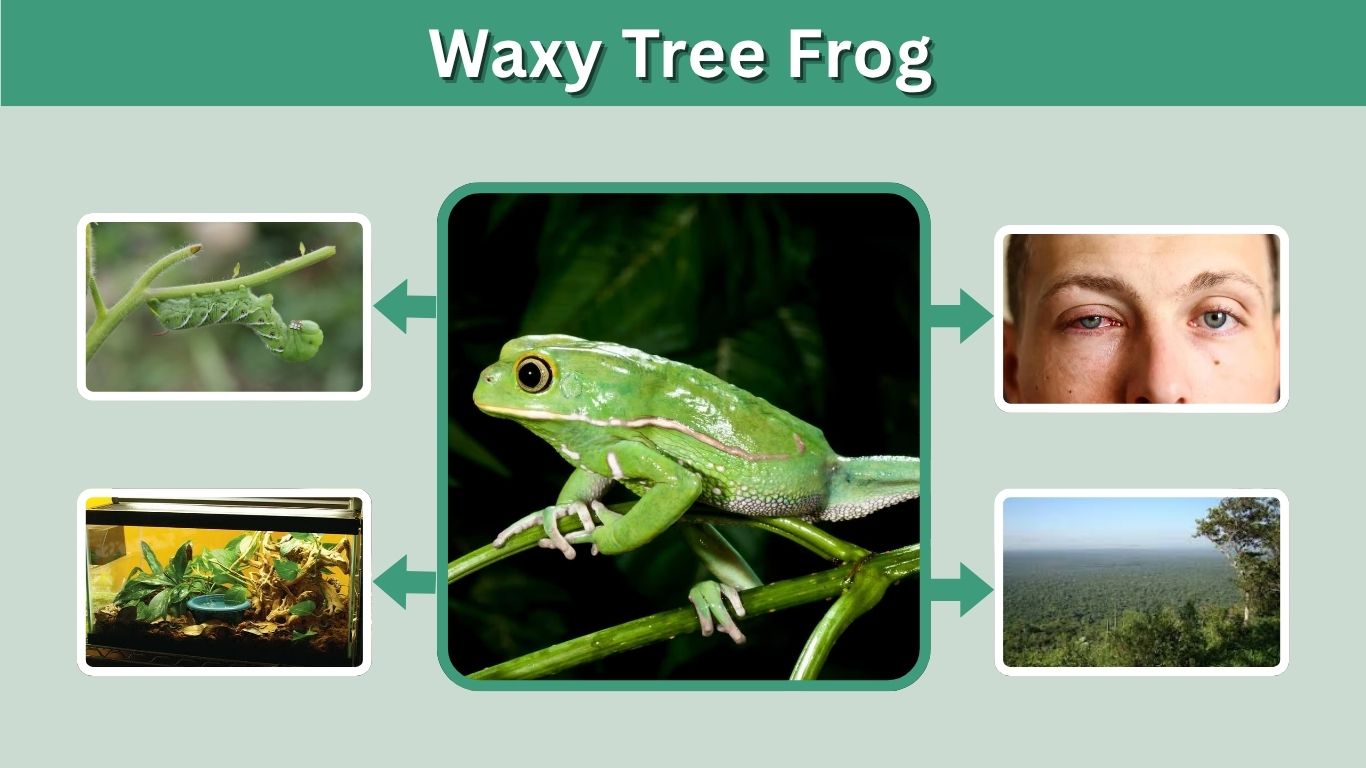
The waxy tree frog is a distinctive South American amphibian famous for coating its body with waxy skin secretions. This adaptation helps it conserve water while resting on exposed branches in the hot, seasonally dry Gran Chaco. Its leaf-green color, grasping feet, vertical pupils, and slow monkey-like walk also make it a fascinating display animal. However, keeping one successfully requires a tall enclosure, moderate humidity, strong ventilation, a controlled temperature gradient, UVB lighting, clean water, varied live insects, and minimal handling.
What Is a Waxy Tree Frog?
“Waxy tree frog” most commonly refers to the waxy monkey tree frog, Phyllomedusa sauvagii. It is also called the Chacoan monkey frog, waxy monkey leaf frog, or South American waxy tree frog.
Classification and Identification
- Kingdom: Animalia
- Phylum: Chordata
- Class: Amphibia
- Order: Anura
- Family: Phyllomedusidae
- Genus: Phyllomedusa
- Species: Phyllomedusa sauvagii
- Adult size: Approximately 2.5–3 inches
- Color: Leaf green with a pale underside
- Eyes: Pale gold or silver-gray with vertical pupils
- Lifestyle: Arboreal and primarily nocturnal
- Diet: Insects and other small invertebrates
- Lifespan: Approximately 8–10 years or longer
- Conservation status: Least Concern
Females generally become larger and heavier than males. Males can be recognized during the reproductive season by their calls and breeding pads.
Types of Waxy and Monkey Frogs
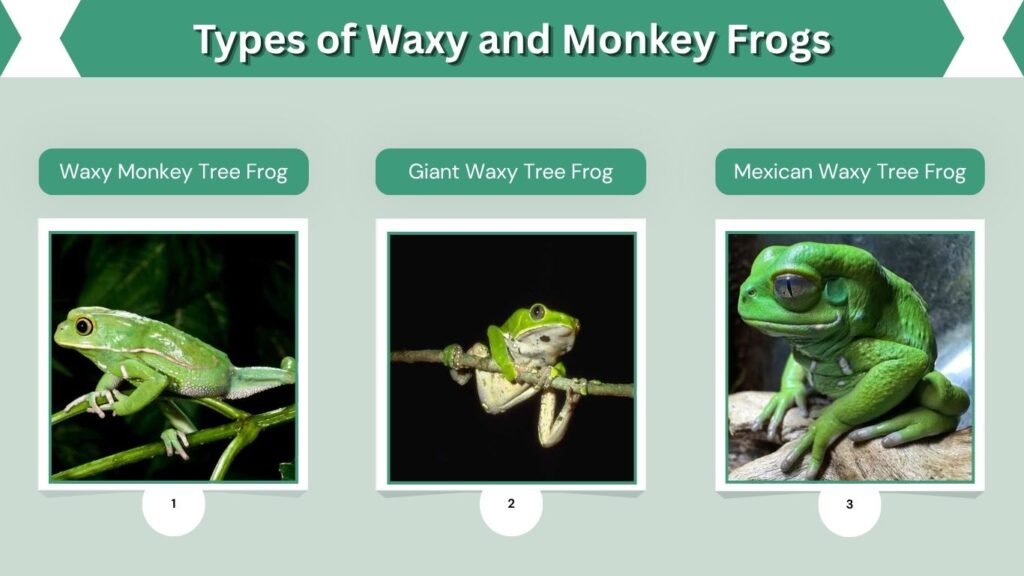
Several related frogs receive similar commercial names. Their size, habitat, skin secretions, and enclosure requirements are not identical.
Waxy Monkey Tree Frog
Phyllomedusa sauvagii is the standard waxy tree frog found in the dry and seasonally wet Gran Chaco. It is the species most frequently covered in general waxy tree frog care sheets.
Giant Waxy Tree Frog
The giant waxy monkey frog, Phyllomedusa bicolor, is a much larger Amazonian species. Females can reach approximately 4–5 inches. Its skin secretion is associated with the practice known as kambo.
Mexican Waxy Tree Frog
The Mexican leaf frog, Agalychnis dacnicolor, is sometimes advertised as a Mexican waxy monkey frog. It is native to Mexico and should not be confused with either P. sauvagii or P. bicolor.
Tiger-Legged Monkey Frog
Tiger-legged monkey frogs have colorful striped patterns on their hidden leg surfaces. They belong to related species and generally need warmer, more humid forest conditions than the Chacoan waxy frog.
Always purchase by scientific name rather than relying entirely on a seller’s common name.
Waxy Tree Frog Natural Habitat
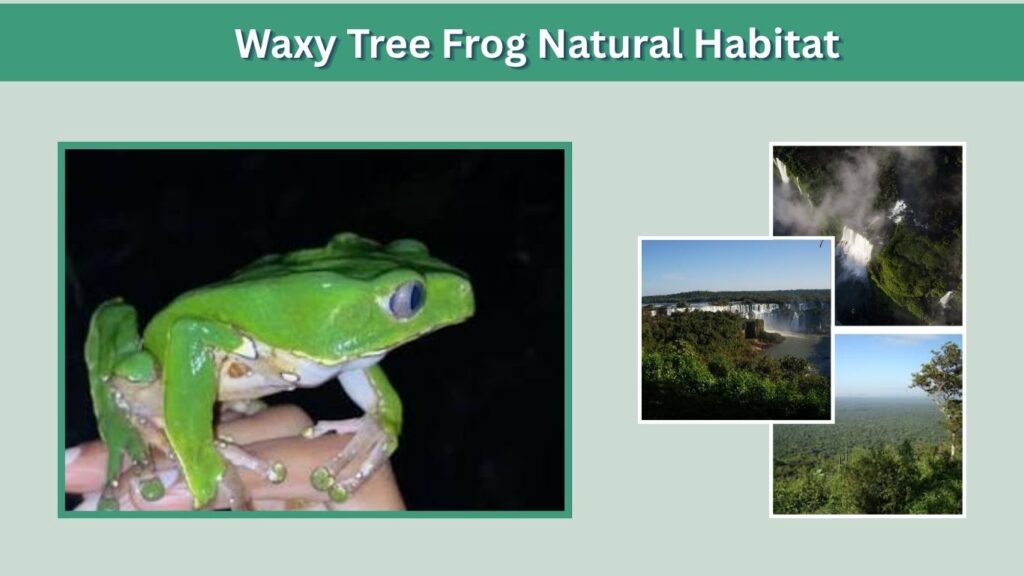
Waxy tree frogs occur in Argentina, Bolivia, Brazil, and Paraguay. They inhabit the Gran Chaco, a region containing dry forests, savannas, thorn scrub, and seasonal wetlands.
Arboreal Lifestyle
Adults spend most of their lives on shrubs and trees. During daylight, they rest on a branch with their legs folded closely against the body. They become active after dark and slowly walk through vegetation in search of insects.
Unlike many tree frogs, they rarely make long jumps unless startled. Their grasping feet and opposable inner digits allow them to hold narrow branches securely.
Are Waxy Tree Frogs Ectothermic?
Yes. A waxy tree frog relies on environmental heat to regulate its body temperature. It moves between warm, cool, exposed, and shaded perches as conditions change.
A captive enclosure must provide a temperature gradient rather than maintaining every area at the same temperature.
How Does a Waxy Tree Frog Produce Wax?
Specialized glands in the skin release lipid-rich substances. The frog uses its front and back legs to spread the material across its body in a deliberate wiping motion.
Purpose of the Waxy Coating
- Reduces water loss through the skin
- Helps the frog survive seasonally dry conditions
- Protects exposed skin while resting
- Supports efficient temperature regulation
- Provides some defense against microorganisms and predators
The secretion is often described as natural sunscreen. Although it may offer protection while the frog rests in bright locations, preventing dehydration is its most important function.
Waxy frogs also conserve moisture by resting motionless during the day and producing uric acid rather than highly diluted urine. These combined adaptations allow them to tolerate drier environments than most amphibians.
Waxy Tree Frog Enclosure
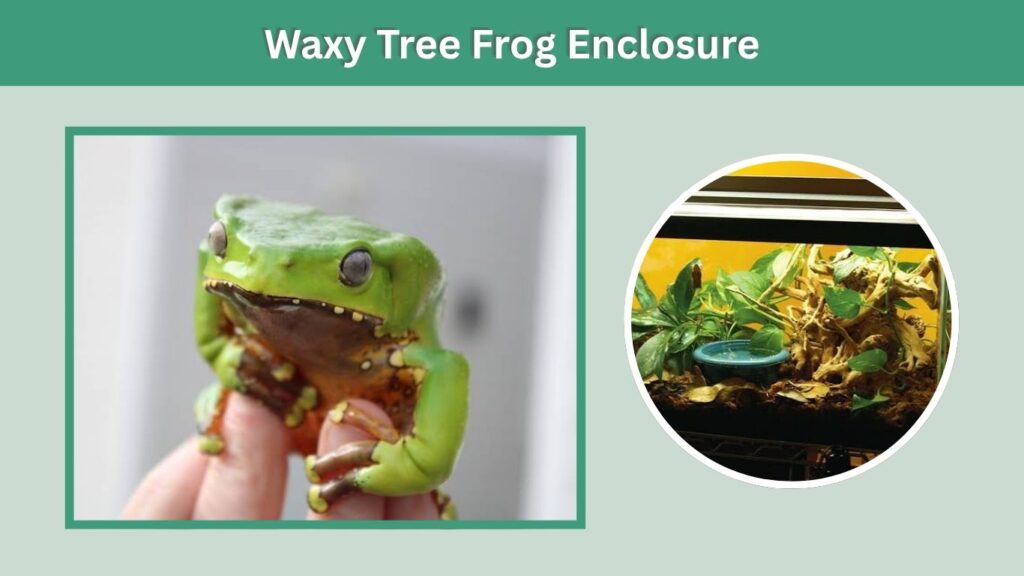
A vertical, escape-proof terrarium provides the height needed for climbing. Ventilation is especially important because this species should not be maintained in stagnant, constantly saturated conditions.
Recommended Setup
- Minimum enclosure: Approximately 18 × 18 × 24 inches
- Daytime temperature: 75–85°F
- Warm upper perch: Around 85°F
- Nighttime temperature: Approximately 65–72°F
- Daytime humidity: Around 50–60%
- Nighttime humidity: Approximately 70–75%
- Lighting: 10–12 hours daily
- UVB: Low-output tropical UVB
- Water: Shallow dish of dechlorinated water
- Ventilation: Screened top or effective cross-ventilation
Groups require more space, horizontal perches, feeding locations, and visual barriers. Avoid overcrowding, particularly when frogs differ significantly in size.
Branches and Plants
Install sturdy horizontal branches at several heights. Artificial foliage and pesticide-free live plants provide shade, security, and additional sleeping surfaces.
Branches should be smooth enough to protect the frog’s skin but textured enough to provide a reliable grip. Secure every furnishing so it cannot fall or rotate.
Substrate and Humidity
Organic topsoil, coconut fiber, or a mixture of both can maintain moderate humidity. A drainage layer prevents water from accumulating beneath a planted setup.
Mist lightly in the evening and let the enclosure dry partially during the day. Constantly wet substrate, fogged glass, and weak airflow can encourage mold, bacteria, and skin disease.
Waxy Tree Frog Heating and Lighting
Position a thermostat-controlled heat source above one side of the enclosure. This creates warmer upper branches and cooler lower areas, allowing natural thermoregulation.
UVB Requirements
Provide low-level UVB above the screened lid. UVB supports vitamin D production and helps the frog use dietary calcium properly. Glass blocks the most beneficial UVB, so the lamp should not shine through a solid glass panel.
Include shaded locations where the frog can avoid the lamp. Regularly measure branch temperatures to prevent overheating or burns.
Waxy Tree Frog Diet and Feeding
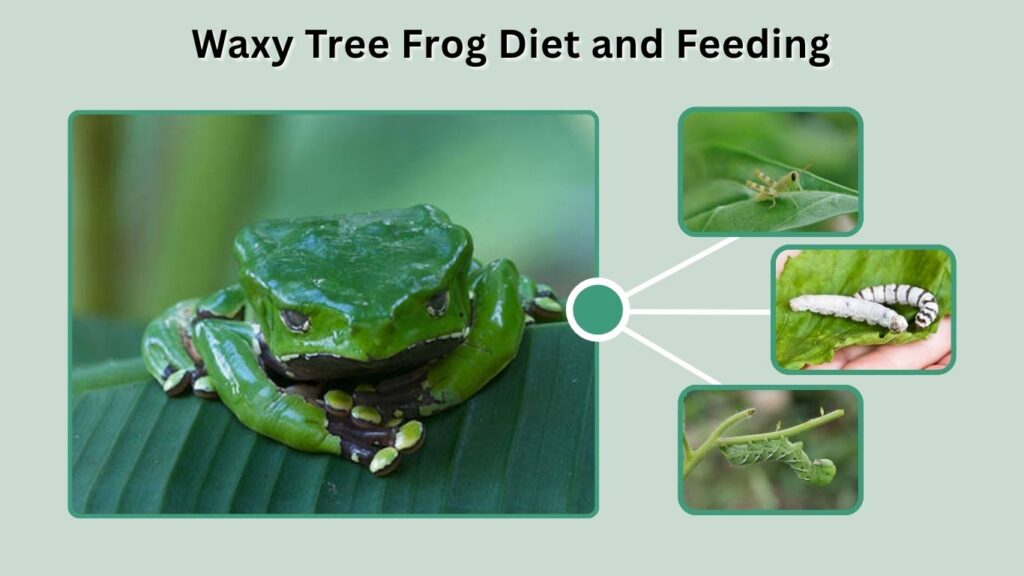
Waxy tree frogs are insectivores. Captive animals should receive several kinds of appropriately sized, captive-raised feeders.
Suitable Foods
- Crickets
- Dubia roach nymphs
- Small locusts
- Silkworms
- Black soldier fly larvae
- Hornworms
- Occasional mealworms or waxworms
Feed adults two or three times weekly. Babies and growing juveniles need smaller meals more frequently. Prey should generally be no wider than the distance between the frog’s eyes.
Gut-load insects before feeding and use calcium and multivitamin supplements according to an amphibian-appropriate schedule. Avoid excessive supplementation and remove uneaten prey promptly.
Can They Eat Large Prey?
A waxy tree frog may attempt to swallow an insect that is too large. Oversized prey can cause choking, internal injury, regurgitation, or digestive difficulty.
Do not offer wild insects because they may carry pesticides or parasites. Vertebrate prey is unnecessary.
Water and Handling
Place a shallow dish of fresh, dechlorinated water where the frog can enter and exit easily. Replace the water every day because frogs can absorb contaminants directly through their skin.
Safe Handling Rules
- Handle only when necessary
- Use clean, damp, powder-free nitrile gloves
- Never use lotion or sanitizer beforehand
- Keep the frog away from your eyes and mouth
- Support its body without squeezing
- Return it to the enclosure promptly
- Wash your hands afterward
Frequent handling can remove protective skin material and expose the frog to chemicals, salts, and pathogens.
Are Waxy Tree Frogs Poisonous?
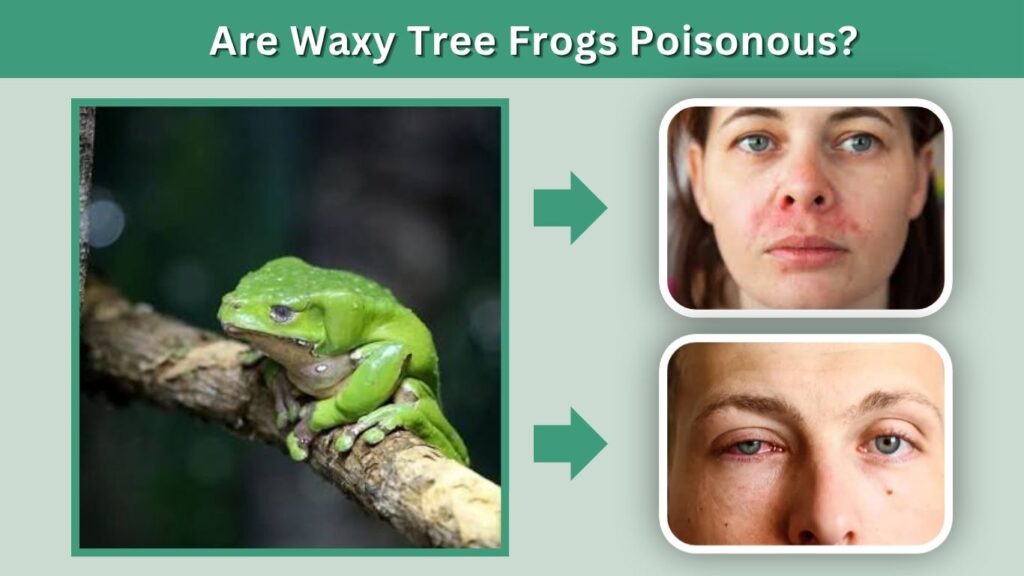
Waxy tree frogs produce defensive skin secretions containing biologically active compounds. Normal contact with intact human skin is unlikely to cause severe poisoning, but the material may irritate the eyes, mouth, nose, or open wounds.
Never lick a frog, deliberately collect its secretion, or place the secretion on human skin.
Kambo, Drugs, and Ritual Use
Kambo primarily comes from the giant waxy monkey frog, Phyllomedusa bicolor. It is not the same substance as ayahuasca and does not provide a scientifically established, safe recreational high.
During kambo rituals, frog secretion is applied to deliberately burned skin. Reported complications include:
- Severe vomiting and diarrhea
- Facial swelling
- Dangerous electrolyte disturbances
- Seizures
- Liver or kidney injury
- Abnormal heart rhythm
- Psychosis
- Loss of consciousness
- Death
There is no reliable evidence that kambo safely detoxifies the body or cures disease. A pet frog should never be stressed or harmed to obtain secretion.
Breeding and Reproduction
Breeding in the wild occurs during the rainy season. Males call from branches near temporary pools, and females select mates partly according to their calls.
Eggs and Tadpoles
A mating pair deposits eggs on leaves overhanging water. The adults fold leaves around the clutch, and gelatinous capsules help prevent the eggs from drying out.
After approximately one week of development, the tadpoles hatch and fall into the water. They remain aquatic until metamorphosis transforms them into small arboreal froglets.
Captive breeding requires seasonal temperature and rainfall changes, suitable nesting leaves, a rain chamber, and separate facilities for raising tadpoles.
Waxy Tree Frog Predators and Lifespan
Wild waxy tree frogs are hunted by snakes, birds, mammals, larger frogs, and predatory invertebrates. Fish and aquatic insects may consume eggs or tadpoles.
A captive individual may live approximately 8–10 years, and some can live longer with excellent care. Poor water quality, nutritional deficiencies, overheating, excessive humidity, parasites, and skin infections can shorten their lives.
Buying a Waxy Tree Frog
Select a healthy captive-bred frog from a seller who provides the scientific name and feeding history. Availability and price vary according to age, species, location, and shipping requirements.
Before buying, confirm:
- The exact species
- Captive-bred status
- Current size and age
- Feeding and health history
- Live-arrival policy
- Local ownership regulations
- Availability of an exotic veterinarian
Quarantine new frogs for six to eight weeks before introducing them to an established collection.
FAQs
Is a waxy tree frog an amphibian?
Yes. It belongs to the class Amphibia and the order Anura, which includes frogs and toads.
How large does a waxy tree frog grow?
Phyllomedusa sauvagii usually reaches about 2.5–3 inches. The giant species, P. bicolor, may grow approximately 4–5 inches long.
Why does a waxy tree frog rub its skin?
It is spreading lipid-rich skin secretions that help reduce evaporation and protect its body.
Can waxy tree frogs swim?
They can swim, but adults are primarily arboreal. Their water dish should remain shallow and easy to exit.
Are waxy tree frogs good pets?
They are interesting display pets for intermediate keepers. They require specialized temperature, humidity, UVB, nutrition, and skin-safe handling practices.
