
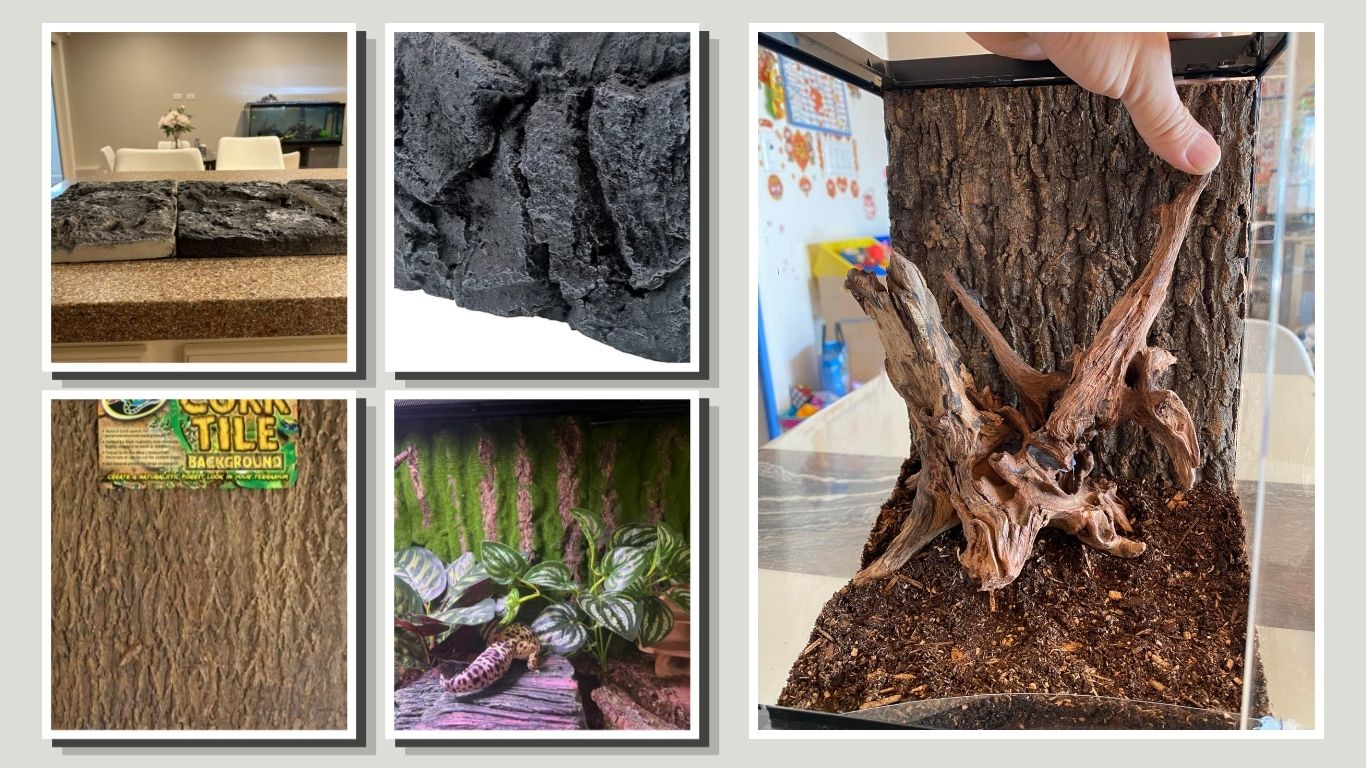
Choosing the best terrarium background can make a reptile or amphibian enclosure look more natural while also adding texture, visual depth, and climbing opportunities. Some backgrounds use artificial rock, foam, cork, or plant-style designs, while others are made to fit closely against the back wall of the habitat. The right option depends on enclosure size, animal type, humidity level, and preferred appearance. In this guide, we review 9 practical terrarium backgrounds based on design, durability, installation, versatility, and overall suitability for different reptile and amphibian setups.
1. Fhiny Reptile Terrarium Background
The Fhiny Reptile Terrarium Background is designed to improve the appearance of reptile and amphibian enclosures while creating a more natural-looking environment. It works well for keepers who want to replace a plain glass wall with a textured backdrop that visually complements branches, hides, plants, rocks, and substrate. Its decorative design can help make a terrarium feel more complete without requiring a complicated custom background project.
Key Features
- Natural-style terrarium background
- Designed for reptile enclosures
- Adds texture and visual depth
- Suitable for different habitat themes
- Works with plants, branches, and decorations
- Useful for glass terrariums
- Can improve the overall enclosure appearance
- Suitable for DIY habitat layouts
Why It’s Best for Natural-Looking Enclosures
A plain glass wall can make even a carefully decorated terrarium look unfinished. The Fhiny background provides an easy way to introduce visual texture behind the animal’s main living area.
It is particularly useful for tropical, woodland, and naturalistic layouts where artificial plants, climbing branches, moss, and hides are already present. The background helps visually connect these elements and creates a more immersive display.
For keepers who enjoy photographing or observing their reptiles, the improved backdrop can also make the enclosure look considerably more polished.
Performance, Installation & Practicality
The most important advantage of this style of background is flexibility. It can be incorporated into an existing setup without rebuilding the entire enclosure.
Before installation, measuring the back wall carefully is important. A close fit usually produces a cleaner appearance and reduces unwanted gaps around the edges.
Keepers should also make sure the background is securely positioned so animals cannot become trapped behind it. In humid terrariums, routine checks for trapped moisture or debris are worthwhile.
Pros, Cons & Overall Verdict
Pros
- Improves visual appearance
- Works with naturalistic décor
- Easy way to upgrade plain glass
- Useful for multiple habitat styles
- Good for DIY enclosure projects
Cons
- Correct sizing is important
- May require additional securing depending on the enclosure
Overall Verdict: The Fhiny terrarium background is a strong choice for keepers who want a simple visual upgrade without building a permanent custom wall. Its natural styling makes it especially effective when paired with plants, branches, and textured substrate.
2. PINVNBY Artificial Terrarium Background for Reptiles
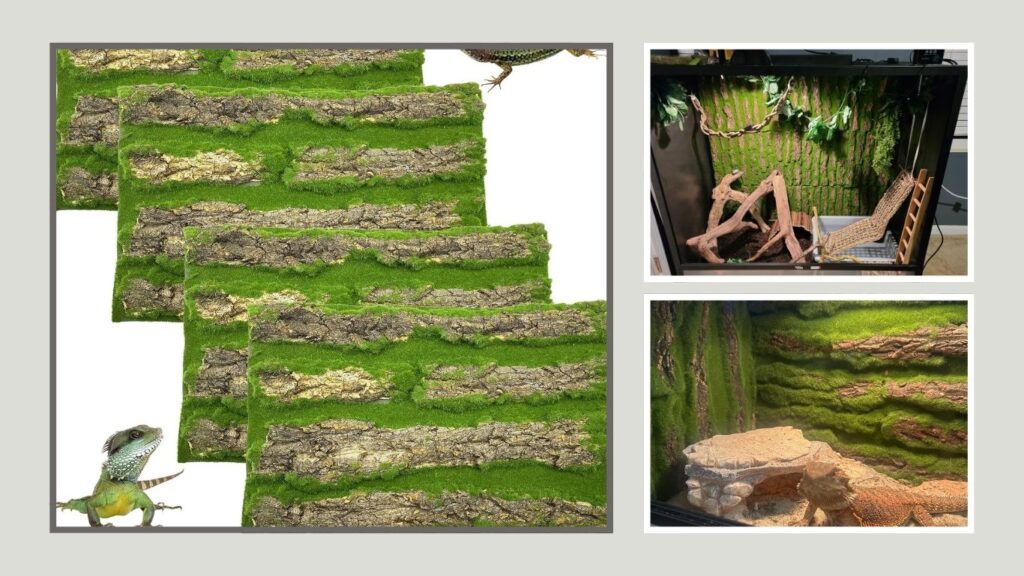
The PINVNBY Artificial Terrarium Background is designed to create a more decorative and dimensional environment for reptiles such as chameleons and other climbing species. Instead of leaving the rear glass completely exposed, this background adds visual structure that can blend naturally with vines, branches, foliage, and other habitat accessories. It is particularly appealing for keepers who want a tropical or jungle-inspired enclosure without constructing a permanent foam or rock wall.
Key Features
- Artificial terrarium background
- Designed for reptile habitats
- Suitable for chameleon-style setups
- Natural decorative appearance
- Works with artificial or live plants
- Adds depth to plain enclosure walls
- Suitable for vertical terrariums
- Useful for tropical-themed habitats
Why It’s Best for Tropical Terrarium Designs
The PINVNBY background works especially well in enclosures where vertical décor plays an important role.
Chameleons and other arboreal animals are often housed with branches, vines, and foliage positioned at different heights. A decorative rear wall helps visually connect these elements and prevents the enclosure from appearing empty behind the climbing structure.
It can also provide a more attractive background for viewing the animal from the front of the enclosure.
Performance, Setup & Habitat Integration
Its strongest feature is the ability to integrate easily with existing décor. Keepers can position plants and branches in front of the backdrop to create additional depth without sacrificing much floor space.
For humid habitats, regular inspection and cleaning are important because moisture and organic debris can collect where decorations meet the enclosure wall.
Installation should also be secure. Any loose edges should be addressed so small reptiles or insects cannot crawl behind the background.
Pros, Cons & Overall Verdict
Pros
- Attractive tropical appearance
- Works well with climbing décor
- Enhances vertical terrariums
- Compatible with plant-heavy layouts
- Provides visual depth
Cons
- Must be sized correctly
- Requires secure installation
- Needs periodic cleaning in humid setups
Overall Verdict: The PINVNBY background is particularly suitable for tropical and arboreal terrariums. Its decorative design can transform a basic enclosure into a more cohesive habitat while remaining easier to install than a permanent custom background.
3. Sysmashing 17.7 x 11.8 Inch Terrarium Background
The Sysmashing 17.7 x 11.8 Inch Terrarium Background is a compact decorative option for smaller reptile and amphibian enclosures. Its defined dimensions make it easier for keepers to determine whether it will fit before setting up the habitat. The background is intended to bring more texture and character to a plain enclosure wall, making it useful for small terrariums where every decorative element has a noticeable impact on the final appearance.
Key Features
- Approximately 17.7 x 11.8 inches
- Designed for terrarium decoration
- Suitable for smaller enclosures
- Adds visual texture
- Works with natural-style layouts
- Easy to combine with plants and branches
- Useful for reptile and amphibian habitats
- Compact decorative design
Why It’s Best for Smaller Terrariums
The clearly defined size makes this Sysmashing model especially convenient for compact enclosures.
Large backgrounds often need substantial trimming to fit small tanks, which can create uneven edges or waste material. A smaller ready-sized option simplifies the process when the dimensions already correspond closely with the terrarium wall.
It is also useful for keepers who want to improve the enclosure visually without adding bulky decorations that consume valuable floor space.
Performance, Fit & Installation
Proper fit is one of the most important considerations with any terrarium background. Measuring the usable inside or outside surface—depending on how the product is intended to mount—helps avoid gaps.
Once positioned, the backdrop can serve as a visual foundation for other habitat elements. Plants, cork, branches, hides, and substrate can then be arranged to create a more layered environment.
As with any interior decorative material, it should not interfere with ventilation, doors, heating equipment, or other essential enclosure components.
Pros, Cons & Overall Verdict
Pros
- Convenient compact dimensions
- Good for small enclosures
- Adds depth without using much floor space
- Works with multiple décor styles
- Useful for beginner setups
Cons
- Limited suitability for large terrariums
- Exact measurements should be confirmed before installation
Overall Verdict: The Sysmashing 17.7 x 11.8-inch background is a practical option for compact habitats. Its manageable dimensions and decorative appearance make it particularly useful when a smaller enclosure needs visual improvement without excessive customization.
4. Sysmashing Decorative Terrarium Background
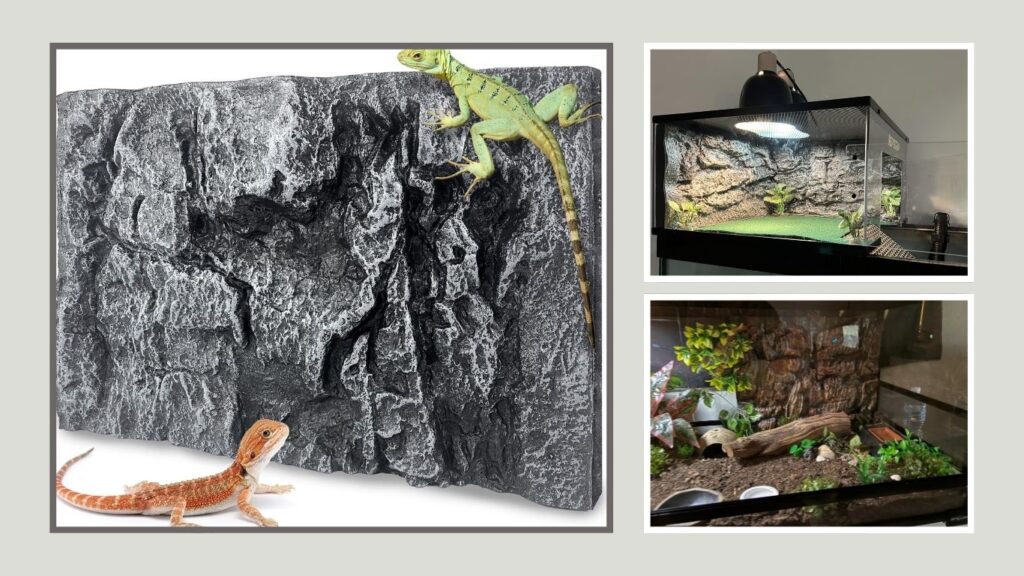
The Sysmashing Decorative Terrarium Background offers another enclosure-enhancing option for reptile and amphibian keepers who want more than a plain glass rear wall. Its decorative styling is intended to complement natural habitat elements while giving the enclosure a finished appearance. It is especially useful for small to medium setups where a background can create depth without requiring heavy rock structures or complicated permanent modifications.
Key Features
- Decorative terrarium backdrop
- Approximately 17.7 x 11.8-inch format
- Designed for reptile enclosures
- Adds visual depth and texture
- Works with branches and artificial plants
- Suitable for naturalistic layouts
- Compact installation footprint
- Useful for enclosure customization
Why It’s Best for Decorative Habitat Upgrades
This Sysmashing background is ideal for keepers who focus heavily on the visual presentation of their terrarium.
A background can dramatically change how an enclosure looks from the front because it hides the plain wall behind the animal and provides contrast for plants, hides, and climbing structures.
It is a particularly effective upgrade for display terrariums located in living rooms, offices, bedrooms, or other visible areas where appearance matters alongside functionality.
Performance, Versatility & Maintenance
Its relatively compact format makes it easier to incorporate into an existing enclosure than a large permanent 3D structure.
Keepers can arrange decorations in front of the background and change the overall habitat layout without necessarily replacing the backdrop.
Regular cleaning should remain part of the enclosure routine. Any areas where substrate, food, shed skin, or moisture accumulate should be accessible enough to inspect.
The background should also remain clear of heating elements unless its material and installation instructions specifically allow close placement.
Pros, Cons & Overall Verdict
Pros
- Attractive decorative effect
- Compact and manageable size
- Works with many enclosure themes
- Adds visual depth
- Suitable for display terrariums
Cons
- May not fit larger habitats
- Installation quality affects the finished appearance
Overall Verdict: This Sysmashing model is a good choice for keepers who primarily want to improve enclosure aesthetics. It provides an efficient way to add depth and structure to a smaller terrarium while leaving plenty of room for functional habitat accessories.
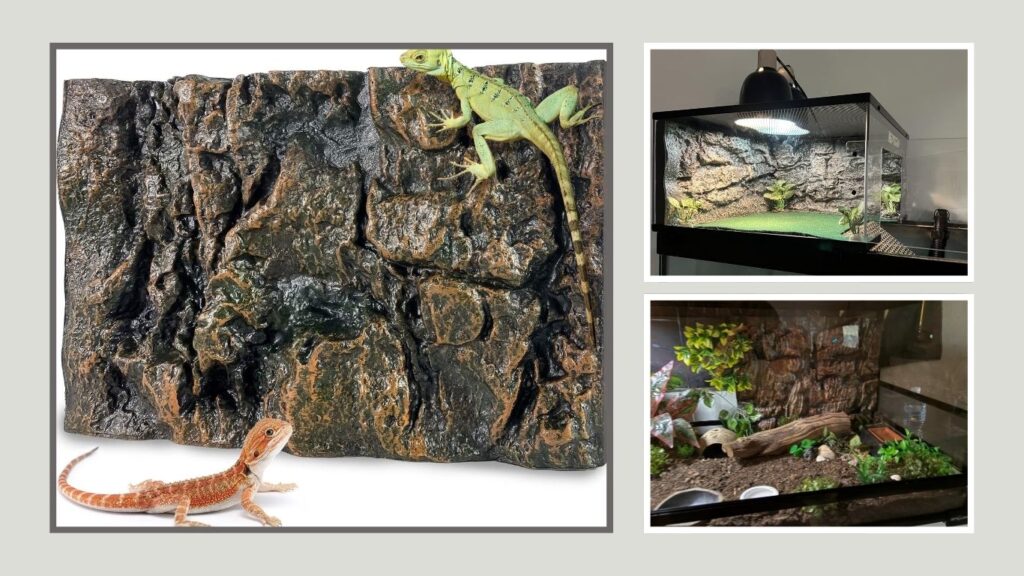
5. Reptile Climbing Terrarium Background Decoration
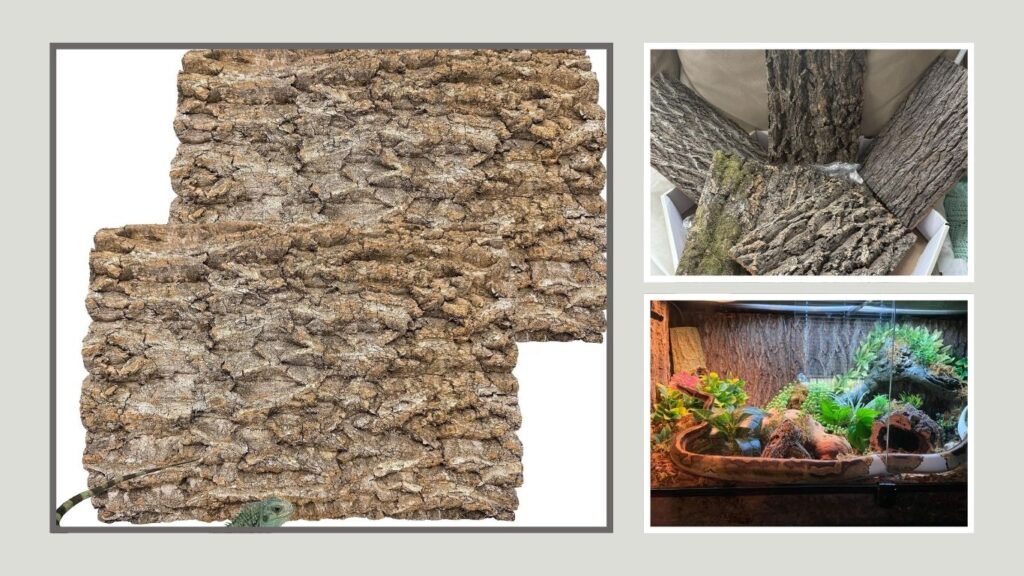
The Reptile Climbing Terrarium Background Decoration stands out because it is intended to provide more than visual appeal. Its climbing-oriented design can add usable vertical structure to an enclosure, making it particularly interesting for reptiles that naturally explore elevated surfaces. By combining a decorative backdrop with additional environmental complexity, it can help turn an otherwise unused rear wall into a more interactive part of the habitat.
Key Features
- Climbing-oriented background design
- Suitable for reptile terrariums
- Adds vertical habitat structure
- Decorative natural appearance
- Useful for chameleon-style setups
- Works with vines and branches
- Helps utilize enclosure wall space
- Supports more complex habitat layouts
Why It’s Best for Climbing Reptiles
Vertical space can be extremely valuable in habitats designed for arboreal or semi-arboreal animals.
Instead of using the background only as decoration, a climbing-style structure can help make the rear wall part of the enclosure layout. When appropriately installed, it can complement vines, branches, ledges, and foliage while increasing the number of routes available through the habitat.
This makes it especially attractive for keepers trying to create a more layered, three-dimensional enclosure.
Performance, Enrichment & Installation
A background with climbing potential must be installed more carefully than a purely visual backdrop. It should remain secure under the weight and activity level of the intended animal.
Keepers should check regularly for loose areas, sharp edges, or gaps where toes, tails, or small animals could become trapped.
When positioned correctly, the added structure can make better use of vertical enclosure space without filling the entire floor with decorations. This can help preserve open areas while still providing environmental complexity.
Pros, Cons & Overall Verdict
Pros
- Adds functional vertical structure
- Encourages use of enclosure height
- Enhances naturalistic appearance
- Works well with vines and branches
- Useful for arboreal-style layouts
Cons
- Requires especially secure installation
- Suitability depends on animal size and climbing behavior
- Needs regular safety inspection
Overall Verdict: This climbing terrarium background is the strongest option among the first five for keepers who want both appearance and added habitat structure. Its ability to turn the rear wall into usable space makes it particularly valuable for appropriately sized climbing reptiles.
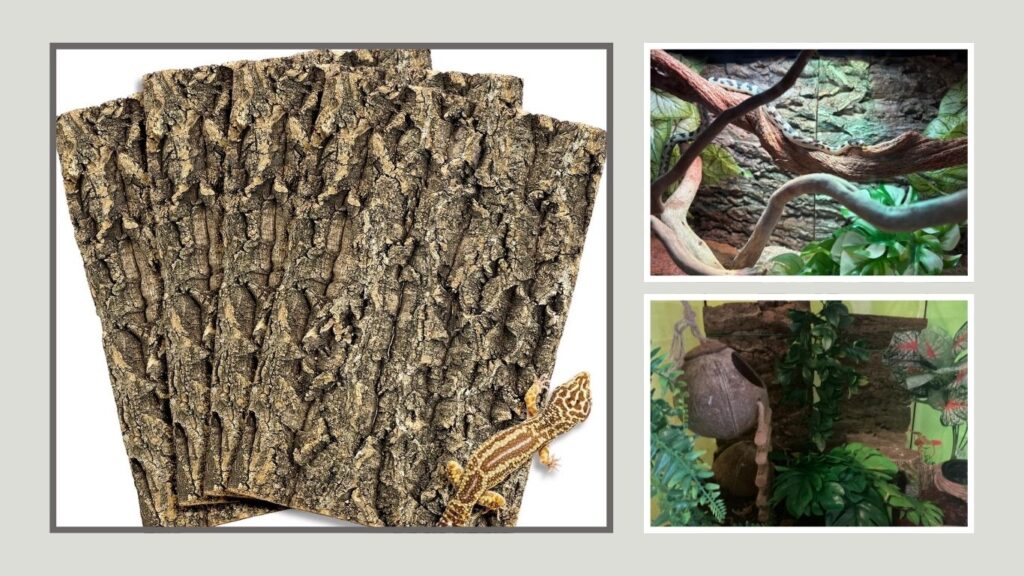
6. Zoo Med Natural Cork Tile Terrarium Background
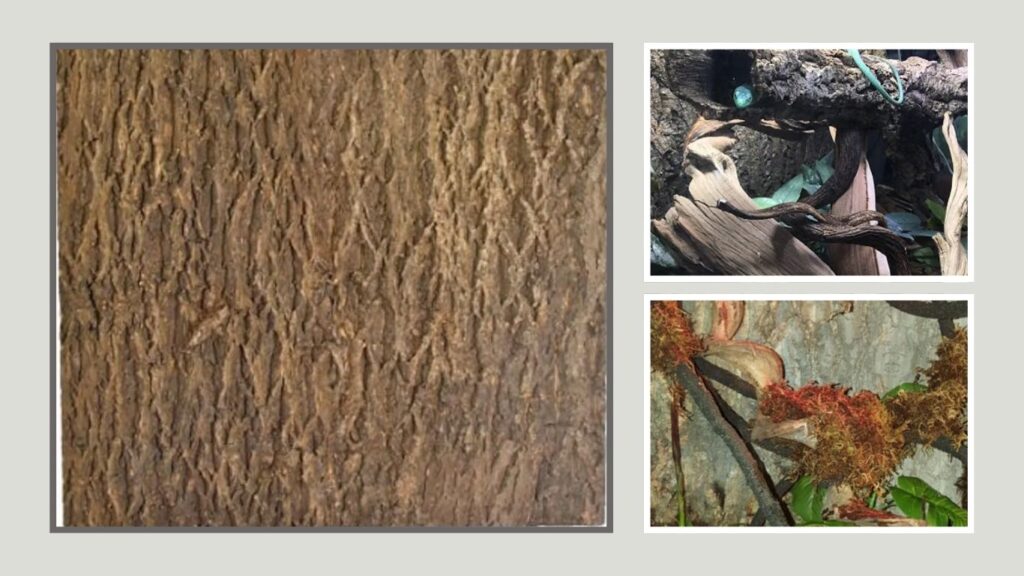
The Zoo Med Natural Cork Tile Terrarium Background is a strong choice for keepers who want a more natural-looking enclosure without relying on printed or artificial scenery. Cork gives terrariums an earthy, textured appearance and can blend especially well with moss, wood, vines, branches, and live plants. Its natural material also makes it suitable for reptile and amphibian setups where a realistic woodland or tropical design is preferred.
Key Features
- Natural cork construction
- Textured surface
- Suitable for reptile and amphibian terrariums
- Works well with naturalistic décor
- Can complement live plants and moss
- Useful for tropical and woodland setups
- Adds depth to plain glass walls
- Can be trimmed to fit certain enclosures
Why It’s Best for Naturalistic Terrariums
The main advantage of cork is authenticity. Unlike flat printed backgrounds, real cork provides genuine texture and variation that can make the enclosure look more like a natural habitat.
It pairs particularly well with bioactive-style layouts, planted terrariums, and woodland themes. The neutral brown appearance also allows greenery, bark, rocks, and climbing branches to stand out more clearly.
For keepers who want a background that does not look overly artificial, cork is one of the most visually convincing materials available.
Performance, Durability & Installation
Cork is relatively lightweight and can be easier to position than heavy artificial rock structures. It can also be trimmed when necessary, helping users achieve a closer fit against the terrarium wall.
Because it is a natural material, installation should still be secure. Any loose edges or gaps should be checked so small reptiles or amphibians cannot get behind the panel.
In humid setups, routine cleaning and inspection help prevent debris from accumulating around the surface.
Pros, Cons & Overall Verdict
Pros
- Natural cork appearance
- Excellent texture
- Works well with planted enclosures
- Lightweight construction
- Blends easily with branches and moss
- Suitable for naturalistic themes
Cons
- May require trimming
- Natural texture can collect debris
- Secure installation is important
Overall Verdict: The Zoo Med cork background is one of the strongest choices for keepers who prioritize realism. Its natural texture gives terrariums an authentic look while remaining flexible enough to work with tropical, woodland, and planted enclosure designs.
7. Kathson Artificial Terrarium Background for Reptiles
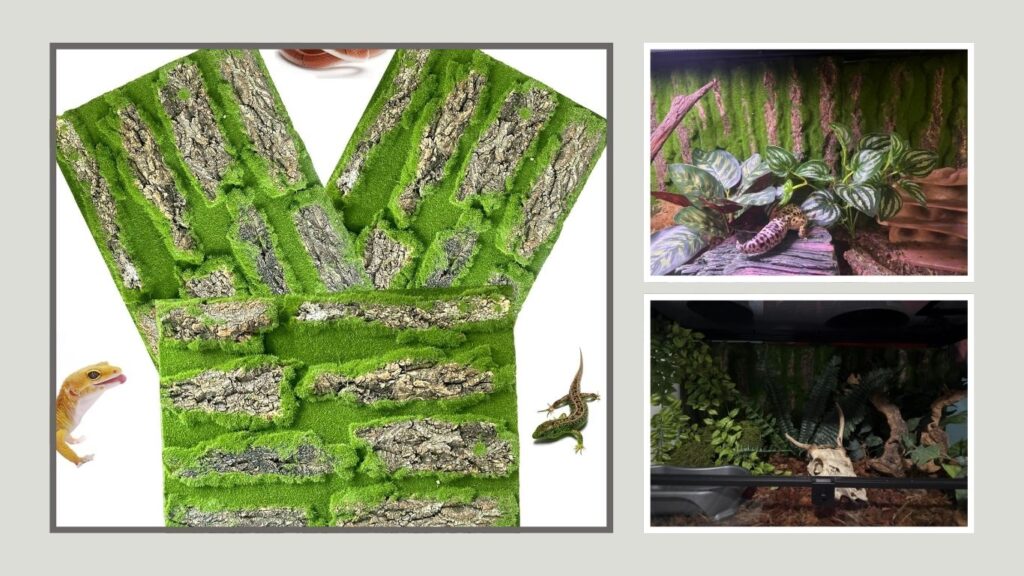
The Kathson Artificial Terrarium Background is designed for keepers who want to create a more decorative environment for reptiles such as chameleons, geckos, and other climbing species. Its artificial natural-style appearance helps cover bare glass and creates a more complete backdrop for vines, plants, branches, and hides. It is particularly useful for tropical-themed enclosures where visual depth plays an important role in the overall presentation.
Key Features
- Artificial natural-style background
- Designed for reptile terrariums
- Suitable for chameleon-style setups
- Adds depth to enclosure walls
- Works with vines and plants
- Useful for vertical habitats
- Decorative textured appearance
- Easy to incorporate into existing layouts
Why It’s Best for Tropical Display Setups
The Kathson background works especially well in terrariums where the enclosure itself is intended to be visually attractive.
Tropical habitats often contain dense foliage, climbing branches, and vertical décor. A coordinated background helps connect these elements and prevents the rear wall from looking empty or unfinished.
For chameleon or gecko-style setups, this type of backdrop can make the habitat feel more layered and visually interesting without requiring a custom-built wall.
Performance, Setup & Habitat Use
Its lightweight decorative format makes it easier to install than large sculpted rock backgrounds.
For best results, the background should fit closely against the rear panel and remain securely attached. Loose edges may create spaces where small animals can hide or become trapped.
The material should also be inspected regularly in humid environments because moisture and debris can accumulate behind decorative surfaces if airflow is limited.
Pros, Cons & Overall Verdict
Pros
- Attractive natural appearance
- Good for tropical layouts
- Works with climbing décor
- Lightweight
- Helps hide plain glass
- Suitable for display enclosures
Cons
- Correct sizing is important
- May require secure attachment
- Needs periodic cleaning
Overall Verdict: The Kathson artificial background is best for keepers who want to improve the visual depth of a tropical reptile setup. Its decorative design works particularly well with foliage, vines, and branches, creating a more cohesive enclosure without complicated construction.
8. Kathson Terrarium Background Backdrop for Reptiles
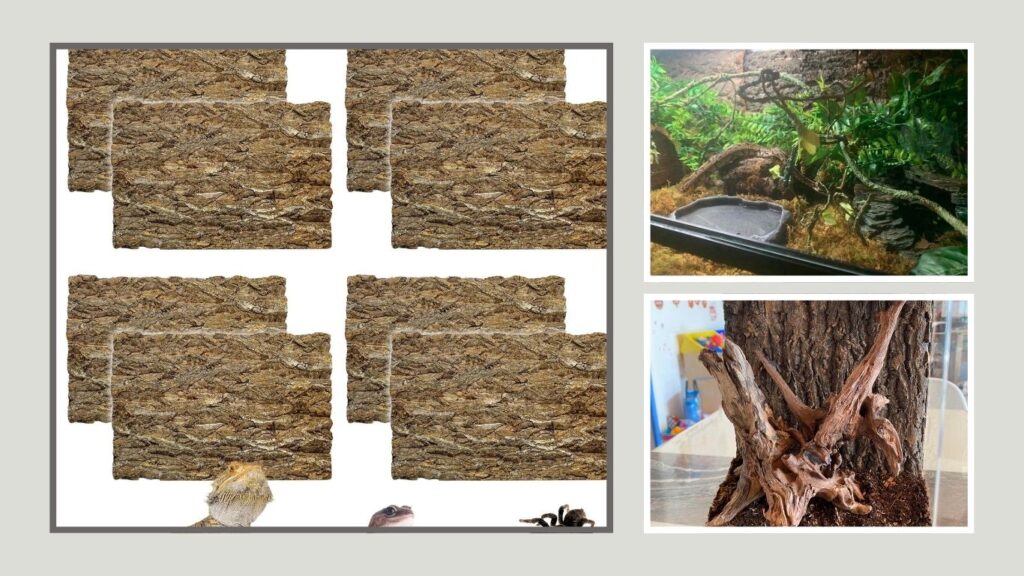
The Kathson Terrarium Background Backdrop provides another decorative option for reptile and amphibian enclosures. It is designed to transform plain glass into a more natural-looking rear wall while helping the enclosure blend better with artificial plants, hides, substrate, and climbing accessories. Its relatively simple installation makes it appealing to beginners who want an enclosure upgrade without permanently modifying the tank.
Key Features
- Decorative terrarium backdrop
- Suitable for reptiles and amphibians
- Natural-style design
- Adds visual depth
- Works with tropical and woodland themes
- Lightweight construction
- Suitable for vertical and standard enclosures
- Beginner-friendly installation
Why It’s Best for Easy Enclosure Upgrades
This backdrop is especially useful for keepers who want noticeable visual improvement with minimal setup work.
A plain glass rear wall can make an enclosure look empty even when the interior contains plenty of décor. Adding a background helps create contrast and gives plants, branches, and hides a more finished appearance.
Because it does not require a complicated foam or cement build, it also works well for temporary setups or enclosures that may be redesigned later.
Performance, Versatility & Maintenance
The lightweight design makes it easier to remove or reposition compared with permanent backgrounds.
This flexibility is useful for keepers who frequently change the layout of their terrarium or move decorations around.
For long-term use, the background should remain firmly positioned and should not block ventilation or heating equipment. Humid enclosures should also be checked for trapped moisture behind the backdrop.
Pros, Cons & Overall Verdict
Pros
- Easy visual upgrade
- Lightweight construction
- Works with many habitat themes
- Good for beginners
- Easy to combine with other décor
- Suitable for temporary or permanent-looking setups
Cons
- Less dimensional than heavy 3D backgrounds
- Fit depends on enclosure measurements
- Requires occasional inspection
Overall Verdict: The Kathson terrarium backdrop is a practical option for users who want a simple decorative improvement. Its versatility and lightweight format make it especially suitable for beginners and keepers who like to redesign their enclosures periodically.
9. Tfwadmx Terrarium Background for Reptiles & Amphibians
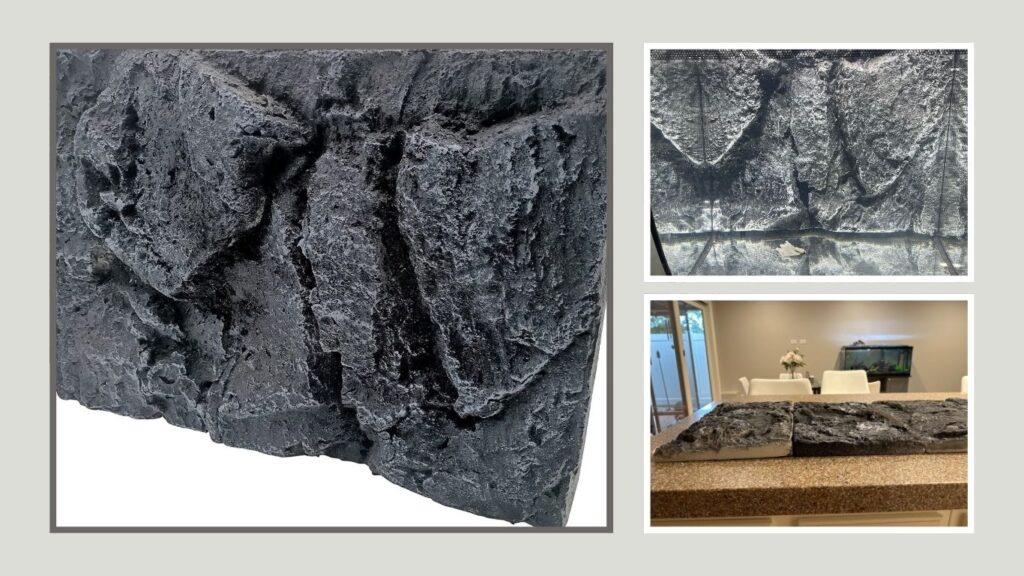
The Tfwadmx Terrarium Background is designed to create a more natural-looking environment for reptiles and amphibians while adding texture and visual interest to the enclosure. It is particularly suitable for tropical, woodland, and climbing setups where plain glass can make the habitat look incomplete. The background can work alongside branches, vines, plants, rocks, and other decorations to create a more layered and visually appealing terrarium.
Key Features
- Designed for reptiles and amphibians
- Natural decorative appearance
- Suitable for tropical habitats
- Works with climbing accessories
- Adds texture and depth
- Compatible with plants and branches
- Useful for glass terrariums
- Supports naturalistic enclosure designs
Why It’s Best for Mixed Reptile and Amphibian Setups
One of the main advantages of this Tfwadmx background is versatility.
It can work in both reptile and amphibian-style layouts, allowing keepers to use the same general design approach across different types of enclosures.
The background can be paired with vines for arboreal reptiles, moss for humid amphibian setups, or branches and bark for woodland-style habitats.
Performance, Fit & Long-Term Use
A good terrarium background should remain stable while avoiding interference with ventilation, heating, lighting, and access doors.
The Tfwadmx backdrop can provide a strong decorative foundation, but installation quality is important. Keepers should secure the edges properly and confirm that small animals cannot crawl behind it.
Regular cleaning is also important in humid environments because water droplets, substrate, and organic debris can collect around textured surfaces.
Pros, Cons & Overall Verdict
Pros
- Suitable for reptiles and amphibians
- Natural-looking design
- Works with multiple habitat themes
- Adds useful visual depth
- Compatible with climbing décor
- Good for custom enclosure layouts
Cons
- Proper measurements are necessary
- May need additional securing
- Textured surfaces can require more cleaning
Overall Verdict: The Tfwadmx background is a versatile choice for keepers who want one decorative style that can work across reptile and amphibian habitats. Its biggest strength is its ability to blend easily with different décor themes while making the enclosure look more complete.
FAQs
What is the best material for a terrarium background?
The best material depends on the enclosure. Cork works well for naturalistic and planted terrariums, while artificial textured backgrounds are convenient for decorative reptile setups. Lightweight backdrops are easier to install, while thicker 3D backgrounds may provide more visual depth and climbing structure.
Can reptiles climb on terrarium backgrounds?
Some textured terrarium backgrounds can provide climbing surfaces, but not every product is designed to support an animal’s weight. If climbing is intended, make sure the background is securely attached and appropriate for the species. Check regularly for loose areas or sharp edges.
How do I secure a terrarium background?
Installation depends on the product. Some backgrounds fit tightly against the enclosure wall, while others may need reptile-safe mounting methods. Always follow the manufacturer’s instructions and avoid leaving gaps where small animals could become trapped behind the background.
Can terrarium backgrounds be used in humid enclosures?
Many backgrounds can be used in humid setups, but the material must tolerate moisture. Cork and other natural materials should be inspected regularly, while artificial backgrounds should be checked for trapped water or debris. Good ventilation and routine cleaning help maintain a healthier enclosure.
Do terrarium backgrounds need to cover the entire back wall?
Not necessarily. Full coverage can create a more finished appearance, but partial backgrounds can also work well when combined with plants, cork pieces, branches, or climbing structures. The most important factors are secure installation, proper ventilation, and enough usable space for the animal.
