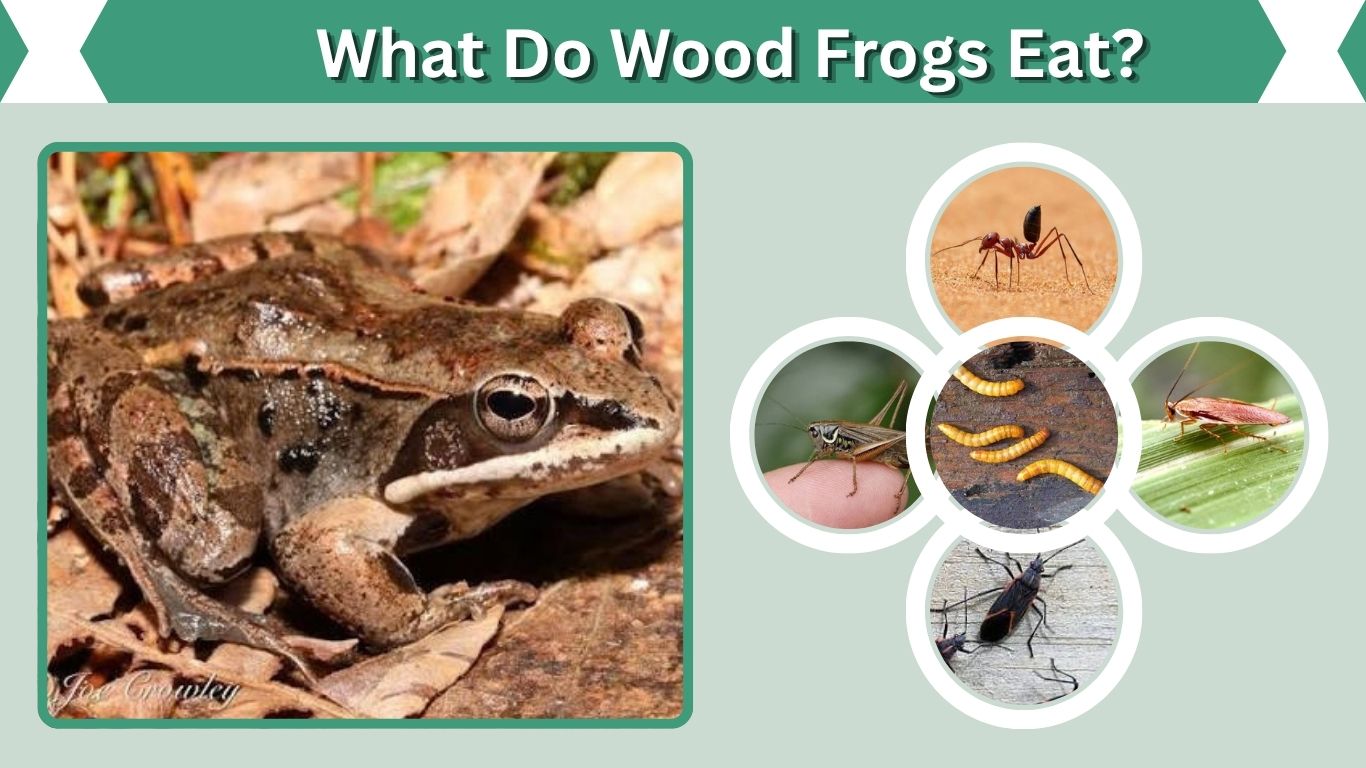
Wood frogs are fascinating amphibians known for surviving freezing temperatures and living in forests across North America. But what do wood frogs eat, and how does their diet change throughout their lives? Adult wood frogs primarily consume insects, spiders, worms, and other small invertebrates, while tadpoles feed mostly on algae and decaying organic matter. Their eating habits depend on age, habitat, food availability, and seasonal conditions. Understanding their diet reveals how these remarkable frogs survive in the wild, develop from tadpoles, and contribute to healthy forest ecosystems.
What Do Wood Frogs Eat in the Wild?
Adult wood frogs (Lithobates sylvaticus) are carnivorous amphibians that feed mainly on small invertebrates living along forest floors. Unlike aquatic frogs that spend considerable time hunting in water, wood frogs typically search for food among fallen leaves, moss, and vegetation. Their diet includes insects, spiders, snails, worms, and other creatures small enough to capture and swallow.
Common Foods Wood Frogs Eat
Wood frogs consume different types of prey depending on their size, habitat, and seasonal availability.
- Beetles: Small beetles are common prey found among fallen leaves and decaying vegetation.
- Spiders: Wood frogs capture small ground-dwelling spiders in forest habitats.
- Caterpillars: Moth larvae provide an accessible food source during warmer months.
- Earthworms: Small worms offer nutrients and are commonly available in moist soil.
- Snails: Wood frogs occasionally consume small snails encountered on the forest floor.
- Slugs: Soft-bodied slugs are suitable prey, particularly in damp environments.
- Millipedes: Some small millipedes are eaten when encountered.
- Other insects: Various small bugs and insect larvae contribute to their diet.
How Do Wood Frogs Find and Catch Food?
Wood frogs primarily use their vision to detect moving prey.
When a suitable insect approaches, the frog lunges forward and rapidly extends its sticky tongue to capture it.
The prey is then pulled into the mouth and swallowed, usually without chewing.
Wood frogs often hunt among leaf litter, under vegetation, and near moist woodland areas where invertebrates are abundant.
Their brown coloration helps them blend into their surroundings while remaining concealed from predators.
What Do Wood Frog Tadpoles Eat?
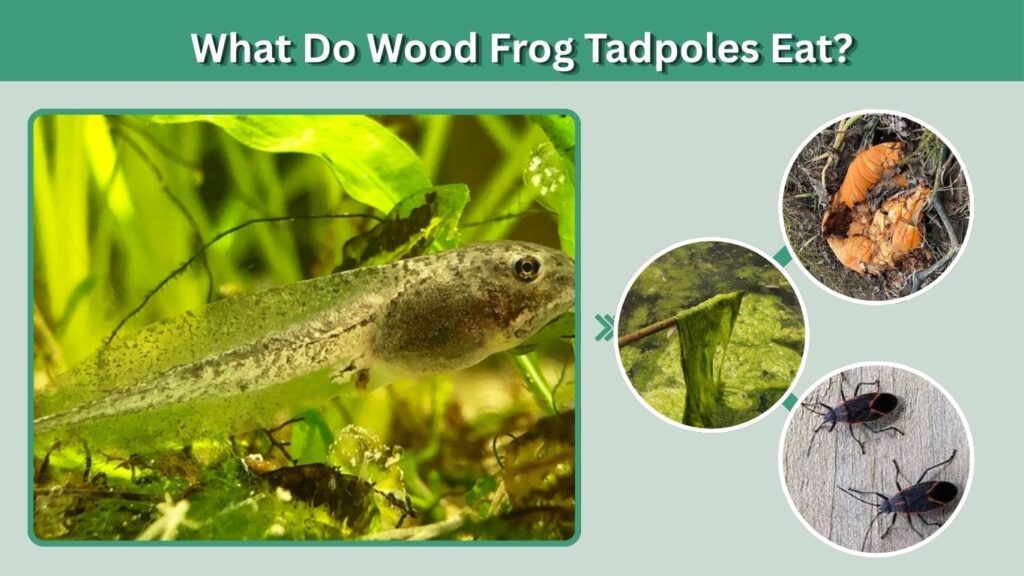
Wood frog tadpoles have a significantly different diet from adults. During their aquatic developmental stage, they primarily consume algae, decomposing vegetation, and organic material suspended in or settled at the bottom of shallow ponds. They may also eat microorganisms and animal material. These feeding habits help tadpoles obtain the energy and nutrients necessary for growth before undergoing metamorphosis.
Algae and Decaying Plant Matter
Algae are an important food source for developing wood frog tadpoles.
They graze on algae growing along submerged surfaces and consume tiny particles of organic material in the water.
Decaying leaves and plant debris also provide food, including microorganisms associated with decomposition.
Wood frog tadpoles commonly inhabit temporary woodland ponds where fallen leaves accumulate.
Their feeding activity contributes to nutrient cycling within these seasonal aquatic ecosystems.
Do Wood Frog Tadpoles Eat Other Animals?
Although tadpoles primarily consume plant-based material and detritus, they are opportunistic omnivores.
They may feed on amphibian eggs, newly hatched larvae, tiny aquatic organisms, and decaying animal matter.
Under certain conditions, wood frog tadpoles may even consume eggs or larvae belonging to their own species.
As metamorphosis approaches, their mouth structures and digestive systems change to support a more carnivorous diet.
Young froglets eventually begin hunting small terrestrial invertebrates.
Do Wood Frogs Eat Ants, Crickets, and Mealworms?
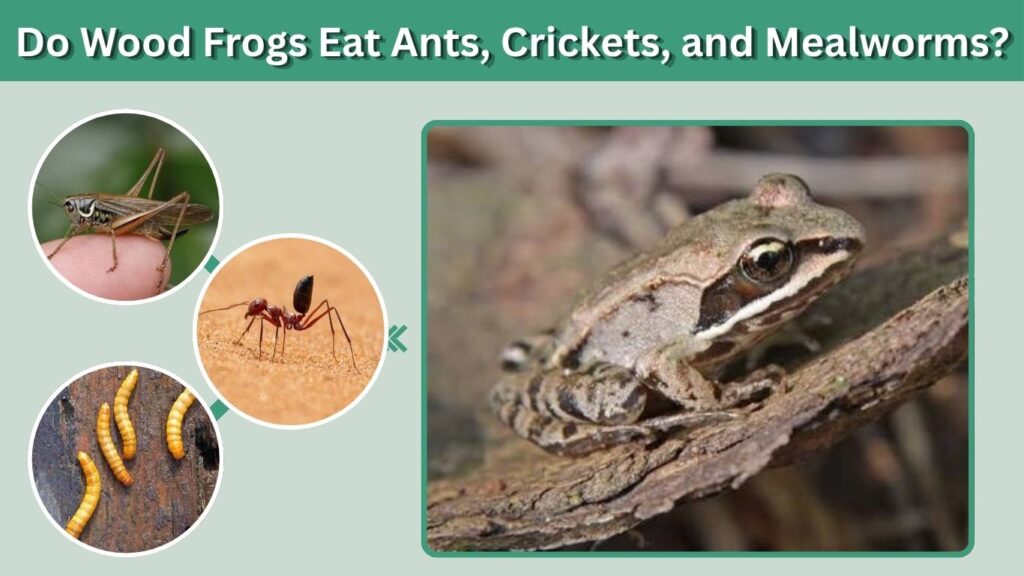
Wood frogs are opportunistic predators that can consume many small insects, provided the prey is suitable for their size. While research consistently identifies beetles, spiders, caterpillars, and other forest-floor invertebrates as important foods, certain insects are more commonly associated with captive feeding. Understanding these differences helps explain which foods wood frogs naturally encounter and which may be suitable only in managed environments.
Common Questions About Specific Foods
- Do wood frogs eat ants? They may consume small ants opportunistically, although ants are not generally identified as a major dietary component.
- Do wood frogs eat crickets? Yes, appropriately sized crickets can be eaten, especially in captivity.
- Do wood frogs eat mealworms? They may accept small mealworms, but these should not form the entire captive diet.
- Do wood frogs eat snails? Yes, small snails are documented natural prey.
- Do wood frogs eat spiders? Yes, spiders are among their frequently reported food sources.
- Do wood frogs eat algae? Tadpoles consume algae, but adult wood frogs primarily eat animals.
- Do wood frogs eat plants? Adults do not normally consume vegetation as a regular food source.
Do Baby Wood Frogs Eat the Same Food as Adults?
Recently transformed wood froglets eat many of the same types of invertebrates as adults, but their prey must be considerably smaller.
Tiny flies, small insect larvae, and other miniature invertebrates are more suitable than large beetles or crickets.
As froglets grow, their hunting ability improves, allowing them to capture a wider variety of insects.
This transition from an algae-rich tadpole diet to a carnivorous adult diet is a major change in the wood frog life cycle.
What Do Wood Frogs Eat in Captivity?
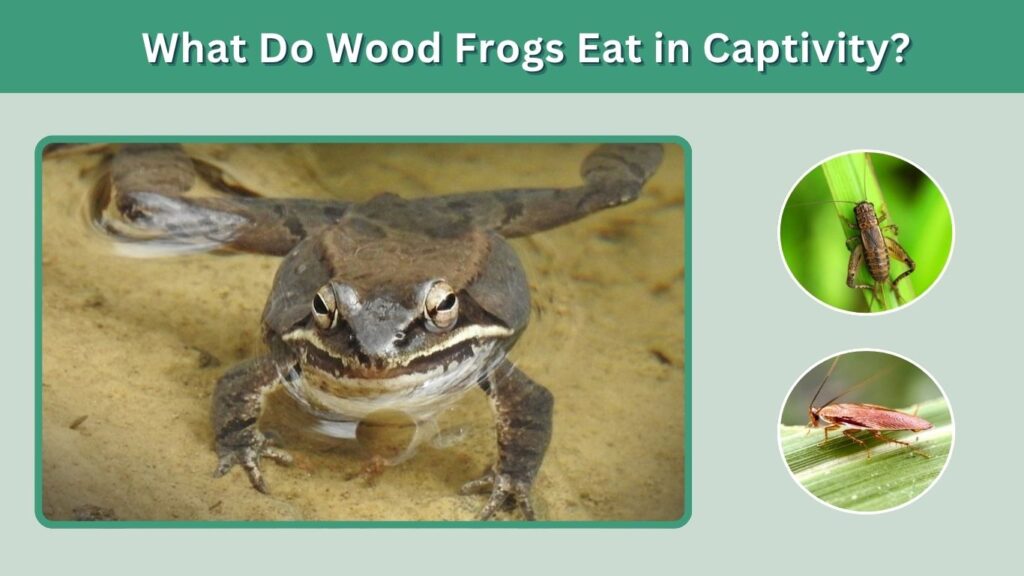
Wood frogs are wild amphibians with environmental requirements that can make captive care challenging. When maintained legally by qualified keepers, they require a varied diet of appropriately sized live invertebrates. Their food should resemble natural prey as closely as possible. Proper temperature, humidity, hydration, and nutritional balance are essential because inappropriate captive conditions can interfere with digestion and overall health.
Suitable Foods for Captive Wood Frogs
Potential foods for legally maintained captive wood frogs include:
- What Do Wood Frogs Eat in Captivity?s: Common feeder insects that encourage natural hunting behavior.
- Flightless fruit flies: Useful for very small froglets.
- Small earthworms: Provide variety and nutrients.
- Small roaches: Can be suitable when appropriately sized and captive-bred.
- Mealworms: May be offered occasionally as part of a varied diet.
- Small fly larvae: Can supplement other appropriately sized feeder insects.
Captive-bred feeder insects are preferable to insects collected from areas that may contain pesticides.
How Often Should Wood Frogs Eat?
Feeding frequency depends on the frog’s age, size, activity, temperature, and overall condition.
Growing juveniles generally require more frequent feeding than adults, while mature frogs can often be offered food several times weekly during active periods.
There is no single scientifically established feeding schedule suitable for every captive wood frog.
Food items should be small enough to swallow comfortably. A qualified amphibian veterinarian can advise on feeder variety, calcium supplementation, and nutritional requirements.
Wood frogs should not be collected from the wild without checking local wildlife regulations.
What Do Wood Frogs Eat During Winter?
Wood frogs have an extraordinary ability to survive cold winters by entering dormancy beneath fallen leaves and other forest-floor materials. In northern climates, portions of their bodies can freeze while protective substances help prevent cellular damage. During this period, their metabolism slows dramatically, and normal feeding activity stops. Their survival depends on energy reserves accumulated during the warmer months.
Do Wood Frogs Eat While Frozen?
No, wood frogs do not eat while frozen or deeply dormant.
During winter, their heart activity and breathing can temporarily stop as ice forms outside their cells.
Specialized physiological adaptations, including increased glucose production, help protect their tissues.
Because their digestive activity becomes extremely limited, they rely on stored energy rather than capturing new prey.
This remarkable ability allows wood frogs to survive winters in environments where many other amphibians could not remain active.
What Do Alaskan Wood Frogs Eat?
Alaskan wood frogs consume small insects and other terrestrial invertebrates during their active season, much like populations farther south.
Their available prey changes with local conditions and the short northern growing season.
Insects, spiders, and other small forest-floor animals become important food sources after spring thaw.
Before winter arrives, wood frogs accumulate energy reserves that help sustain them through their extended dormant period.
What Animals Eat Wood Frogs?
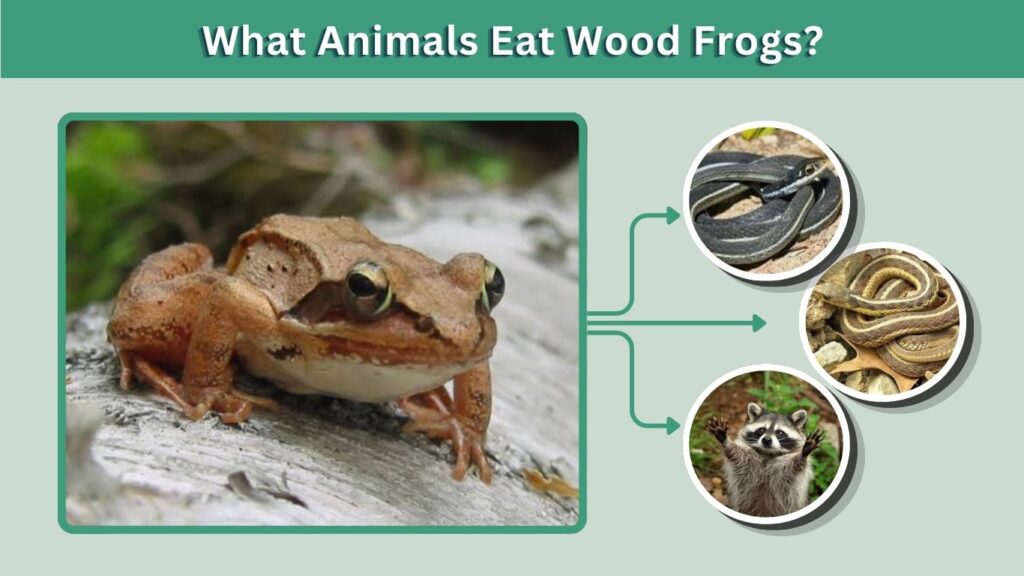
Although wood frogs are effective predators of small invertebrates, they are also important prey animals within forest and wetland ecosystems. Their eggs, tadpoles, juveniles, and adults face different predators throughout the life cycle. Woodland birds, snakes, mammals, aquatic insects, and salamanders may consume wood frogs. Their survival depends on camouflage, rapid movement, and suitable protective habitats.
Common Predators of Wood Frogs
- Garter snakes: Frequently prey on adult and juvenile frogs.
- Ribbon snakes: Capture small amphibians near wetlands.
- Herons: Hunt frogs in shallow water and wetland habitats.
- Raccoons: Opportunistically consume frogs encountered near ponds.
- Skunks: May capture wood frogs while searching for food.
- Mink: Hunt amphibians and other small animals near water.
- Diving beetles: Some species prey on developing tadpoles.
- Salamander larvae: Large aquatic larvae may consume wood frog tadpoles.
- Aquatic insects: Water bugs and other predators attack vulnerable larvae.
How Do Wood Frogs Avoid Predators?
Wood frogs rely heavily on camouflage to avoid detection.
Their brown, tan, or reddish coloration blends naturally with fallen leaves and woodland soil.
The dark markings around their eyes further disrupt their appearance.
When threatened, wood frogs may quickly leap into vegetation or hide beneath debris.
Some individuals also release defensive skin secretions or produce distress calls when captured.
FAQs
Wood frog feeding habits vary considerably between life stages and seasons. Adults mainly hunt small terrestrial animals, while tadpoles consume algae, plant debris, and occasionally animal material. Their distinctive winter survival strategy also affects their need for food. These common questions explain their feeding frequency, preferred prey, and role in woodland ecosystems.
1. What is the main food of wood frogs?
Adult wood frogs primarily eat small invertebrates, including beetles, spiders, caterpillars, worms, slugs, and snails. The exact composition of their diet depends on local prey availability.
2. Do wood frogs eat mosquitoes?
Wood frogs may consume small insects such as mosquitoes when opportunities arise. However, mosquitoes are not considered a primary food source, and wood frogs are not specialized mosquito predators.
3. Can wood frogs survive without eating?
Yes, wood frogs can survive extended periods without food during winter dormancy. However, active frogs require regular access to suitable prey. How long an individual can survive without eating depends on its condition and environment.
4. Do wood frogs eat other frogs?
Adult wood frogs mainly consume invertebrates rather than other frogs. However, wood frog tadpoles may occasionally consume amphibian eggs and larvae, including those of their own species.
5. Why are wood frogs important to the food chain?
Wood frogs help regulate populations of insects and other small invertebrates while providing food for birds, snakes, mammals, and aquatic predators. Their tadpoles also participate in nutrient cycling within temporary woodland ponds.
