
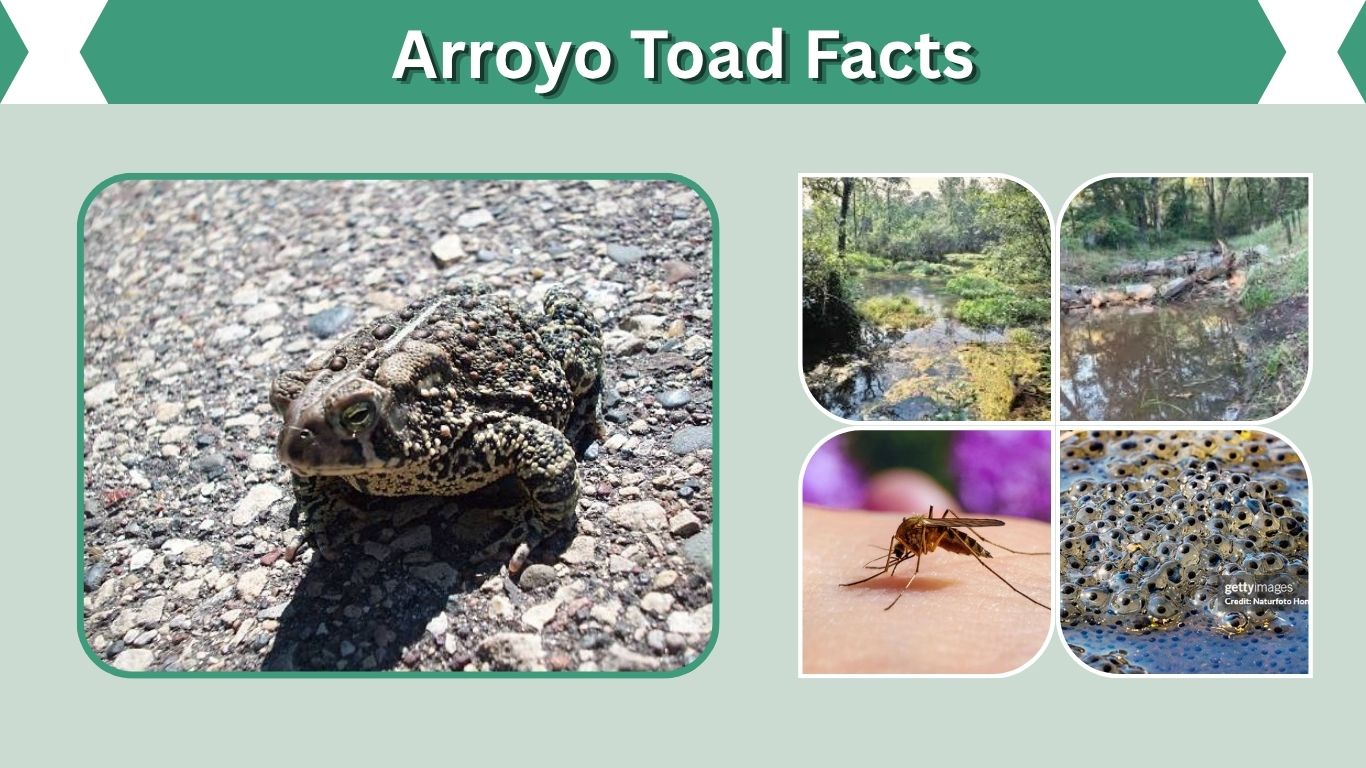
The Arroyo toad (Anaxyrus californicus) is a rare amphibian native to Southern California and parts of Baja California, Mexico. Once widespread across sandy stream habitats, this unique species has experienced significant population declines due to habitat loss and environmental changes. Known for its small size, distinctive appearance, and specialized habitat requirements, the Arroyo toad plays an important role in local ecosystems. Understanding its biology, behavior, and conservation needs is essential for protecting this endangered amphibian.
What Is an Arroyo Toad?
The Arroyo toad is a small species of true toad that belongs to the Bufonidae family. It is specially adapted to life in sandy river channels and seasonal streams. Unlike many other amphibians, it thrives in warm, semi-arid environments where suitable breeding pools and loose soils are available.
Scientific Classification
The Arroyo toad is scientifically known as Anaxyrus californicus. It was previously classified under the genus Bufo before taxonomic revisions placed it within the Anaxyrus group. This species is closely related to several other North American toads.
Physical Description
Arroyo toads are relatively small compared to many other toad species. Adults generally possess light-colored skin with dark spots and a slightly flattened appearance. Their coloration helps them blend into sandy habitats where they spend much of their time.
Unique Characteristics
Several features distinguish the Arroyo toad from other amphibians:
- Light gray, olive, or tan coloration
- Smooth to slightly warty skin texture
- Compact body with short limbs
- Distinct dark spotting patterns
- Adaptation to sandy stream environments
Physical Characteristics of the Arroyo Toad
The Arroyo toad possesses specialized physical traits that support survival in dry river systems. Its body structure, coloration, and behavior all contribute to successful adaptation within its limited geographic range.
Size and Weight
Adult Arroyo toads typically reach lengths of 2 to 3 inches. Females are often slightly larger than males, particularly during the breeding season. Their small size allows them to hide effectively among sand, gravel, and vegetation.
Coloration and Markings
The species displays pale colors that provide excellent camouflage. Most individuals exhibit combinations of tan, gray, olive, or light brown shades with scattered darker markings. These patterns help reduce visibility to predators.
Adaptations for Survival
Several physical adaptations increase the Arroyo toad’s chances of survival:
- Camouflaged skin coloration
- Moisture-retaining skin structure
- Strong burrowing ability
- Compact body shape
- Tolerance of warm temperatures
These traits allow the species to persist in environments that experience seasonal fluctuations in water availability.
Arroyo Toad Habitat and Geographic Distribution
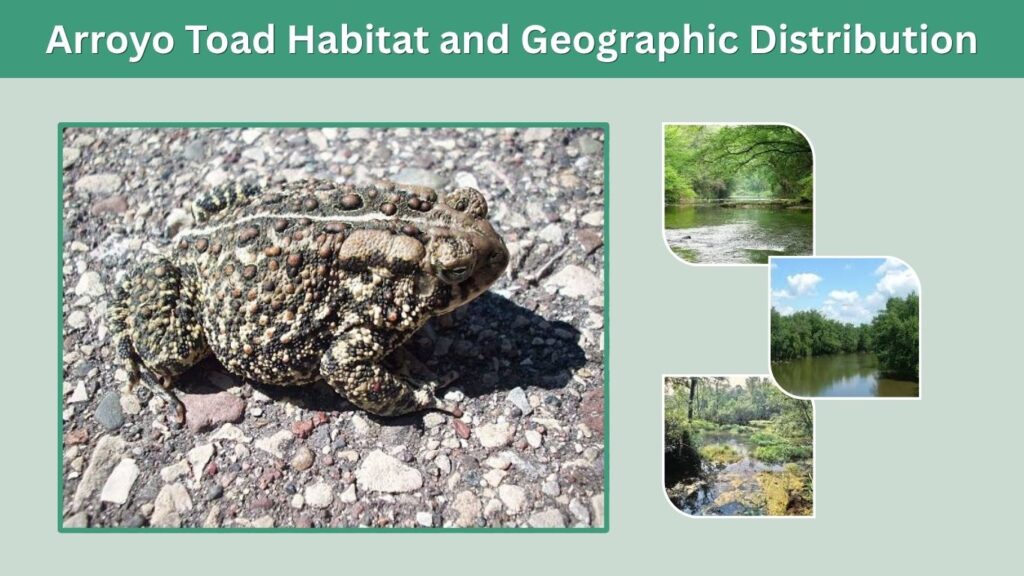
The Arroyo toad occupies a specialized habitat that differs from many other amphibian species. Its dependence on sandy stream systems makes habitat availability one of the most important factors influencing population survival.
Where Arroyo Toads Live
The Arroyo toad is primarily found in Southern California and parts of northern Baja California, Mexico. Historically, the species occupied a larger range, but many populations have disappeared due to habitat degradation.
Preferred Habitat Conditions
Suitable habitats generally include:
- Sandy stream channels
- Seasonal rivers
- Slow-moving creeks
- Riparian corridors
- Areas with loose soil for burrowing
The presence of shallow breeding pools is particularly important during the reproductive season.
Seasonal Habitat Use
Habitat use changes throughout the year. During breeding periods, Arroyo toads remain close to water sources. Outside the breeding season, they often move into surrounding upland areas where they seek shelter beneath vegetation or underground.
Arroyo Toad Diet and Feeding Habits
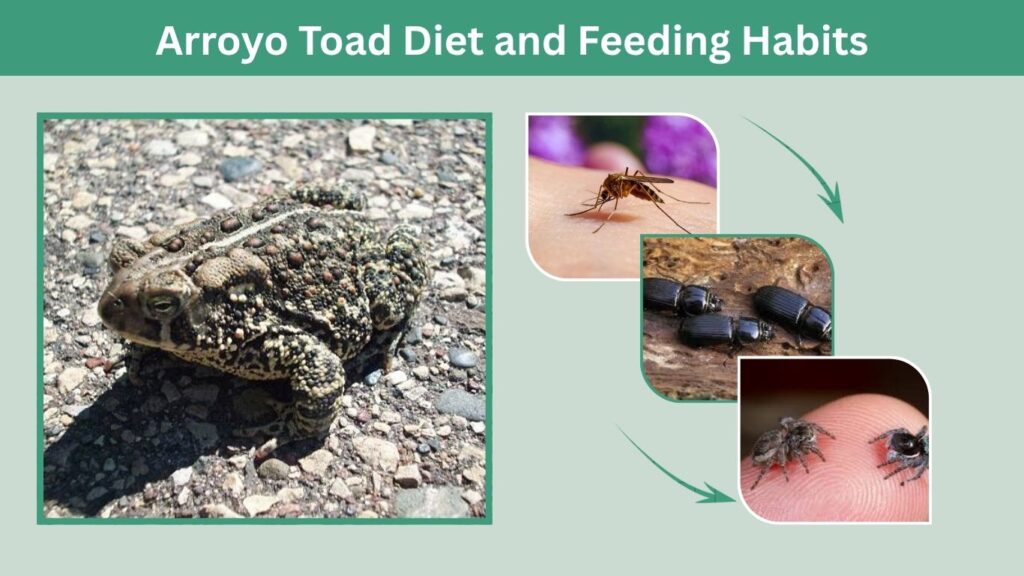
The Arroyo toad is an opportunistic insectivore that feeds on a wide variety of small invertebrates. Its diet helps regulate insect populations and contributes to ecological balance within riparian ecosystems.
What Do Arroyo Toads Eat?
Most of the Arroyo toad’s diet consists of insects and other small invertebrates. Common prey includes beetles, ants, spiders, flies, and various crawling insects that inhabit streamside environments.
Hunting Methods
Rather than actively pursuing prey, Arroyo toads typically use ambush feeding techniques. They remain motionless until an insect approaches within striking distance. A rapid extension of the tongue allows them to capture prey efficiently.
Ecological Benefits
The Arroyo toad provides several ecological benefits through its feeding activities:
- Controls insect populations
- Reduces pest abundance naturally
- Supports ecosystem balance
- Contributes to biodiversity
- Serves as prey for larger wildlife
Arroyo Toad Behavior and Daily Activities
The Arroyo toad displays behaviors that help it survive in environments characterized by heat, drought, and fluctuating water availability. Many of these behaviors reduce water loss and improve protection from predators.
Nocturnal Lifestyle
Arroyo toads are primarily active at night. Cooler temperatures and higher humidity levels during evening hours reduce dehydration risks while increasing opportunities to locate food.
Burrowing Habits
Burrowing is one of the species’ most important survival strategies. Arroyo toads frequently dig into loose sand and soil during the day to escape heat and conserve moisture. These underground shelters also provide protection from predators.
Seasonal Movement
Activity patterns vary throughout the year depending on rainfall and breeding conditions. During wetter periods, toads become more active and concentrate near breeding habitats. In drier seasons, they spend more time hidden beneath the soil.
Arroyo Toad Reproduction and Life Cycle
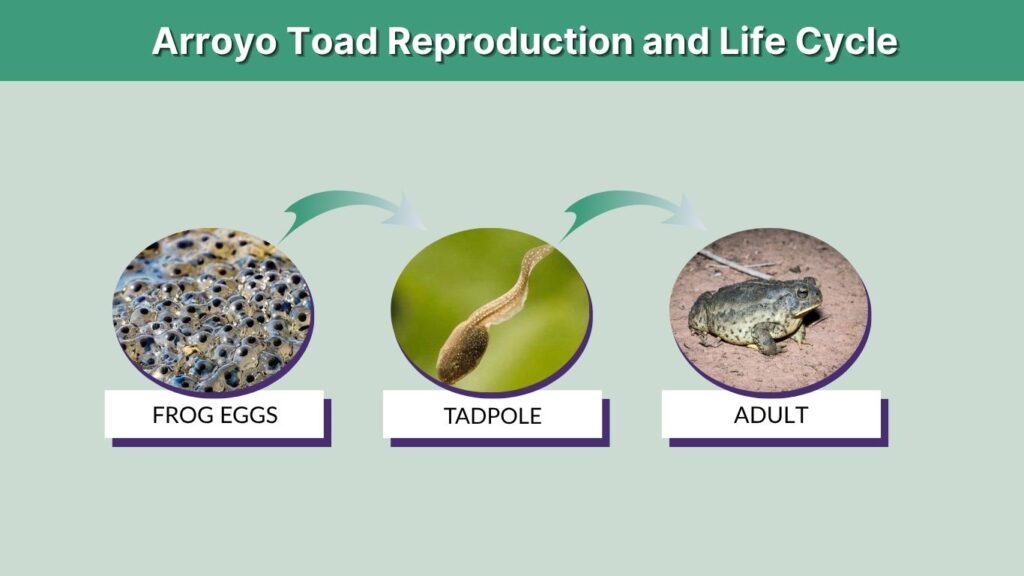
The Arroyo toad’s reproductive cycle is closely linked to seasonal rainfall and the availability of shallow breeding pools. Successful reproduction depends on stable environmental conditions that allow eggs and tadpoles to develop before water sources disappear. Because breeding habitats are limited, population growth can be highly sensitive to environmental changes.
Breeding Season
Breeding generally occurs from late winter through early summer, depending on rainfall patterns. Males gather near shallow pools and produce distinctive calls to attract females. These vocalizations are most common during warm evenings when environmental conditions are favorable.
Egg Laying Process
After mating, females lay long strings of eggs in calm, shallow water. The eggs are usually attached to submerged vegetation or other underwater surfaces. This placement helps protect developing embryos from strong currents and predators.
Tadpole Development
Once hatched, tadpoles begin feeding on algae and organic matter. Their development depends heavily on water quality, temperature, and food availability. Over several weeks, they gradually transform into juvenile toads through the process of metamorphosis.
Adult Life
Young Arroyo toads leave the water after metamorphosis and begin life on land. As they mature, they develop the characteristics necessary for survival in sandy stream habitats. Adults may live several years if environmental conditions remain favorable.
Arroyo Toad Predators and Defense Mechanisms
Despite their camouflage and secretive behavior, Arroyo toads face numerous threats from predators. To survive, they rely on a combination of physical adaptations and behavioral strategies that reduce the likelihood of being captured.
Common Predators
Various animals prey upon Arroyo toads throughout different stages of life:
- Snakes
- Herons and other birds
- Raccoons
- Coyotes
- Predatory fish
Eggs and tadpoles are especially vulnerable because they cannot easily escape danger.
Natural Defenses
Like many toad species, the Arroyo toad possesses glands that produce defensive skin secretions. These substances may discourage predators from consuming them and provide an additional layer of protection.
Survival Strategies
Camouflage remains one of the Arroyo toad’s most effective defenses. By blending into sandy environments, it often avoids detection. Burrowing behavior also helps protect against predators and extreme temperatures.
Why Is the Arroyo Toad Endangered?
The Arroyo toad is considered one of California’s most vulnerable amphibian species. Population declines have occurred throughout much of its historical range due to a variety of environmental and human-related pressures.
Habitat Destruction
Habitat loss represents one of the greatest threats to the species. Several activities have contributed to habitat degradation:
- Urban expansion
- Road construction
- Stream modification projects
- Agricultural development
- Recreational disturbance
These activities reduce the availability of breeding sites and shelter areas.
Invasive Species
Non-native species can significantly impact Arroyo toad populations. Introduced fish, bullfrogs, and other predators often consume eggs, tadpoles, and juvenile toads, reducing reproductive success.
Climate Change Effects
Long-term climate changes may increase drought frequency and reduce suitable breeding habitats. Less water availability can shorten breeding seasons and decrease survival rates for developing tadpoles.
Arroyo Toad Conservation Efforts
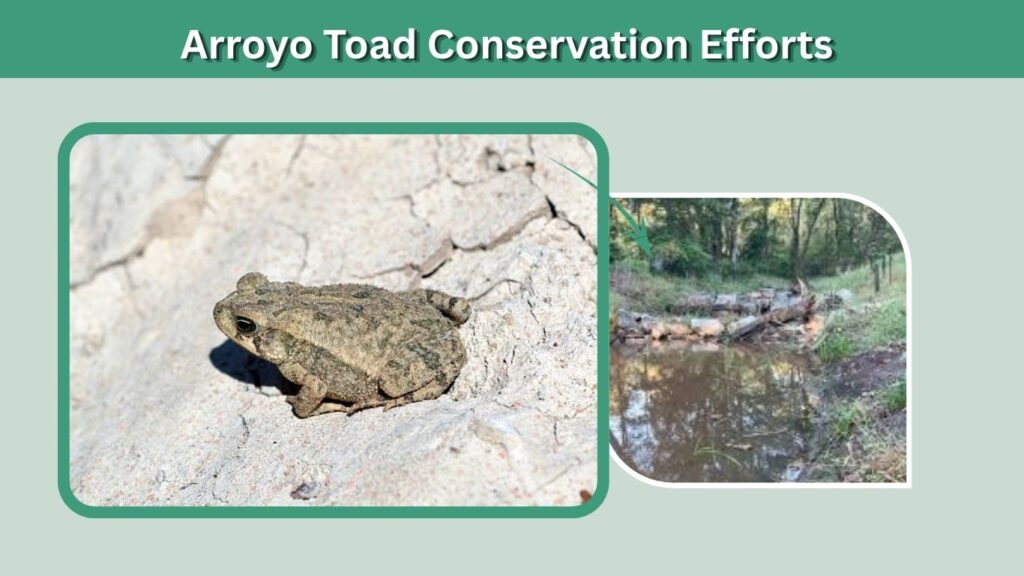
Conservation programs play a critical role in protecting the Arroyo toad and restoring declining populations. Government agencies, scientists, and environmental organizations continue working together to preserve essential habitats.
Federal Protection Status
The Arroyo toad is protected under federal conservation regulations due to its declining numbers. Legal protections help prevent further habitat destruction and support recovery efforts.
Habitat Restoration Projects
Many restoration programs focus on improving stream ecosystems and protecting breeding habitats. Common conservation actions include:
- Restoring natural stream channels
- Removing invasive species
- Protecting riparian vegetation
- Improving water quality
- Monitoring breeding populations
These efforts increase the likelihood of long-term population recovery.
Research and Monitoring Programs
Scientists regularly monitor Arroyo toad populations to assess conservation progress. Research helps identify threats, improve management strategies, and guide future recovery plans.
How People Can Help
Individuals can contribute to conservation by respecting protected habitats, staying on designated trails, supporting conservation organizations, and learning more about native amphibian species.
Ecological Importance of the Arroyo Toad
Although small in size, the Arroyo toad performs valuable ecological functions within its environment. Its presence contributes to biodiversity and supports healthy riparian ecosystems.
Role in Ecosystems
As an insect-eating amphibian, the Arroyo toad helps regulate insect populations. This natural pest control benefits both wildlife communities and surrounding habitats.
Indicator Species
Amphibians are highly sensitive to environmental changes. Because of this sensitivity, Arroyo toads often serve as indicators of ecosystem health. Population declines may signal broader environmental problems.
Biodiversity Contributions
The Arroyo toad contributes to the diversity of native wildlife in Southern California. Protecting this species also helps conserve many other organisms that depend on the same habitats.
FAQs
What Is an Arroyo Toad?
The Arroyo toad (Anaxyrus californicus) is a small amphibian native to Southern California and northern Baja California. It is known for its preference for sandy stream habitats and seasonal breeding pools.
Where Do Arroyo Toads Live?
Arroyo toads inhabit sandy river channels, seasonal streams, and riparian habitats in Southern California and parts of Mexico. They require shallow breeding pools and loose soil for burrowing.
Why Are Arroyo Toads Endangered?
Population declines are primarily caused by habitat destruction, invasive species, altered water systems, and climate-related environmental changes that reduce breeding success.
What Do Arroyo Toads Eat?
Their diet mainly consists of insects and other small invertebrates, including beetles, ants, flies, spiders, and various ground-dwelling arthropods.
Are Arroyo Toads Poisonous?
Arroyo toads are not dangerous to humans, but they produce mild defensive skin secretions that may discourage predators and cause irritation if handled improperly.
