
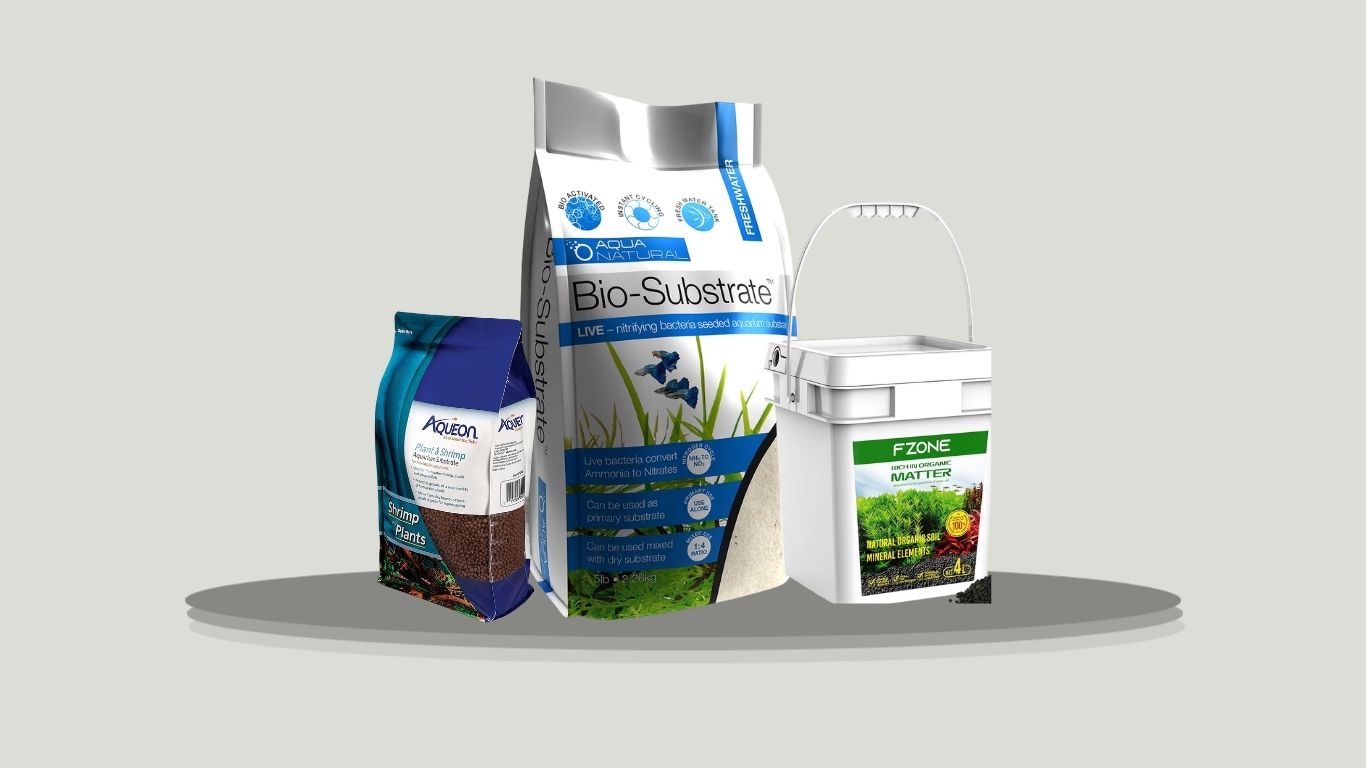
Choosing the right substrate is one of the most important steps when building a healthy planted aquarium. A good substrate should support root development, help anchor plants securely, and provide a stable base for beneficial bacteria and long-term aquascaping. Some options are nutrient-rich active soils, while others focus on durability, mineral content, or easy maintenance. In this guide, we review eight of the best substrates for planted tanks, comparing their structure, plant support, water compatibility, and overall value for beginners and experienced aquascapers.
1. Fluval Plant and Shrimp Stratum
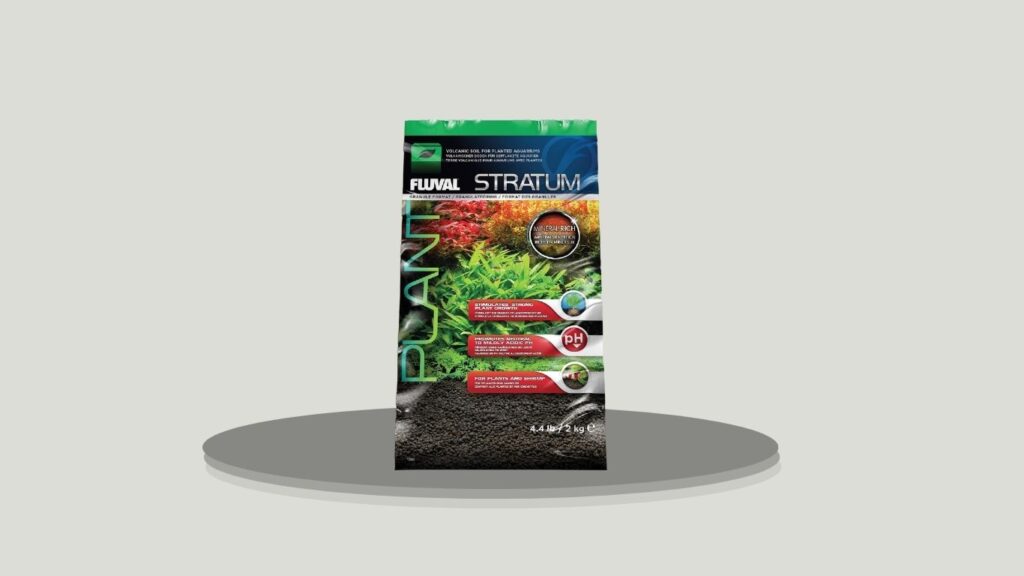
Fluval Plant and Shrimp Stratum is a popular substrate designed specifically for freshwater planted aquariums and shrimp tanks. Made from mineral-rich volcanic soil collected near Mount Aso in Japan, its lightweight and porous granules create a favorable environment for plant roots and beneficial bacteria. It also helps support neutral to slightly acidic water conditions, making it particularly useful for aquascapers keeping tropical plants, shrimp, and compatible freshwater fish.
Key Features
- Made from mineral-rich volcanic soil
- 4.4 lb (2 kg) package
- Lightweight, porous granule structure
- Encourages healthy root development
- Supports beneficial nitrifying bacteria
- Helps maintain neutral to slightly acidic pH
- Can naturally reduce carbonate hardness
- Suitable for freshwater planted and shrimp tanks
- Provides hiding spaces for newly hatched shrimp
- Dark natural appearance complements green and colorful plants
Why It’s Best For
Fluval Stratum is especially well suited to planted tanks where strong root development is a priority. Its loose granules allow delicate roots to penetrate the substrate rather than struggling through tightly compacted material.
Shrimp keepers may also appreciate the porous structure because tiny shrimp can find shelter between the granules. Its ability to support slightly acidic conditions can be particularly useful for many commonly kept tropical plants and freshwater shrimp species.
Performance & Durability
The lightweight substrate provides a stable growing medium without compacting easily, allowing water and nutrients to circulate around plant roots. Its porous surfaces also give beneficial bacteria additional areas to colonize, supporting biological filtration.
One consideration is that the granules are softer than ordinary gravel. Aggressive vacuuming or frequent disturbance can gradually break them down, so gentle surface cleaning is preferable. Fluval notes that soil substrates typically remain most effective for roughly 1.5–2 years before their original properties gradually decline.
Pros & Cons
Pros
- Excellent environment for rooted aquarium plants
- Supports beneficial bacterial growth
- Attractive natural appearance
- Helpful for shrimp-focused aquariums
- Lightweight and easy to aquascape
- Can support softer, slightly acidic water
Cons
- Granules can break down with rough cleaning
- May initially release some fine dust
- Not ideal for tanks requiring hard, alkaline water
- Can be harder to anchor very small plants at first
Overall Verdict: Fluval Plant and Shrimp Stratum offers an excellent balance of plant support, biological benefits, natural appearance, and shrimp-friendly properties. For aquascapers building a freshwater planted tank with root-feeding plants and species that prefer softer water, it provides a technically strong foundation with considerably more functionality than basic decorative gravel.
2. Fluval Bio-Stratum
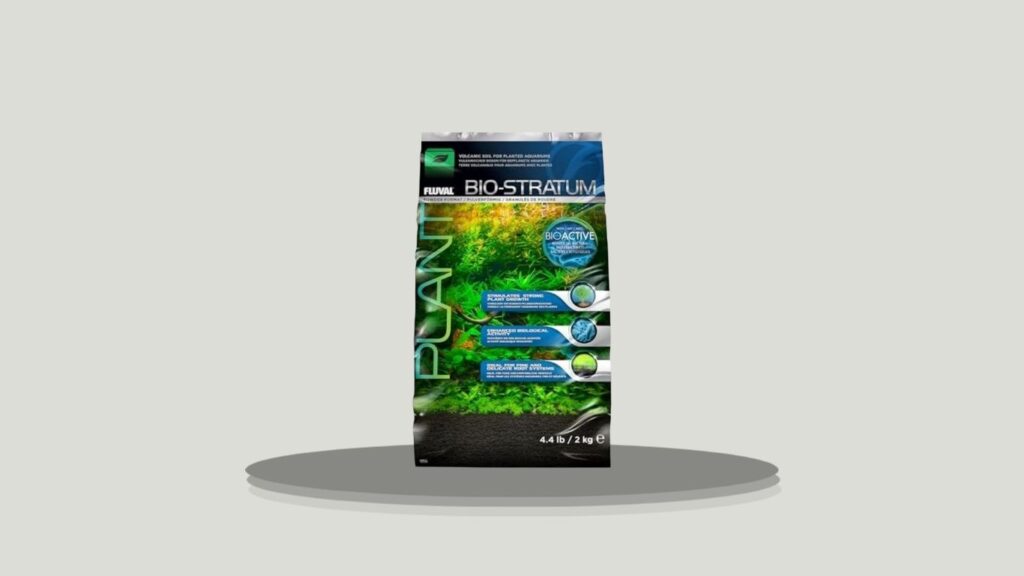
Fluval Bio-Stratum is designed for planted freshwater aquariums that need both strong root support and an early boost of biological activity. It is made from mineral-rich volcanic soil sourced from the Mount Aso region of Japan and is infused with beneficial nitrifying bacteria. Its fine, porous structure provides plenty of surface area while allowing delicate plant roots to spread naturally through the substrate.
Key Features
- Made from 100% natural volcanic soil
- Contains mineral-rich material
- Infused with beneficial nitrifying bacteria
- Fine approximately 1 mm granule structure
- Porous surface supports bacterial colonization
- Designed for planted freshwater aquariums
- Suitable for delicate plant roots
- Non-compacting structure
- Supports nutrient and trace-element availability
- Natural dark appearance
Why It’s Best For
Bio-Stratum is particularly useful for aquascapers who want to establish plants and biological filtration at the same time. Fine-rooted carpeting plants and newly planted stems can penetrate its small granules more easily than coarse gravel.
The included nitrifying bacteria are another practical advantage when establishing a new planted aquarium, although normal cycling and water testing should still remain part of responsible setup.
Performance & Durability
The porous volcanic structure creates an excellent environment for roots and microorganisms. Because the granules resist heavy compaction, water can move through the root zone more effectively.
As an aquasoil-style substrate, however, it should be handled more gently than hard mineral gravel. Aggressive vacuuming and constant rearranging can eventually reduce the integrity of softer soil granules.
Pros & Cons
Pros
- Excellent for fine plant roots
- Supports beneficial bacteria
- Natural volcanic composition
- Good for detailed aquascaping
- Helps establish a biologically active substrate
Cons
- Softer than permanent clay gravel
- Can be disturbed during heavy cleaning
- Requires thoughtful water management during setup
Overall Verdict: Fluval Bio-Stratum stands out for aquascapers who want a biologically active planted-tank substrate with excellent root penetration. Its combination of volcanic material, fine texture, and added bacteria gives it more functionality than basic decorative gravel.
3. Aqueon Plant and Shrimp Aquarium Substrate
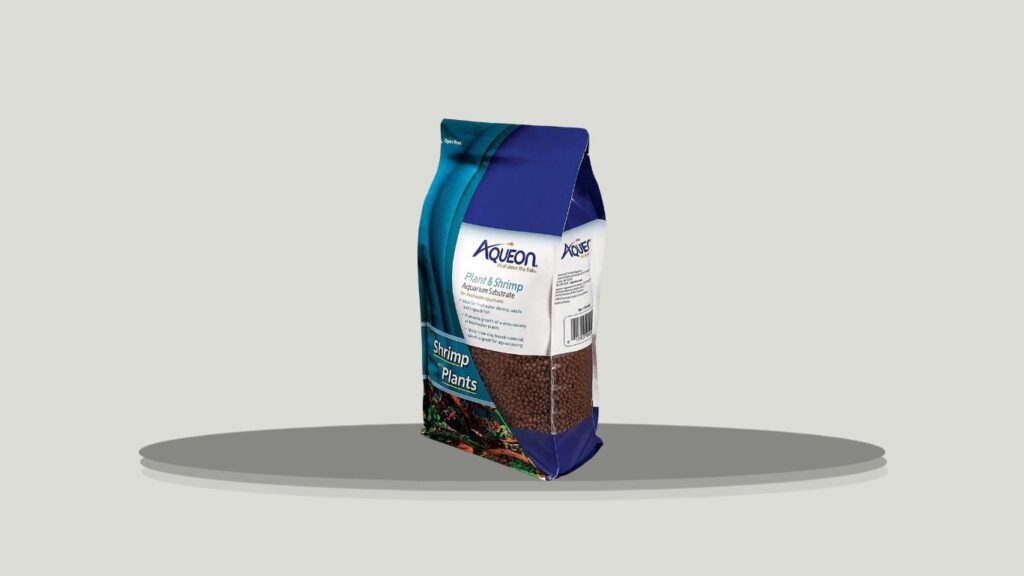
Aqueon Plant and Shrimp Aquarium Substrate is a clay-based option created for freshwater plants, shrimp, snails, and tropical fish. Its rounded spherical particles are designed to maintain their structure rather than gradually collapsing into compressed soil. This gives planted-tank keepers a relatively durable substrate that still provides enough spaces for developing root systems. The standard package contains 5 pounds of substrate.
Key Features
- 5-pound package
- Clay-based construction
- Rounded spherical particle design
- Maintains shape over time
- Supports freshwater plant roots
- Suitable for aquascaping
- Works with shrimp and snails
- Appropriate for tropical freshwater tanks
- Natural brown appearance
- Designed to resist soil-like compaction
Why It’s Best For
This Aqueon substrate is particularly attractive for beginners who want something simpler than a highly active aquasoil. Its spherical clay particles create a clean, organized substrate bed while giving plant roots spaces in which to develop.
Shrimp-focused tanks can also benefit from its natural appearance and textured surface. The brown coloration creates an understated background that works well with green plants, driftwood, and natural aquascapes.
Performance & Durability
Durability is one of the product’s strongest characteristics. Aqueon specifically designs the spherical clay particles to retain their shape rather than breaking down rapidly into compressed soil.
That can make long-term maintenance easier, particularly for aquarists who occasionally move plants or perform routine substrate cleaning. Its structure also makes it easier to build sloped aquascapes than very fine sand.
Pros & Cons
Pros
- Durable clay particles
- Good root-supporting structure
- Natural-looking brown color
- Suitable for shrimp tanks
- Beginner-friendly planted-tank option
- Resists rapid breakdown
Cons
- Less chemically active than many aquasoils
- Root-feeding plants may still benefit from added fertilizers
- Only one standard 5-pound package size
Overall Verdict: Aqueon Plant and Shrimp Aquarium Substrate provides a good balance between durability and plant support. It is especially practical for freshwater keepers who want a structured clay substrate without relying on a softer active soil.
4. FZONE Nutrient-Rich Aquarium Soil
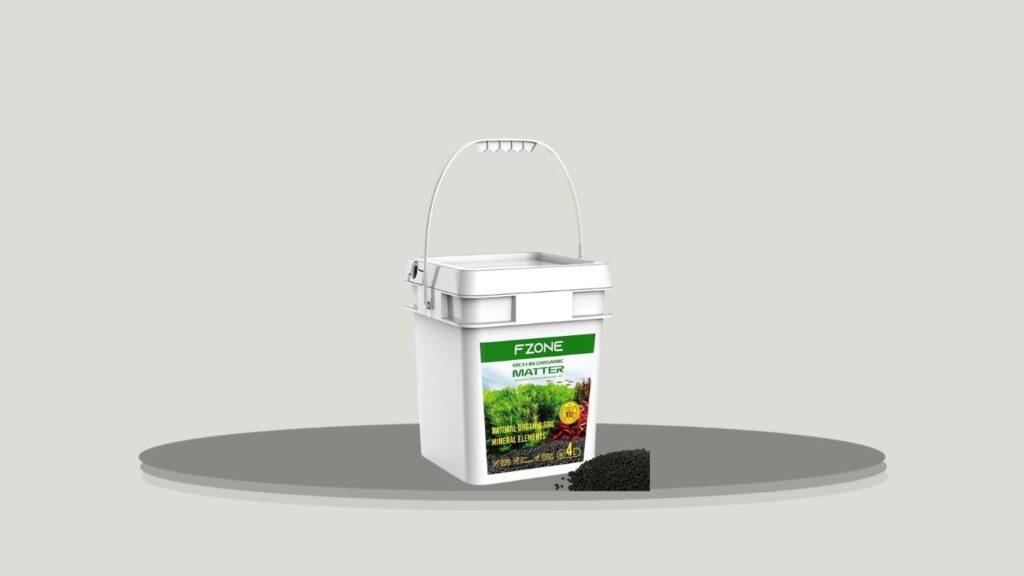
FZONE Aquarium Soil is an active planted-tank substrate formulated to provide nutrients directly around plant roots. Its composition includes organic material, minerals, silica, and activated carbon, while approximately 3 mm porous granules provide space for both roots and beneficial microorganisms. The granules are high-temperature sintered to improve structural stability and reduce the dusty mess often associated with softer aquarium soils.
Key Features
- Nutrient-rich planted aquarium soil
- Approximately 3 mm granules
- Contains minerals and organic material
- Includes silica and activated carbon
- Porous structure
- Supports root development
- Designed to soften water
- Can encourage slightly acidic conditions
- High-temperature sintered granules
- Designed for no-rinse setup
- 4-liter product size
Why It’s Best For
FZONE is particularly well suited to heavily planted aquascapes containing demanding root-feeding species. Plants such as Cryptocoryne, Amazon swords, and carpeting plants can benefit from nutrients being concentrated directly in their root zone.
The dark soil also visually increases contrast, making bright green plants and colorful shrimp appear more prominent.
Performance & Durability
High-temperature sintering gives the particles better structural strength than very soft mud-based substrates. FZONE states that the granules are designed to resist turning dusty or muddy during normal use.
Its active properties may also soften water and reduce pH, which can be useful for many tropical plants and shrimp but needs consideration in aquariums designed for hard-water species.
Pros & Cons
Pros
- Nutrients available at plant roots
- Strong aquascaping appearance
- Porous bacterial surface
- No rinsing required
- Good for carpeting and rooted plants
- Sintered for improved durability
Cons
- Can influence water chemistry
- Not ideal for every hard-water aquarium
- New setups should be monitored carefully
Overall Verdict: FZONE Aquarium Soil is a strong option for aquascapers prioritizing vigorous plant growth and active water-conditioning properties. Its nutrient content and durable porous granules make it particularly suitable for dedicated planted tanks.
5. Hygger CO2 Upgraded Aquascaping Substrate
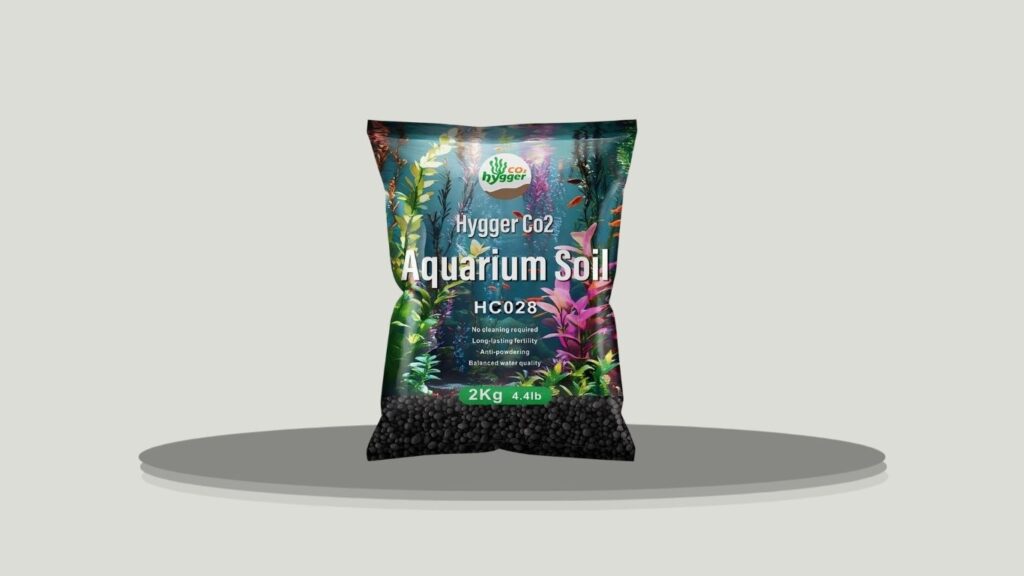
Hygger CO2 Upgraded Aquarium Soil is formulated for planted tanks and shrimp aquariums where aquascapers want an active substrate with a fine, porous texture. The 4.4-pound product uses sintered soil granules designed to encourage beneficial bacterial colonization, support plant roots, and maintain slightly acidic to near-neutral water conditions. It is also marketed as a no-rinse substrate, simplifying the initial aquascaping process.
Key Features
- 4.4-pound package
- Designed for planted aquariums
- Suitable for freshwater shrimp
- Porous sintered soil structure
- No washing required before setup
- Supports beneficial bacteria
- Encourages root growth
- Buffers toward slightly acidic conditions
- Manufacturer-listed pH range around 6.5–7.5
- Designed to reduce hardness
Why It’s Best For
Hygger’s soil works particularly well for aquascapers building a shrimp-and-plant display where soft to moderately soft conditions are desirable.
The granular structure provides a workable base for rooted plants and can be sculpted into raised areas or gentle slopes. The dark coloration also creates strong contrast with carpeting plants and brightly colored shrimp.
Performance & Durability
The sintered structure helps the substrate maintain individual granules while providing microscopic spaces where beneficial bacteria can establish.
One important consideration is the startup period. Product guidance recommends multiple water changes during the first several days before introducing livestock because fresh substrate may initially release nutrients into the water.
Following this startup procedure makes the substrate more suitable for sensitive shrimp and fish.
Pros & Cons
Pros
- Good for planted shrimp aquariums
- Porous bacterial surface
- No pre-rinsing required
- Helps support softer water
- Attractive dark aquascaping base
- Useful for rooted and carpeting plants
Cons
- Initial water changes are recommended
- Can alter water chemistry
- Not suited to every hard-water species
- Requires parameter testing during startup
Overall Verdict: Hygger CO2 Upgraded Aquarium Soil offers an appealing combination of root support, active water conditioning, and aquascaping flexibility. It is particularly valuable when establishing plant-heavy shrimp tanks where slightly softer conditions are preferred.
6. Seachem Flourite
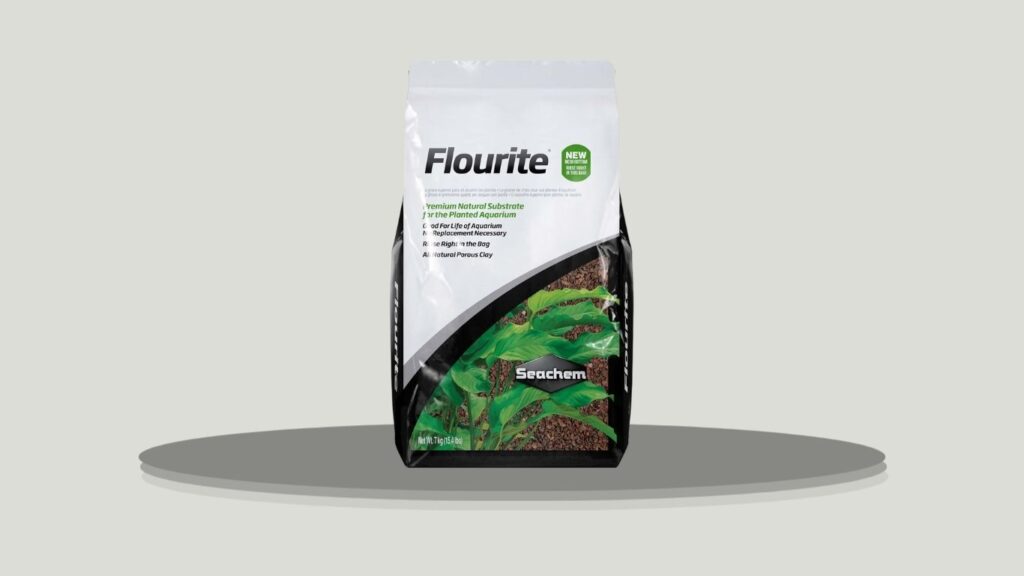
Seachem Flourite is a long-lasting porous clay gravel made specifically for natural planted aquariums. Unlike active aquasoils that gradually soften and alter water chemistry, Flourite is a stable mineral substrate that does not require replacement and does not intentionally change aquarium pH. The 7 kg, or 15.4-pound, package provides a substantial amount of material for freshwater aquascaping.
Key Features
- 7 kg / 15.4-pound package
- Stable porous clay gravel
- Designed specifically for planted aquariums
- Natural mineral composition
- Not chemically coated
- Does not intentionally alter pH
- Can be used alone
- Can be mixed with other gravel
- Does not require laterite additives
- Designed to last for the life of the aquarium
Why It’s Best For
Flourite is one of the strongest choices for aquarists who want a permanent planted-tank substrate.
Rather than replacing aquasoil after it begins breaking down, Flourite can remain in place for years. This makes it particularly suitable for established aquariums where long-term stability matters more than actively lowering pH.
Its porous clay structure also provides a useful foundation for plant roots.
Performance & Durability
Durability is the major advantage. Seachem states that Flourite maintains its physical integrity when wet and does not soften into an unsuitable substrate over time.
Because it is a natural mineral product, some dust can remain after shipping. Thorough rinsing before setup is advisable, and filling the aquarium slowly helps minimize initial cloudiness.
Pros & Cons
Pros
- Exceptional long-term durability
- Does not need periodic replacement
- Stable water chemistry
- Porous clay structure
- Suitable for planted freshwater tanks
- Can be used alone
Cons
- Needs rinsing before use
- Can create temporary cloudiness
- Does not actively lower pH
- Heavy compared with aquasoil
Overall Verdict: Seachem Flourite is an excellent long-term substrate for aquarists who prioritize stability and durability. Its permanent clay structure makes it especially attractive for mature planted tanks that are not intended to be regularly dismantled.
7. Seachem Flourite Black Sand
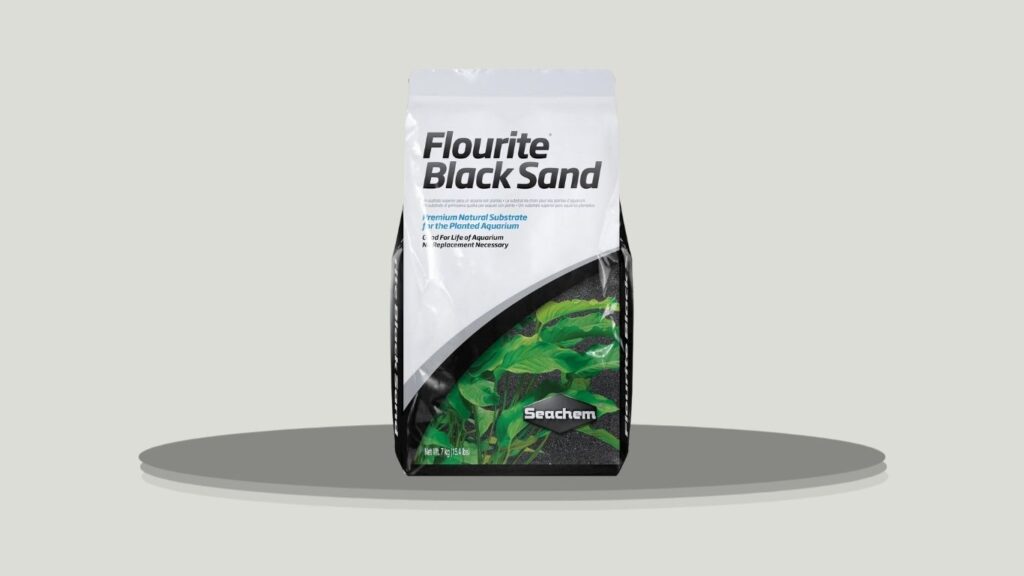
Seachem Flourite Black Sand provides many of the long-term advantages of traditional Flourite but in a finer, dark substrate that creates a dramatic planted-tank appearance. It consists of stable porous clay material and is designed to remain usable for the life of the aquarium. It is not chemically treated or coated and does not intentionally change the aquarium’s pH.
Key Features
- 7 kg / 15.4-pound package
- Fine black planted-tank substrate
- Stable porous clay composition
- Natural mineral material
- Not chemically coated
- Does not alter pH
- Can be used as a complete substrate bed
- May be mixed with other gravel
- Suitable for freshwater aquariums
- Designed for permanent use
Why It’s Best For
Flourite Black Sand is especially appealing when visual presentation is as important as long-term functionality.
Its black coloration makes green, red, and purple aquarium plants appear brighter while also highlighting colorful shrimp and fish. The finer grain creates a smoother foreground than conventional Flourite gravel, making it particularly suitable for modern aquascapes.
Performance & Durability
Unlike many soil-based substrates, Flourite Black Sand does not depend on soft granules that gradually break down. Seachem states that it remains stable and does not need replacement over the life of the aquarium.
Although the product is pre-washed, shipping can create residual dust. Rinsing before use and filling the aquarium slowly are important for minimizing cloudy water.
Pros & Cons
Pros
- Attractive deep black appearance
- Extremely durable
- Fine texture
- Stable pH
- Works well with planted aquariums
- Does not require replacement
- Suitable for long-term aquascapes
Cons
- Rinsing can take time
- Dust may initially cloud water
- Does not provide active pH buffering
- Root-feeding plants may benefit from supplemental nutrition
Overall Verdict: Seachem Flourite Black Sand is particularly strong for aquascapers who want a dark, permanent substrate without changing water chemistry. Its combination of fine texture, visual contrast, and exceptional longevity gives it significant long-term value.
8. Aqua Natural Bio-Substrate
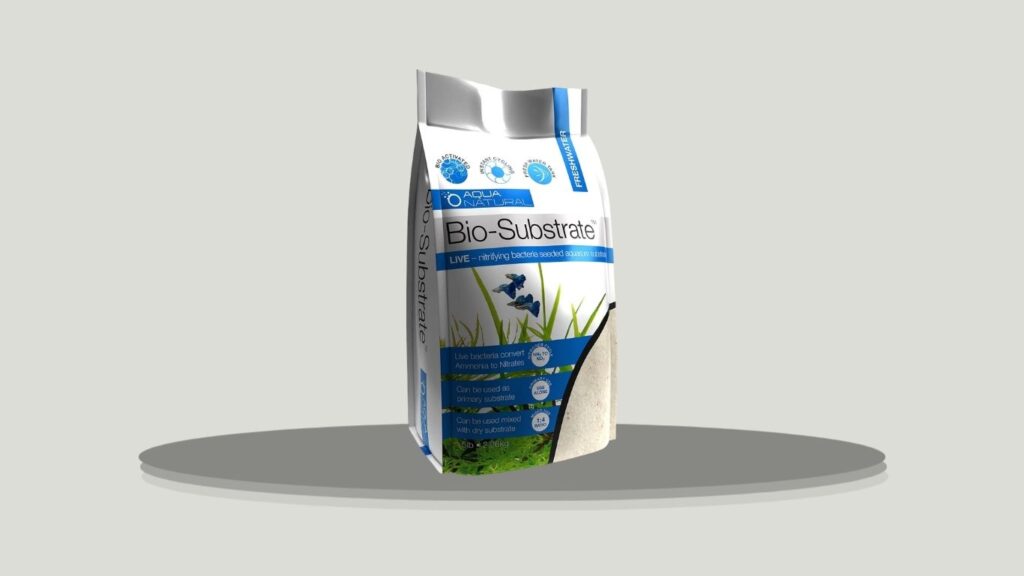
Aqua Natural Bio-Substrate takes a different approach from conventional plant soils by combining a natural aquarium substrate with live nitrifying bacteria. The bacteria help establish biological activity by converting ammonia through the aquarium nitrogen cycle. The substrate can be used by itself or mixed with compatible dry substrate, providing flexibility for new aquariums and planted layouts.
Key Features
- 5-pound Bio-Substrate options available
- Contains live nitrifying bacteria
- Suitable for freshwater aquariums
- Can be used as a primary substrate
- Can be mixed with dry substrate
- Provides surface area for beneficial bacteria
- Supports biological filtration
- Natural substrate appearance
- Suitable for planted aquarium layouts
- Should not be rinsed before use
Why It’s Best For
This product is particularly useful for aquarists who want their substrate to contribute directly to biological filtration from the beginning.
The seeded bacteria provide an immediate starting population of nitrifying microorganisms. That can help establish the biological system, although aquarists should still test ammonia, nitrite, and nitrate and confirm that the aquarium is properly cycled before fully stocking it.
Its natural texture also allows it to function as part of a planted aquascape rather than simply acting as biological media hidden inside a filter.
Performance & Durability
The substrate offers large surface areas where additional bacteria can colonize over time. Aqua Natural Bio-Substrate can also be combined with a dry substrate at approximately a 1:4 live-to-dry ratio according to product directions.
Because the bacteria are supplied directly with the substrate, it should not be rinsed, as doing so can remove or reduce the intended biological component.
Pros & Cons
Pros
- Seeded with beneficial bacteria
- Supports biological filtration
- Natural appearance
- Can be used alone or mixed
- Useful for planted freshwater aquariums
- Adds bacterial surface area
Cons
- Should not be rinsed
- Does not eliminate the need for water testing
- Biological cycling still needs monitoring
- Not as nutrient-focused as dedicated aquasoil
Overall Verdict: Aqua Natural Bio-Substrate is one of the most interesting options for aquarists focused on biological startup and substrate filtration. Rather than concentrating solely on plant nutrition, it combines an attractive aquarium base with live nitrifying bacteria, making it especially useful when building a new freshwater ecosystem.
FAQs
1. What is the best substrate for a planted aquarium?
The best substrate depends on the type of planted tank you want to build. Active aquasoils such as Fluval Stratum are useful for root-feeding plants and tanks that benefit from softer, slightly acidic water. Inert options such as Seachem Flourite are better for aquarists who want long-term stability without changing water chemistry.
2. How deep should the substrate be in a planted tank?
A planted aquarium usually benefits from a substrate depth of around 2 to 3 inches. Deeper areas can be created toward the back of the tank to support larger root systems and improve aquascaping depth. A very shallow substrate may make it difficult for rooted plants to remain securely anchored.
3. Do planted tanks need nutrient-rich substrate?
Not always. Many plants can grow in inert gravel or sand when nutrients are supplied through root tabs or liquid fertilizers. However, nutrient-rich aquasoil can make it easier to support demanding root-feeding plants and may provide a stronger foundation during the early stages of a planted aquarium.
4. How long does planted aquarium substrate last?
The lifespan depends on the substrate type. Active aquasoils may gradually lose their buffering and nutrient properties after a few years, while mineral-based substrates such as Seachem Flourite can remain in the aquarium for many years without needing replacement. Plant nutrients can always be supplemented later with fertilizers.
5. Should aquarium substrate be rinsed before use?
It depends on the product. Inert mineral substrates often benefit from thorough rinsing to remove dust, while many active aquasoils are specifically designed to be used without rinsing. Bio-active substrates containing live bacteria should generally not be rinsed because doing so may remove part of the beneficial bacterial coating. Always follow the manufacturer’s setup instructions.
