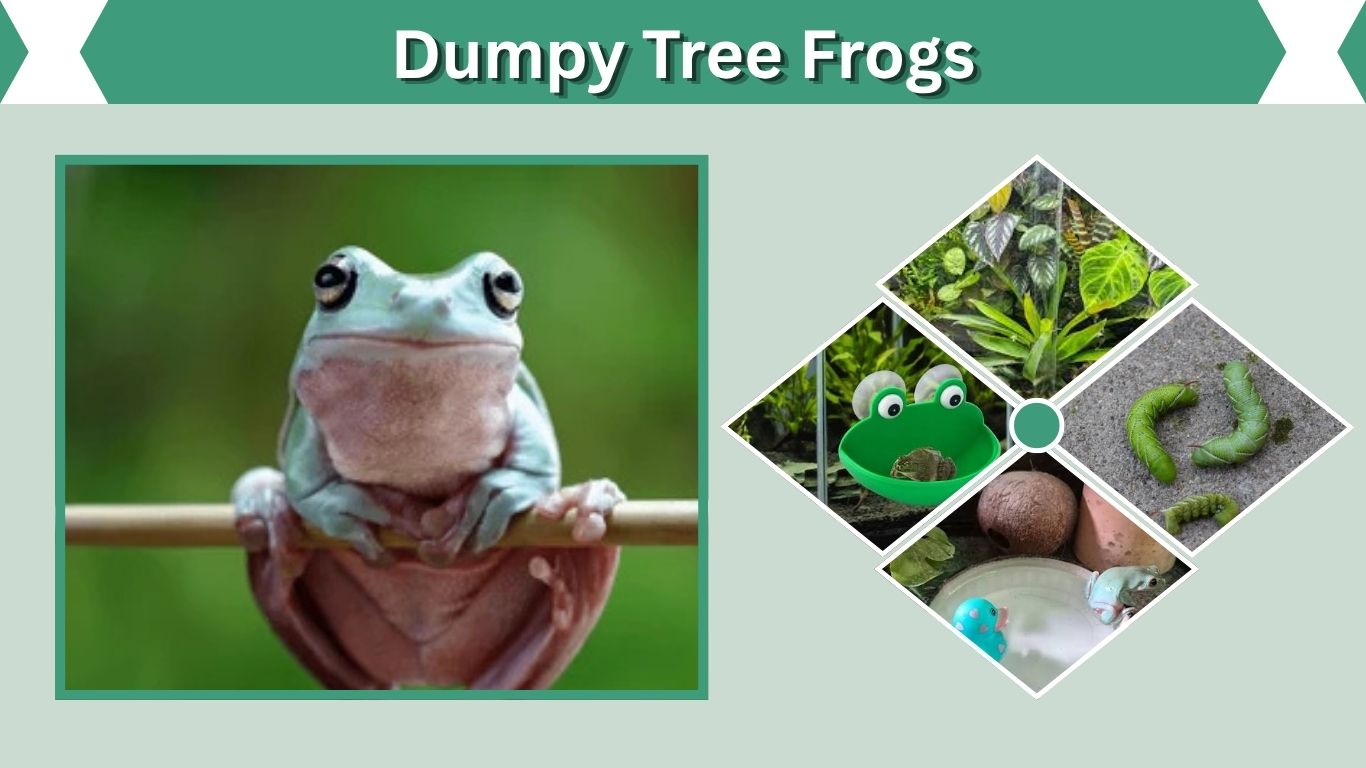
Dumpy tree frogs are popular pet amphibians known for their rounded bodies, expressive eyes, and calm personalities. Also called White’s tree frogs or Australian green tree frogs, these fascinating animals are native to Australia and New Guinea. Their relatively hardy nature makes them appealing to beginner amphibian keepers. However, proper temperature, humidity, feeding, and enclosure conditions are essential for their health. Whether you’re considering a pet frog or already own one, understanding dumpy tree frogs’ size, lifespan, diet, behavior, and care requirements can help you provide a healthier environment.
What Are Dumpy Tree Frogs?
Dumpy tree frogs (Litoria caerulea, also classified as Ranoidea caerulea) are medium-sized, tree-dwelling amphibians belonging to the family Hylidae.
They naturally inhabit forests, woodlands, and areas near human settlements. Their distinctive appearance and adaptable behavior distinguish them from many other frog species.
Identification and Physical Characteristics
- Body shape: Rounded, plump body with a broad head and characteristic fatty folds above the eyes.
- Color: Usually green, bluish-green, gray-green, or brownish.
- Eyes: Large eyes with horizontal pupils.
- Feet: Wide adhesive toe pads designed for climbing trees and smooth surfaces.
- Skin: Smooth, moisture-retaining skin that helps protect against dehydration.
- Activity: Primarily nocturnal, becoming more active after sunset.
Unlike many smaller tree frogs, dumpy tree frogs have strong, relatively heavy bodies and can remain perched in the same location for extended periods.
How Big Do Dumpy Tree Frogs Get?
Adult dumpy tree frogs generally grow between 3 and 5 inches long. Females are typically larger than males, sometimes reaching 4.5–5 inches.
Baby frogs are much smaller and grow gradually with proper nutrition. A six-month-old frog’s size varies depending on feeding, genetics, and environmental conditions.
How Long Do Dumpy Tree Frogs Live?
Dumpy tree frogs commonly live 10–15 years or longer under good captive conditions, and some have exceeded 20 years.
Their lifespan depends on nutrition, temperature, hygiene, genetics, and veterinary care. The Smithsonian’s National Zoo reports an average lifespan of approximately 16 years, with one individual reaching 21 years in human care.
How to Care for Dumpy Tree Frogs
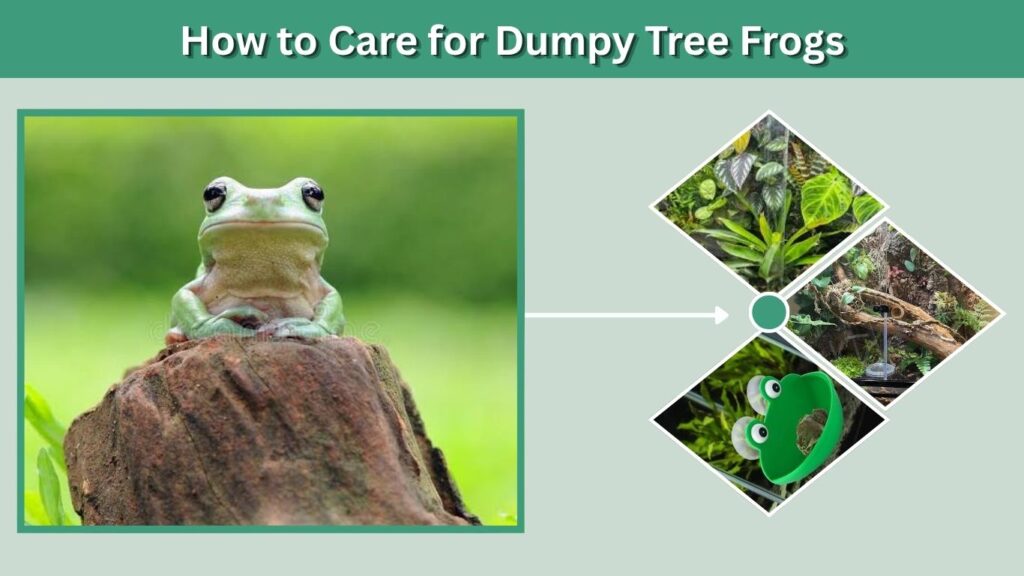
Dumpy tree frogs are generally considered beginner-friendly amphibians, but they require carefully maintained living conditions.
A suitable enclosure should provide enough space for climbing, resting, hunting, and soaking. Temperature and humidity must also remain within appropriate ranges.
Tank Size and Habitat Setup
A tall, well-ventilated terrarium is essential because these frogs spend much of their time climbing.
For one adult, a 20-gallon tall enclosure is a reasonable minimum. Two frogs need a larger enclosure, ideally at least 18 × 18 × 24 inches, with additional space preferred.
Essential habitat requirements include:
- Climbing branches: Provide sturdy branches, cork bark, and vines.
- Live plants: Pothos, sturdy philodendrons, and other amphibian-safe plants offer shelter.
- Substrate: Use suitable coconut fiber, bioactive soil, or paper towels for temporary housing.
- Water bowl: Provide shallow, chlorine-free water for soaking.
- Hiding places: Include shaded shelters and broad resting surfaces.
- Secure lid: Prevent escapes while maintaining ventilation.
Avoid small gravel and loose decorations that frogs could accidentally swallow.
Temperature, Humidity, and Lighting
Maintaining stable environmental conditions is essential for healthy frogs.
| Care Requirement | Recommended Conditions |
| Daytime temperature | 75–80°F (24–27°C) |
| Warm basking area | 82–85°F (28–29°C) |
| Nighttime temperature | 70–72°F (21–22°C) |
| Humidity | Approximately 50–70% |
| Lighting | 10–12 hours daily |
| UVB | Low-output UVB recommended |
A thermostat-controlled heat source can help maintain appropriate temperatures. A low-output UVB lamp supports calcium metabolism, even though dumpy tree frogs are primarily nocturnal.
Provide shaded areas and allow the enclosure to dry slightly between mistings rather than keeping every surface constantly wet.
What Do Dumpy Tree Frogs Eat?
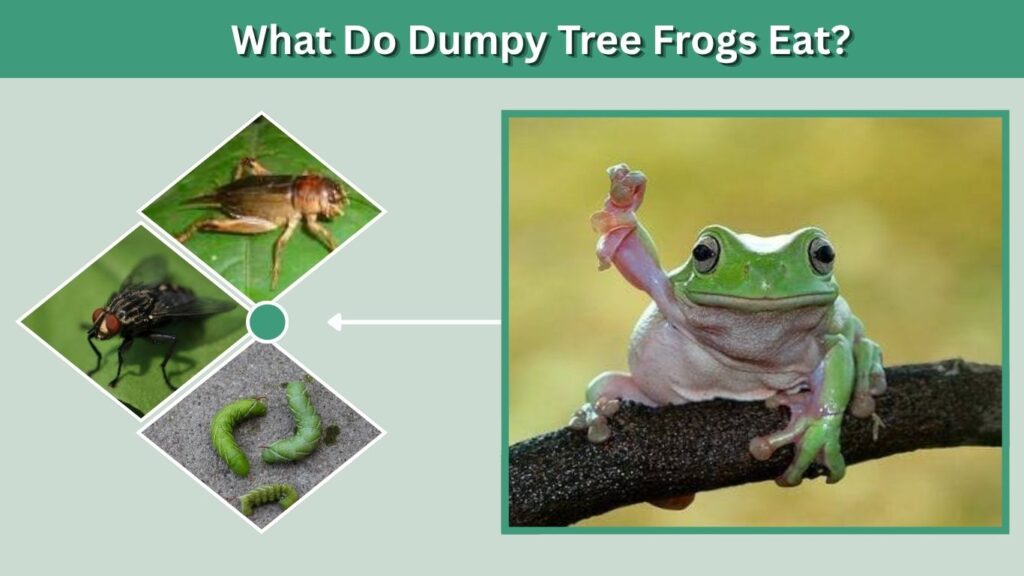
Dumpy tree frogs are insectivores, meaning their diet primarily consists of insects and other suitable invertebrates.
In the wild, they hunt moths, crickets, cockroaches, and various small animals. Captive frogs require a varied diet with appropriate calcium and vitamin supplementation.
Best Foods for Dumpy Tree Frogs
The following foods can form part of a balanced feeding routine:
- Crickets: An excellent staple food when properly gut-loaded.
- Dubia roaches: Nutritious feeder insects suitable for adult frogs.
- Small earthworms: Provide dietary variety when appropriately sized.
- Hornworms: Moisture-rich insects that can be offered occasionally.
- Black soldier fly larvae: Useful as part of a varied insect diet.
- Mealworms: Suitable occasionally, but should not dominate the diet.
- Waxworms: Best offered sparingly because of their high fat content.
Feed juveniles daily and most healthy adults approximately two to four times weekly, adjusting portions according to body condition.
Feeder insects should be appropriately sized, gut-loaded, and dusted with supplements according to a species-specific schedule. Overfeeding can cause obesity, a common health problem in this species.
Dumpy Tree Frogs’ Behavior and Personality
Dumpy tree frogs are known for their relatively calm behavior and unusual expressions. They often spend daylight hours resting on branches before becoming active at night.
Although they are not naturally affectionate animals, many become accustomed to predictable feeding schedules and nearby human activity.
Are Dumpy Tree Frogs Nocturnal?
Yes, dumpy tree frogs are primarily nocturnal. They usually sleep during daylight hours and become active after sunset.
At night, they search for food, climb branches, and sometimes produce distinctive calls.
Why Do Dumpy Tree Frogs Croak?
Male dumpy tree frogs croak mainly to attract females during breeding periods. They can also vocalize in response to environmental conditions.
Their calls may be surprisingly loud, especially at night. Females can produce sounds, including distress calls, but do not typically make the same repeated mating calls as males.
Why Do Dumpy Tree Frogs Change Color?
Dumpy tree frogs can change between green, bluish-green, and brownish shades.
Temperature, lighting, background, and physiological condition can influence their appearance. A gradual change is generally normal, but persistent abnormal discoloration accompanied by lethargy or skin lesions requires veterinary attention.
Are Dumpy Tree Frogs Good Pets?
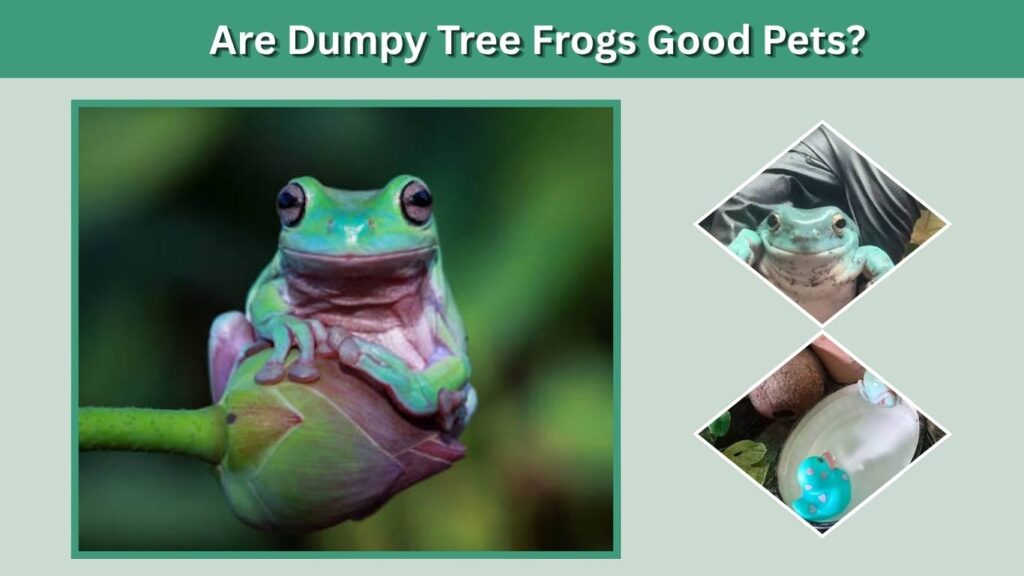
Dumpy tree frogs can make rewarding pets for people prepared to maintain an appropriate amphibian enclosure.
Their calm temperament and interesting nighttime activity make them enjoyable to observe. However, their delicate skin and specialized environmental requirements mean they are better suited to observation than frequent handling.
Important Health and Safety Tips
Responsible care includes monitoring your frog’s health and preventing unnecessary stress.
- Limit handling: Use clean, damp, powder-free gloves when handling is necessary.
- Maintain hygiene: Remove waste regularly and replace water daily.
- Prevent obesity: Avoid excessive feeding and frequent fatty treats.
- Monitor health: Watch for unusual swelling, reduced appetite, or skin sores.
- Avoid chemicals: Keep cleaning products, pesticides, and lotions away from the enclosure.
- Seek veterinary care: Consult an amphibian-experienced veterinarian when symptoms appear.
Dumpy tree frogs can release mild defensive skin secretions that irritate sensitive tissues. They are not considered dangerously poisonous to humans, but their secretions should never contact the eyes or mouth. Frogs may also carry Salmonella, making proper hygiene important.
Where to Buy Dumpy Tree Frogs
Captive-bred dumpy tree frogs are available through reputable amphibian breeders, specialized reptile stores, and some reptile expos.
Prices depend on age, coloration, breeding history, and location. Unusual color varieties, including blue and honey-toned morphs, may cost more than standard green frogs.
Choose an alert, healthy-looking frog with clear eyes, normal movement, and a reliable feeding history. Avoid sellers who cannot explain the animal’s origin or care requirements.
Before purchasing, prepare the enclosure and arrange access to an experienced exotic-animal veterinarian.
FAQs
1. Can Dumpy Tree Frogs Live Together?
Yes. Similar-sized dumpy tree frogs can live together in a spacious enclosure with adequate feeding and hiding areas. They do not require companions, however. Avoid mixing different frog species, and quarantine newly acquired frogs before introducing them.
2. Do Dumpy Tree Frogs Need a Heat Lamp?
Dumpy tree frogs need suitable temperatures, but a heat lamp is not always necessary if their enclosure already maintains the correct range. When supplemental heating is needed, use a thermostat-controlled, safely positioned source to prevent burns or overheating.
3. Do Dumpy Tree Frogs Need UVB?
Low-level UVB lighting is recommended because it supports vitamin D3 production and healthy calcium metabolism. Use an amphibian-appropriate UVB bulb with shaded retreat areas and a regular day-night cycle. Avoid excessive ultraviolet exposure.
4. Do Dumpy Tree Frogs Hibernate?
Dumpy tree frogs do not undergo typical winter hibernation. In the wild, they can become inactive during dry conditions and enter a protective dormancy called aestivation. Pet frogs generally do not require a seasonal dormancy period.
5. Can Dumpy Tree Frogs Swim?
Dumpy tree frogs can swim when necessary, but they are primarily tree-dwelling amphibians rather than aquatic frogs. Provide a shallow, easily accessible water bowl for soaking instead of deep water, which creates unnecessary drowning risks.
