
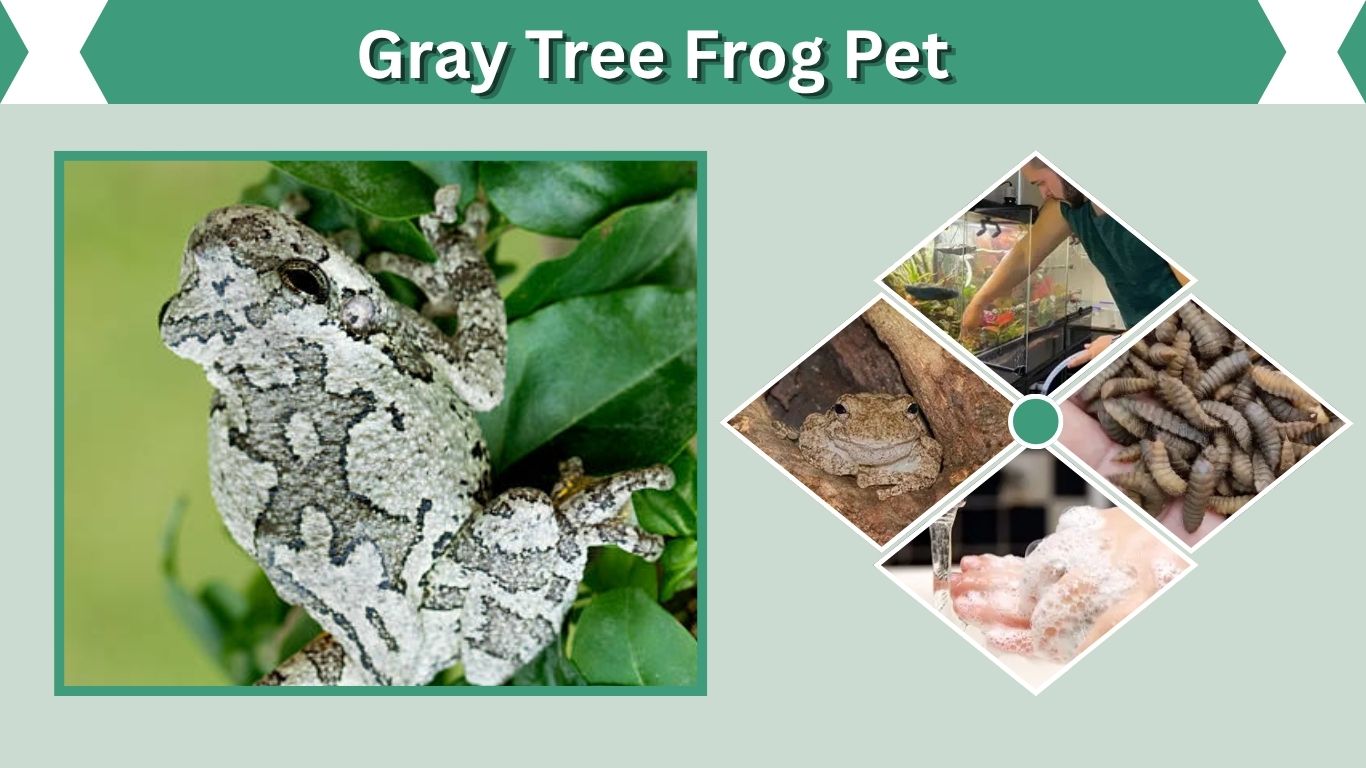
Gray tree frogs can make fascinating pets for people who prefer observing rather than handling their animals. These small, nocturnal frogs are excellent climbers, change color, and spend much of the day resting among branches or foliage. However, keeping one requires a tall enclosure, live insects, carefully treated water, and attention to local wildlife laws. Captive-bred frogs are preferable because collecting a native gray tree frog may be restricted or require a license.
Are Gray Tree Frogs Good Pets?
Gray tree frogs can be good pets for beginner-to-intermediate amphibian keepers. They are relatively small, do not require a huge enclosure, and usually adapt well when their temperature, moisture, diet, and climbing needs are met.
They are best considered display pets. Amphibians have delicate, permeable skin, so frequent handling can expose them to salt, soap, lotion, and other substances on human hands. Gray tree frogs are also nocturnal and normally become most active after dark.
Advantages and disadvantages
| Advantages | Disadvantages |
| Small and visually interesting | Should not be handled frequently |
| Attractive color-changing ability | Requires live feeder insects |
| Uses a moderately sized enclosure | Males may call loudly at night |
| Interesting climbing and hunting behavior | Wild collection may be regulated |
| Can live for several years | Needs careful water and hygiene practices |
At least one gray tree frog has reportedly lived for more than seven years in captivity, although individual lifespan varies with species, origin, nutrition, and husbandry.
Which Gray Tree Frog Can Be Kept as a Pet?
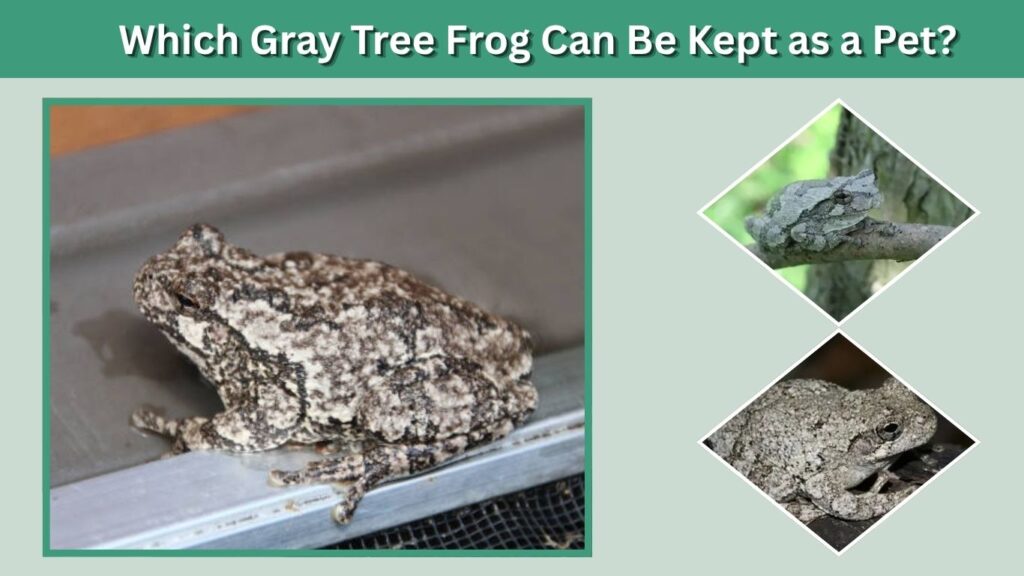
The name “gray tree frog” commonly refers to two nearly identical species:
- Eastern gray tree frog: Dryophytes versicolor
- Cope’s gray tree frog: Dryophytes chrysoscelis
Their appearance and basic care requirements are extremely similar. The easiest way to distinguish adult males is by their calls: Cope’s gray tree frog produces a faster, harsher trill, while the eastern species has a slower, more musical call.
Both are arboreal frogs that need vertical climbing room, branches, foliage, and sheltered resting places. A photographed frog usually cannot be identified confidently to species without location and call information.
Is It Legal to Keep a Gray Tree Frog?
Legality depends on where you live and whether the frog was captive-bred or collected from the wild. Native amphibians may be protected by seasonal rules, possession limits, licensing requirements, or complete collection bans.
For example, Indiana’s current regulations limit how many native reptiles or amphibians of one species an individual may possess. New York includes the northern gray tree frog among regulated frog species and requires an appropriate hunting or fishing license for certain collection methods during the open season.
Before obtaining one:
- Check your state or provincial wildlife agency.
- Review city and county rules.
- Ask the seller for proof of captive breeding.
- Confirm whether a possession permit is required.
- Never collect from parks, reserves, or protected land.
A legally sourced, captive-bred gray tree frog is generally a better choice than removing a healthy animal from the wild.
Gray Tree Frog Enclosure Setup
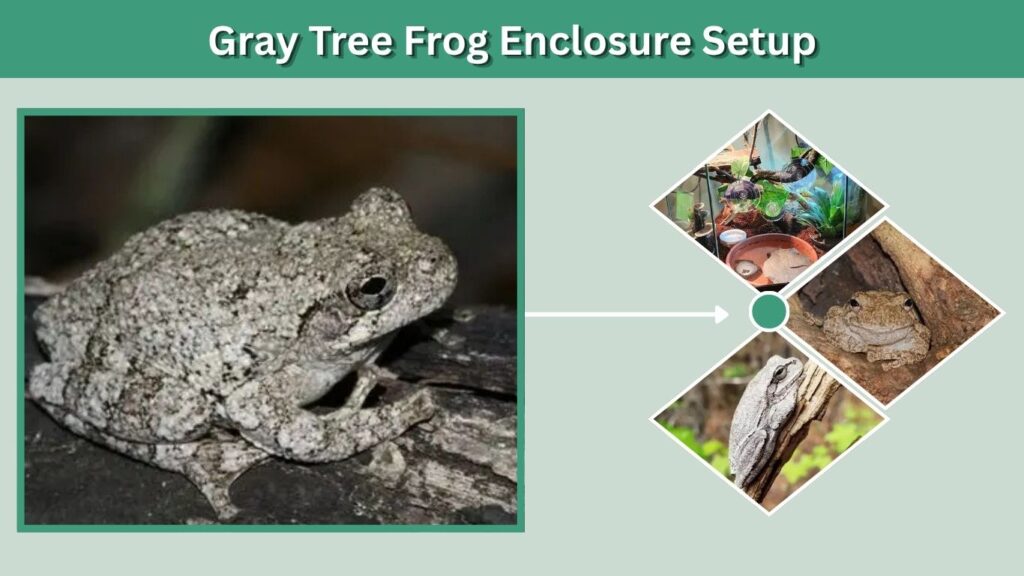
Gray tree frogs are strong climbers. A vertically oriented terrarium is more suitable than a wide, shallow aquarium.
Recommended enclosure size
The following dimensions are practical starting points rather than strict rules:
| Number of frogs | Suggested enclosure |
| One adult | At least 12 × 12 × 18 inches |
| Two adults | About 18 × 18 × 24 inches |
| Small juvenile | Smaller secure growing enclosure |
Larger is usually better when the enclosure contains enough cover. Every opening must be secure because gray tree frogs can climb glass and squeeze through surprisingly small gaps.
Essential enclosure features
Provide:
- Vertical and diagonal branches
- Cork bark
- Broad artificial or live leaves
- Several elevated resting areas
- A shallow water dish
- Ventilation near the top and lower sides
- Moisture-holding substrate
- A secure mesh or ventilated lid
Gray tree frogs naturally hide under bark, inside tree cavities, beneath leaves, and in other protected spaces during the day. At night, they climb and hunt insects using their enlarged toe pads.
Substrate
Suitable choices include coconut fiber, chemical-free topsoil, or a soil-and-fiber mixture covered with leaf litter. Paper towels can be used temporarily for quarantine or health monitoring.
The substrate should remain slightly moist but not waterlogged. Permanently saturated conditions can promote mold, bacterial growth, and unhealthy enclosure conditions. Changes in cleanliness, temperature, crowding, and husbandry can contribute to opportunistic infections in amphibians.
Temperature, Humidity, and Lighting
Gray tree frogs come from temperate North American environments, so they generally do not need the intense heat required by tropical reptiles.
Temperature
A practical captive target is approximately 68–75°F during the day, with a small nighttime decrease. Brief natural variation is acceptable, but prolonged temperatures above approximately 80°F should be avoided.
Use a digital thermometer to monitor conditions. Any heat source must be controlled by a thermostat and positioned so the frog can move into a cooler area. Never place the terrarium in direct sunlight, where temperatures can rise rapidly. Species care guidance generally recommends preventing temperatures from exceeding roughly 75–80°F.
Humidity and water
Maintain moderate humidity while providing good ventilation. Light misting and a moisture-retaining substrate can help, but the enclosure should not remain dripping wet.
Use dechlorinated water for:
- Misting
- The water dish
- Cleaning plants and decorations
- Dampening temporary transport materials
Replace the water daily or whenever contaminated. The dish should be shallow enough for the frog to exit easily.
Lighting
Provide a regular day-and-night cycle, usually around 12 hours of light and 12 hours of darkness. Gray tree frogs are nocturnal, so extremely bright lighting is unnecessary.
Low-level UVB may support vitamin D production and calcium metabolism, but it must be provided with shaded areas and appropriate distance. Amphibians can develop metabolic bone disease when calcium, phosphorus, vitamin D₃, or UVB provision is inadequate.
What Do Pet Gray Tree Frogs Eat?
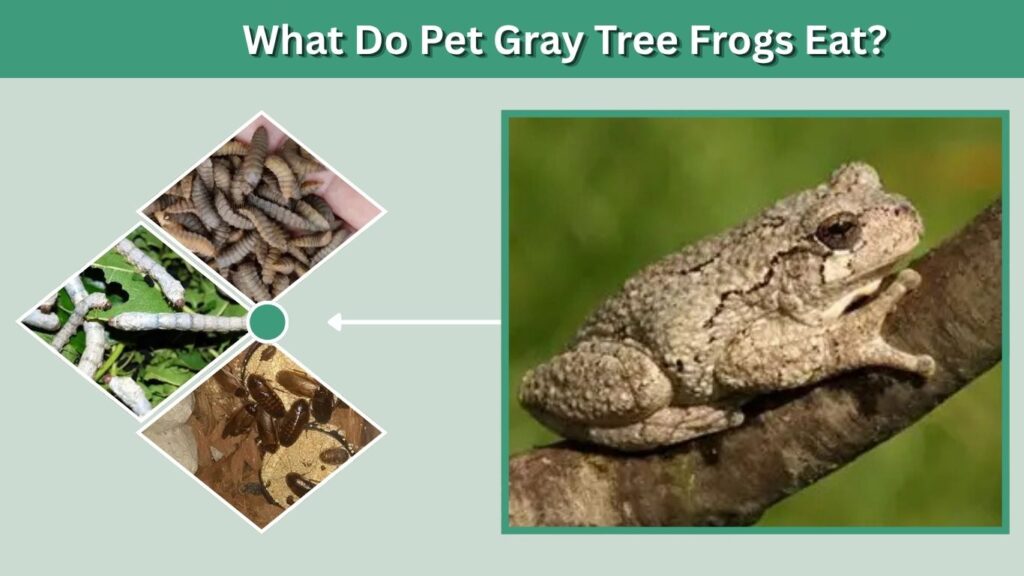
Gray tree frogs are insectivores. Wild individuals climb through vegetation at night searching for insects, and captive frogs should receive a varied selection of appropriately sized live prey.
Suitable foods include:
- Crickets
- Small Dubia roaches
- Black soldier fly larvae
- Houseflies
- Small moths from captive cultures
- Silkworms
- Occasional mealworms
- Flightless fruit flies for young frogs
Do not feed wild-caught insects from places where pesticides, fertilizers, parasites, or pollutants may be present.
Feeding schedule
Juveniles can generally be offered small meals daily or every other day. Adults usually eat two or three times per week. Offer several appropriately sized insects and adjust the amount according to the frog’s body condition.
Feeder insects should be nutritious and properly gut-loaded. Dusting prey with an amphibian-safe calcium or multivitamin supplement helps correct nutritional deficiencies common in captive insect diets. The exact supplement schedule should be discussed with an experienced exotic-animal veterinarian.
Handling a Pet Gray Tree Frog
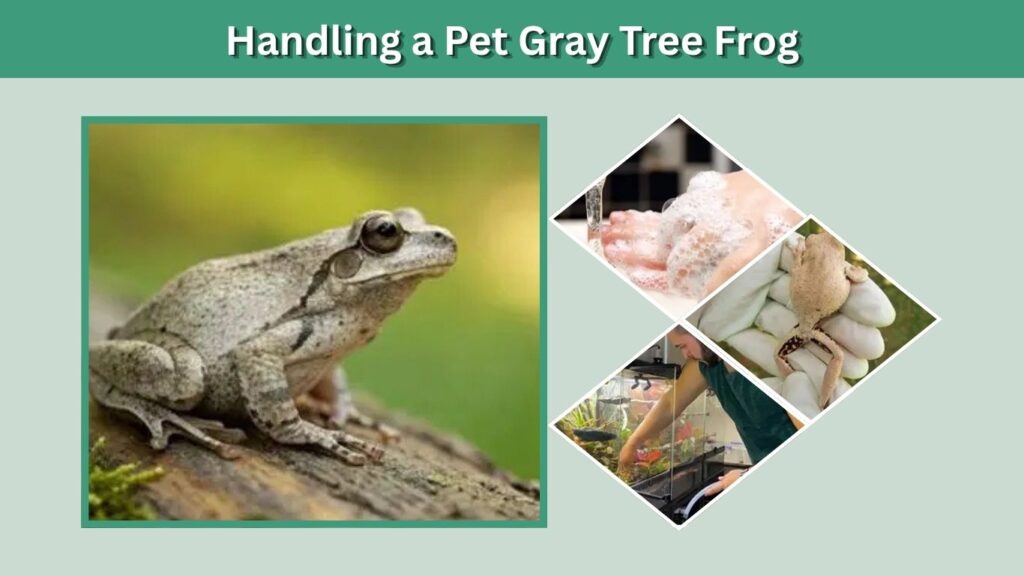
Handling should be limited to necessary enclosure moves, examinations, or emergencies. Frogs do not benefit from being held for entertainment.
When handling is unavoidable:
- Use clean, powder-free nitrile gloves.
- Lightly dampen the gloves with dechlorinated water.
- Keep the frog close to a soft surface.
- Do not squeeze its body.
- Return it to the enclosure promptly.
- Wash your hands after finishing.
Amphibians can carry Salmonella even when they appear clean and healthy. Their enclosure water, substrate, equipment, and surfaces may also become contaminated. The CDC recommends washing hands after contact and keeping amphibians and their equipment away from food-preparation areas.
Do Pet Gray Tree Frogs Hibernate?
Wild gray tree frogs survive winter by sheltering beneath leaf litter, bark, roots, and other protected material. They are remarkably freeze tolerant and produce natural cryoprotective substances that help protect their tissues.
A normal pet gray tree frog does not need to be deliberately frozen or subjected to outdoor winter conditions. Routine pets can be maintained at stable indoor temperatures throughout the year.
Experienced breeders may create a controlled cooling period to stimulate reproduction, but this requires careful preparation. Deliberate hibernation can be dangerous for an underweight, sick, dehydrated, or poorly prepared frog.
Cleaning and Health Monitoring
Spot-clean the enclosure daily by removing feces, dead insects, shed skin, moldy material, and dirty water. Periodically rinse decorations and replace contaminated substrate using amphibian-safe procedures.
Signs that require attention include:
- Loss of appetite accompanied by weight loss
- Redness on the legs or underside
- Swollen limbs or body
- Difficulty climbing
- Persistent soaking
- Unusual daytime inactivity
- Skin sores or abnormal shedding
- Loss of balance
- Rapid or labored breathing
An exotic-animal veterinarian with amphibian experience should examine a frog showing persistent or worsening symptoms.
FAQs
Can you keep a wild gray tree frog as a pet?
Possibly, but only when local laws allow collection and possession. Keeping a wild frog may require a license or be prohibited in certain locations. A captive-bred animal is preferable because it avoids removing breeding adults from local ecosystems and usually adapts more safely to captivity.
Are Cope’s gray tree frogs good pets?
Cope’s gray tree frogs can make good display pets when provided with a tall enclosure, moderate temperatures, clean water, live insects, and minimal handling. Their care is nearly identical to that of eastern gray tree frogs. Males may produce loud breeding calls, especially at night.
Can gray tree frogs live together?
Similarly sized gray tree frogs may sometimes live together in a sufficiently large enclosure, but each animal needs adequate food, cover, climbing space, and resting areas. Newly acquired frogs should be quarantined separately. Never house a small frog with one large enough to swallow it.
Do gray tree frogs need a pond in their enclosure?
No large pond is necessary for an ordinary pet. A shallow dish of clean, dechlorinated water is generally sufficient for hydration. The frog must be able to enter and leave easily. Deep water creates a drowning risk and becomes contaminated quickly.
Do pet gray tree frogs change color?
Yes. Gray tree frogs may appear gray, green, brown, or mottled depending on temperature, activity, lighting, surroundings, and resting location. Color alone does not indicate the frog’s exact species or necessarily signal illness. Sudden color change combined with abnormal behavior, however, deserves closer observation.
