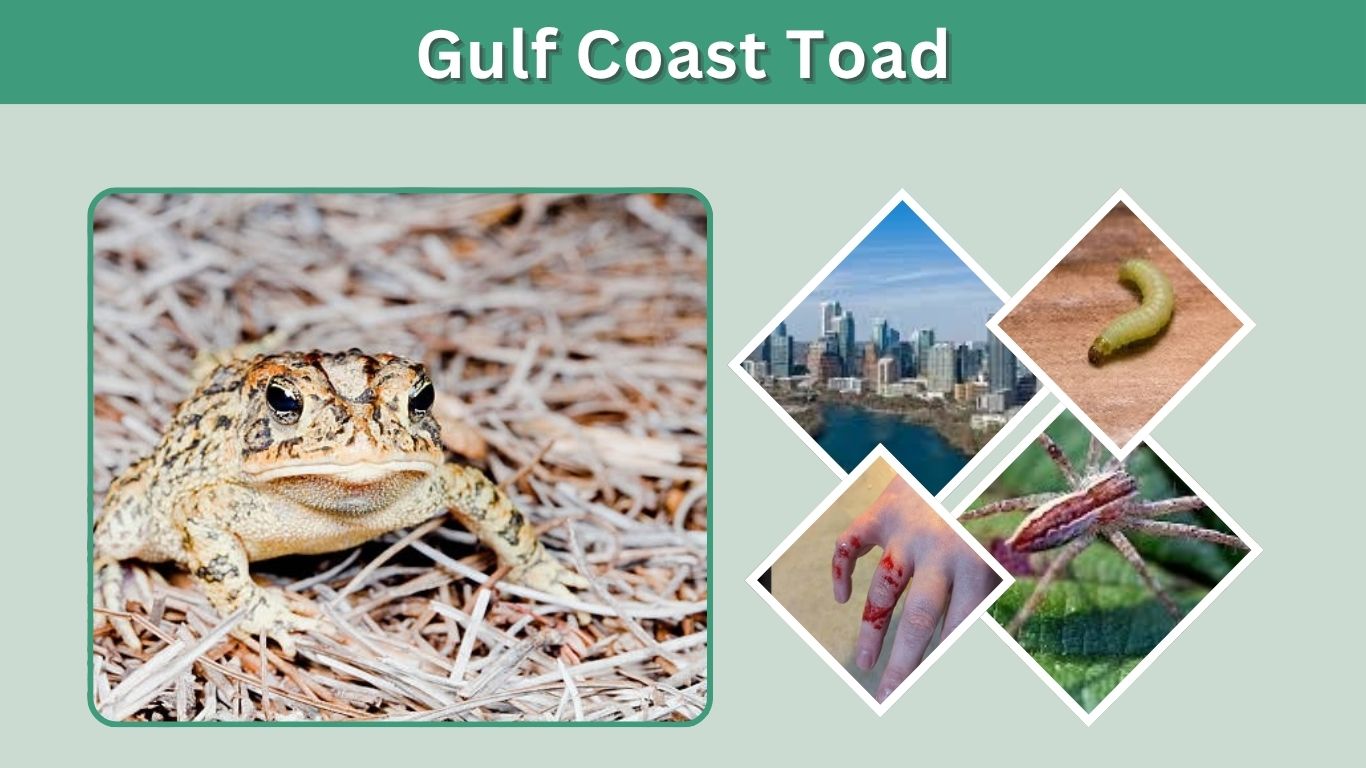
The Gulf Coast toad (Incilius nebulifer) is a common amphibian found throughout the southern United States and northeastern Mexico. Known for its adaptability and distinctive appearance, this species thrives in urban areas, grasslands, wetlands, and coastal regions. Many people encounter Gulf Coast toads in gardens, parks, and residential neighborhoods, particularly after rainfall. Whether you are interested in identifying one in the wild, understanding its ecological role, or keeping it as a pet, learning about its habitat, diet, behavior, and care requirements can provide valuable insight into this fascinating toad species.
What Is a Gulf Coast Toad?
The Gulf Coast toad is a medium-sized member of the true toad family, Bufonidae. It is one of the most common amphibians throughout Texas and the Gulf Coast region. Recognized for its rough skin and prominent cranial crests, this species adapts well to both natural and developed environments. Understanding its appearance and characteristics can help distinguish it from similar toad species found throughout North America.
Scientific Classification
The Gulf Coast toad belongs to the species Incilius nebulifer. It was previously classified within the Bufo genus but later reassigned based on updated taxonomic research. Today, it remains one of the most studied and recognizable toads in the southern United States.
Defining Characteristics
Several physical traits help identify Gulf Coast toads:
- Prominent cranial crests above the eyes
- Rough, warty skin
- Brown, gray, or olive coloration
- Large parotoid glands behind the eyes
- Light stripe along the back in many individuals
Gulf Coast Toad Size
Adult Gulf Coast toads generally reach between 2 and 5 inches in length. Females are typically larger than males, particularly during breeding season when they carry developing eggs.
Gulf Coast Toad Habitat and Range
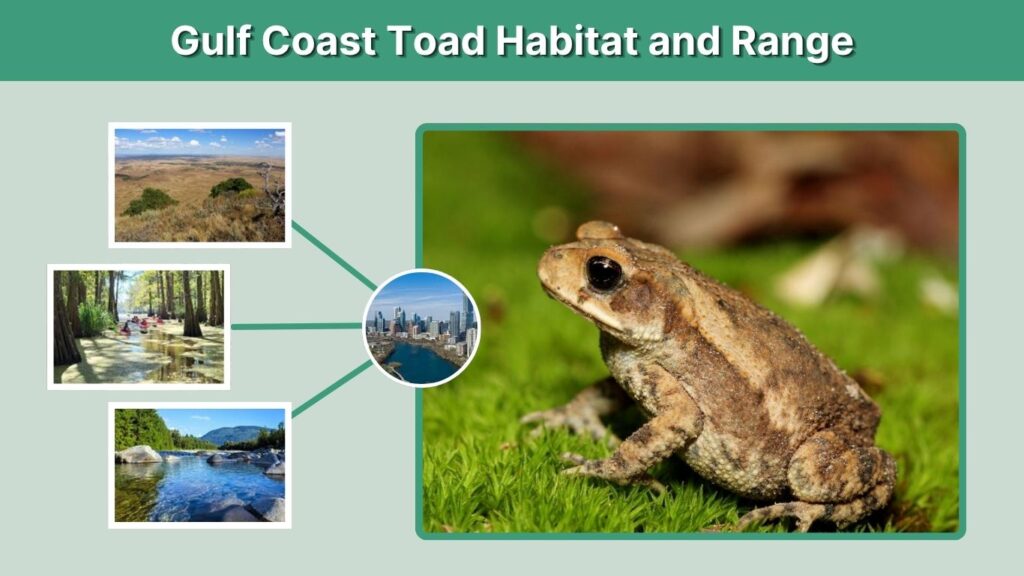
The Gulf Coast toad has a broad distribution and thrives in a variety of habitats. Its adaptability allows it to survive in both rural and urban environments where moisture, shelter, and food are readily available. Although breeding requires access to water, adults spend much of their lives on land. Their ability to tolerate changing environmental conditions contributes significantly to their success across much of the Gulf Coast region.
Where Do Gulf Coast Toads Live?
This species is commonly found in:
- Texas
- Louisiana
- Southern Oklahoma
- Northeastern Mexico
- Coastal regions along the Gulf of Mexico
Texas contains some of the largest and most visible populations of Gulf Coast toads.
Preferred Habitat
Gulf Coast toads occupy numerous environments, including suburban neighborhoods, grasslands, wetlands, floodplains, parks, and agricultural fields. During the day, they often hide beneath logs, rocks, vegetation, or other objects that provide protection from heat and predators. Their preference for moist environments helps reduce water loss through the skin.
What Do Gulf Coast Toads Eat?
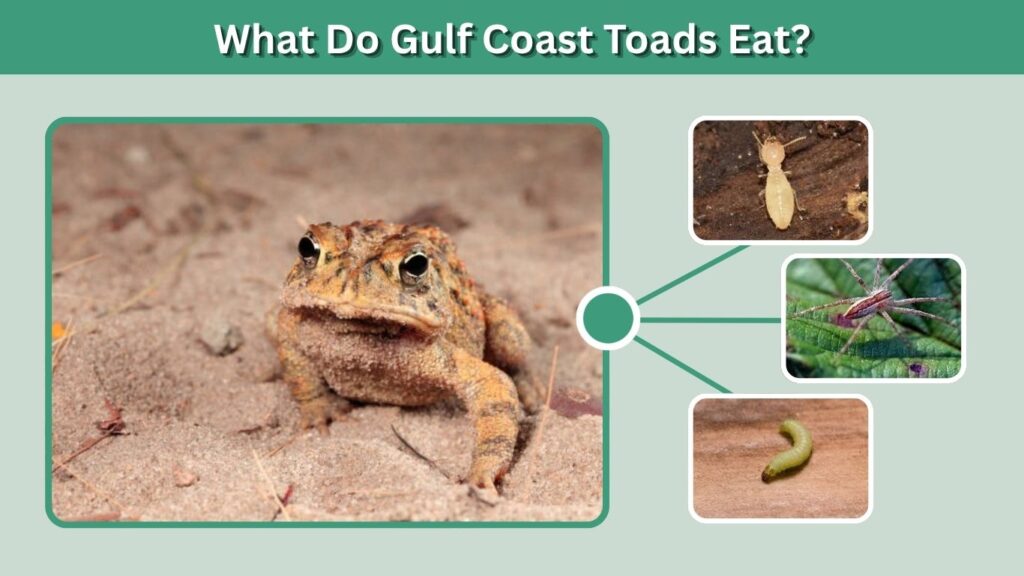
Gulf Coast toads are opportunistic insectivores that consume a wide variety of small invertebrates. They play an important ecological role by helping control insect populations in both natural and residential environments. Most feeding activity occurs during the evening and nighttime hours when temperatures are cooler and prey is more abundant.
Natural Diet
Their diet commonly includes:
- Crickets
- Beetles
- Ants
- Termites
- Spiders
- Worms
- Moths
- Small insects
Because they are opportunistic feeders, Gulf Coast toads generally eat whatever prey is available within their habitat.
Feeding Behavior
Using their sticky tongues and rapid strike response, Gulf Coast toads capture prey quickly and efficiently. They often remain motionless until an insect approaches, then lunge forward to seize it. This hunting strategy allows them to conserve energy while maximizing feeding success.
Gulf Coast Toad Lifespan and Growth
Like many amphibians, Gulf Coast toads experience several developmental stages before reaching adulthood. Their lifespan varies depending on habitat quality, predation pressure, disease exposure, and food availability. Individuals living in protected environments often survive longer than those facing natural threats in the wild.
How Long Do Gulf Coast Toads Live?
Wild Gulf Coast toads commonly live between 5 and 10 years, although many individuals die earlier due to predation or environmental challenges. Survival rates tend to improve significantly after reaching adulthood.
Growth and Development
The life cycle begins as eggs deposited in shallow water. After hatching, tadpoles feed on algae and organic material before undergoing metamorphosis. Juvenile toads continue growing for several years until they reach reproductive maturity and begin participating in breeding activities.
Gulf Coast Toad Care Guide
Gulf Coast toads are sometimes kept as pets because they are relatively hardy and easy to maintain. Although they require less specialized care than many exotic amphibians, providing proper housing and environmental conditions remains essential for their health. Understanding their basic care requirements helps create a suitable captive environment while promoting natural behaviors and long-term well-being.
Can Gulf Coast Toads Be Kept as Pets?
Many amphibian enthusiasts successfully keep Gulf Coast toads in captivity. However, prospective owners should verify local regulations before collecting or housing native wildlife. Ethical and legal considerations vary by region.
Basic Enclosure Requirements
A proper enclosure should provide:
- Moist substrate for burrowing
- Multiple hiding places
- Shallow water dish
- Adequate ventilation
- Secure enclosure lid
Temperature and Humidity Needs
Gulf Coast toads generally thrive at temperatures between 65°F and 80°F. Moderate humidity levels help prevent dehydration and support healthy skin function. Occasional misting and access to clean water contribute to maintaining suitable environmental conditions in captivity.
Are Gulf Coast Toads Poisonous?
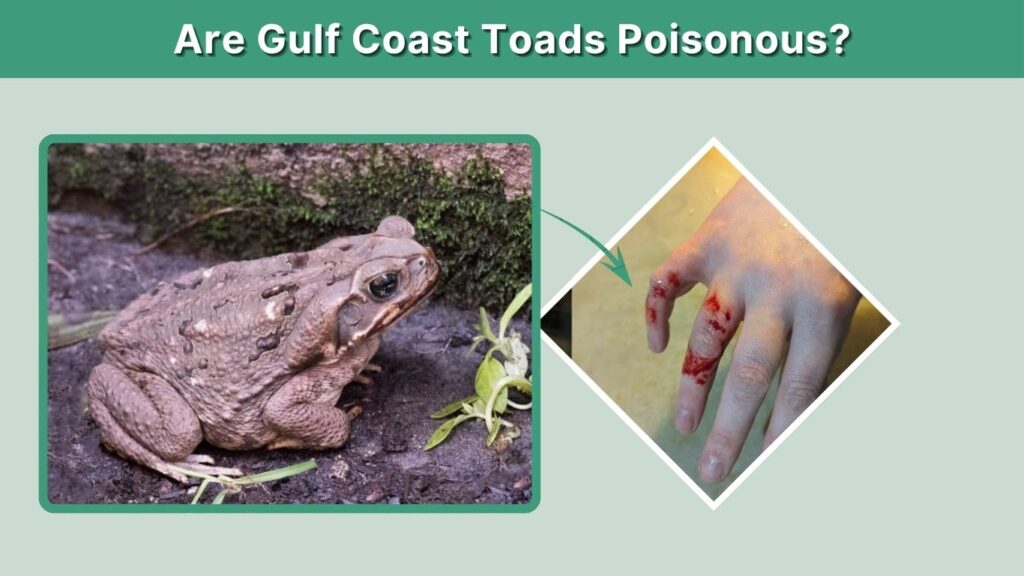
Gulf Coast toads possess natural defensive toxins that help protect them from predators. These secretions are produced by large glands located behind the eyes and can discourage animals from attempting to eat them. While these toxins are generally not life-threatening to humans, they can cause irritation and may present greater risks to pets that bite or lick the toad.
Are Gulf Coast Toads Poisonous to Humans?
Human contact with a Gulf Coast toad is rarely dangerous. However, the skin secretions may cause mild irritation if they come into contact with sensitive areas such as the eyes, nose, or mouth. Washing hands thoroughly after handling a toad is always recommended.
Are Gulf Coast Toads Poisonous to Dogs?
Dogs are more susceptible to toad toxins because they often investigate wildlife with their mouths. If a dog licks or bites a Gulf Coast toad, it may experience temporary symptoms that require attention.
Common signs include:
- Excessive drooling
- Pawing at the mouth
- Vomiting
- Foaming at the mouth
- Mild disorientation
Pet owners should rinse the dog’s mouth with clean water and contact a veterinarian if symptoms appear severe or persistent.
Male vs Female Gulf Coast Toad
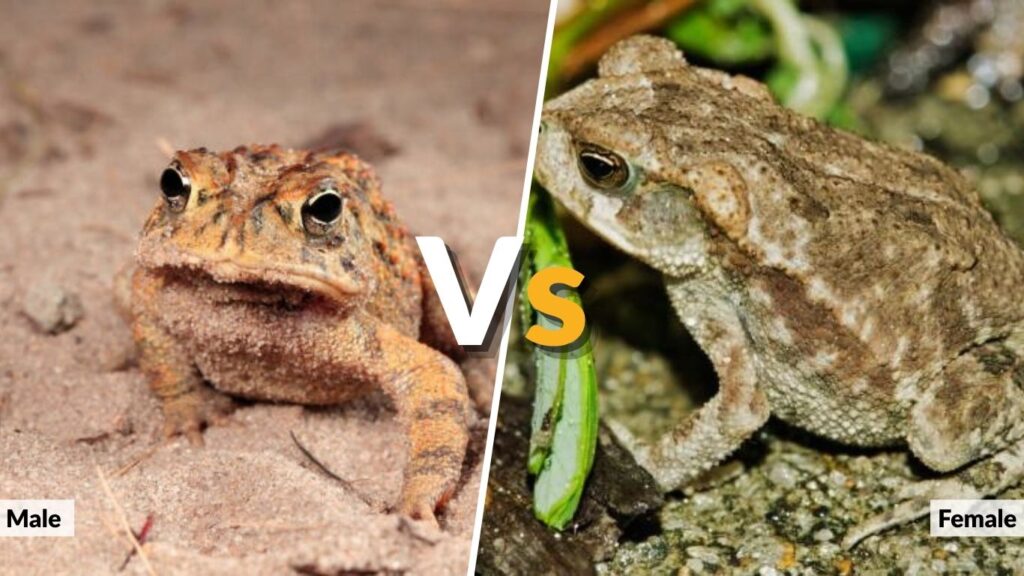
Identifying the sex of a Gulf Coast toad becomes easier during the breeding season. Physical differences and behavioral traits help distinguish males from females. While both sexes share similar coloration and body shape, several characteristics become more noticeable as adults mature and begin reproducing.
Male Gulf Coast Toad
Male Gulf Coast toads are usually smaller than females and are known for their vocal behavior during breeding season. They gather near water sources and produce calls to attract potential mates.
Female Gulf Coast Toad
Females tend to have larger, broader bodies due to egg production. They generally remain silent and are often encountered near breeding areas after responding to male calls.
Key Differences Between Males and Females
Several traits can help identify each sex:
- Females are typically larger.
- Males produce mating calls.
- Males often have darker throats.
- Females appear wider-bodied.
- Males develop breeding pads during reproduction.
Gulf Coast Toad Call and Sounds
The Gulf Coast toad is well known for its distinctive breeding call. During warm and rainy periods, males gather around ponds, ditches, and temporary pools to vocalize. Their calls play a crucial role in attracting females and establishing breeding territories. These sounds are among the most recognizable amphibian calls throughout much of Texas and the Gulf Coast region.
What Does a Gulf Coast Toad Sound Like?
The call is often described as a long, high-pitched trill that can last several seconds. During peak breeding activity, large groups of males may call simultaneously, creating a loud chorus that can be heard from considerable distances.
Why Do Gulf Coast Toads Call?
Calling serves multiple purposes during reproduction. Males use vocalizations to attract females, compete with other males, and communicate their presence within breeding habitats. Calling activity is most common during the evening and nighttime hours.
Gulf Coast Toad Reproduction
Breeding typically begins after seasonal rains create suitable aquatic habitats. Temporary pools, roadside ditches, ponds, and wetlands become important breeding locations. Successful reproduction depends on water availability and favorable environmental conditions.
Breeding Season
In much of their range, breeding occurs during spring and summer. Rainfall often triggers large numbers of adults to migrate toward breeding sites where courtship and mating take place.
Gulf Coast Toad Eggs
Females lay long strings of eggs in shallow water. A single female may produce thousands of eggs during one breeding event. These eggs hatch within a few days under favorable conditions.
Tadpole Development
After hatching, tadpoles feed on algae and organic material found in the water. As they grow, they gradually develop legs, absorb their tails, and transform into small terrestrial toadlets.
Gulf Coast Toad Life Cycle
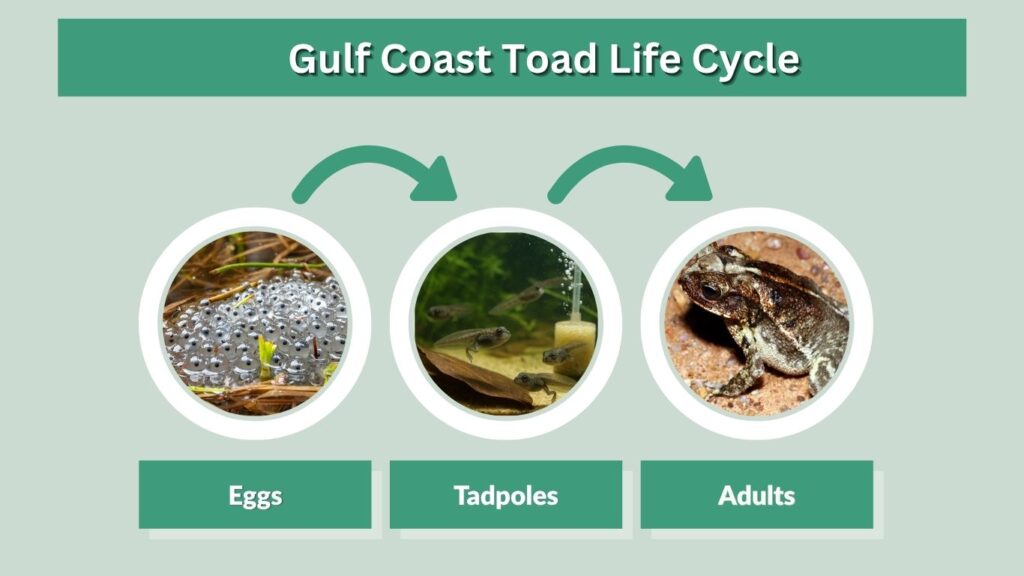
Like other amphibians, Gulf Coast toads undergo complete metamorphosis. Each stage of development presents unique challenges and survival requirements. Environmental conditions, food availability, and predation all influence the success of young toads as they mature.
Stages of Development
The life cycle includes:
- Egg
- Tadpole
- Developing Tadpole
- Toadlet
- Juvenile Toad
- Adult Toad
The entire transformation from egg to toadlet may occur within several weeks depending on temperature and water conditions.
Juvenile Gulf Coast Toads
Young toadlets leave breeding ponds in large numbers after metamorphosis. At this stage they are highly vulnerable to predators and environmental stress. Many do not survive to adulthood, making reproduction an important component of population stability.
Gulf Coast Toad vs Other Toad Species
Several toad species share overlapping ranges with the Gulf Coast toad, leading to frequent misidentification. Understanding key differences helps wildlife enthusiasts and pet owners correctly identify the species they encounter.
Gulf Coast Toad vs Houston Toad
Houston toads are generally rarer and possess more limited distributions. Gulf Coast toads are usually larger and far more common throughout Texas.
Gulf Coast Toad vs American Toad
American toads typically occur farther east and north. Gulf Coast toads often display more pronounced cranial crests and different call characteristics.
Gulf Coast Toad vs Woodhouse’s Toad
Woodhouse’s toads commonly exhibit a distinct light stripe along the back and occupy broader western ranges. Gulf Coast toads have different head structures and habitat preferences.
FAQs
How Big Do Gulf Coast Toads Get?
Most adults reach between 2 and 5 inches in length, with females generally larger than males.
What Do Gulf Coast Toads Eat?
They primarily consume insects, spiders, worms, beetles, crickets, ants, and other small invertebrates.
Are Gulf Coast Toads Good Pets?
They can make suitable pets for experienced amphibian keepers who provide proper housing, moisture, and nutrition.
Do Gulf Coast Toads Hibernate?
In cooler regions, they may enter periods of dormancy during winter months to conserve energy and survive unfavorable conditions.
