
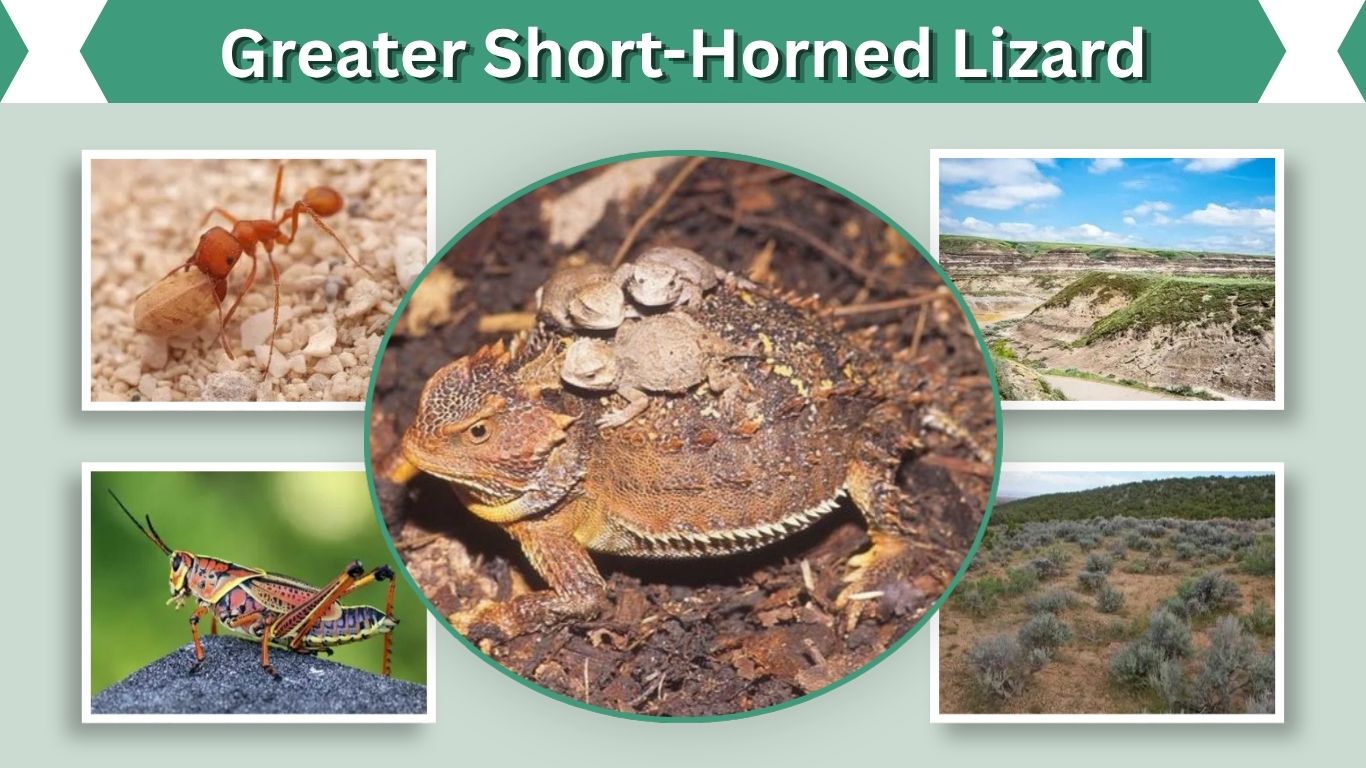
Greater Short-Horned Lizard: Habitat, Diet, Facts, and Care
The greater short-horned lizard is a small, spiky reptile known for its flat body, short head horns, and strong camouflage. Also called Phrynosoma hernandesi, this … Read More
The greater short-horned lizard is a small, spiky reptile known for its flat body, short head horns, and strong camouflage. Also called Phrynosoma hernandesi, this … Read More
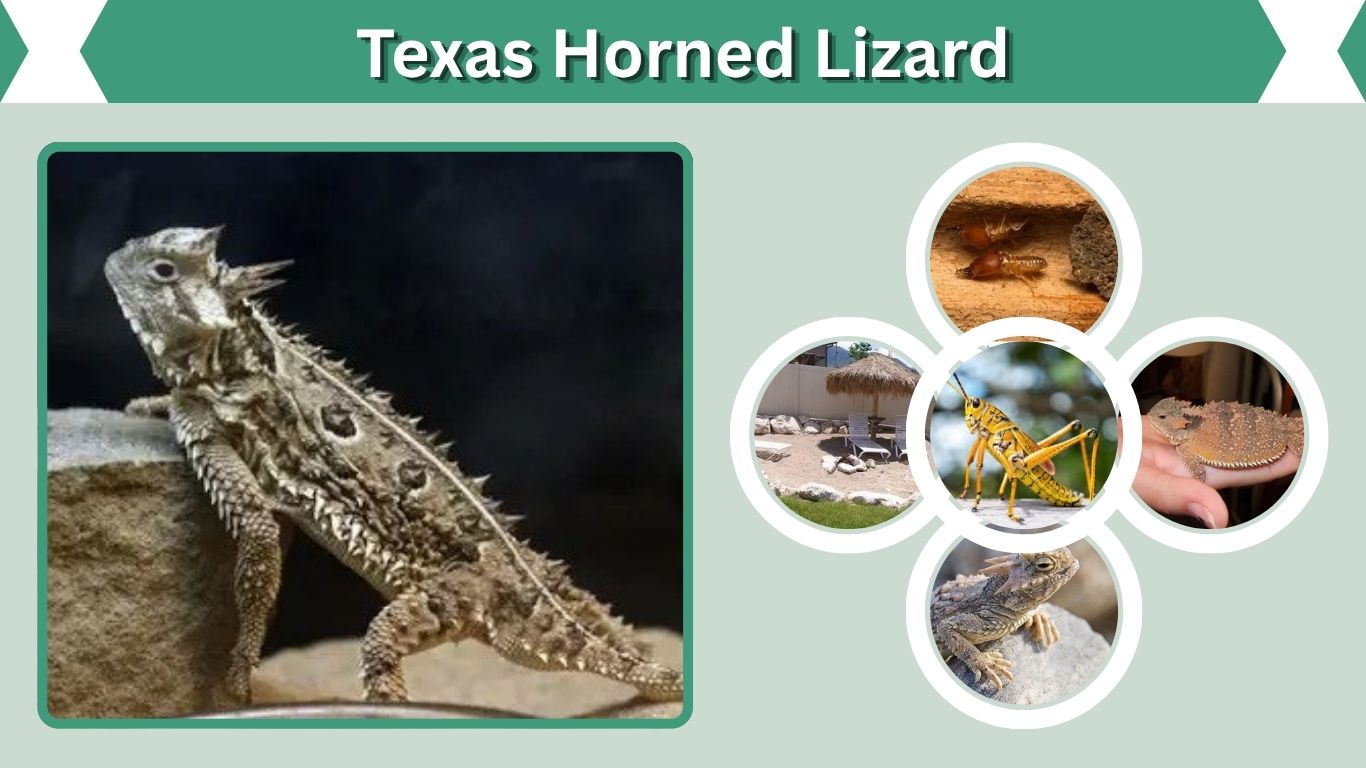
The Texas horned lizard is a small, spiny reptile known for its flat body, crown-like horns, and famous blood-shooting defense. Many people call it a … Read More
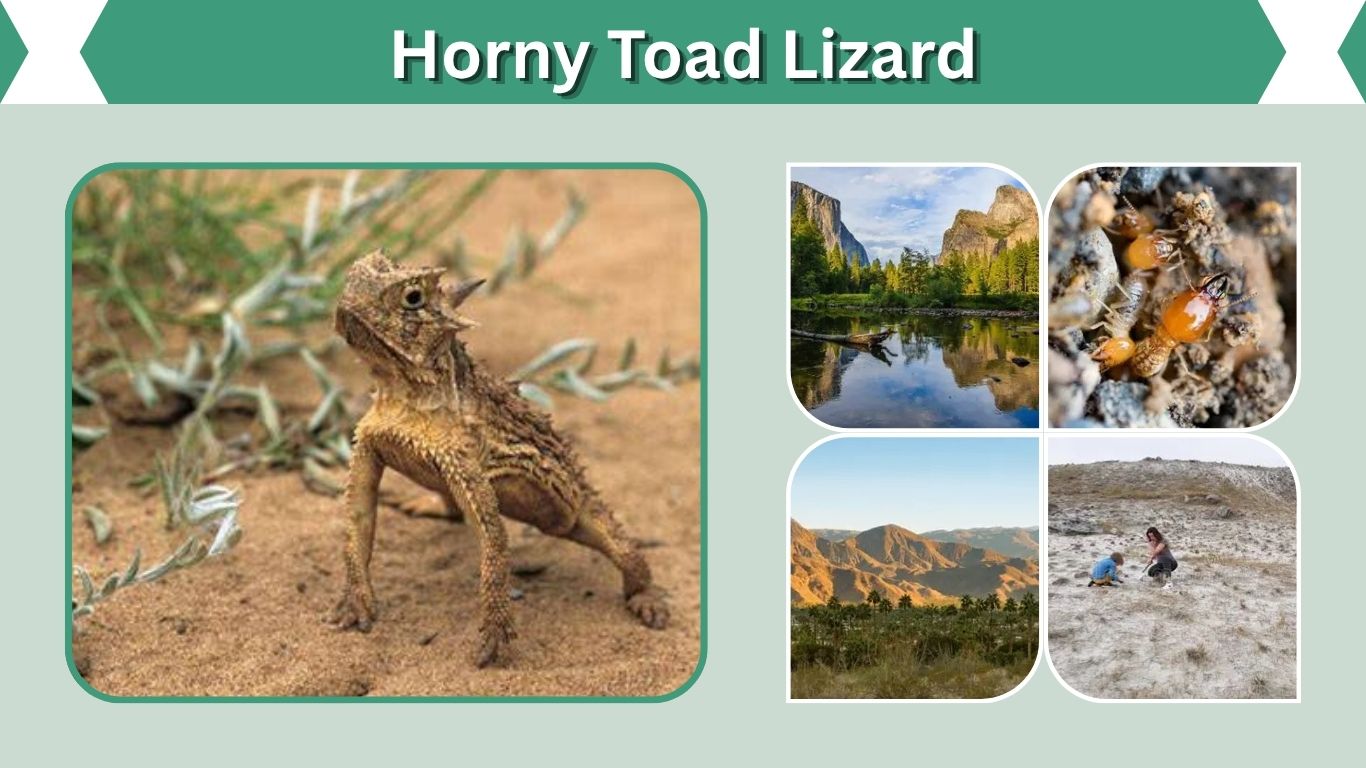
The horny toad lizard is one of the most unusual reptiles in North America. Despite its common name, it is not a toad at all. … Read More
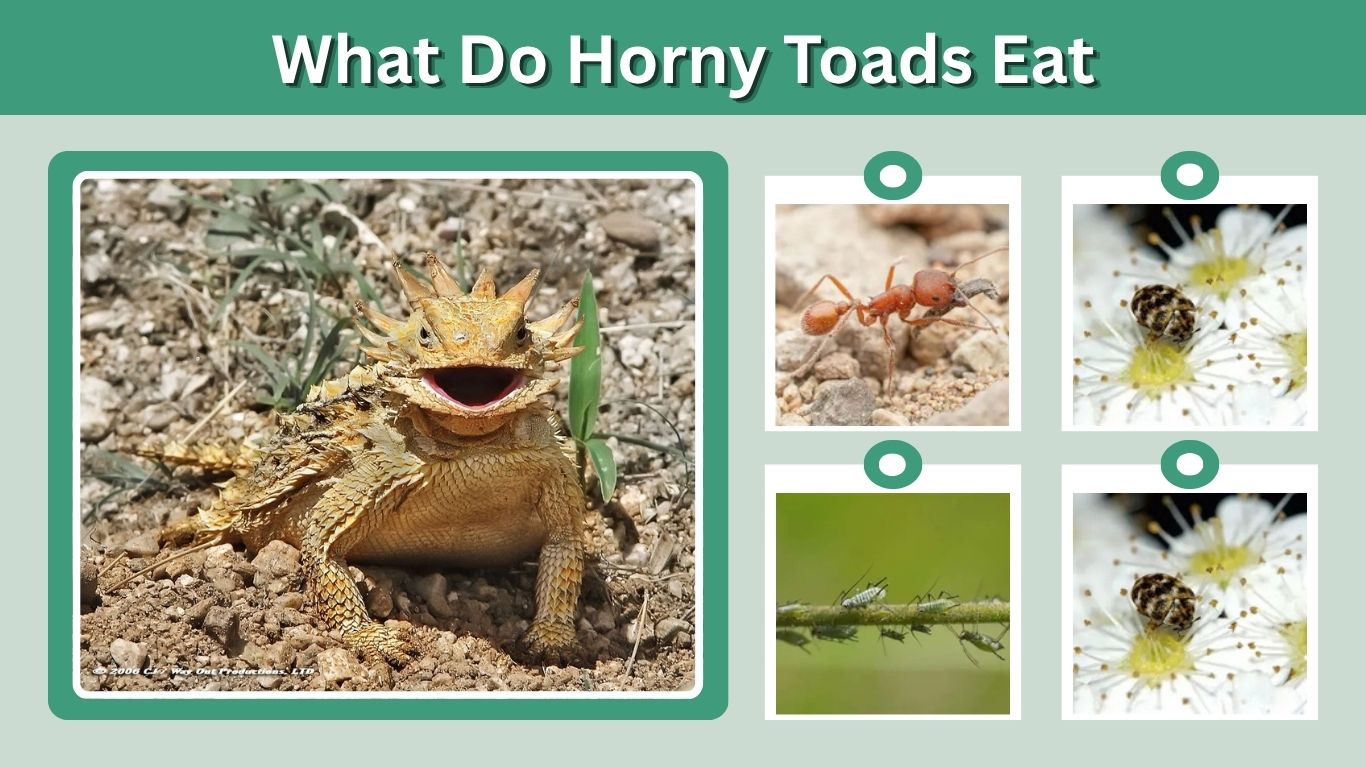
Horny toads mainly eat ants, especially native harvester ants, but they may also eat small beetles, termites, grasshoppers, spiders, and other tiny insects. Despite the … Read More
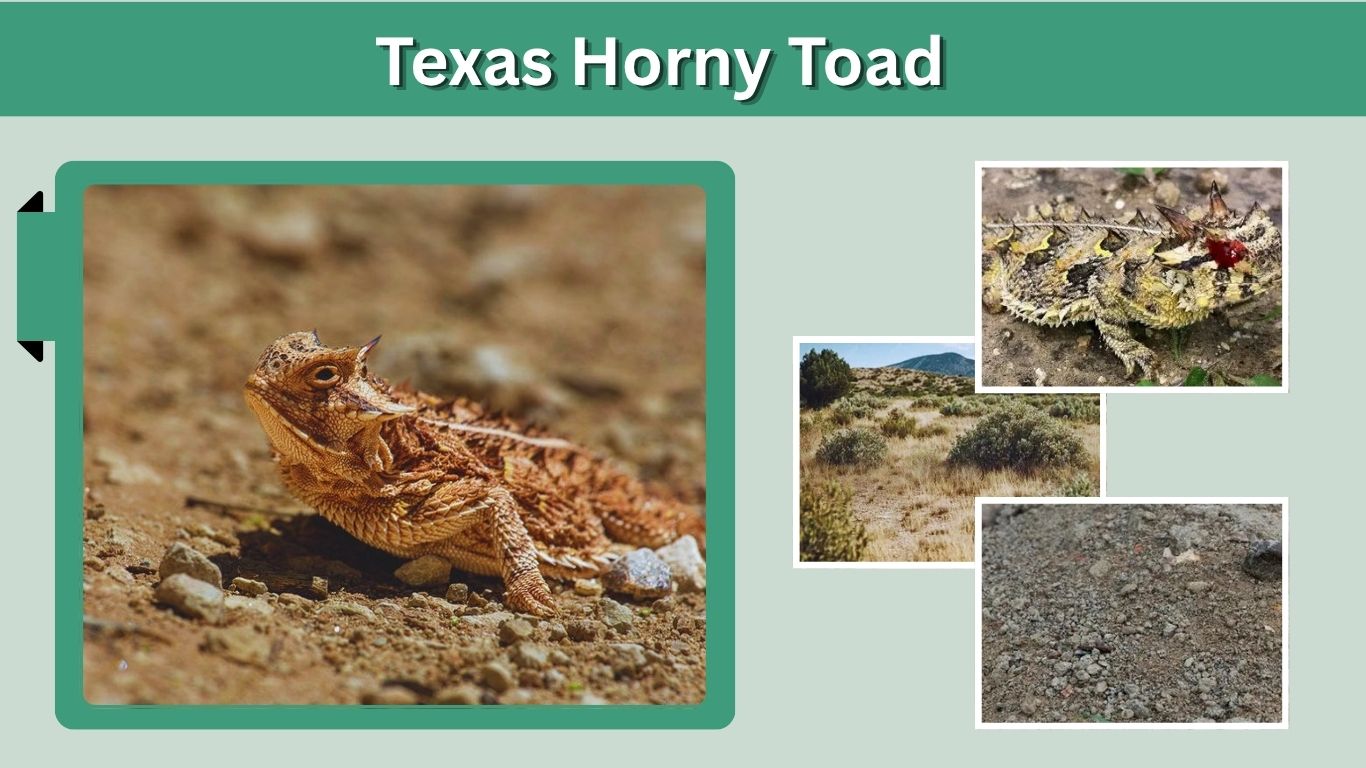
The Texas horny toad is one of the most iconic reptiles in the American Southwest. Despite its nickname, it is not a toad at all. … Read More
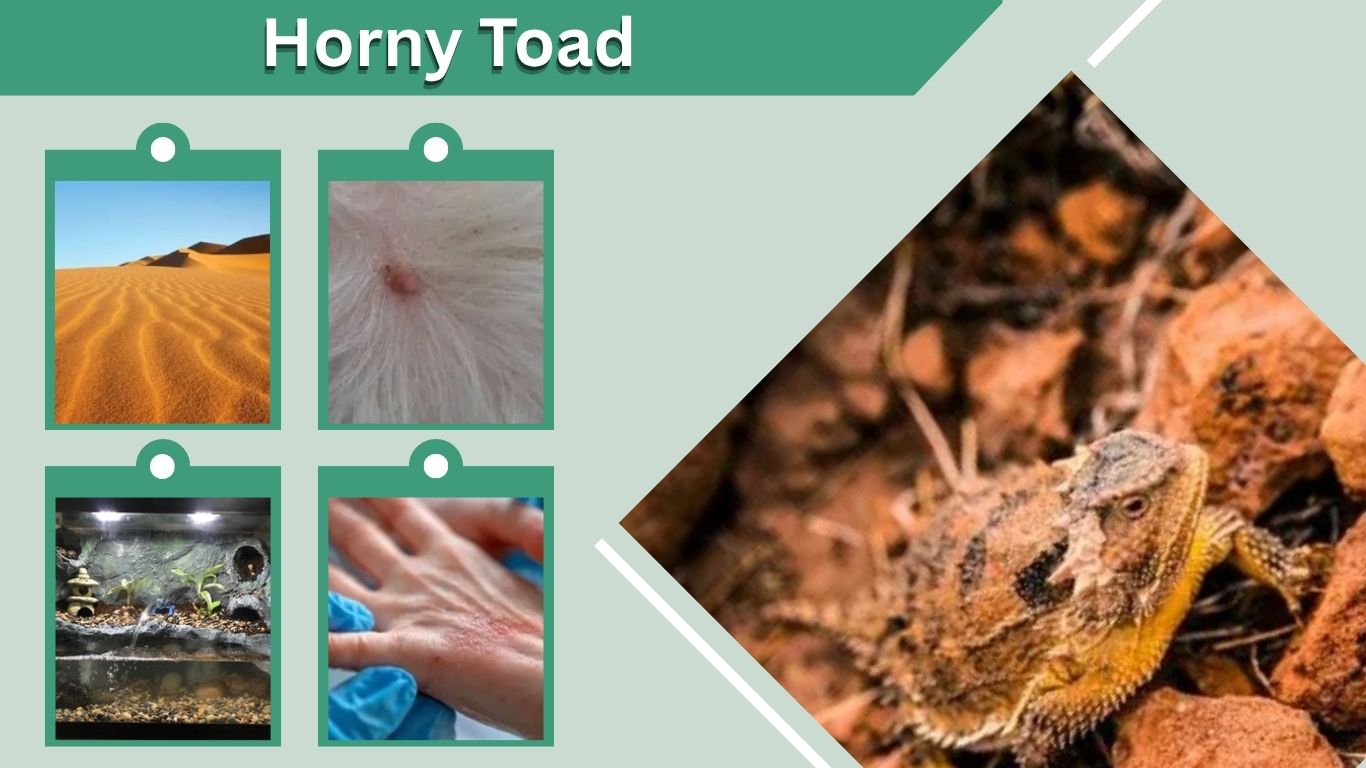
The horny toad is not actually a toad. It is a horned lizard, a flat-bodied reptile known for its spiky head, desert camouflage, ant-based diet, … Read More
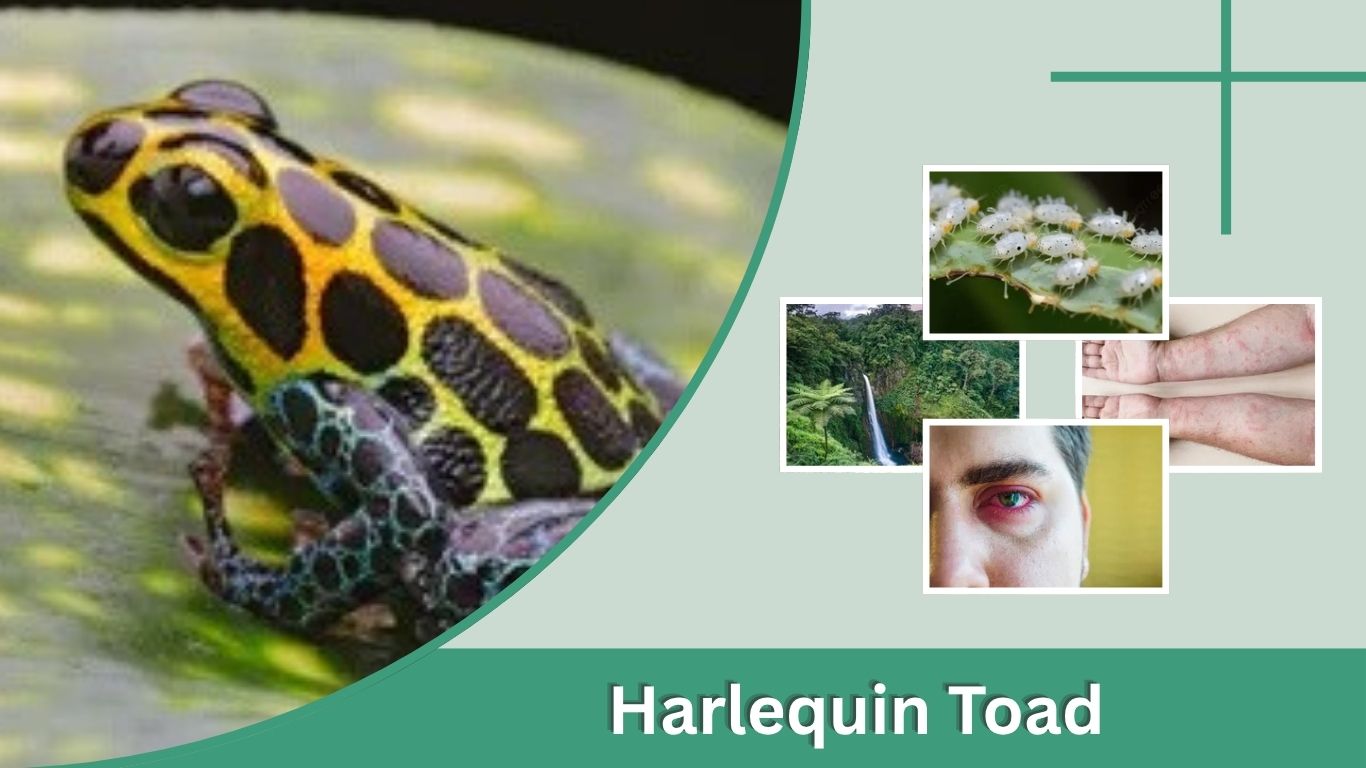
Harlequin toads are colorful amphibians best known for their bright warning colors, streamside lifestyle, and serious conservation status. Most belong to the genus Atelopus, a … Read More
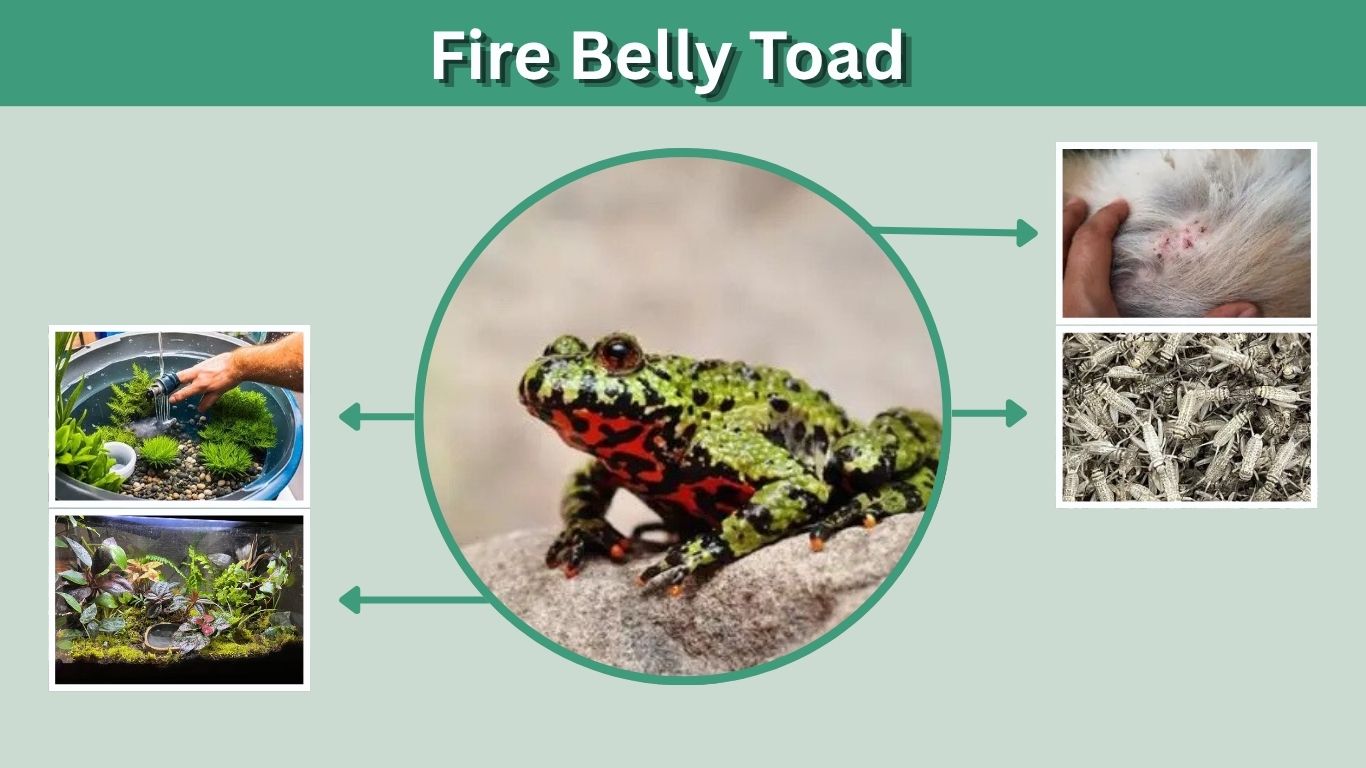
Fire belly toads are small, colorful amphibians known for their bright red, orange, or yellow underside. They are popular among pet keepers because they are … Read More
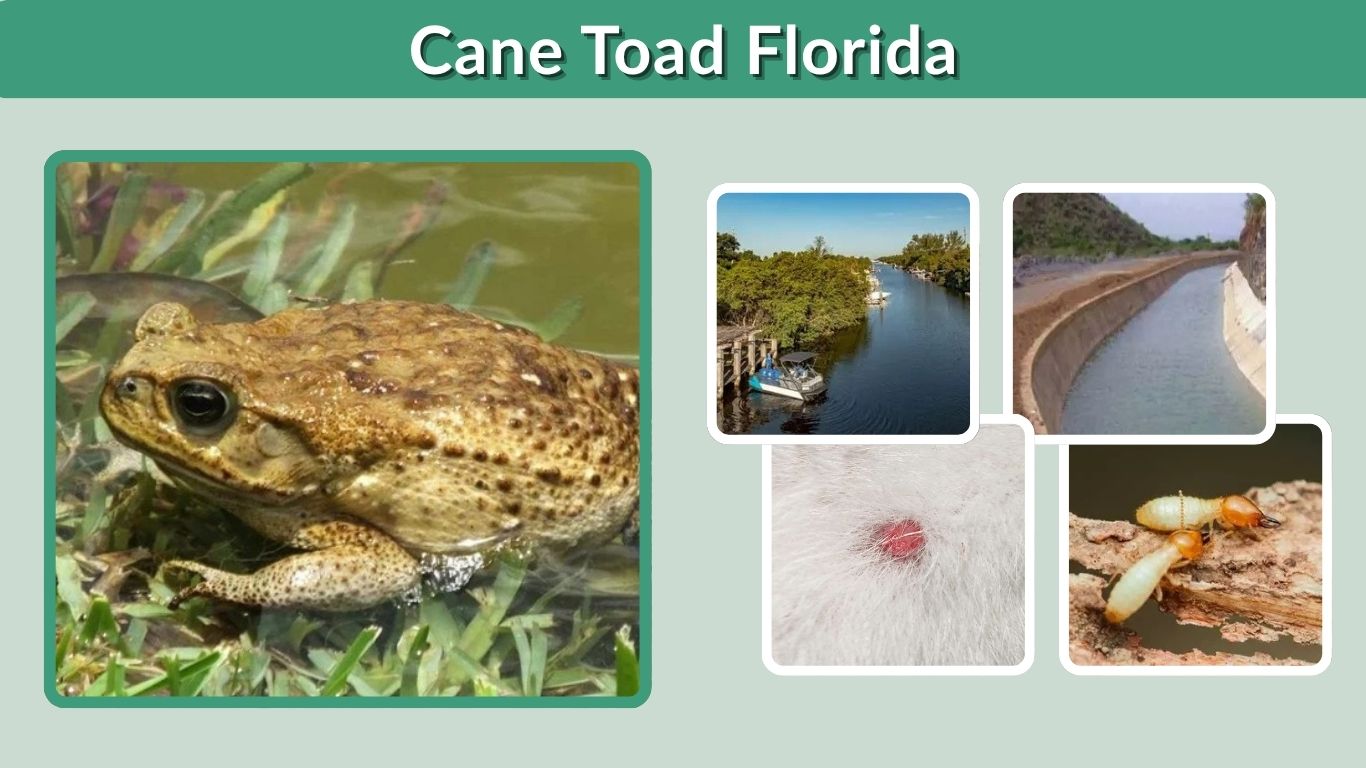
Cane toads in Florida are large, toxic, nonnative amphibians that can be dangerous to pets and harmful to native wildlife. They are also called bufo … Read More
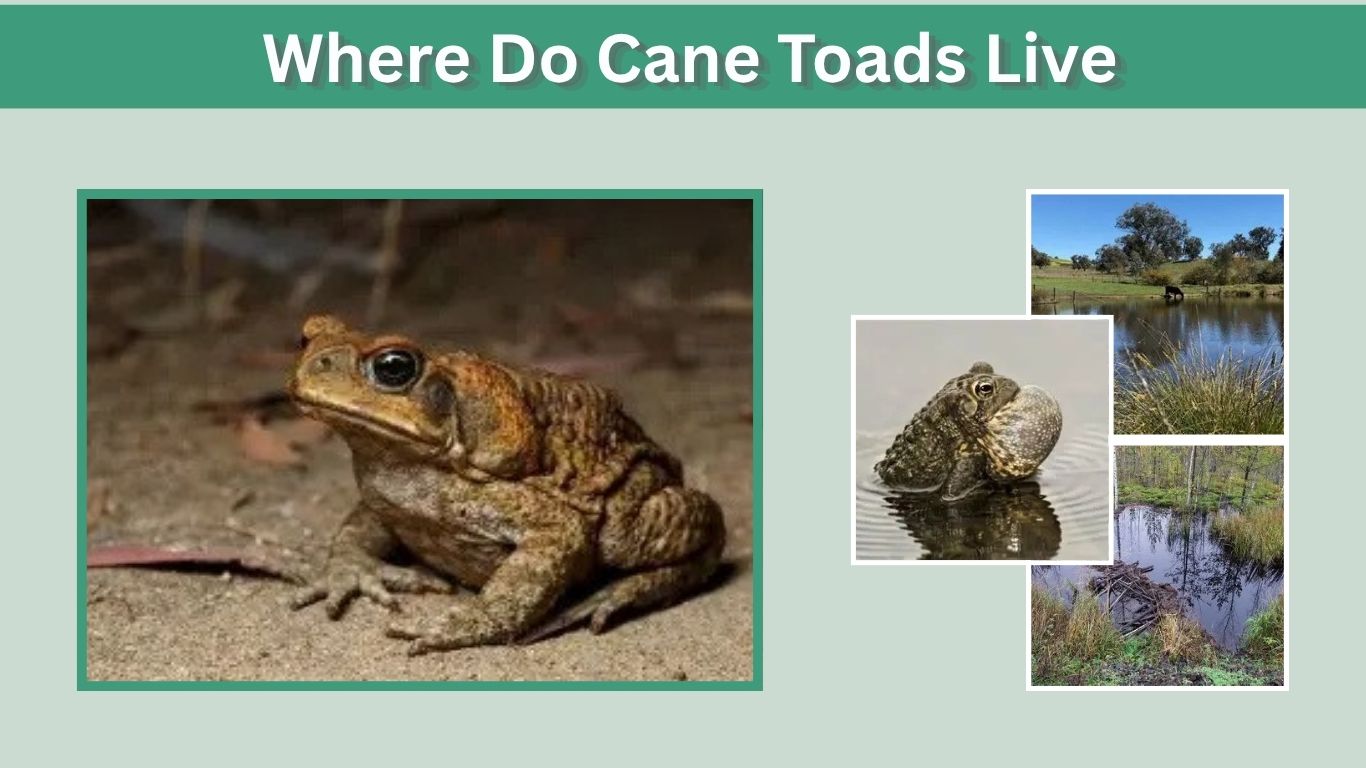
Cane toads live in warm regions with access to moisture, food, and breeding water. They are native to parts of the Americas but have been … Read More