American Toad Pet: Care, Food, Tank and Handling Guide
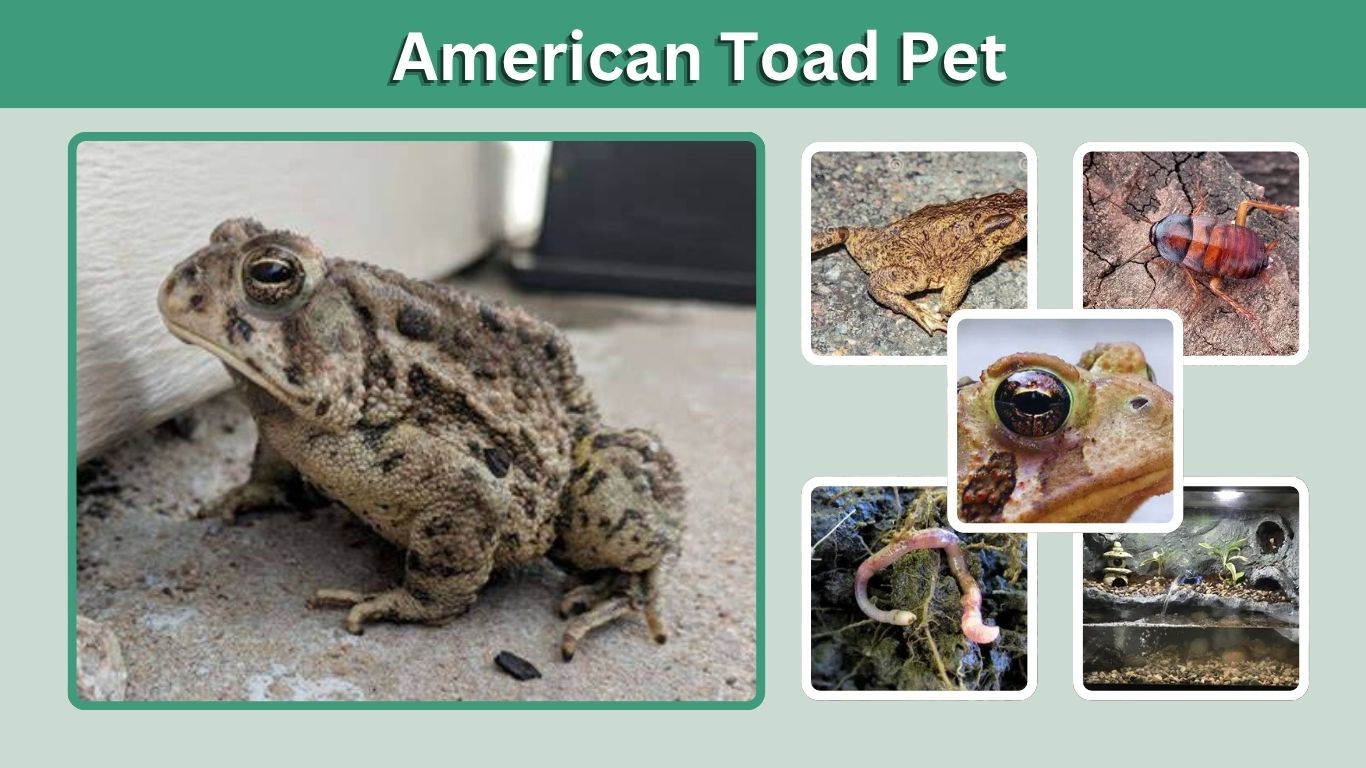
An American toad can be an interesting pet for amphibian keepers who prefer a quiet, low-handling animal. It is hardy, calm, and fun to watch … Read More
An American toad can be an interesting pet for amphibian keepers who prefer a quiet, low-handling animal. It is hardy, calm, and fun to watch … Read More
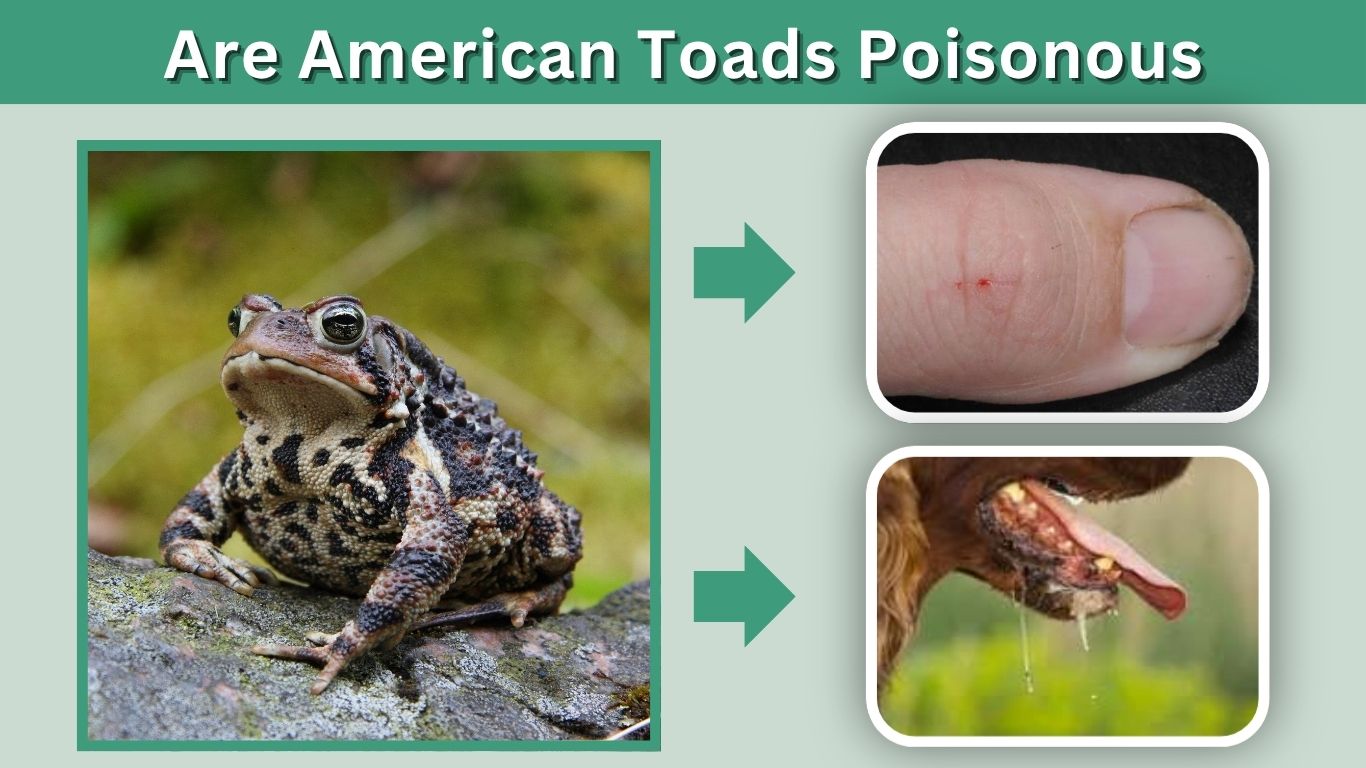
American toads are poisonous, but they are not aggressive or venomous. They protect themselves with a milky toxin from glands behind their eyes and across … Read More
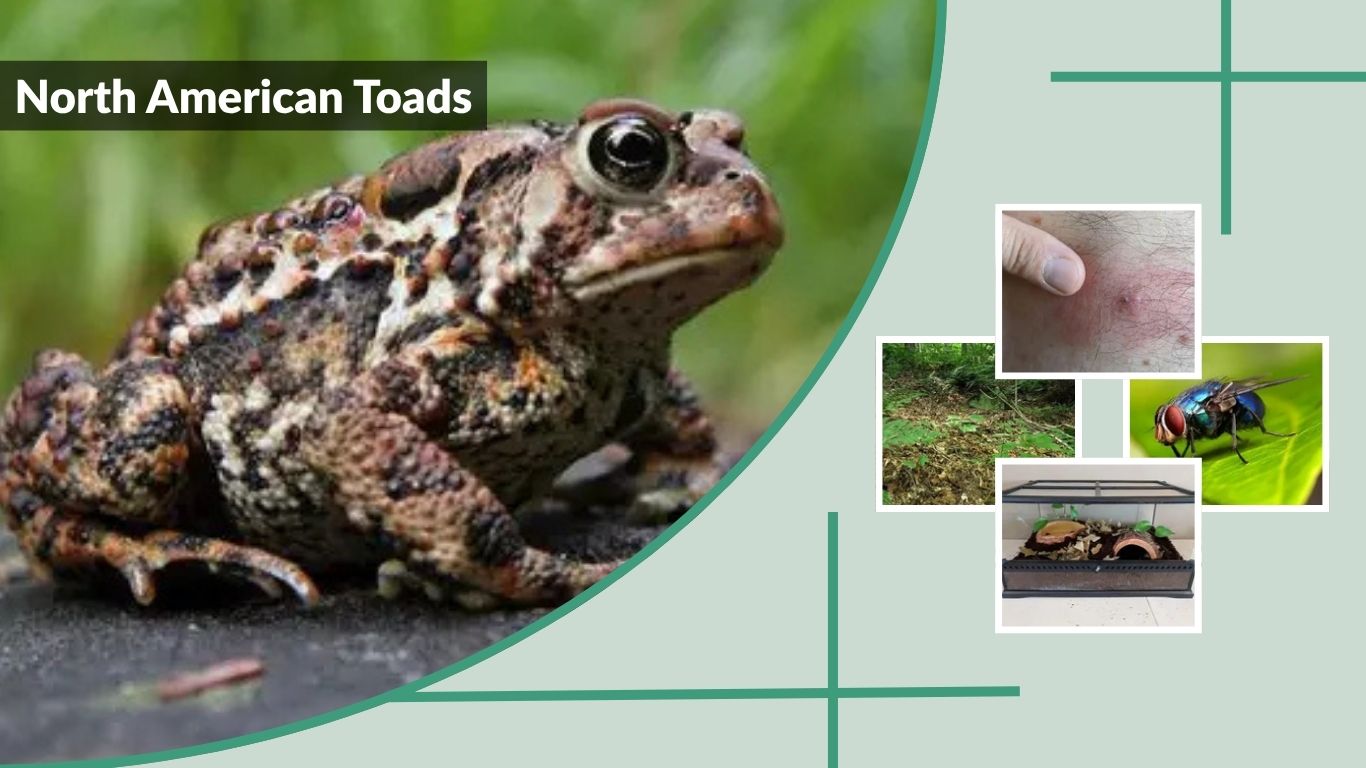
North American toads are familiar amphibians found in gardens, forests, wetlands, deserts, and grasslands across the continent. They are often confused with frogs, but toads … Read More
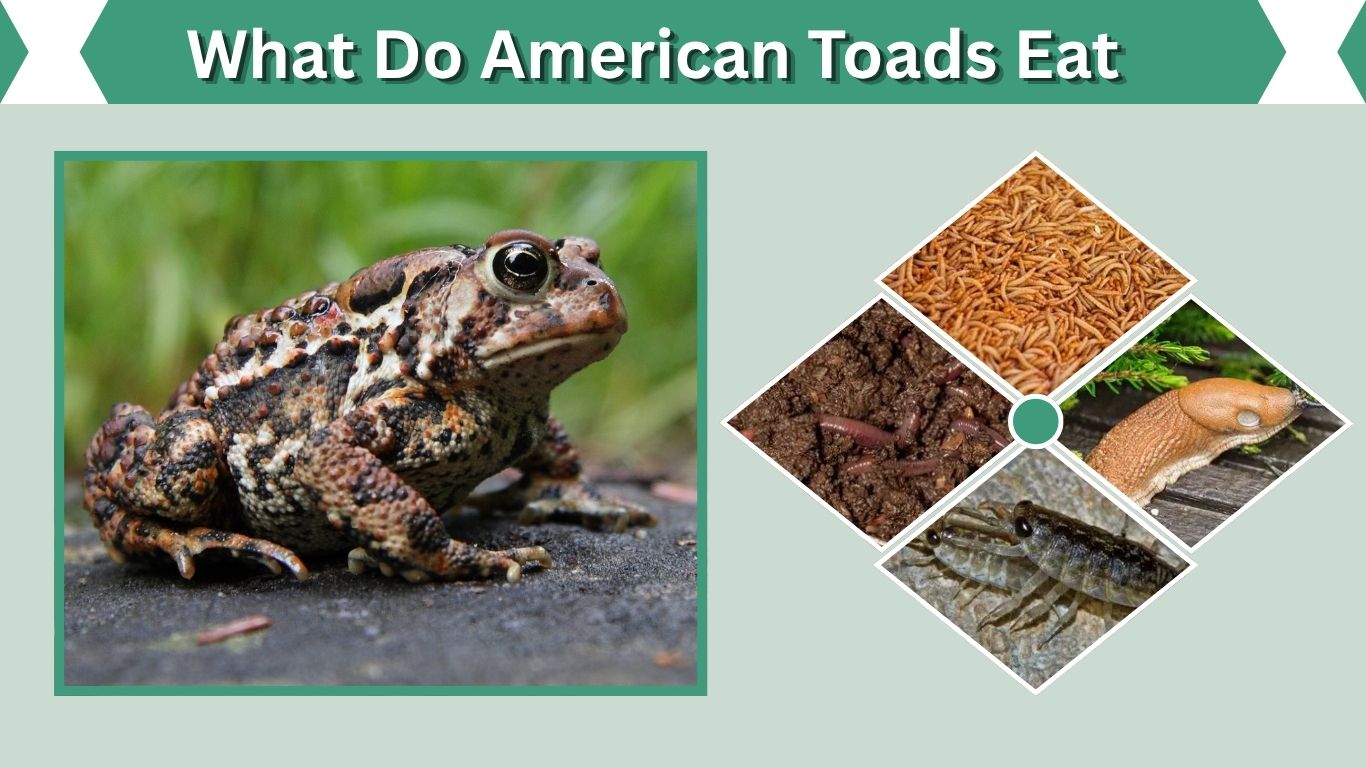
American toads are insect-eating amphibians that feed on many small moving animals. In the wild, they help control garden pests by eating beetles, ants, worms, … Read More
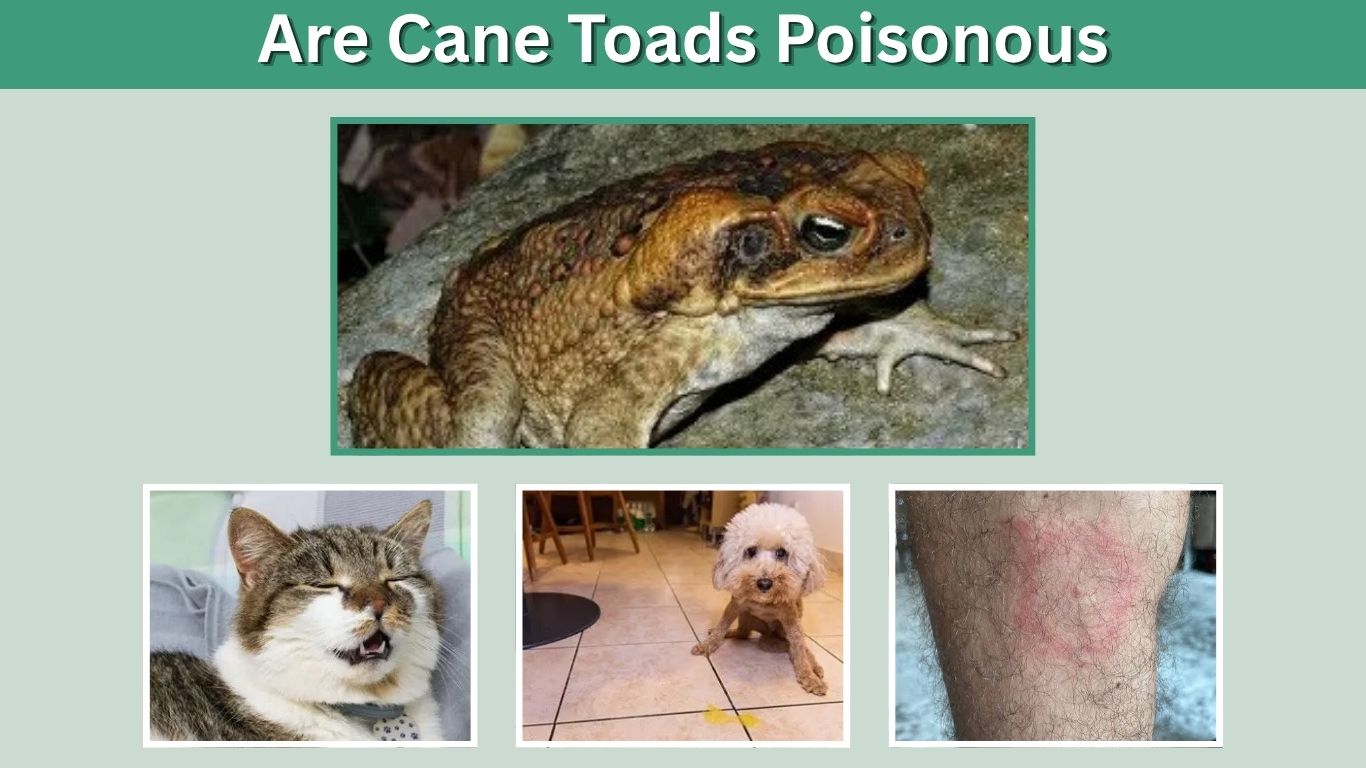
Yes, cane toads are poisonous. They release a powerful toxin from large glands behind their eyes and from their skin. This poison can harm dogs, … Read More
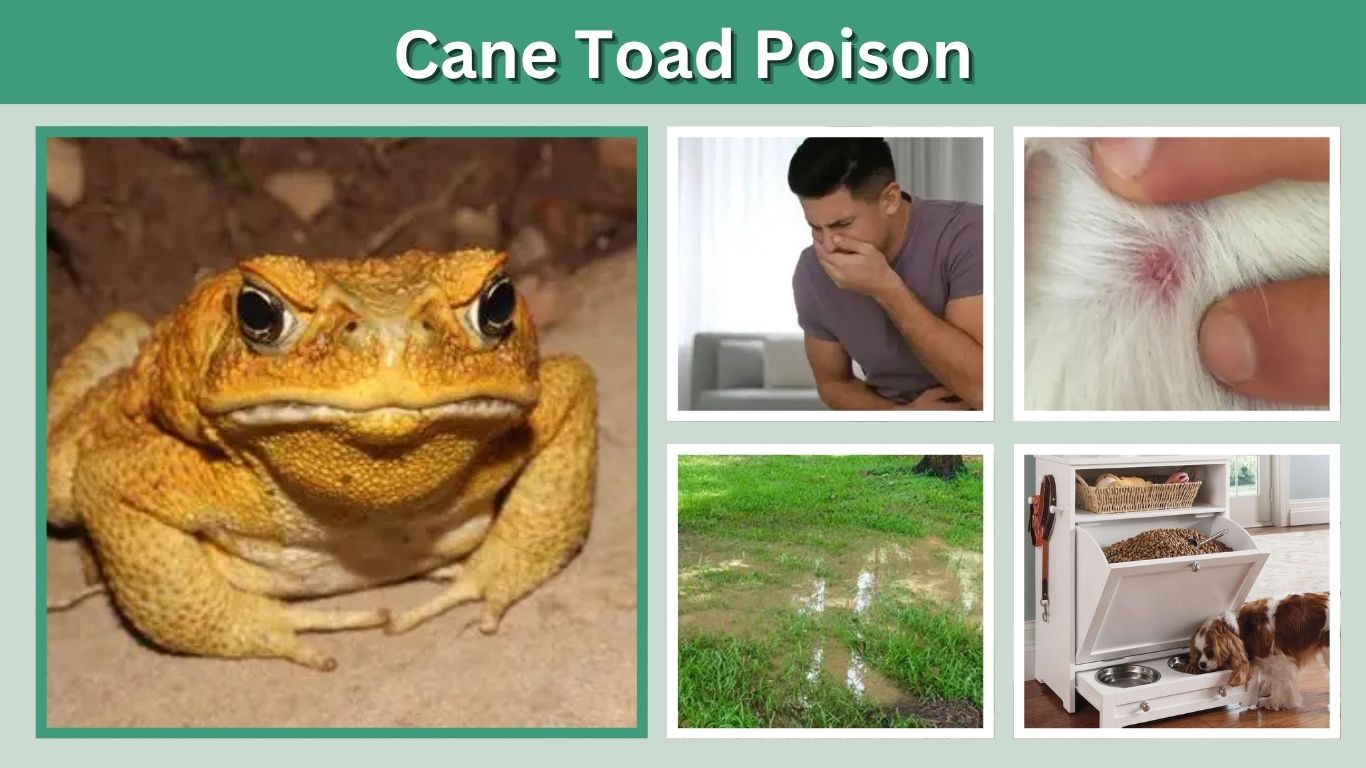
Cane toad poison is a toxic secretion released from glands behind the toad’s eyes and across its skin. It can harm dogs, cats, wildlife, and … Read More
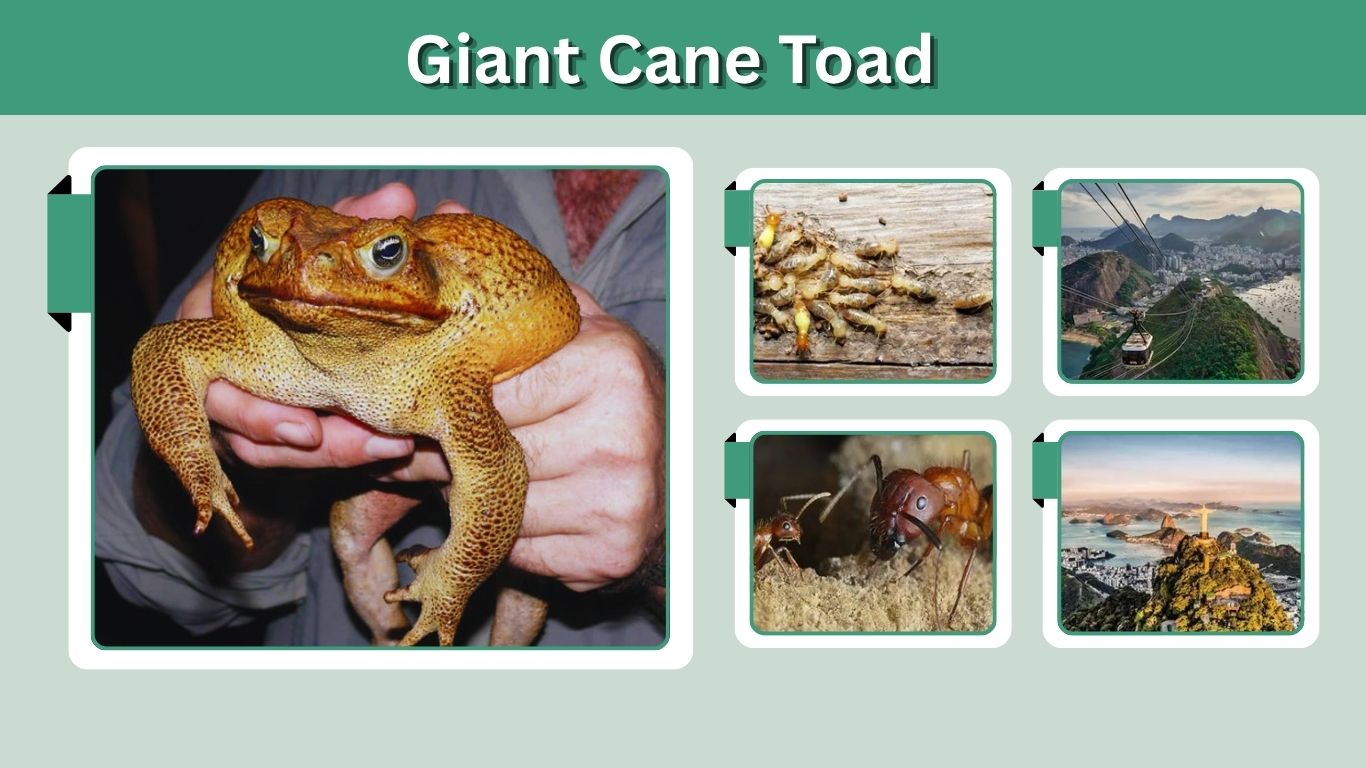
The giant cane toad is a large, poisonous amphibian also known as the cane toad, marine toad, or giant bufo. Its scientific name is Rhinella … Read More
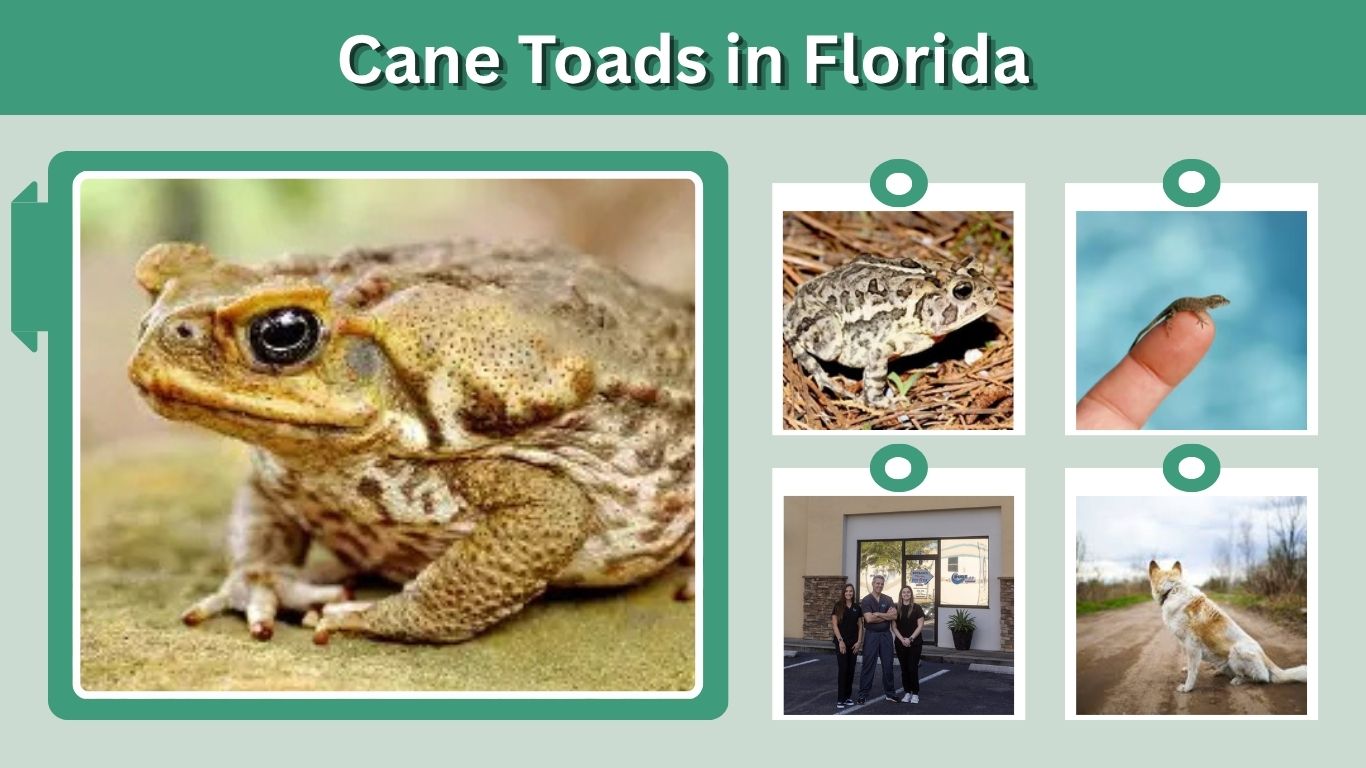
Cane toads in Florida are a serious concern for homeowners, pet owners, and anyone living near warm, wet landscapes. These large, invasive toads are poisonous … Read More
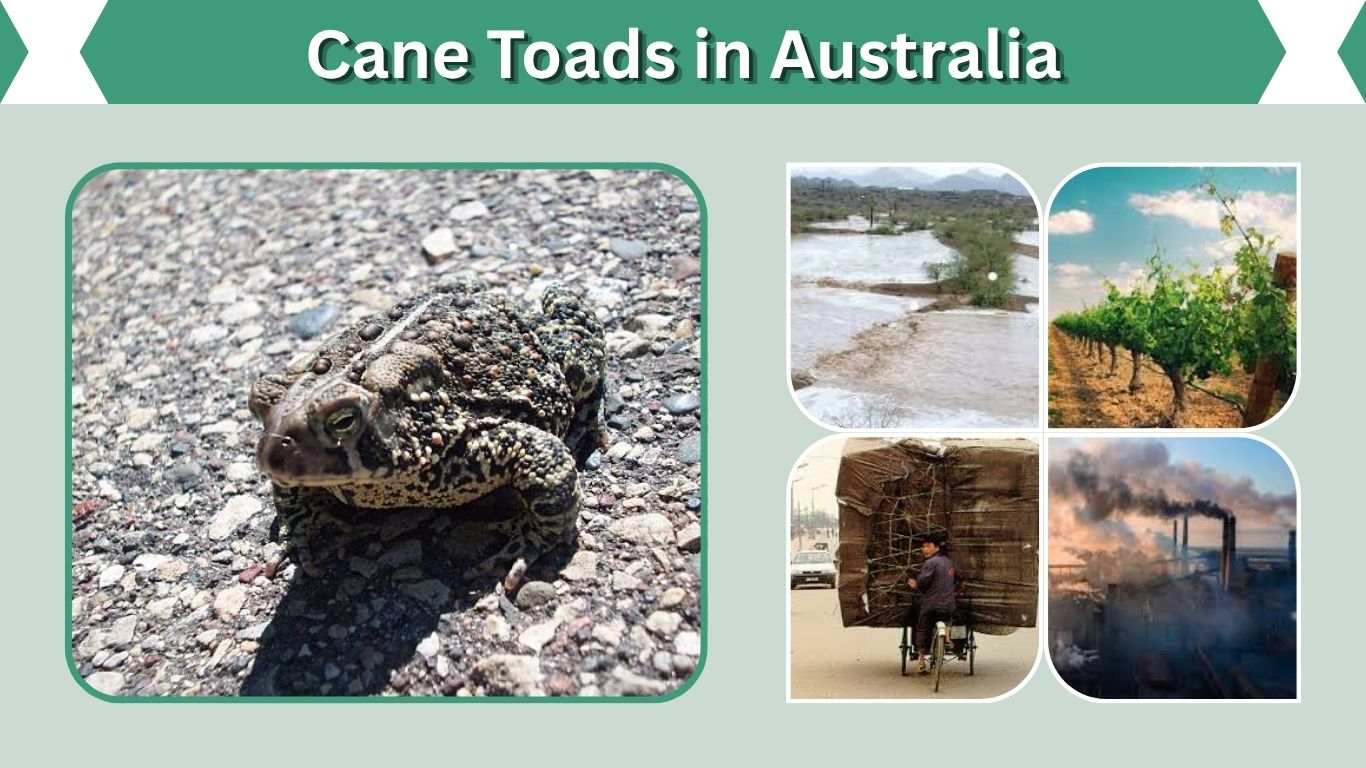
Cane toads in Australia are one of the country’s most famous examples of an introduced species gone wrong. Brought in with the hope of protecting … Read More
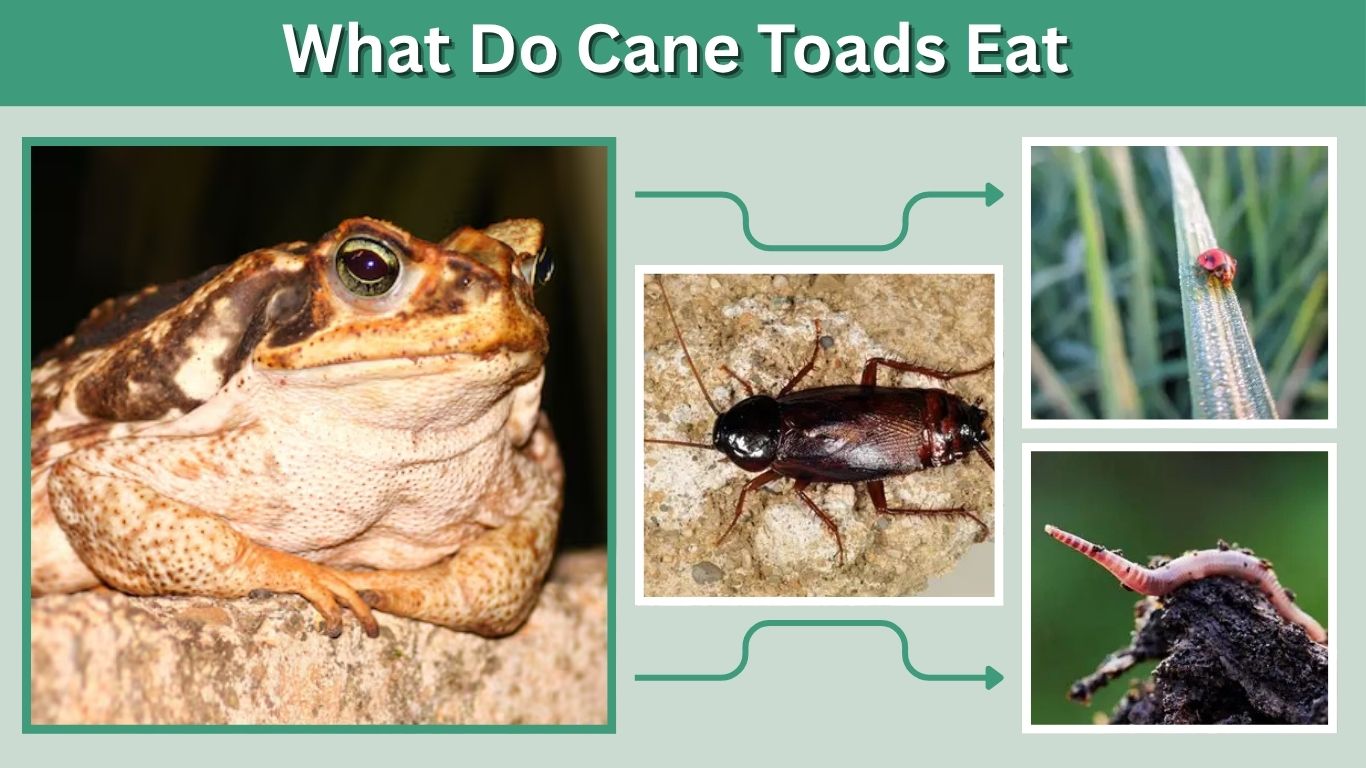
Cane toads are opportunistic feeders, which means they eat many different foods depending on what is available. In the wild, they mostly hunt insects and … Read More