
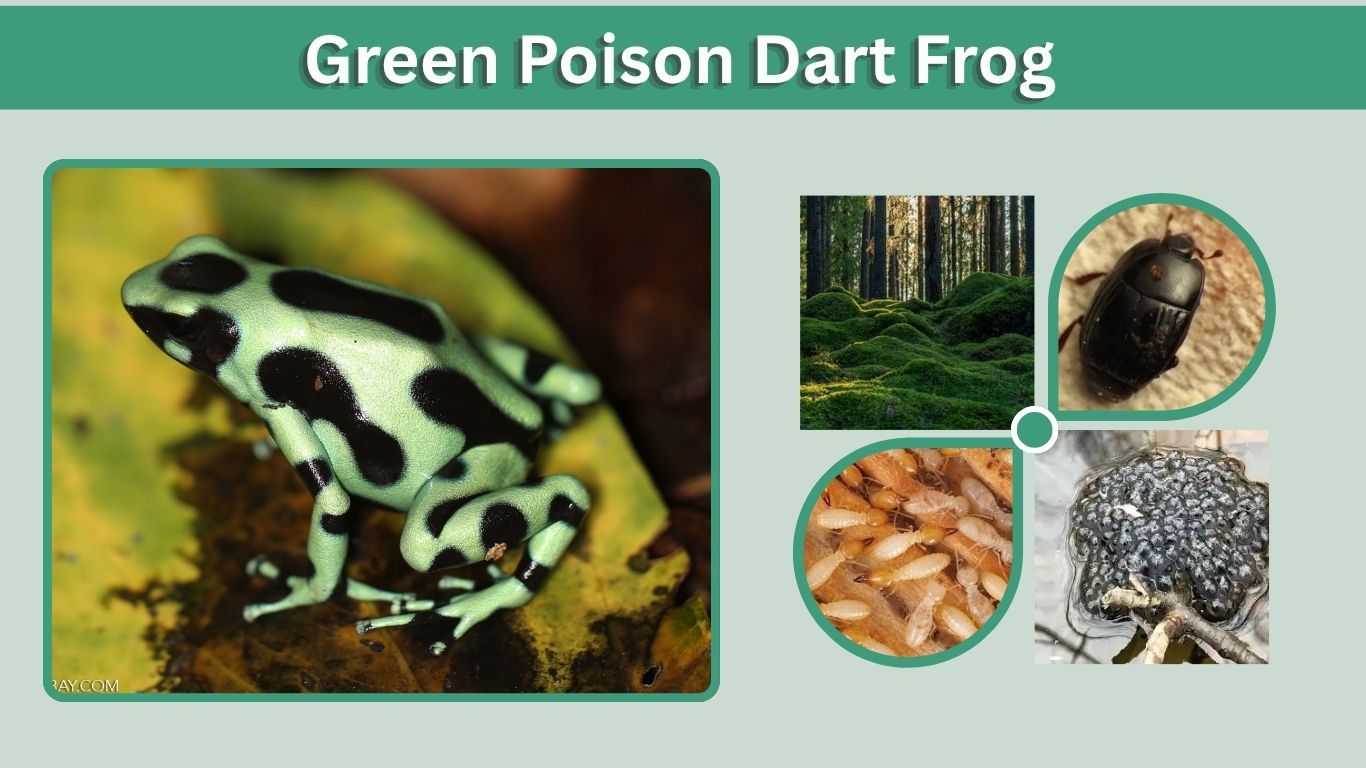
Green Poison Dart Frog: Facts, Habitat, Diet & Care
The green poison dart frog is a fascinating tropical amphibian known for its brilliant green coloring, striking black patterns, and poisonous skin. Scientifically called Dendrobates … Read More
The green poison dart frog is a fascinating tropical amphibian known for its brilliant green coloring, striking black patterns, and poisonous skin. Scientifically called Dendrobates … Read More
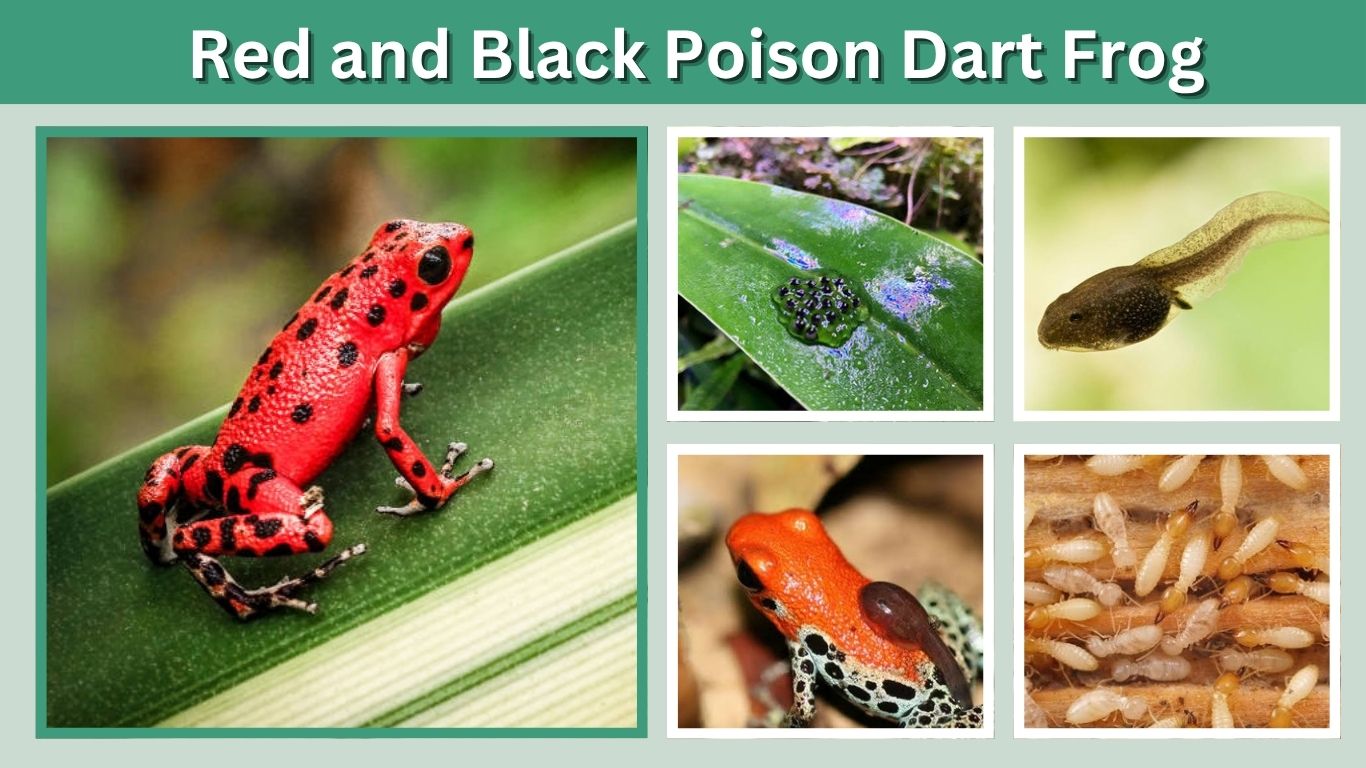
The red and black poison dart frog is a remarkable rainforest amphibian known for its striking colors, toxic skin, and fascinating behavior. Its vivid red … Read More
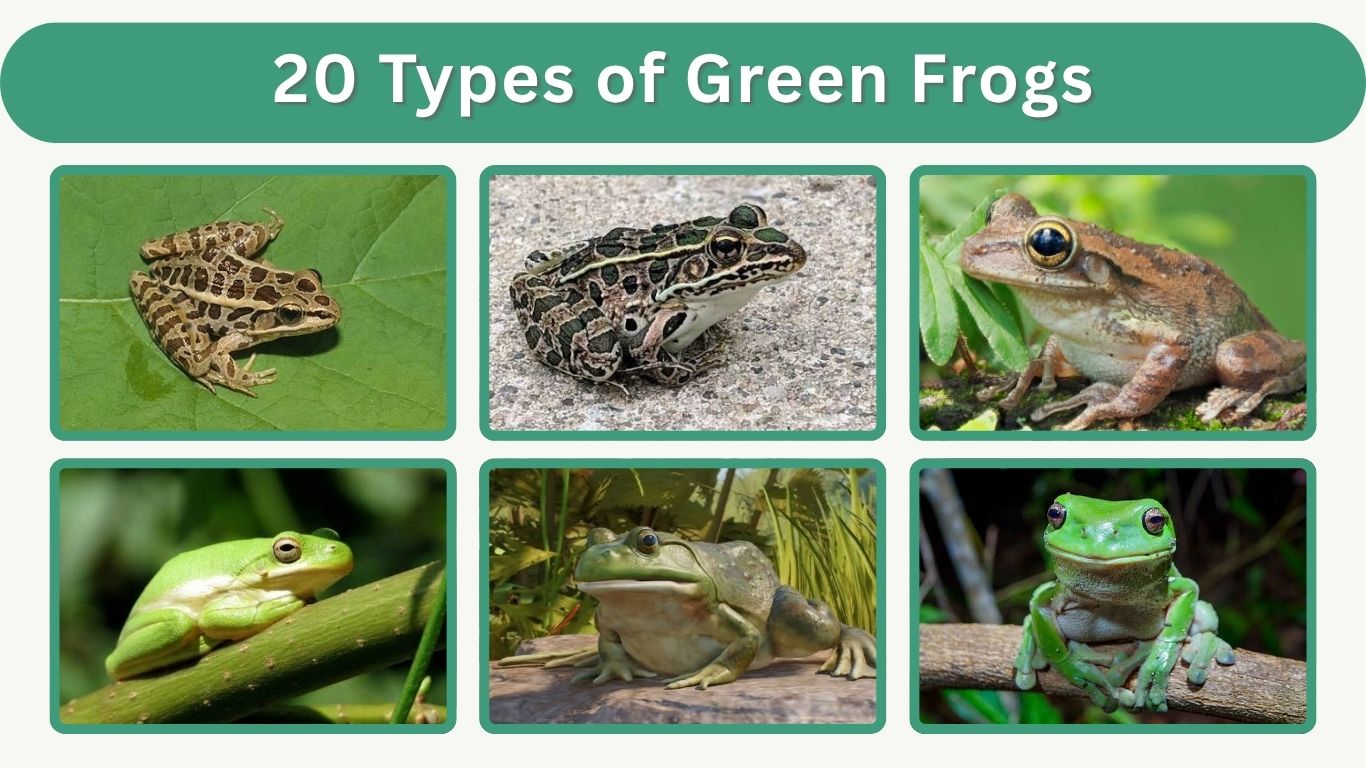
Green frogs are among the most fascinating amphibians, known for their vibrant colors, unique patterns, and remarkable adaptations. From tiny tree frogs to large aquatic … Read More
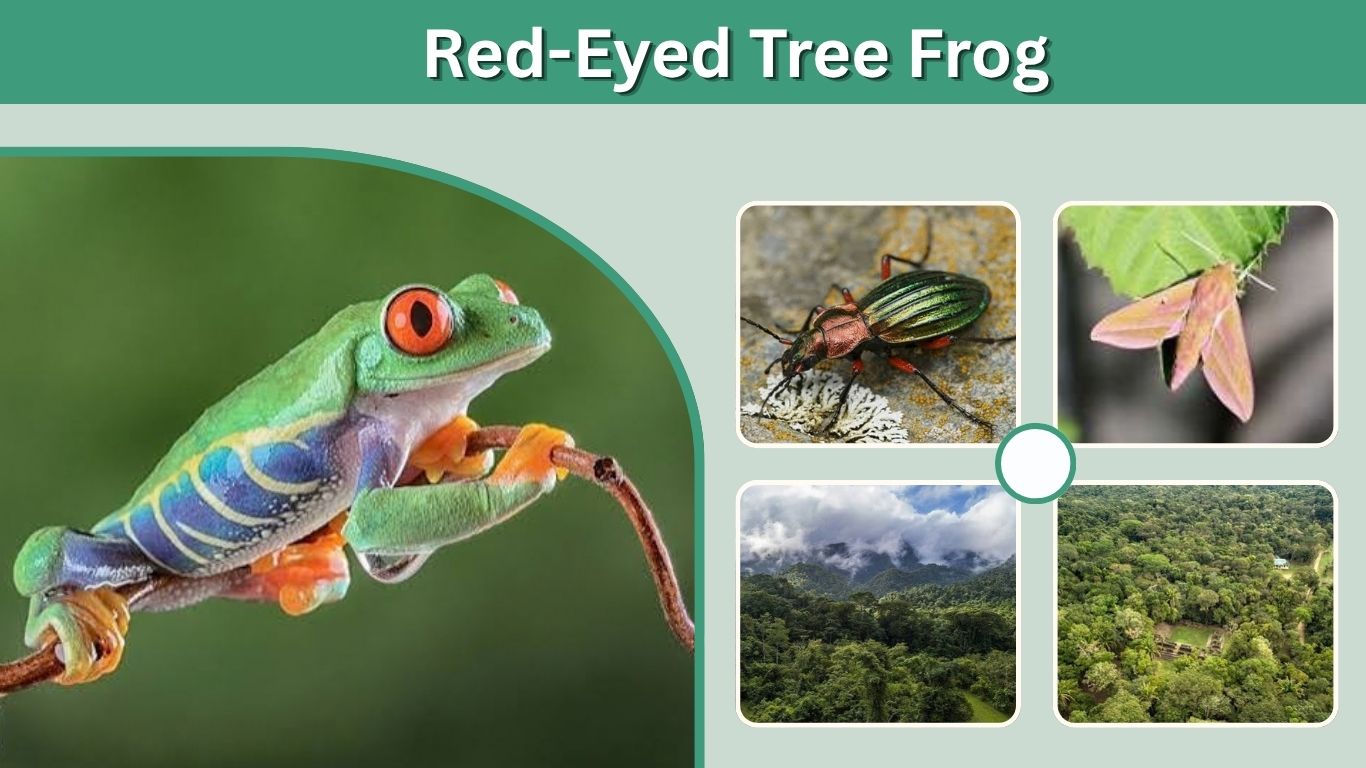
The Red-Eyed Tree Frog (Agalychnis callidryas) is one of the most recognizable amphibians in tropical rainforests. Famous for its striking red eyes, bright green body, … Read More
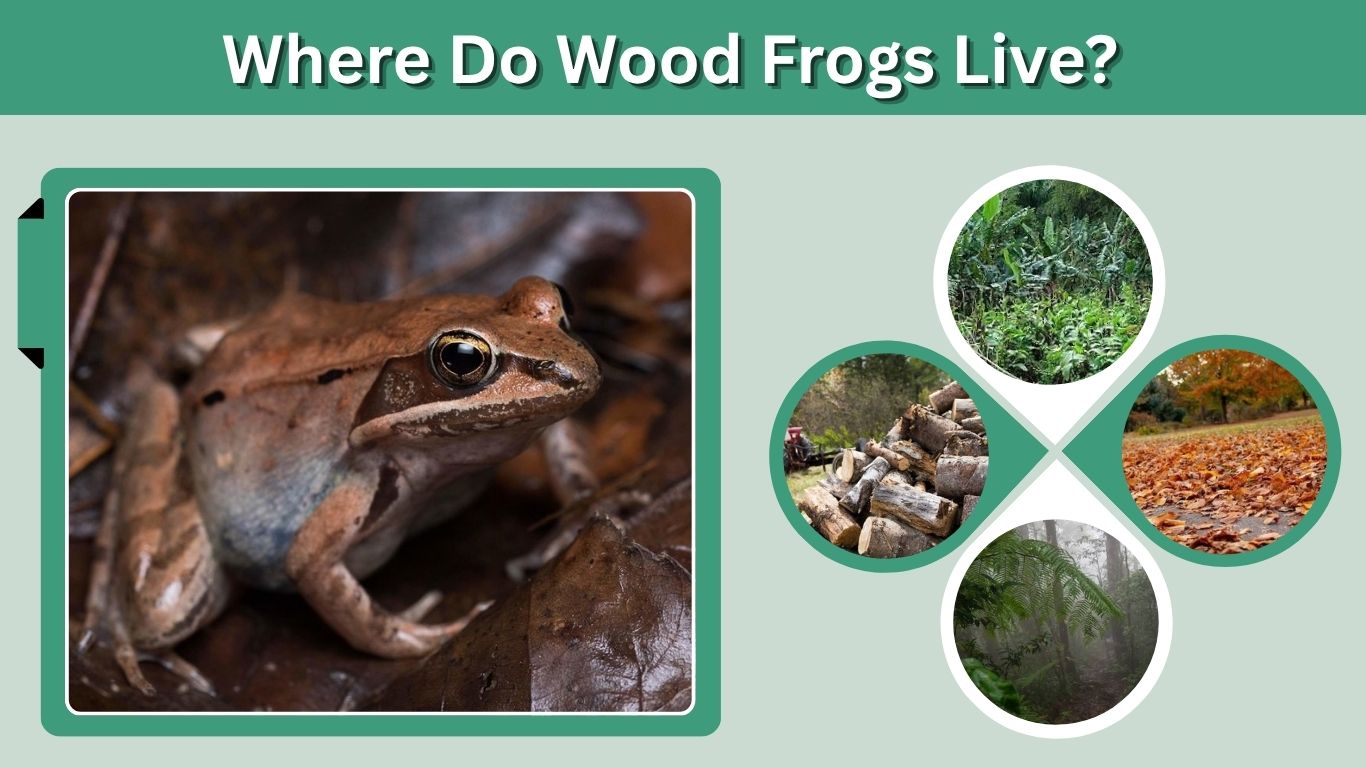
Wood frogs (Lithobates sylvaticus) live in forests, wetlands, grasslands, and cold northern environments throughout much of North America. Unlike many aquatic frogs, they spend most … Read More
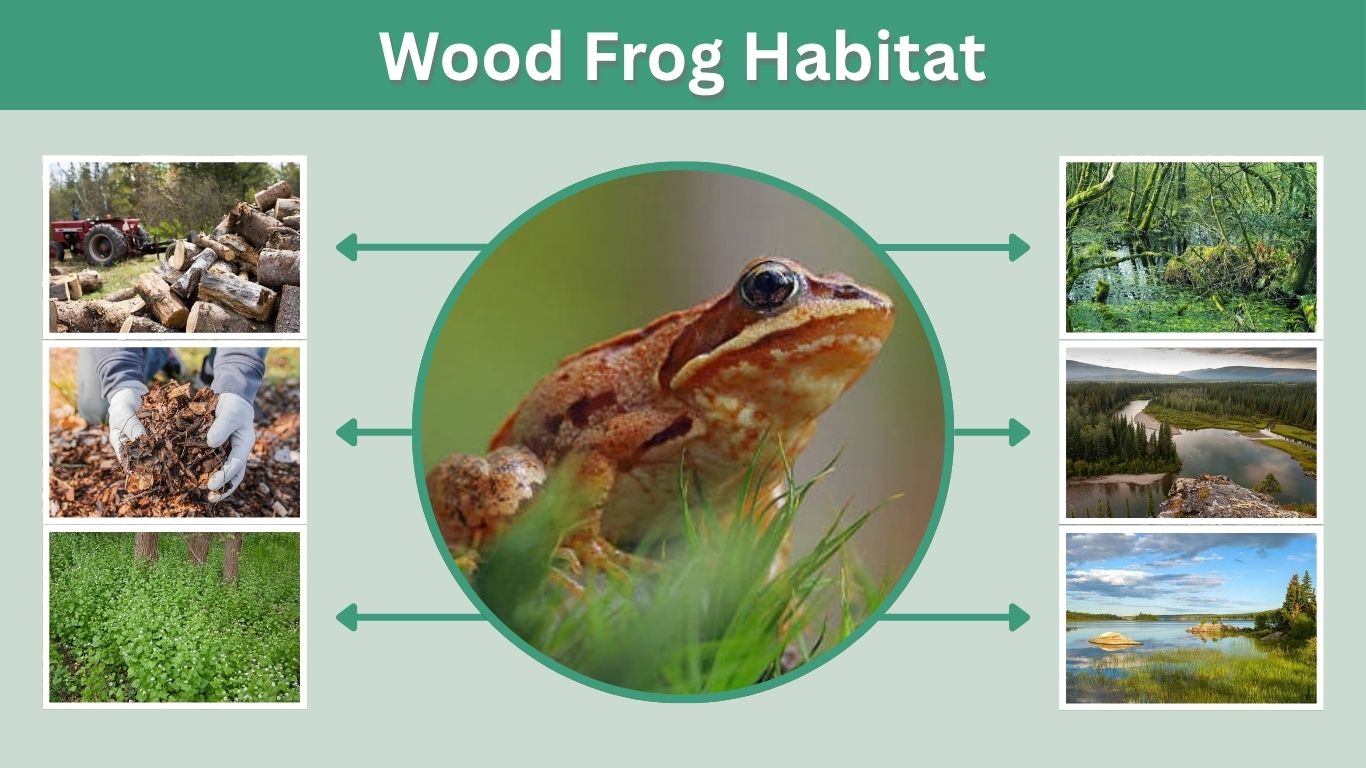
Wood frogs (Lithobates sylvaticus, also called Rana sylvatica) survive in some of North America’s coldest forests, including interior Alaska. Unlike many frogs that remain near … Read More
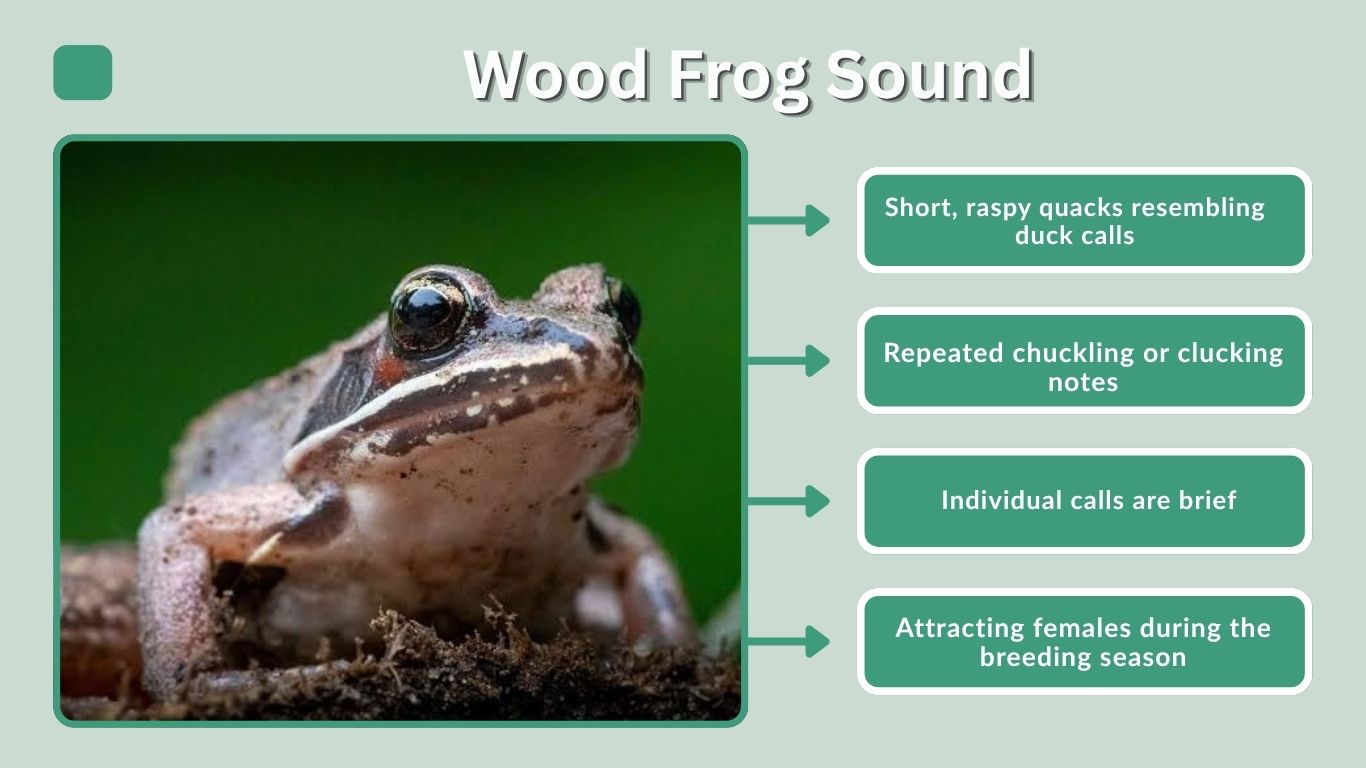
The wood frog sound is one of the most distinctive noises heard in North American forests during early spring. Unlike the familiar croaking of many … Read More
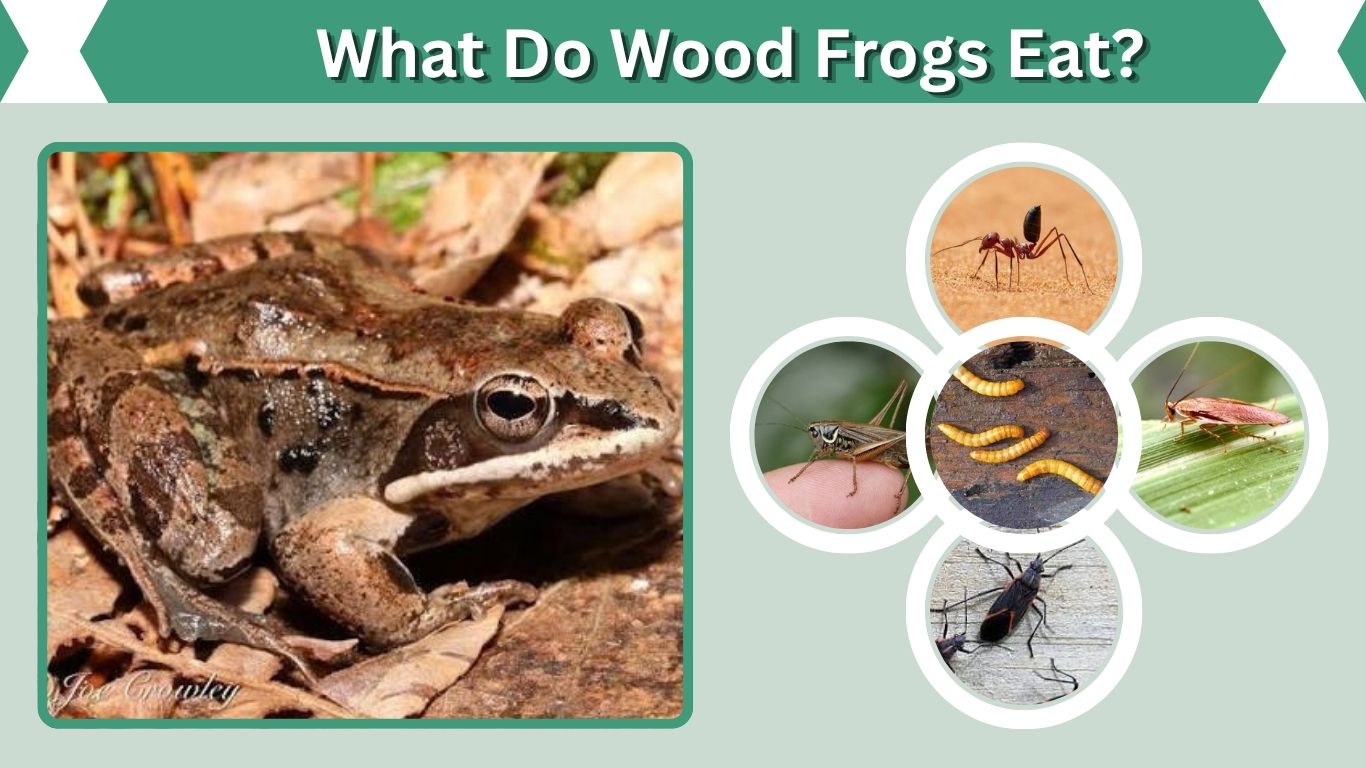
Wood frogs are fascinating amphibians known for surviving freezing temperatures and living in forests across North America. But what do wood frogs eat, and how … Read More
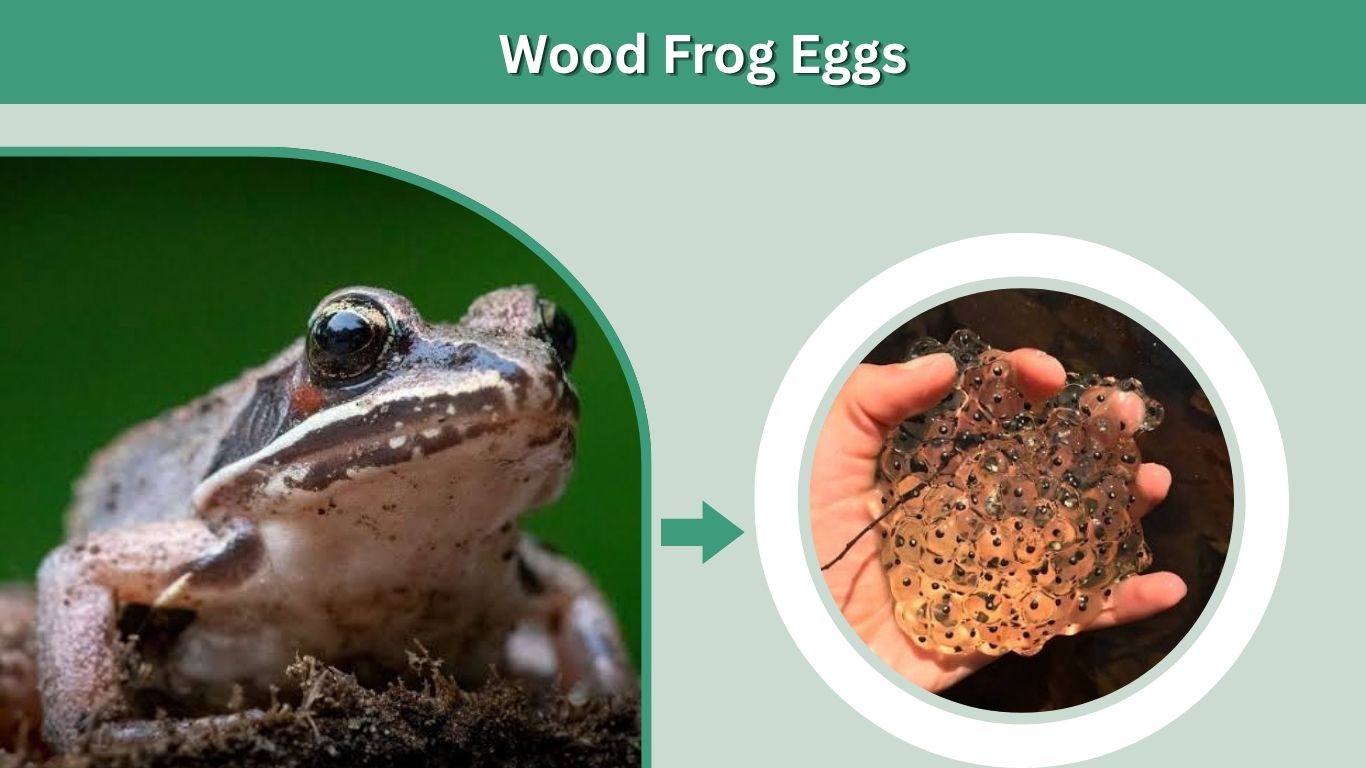
Wood frog eggs are among the first amphibian eggs to appear in woodland ponds and vernal pools each spring. Females lay hundreds to more than … Read More
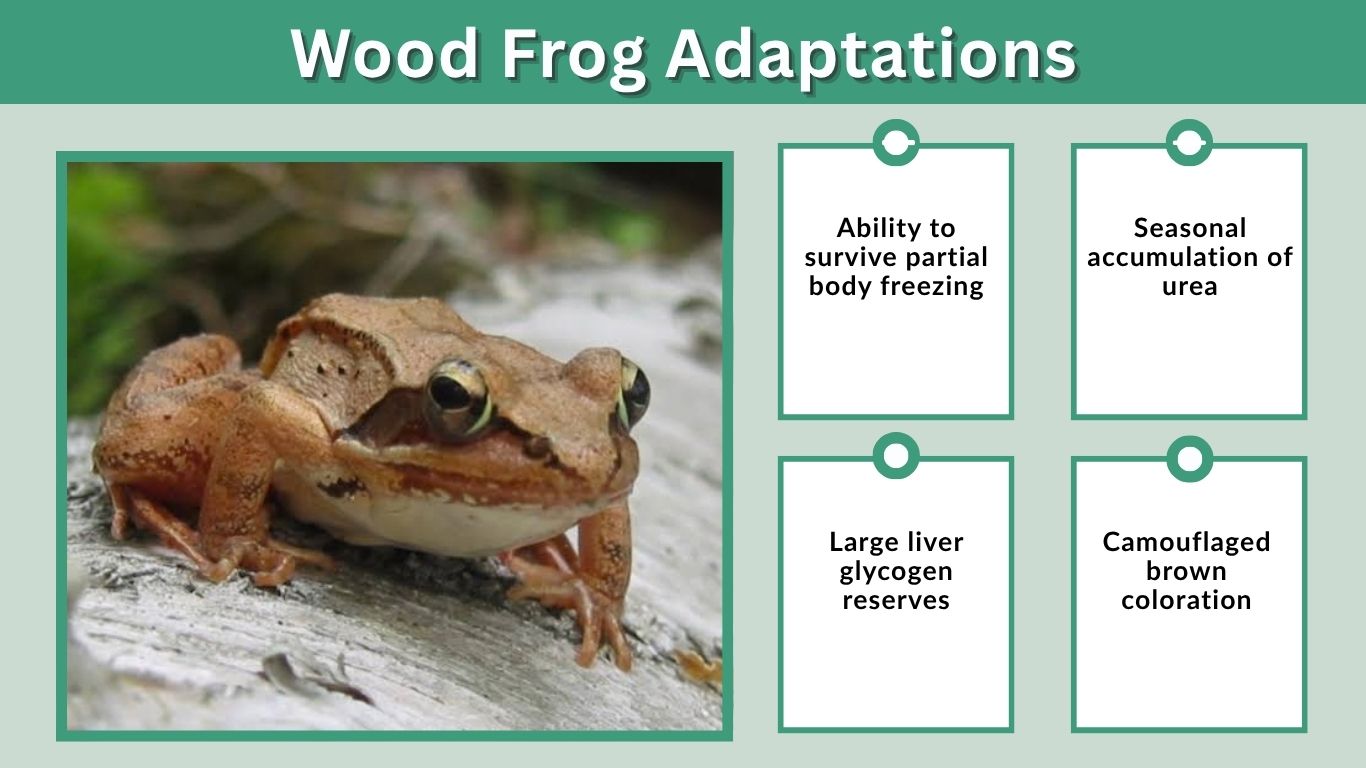
Wood frogs have some of the most remarkable survival abilities among North American amphibians. Their wood frog adaptations allow them to tolerate freezing temperatures, survive … Read More