
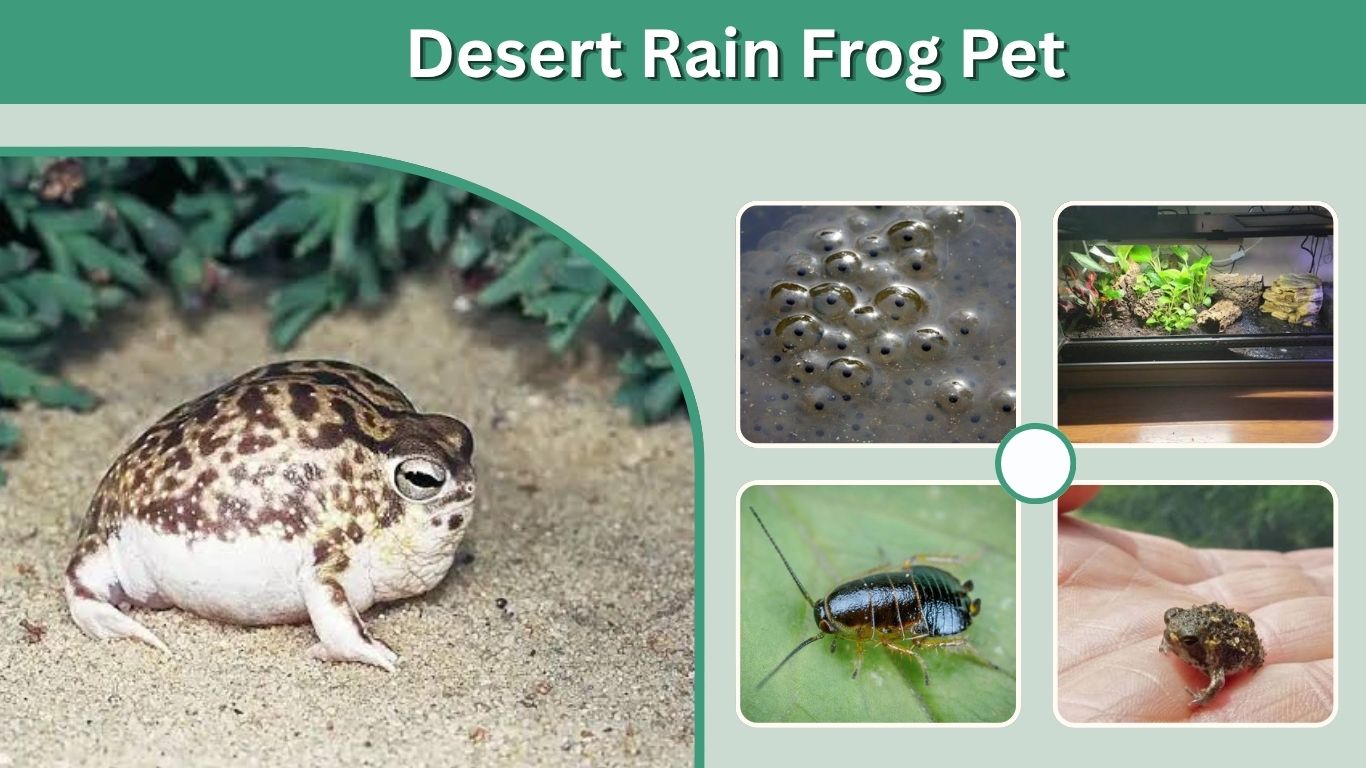
Desert Rain Frog Pet: Care, Diet, Cost & Ownership Facts
The desert rain frog (Breviceps macrops) has become famous for its round body, tiny legs, grumpy expression, and surprisingly loud squeak. Its popularity naturally makes … Read More
The desert rain frog (Breviceps macrops) has become famous for its round body, tiny legs, grumpy expression, and surprisingly loud squeak. Its popularity naturally makes … Read More
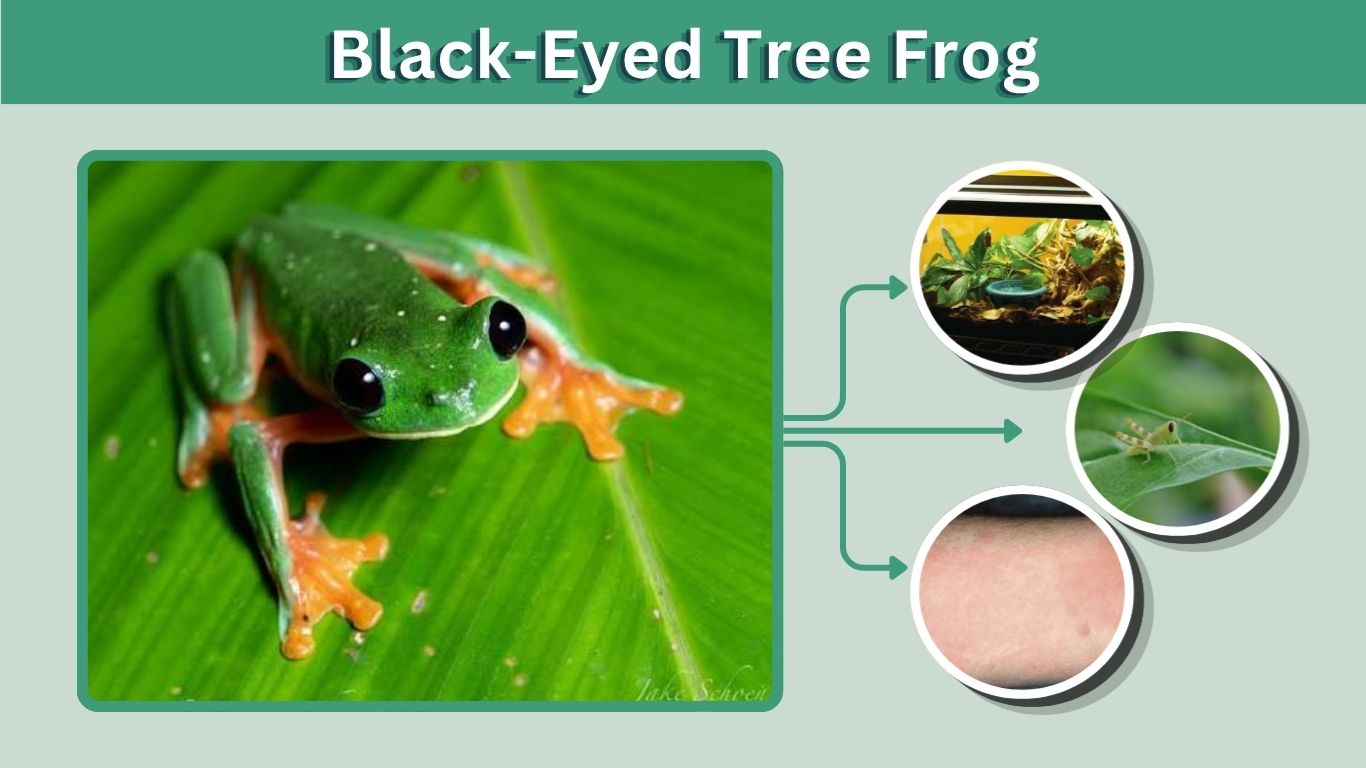
The black-eyed tree frog is a striking Central American amphibian with a leaf-green body, dark ruby-black eyes, orange or pink sides, and sticky climbing toes. … Read More
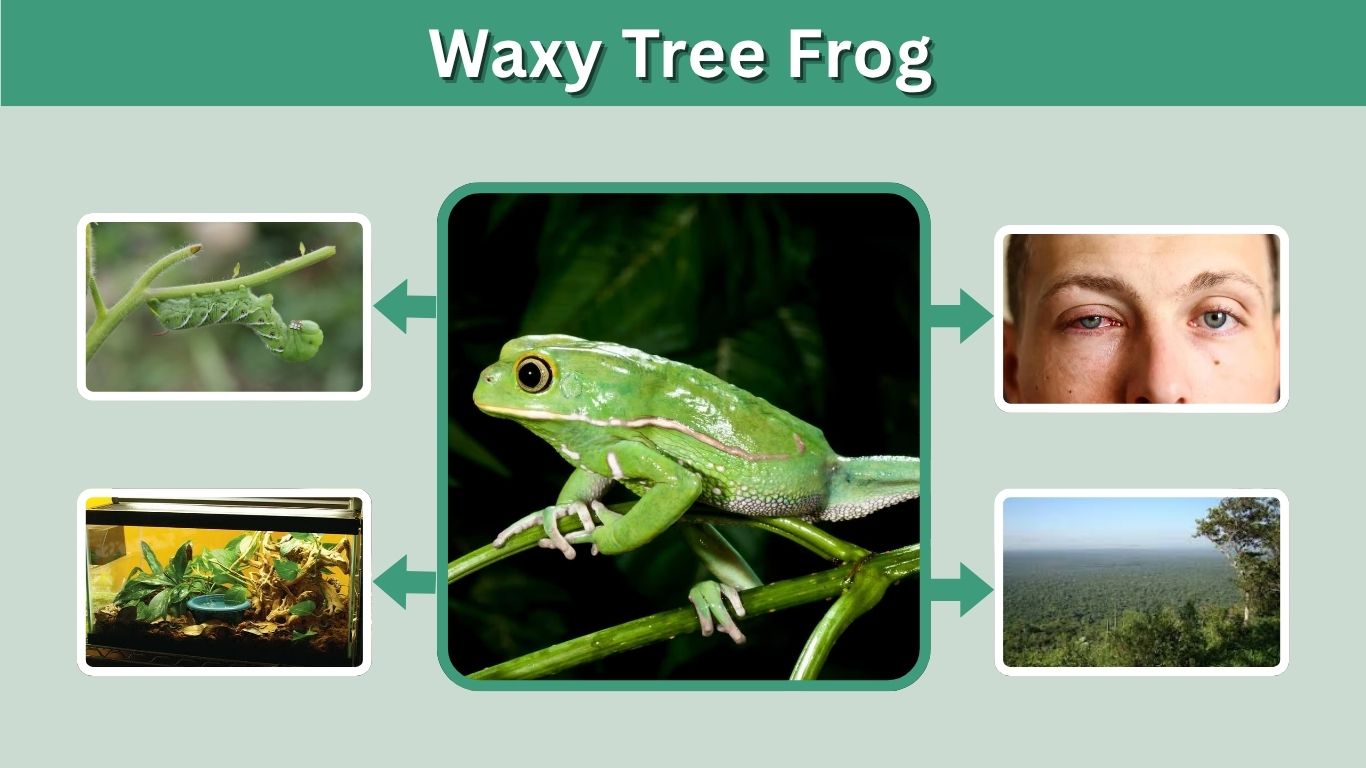
The waxy tree frog is a distinctive South American amphibian famous for coating its body with waxy skin secretions. This adaptation helps it conserve water … Read More
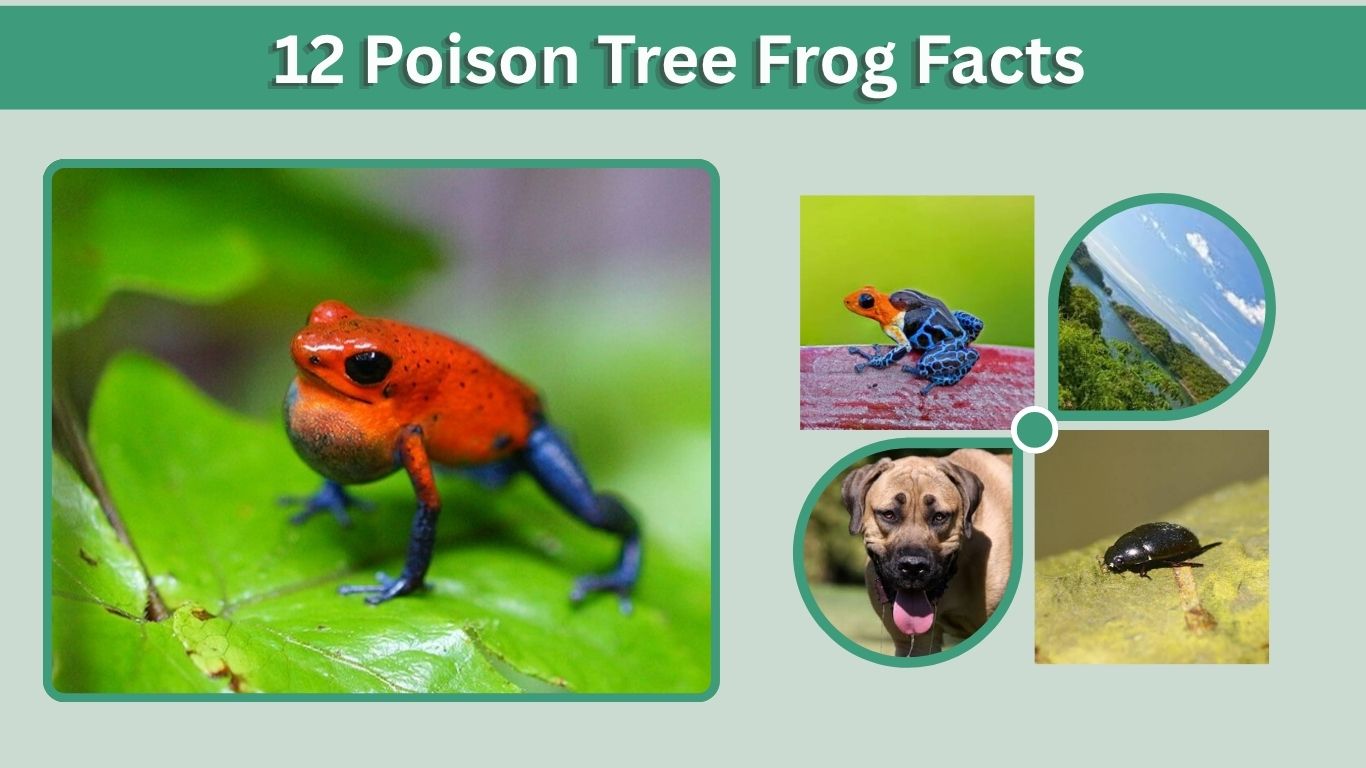
Poison tree frogs are small tropical amphibians famous for their intense colors and chemically defended skin. More accurately called poison frogs or poison dart frogs, … Read More
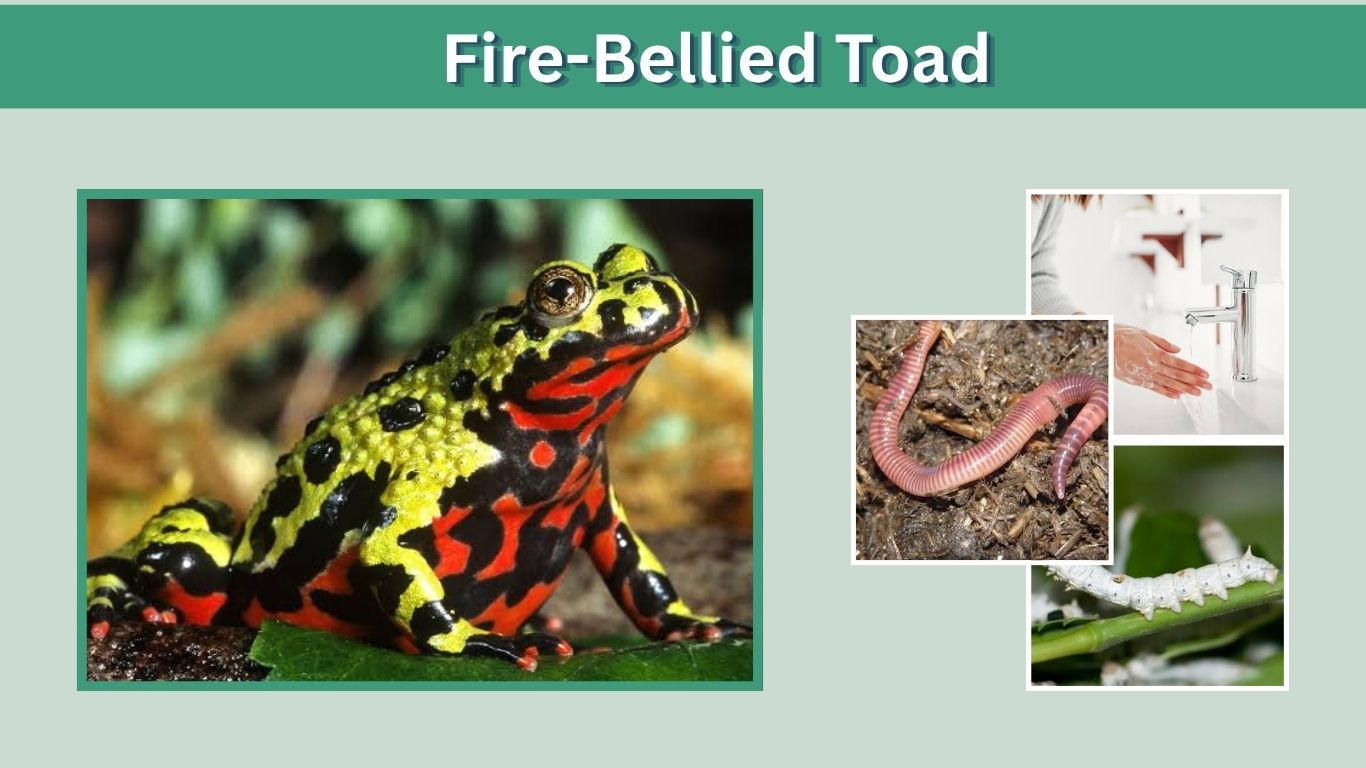
The fire-bellied toad is a small, semiaquatic amphibian recognized by its green or brown back and brilliantly colored underside. When threatened, it displays its red, … Read More
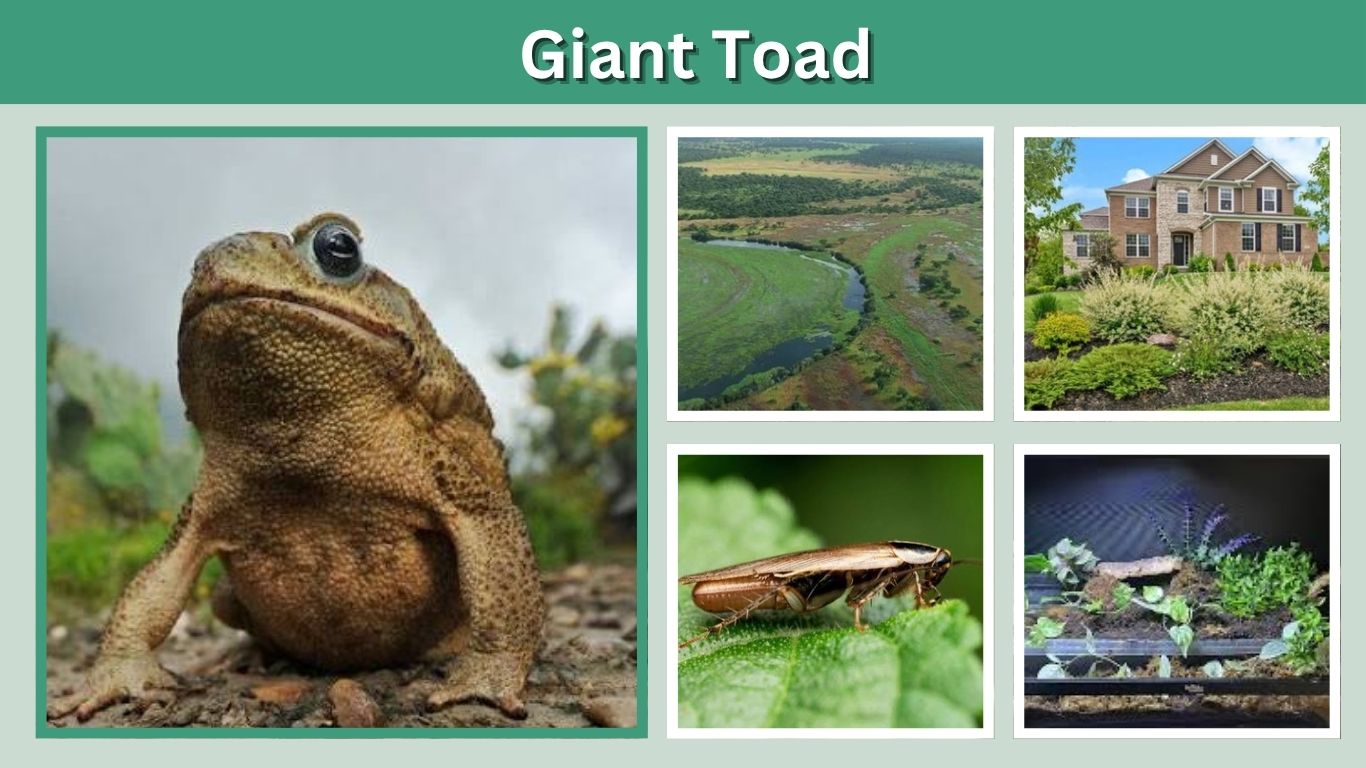
The name “giant toad” commonly refers to the cane toad, one of the world’s largest true toads. Known scientifically as Rhinella marina and formerly as … Read More
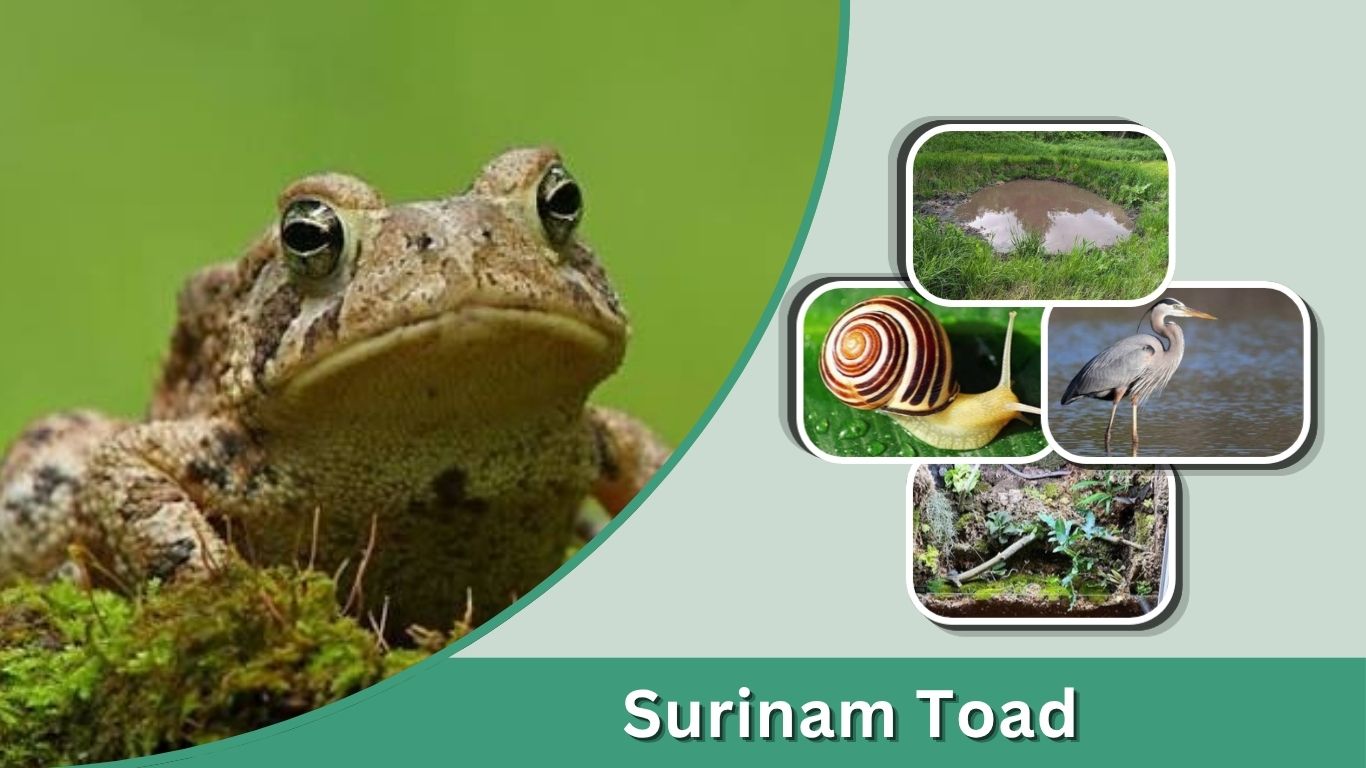
The Surinam toad is a fully aquatic South American frog famous for carrying developing young inside pockets on its back. Scientifically known as Pipa pipa, … Read More
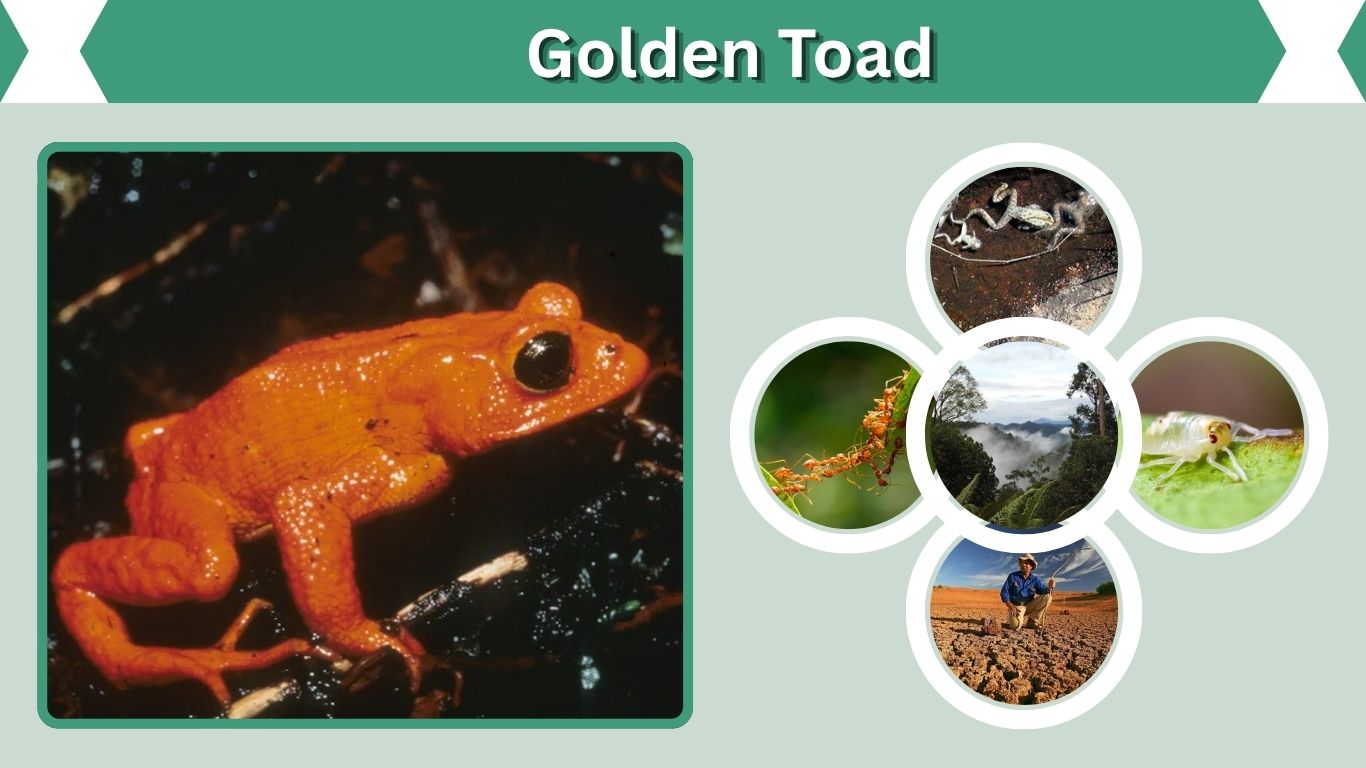
The golden toad (Incilius periglenes) was a brilliantly colored amphibian once found only in a tiny area of Costa Rica’s Monteverde cloud forest. Adult males … Read More
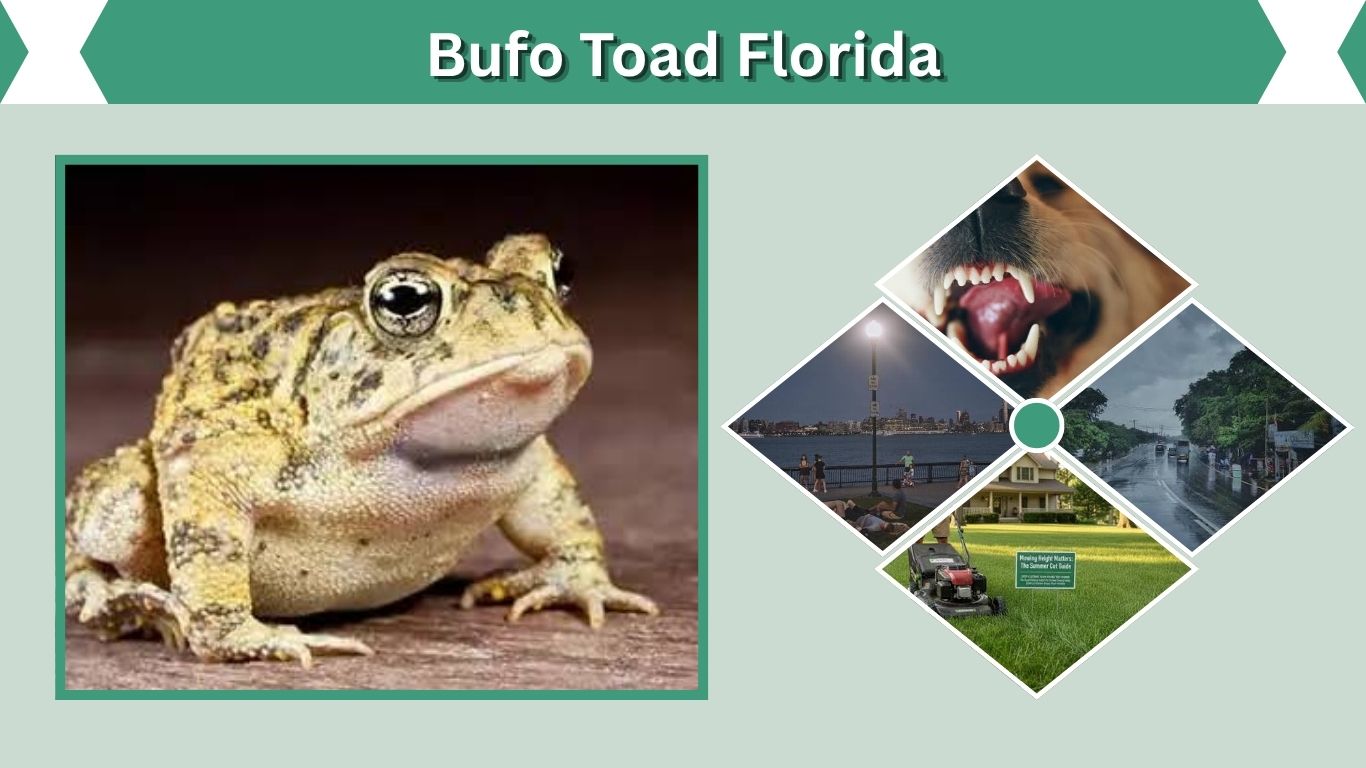
The Bufo toad in Florida, more accurately called the cane toad (Rhinella marina), is a large invasive amphibian established mainly in southern and central parts … Read More
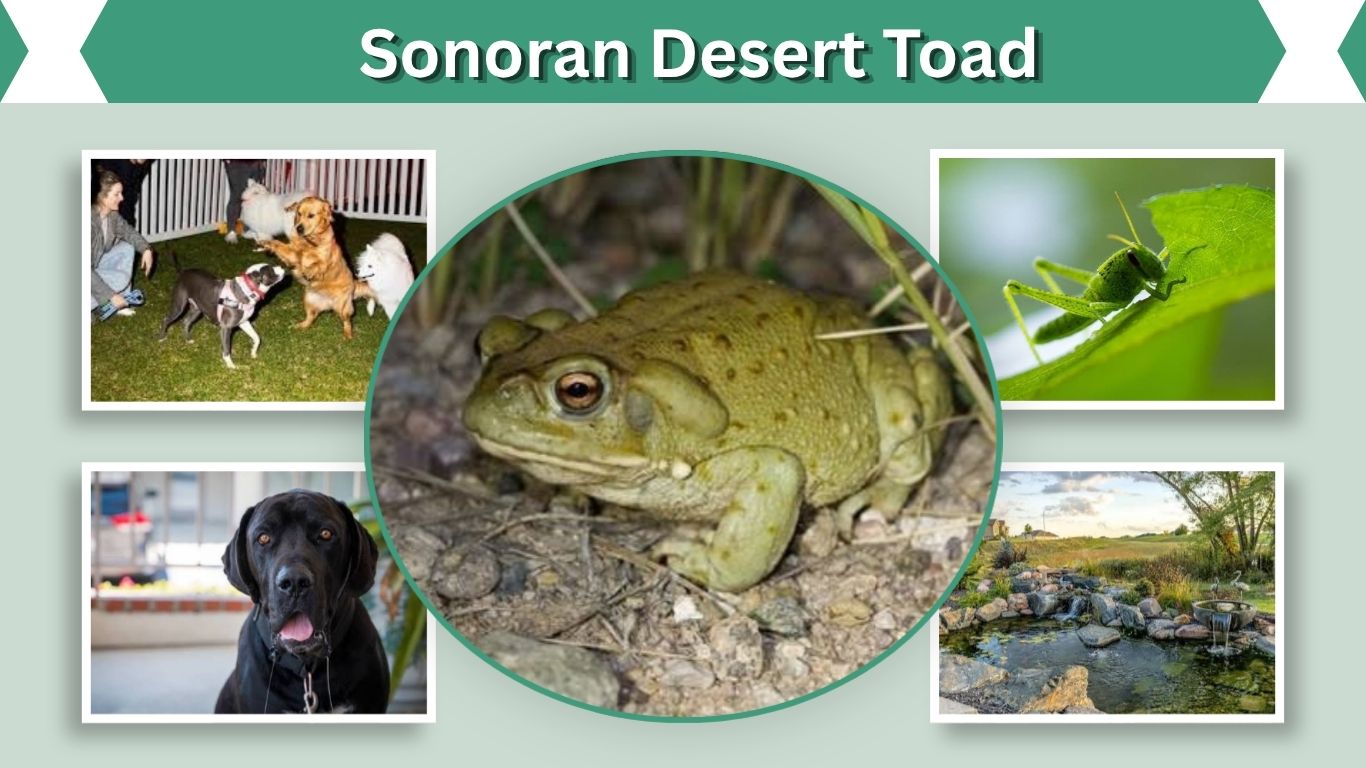
The Sonoran Desert toad (Incilius alvarius), also called the Colorado River toad, is one of the largest native toads in North America. It inhabits Arizona, … Read More