
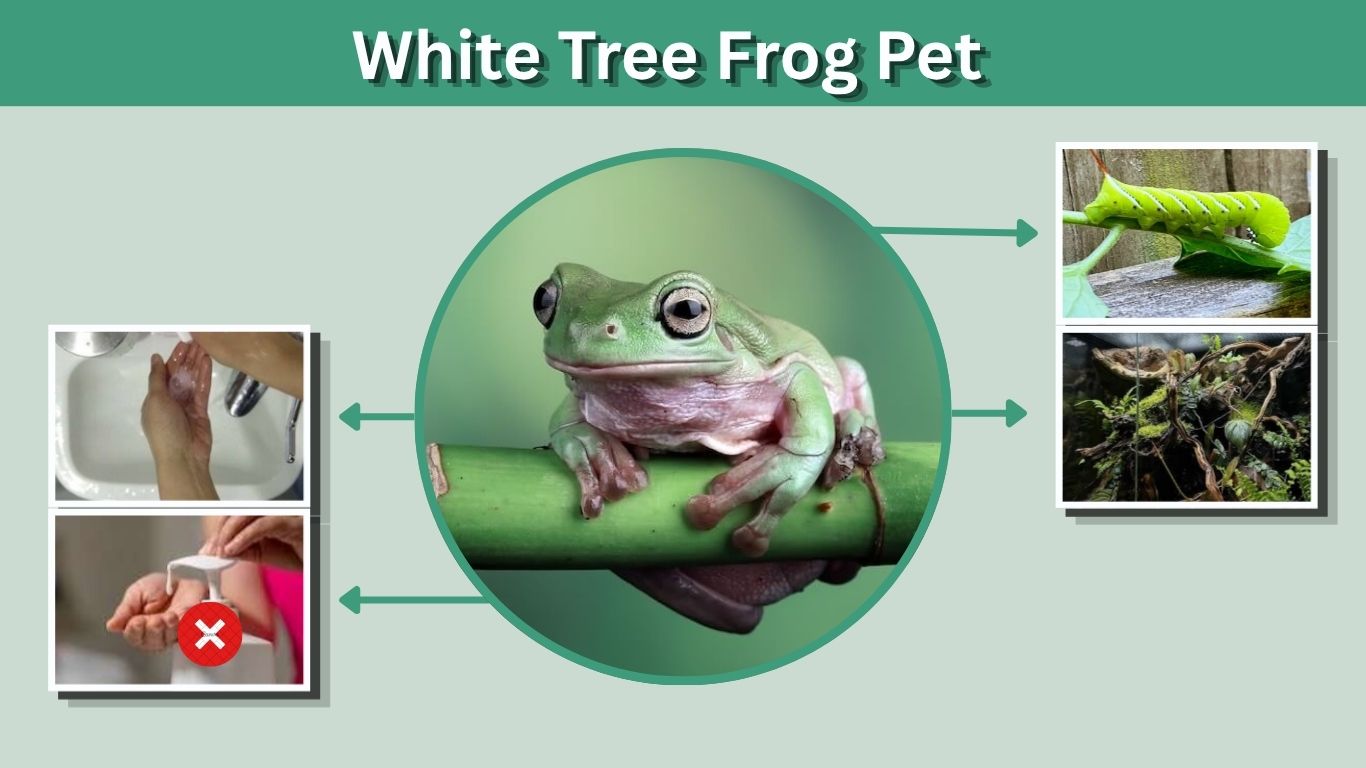
White Tree Frog Pet: Care, Lifespan, Setup & Temperament
A White’s tree frog pet is a popular choice for beginners because these frogs are hardy, calm, and relatively easy to care for. Also called … Read More
A White’s tree frog pet is a popular choice for beginners because these frogs are hardy, calm, and relatively easy to care for. Also called … Read More
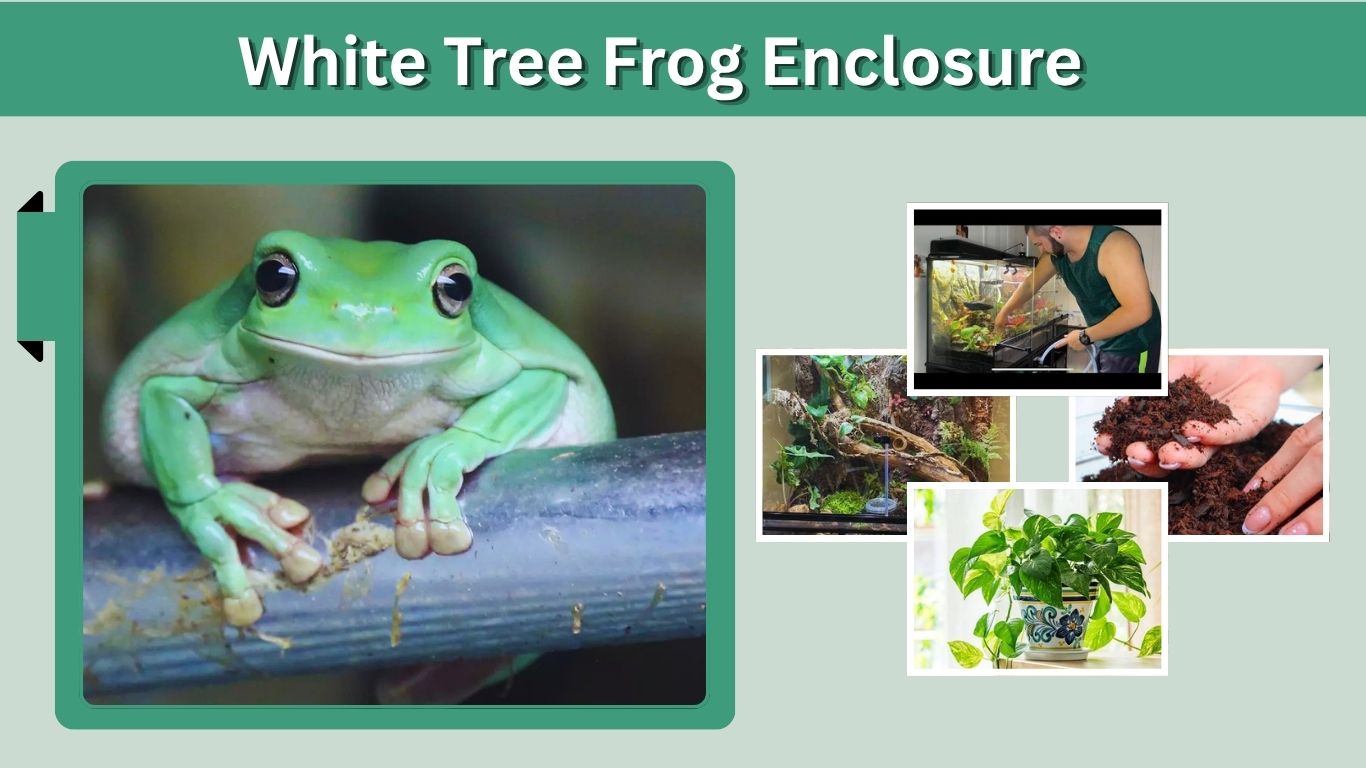
A proper White tree frog enclosure should provide plenty of vertical climbing space, stable temperatures, moderate humidity, clean water, and secure hiding areas. White’s tree … Read More
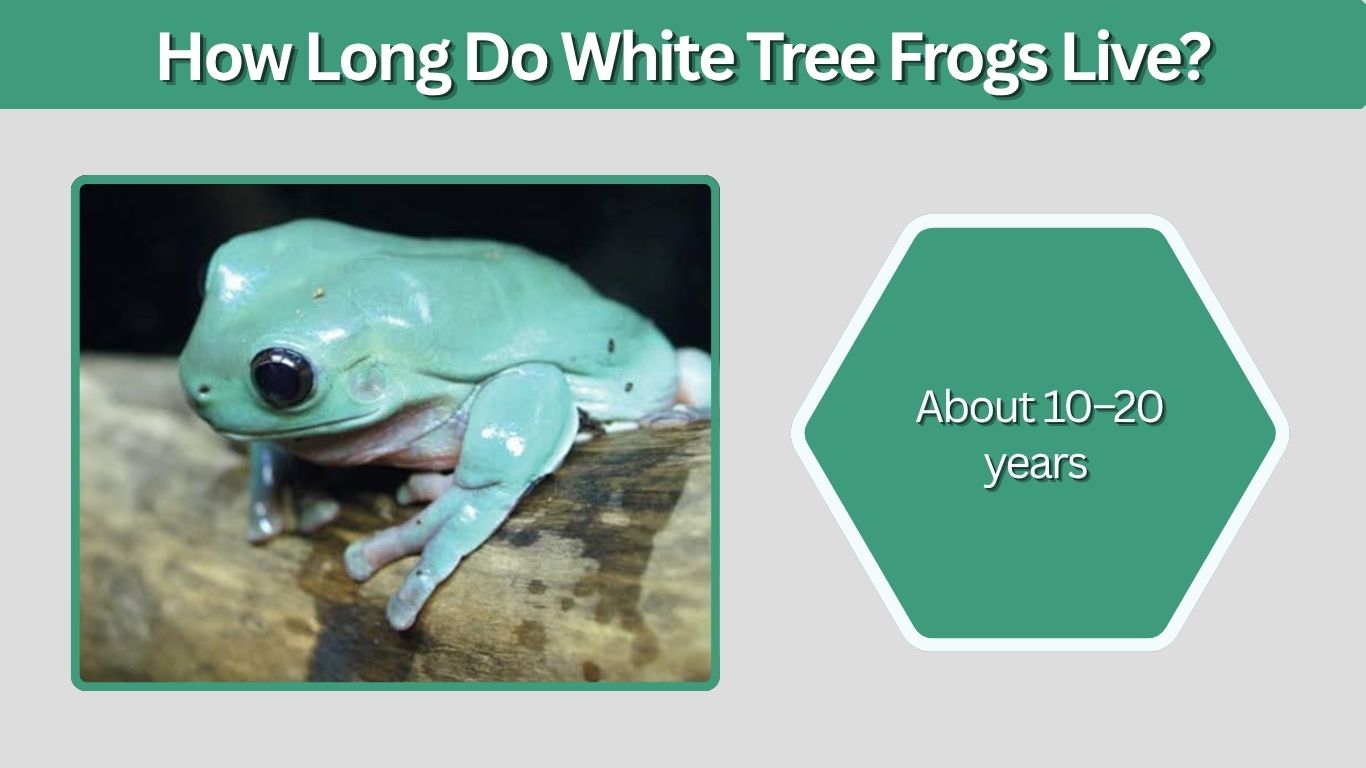
White’s tree frogs can commonly live about 10–20 years in captivity when provided with proper housing, nutrition, temperature, humidity, and veterinary care. Some well-cared-for individuals … Read More
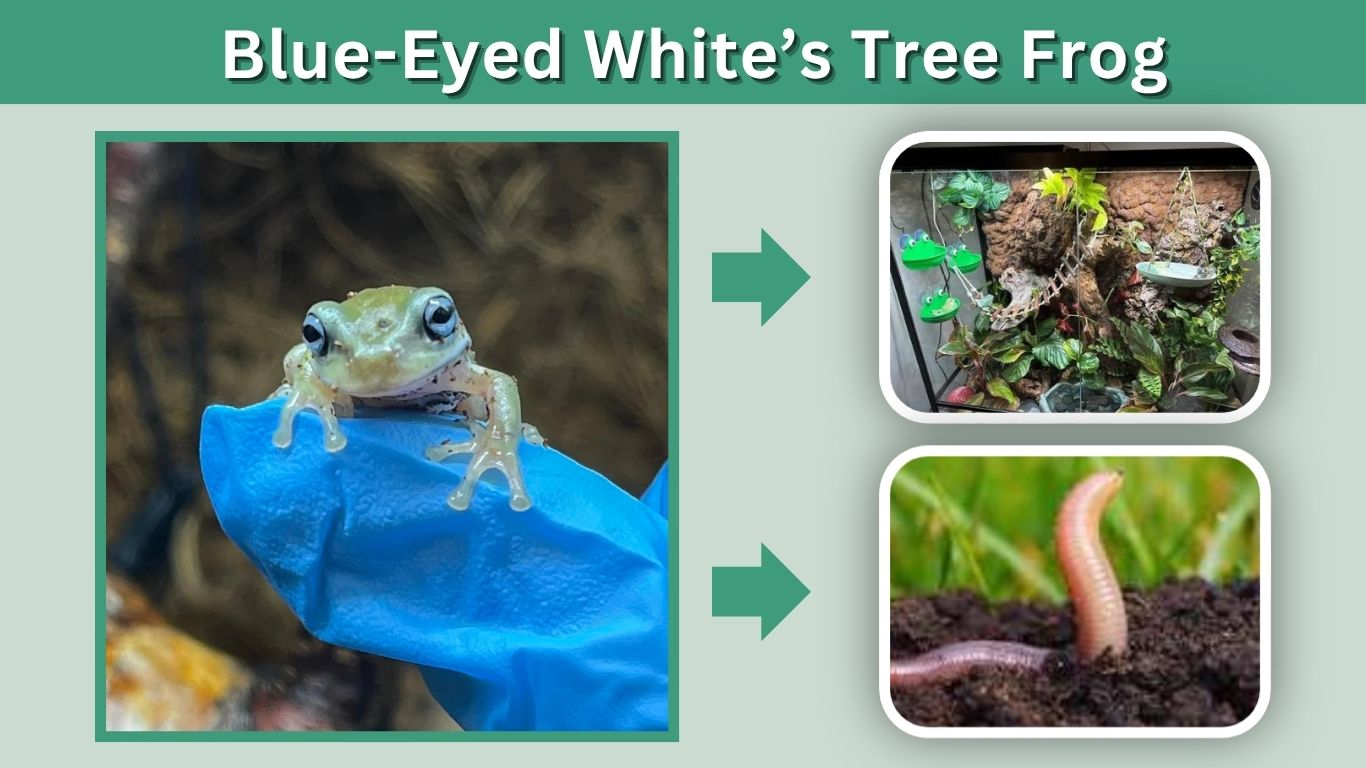
The blue-eyed White’s tree frog is a striking captive-bred form of the familiar White’s tree frog, admired for its unusual eye color and calm appearance. … Read More
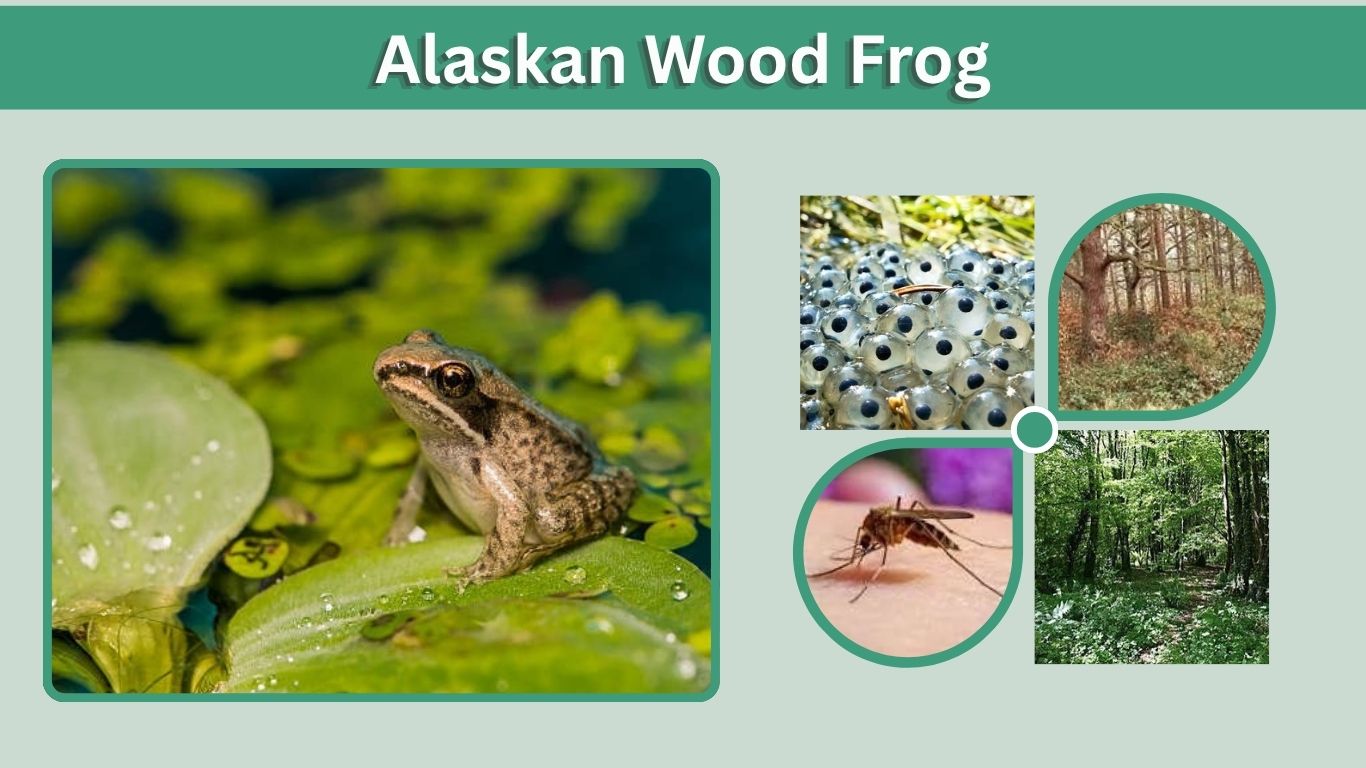
The Alaskan wood frog is famous for surviving winters that would kill most other amphibians. Known scientifically as Lithobates sylvaticus, this small frog can freeze … Read More
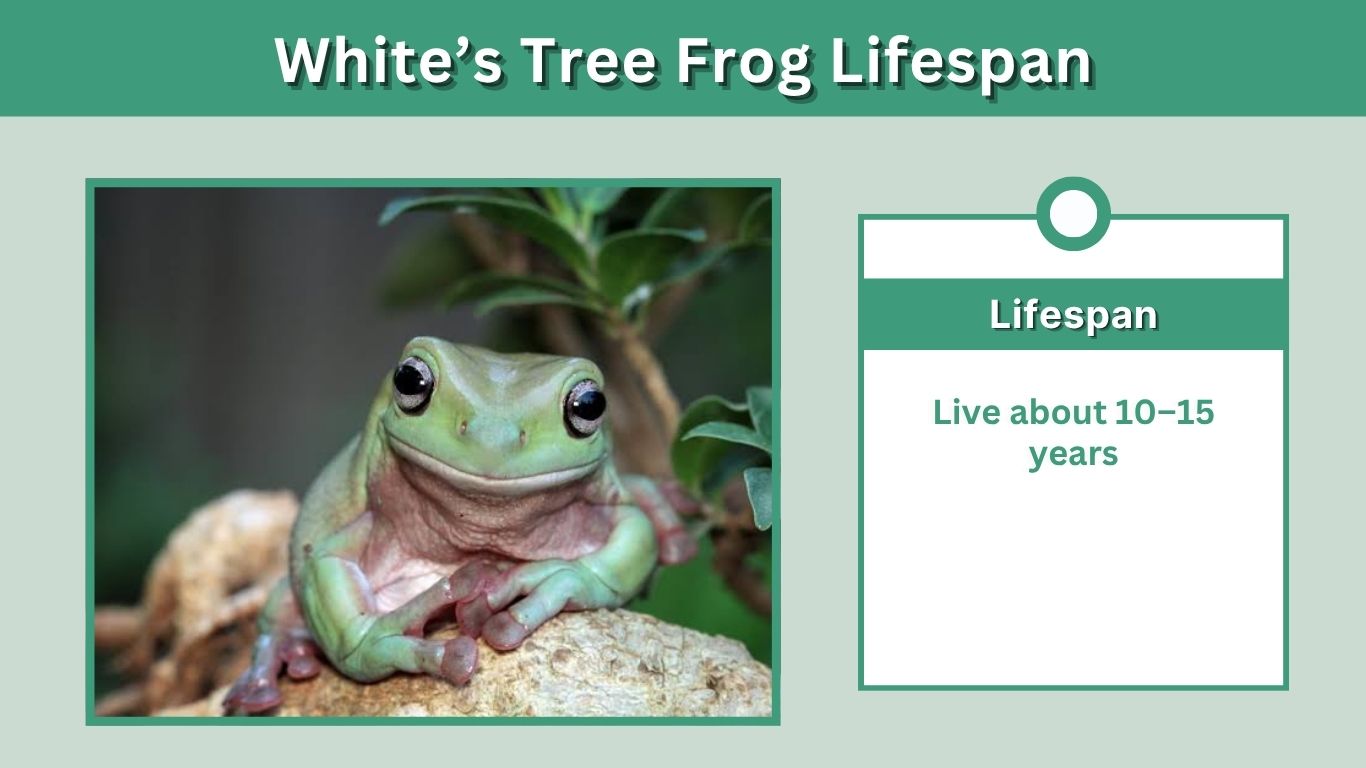
The White’s tree frog lifespan is remarkably long compared with many other frogs. Also known as the Australian green tree frog or dumpy tree frog, … Read More
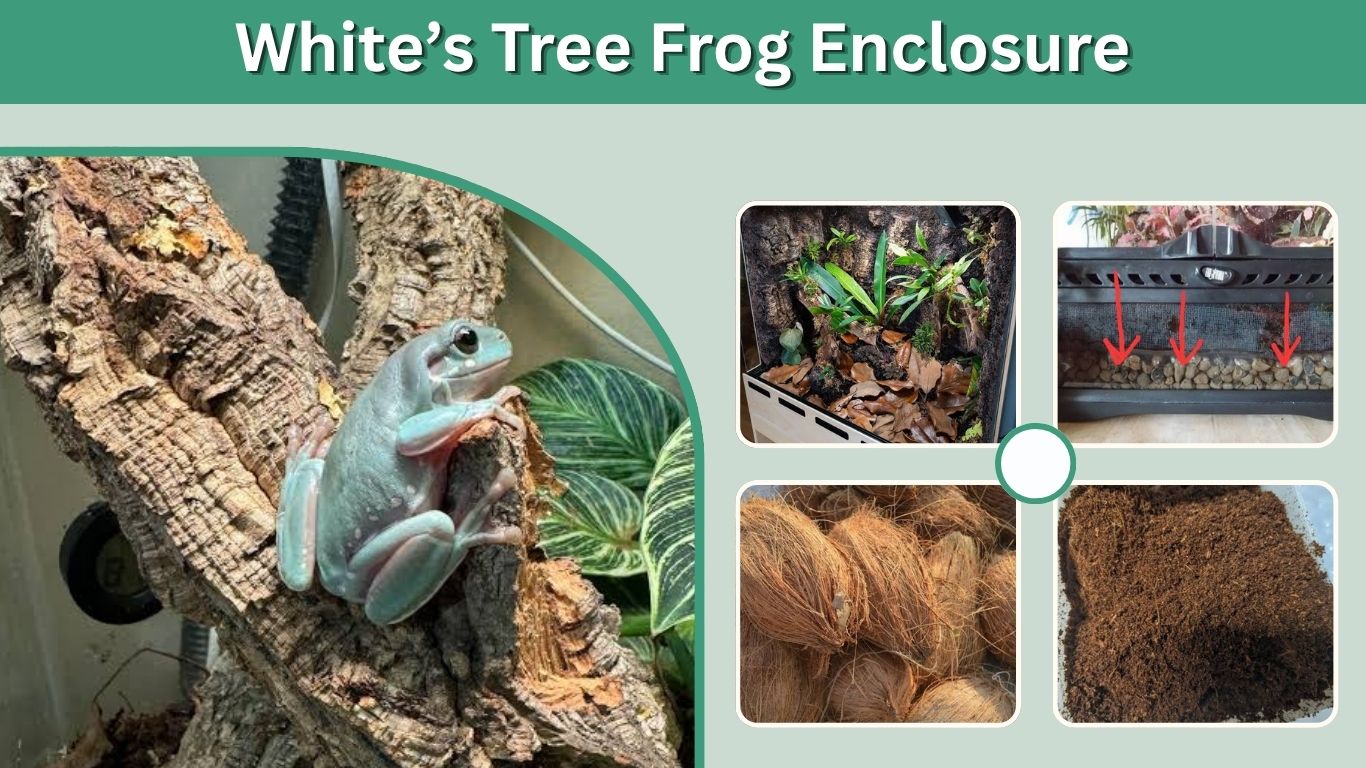
A White’s tree frog enclosure should provide enough vertical space for climbing while maintaining safe temperatures, moderate humidity, and good ventilation. Also called the Australian … Read More
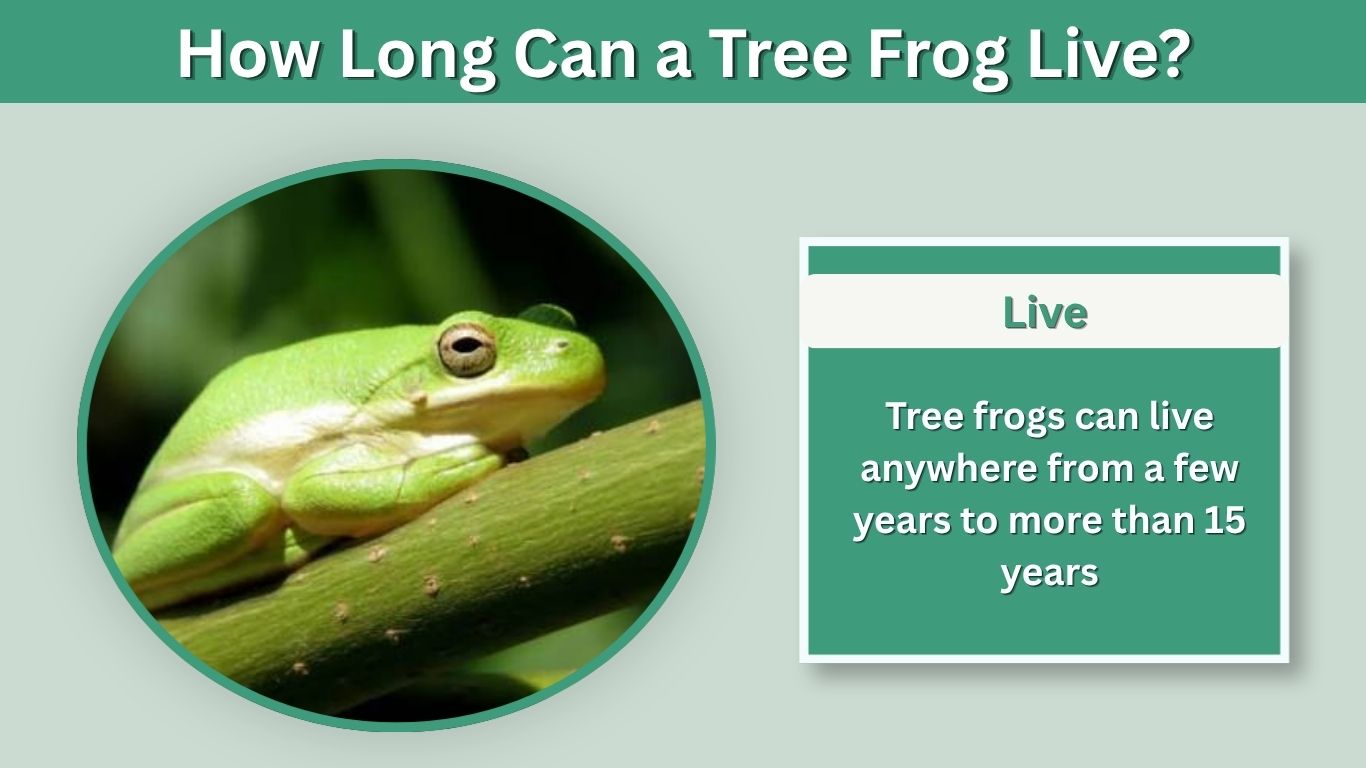
Tree frogs can live anywhere from a few years to more than 15 years, depending on the species, environment, diet, predators, and overall health. Wild … Read More
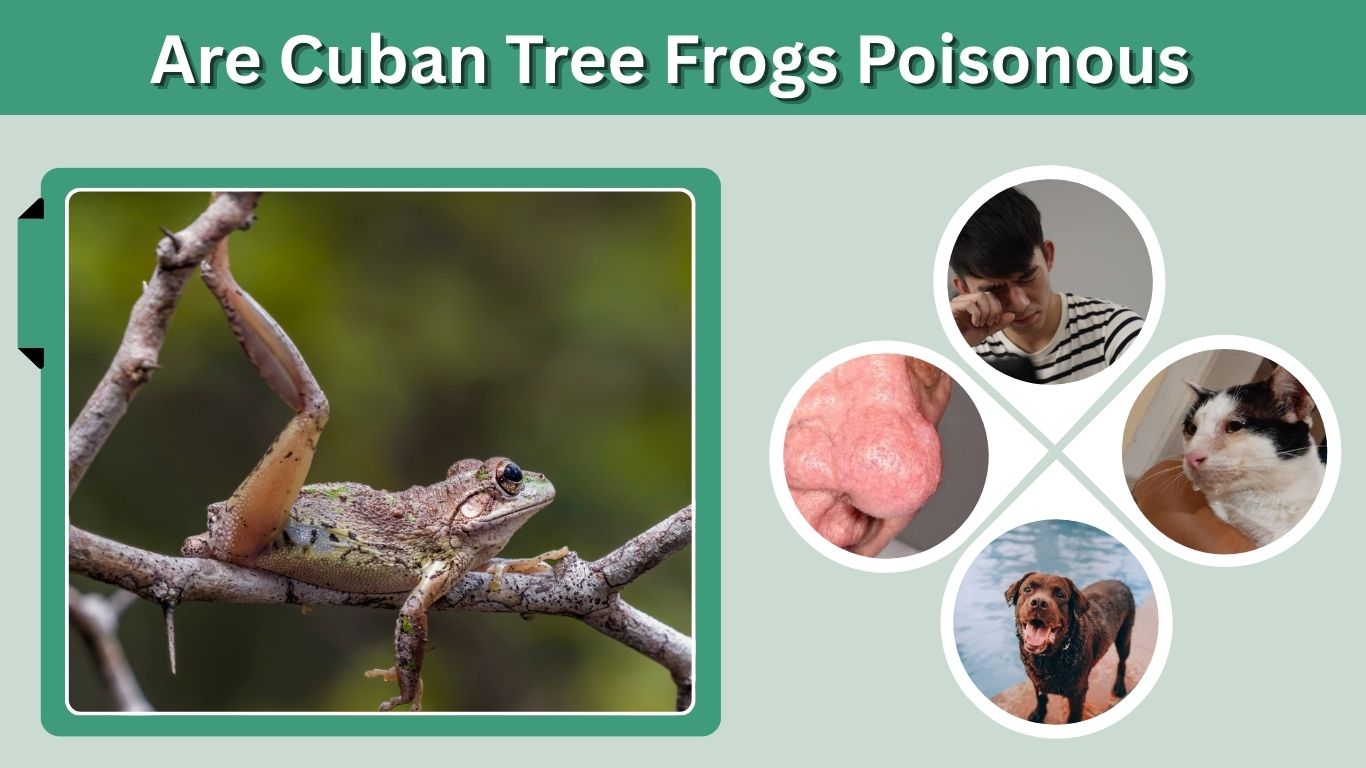
Yes, Cuban tree frogs are poisonous in the sense that their skin produces irritating toxic secretions, especially when they are handled or threatened. However, they … Read More
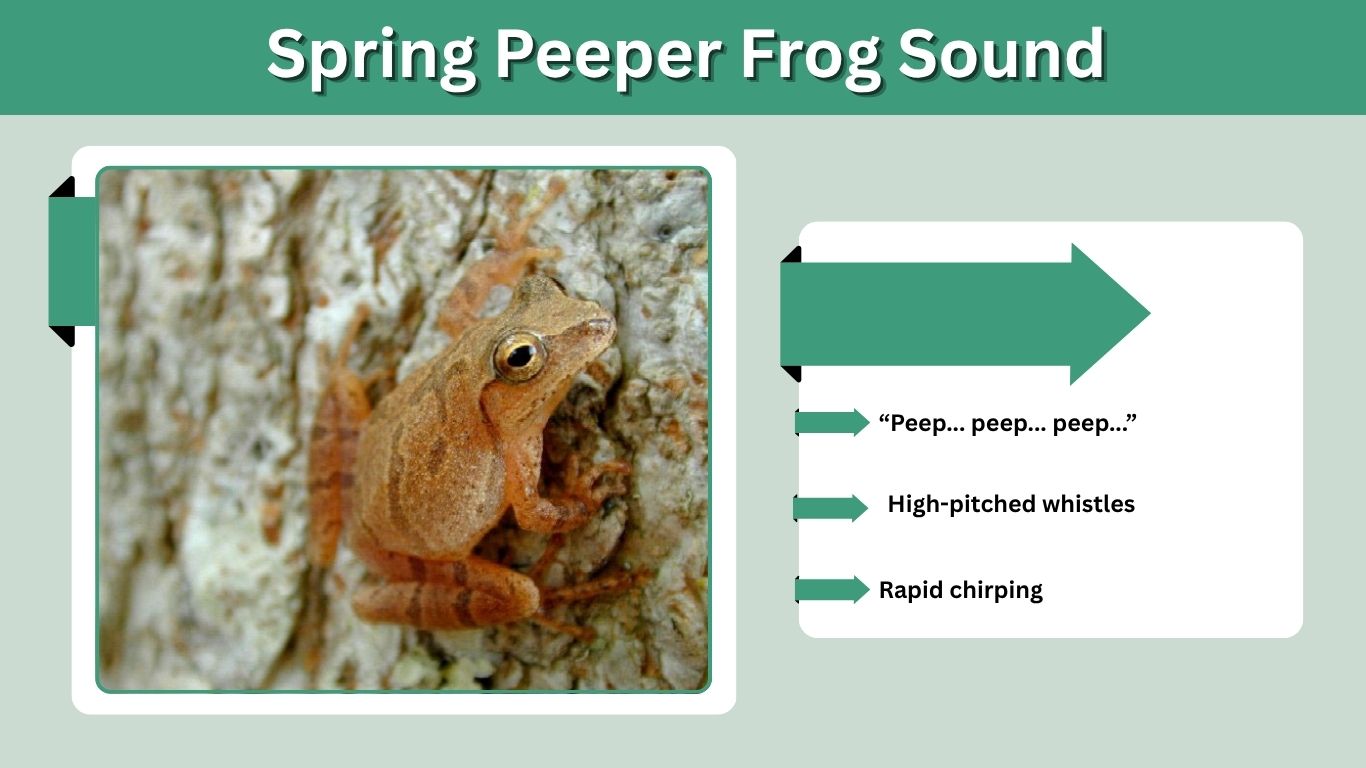
The spring peeper frog sound is one of the most recognizable noises of early spring in eastern North America. These tiny tree frogs produce a … Read More