
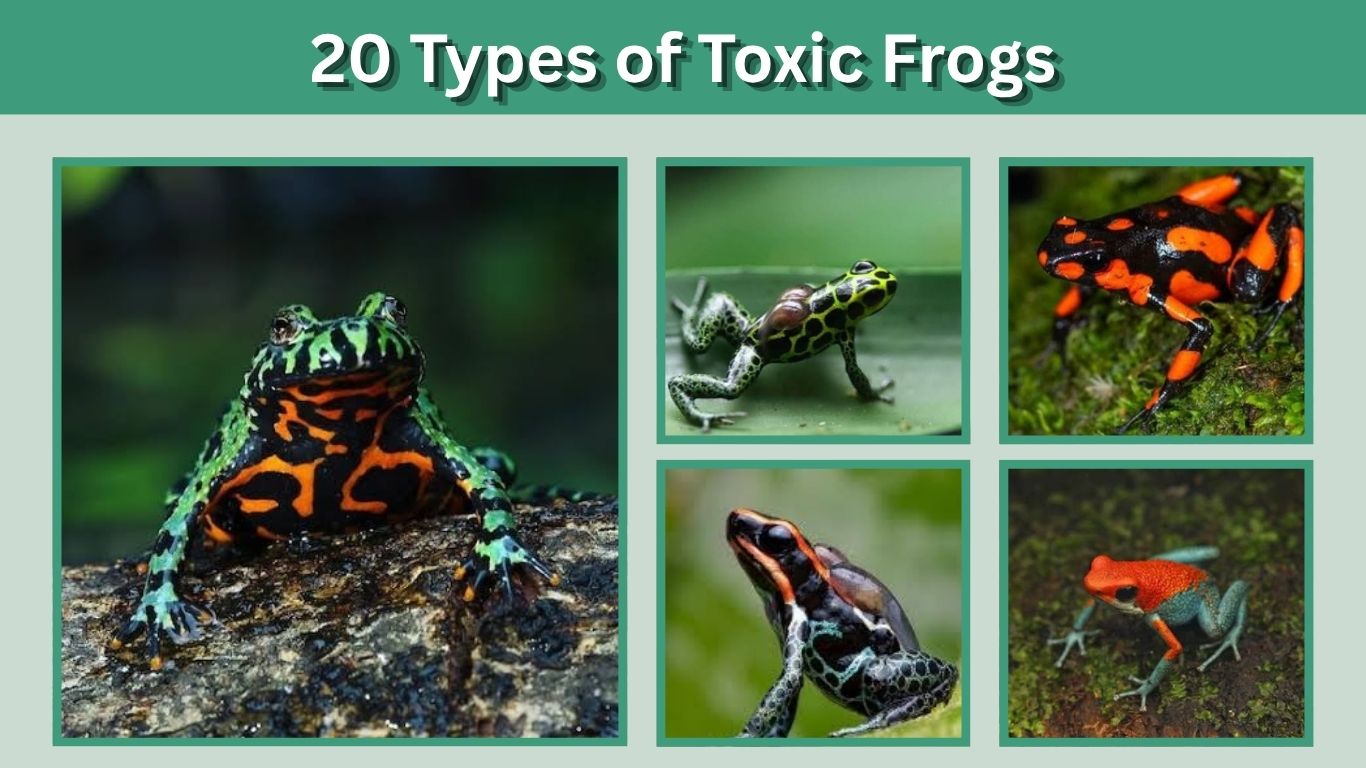
20 Types of Toxic Frogs: Identification, Habitat and Facts
Toxic frogs are some of the most colorful and fascinating amphibians in the world. Many species use bright red, yellow, blue, green, or orange markings … Read More
Toxic frogs are some of the most colorful and fascinating amphibians in the world. Many species use bright red, yellow, blue, green, or orange markings … Read More
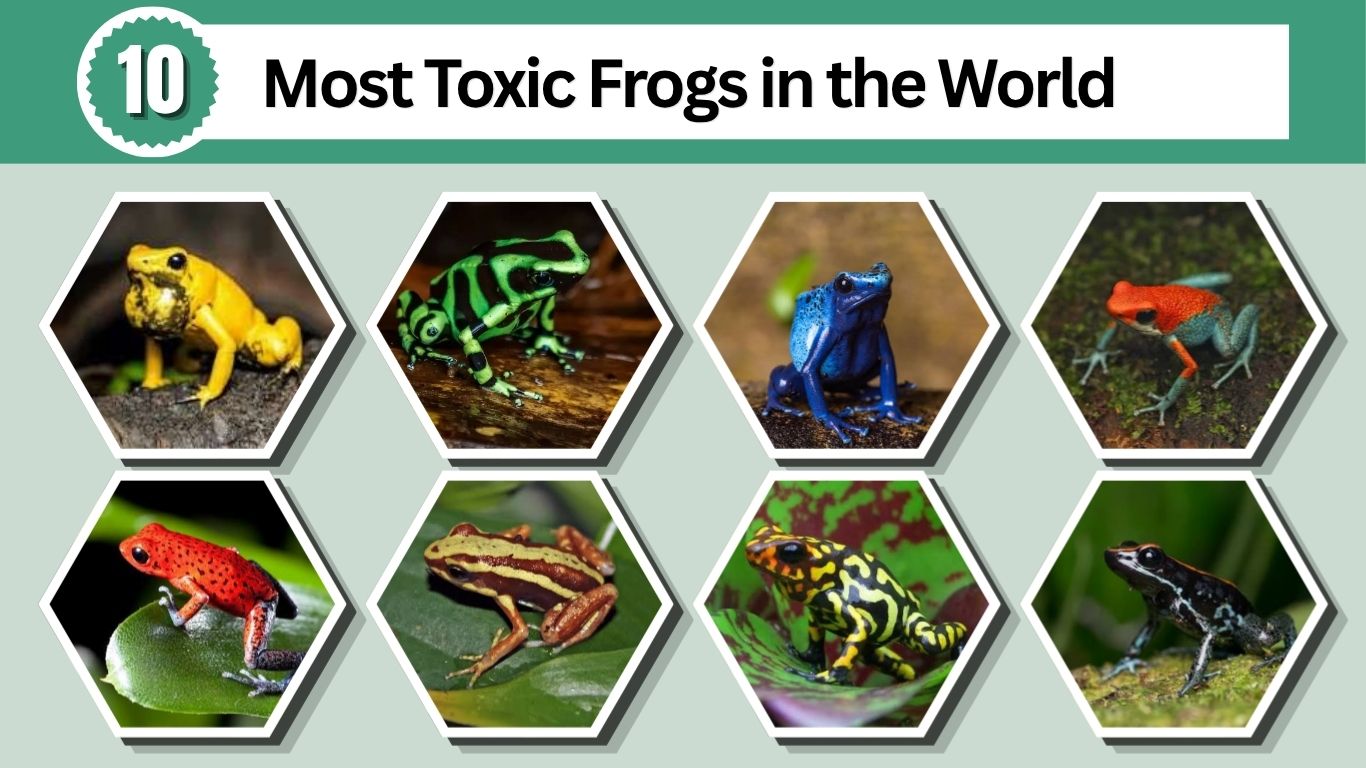
The world’s most toxic frogs are famous for their brilliant warning colors and powerful chemical defenses. Many belong to the poison frog family Dendrobatidae and … Read More
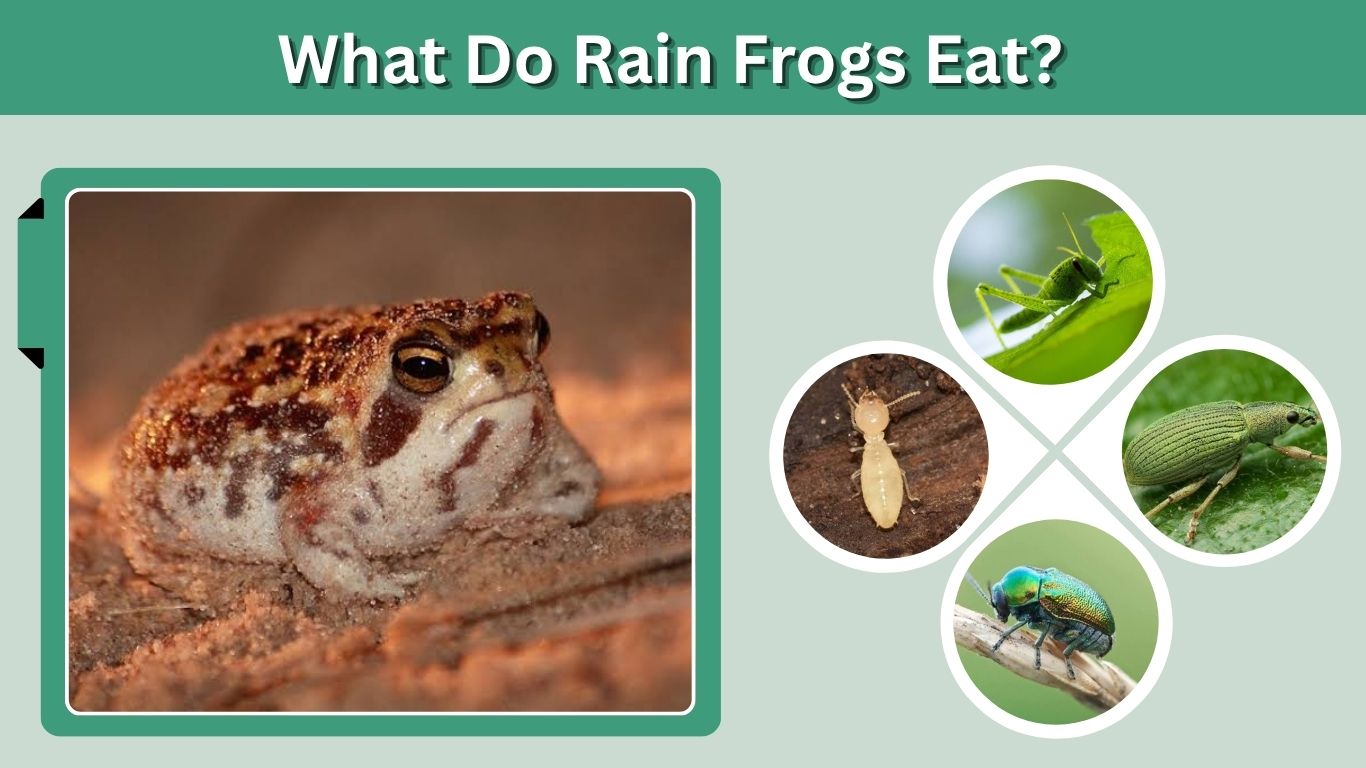
Rain frogs are small, burrowing African frogs that mainly eat insects and other tiny invertebrates. Ants and termites are especially important for several species, while … Read More
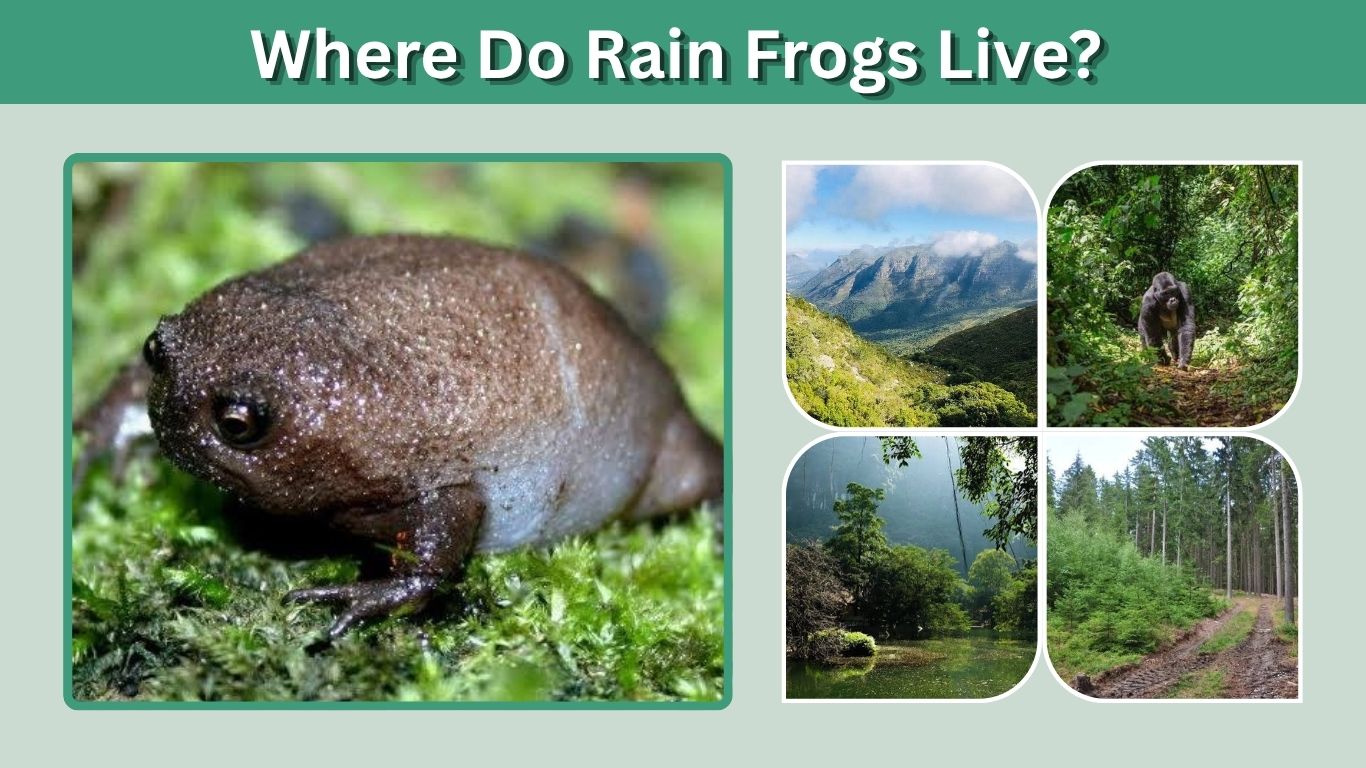
Rain frogs are small, round-bodied burrowing amphibians found mainly in southern and eastern Africa. Unlike the tree frogs associated with tropical rainforests, true rain frogs … Read More
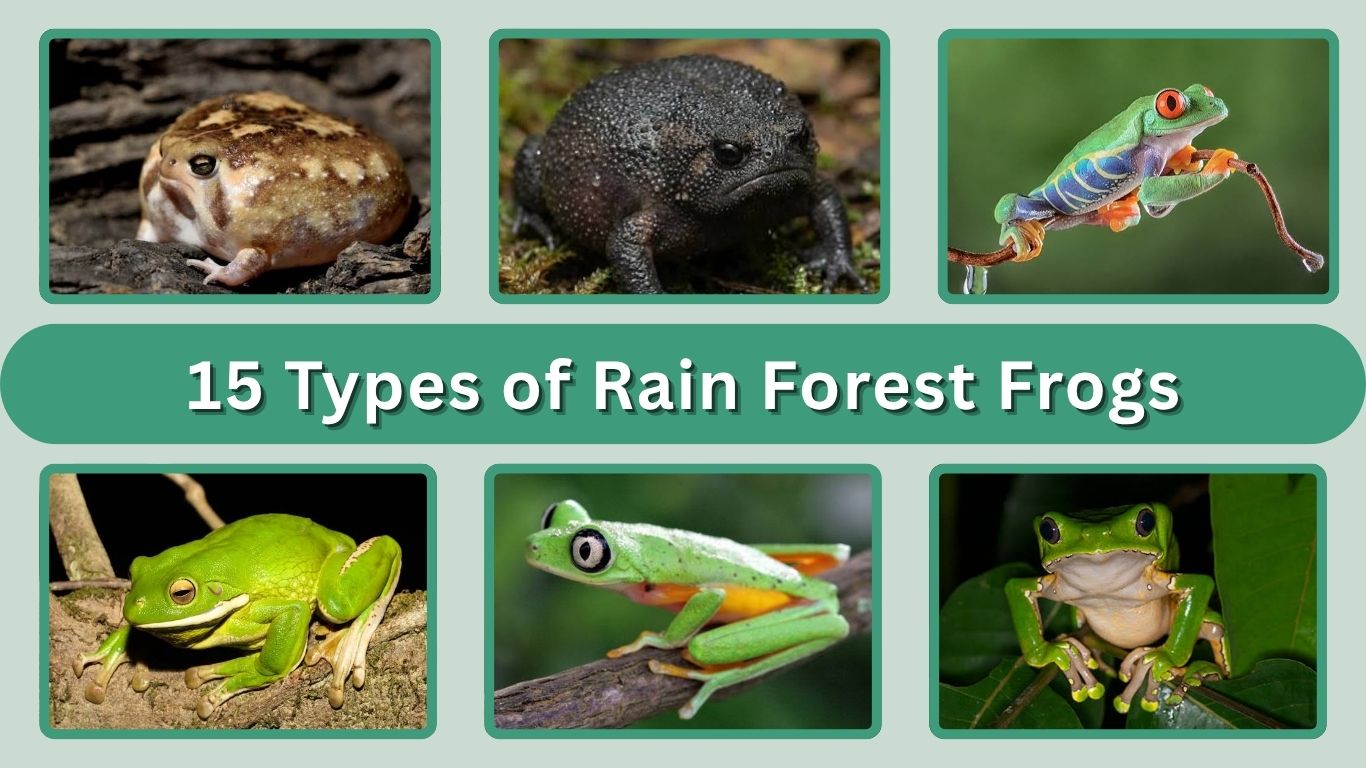
Rain forests are home to some of the most colorful, unusual, and highly adapted frogs in the world. From tiny poison dart frogs and transparent … Read More
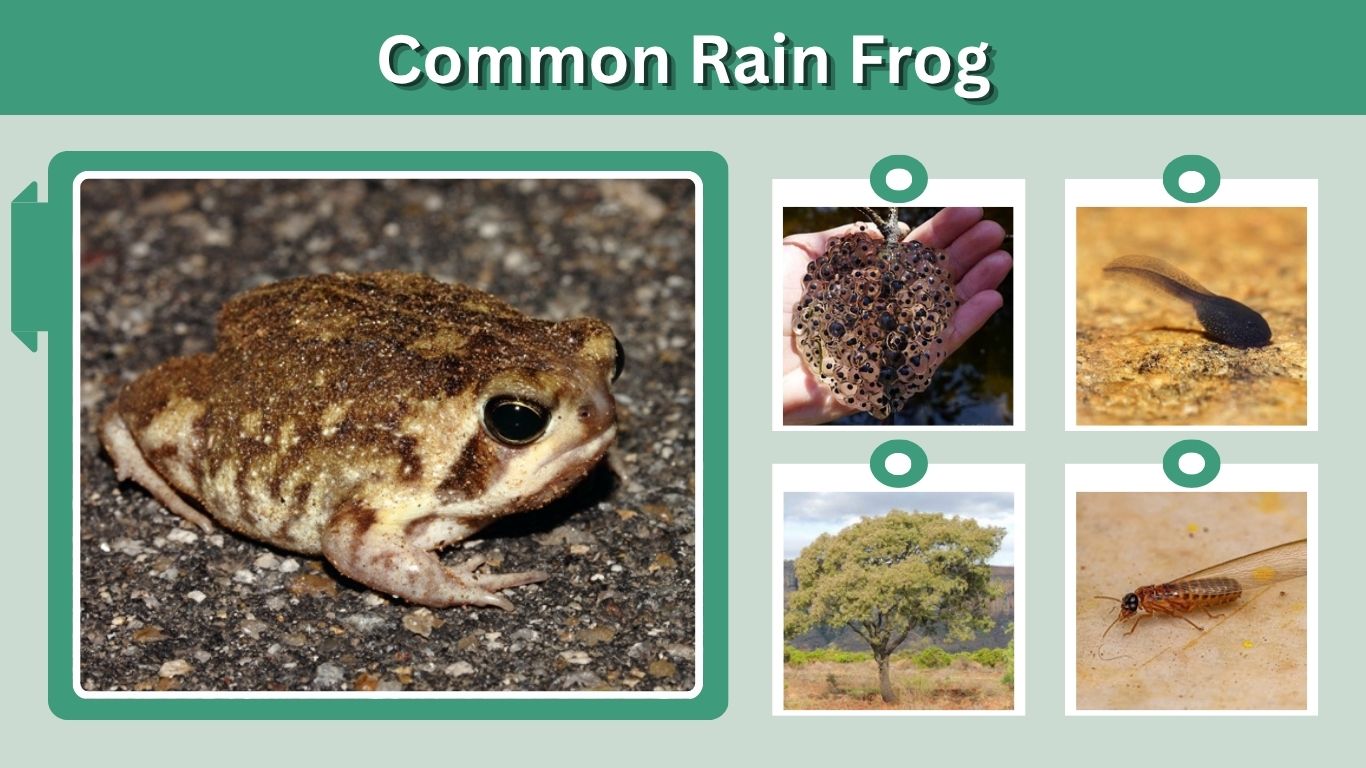
The common rain frog is a small, round-bodied amphibian native to southern Africa. Scientifically known as Breviceps adspersus, it is also called the bushveld rain … Read More
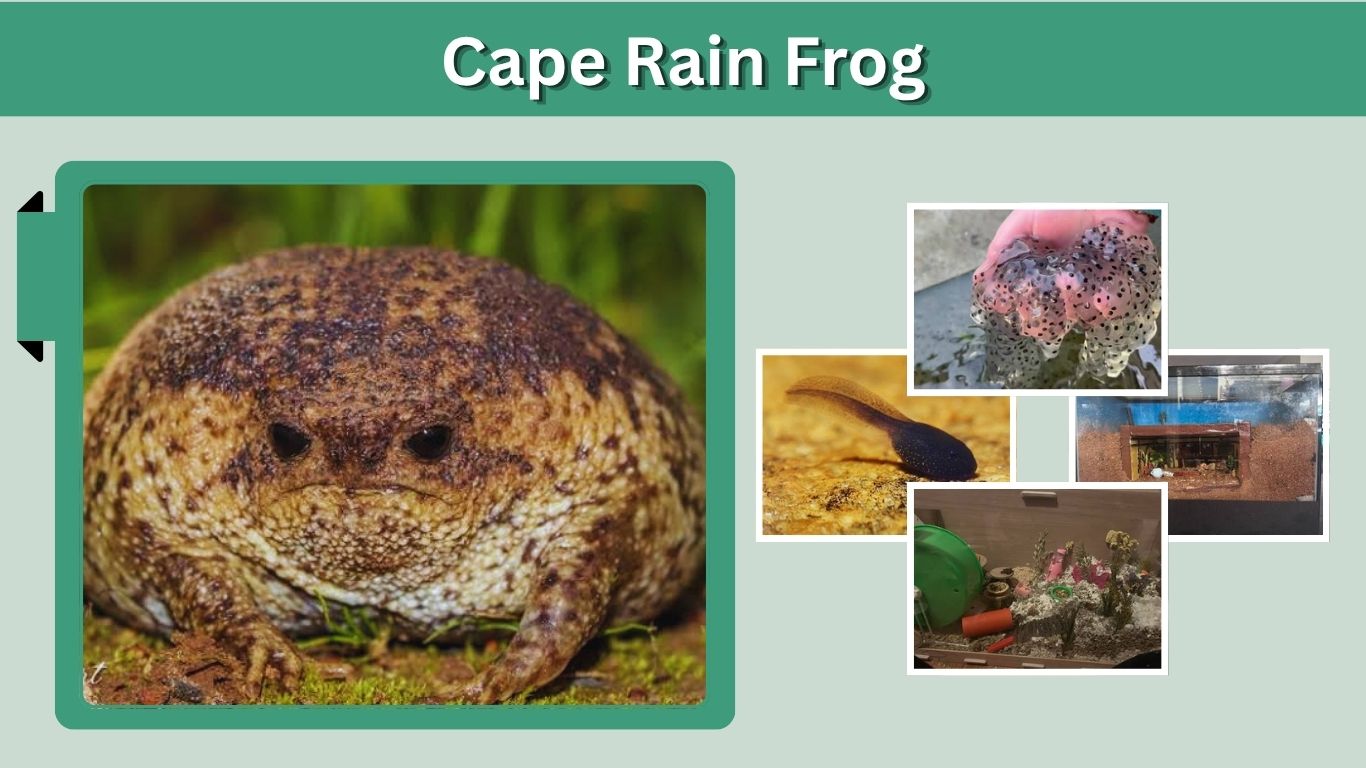
The Cape rain frog is a round, burrowing amphibian native to South Africa’s Western Cape. Scientifically known as Breviceps gibbosus, it spends most of its … Read More
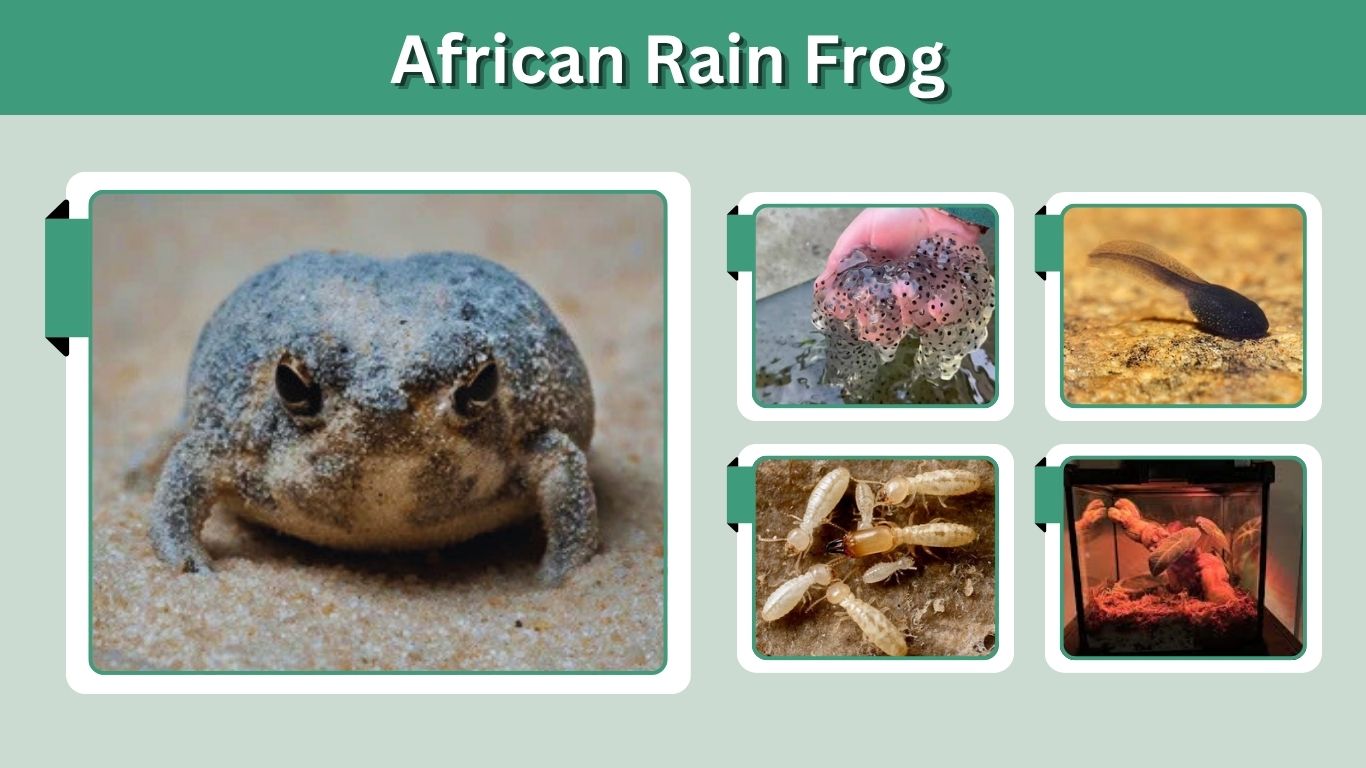
African rain frogs are small, round-bodied amphibians famous for their short legs, grumpy expressions, and surprisingly loud squeaks. The name commonly refers to species in … Read More
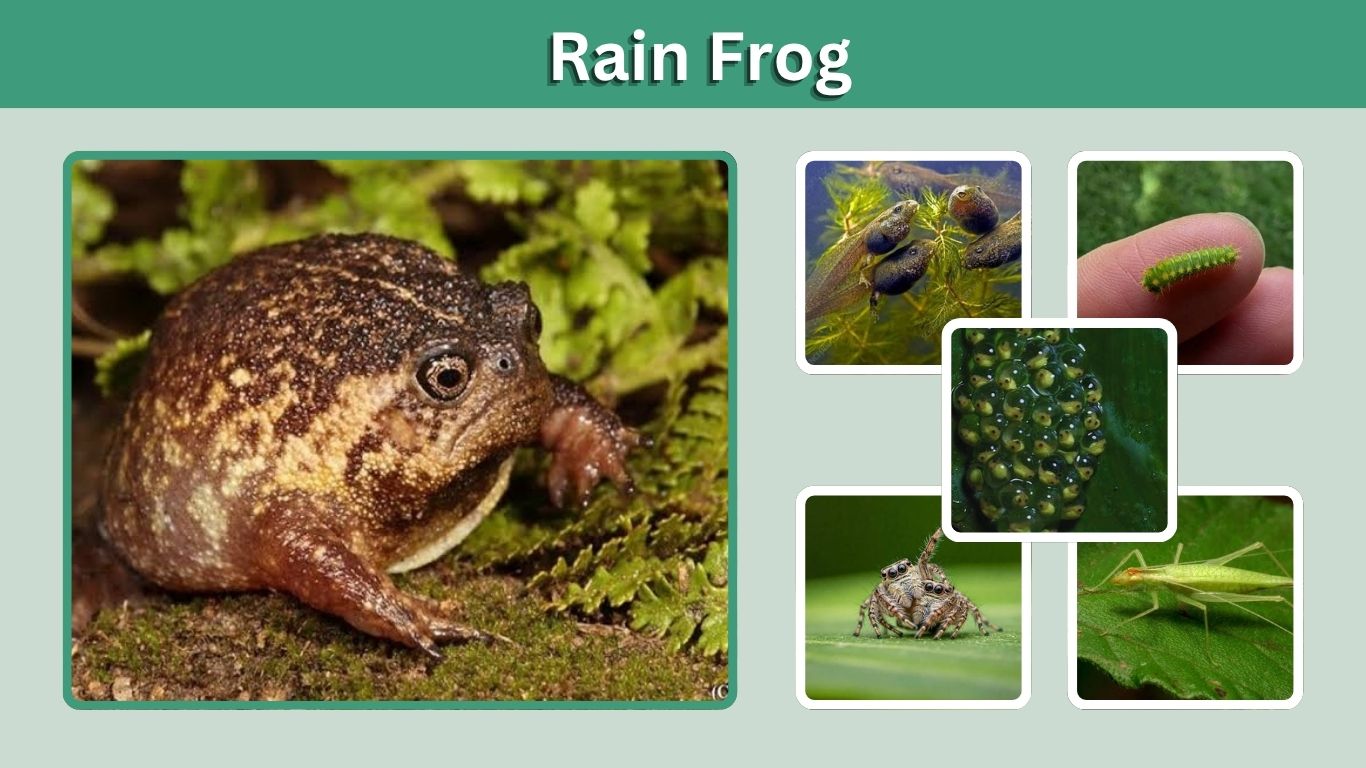
The rain frog is a small, round-bodied burrowing frog best known for its short legs, grumpy-looking face, and surprisingly loud squeaks. Most true rain frogs … Read More
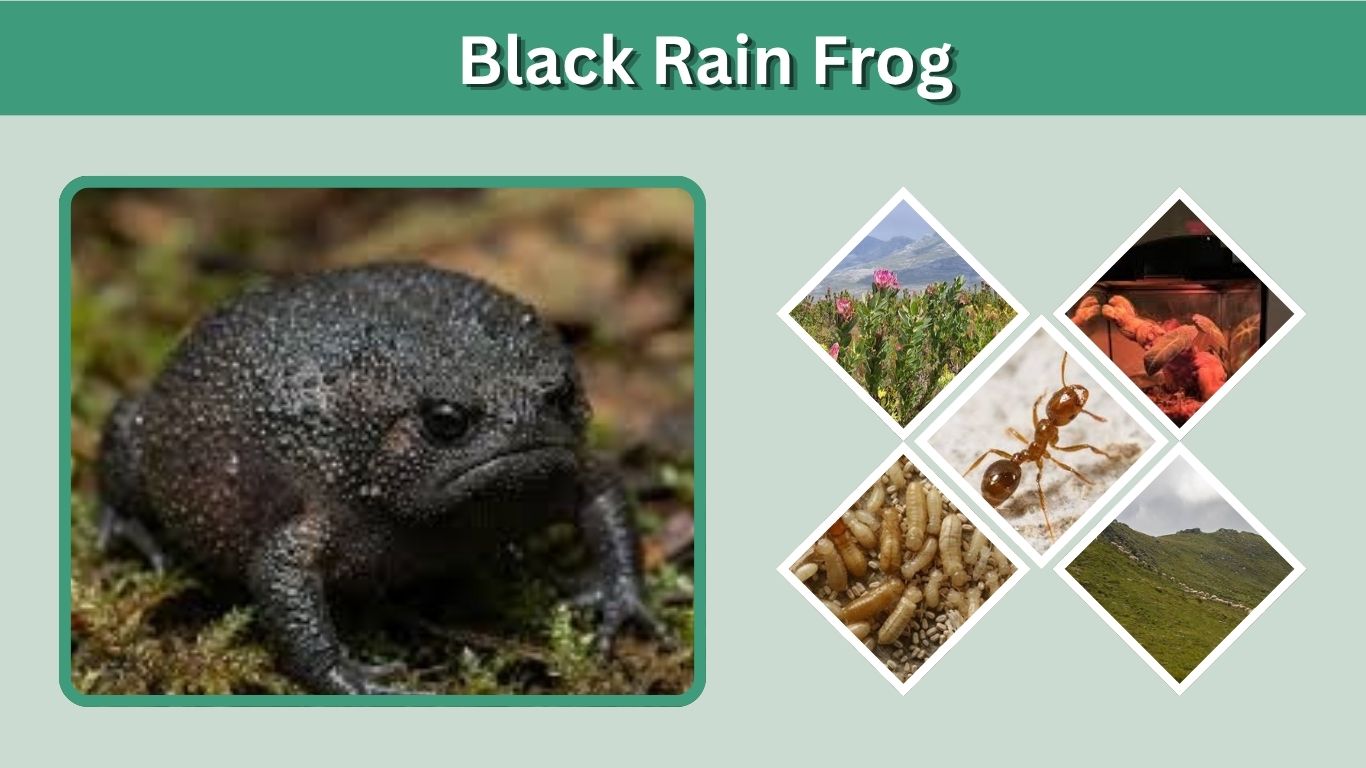
The black rain frog (Breviceps fuscus) is a small, round, dark-colored frog native to South Africa. Famous online for its permanently grumpy-looking face, plump body, … Read More